 MomSkoop
Television has introduced viewers to countless memorable protagonists, but not all of them are easy to like. While some lead characters win audiences over with their charm and heroism, others leave a lasting impression for entirely different reasons.
Whether they’re selfish, manipulative, arrogant, or simply frustrating to watch, these characters often spark debate among fans. Love them or hate them, they’ve become unforgettable parts of television history. Here are the 17 most unlikable lead characters on television.
1. Ted Mosby — How I Met Your Mother
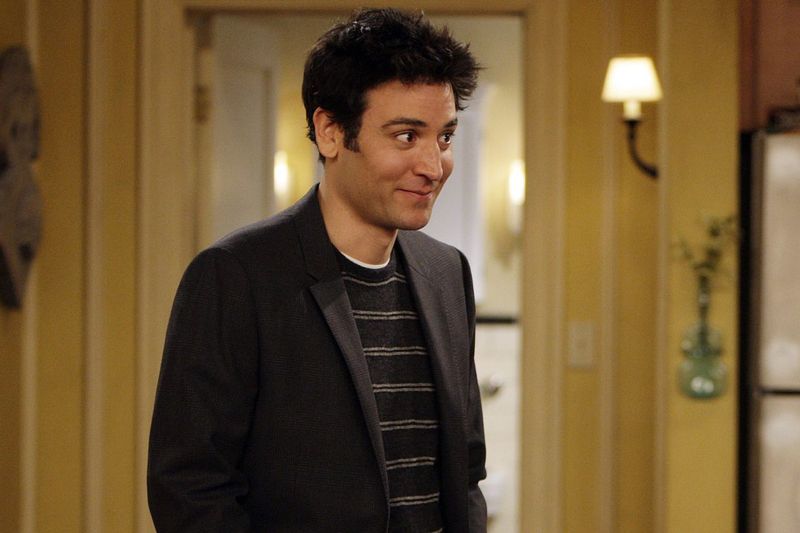
Few characters have inspired more eye-rolls per episode than Ted Mosby.
He positions himself as the ultimate romantic, yet his behavior tells a very different story.
Beneath the poetic speeches and longing looks lies someone who repeatedly puts his own feelings above everyone else’s.
Ted has a habit of making grand gestures that are really about his ego, not the person he claims to love.
His “nice guy” routine wears thin fast, especially when he sulks, guilts, or manipulates to get what he wants.
Viewers eventually started rooting for literally anyone else in the room.
He’s not a villain — just someone who believes his own hype a little too much.
2. Carrie Bradshaw — Sex and the City
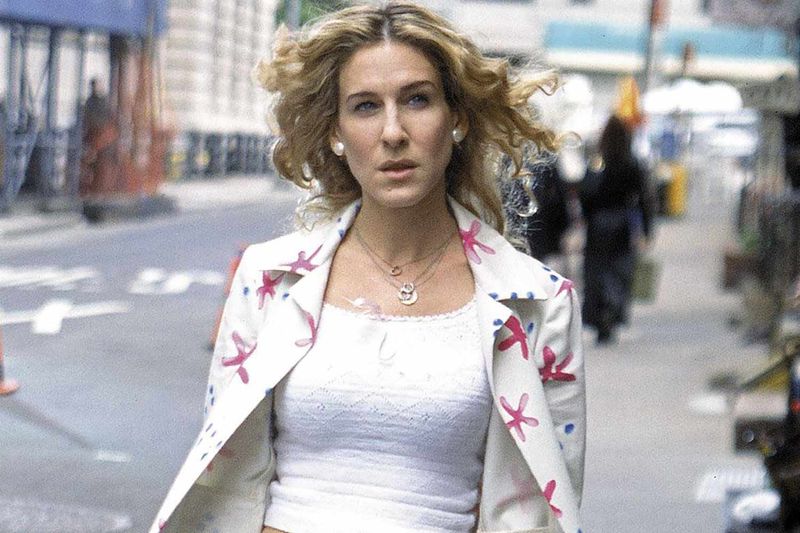
Carrie Bradshaw built an entire brand around love, friendship, and fabulous shoes — but her actual behavior toward the people closest to her told a messier story.
She borrowed money from Charlotte without a second thought and barely acknowledged the emotional weight of that ask.
Her treatment of Aidan, a genuinely kind partner, was especially hard to watch.
She cheated, lied, and then somehow framed herself as the wounded party.
The show often rewarded her for behavior that would get most people rightfully called out.
Carrie is undeniably entertaining, but entertaining and likable are two very different things — and she rarely managed both at once.
3. Hannah Horvath — Girls
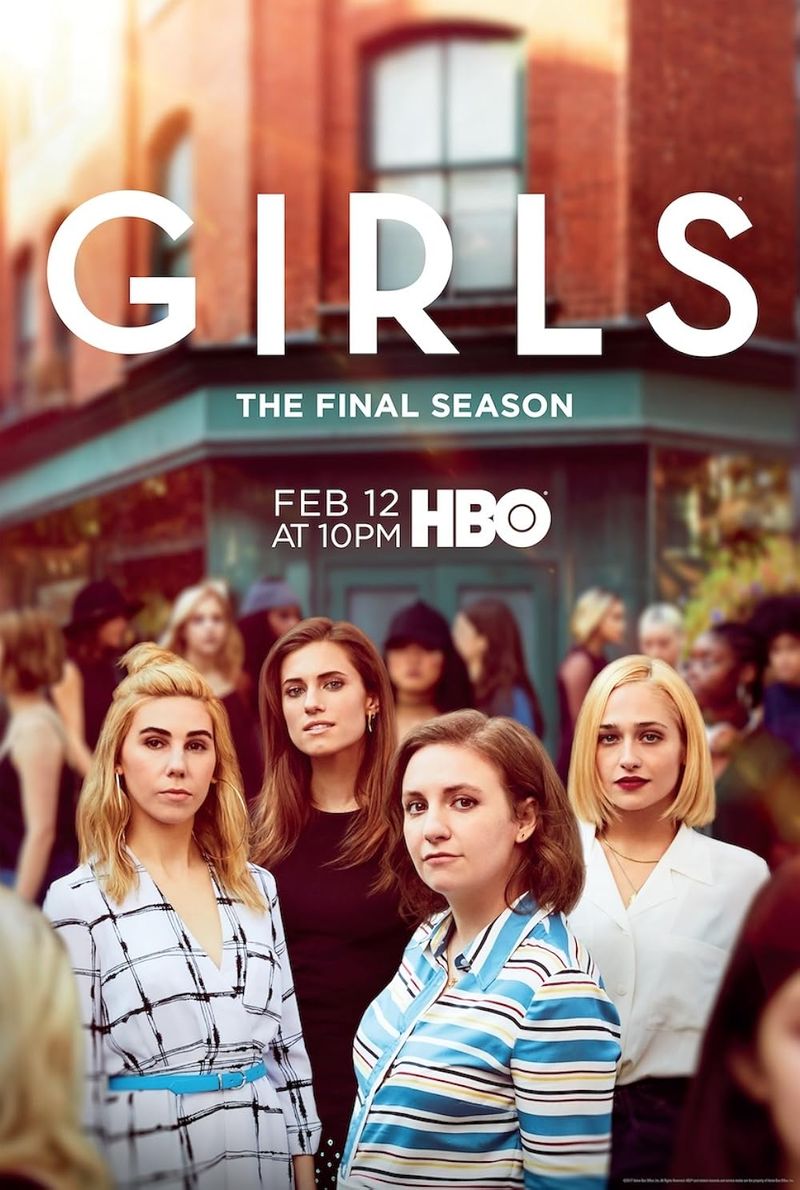
Hannah Horvath was designed to be uncomfortable to watch — and creator Lena Dunham succeeded completely.
She’s the kind of person who turns every conversation back to herself, even during someone else’s crisis.
That was the point, but knowing something is intentional doesn’t always make it easier to sit through.
What frustrated many viewers wasn’t her flaws but her refusal to grow.
Season after season, Hannah made the same mistakes and treated the same people poorly.
The show never quite gave audiences a reason to believe things would change.
Her character sparked real conversations about privilege and self-awareness, which is genuinely valuable — even if Hannah herself never seemed to get the memo.
4. Piper Chapman — Orange Is the New Black

Piper Chapman was supposed to be the audience’s way into Litchfield Penitentiary — a relatable outsider navigating an unfamiliar world.
Instead, she quickly became the least interesting person in the room, surrounded by far more compelling characters she constantly overshadowed with her problems.
Her entitlement was breathtaking.
Piper consistently made choices that hurt the people around her and rarely faced meaningful consequences.
She treated her relationships like accessories, picking them up and dropping them based on what served her best in the moment.
Fans didn’t abandon the show — they just started fast-forwarding through her scenes to get to literally anyone else.
That says everything about how the audience felt.
5. Ross Geller — Friends
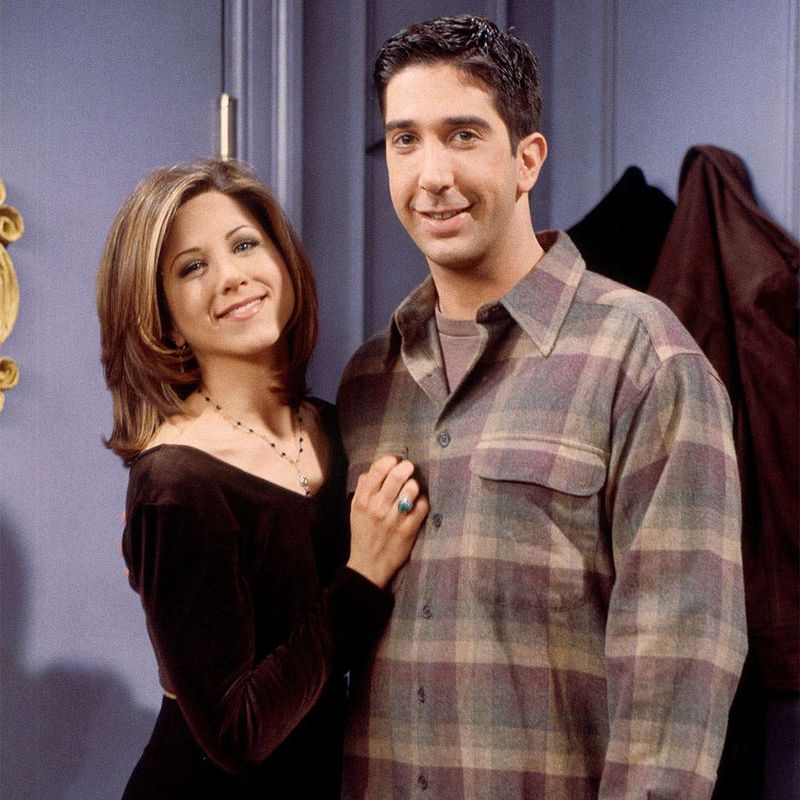
Ross Geller gets a lot of sympathy from the show, but audiences who look closely tend to see someone far less charming.
His obsession with Rachel veers from romantic into controlling territory more than once, and his jealousy causes real harm to the people around him.
He corrects people constantly, talks down to his friends, and has a deeply fragile ego hiding behind academic credentials.
The show frames his behavior as endearing quirks, but many viewers recognized the patterns for what they actually were.
“We were on a break” became a cultural punchline, but it also perfectly captured how Ross always found a way to position himself as the wronged party — no matter what.
6. Walter White — Breaking Bad
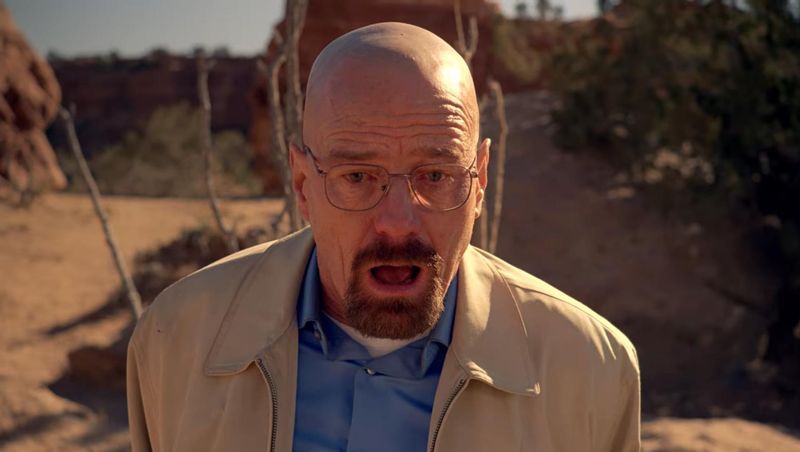
Walter White might be the most brilliantly written character on this entire list, which makes his descent all the more disturbing.
He starts as someone you genuinely feel sorry for — underpaid, undervalued, and facing a terminal diagnosis.
That sympathy evaporates slowly and then all at once.
By the later seasons, Walter’s ego has consumed everything.
He lies to his family, manipulates Jesse relentlessly, and justifies every terrible choice as being “for his family” — a phrase that stops being believable long before he does.
The show’s genius was making viewers root for him just long enough to feel complicit.
Watching him become a monster was uncomfortably easy.
7. Tony Soprano — The Sopranos
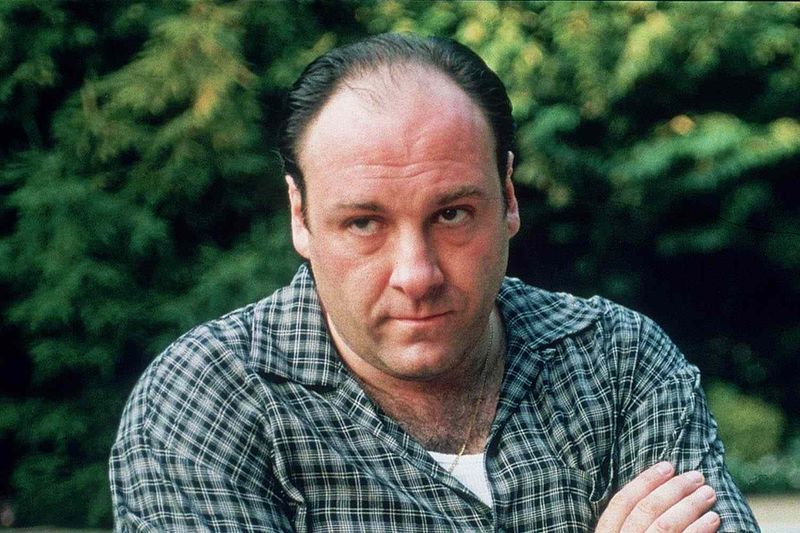
Tony Soprano practically invented the modern antihero template, and nearly every morally complex TV character since owes him a debt.
But being influential doesn’t make someone likable — and Tony is, at his core, a violent and emotionally abusive man who weaponizes vulnerability.
His therapy sessions with Dr. Melfi gave the audience a window into his psyche, but they also revealed how little he actually wanted to change.
He used insight as a tool for manipulation rather than genuine growth.
His family paid the heaviest price for that refusal.
Tony is endlessly watchable, no question.
But rooting for him requires setting aside a lot of very real harm — and that discomfort was always the point.
8. Joffrey Baratheon — Game of Thrones
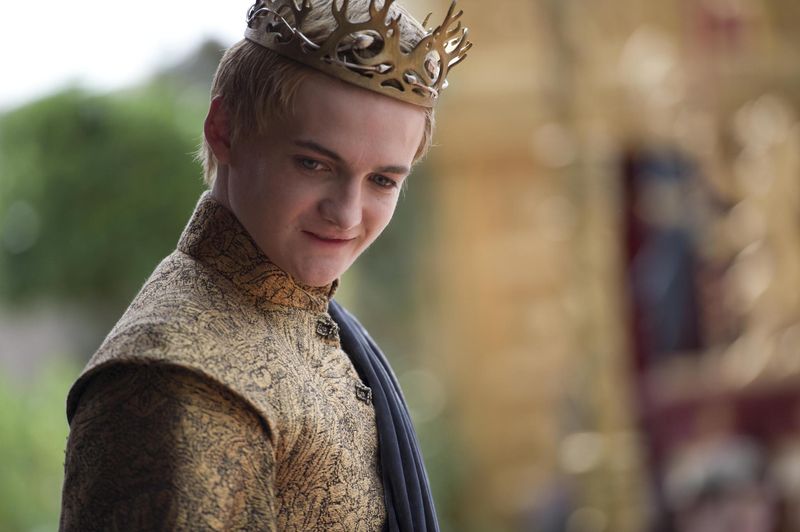
Joffrey Baratheon holds a special place in television history as one of the most purely hateable characters ever put on screen.
There is no redemption arc, no hidden trauma that excuses him, and no moment where the audience is asked to feel sorry for the boy beneath the crown.
He is sadistic to the bone — cruel to servants, cowardly in battle, and visibly delighted by the suffering of others.
Jack Gleeson played him so convincingly that the actor had to step back from public life afterward.
Audiences despised Joffrey so thoroughly that his eventual fate became one of the most celebrated moments in the show’s entire run.
That’s a legacy all its own.
9. Daenerys Targaryen (Final Seasons) — Game of Thrones

For years, Daenerys Targaryen was the character fans championed most fiercely.
She freed slaves, built armies from nothing, and carried herself with a dignity that made her arc feel genuinely inspiring.
Then the final seasons happened, and many viewers felt robbed of everything they had invested in her.
The shift toward mass violence felt rushed rather than earned.
Her descent into cruelty needed more runway, more internal conflict shown on screen — not just a few brooding looks before burning a city.
Fans weren’t angry because complex characters shouldn’t fall — they were angry because the storytelling didn’t do justice to the fall.
A great character deserved a better-written ending than what she received.
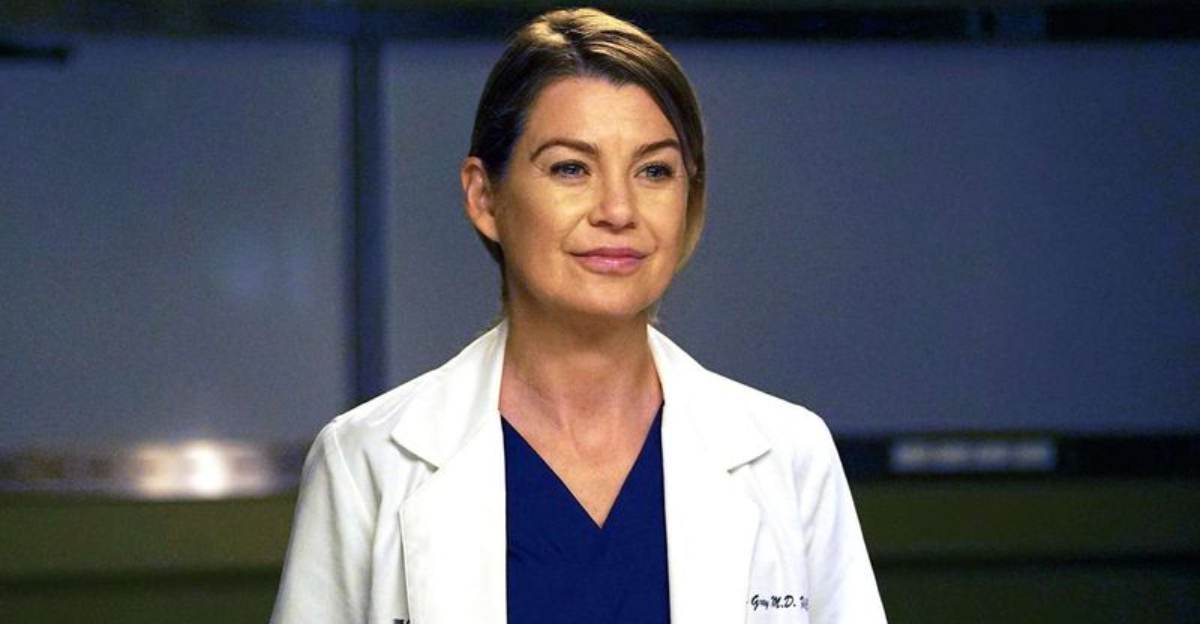
10. Meredith Grey — Grey’s Anatomy
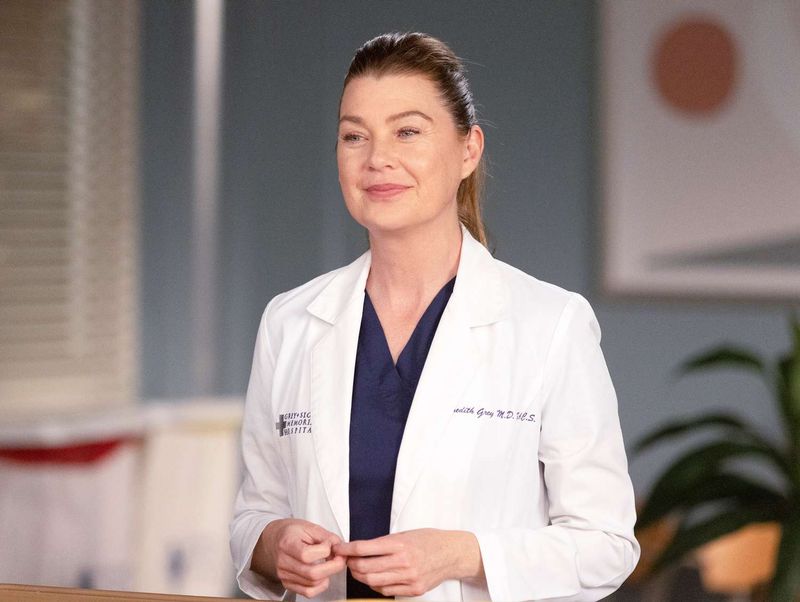
Meredith Grey has been on television so long that it can feel strange to criticize her — she’s practically furniture at this point.
But longevity doesn’t equal likability, and many longtime viewers have grown frustrated with patterns that never really change no matter how many seasons pass.
She plays favorites with residents and colleagues, exercises questionable judgment on a regular basis, and cycles through the same emotional breakdowns with diminishing dramatic returns.
The show keeps rewarding her professionally despite decisions that would end most careers.
That said, Ellen Pompeo brings a real warmth to the role that makes Meredith watchable even when she’s at her most frustrating.
It’s a complicated kind of loyalty that only long-running TV can create.
11. Dawson Leery — Dawson’s Creek
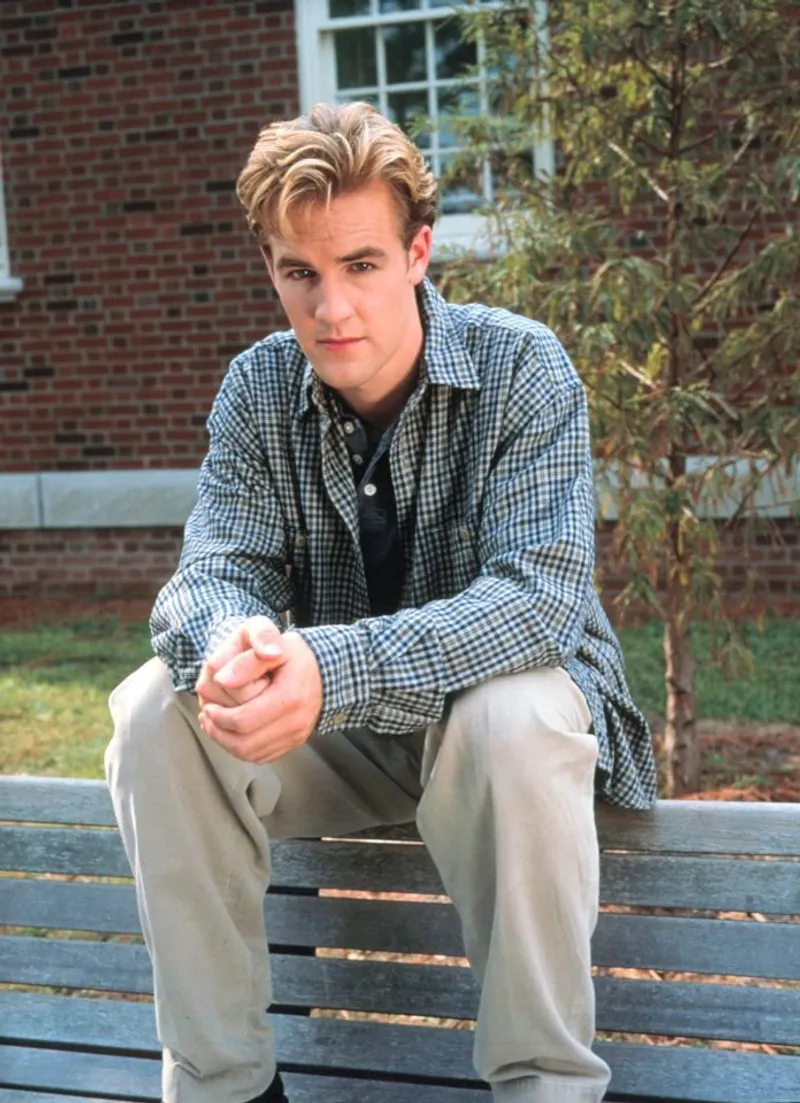
Dawson Leery had the misfortune of being the least interesting person on a show named entirely after him.
While Pacey grew, Joey evolved, and even Jack dealt with real challenges with grace, Dawson mostly stood on his dock being outraged that the world didn’t match his screenplay of it.
His sanctimony was legendary.
He frequently positioned himself as the moral authority of his friend group while making some of the worst decisions of anyone in the cast.
The show kept framing him as right even when audiences clearly disagreed.
By the finale, most viewers had firmly chosen Team Pacey — not just romantically, but as the character they actually wanted to spend time with.
12. Emily Cooper — Emily in Paris
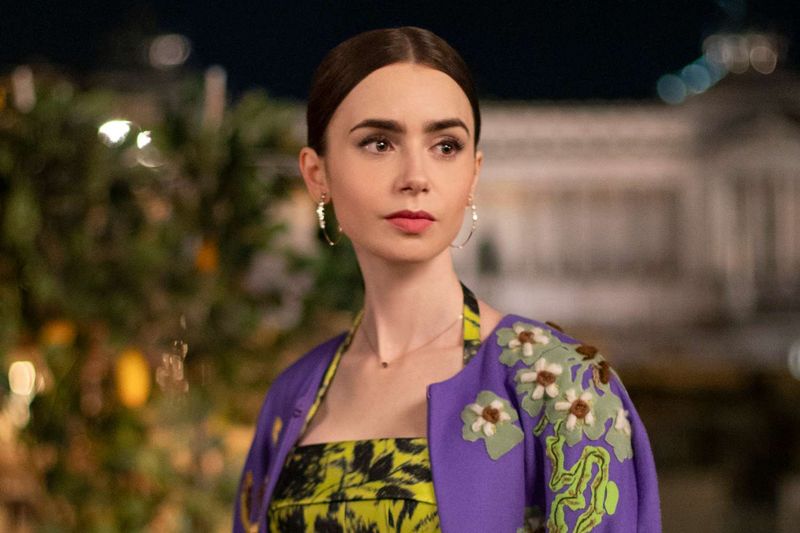
Emily Cooper arrived in Paris with zero French language skills, no cultural curiosity, and absolute confidence that her American instincts were exactly what everyone needed.
Her colleagues’ frustration with her was portrayed as jealousy, when it often looked more like a reasonable reaction to her behavior.
She gets promotions she hasn’t earned, navigates ethical lines at work without consequence, and repeatedly inserts herself into situations where she was clearly not invited.
The show rewards her constantly, which makes the lack of accountability even harder to ignore.
Emily is fun to watch in the way a chaotic reality show is fun — you’re entertained, but you’re not exactly rooting for her.
You’re mostly just waiting to see what she does next.
13. Rick Grimes (Later Seasons) — The Walking Dead

Early Rick Grimes was easy to root for — a good man trying to hold onto decency in a world that had abandoned it.
He made hard calls but carried the weight of them visibly, and that vulnerability made him compelling.
Something shifted in the later seasons that many fans found difficult to articulate but impossible to ignore.
He became increasingly authoritarian, dismissing others’ input and swinging between extremes without consistent logic.
The writing leaned into repetitive cycles of loss and resolve that started feeling mechanical rather than emotional.
Andrew Lincoln’s performance remained strong throughout, but even great acting couldn’t fully disguise how narratively stuck Rick had become.
Audiences felt it long before the writers acknowledged it.
14. Sheldon Cooper — The Big Bang Theory
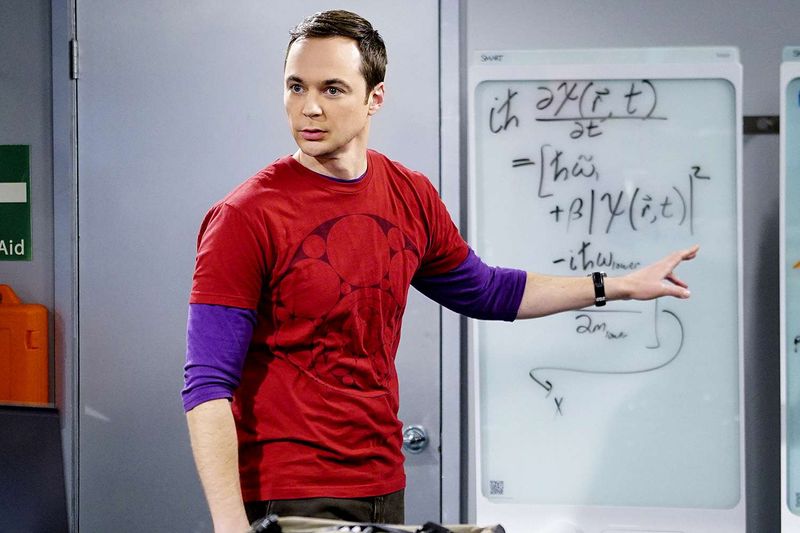
Sheldon Cooper is undeniably funny — the show wouldn’t have run twelve seasons without him.
But comedy and likability aren’t the same thing, and Sheldon tests the patience of even his most devoted fans on a regular basis.
His arrogance is relentless, and his disregard for the feelings of those around him rarely comes with genuine consequences.
Leonard, Penny, Howard, and Raj sacrifice enormous amounts of time and emotional energy enabling behavior that would end most real friendships.
The show plays this for laughs, but it also normalizes a dynamic that isn’t particularly healthy.
When Sheldon finally showed growth in later seasons, it felt earned.
But getting there required sitting through years of one-sided relationships that wore noticeably thin.
15. Don Draper — Mad Men

Don Draper looks like everything a 1960s man should be — sharp suit, magnetic charm, and a jawline built for billboards.
But scratch the surface and you find someone built entirely on lies.
His real name isn’t even Don Draper, and that identity theft sets the tone for every relationship he destroys afterward.
He cheats on his wives, abandons his children emotionally, and takes credit for others’ ideas without blinking.
Colleagues admire him while he systematically disappoints them.
Watching Don is like seeing a beautifully wrapped gift that’s completely empty inside.
He’s fascinating, but rooting for him feels like a trap.
16. Frank Underwood — House of Cards
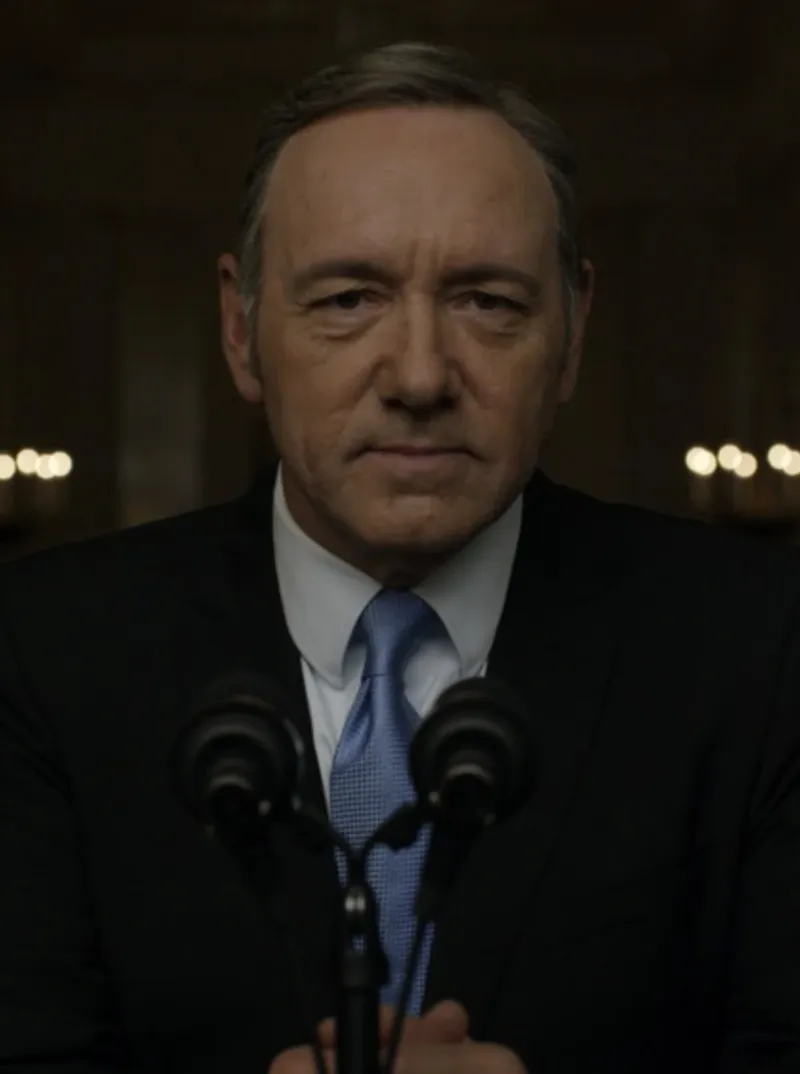
Most antiheroes make you feel guilty for cheering them on.
Frank Underwood manages to make you feel guilty and then does something so cold-blooded you stop cheering entirely.
He schemes his way from congressman to president through manipulation, blackmail, and actions far darker than any political maneuvering.
Frank speaks directly to the camera like he’s letting you in on a secret, and somehow that makes his ruthlessness even harder to excuse.
He treats loyalty as a disposable resource and human lives as chess pieces.
Watching him is gripping, but admiring him?
That is a line worth thinking twice about crossing.
17. Dexter Morgan — Dexter
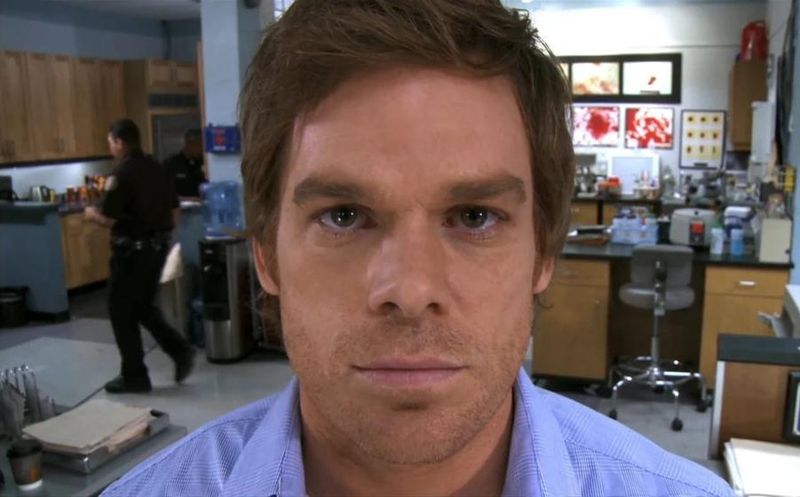
Dexter Morgan is a serial killer the show desperately wants you to root for.
He follows a code that targets only other killers, which sounds noble until you remember he’s still murdering people in elaborate, premeditated ways.
The show leans hard on making him sympathetic, and for a while, it almost works.
But Dexter’s self-absorption rivals anyone on this list.
He endangers everyone around him — his sister, his son, his coworkers — and repeatedly chooses his compulsions over their safety.
By the later seasons, his recklessness stops being thrilling and starts feeling genuinely selfish.
Charming packaging, deeply troubling contents lurking within.