 MomSkoop
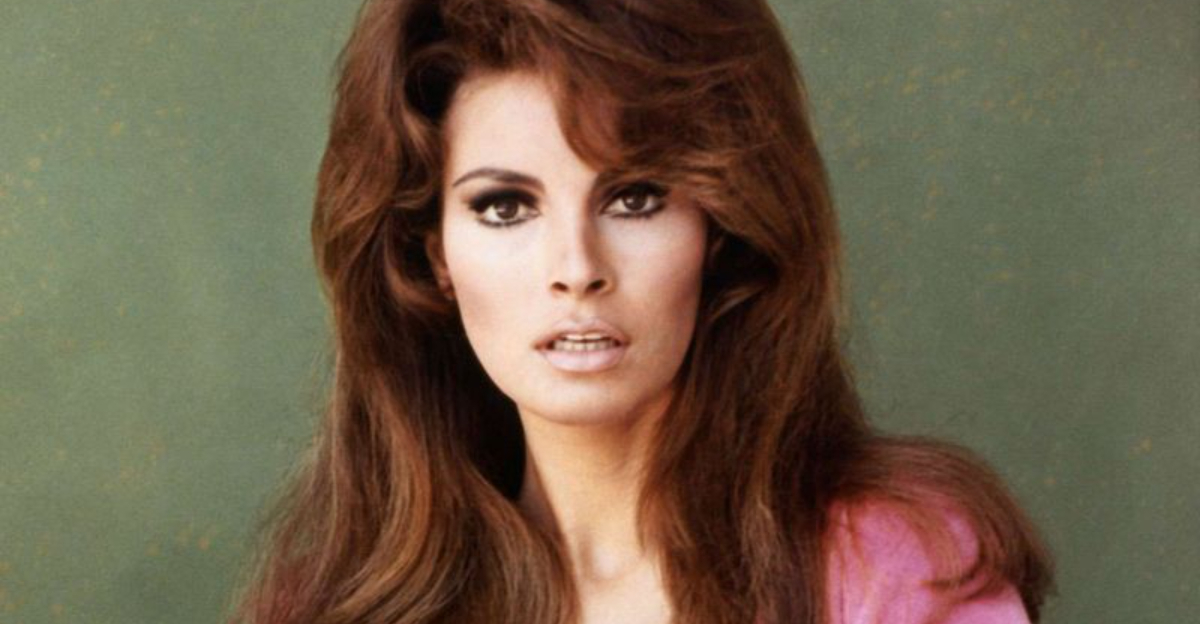
The 1960s marked a revolutionary shift in how the world viewed beauty and style. From Hollywood starlets to European fashion models, certain women captured imaginations and set trends that still influence us today.
These icons represented different ideals—from classic elegance to bold modernity—showing that beauty could take many forms.
1. Brigitte Bardot
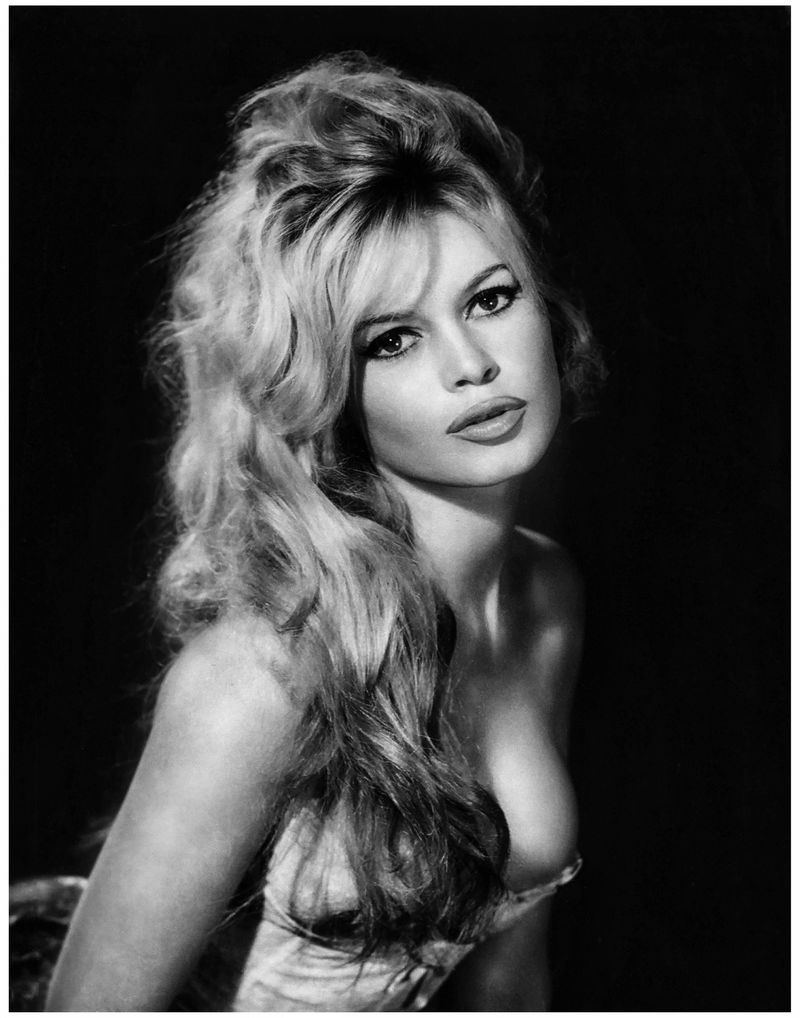
Brigitte Bardot transformed what it meant to be beautiful in the 1960s with her carefree, sensual style.
Her signature tousled blonde hair looked like she had just rolled out of bed, yet somehow appeared completely glamorous.
French women everywhere copied her cat-eye makeup and pouty lips.
BB, as fans called her, made natural beauty seem effortless when other stars were still wearing heavy makeup and stiff hairstyles.
Her influence reached far beyond France, changing global beauty standards.
She proved that being attractive didn’t require perfection—just confidence and a relaxed attitude that felt refreshingly modern for the era.
2. Audrey Hepburn
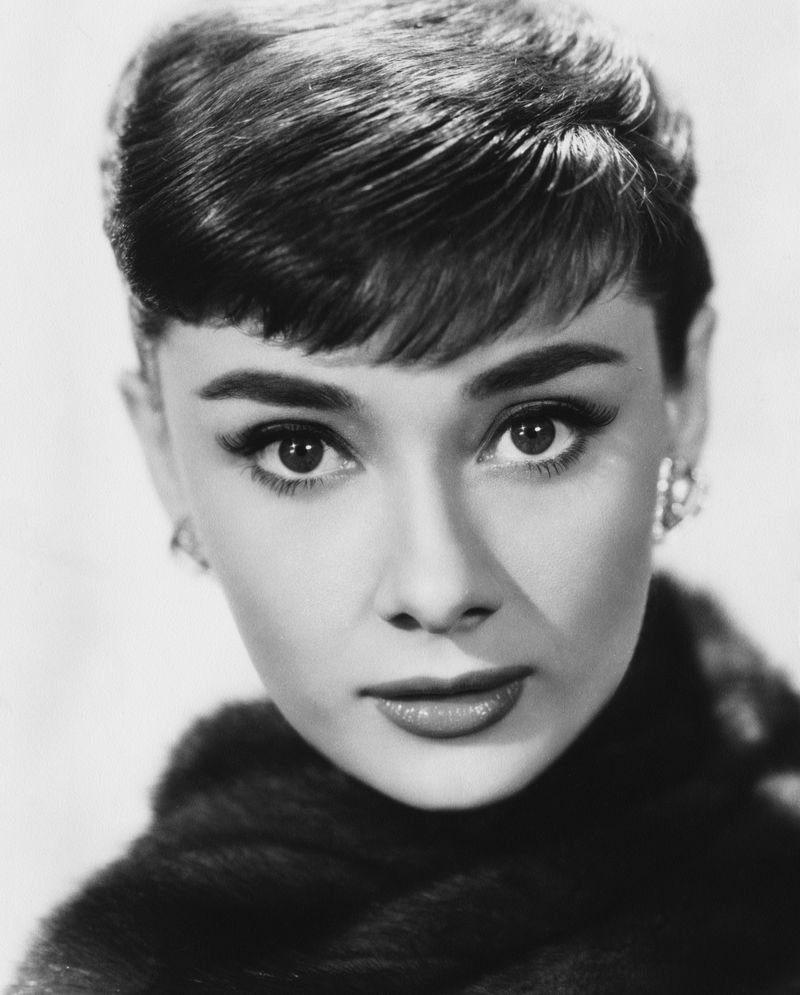
Grace personified, Audrey Hepburn represented a completely different beauty ideal during the swinging sixties.
Her delicate features, doe eyes, and slender frame created an almost fairy-tale appearance that captivated audiences worldwide.
Unlike bombshells of the era, she embraced simplicity and sophistication.
Her collaboration with designer Hubert de Givenchy produced timeless looks that remain fashionable today.
Audrey’s short pixie haircut and minimal makeup challenged conventional femininity.
She demonstrated that true beauty comes from kindness and poise, not just physical attributes, making her an enduring icon whose influence transcends generations and continues inspiring modern fashionistas.
3. Sophia Loren
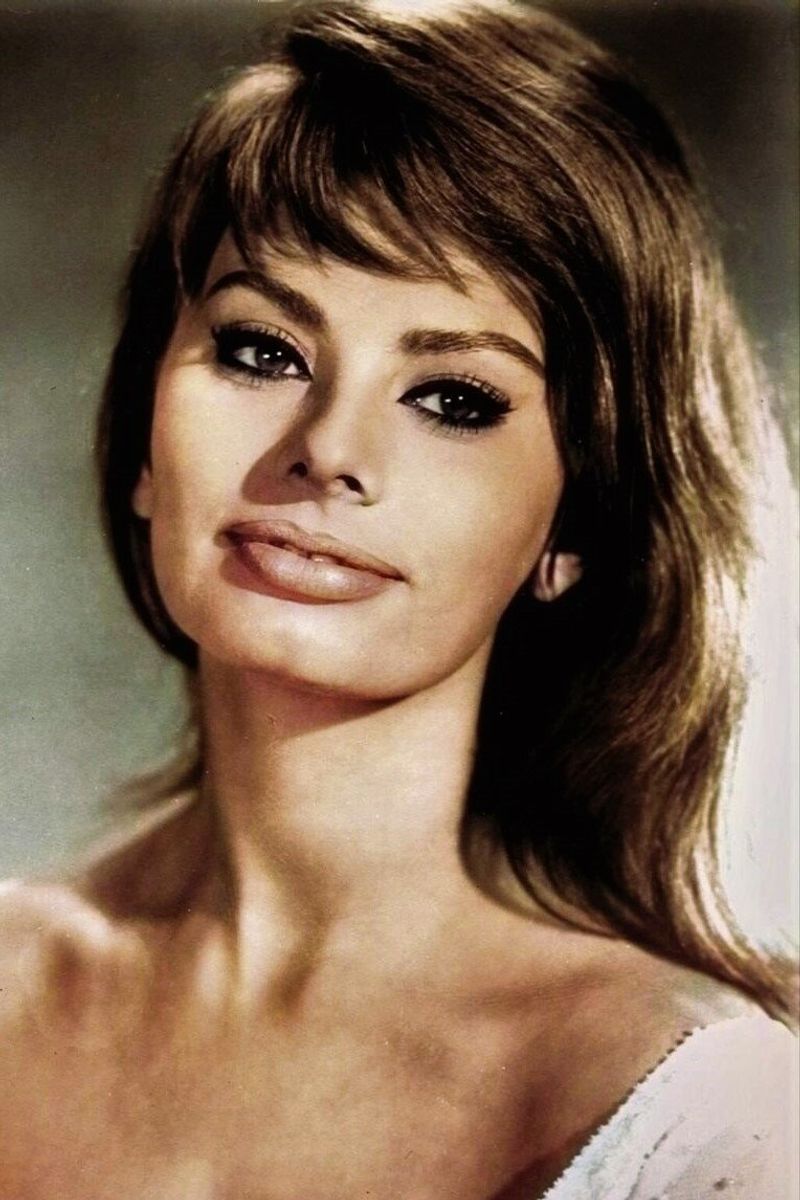
Sophia Loren brought Mediterranean passion and curves to an industry increasingly obsessed with thin frames.
Her hourglass figure, expressive eyes, and dramatic features celebrated a more voluptuous beauty standard.
Italian cinema showcased her natural sensuality and powerful screen presence.
Sophia never apologized for her body, famously saying everything she had, she owed to spaghetti.
Her bold eyebrows and sultry gaze became her trademarks.
Women admired how she combined strength with femininity, proving that confidence and self-acceptance were the real secrets to attractiveness during a decade that tried pushing impossibly narrow beauty ideals onto everyone.
4. Twiggy
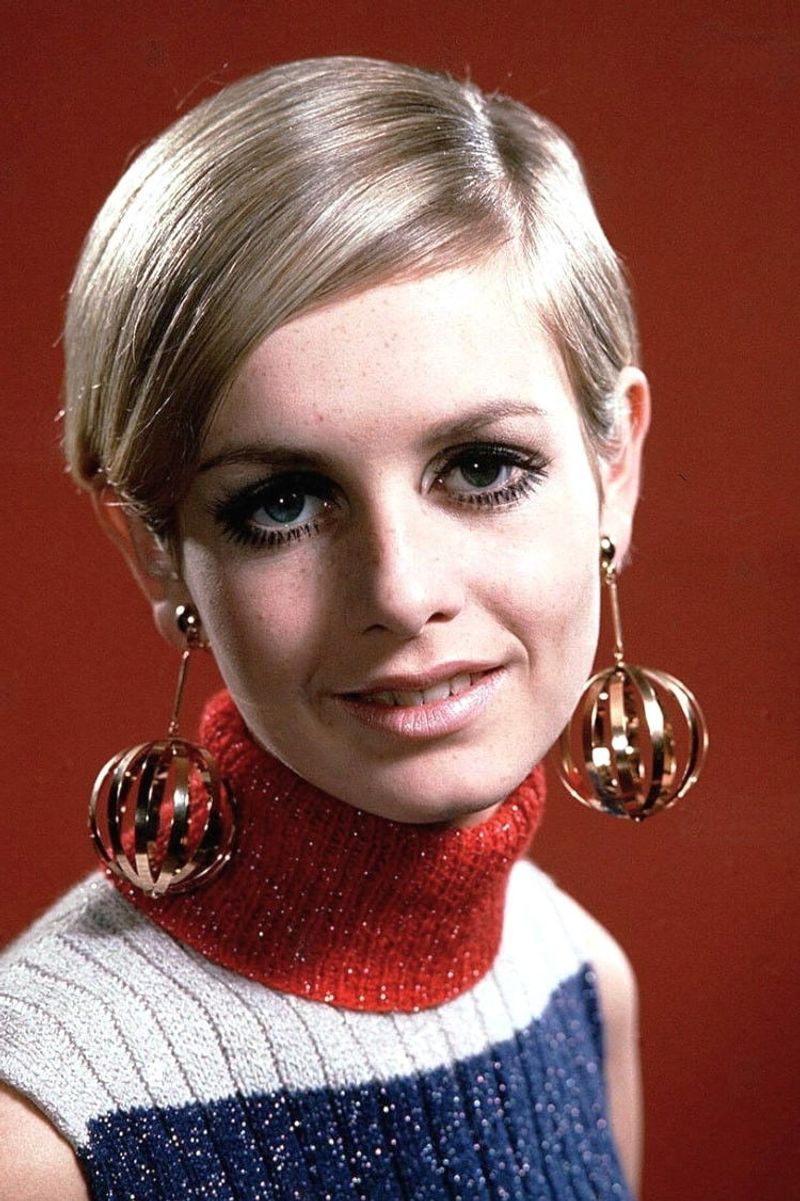
At just sixteen, Lesley Hornby became Twiggy and revolutionized the entire modeling industry overnight.
Her boyish pixie haircut, enormous eyes painted with exaggerated lower lashes, and stick-thin figure defined the mod movement.
She looked nothing like previous decades’ curvy pin-ups.
Twiggy’s androgynous appearance reflected youth culture’s rebellion against traditional femininity.
Her wide-eyed innocent look appeared on magazine covers worldwide, making her the first true supermodel.
Though her ultra-thin frame sparked controversy then and now, her impact on fashion photography and beauty standards remains undeniable throughout the swinging sixties era and beyond.
5. Catherine Deneuve
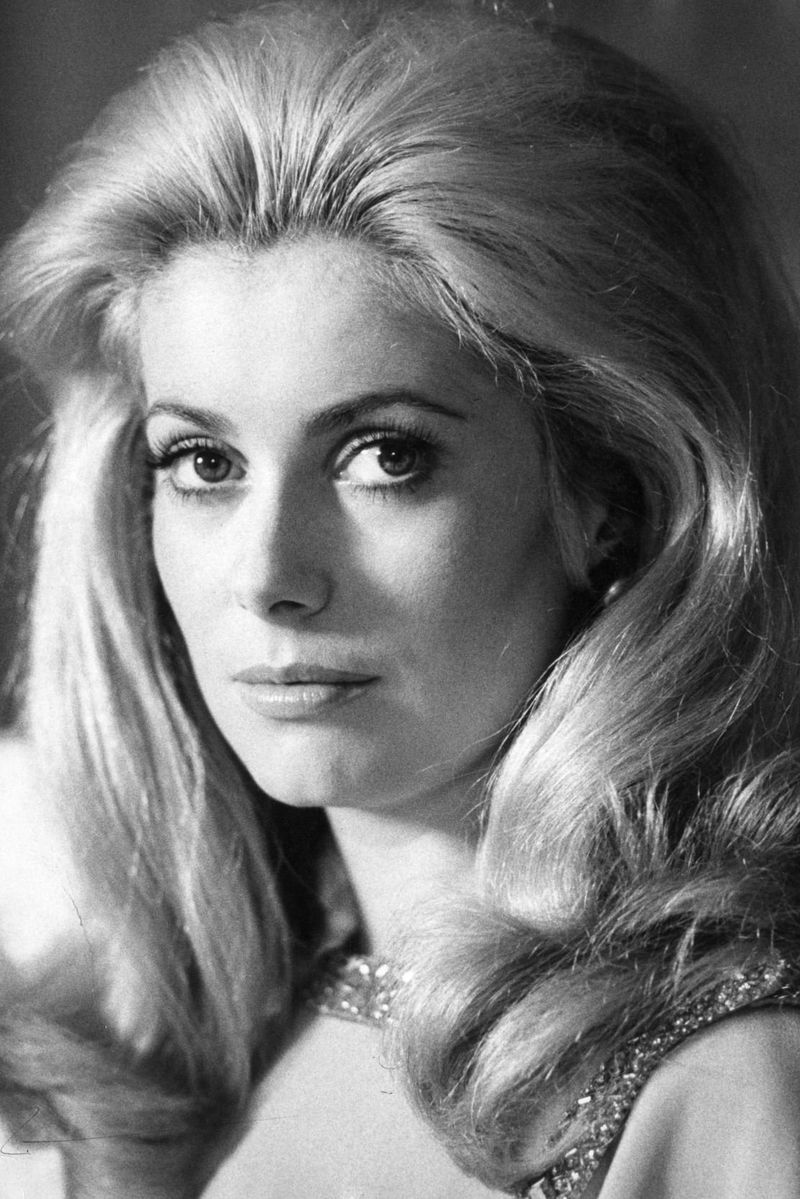
Catherine Deneuve embodied icy blonde perfection with a mysterious, untouchable quality that mesmerized audiences.
Her flawless porcelain skin and symmetrical features made her look almost unreal.
French directors cast her repeatedly as the epitome of sophisticated beauty.
Unlike warm, approachable stars, Catherine maintained an air of cool reserve that only increased her allure.
Her timeless style influenced fashion houses for decades.
She represented intellectual beauty—elegant, composed, and eternally chic.
Catherine proved that sometimes mystery and restraint create more impact than overt sexuality, establishing a beauty standard that valued refinement over flashiness throughout the decade.
6. Raquel Welch
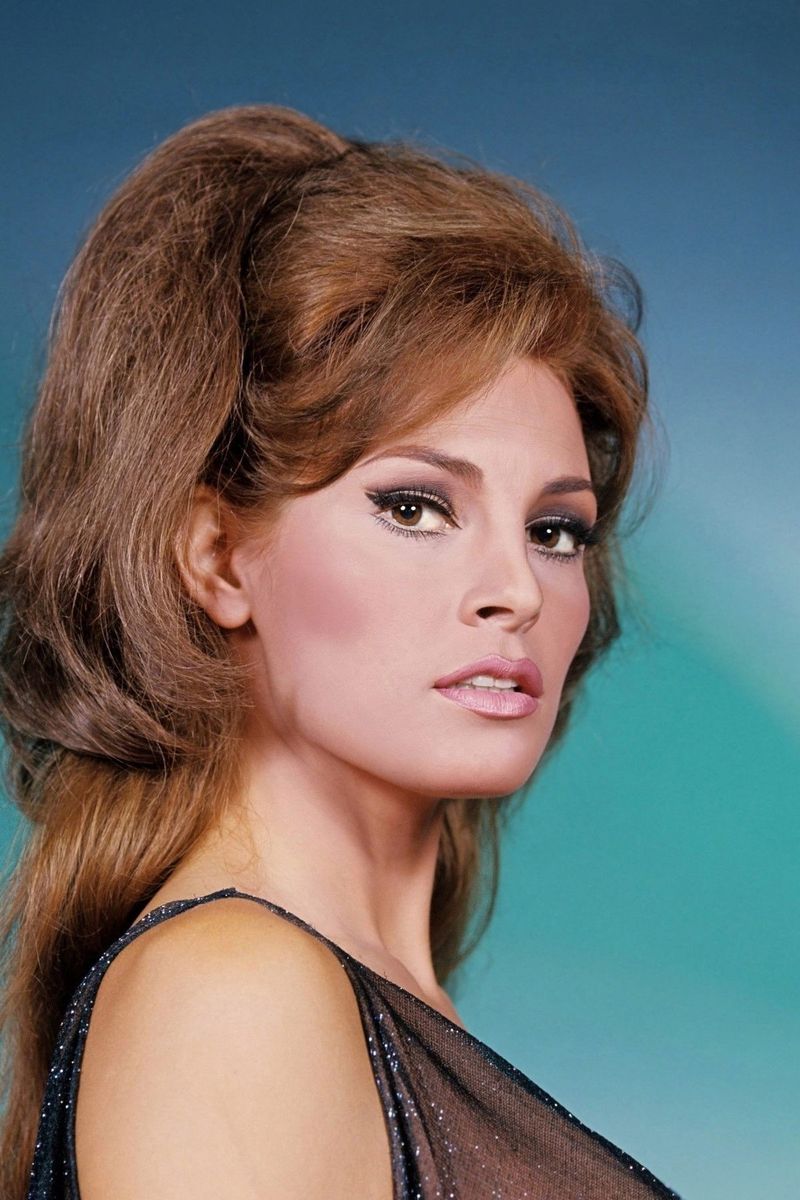
One movie poster changed everything for Raquel Welch and redefined sensuality for an entire generation.
Her appearance in a fur bikini in One Million Years B.C. became one of cinema’s most iconic images.
Raquel’s combination of athletic build, exotic beauty, and fierce confidence set her apart.
She worked hard maintaining her physique through exercise, ahead of the fitness trend.
Her long flowing hair and strong features projected power alongside femininity.
Unlike passive beauties, Raquel seemed capable and strong, appealing to changing attitudes about women’s roles during the sixties when female empowerment began gaining momentum across society.
7. Jean Shrimpton
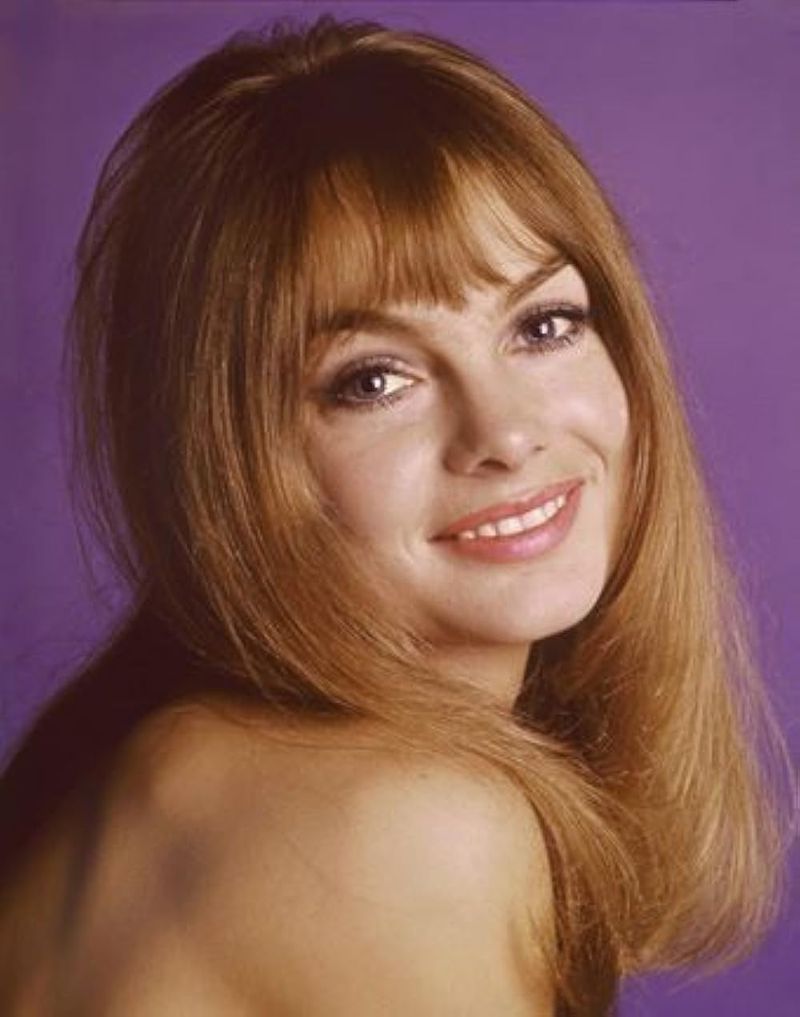
Before Twiggy, there was Jean Shrimpton, whose collaboration with photographer David Bailey defined Swinging London’s aesthetic.
Her natural, girl-next-door beauty contrasted sharply with stiff, formal modeling of previous decades.
Jean’s long straight hair and minimal makeup created an accessible, relatable look.
She caused scandal wearing a miniskirt to a racing event, challenging conservative dress codes.
Her expressive face could convey emotion without words, making photographs come alive.
Jean helped transform modeling from static posing into dynamic storytelling, paving the way for modern fashion photography while embodying the youthful energy transforming Britain during this exciting era.
8. Jane Birkin
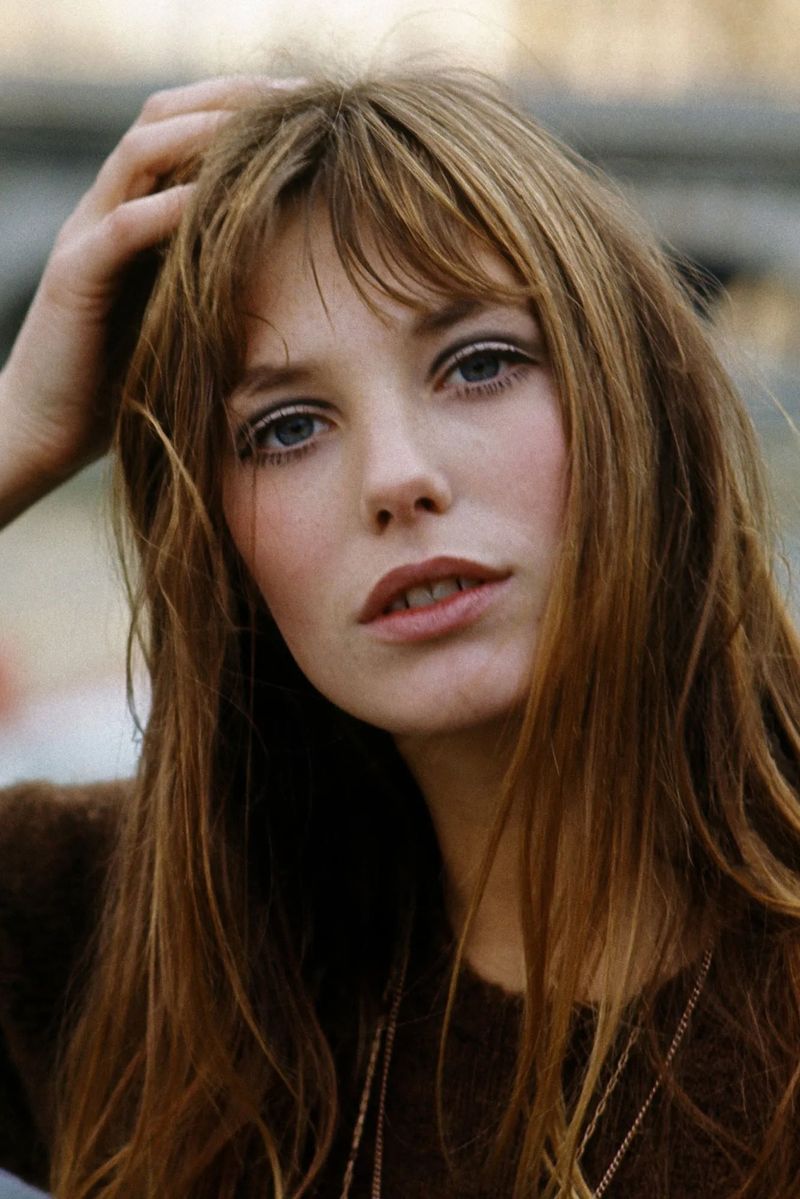
Jane Birkin’s gamine charm and effortlessly chic style made her a muse for designers and photographers alike.
Her relationship with French singer Serge Gainsbourg brought her to Paris, where she became a cultural phenomenon.
Jane’s natural, unpretentious beauty felt refreshingly real compared to heavily styled stars.
She favored simple clothes—jeans, white shirts, and basket bags—creating a timeless casual elegance.
Her long bangs and big eyes gave her a youthful, innocent appearance.
Later, Hermès would name their famous handbag after her, cementing her fashion legacy beyond the sixties and proving true style transcends trends and decades.
9. Ursula Andress
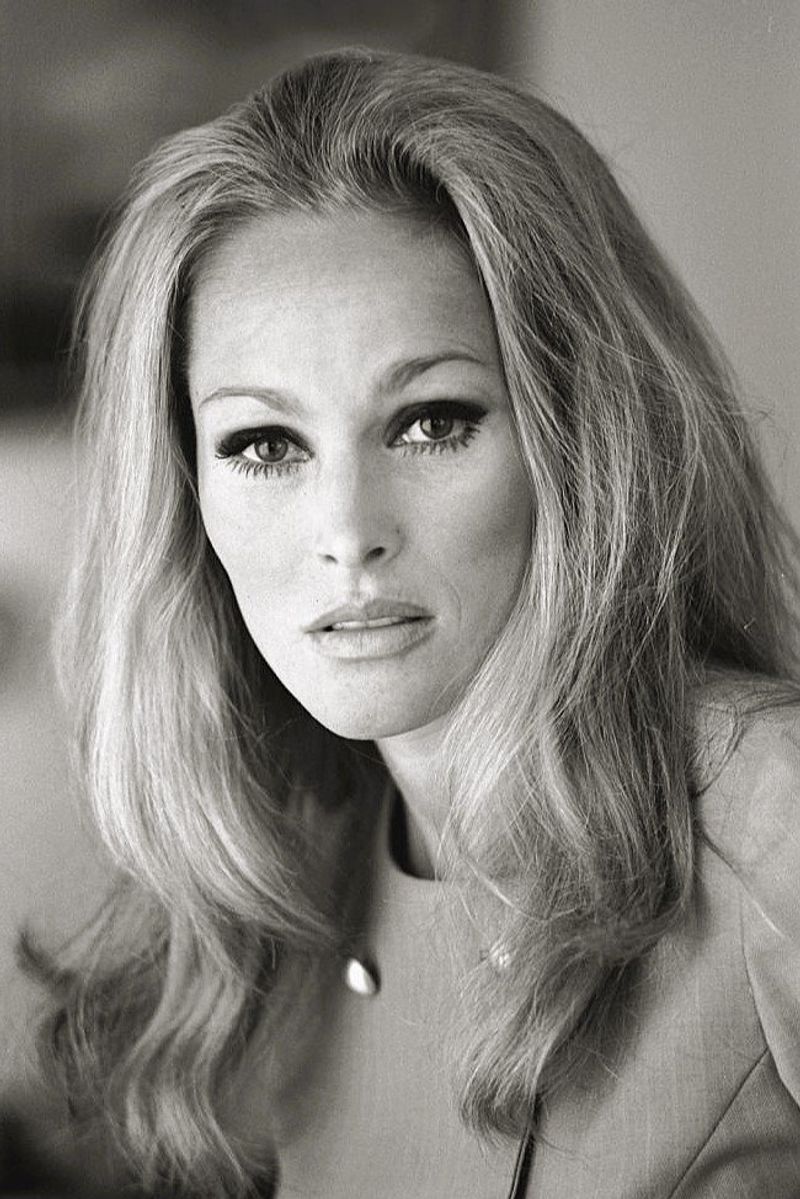
Emerging from Caribbean waters in a white bikini, Ursula Andress created one of cinema’s most memorable entrances.
Her role as Honey Ryder in Dr. No established the Bond girl template forever.
Ursula’s athletic figure, sun-kissed skin, and blonde beauty represented a healthy, active ideal.
That white bikini sold out worldwide immediately after the film’s release.
Her thick accent and exotic looks brought international flavor to Hollywood.
She embodied adventure and sensuality combined, appealing to fantasies of tropical escapes and dangerous romance during the Cold War era when James Bond films provided glamorous escapism for audiences everywhere.
10. Sharon Tate
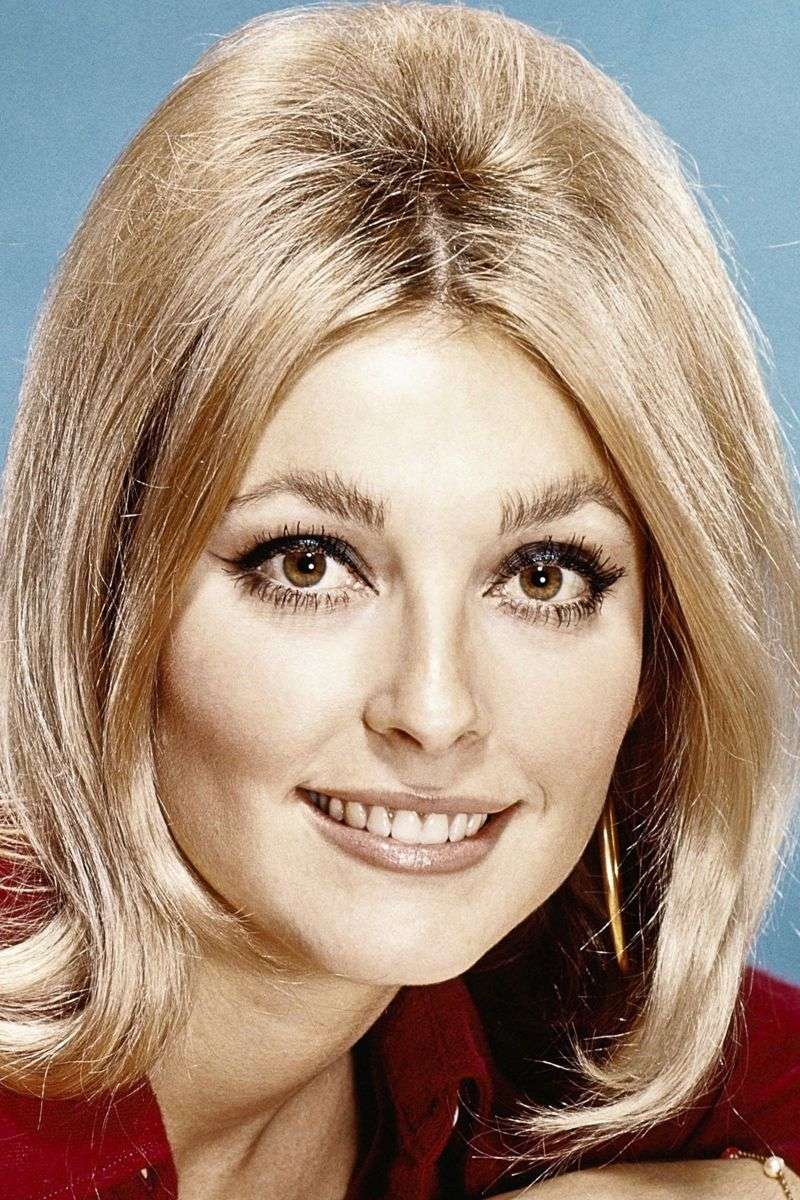
Sharon Tate possessed an otherworldly, almost angelic quality that photographers found endlessly captivating.
Her soft features, long blonde hair, and gentle demeanor created a dreamy, romantic image.
She loved fashion, often wearing bold patterns and mod styles that showcased her playful personality.
Sharon’s beauty seemed delicate yet modern, fitting perfectly into the late sixties aesthetic.
Her tragic death cut short a promising career and life.
Despite her brief time in the spotlight, Sharon’s influence on fashion and beauty remained significant, representing the decade’s optimism and experimentation before darker realities emerged at the decade’s end.
11. Ann-Margret
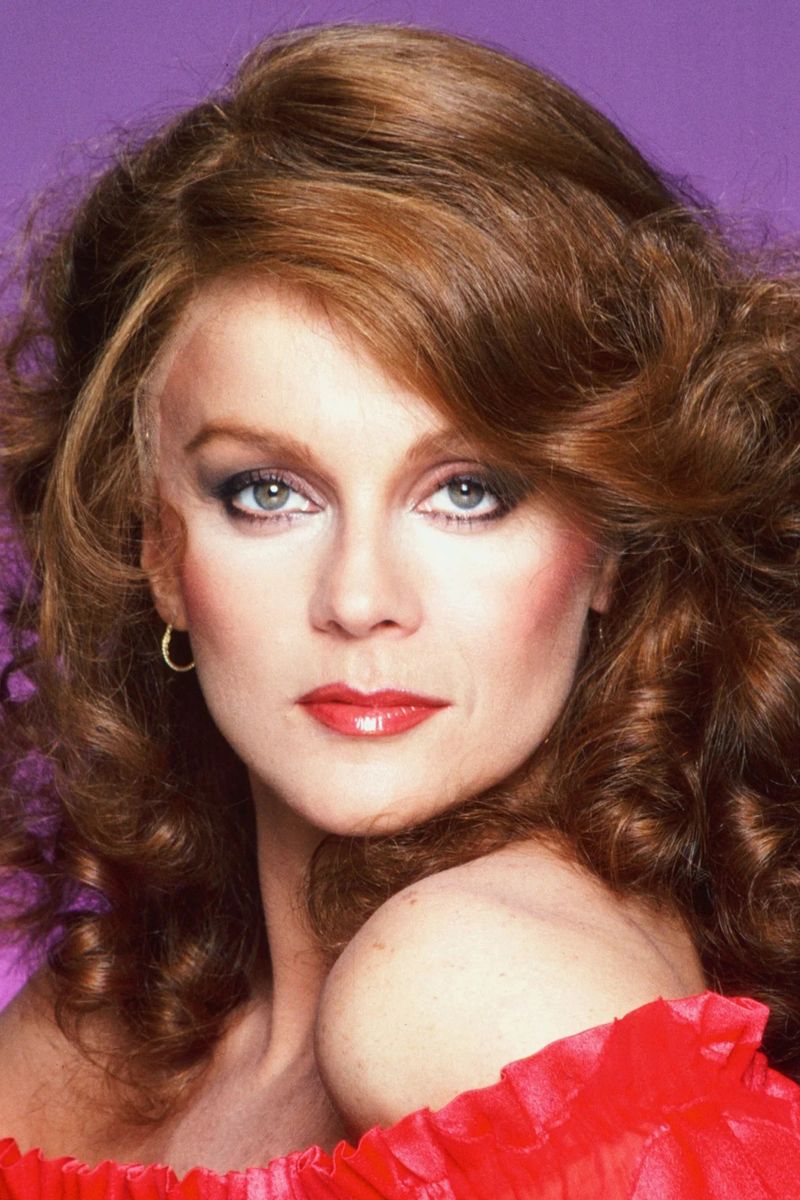
Her fiery red hair matched her personality—bold, passionate, and impossible to ignore.
She danced, sang, and acted with equal skill, becoming a triple threat.
Ann-Margret’s glamour blended old Hollywood polish with rock-and-roll rebellion perfectly.
Her roles opposite Elvis Presley showcased their electric chemistry.
She wore sequins and fringe that moved with her dynamic performances.
Unlike demure beauties, Ann-Margret radiated confidence and sexuality without apology, appealing to audiences who wanted excitement and glamour during an era transforming entertainment and challenging conservative values.
12. Natalie Wood
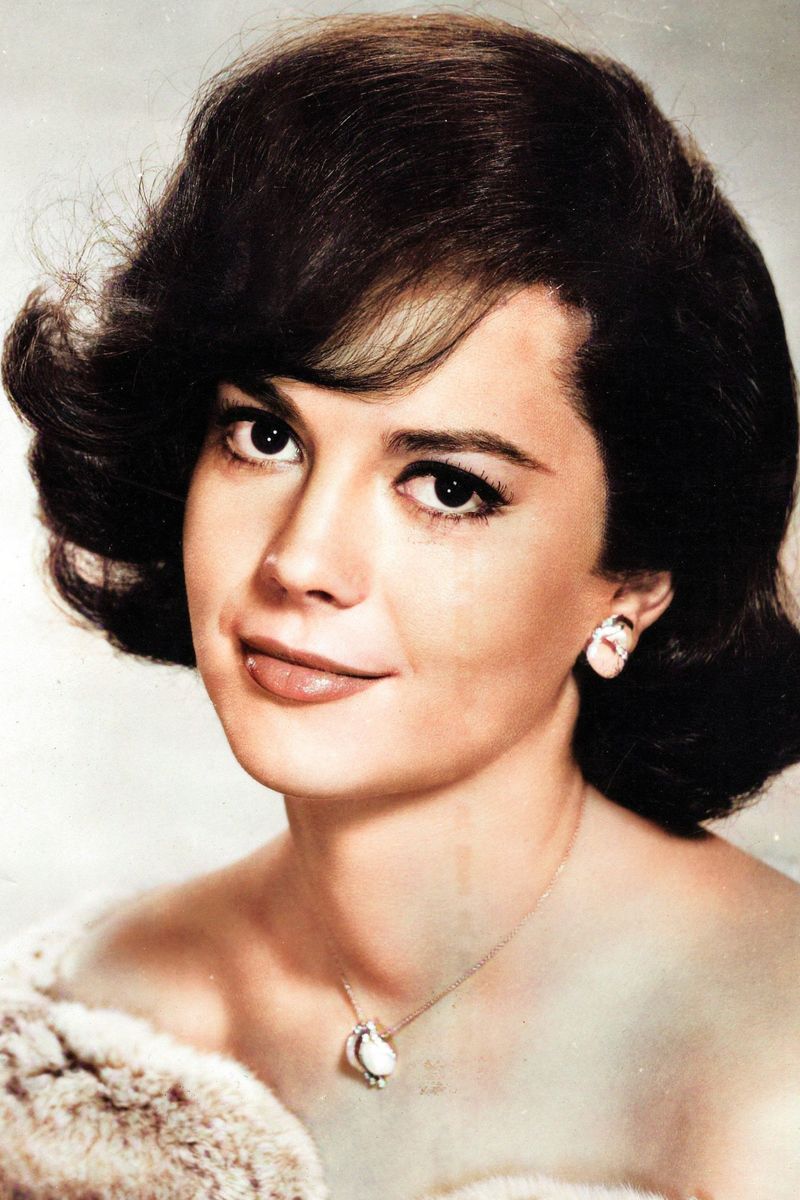
Natalie Wood represented the bridge between classic Hollywood glamour and modern 1960s sensibilities beautifully.
Her versatility allowed her to play everything from innocent Maria in West Side Story to complex dramatic roles.
Natalie’s dark eyes and polished appearance maintained traditional elegance while embracing contemporary styles.
She worked in Hollywood since childhood, growing up before audiences’ eyes.
Her beauty seemed accessible yet aspirational—refined without being distant.
Natalie’s tragic drowning death ended her career too soon.
Throughout the sixties, she remained a beloved figure whose classic features and genuine talent reminded audiences that substance mattered as much as style.
13. Diahann Carroll
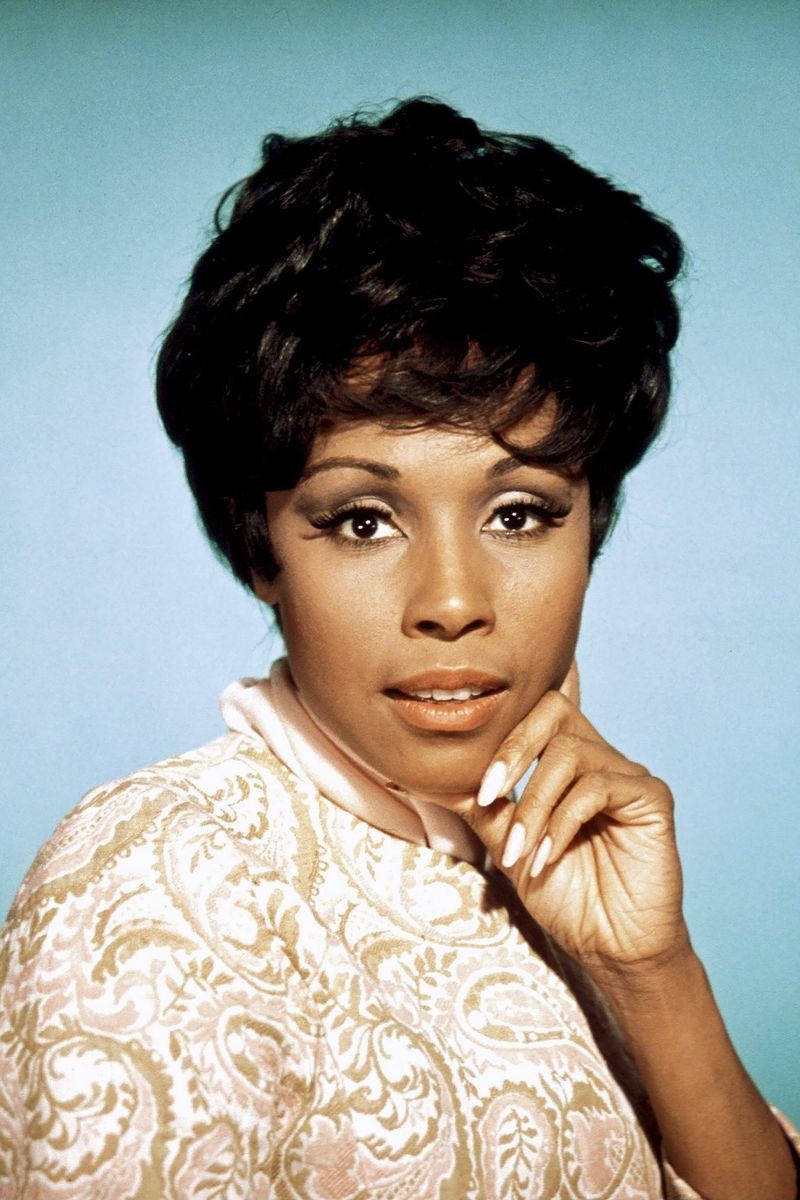
Diahann Carroll shattered television barriers by starring in Julia, the first series featuring an African American woman in a non-stereotypical role.
Her sophisticated beauty, impeccable style, and graceful presence challenged narrow representations of Black women in media.
Diahann wore haute couture with natural elegance, proving fashion belonged to everyone.
Her refined appearance and dignified demeanor opened doors for future performers.
She refused to accept limiting roles, insisting on characters with depth and complexity.
Diahann’s poise under pressure during the civil rights era made her a role model beyond entertainment, representing progress and possibility when representation mattered most.
14. Rita Moreno
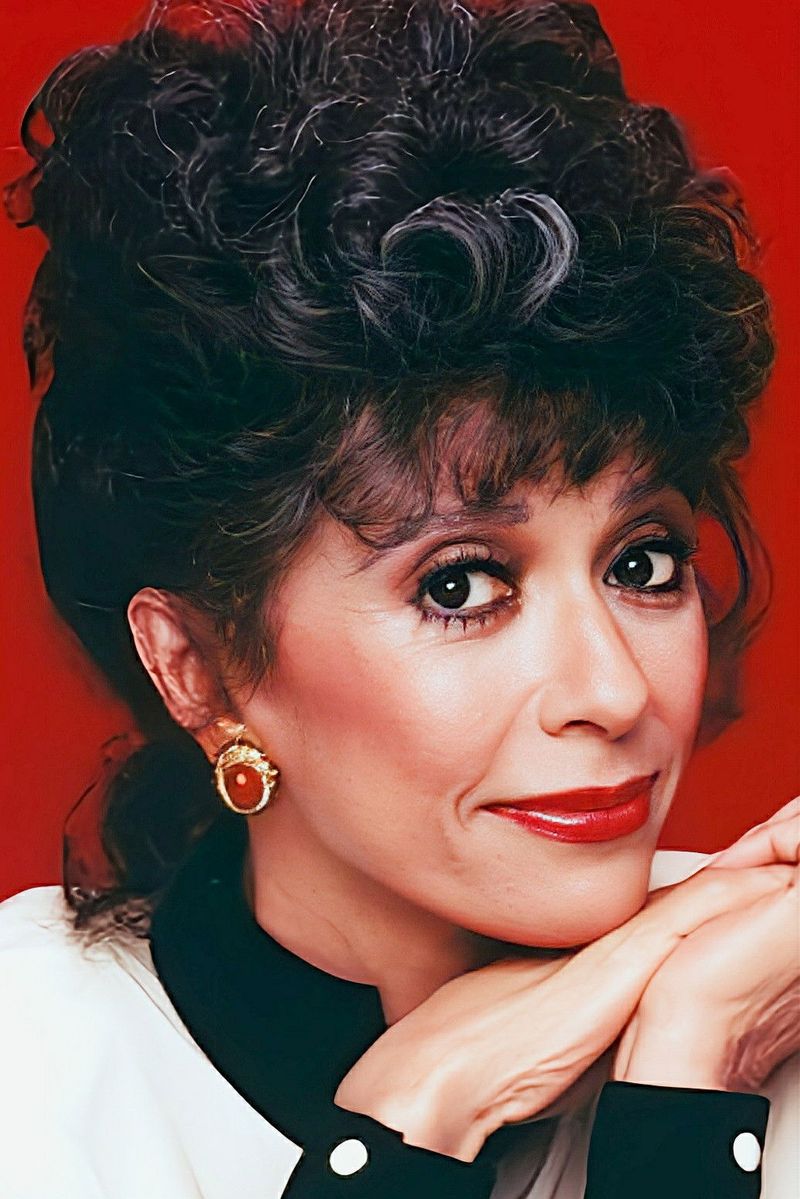
Rita Moreno’s talent and beauty broke through Hollywood’s racial barriers during an era of limited opportunities for Latina actresses.
Her Oscar-winning performance in West Side Story showcased both her striking looks and incredible abilities.
Rita’s expressive features and dynamic presence commanded attention in every scene.
She fought against stereotypical roles, demanding respect and better opportunities.
Her beauty was fierce and proud, reflecting her strong personality.
Rita became one of few performers achieving EGOT status—winning Emmy, Grammy, Oscar, and Tony awards.
Her success paved the way for future generations, proving talent and determination could overcome prejudice during challenging times.