 MomSkoop
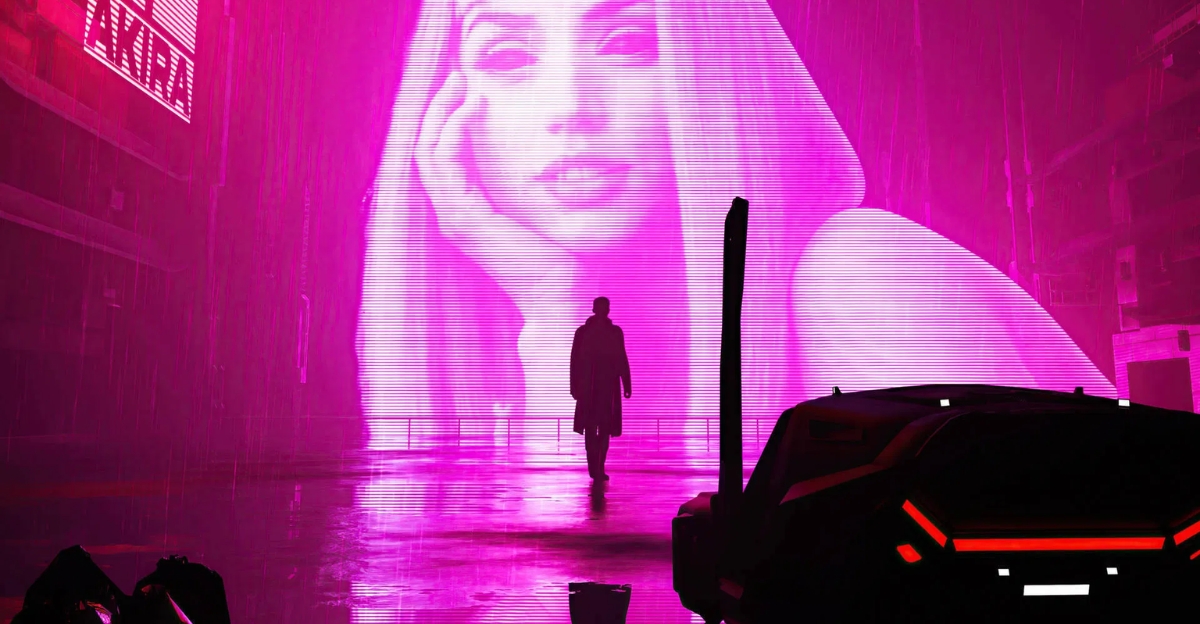
Science fiction movies take us to worlds beyond our wildest imagination, exploring everything from distant galaxies to the inner workings of artificial intelligence.
These films challenge how we think about technology, humanity, and our place in the universe.
Whether you’re a longtime fan or just starting your sci-fi journey, these fifteen movies represent the absolute best the genre has to offer, each one a masterpiece that has shaped cinema history.
1. 2001: A Space Odyssey (1968)
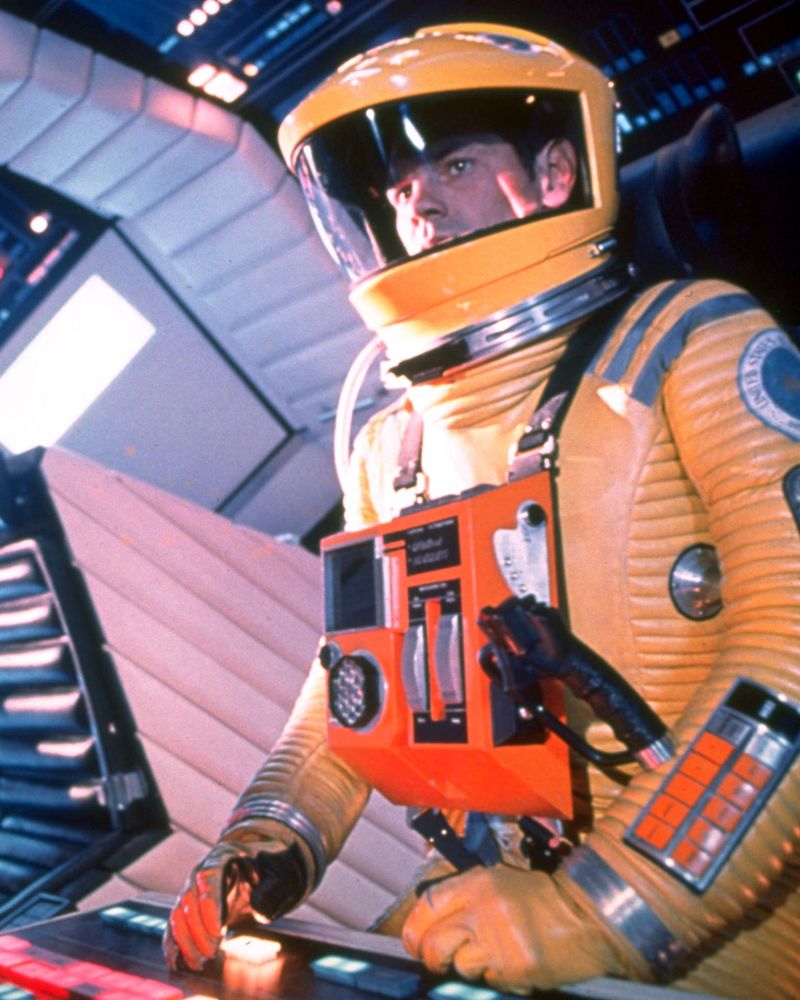
Stanley Kubrick’s groundbreaking masterpiece changed everything about how movies could tell stories.
The film follows humanity’s journey from primitive apes to space explorers, all connected by a mysterious black monolith that appears at key moments in our evolution.
What makes this movie so special is how it uses minimal dialogue and stunning visuals to create an experience unlike anything else.
The famous computer HAL 9000 becomes one of cinema’s most chilling villains without ever appearing on screen as anything more than a red light.
Even today, the special effects hold up remarkably well, proving that practical filmmaking techniques can create timeless magic.
This isn’t just a movie—it’s a philosophical meditation on existence itself.
2. Blade Runner (1982)
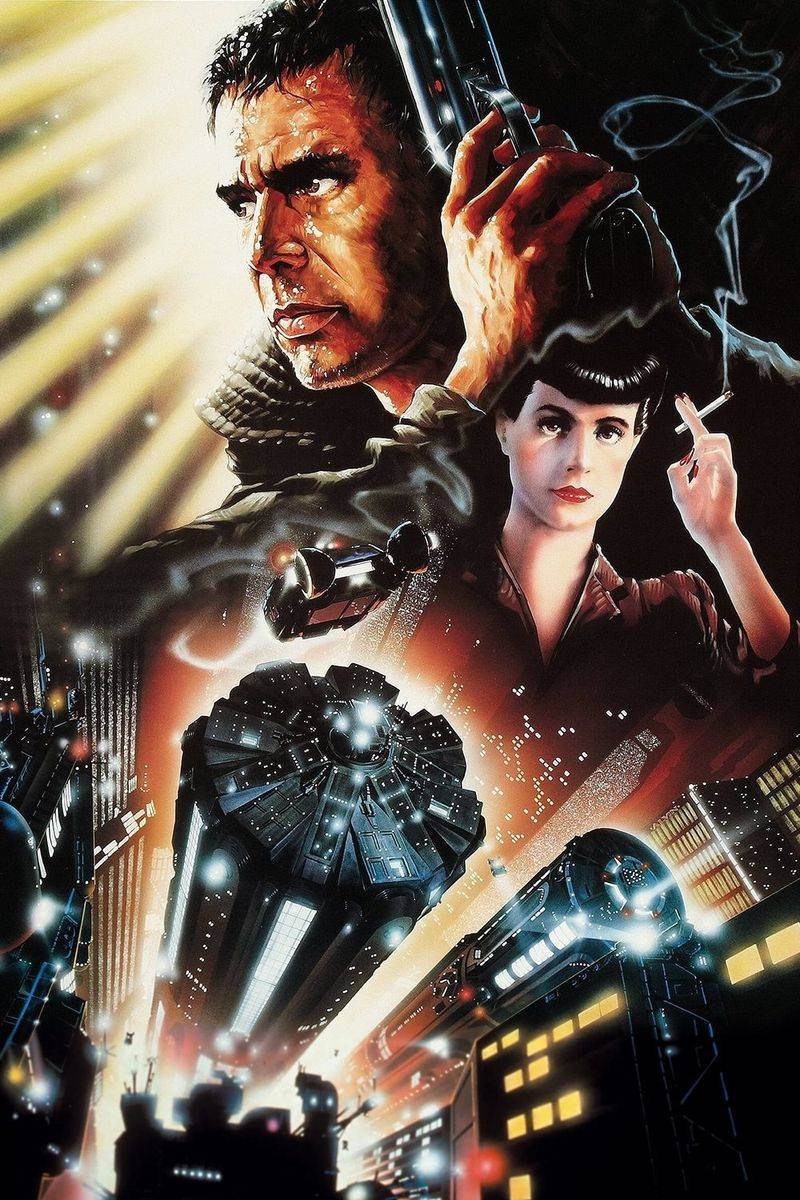
Ridley Scott’s neo-noir thriller asks one of the most profound questions in science fiction: what does it mean to be human?
Set in a rain-soaked, neon-lit Los Angeles of 2019, the story follows a detective hunting down rogue artificial humans called replicants.
The movie’s visual style influenced countless films that came after it, creating the template for cyberpunk aesthetics.
Harrison Ford delivers a haunting performance as a man questioning his own humanity while hunting beings who desperately want to live.
Every frame drips with atmosphere, from the crowded streets to the empty corporate towers.
The film’s ending remains one of cinema’s most debated moments, leaving viewers to draw their own conclusions about identity and memory.
3. Blade Runner 2049 (2017)
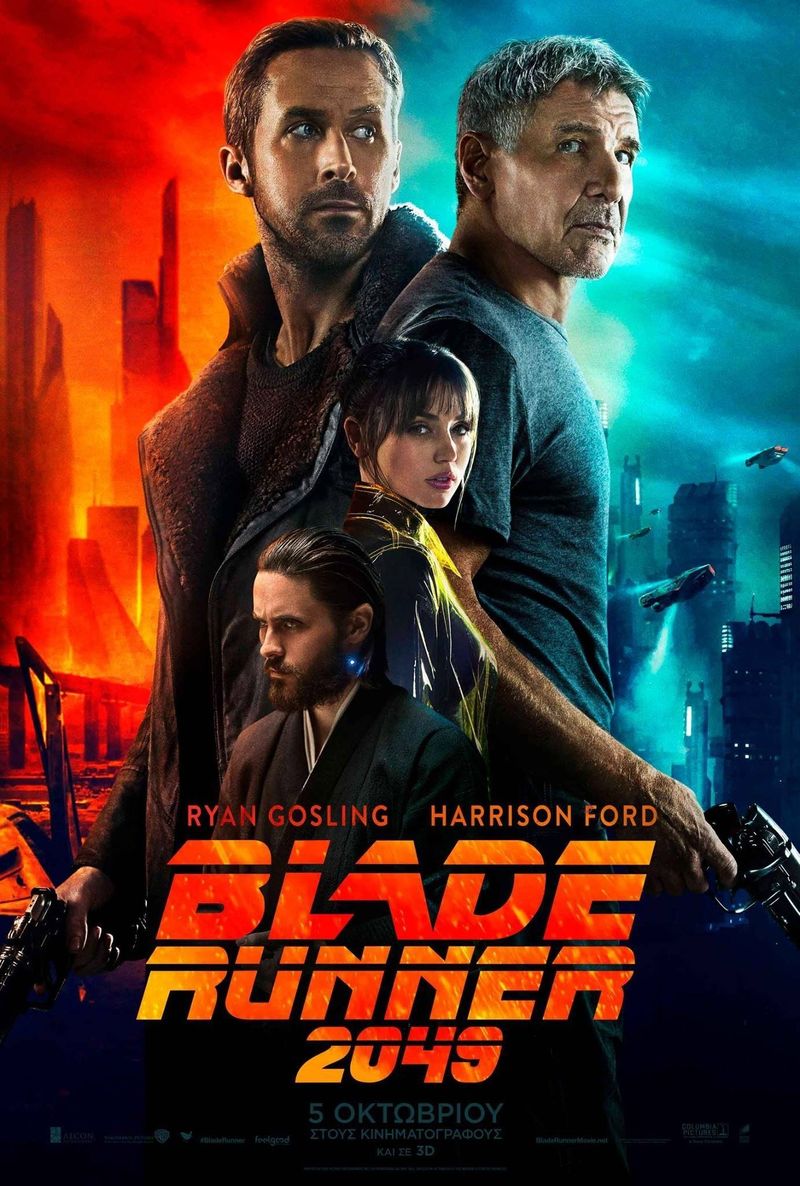
Denis Villeneuve crafted a sequel that actually lives up to its legendary predecessor, expanding the world while honoring the original’s themes.
Ryan Gosling plays a replicant blade runner who discovers a secret that could destroy what’s left of society.
The cinematography by Roger Deakins is absolutely breathtaking, winning an Oscar for creating some of the most beautiful images ever captured on film.
Each scene looks like a painting come to life, with colors and compositions that stay burned in your memory.
Unlike many modern blockbusters, this film takes its time, letting moments breathe and allowing viewers to sink into its melancholic atmosphere.
It proves that thoughtful, artistic science fiction can still succeed in today’s fast-paced movie landscape.
4. Star Wars: Episode V – The Empire Strikes Back (1980)
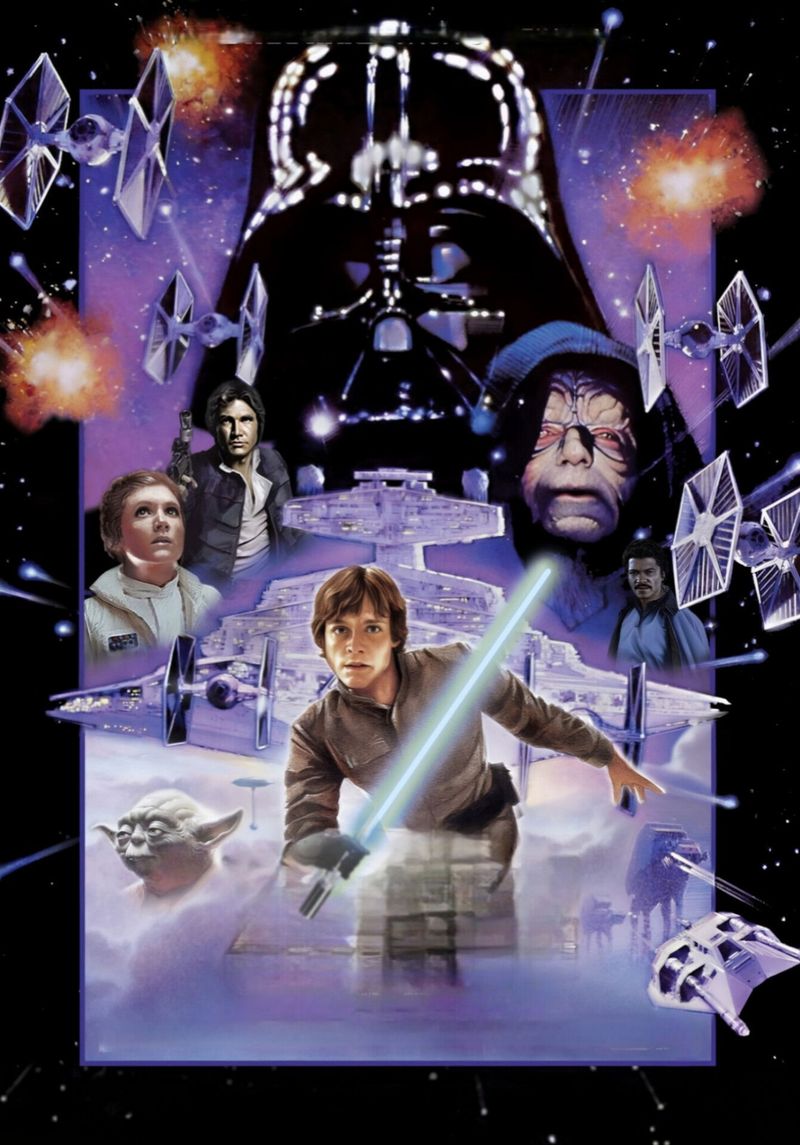
Widely considered the best Star Wars film ever made, this sequel took everything great about the original and made it darker, deeper, and more emotionally powerful.
Luke Skywalker trains with the wise Yoda while his friends are hunted across the galaxy by Darth Vader.
The movie features one of cinema’s most famous plot twists, a revelation that shocked audiences and changed how we understood the entire saga.
Director Irvin Kershner brought a maturity to the space opera, showing that heroes don’t always win and that growing up means facing hard truths.
From the ice planet Hoth to the cloud city of Bespin, every location feels real and lived-in.
This film proved that sequels could be better than the original.
5. Alien (1979)
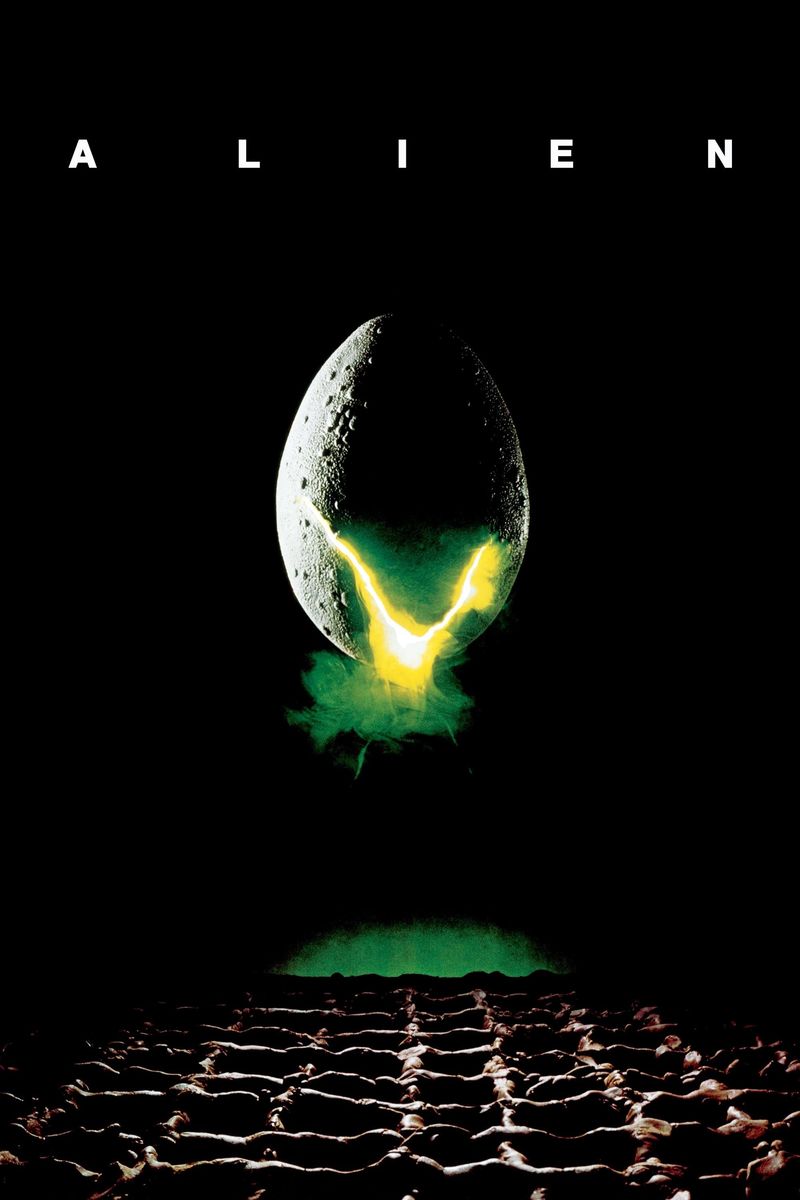
Ridley Scott created the ultimate haunted house movie, except the house is a spaceship and the ghost is a perfect killing machine from another world.
The crew of the Nostromo encounters something they were never prepared for, and survival becomes their only goal.
Sigourney Weaver’s performance as Ellen Ripley created one of cinema’s greatest heroes, proving that strength comes in many forms.
The alien creature, designed by H.R. Giger, remains one of the most terrifying monsters ever put on screen, with its biomechanical design still influencing horror today.
The film’s slow-burn approach to terror makes every scene feel dangerous.
You never know when the creature will strike, keeping you on the edge of your seat throughout the entire runtime.
6. The Matrix (1999)
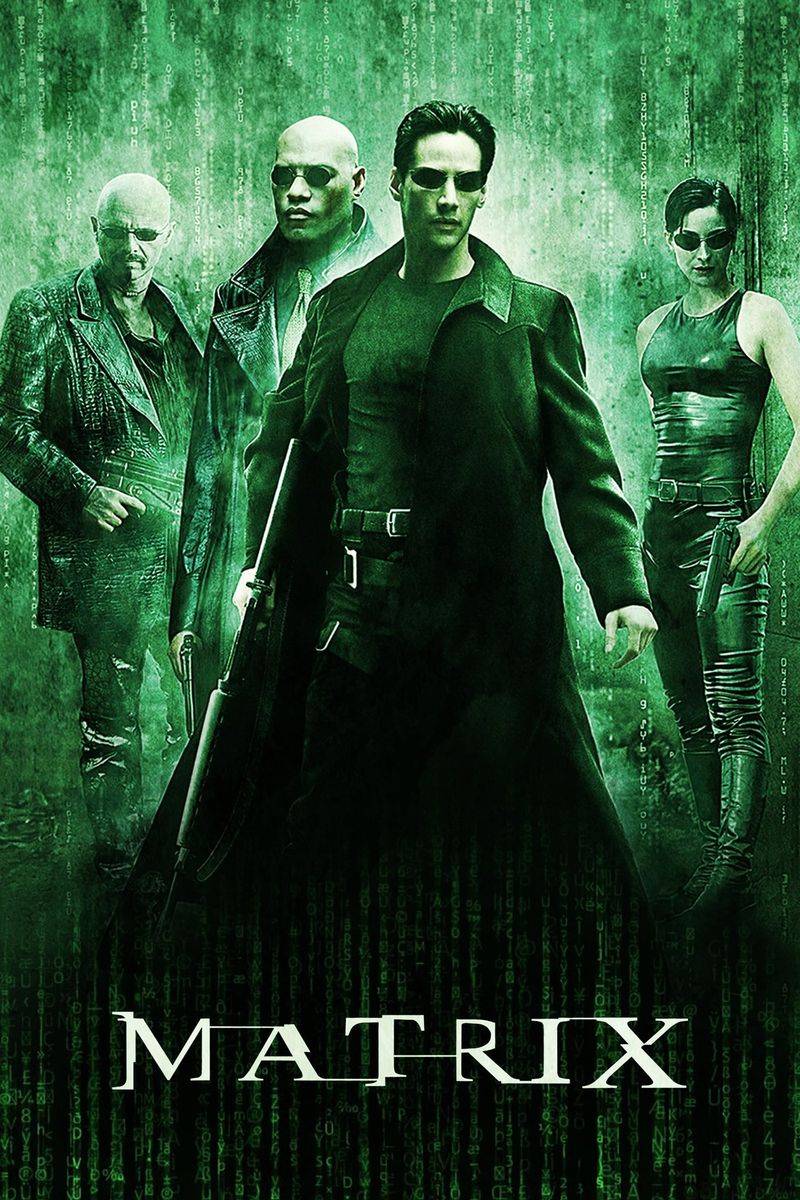
The Wachowskis blew everyone’s minds with this reality-bending action thriller that asked what if everything you knew was a computer simulation.
Keanu Reeves plays Neo, an ordinary guy who discovers he’s living in a digital prison controlled by machines.
The film’s revolutionary bullet-time effects changed action cinema forever, inspiring countless imitators but never being truly matched.
Beyond the stunning visuals, the movie explores deep philosophical questions about reality, free will, and what it means to be awake in a sleeping world.
Its influence extends far beyond movies, affecting how we talk about technology and perception in everyday life.
The iconic green code and leather-clad heroes became instant cultural touchstones that remain relevant today.
7. Interstellar (2014)
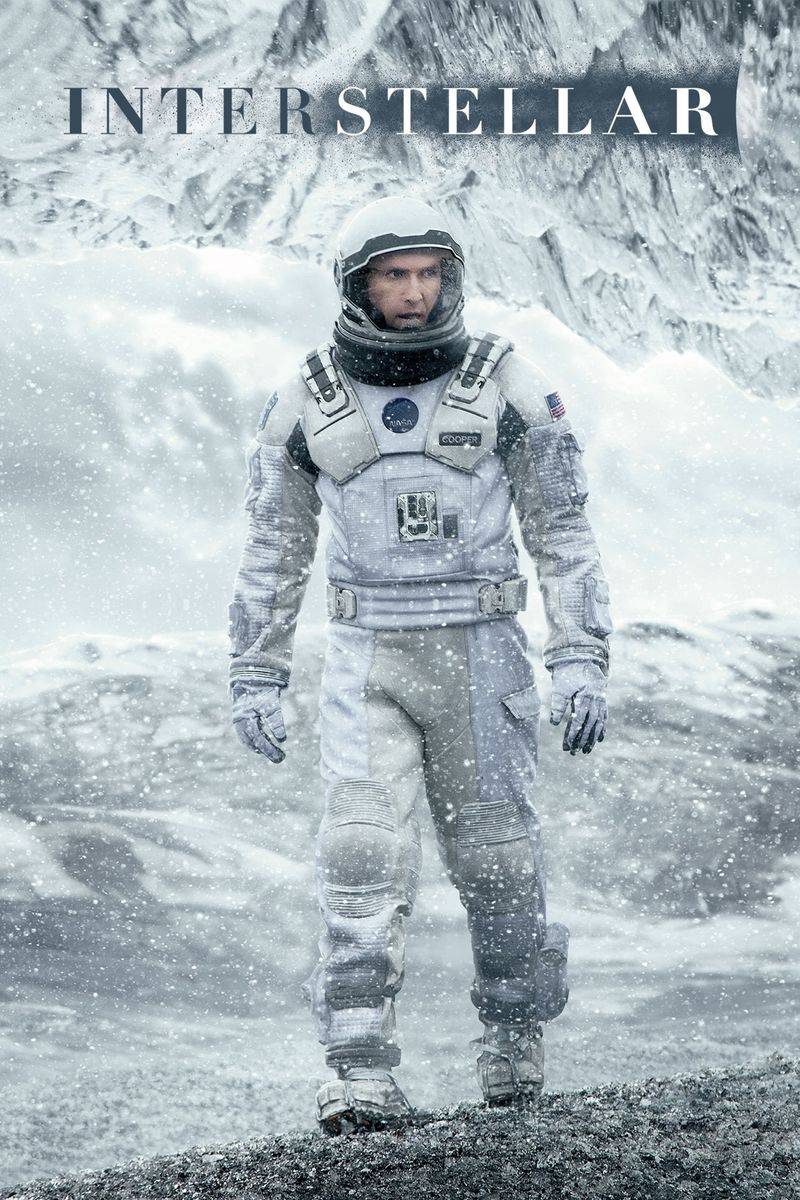
Christopher Nolan took audiences on an emotional journey through space and time, proving that big-budget spectacle can also break your heart.
Matthew McConaughey plays a farmer-turned-astronaut who must leave his children behind to save humanity’s future.
The film’s depiction of black holes and wormholes was created with actual scientific consultation, making it one of the most accurate space movies ever made.
Hans Zimmer’s thunderous organ score elevates every moment, making you feel the vastness of space and the weight of impossible choices.
What starts as a mission to find a new home for humanity becomes a meditation on love, sacrifice, and the bonds that connect us across time.
The emotional climax will leave even the toughest viewers reaching for tissues.
8. Terminator 2: Judgment Day (1991)
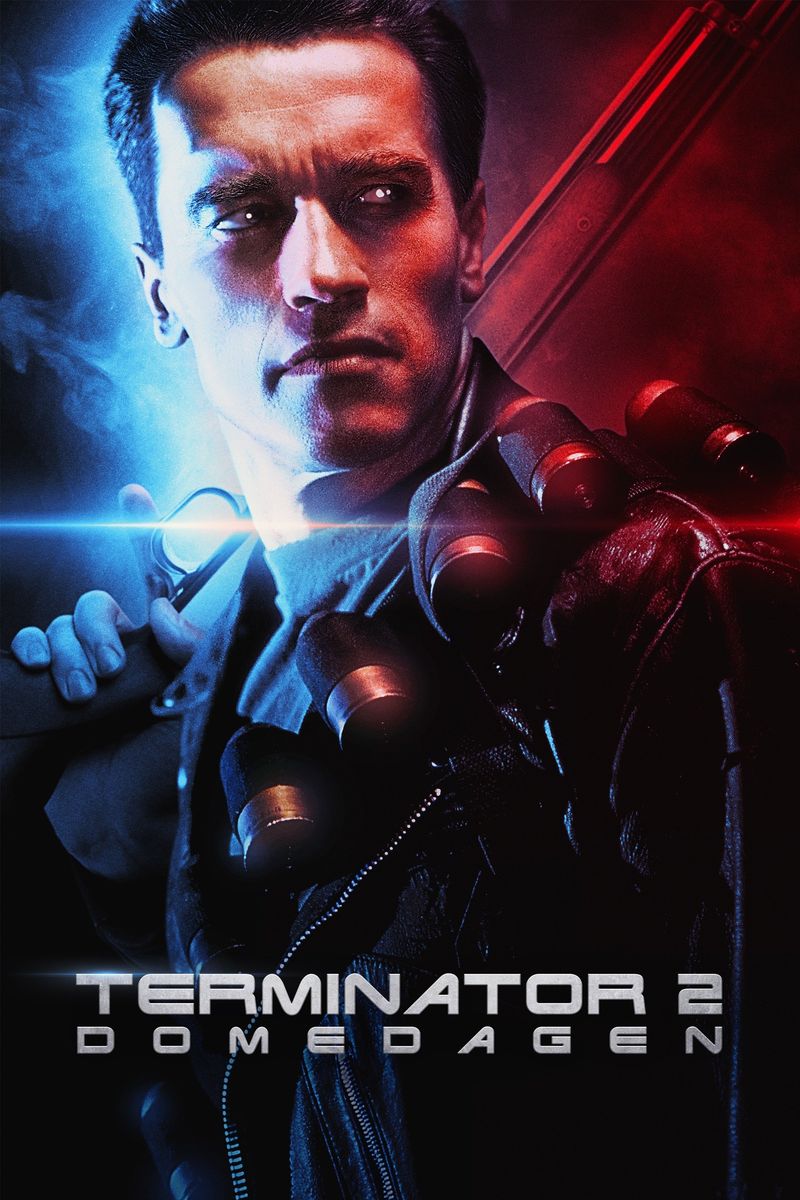
James Cameron topped his own original with this action-packed sequel that became the gold standard for summer blockbusters.
Arnold Schwarzenegger returns as a reprogrammed Terminator sent to protect young John Connor from an even deadlier liquid metal assassin.
The T-1000, played by Robert Patrick, showcased groundbreaking CGI effects that still impress today, creating a villain who could morph through any obstacle.
Linda Hamilton’s transformation into a hardened warrior made Sarah Connor an icon of strength and maternal determination.
Beneath the explosions and chase scenes lies a surprisingly thoughtful story about fate, free will, and whether humanity can change its dark future.
The film balances heart-pounding action with genuine emotion, making you care deeply about these characters’ survival.
9. Arrival (2016)
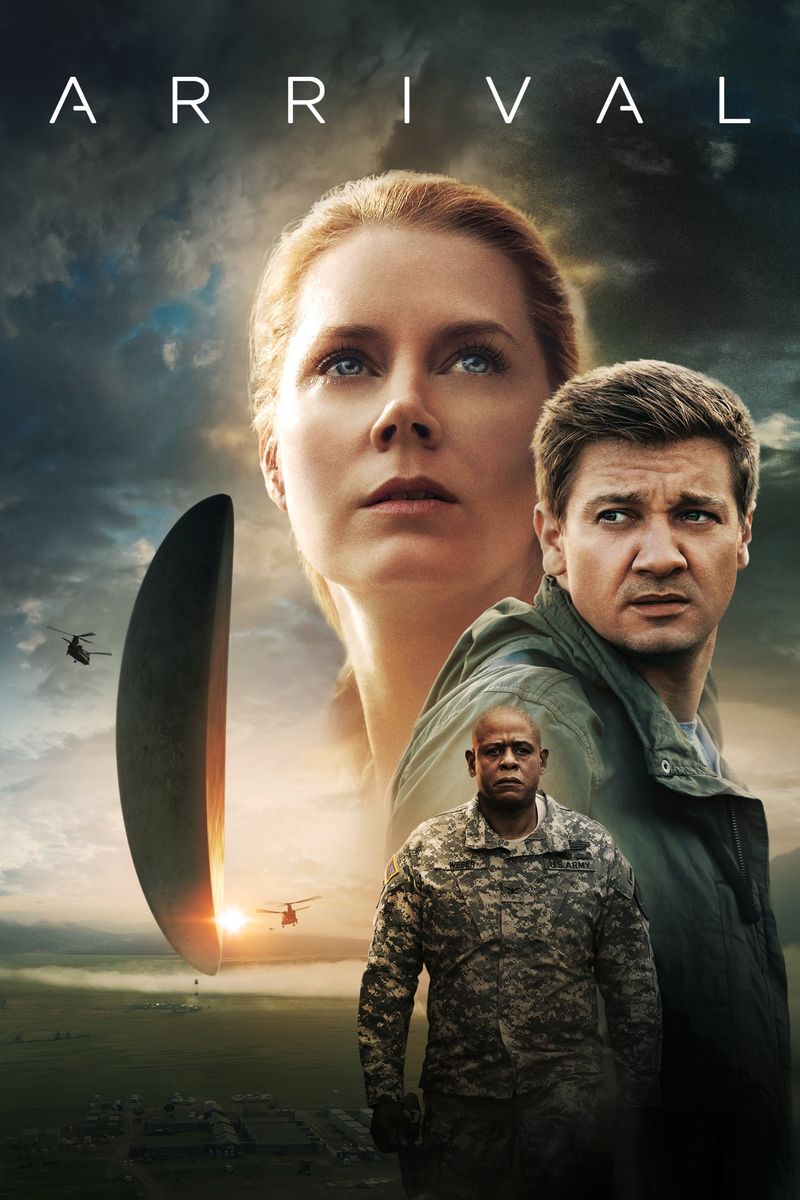
Denis Villeneuve delivered a thinking person’s sci-fi film that prioritizes communication and understanding over explosions and battles.
Amy Adams plays a linguist recruited to decode the language of mysterious aliens who have arrived in enormous shell-shaped ships around the world.
The film’s approach to first contact feels refreshingly realistic, showing the painstaking work of trying to communicate with beings who think completely differently than humans.
As she learns their circular language, the story itself becomes circular, revealing its secrets in a way that rewards careful attention.
This isn’t about fighting aliens—it’s about connecting with them and understanding how language shapes our perception of time and reality.
The emotional payoff hits like a freight train, recontextualizing everything you’ve watched.
10. Metropolis (1927)
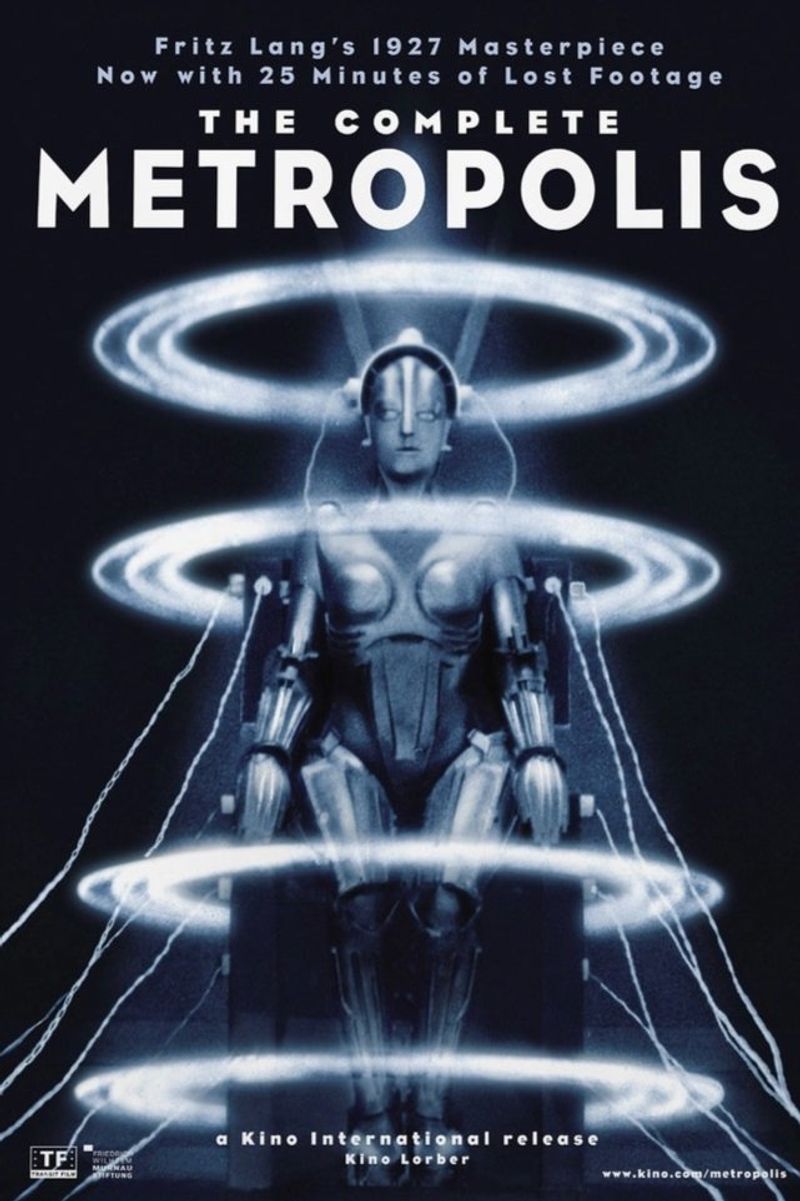
Fritz Lang’s silent masterpiece remains astonishing nearly a century after its creation, depicting a future city divided between wealthy elites and enslaved workers.
The film’s art deco vision of tomorrow influenced virtually every sci-fi movie that came after it.
Maria, the story’s heroine, becomes duplicated by a robot double in one of cinema’s most iconic images—the golden mechanical woman that’s been referenced countless times.
The special effects, achieved through innovative camera tricks and massive sets, were revolutionary for their time and still captivate modern audiences.
Though made without sound, the visual storytelling communicates everything you need to feel the story’s power.
This German expressionist classic proved that science fiction could be art, not just entertainment.
11. Jurassic Park (1993)
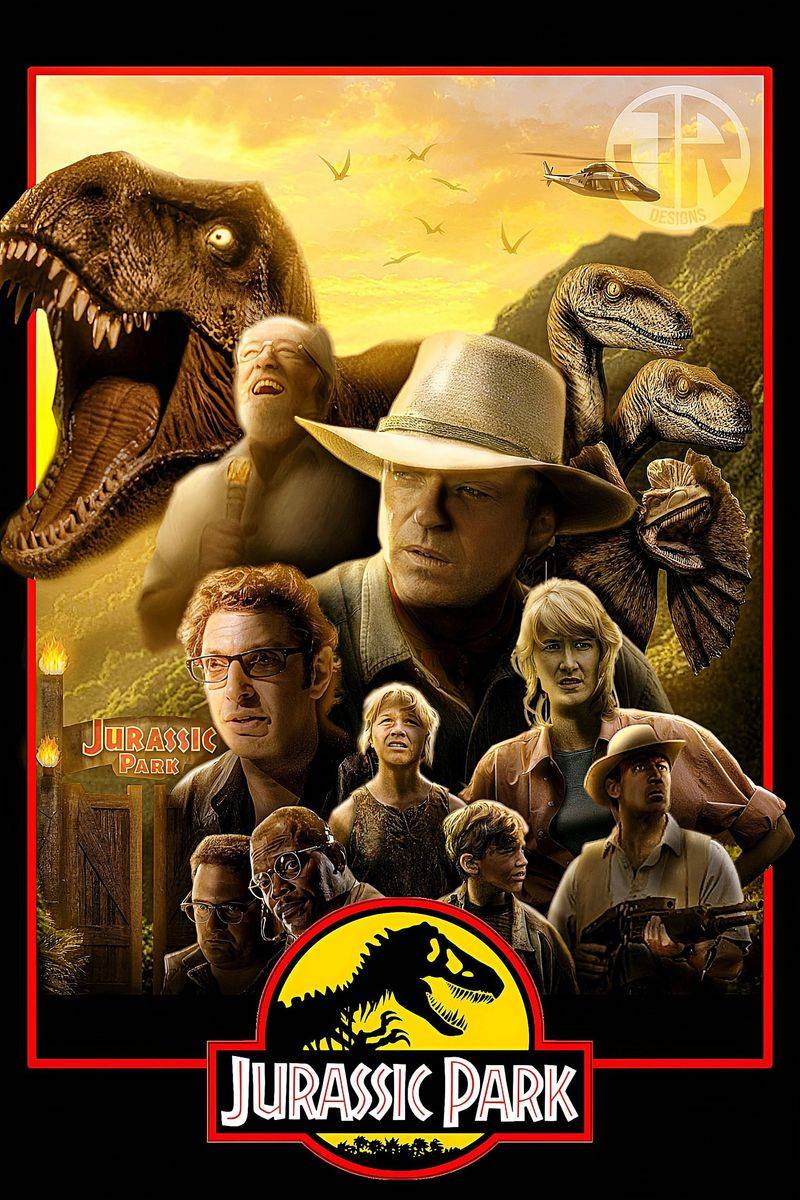
Steven Spielberg brought dinosaurs back to life in a way that felt completely real, creating movie magic that still holds up three decades later.
Scientists clone prehistoric creatures from ancient DNA, opening a theme park that quickly becomes a nightmare when the animals escape.
The combination of animatronic dinosaurs and computer-generated imagery created creatures with weight and presence that purely digital effects often lack.
When that T-Rex appears in the rain, attacking the tour vehicles, you genuinely believe a living, breathing dinosaur is on screen.
Beyond the thrills, the film asks important questions about scientific responsibility and whether we should do something just because we can.
Jeff Goldblum’s chaos theory warnings prove all too accurate as nature finds a way.
12. Inception (2010)
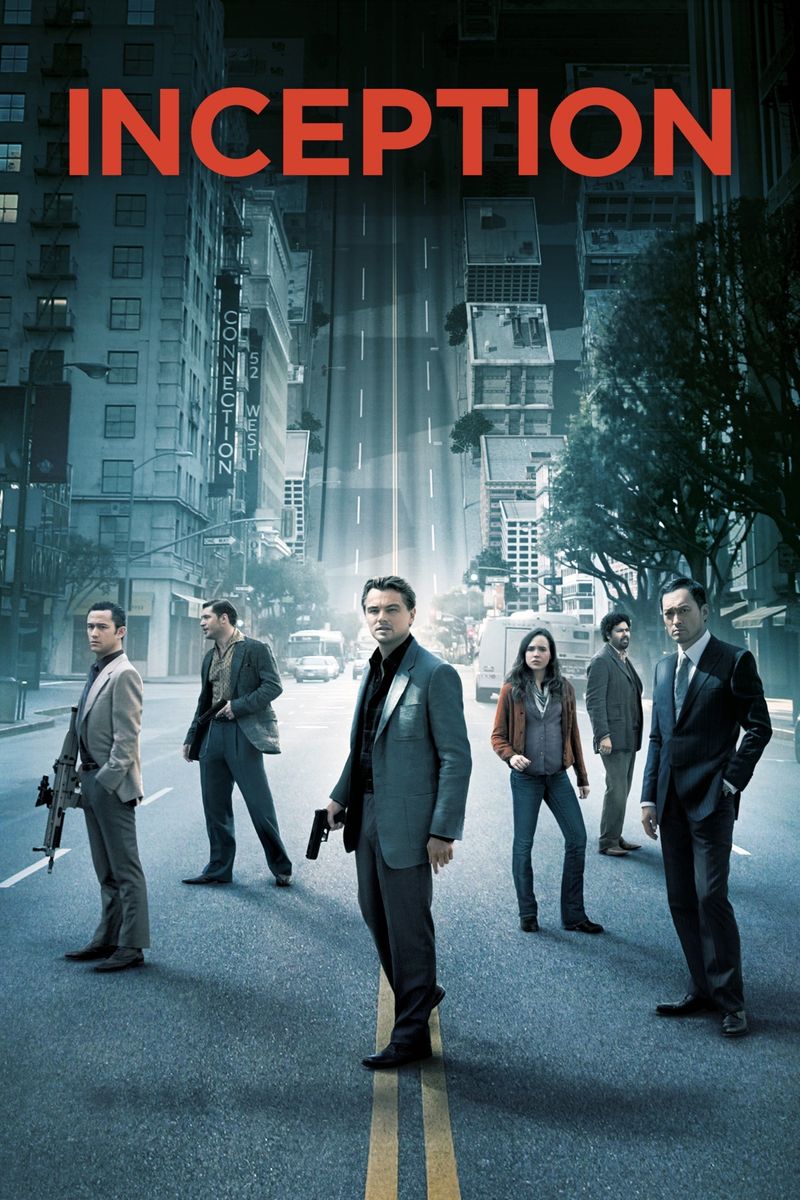
Christopher Nolan constructed a mind-bending heist movie that takes place inside dreams within dreams within dreams.
Leonardo DiCaprio leads a team of thieves who steal secrets by entering people’s subconscious minds, but their latest job requires planting an idea instead.
The film’s layered structure challenges viewers to keep track of multiple reality levels, each with its own time scale and rules.
Practical effects, like the famous rotating hallway fight, create impossible moments that feel tangible and real rather than obviously computer-generated.
That spinning top ending sparked endless debates about what’s real and what’s not, making this one of the most discussed movies of the decade.
Nolan trusts his audience to follow complex ideas without dumbing anything down.
13. Dune: Part Two (2024)
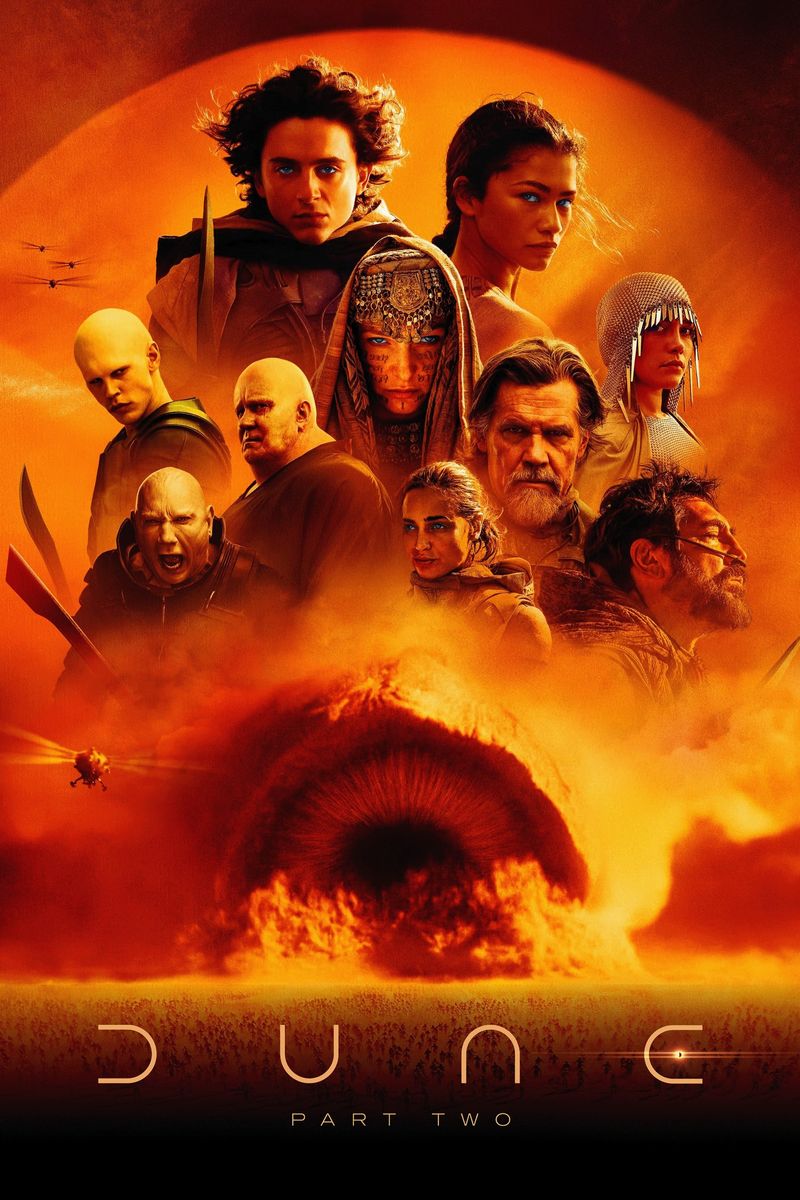
Denis Villeneuve completed his adaptation of Frank Herbert’s epic novel with a sequel that expands the scope and deepens the themes.
Paul Atreides embraces his destiny among the desert people of Arrakis, becoming the prophesied leader who could change the fate of the entire universe.
The massive sandworms, political intrigue, and desert battles are brought to life with stunning practical effects and gorgeous cinematography.
Timothée Chalamet’s performance captures Paul’s transformation from reluctant hero to someone willing to use religion and prophecy as weapons.
Unlike typical chosen-one stories, this film questions whether fulfilling your destiny is always the right choice.
The scale is enormous, but the human drama remains the heart of everything.
14. Ex Machina (2014)

Alex Garland’s directorial debut is an intimate thriller about artificial intelligence that feels uncomfortably relevant.
A young programmer wins a contest to spend a week with a reclusive tech genius, testing whether his latest creation—a beautiful android named Ava—can truly think and feel.
The film unfolds mostly in a single location, using its confined setting to create mounting tension as loyalties shift and motivations become unclear.
Alicia Vikander’s performance as Ava is mesmerizing, making you question whether she’s genuinely conscious or just programmed to seem that way.
The ending delivers a gut-punch that forces you to reconsider everything you’ve watched, questioning who was really being tested all along.
This is smart, unsettling sci-fi that stays with you long after the credits roll.
15. Close Encounters of the Third Kind (1977)
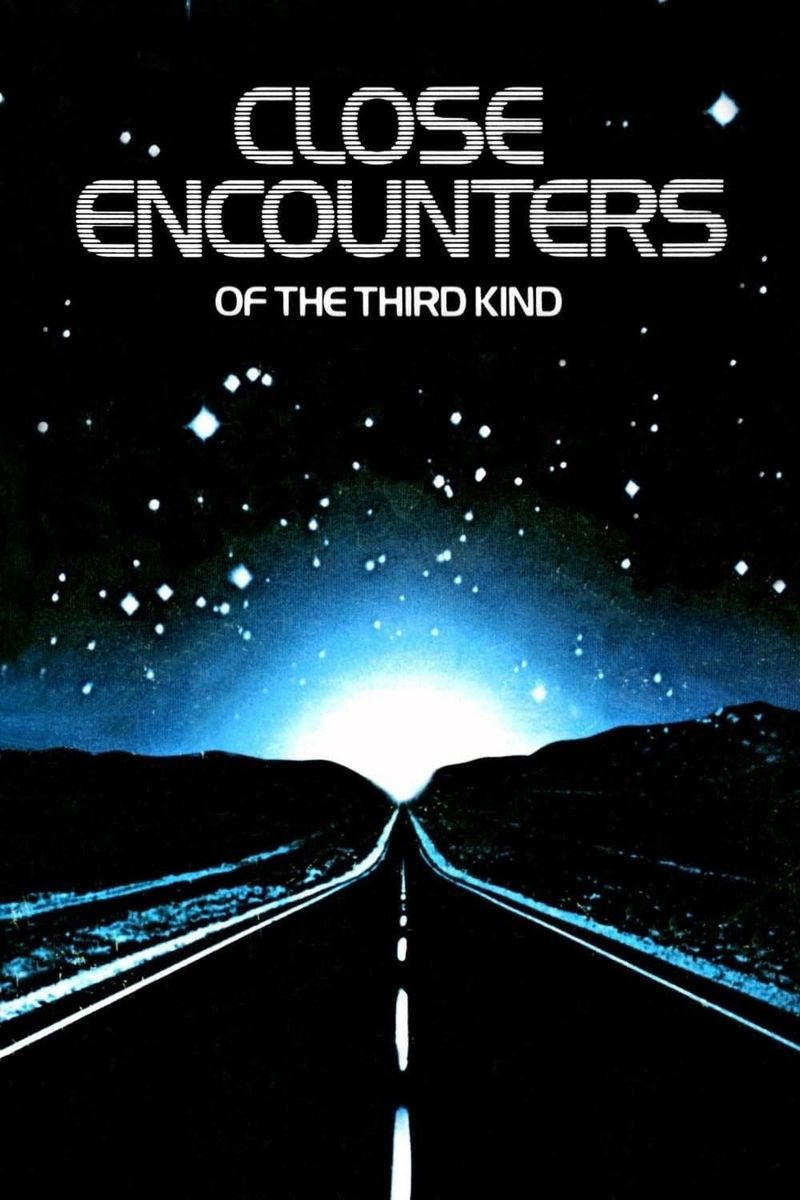
Steven Spielberg’s vision of first contact with aliens is filled with wonder rather than fear, showing humanity’s yearning to connect with something greater.
Richard Dreyfuss plays an ordinary man who becomes obsessed with a mysterious mountain shape after witnessing strange lights in the sky.
The film’s approach to alien contact feels almost spiritual, treating the arrival of extraterrestrials as a transcendent event rather than an invasion.
John Williams’ five-note musical theme becomes the key to communication, suggesting that music is a universal language.
The climactic scene at Devil’s Tower, with the massive mothership descending in a light show of color and sound, remains one of cinema’s most awe-inspiring moments.
Spielberg reminds us that the unknown doesn’t have to be frightening—it can be beautiful.