 MomSkoop
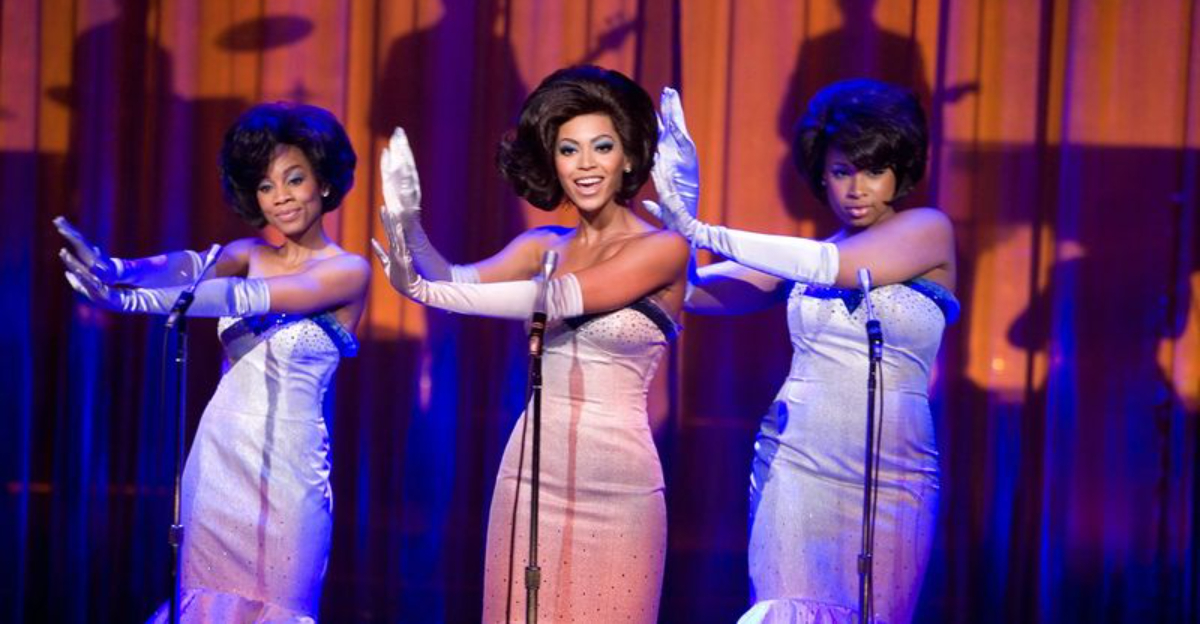
Some movies don’t just entertain — they completely reshape the way films are made forever. Movie musicals have a special power to combine storytelling, music, and emotion in ways that stick with audiences for generations.
From golden-age classics to modern blockbusters, these films pushed boundaries, broke records, and inspired countless filmmakers. Get ready to explore the 16 movie musicals that truly changed Hollywood as we know it.
1. Singin’ in the Rain
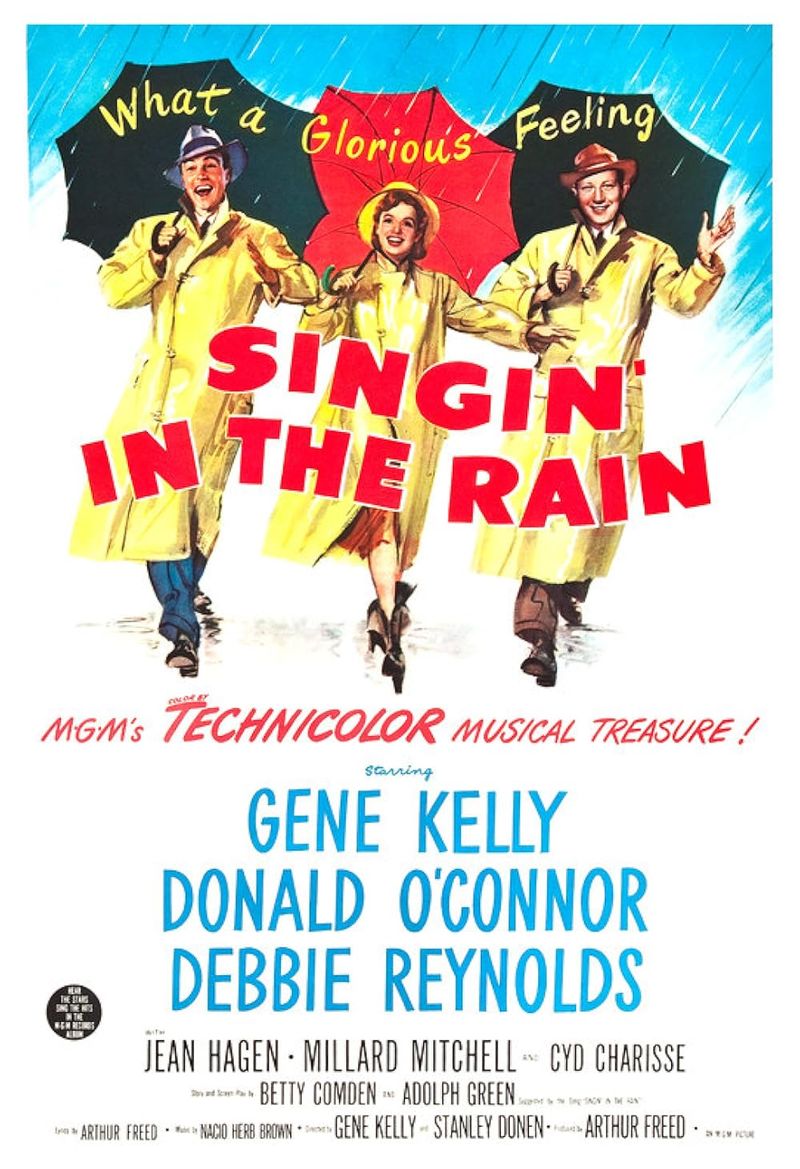
Few movie moments are as instantly recognizable as Gene Kelly dancing and splashing through puddles while belting out a song.
Released in 1952, Singin’ in the Rain is widely considered one of the greatest films ever made — musical or otherwise.
It blended comedy, romance, and jaw-dropping choreography into one unforgettable package.
What made it revolutionary was how it poked fun at Hollywood itself, satirizing the chaotic transition from silent films to talkies.
The behind-the-scenes humor felt fresh and self-aware.
The film proved musicals could be smart and funny, not just flashy.
Its influence on choreography, cinematography, and storytelling still echoes through Hollywood today.
Every filmmaker who loves movie magic owes a debt to this timeless classic.
2. The Wizard of Oz
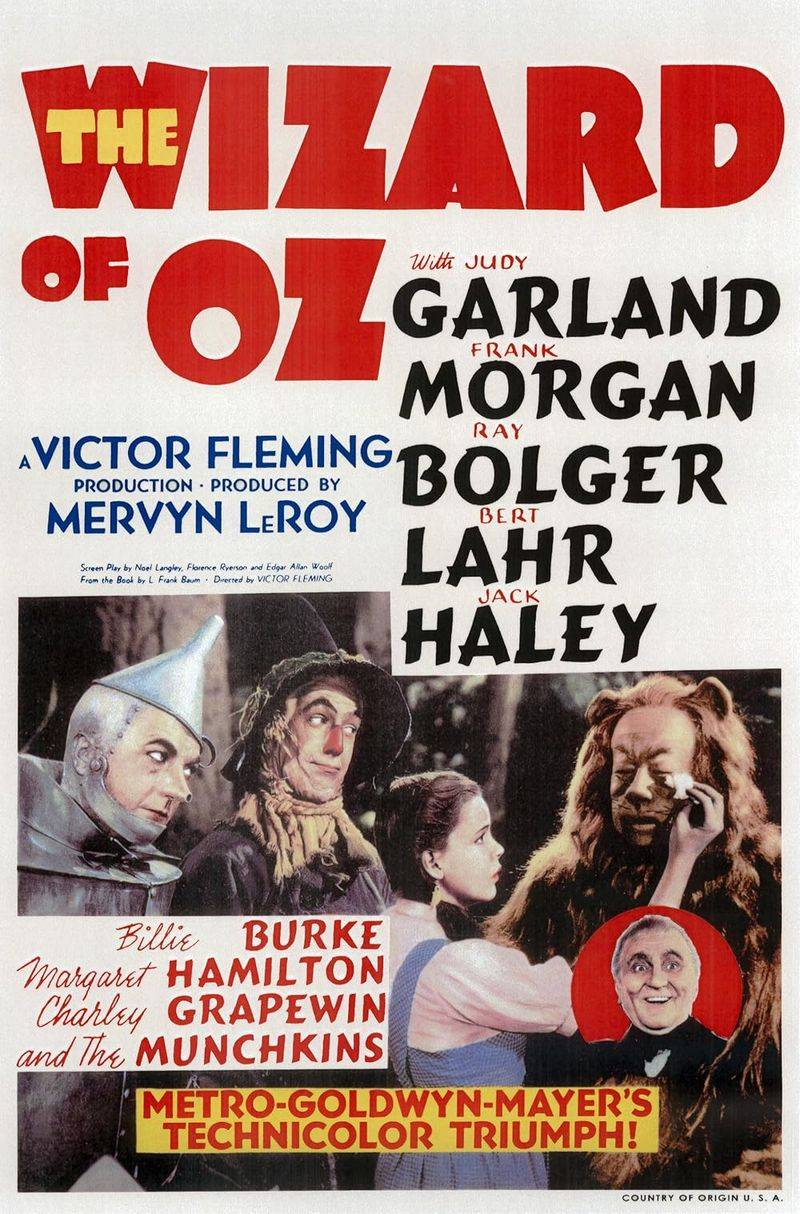
Before The Wizard of Oz arrived in 1939, most audiences had never seen anything like its breathtaking shift from black-and-white into vivid Technicolor.
That single visual moment — Dorothy stepping into the Land of Oz — became one of cinema’s most iconic transitions ever captured on film.
The movie proved that fantasy storytelling could work on a massive scale, inspiring generations of filmmakers to dream bigger.
Its music, from “Over the Rainbow” to “We’re Off to See the Wizard,” became part of American cultural memory.
Judy Garland’s performance at just 16 years old was nothing short of extraordinary.
Hollywood learned from this film that spectacle and heart, when combined thoughtfully, create something audiences will treasure forever.
3. West Side Story
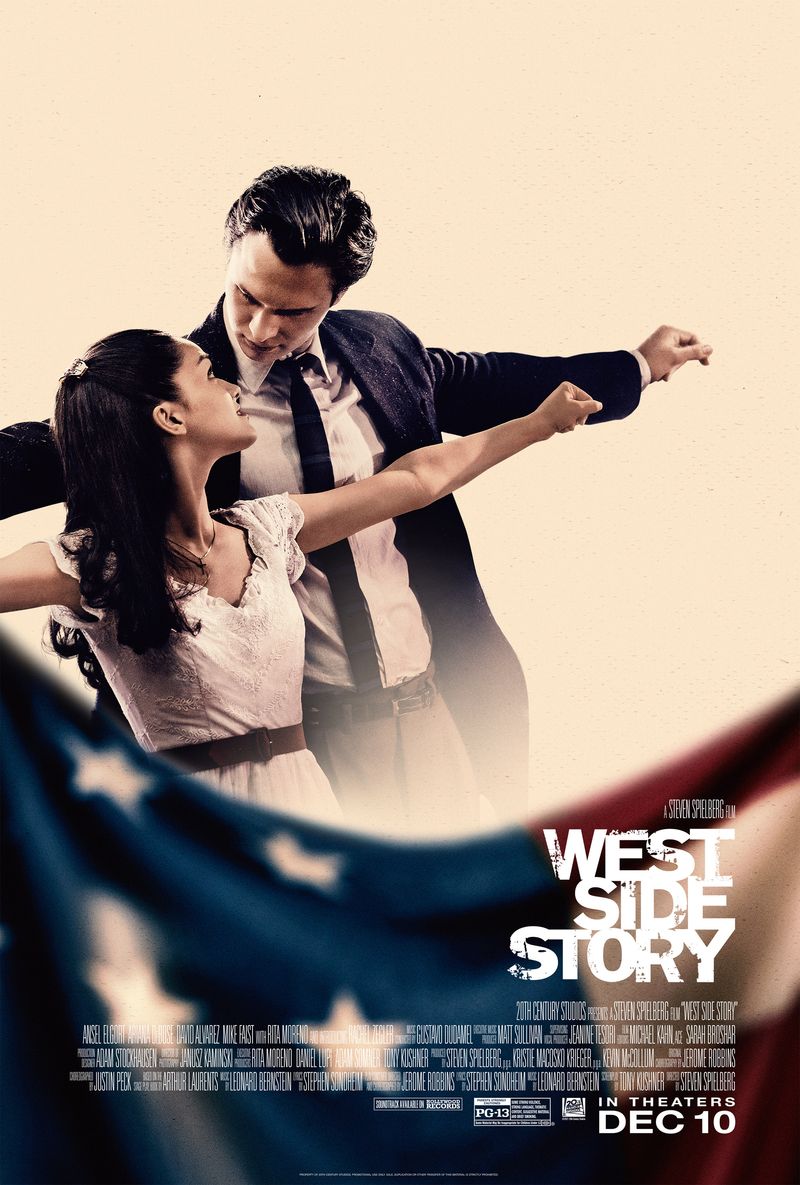
Romeo and Juliet got a stunning makeover in 1961 when West Side Story hit theaters and swept the Academy Awards, winning ten Oscars including Best Picture.
Director Robert Wise and choreographer Jerome Robbins transformed New York City’s gritty streets into a breathtaking dance stage.
Nobody had seen urban tension expressed through movement quite like this before.
The film tackled racism, immigration, and gang violence at a time when Hollywood rarely addressed such topics head-on.
That boldness made it feel urgent and real despite its theatrical style.
Bernstein’s score mixed jazz, Latin rhythms, and classical music in a way that felt entirely new.
Steven Spielberg’s acclaimed 2021 remake proved that this story still hits hard — a true testament to its enduring power.
4. The Sound of Music
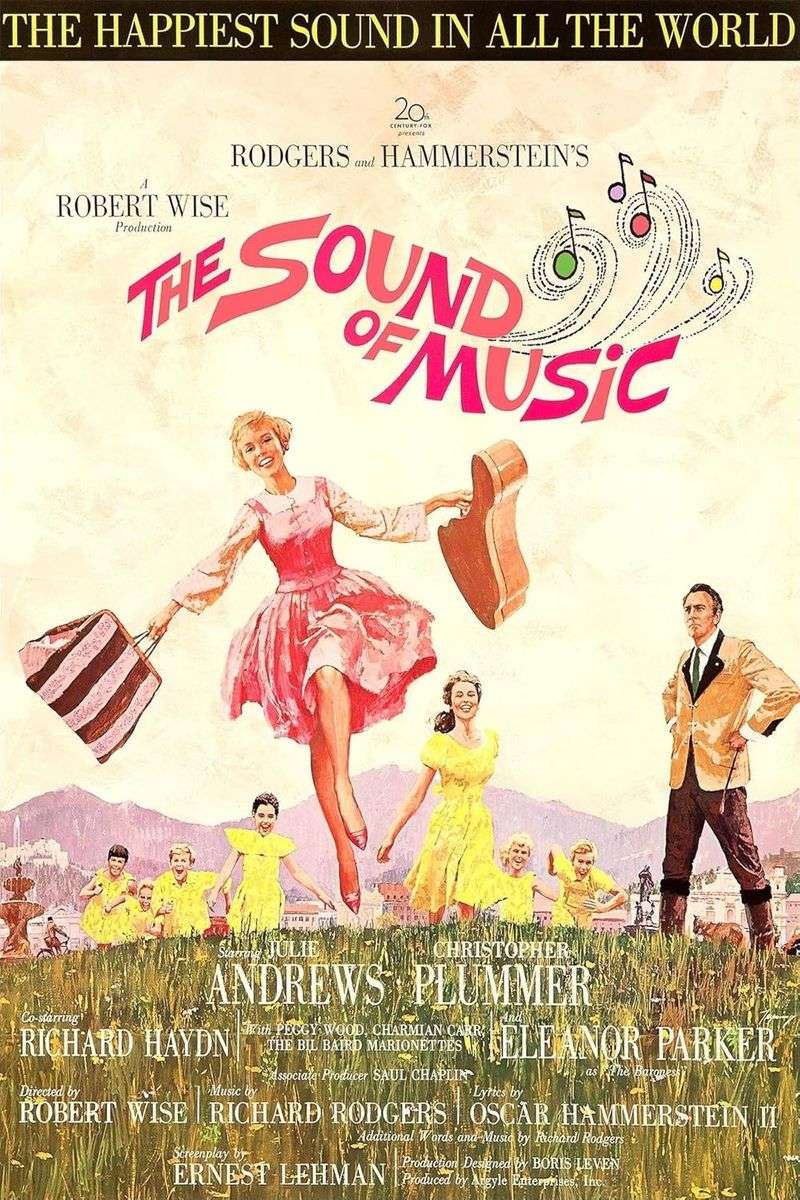
When Julie Andrews twirled across those Austrian Alps singing her heart out, she didn’t just open a movie — she created a cultural phenomenon.
Released in 1965, The Sound of Music became one of the highest-grossing films of its decade and remained a box office record-holder for years.
Families packed theaters over and over again.
The film showed Hollywood that wholesome, emotionally rich musicals could generate enormous commercial success.
Its blend of gorgeous scenery, memorable songs, and a true story gave audiences something to genuinely believe in.
Songs like “Do-Re-Mi” and “Edelweiss” entered everyday life around the world.
Even today, sing-along screenings sell out worldwide, proving that some movies simply never lose their magic no matter how much time passes.
5. Cabaret
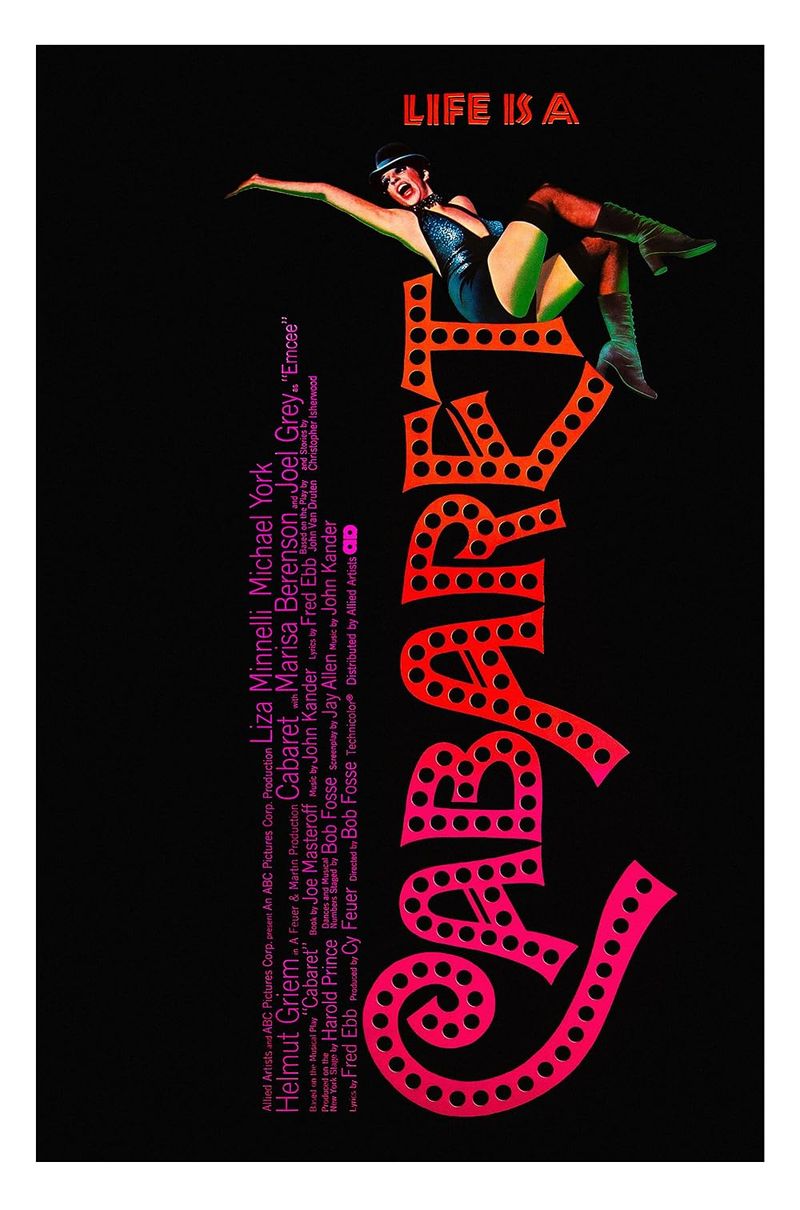
Forget everything you thought a musical was supposed to be — Cabaret arrived in 1972 and blew those expectations apart completely.
Director Bob Fosse made a daring choice: the musical numbers would stay confined to the Kit Kat Club stage, making them feel deliberately separate from the darkening real world outside.
That contrast was electrifying and deeply unsettling.
Liza Minnelli’s powerhouse performance earned her an Oscar, and Fosse’s angular, suggestive choreography created a new visual language for film dance.
The movie didn’t shy away from themes like fascism, sexuality, and moral compromise.
It was adult, provocative, and unafraid.
Hollywood took notice that musicals could carry serious dramatic weight without softening their edges, paving the way for grittier storytelling in the genre for decades.
6. Grease
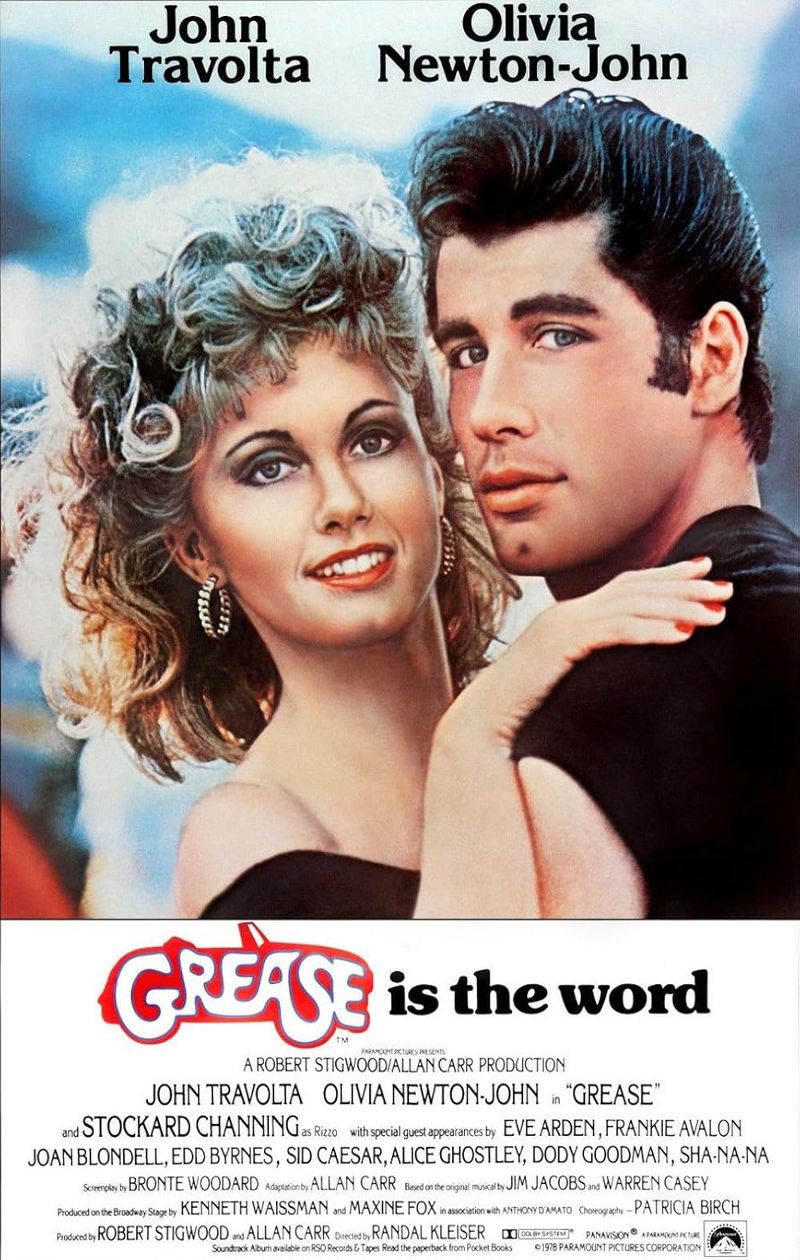
Sandy and Danny’s summer romance became the stuff of legend when Grease exploded onto screens in 1978.
Nobody expected a high school musical set in the 1950s to become one of the highest-grossing films of that entire year, but audiences absolutely went wild for it.
John Travolta and Olivia Newton-John had chemistry that practically leapt off the screen.
The film proved that pop-infused musicals could dominate the mainstream, not just the art-house crowd.
Its soundtrack sold millions of copies and kept climbing the charts long after the movie left theaters. “Summer Nights” and “You’re the One That I Want” became generational anthems.
Grease made being a fan of musicals cool again for young audiences everywhere, a trick very few films have managed to pull off since.
7. Saturday Night Fever
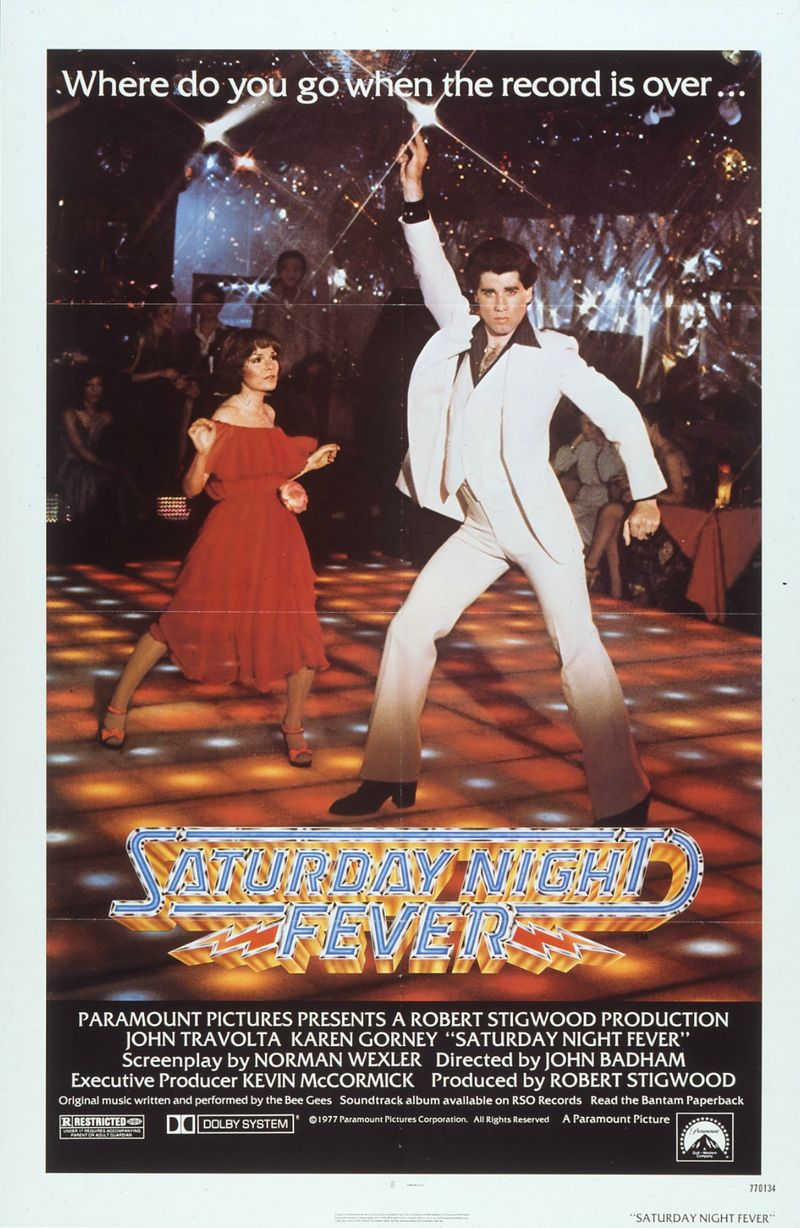
Strictly speaking, Saturday Night Fever is more of a drama with incredible music than a traditional musical — but that distinction barely matters given how completely it reshaped pop culture.
Released in 1977, it introduced disco to a mainstream global audience and made John Travolta a superstar almost overnight.
The Bee Gees soundtrack became one of the best-selling albums in history.
Hollywood realized after this film that music-driven movies didn’t have to follow old-fashioned musical rules to be wildly successful.
The raw, street-level energy of Tony Manero’s world felt like nothing seen in mainstream cinema before.
It was urgent, sweaty, and real.
The film’s success opened doors for music-focused storytelling that influenced everything from hip-hop cinema to modern pop music biopics decades later.
8. Fame
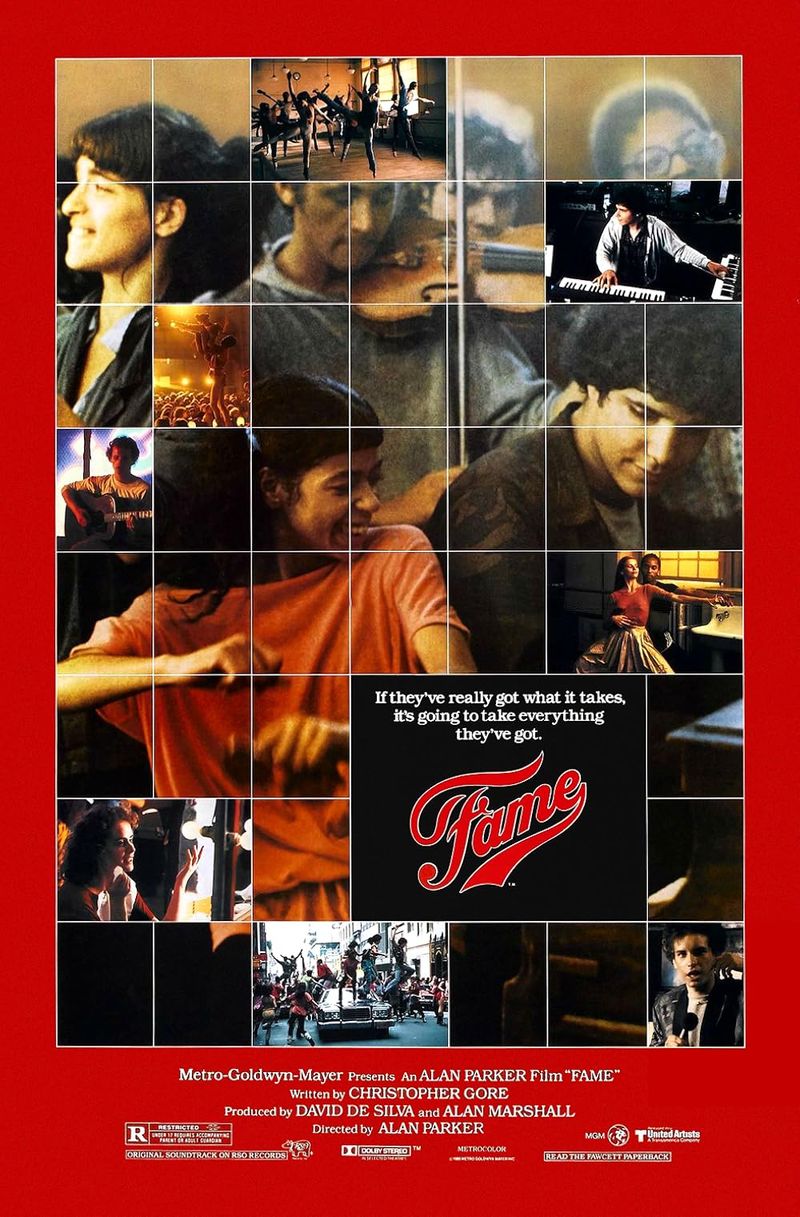
“I’m gonna live forever” — that opening promise from Fame‘s iconic title song captured exactly what this 1980 film was all about.
Set inside New York City’s High School of Performing Arts, the movie followed a group of wildly talented, struggling young students chasing their dreams with everything they had.
It felt raw, honest, and electrifyingly alive.
The film broke ground by featuring a racially diverse cast at a time when Hollywood rarely centered such stories.
Its mix of dance, drama, and original music felt fresh and modern compared to the polished musicals of earlier decades.
Fame didn’t sugarcoat the hard work and heartbreak behind artistic ambition.
It inspired a long-running TV series and changed how Hollywood portrayed young performers and the performing arts world on screen.
9. Beauty and the Beast
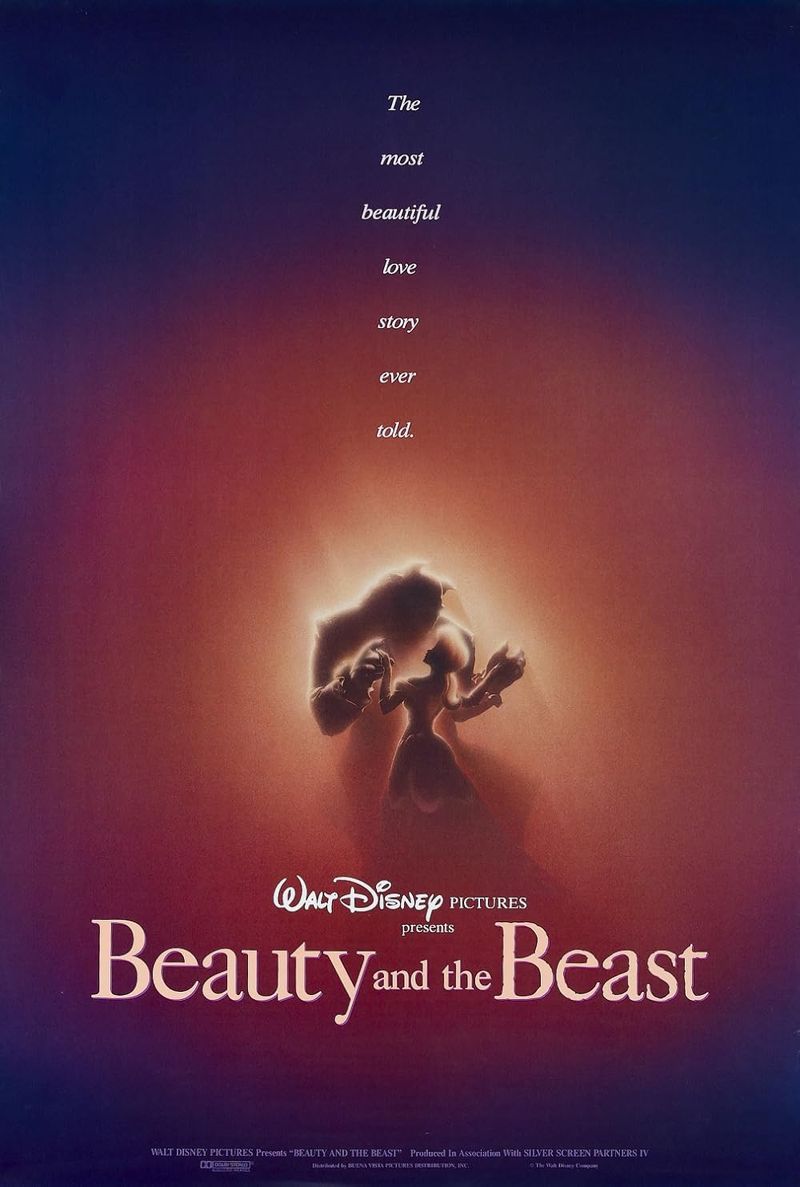
When Disney released Beauty and the Beast in 1991, it didn’t just win hearts — it made history by becoming the first animated film ever nominated for the Academy Award for Best Picture.
That single nomination changed how Hollywood, and the entire entertainment industry, thought about animation as a serious art form.
Suddenly, cartoons weren’t just for kids.
Alan Menken and Howard Ashman’s score was so rich and theatrical that it felt like a Broadway show brought to vivid life.
The film’s storytelling sophistication set a new standard for what animated musicals could achieve.
Every character had depth, humor, and genuine emotional weight.
The 2017 live-action remake grossed over a billion dollars globally, proving that this enchanted story has lost absolutely none of its irresistible charm.
10. Moulin Rouge!
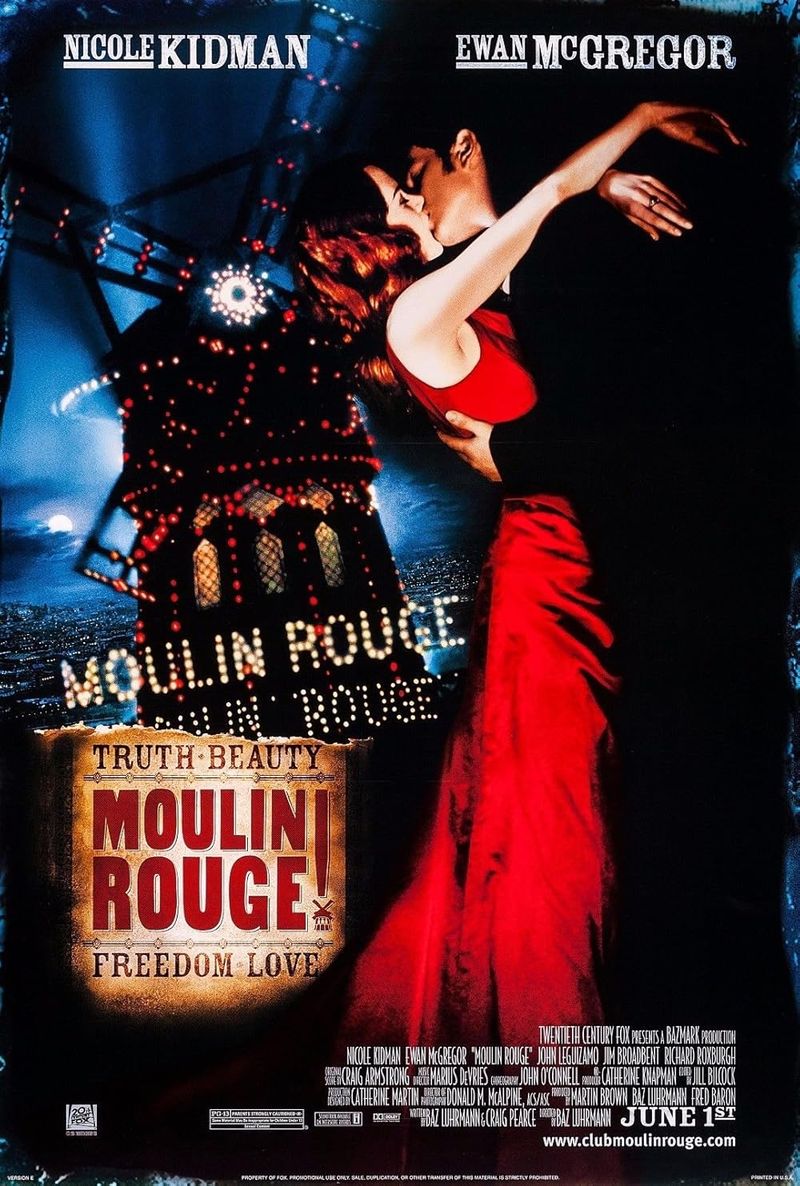
Baz Luhrmann threw out the rulebook entirely when he unleashed Moulin Rouge! on the world in 2001.
Rather than using original songs, the film boldly remixed pop hits from Madonna, Elton John, and others into a dazzling, anachronistic love story set in 1899 Paris.
Audiences either fell completely in love with it or felt totally overwhelmed — sometimes both.
The film pioneered what became known as the “jukebox musical” approach in cinema, using familiar songs to create emotional shortcuts with viewers.
Its hyperkinetic editing and maximalist visual style influenced music videos, commercials, and films for years afterward.
Nicole Kidman and Ewan McGregor delivered performances bursting with desperate passion.
Moulin Rouge! reminded Hollywood that musicals could feel dangerous, excessive, and gloriously alive all at once.
11. Chicago
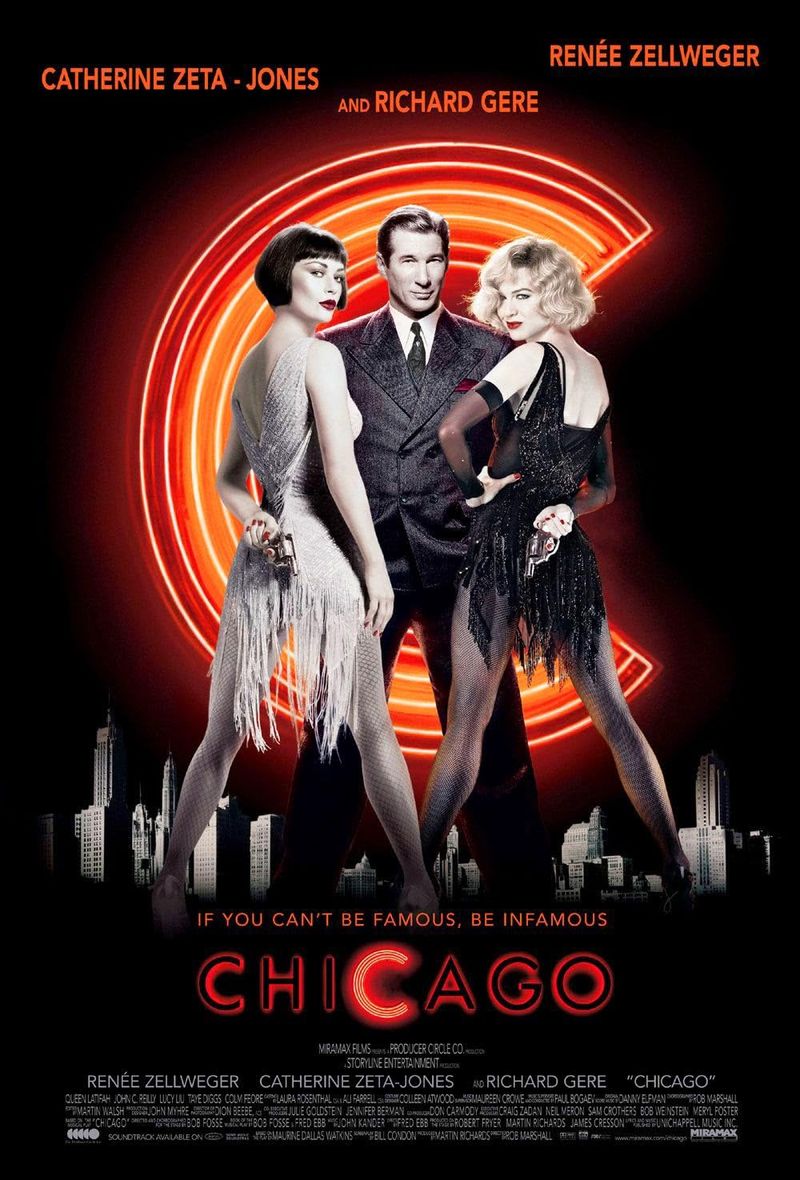
After years of being considered “unmakeable,” ChicagoOliver! finally arrived in 2002 and promptly won six Academy Awards including Best Picture — the first musical to claim that prize since in 1968.
Director Rob Marshall’s genius move was framing every musical number as a fantasy inside Roxie Hart’s ambitious mind.
That structural choice made the excess feel intentional and thrilling.
The film’s success single-handedly revived the Hollywood movie musical after a long commercial drought.
Studios that had avoided the genre for decades suddenly started greenlighting musical projects left and right.
Renee Zellweger, Catherine Zeta-Jones, and Richard Gere brought genuine star power to the material.
Chicago proved that adult audiences were absolutely hungry for stylish, sophisticated musical cinema — they just needed someone brave enough to deliver it.
12. Dreamgirls
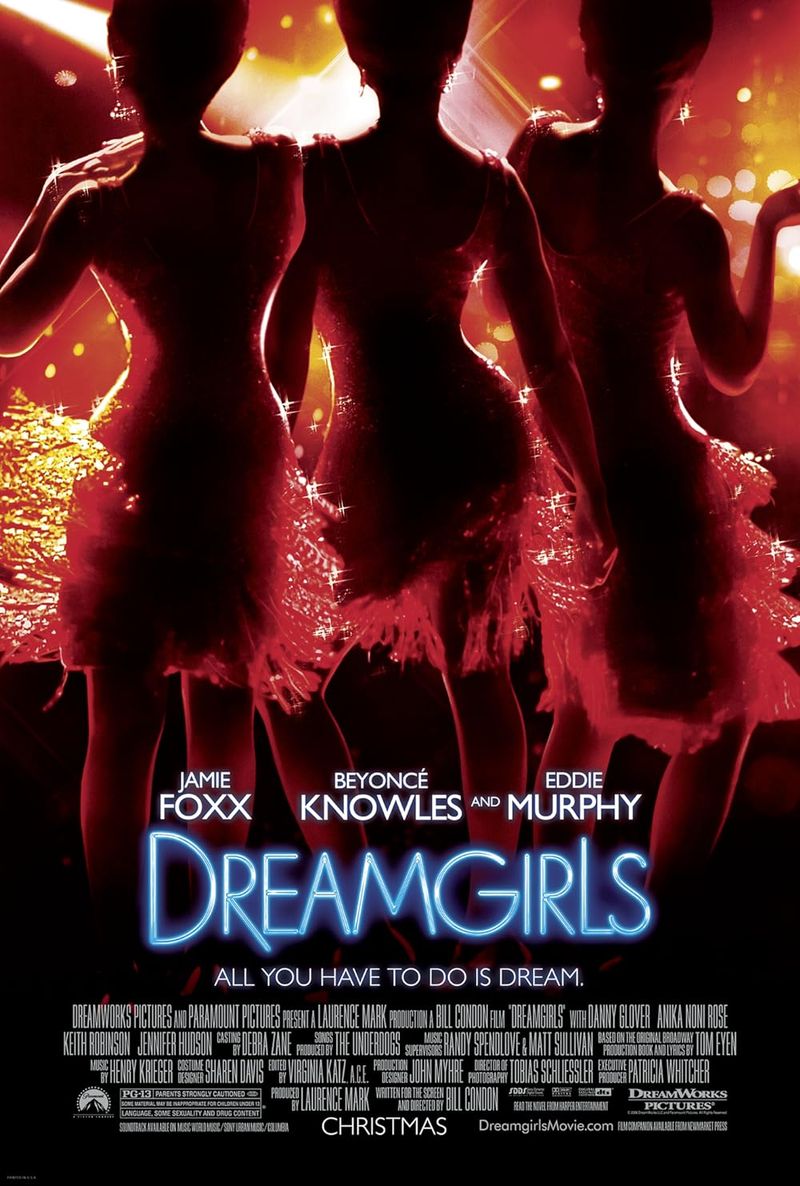
Loosely inspired by the rise of The Supremes, Dreamgirls arrived in 2006 with so much energy and so many powerhouse vocal performances that it practically shook the walls of every theater it played in.
Jennifer Hudson’s show-stopping performance of “And I Am Telling You I’m Not Going” became one of the most talked-about musical moments in recent Hollywood history.
She won the Oscar for Best Supporting Actress.
The film brought Black musical history to the center of a major Hollywood production in a way that felt both celebratory and emotionally honest.
It explored themes of ambition, betrayal, and identity through the lens of the music industry’s complicated racial politics.
Dreamgirls opened conversations about representation in Hollywood that continue to shape the film industry’s direction today.
13. Les Misérables
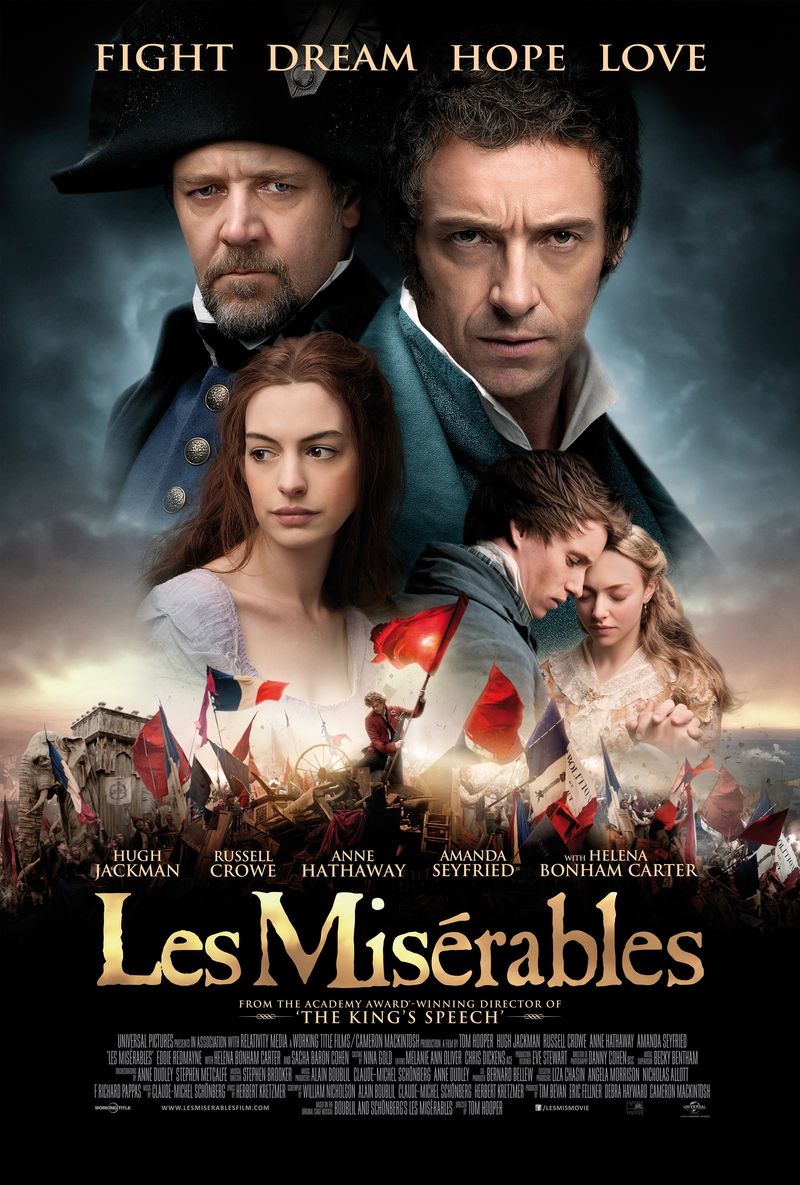
Director Tom Hooper made one bold decision that changed everything about Les Misérables (2012): the cast would sing live on set rather than lip-syncing to pre-recorded tracks.
That single choice transformed the emotional texture of every performance in the film.
You could hear actors breathing, straining, and breaking — and it was absolutely devastating to watch.
Hugh Jackman, Anne Hathaway, and the entire ensemble delivered performances that felt more like theater than film, blurring the line between the two art forms in exciting new ways.
Hathaway’s raw, one-take rendition of “I Dreamed a Dream” left audiences stunned into silence.
Hollywood learned that live singing in musical films could create an intimacy and vulnerability that studio-polished recordings simply cannot replicate, no matter how technically perfect they sound.
14. La La Land
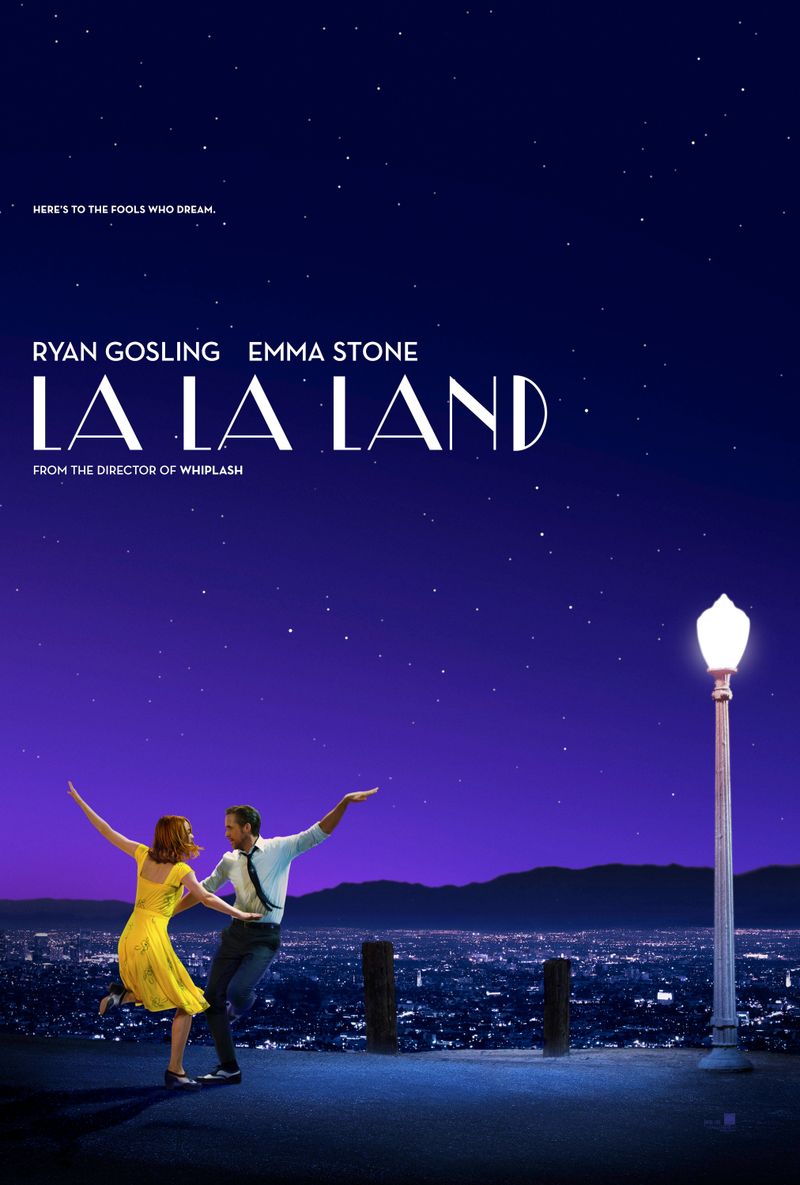
Two dreamers, a city full of broken promises, and one of the most heartbreaking endings in recent memory — La La Land arrived in 2016 and reminded the world why movie musicals matter so deeply.
Director Damien Chazelle crafted a love letter to both Los Angeles and the golden age of Hollywood musicals, soaking every frame in gorgeous color and longing.
The film won seven Golden Globes and six Oscars, reigniting serious critical interest in the musical genre among younger audiences and filmmakers alike.
Ryan Gosling and Emma Stone brought a bittersweet chemistry that felt genuinely modern.
It was romantic but never naive about the cost of chasing dreams.
La La Land sparked a wave of original movie musicals from ambitious directors who felt newly inspired to take creative risks with the form.
15. Hamilton
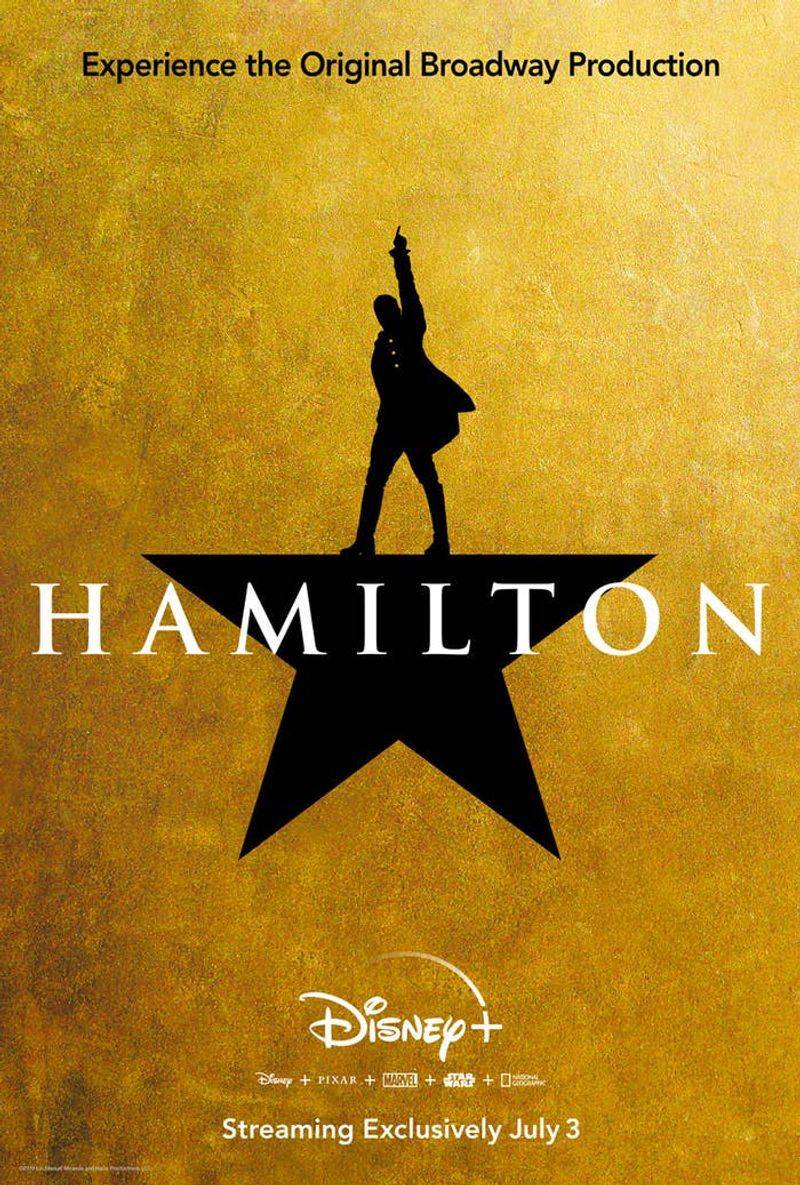
Lin-Manuel Miranda’s Hamilton started as a Broadway phenomenon, but when Disney+ released the filmed stage production in 2020, it reached an audience of millions who had never set foot in a theater.
That accessibility changed the conversation about what counts as a movie musical and who gets to experience live performance.
Suddenly, Broadway felt available to everyone.
The show’s revolutionary blending of hip-hop, R&B, jazz, and traditional show tunes to tell an American founding father’s story felt genuinely groundbreaking.
Its diverse casting made a powerful statement about who gets to tell American history.
The energy was electric even through a screen.
Hamilton proved that filmed theater can carry as much emotional power as a traditional movie, opening exciting new possibilities for how stage productions reach global audiences.
16. Wicked
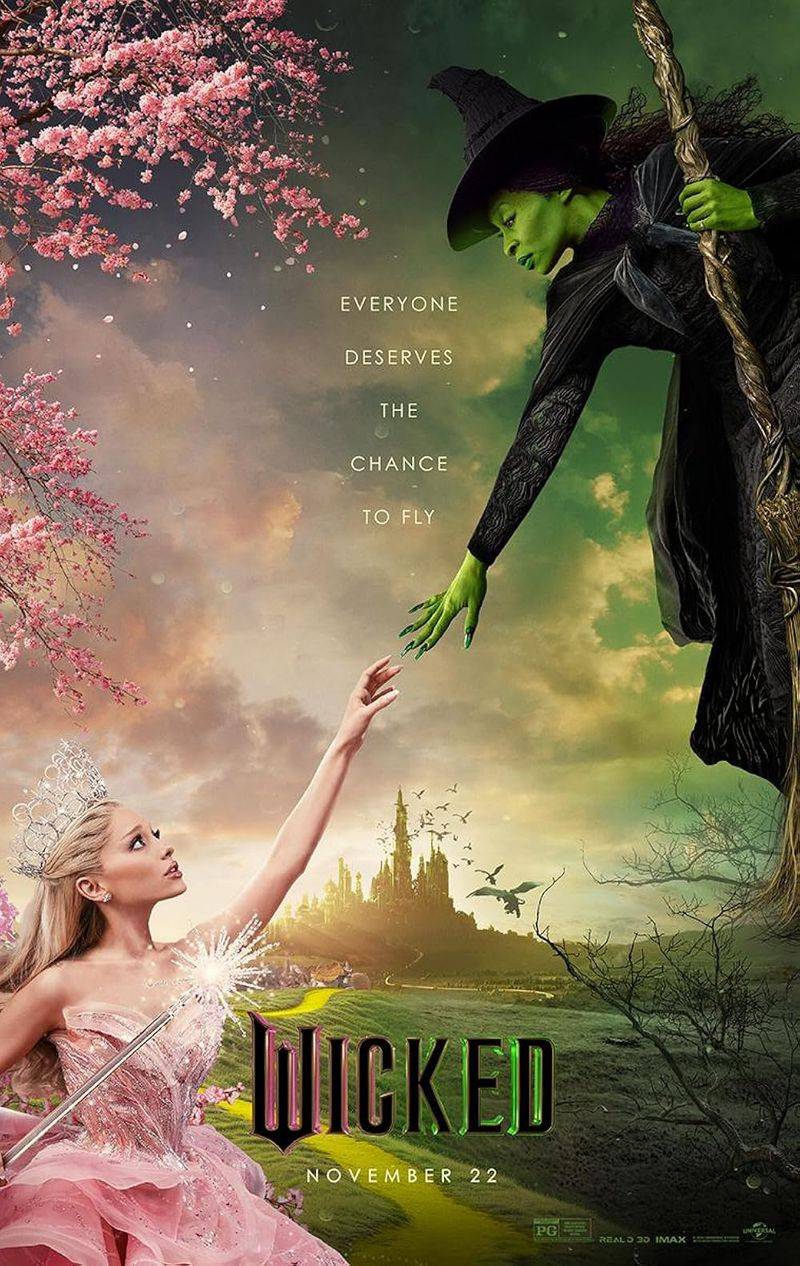
Decades in the making, the film adaptation of Wicked finally arrived in 2024 with Cynthia Erivo and Ariana Grande bringing Elphaba and Glinda to life in spectacular fashion.
The film’s opening weekend shattered box office expectations, proving that audiences had been waiting a very long time for this particular story to hit the big screen.
The anticipation was almost unbearable.
What makes Wicked culturally significant is how it centers female friendship, ambition, and the complexity of being misunderstood — themes that resonate powerfully with modern audiences.
The production design was jaw-dropping, creating the Land of Oz on a scale never attempted before.
Wicked’s massive success signals that the movie musical isn’t just surviving in Hollywood — it’s thriving and evolving in bold, exciting new directions for the next generation of fans.