 MomSkoop
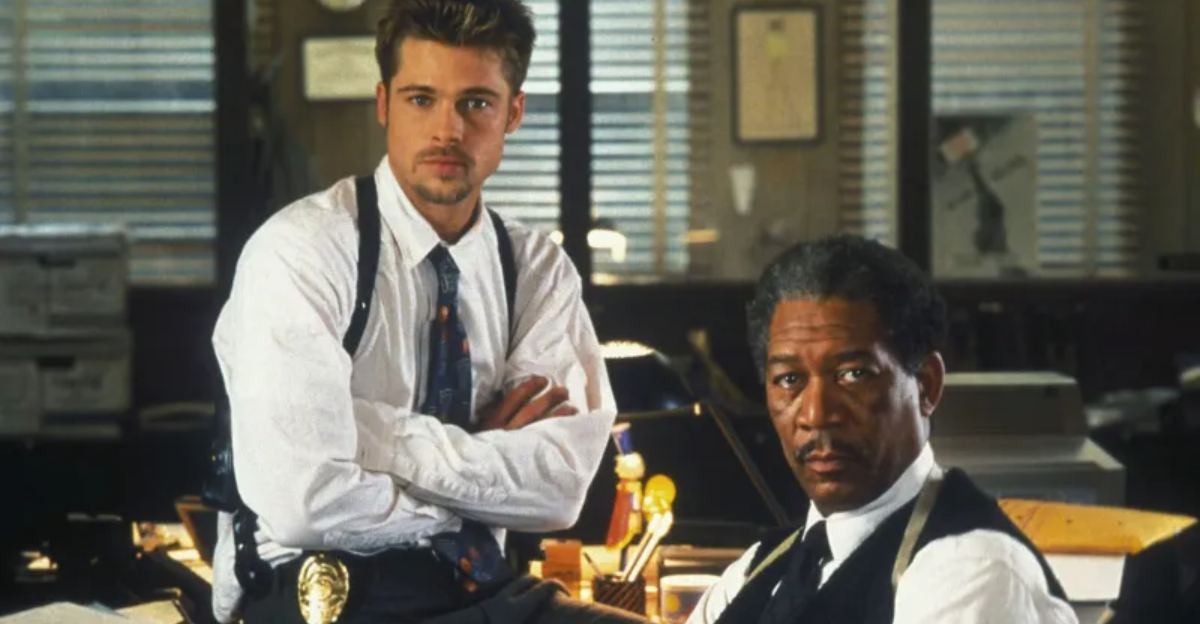
The 1990s were a golden era for movies that kept audiences completely off guard. Filmmakers during this decade had a talent for building stories that seemed straightforward, only to flip everything upside down in the final minutes.
These films made people want to rewatch them immediately just to catch all the clues they missed. Get ready to revisit some of the most jaw-dropping finales in cinema history.
1. The Sixth Sense (1999)
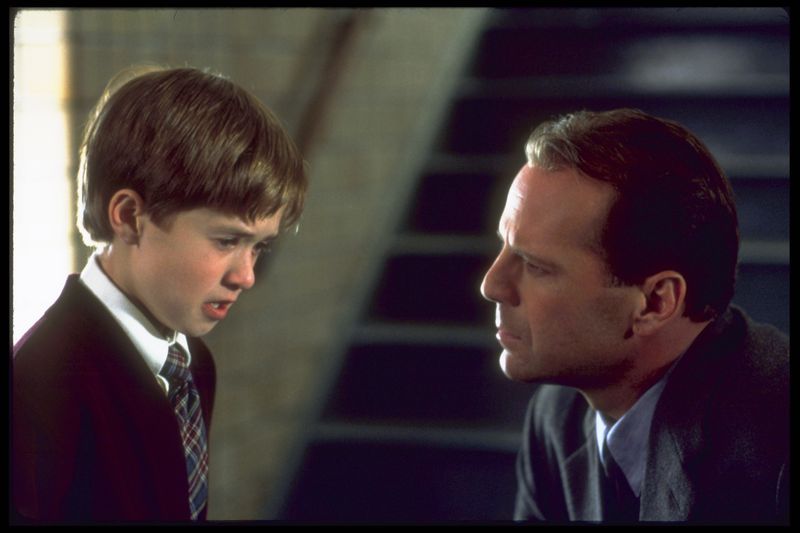
Few movie moments have hit audiences as hard as the final reveal in The Sixth Sense.
Director M.
Night Shyamalan spent the entire film quietly hiding the truth in plain sight.
By the time the credits rolled, viewers sat frozen in disbelief.
Bruce Willis plays a child psychologist helping a boy named Cole, who claims he can see dead people.
What seems like a spooky ghost story turns out to be something far more personal and heartbreaking.
The twist reframes every single scene you just watched.
Rewatching the film after knowing the ending is a completely different experience.
The clues were always there, hidden in small details most viewers never noticed the first time around.
2. Fight Club (1999)
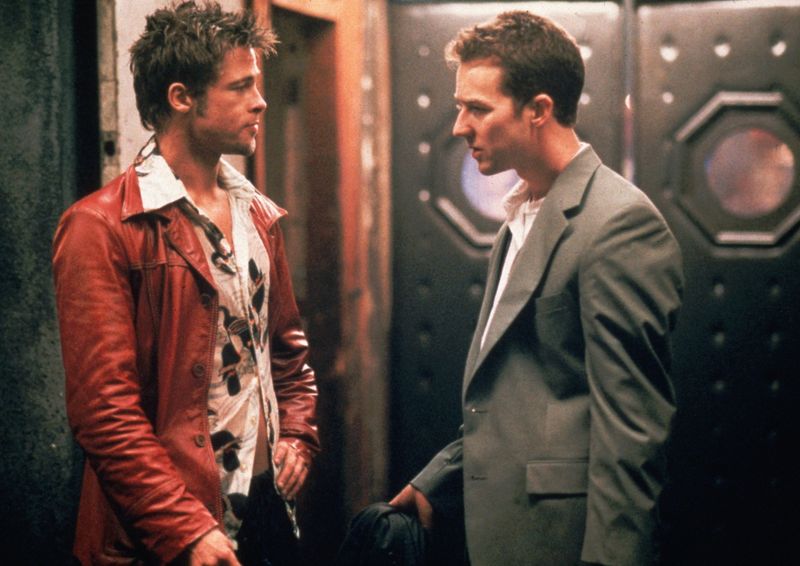
Fight Club arrived in 1999 and immediately divided audiences, but nobody could deny how shocking its ending was.
Brad Pitt and Edward Norton star in a story about masculinity, rebellion, and identity that keeps getting stranger as it goes.
Then the floor drops out completely.
Tyler Durden, played by Pitt, turns out to be a figment of the narrator’s imagination.
The two characters are actually the same person, which completely changes how you interpret their every interaction.
It is one of cinema’s most celebrated identity twists.
Director David Fincher planted visual hints throughout the film that most viewers only catch on a second watch.
The ending sparked debates that film students still discuss today.
3. The Usual Suspects (1995)
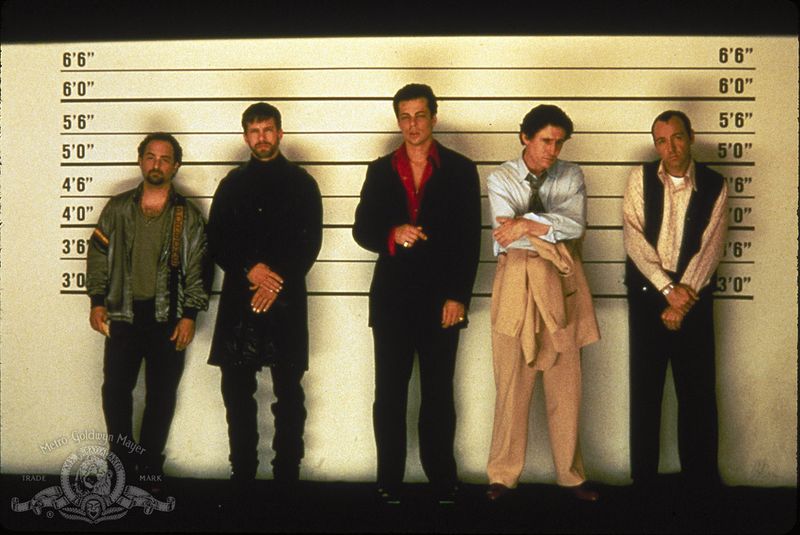
Keyser Soze became one of the most legendary fictional villains of the 1990s, and the reason why is all in the ending.
The Usual Suspects follows five criminals who are brought together after a police lineup, setting off a chain of events nobody could predict.
Kevin Spacey plays Verbal Kint, a small-time crook with a limp who narrates the whole story.
When the detective realizes the entire story was fabricated from details in the room around him, the film pulls the rug out completely.
Verbal walks out the door, straightens up, and drives away as Keyser Soze.
Writer Christopher McQuarrie won an Oscar for this screenplay, and the twist is a big reason why.
It remains one of the most satisfying surprise endings ever put on film.
4. Se7en (1995)
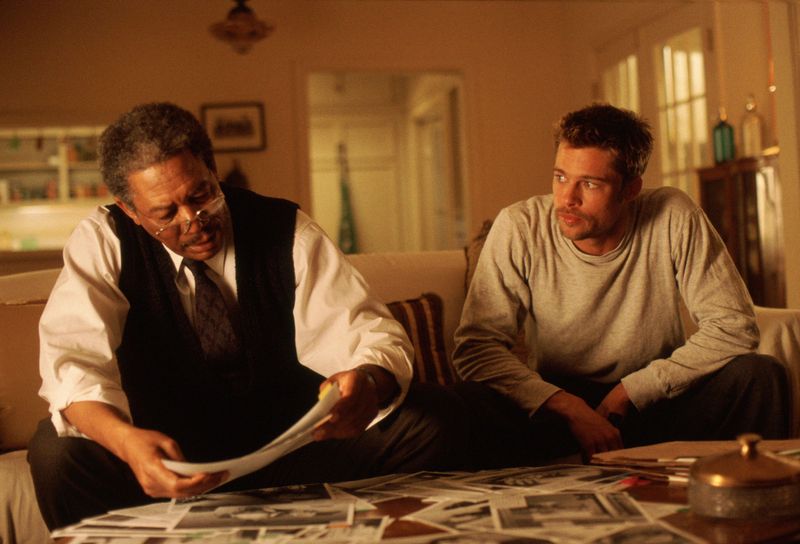
“What’s in the box?” became one of the most quoted lines of the entire decade, and it came from the unforgettable final scene of Se7en.
David Fincher directed this dark crime thriller starring Brad Pitt and Morgan Freeman as detectives tracking a serial killer themed around the seven deadly sins.
Nobody expected the story to end the way it did.
The killer, John Doe, surrenders willingly and leads the detectives to a remote location.
A mysterious box arrives by courier, and what is inside destroys everything.
The ending is bleak, brutal, and completely earned by the story that came before it.
Se7en refused to give audiences a comfortable Hollywood resolution.
That decision made it one of the most talked-about thrillers of the decade.
5. Primal Fear (1996)
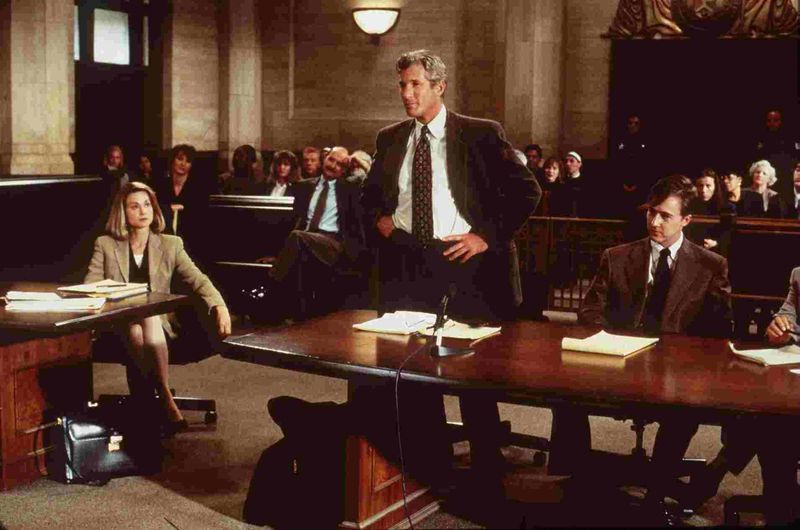
Richard Gere plays a hotshot defense attorney who takes on the case of a shy, stuttering altar boy accused of murdering an archbishop.
Aaron Stampler, played by Edward Norton in his debut role, seems fragile and completely incapable of violence.
The courtroom scenes are gripping from start to finish.
As the trial unfolds, Aaron reveals a second personality named Roy, who is aggressive and menacing.
The defense uses this as a strategy to get Aaron acquitted by reason of insanity.
Then the ending hits like a cold wave.
Aaron drops the act entirely, revealing he was manipulating everyone from the very beginning.
There was never a second personality at all.
Norton’s performance is chilling precisely because you never see it coming until the final moments.
6. The Game (1997)
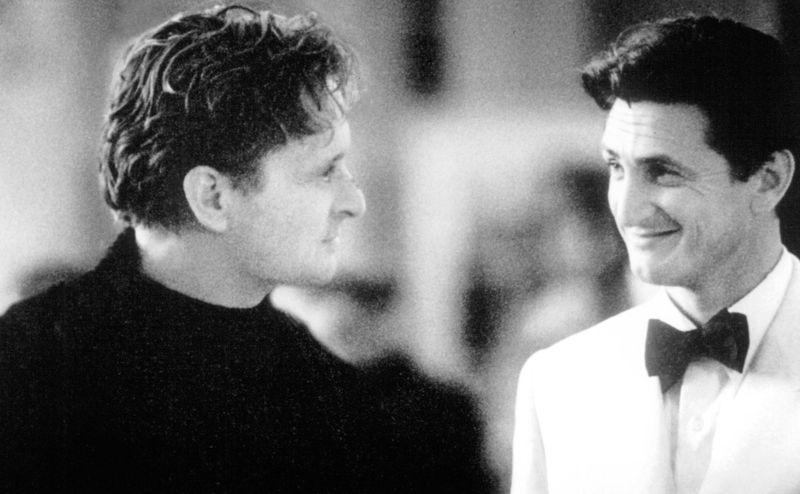
Michael Douglas plays a wealthy, emotionally detached banker whose brother gives him an unusual birthday gift: enrollment in a mysterious company called Consumer Recreation Services.
What starts as an intriguing game quickly spirals into something terrifying.
Nothing around him can be trusted anymore.
The Game is a psychological thriller that keeps viewers constantly questioning what is real.
By the third act, the main character has lost everything and believes he has accidentally killed his own brother.
He jumps off a rooftop in despair.
He lands on an airbag, and the entire ordeal turns out to be an elaborate staged experience orchestrated by people who love him.
The relief is enormous, but so is the feeling of having been totally fooled.
Director David Fincher made paranoia feel genuinely exciting.
7. Jacob’s Ladder (1990)

Jacob’s Ladder opens the decade with one of its most disorienting and emotionally devastating films.
Tim Robbins plays Jacob Singer, a Vietnam veteran living in New York City who is experiencing terrifying hallucinations.
The line between memory, reality, and nightmare becomes impossible to find.
Strange demonic figures follow him everywhere.
His past and present blur together in increasingly disturbing ways.
Viewers spend most of the film trying to figure out what is actually happening to this man.
The ending reveals that Jacob died in Vietnam and everything viewers watched was his mind processing death in its final moments.
The hallucinations were not demons but angels helping him let go.
It is a deeply sad and surprisingly beautiful conclusion to a very unsettling story.
8. 12 Monkeys (1995)
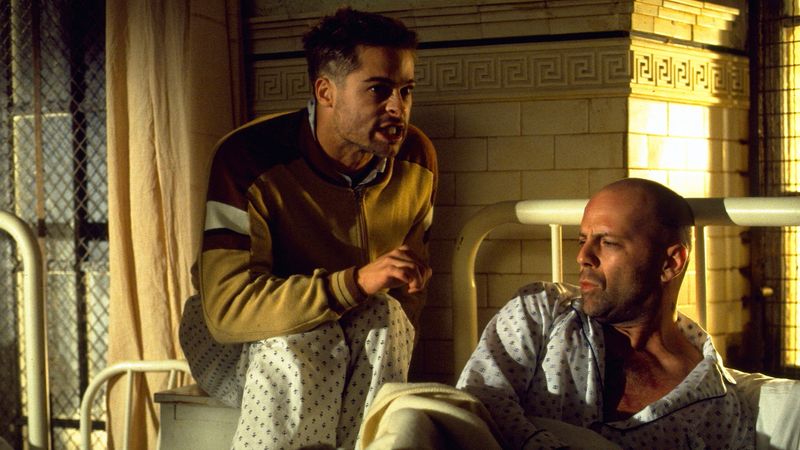
Time travel stories always carry a built-in risk of confusion, but 12 Monkeys used that confusion brilliantly.
Bruce Willis plays James Cole, a prisoner sent back in time from a devastated future to gather information about a deadly virus that wiped out most of humanity.
Brad Pitt earned an Oscar nomination playing a manic environmental activist.
The film keeps viewers guessing whether Cole is actually a time traveler or simply a mentally ill man who believes his own delusions.
As the plot tightens, the tragic truth becomes clear.
Cole cannot change the past because everything has already happened exactly as it was supposed to.
He is shot at the airport while watching his childhood self witness the event.
The circular inevitability of it all is quietly devastating.
9. Arlington Road (1999)
Most thrillers let the hero win in the end.
Arlington Road had zero interest in following that rule.
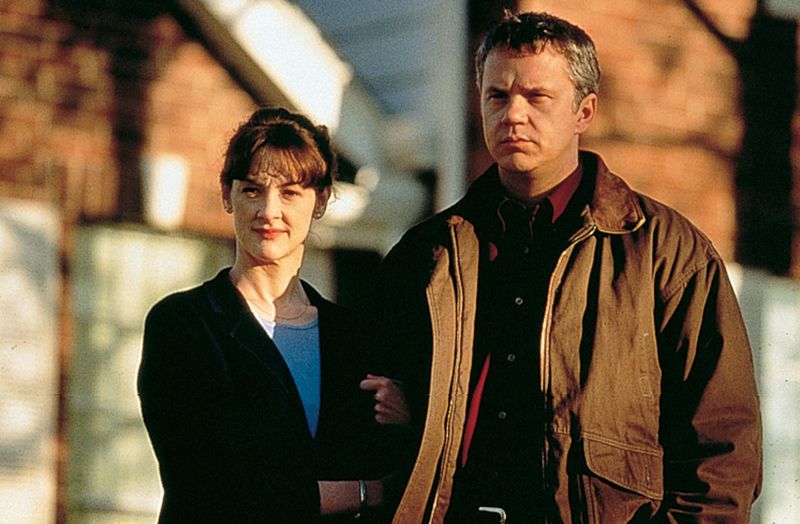
Jeff Bridges plays a college professor who becomes convinced his new neighbors are domestic terrorists.
Tim Robbins plays the neighbor with an unsettlingly calm smile and a very dark secret.
The film builds tension slowly and carefully, making viewers root hard for the professor to expose the truth.
When he finally acts on his suspicions and tries to stop a bombing, everything goes horribly wrong.
He becomes the unwitting delivery man for the bomb himself and dies in the explosion.
Worse, the terrorists frame him as the attacker.
The bad guys win completely, and the credits roll on a genuinely disturbing note that stuck with audiences for years.
10. Wild Things (1998)

Wild Things is the kind of film where just when you think you understand the plot, it flips again.
Set in the steamy Florida everglades, it follows a guidance counselor accused of assault by two female students.
Matt Dillon, Neve Campbell, and Denise Richards lead a cast that keeps double-crossing each other at every turn.
The story peels back layer after layer of deception.
Alliances that seemed solid turn out to be staged.
Every character has an angle, and almost nobody can be trusted.
The post-credits scenes reveal even more betrayals, showing the full scheme only after the main story ends.
Wild Things treated its audience like puzzle solvers and rewarded patience with a finale full of satisfying, shocking revelations.
It remains a cult favorite for a very good reason.
11. Shattered (1991)
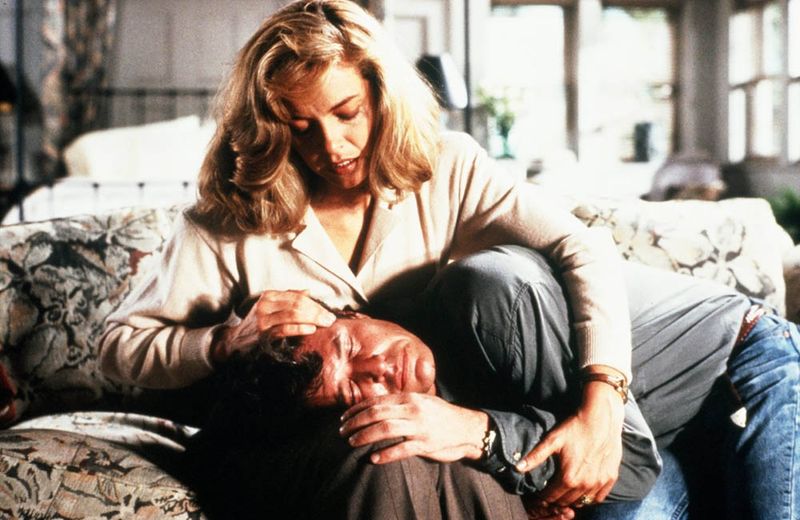
Shattered is a film that does not get nearly enough credit for how cleverly it plays with identity.
Tom Berenger plays a man who survives a terrible car crash and wakes up with no memory of who he is.
His face has been reconstructed through surgery, and he must rebuild his life from scratch using the accounts of people around him.
As he investigates his own past, he uncovers an affair, a murder plot, and a web of lies that goes deeper than he expected.
The mystery keeps tightening in genuinely unsettling ways.
The final twist reveals he is not actually who everyone told him he was.
He switched identities with another man during the chaos of the accident.
The revelation reframes every scene and leaves viewers questioning what identity even means.
12. Basic Instinct (1992)
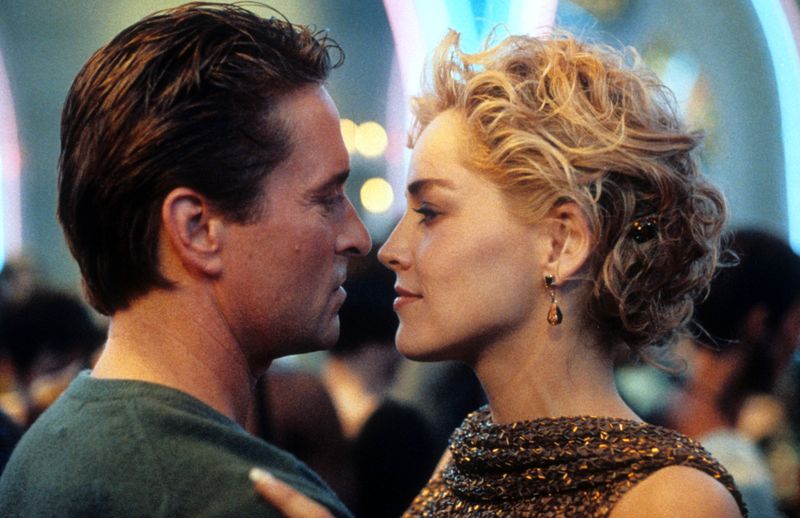
Sharon Stone’s performance as Catherine Tramell in Basic Instinct turned her into one of cinema’s most iconic and dangerous femmes.
The film follows a detective investigating a brutal murder while becoming dangerously entangled with the prime suspect.
Michael Douglas plays the detective who knows she is probably guilty but cannot stay away.
The entire film keeps viewers debating whether Catherine is a cold-blooded killer or simply a writer who knows how to manipulate everyone around her.
The evidence keeps pointing at her, then pointing away again.
The final scene shows the couple in bed while the camera slowly pans to reveal an ice pick hidden beneath the mattress.
No arrest is made, no confession given.
That ambiguous ending became one of the most debated conclusions of the entire decade.
13. The Crying Game (1992)
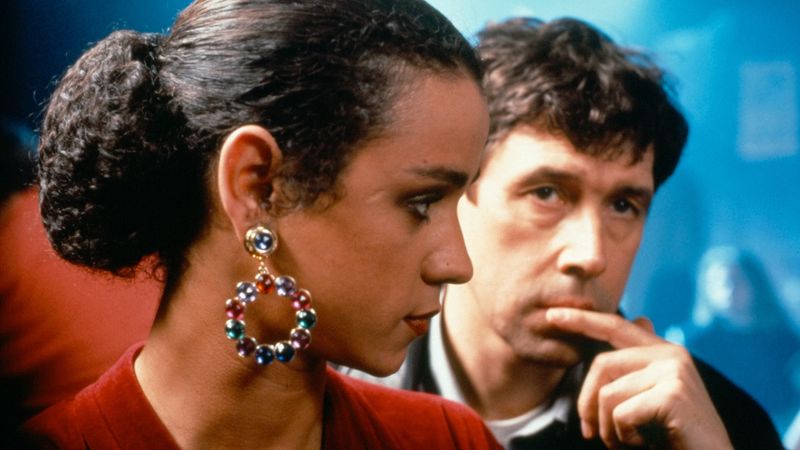
The Crying Game arrived with a secret so well-kept that film critics and studios actively asked audiences not to spoil it.
Neil Jordan’s film follows an IRA soldier who befriends a British hostage and later seeks out the man’s girlfriend in London.
What begins as a story about guilt and loyalty becomes something far more complex.
Fergus falls for Dil, the girlfriend, and their relationship builds with genuine warmth and chemistry.
Then a revelation changes everything Fergus believed about the situation.
The film handles the moment with surprising tenderness rather than shock for its own sake.
Jaye Davidson received an Oscar nomination for playing Dil, a performance widely praised for its humanity.
The Crying Game proved that a great twist works best when it deepens the emotional story rather than replacing it.