 MomSkoop

The 1970s were a wild decade for fashion, full of bold choices that made people feel groovy at the time but look pretty questionable in old photos today. From head-to-toe polyester to platform shoes that could double as stilts, the era had a unique style all its own.
Some of these trends have made small comebacks over the years, but most of them are better left in the past where they belong. Get ready for a trip down memory lane through 15 fashion moments the ’70s gave us that we probably didn’t need.
1. Polyester Leisure Suits
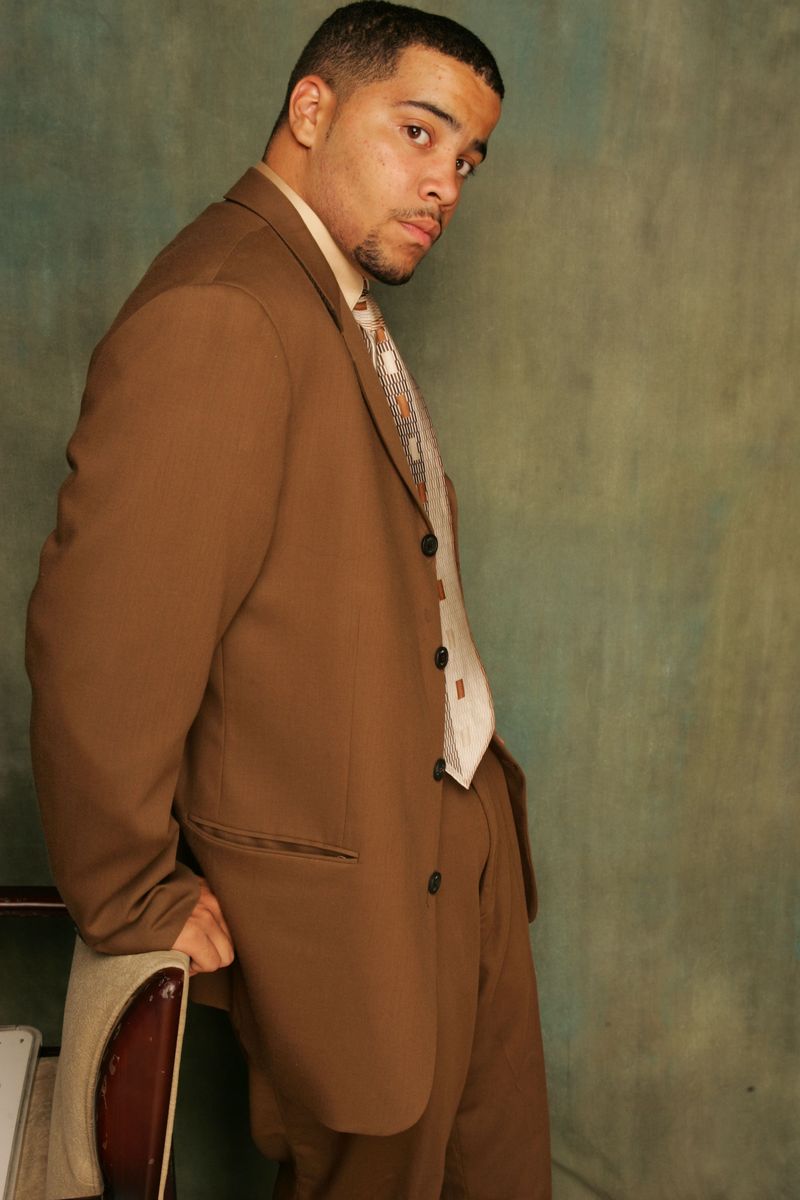
Picture a shiny suit in the brightest shade of burnt orange you can imagine, worn unironically to a Saturday night disco.
That was the polyester leisure suit in its full glory.
These matching jacket-and-pants sets were everywhere in the mid-70s, and people genuinely thought they looked sharp.
The problem?
Polyester doesn’t breathe.
At all.
Dancing in one of these under disco lights was basically a full-body sauna experience.
They also had a reputation for looking cheap, even when they weren’t.
Despite the discomfort, leisure suits became a symbol of the era.
Today, they show up mostly in costume shops and retro-themed parties, which is exactly where they belong.
2. Extreme Bell-Bottom Pants
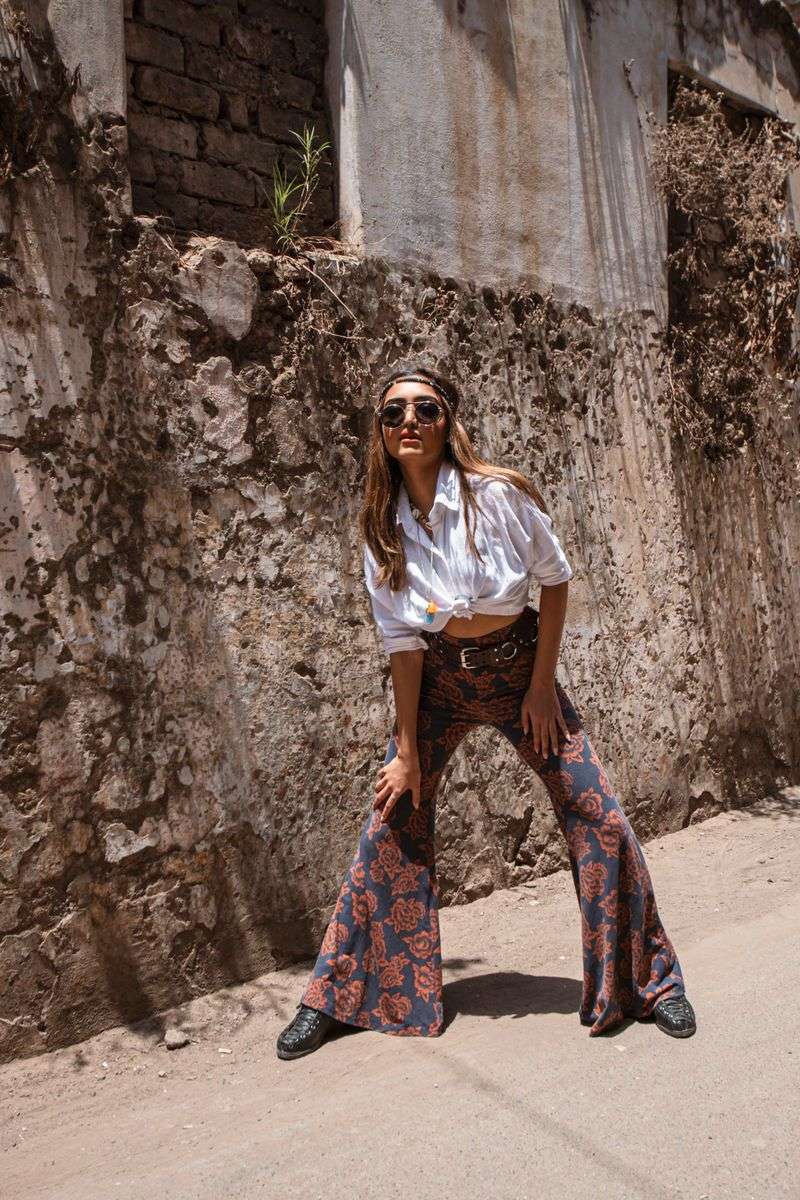
Bell-bottoms didn’t just flare a little at the ankle.
In the 1970s, some hems measured more than twelve inches across, making each step feel like you were wearing a small tent on each leg.
The wider the flare, the more fashionable you were supposed to be.
Walking in these was an adventure.
Stairs were tricky, puddles were basically unavoidable, and the bottoms dragged on the ground constantly.
They got dirty fast and wore out even faster.
Still, bell-bottoms had a certain undeniable swagger.
Music icons and everyday teens alike embraced them fully.
Smaller versions called flares have returned a few times since, but nothing quite matched the absurd scale of the originals.
3. Platform Shoes
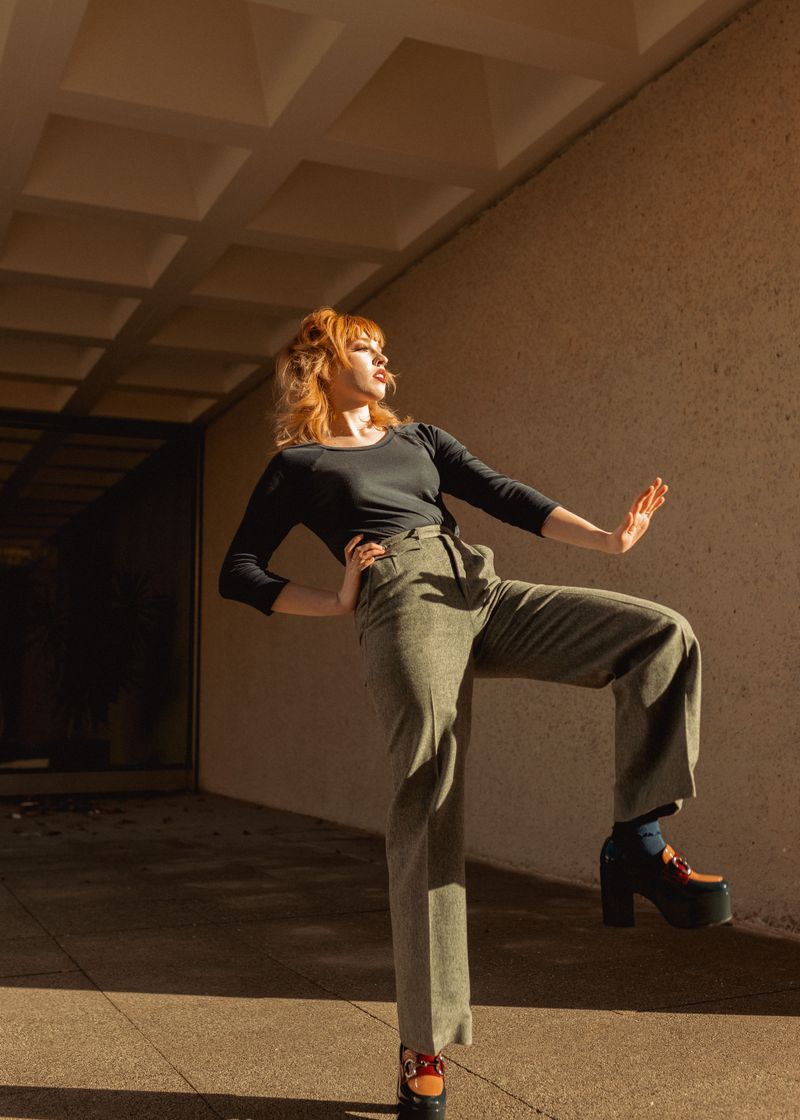
Gaining four inches of height sounds appealing until you realize those inches are all beneath your feet on a chunk of solid cork or wood.
Platform shoes were the footwear statement of the ’70s, worn by both men and women who wanted to quite literally stand taller.
The problem with platforms was that they made walking feel unstable, and ankle injuries were surprisingly common.
Some styles were so extreme that people needed to hold onto walls or friends just to stay upright on a dance floor.
Celebrities like Elton John practically made platforms part of their personal brand.
While chunky shoes have returned in modern fashion, the towering heights of the original ’70s platforms remain in a category of their own.
4. Polyester Everything
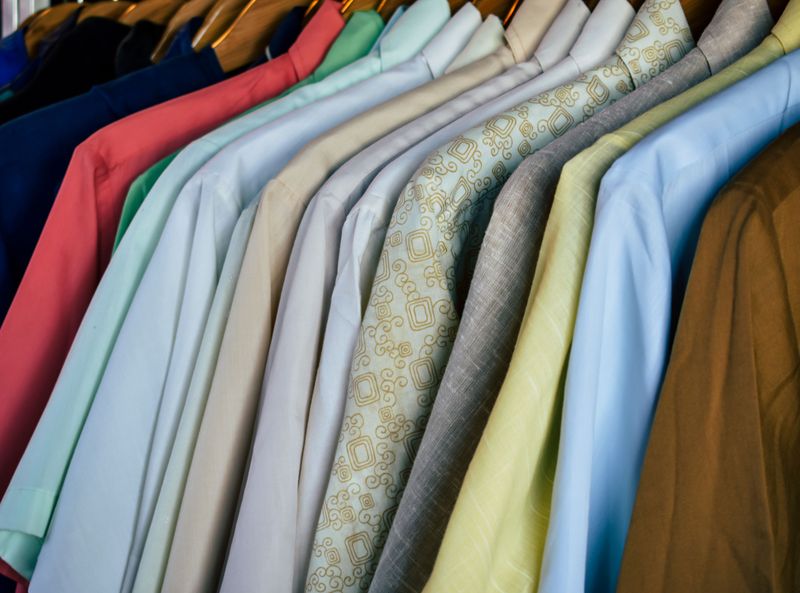
Polyester wasn’t just for leisure suits.
In the 1970s, it seemed like every single item of clothing was made from this synthetic fabric.
Shirts, dresses, jumpsuits, pants, and even underwear were being churned out in polyester because it was cheap to produce and easy to care for.
Manufacturers loved it.
Consumers, once they started sweating through a summer afternoon, had more mixed feelings.
Polyester traps heat like plastic wrap, making it uncomfortable in warm weather and almost unbearable in crowded spaces.
It did have one genuine advantage though: it barely wrinkled.
That was a real selling point before easy-care cotton blends existed.
Today, improved synthetic fabrics have replaced the scratchy originals, and most people are grateful for the upgrade.
5. Matching Denim-on-Denim Outfits
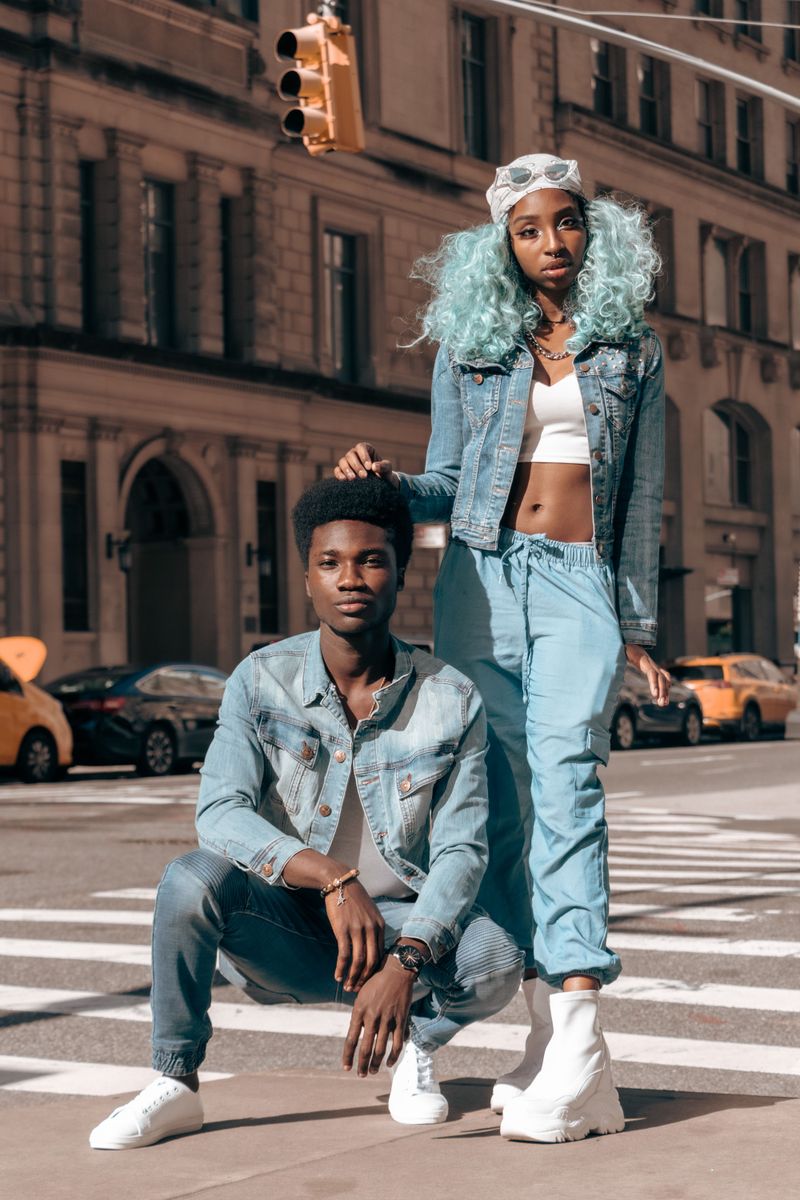
Before fashion rules warned against wearing the same fabric head to toe, the 1970s gave us the Canadian tuxedo in full force.
Denim jackets paired with denim jeans in the exact same shade was considered a perfectly acceptable casual outfit, and many people wore this combination proudly.
The all-blue look had a rugged, casual appeal that fit the laid-back spirit of the decade.
But when every piece matched too closely, it could look less like a coordinated outfit and more like a uniform from a very casual workplace.
Double denim has technically come back multiple times since then, but stylists today always recommend mixing washes to avoid looking like you fell into a vat of indigo.
The ’70s had no such rules.
6. Oversized Shirt Collars
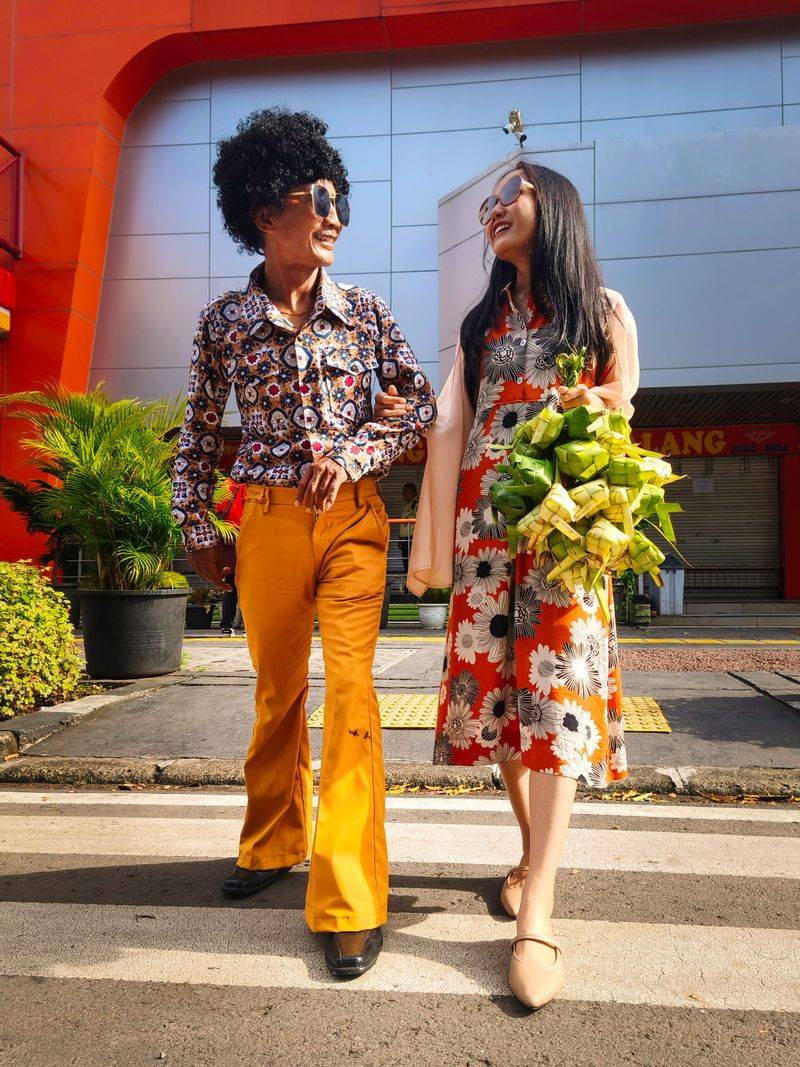
If you’ve ever looked at a photo of someone from the 1970s and noticed their shirt collar practically touching their shoulders, you’ve spotted one of the decade’s most defining fashion details.
Collar points grew longer and wider throughout the decade until they were practically wings on either side of the neck.
These oversized collars were worn with suits, casual shirts, and especially with disco outfits.
The bigger the collar, the more stylish the wearer was considered to be.
It was a bold look that really committed to itself.
Today, oversized collars occasionally reappear in high fashion runway shows as a nostalgic nod.
But wearing one to a regular office or dinner would still turn quite a few heads for all the wrong reasons.
7. Jumpsuits for Everyday Wear
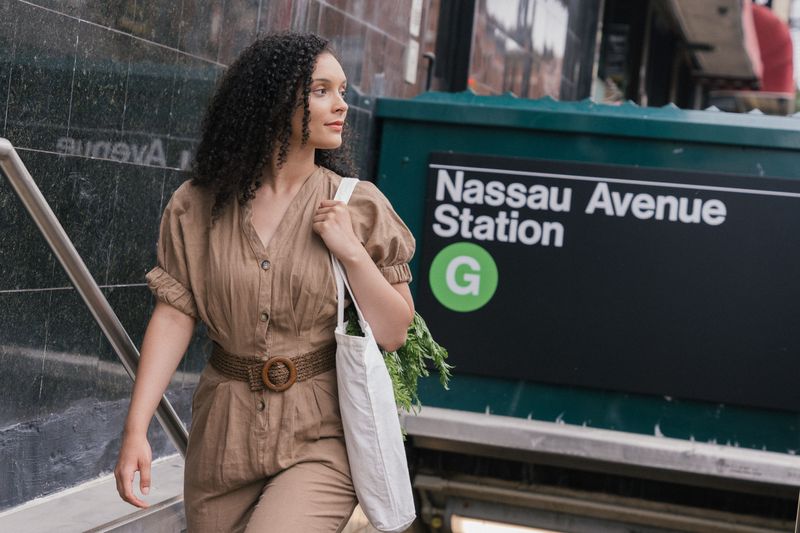
Jumpsuits had a certain effortless cool in the 1970s.
One piece, zip it up, and you were dressed.
Simple enough, right?
Well, the practical reality of wearing a one-piece outfit all day long was a little more complicated than that.
Anyone who has worn a jumpsuit knows the biggest drawback immediately: using the restroom requires basically getting half-undressed every single time.
In a decade where these were worn casually to work, shopping, and social events, that inconvenience added up fast.
Despite the logistical challenges, jumpsuits remained popular because they looked genuinely sleek and put-together.
Modern versions have addressed some of the old design flaws, but the ’70s originals were equal parts stylish and frustrating in the most memorable way possible.
8. Crochet Everything
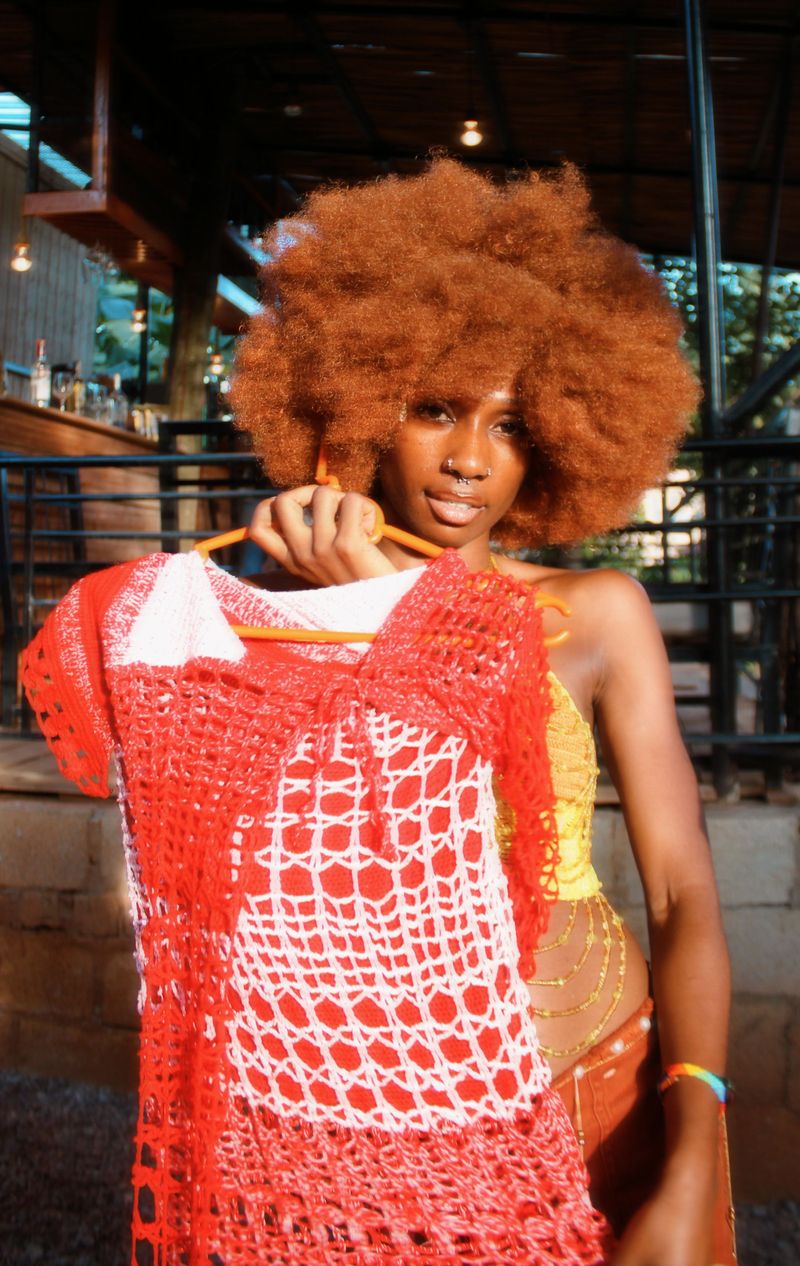
Somewhere between the bohemian festival spirit and the DIY crafting craze of the 1970s, crochet exploded into every corner of fashion.
Vests, tops, dresses, bags, and yes, even swimwear were being crocheted and worn with full confidence by people across the country.
The handmade quality gave crochet pieces a charming, artisan feel that fit the decade’s back-to-nature ethos perfectly.
But in practice, bulky knotted fabric doesn’t always drape elegantly.
Many crochet outfits added unwanted bulk in places where nobody wanted extra volume.
Crochet swimwear, in particular, raised questions that physics could probably answer.
The trend has returned in recent years in more refined forms, but the head-to-toe crocheted ensembles of the ’70s remain a uniquely ambitious fashion experiment worth remembering.
9. Macrame Accessories
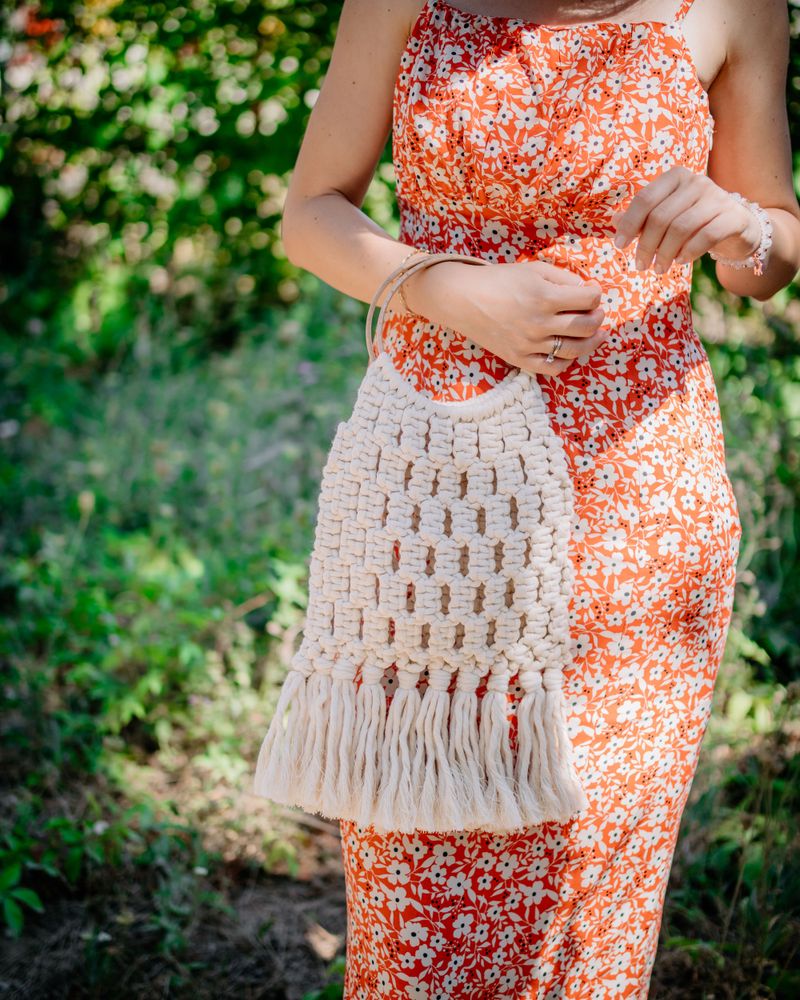
Macrame was the craft of the 1970s, and it didn’t stay on the walls where it arguably belonged.
Knotted rope accessories made their way into everyday wardrobes in the form of handbags, belts, vests, and even jewelry.
The handmade aesthetic was very much on purpose and very much celebrated.
There’s something undeniably charming about the idea of wearing something you made yourself.
But macrame accessories had a tendency to look visually overwhelming, with all those knots and fringe competing for attention against an already busy ’70s outfit.
The texture was also scratchy and heavy compared to conventional accessories.
Macrame has made a quiet comeback in home decor, but fashion macrame remains firmly planted in its original decade, which most style historians agree is probably for the best.
10. Earth-Tone Color Overload
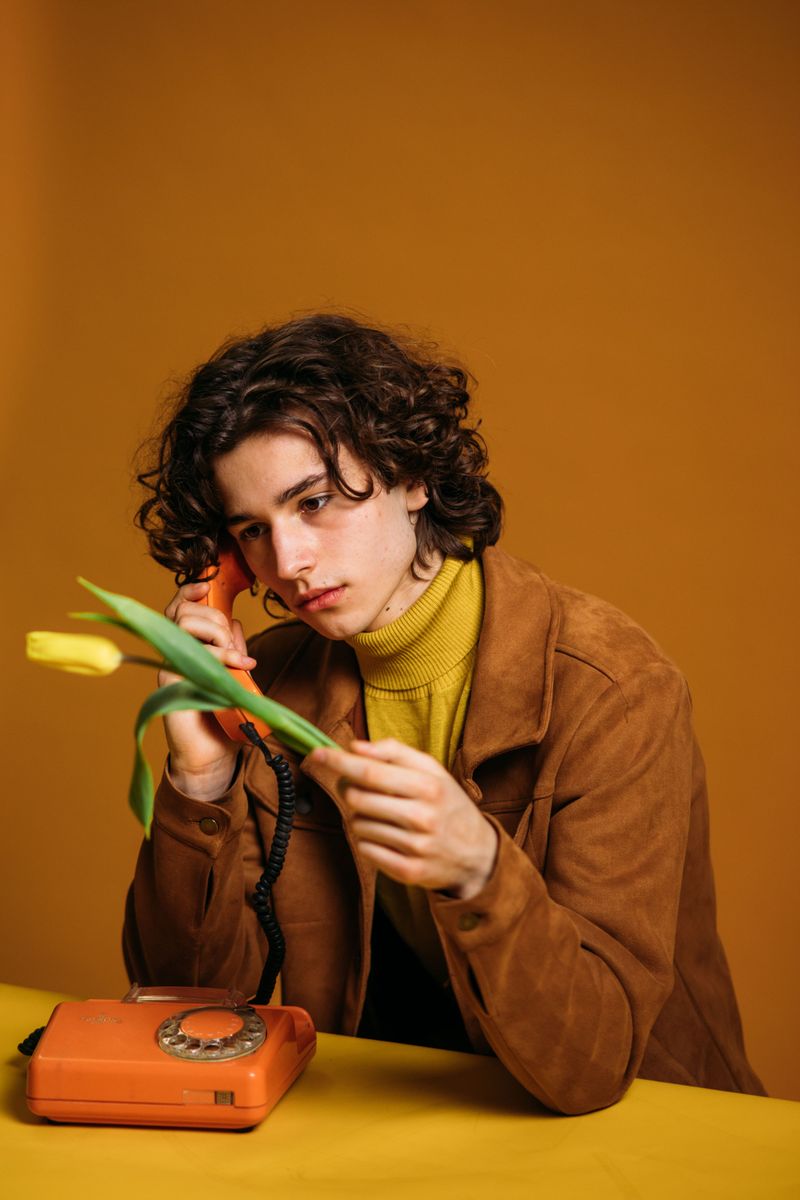
Mustard yellow.
Avocado green.
Burnt orange.
Chocolate brown.
If those four colors together make you think of an old kitchen appliance, congratulations, you’ve correctly identified the signature palette of 1970s fashion.
These earthy tones were everywhere, from clothing to furniture to wallpaper.
Wearing an entire outfit in these shades wasn’t considered overwhelming back then.
It was considered coordinated and stylish.
People matched their burnt orange turtleneck to their brown corduroy pants without a second thought.
In small doses, earth tones are actually quite flattering and timeless.
The issue was the sheer intensity of the commitment.
Entire wardrobes, homes, and cars existed in this color universe simultaneously, creating a visual experience that feels almost surreal looking back at old photographs today.
11. Velour Tracksuits
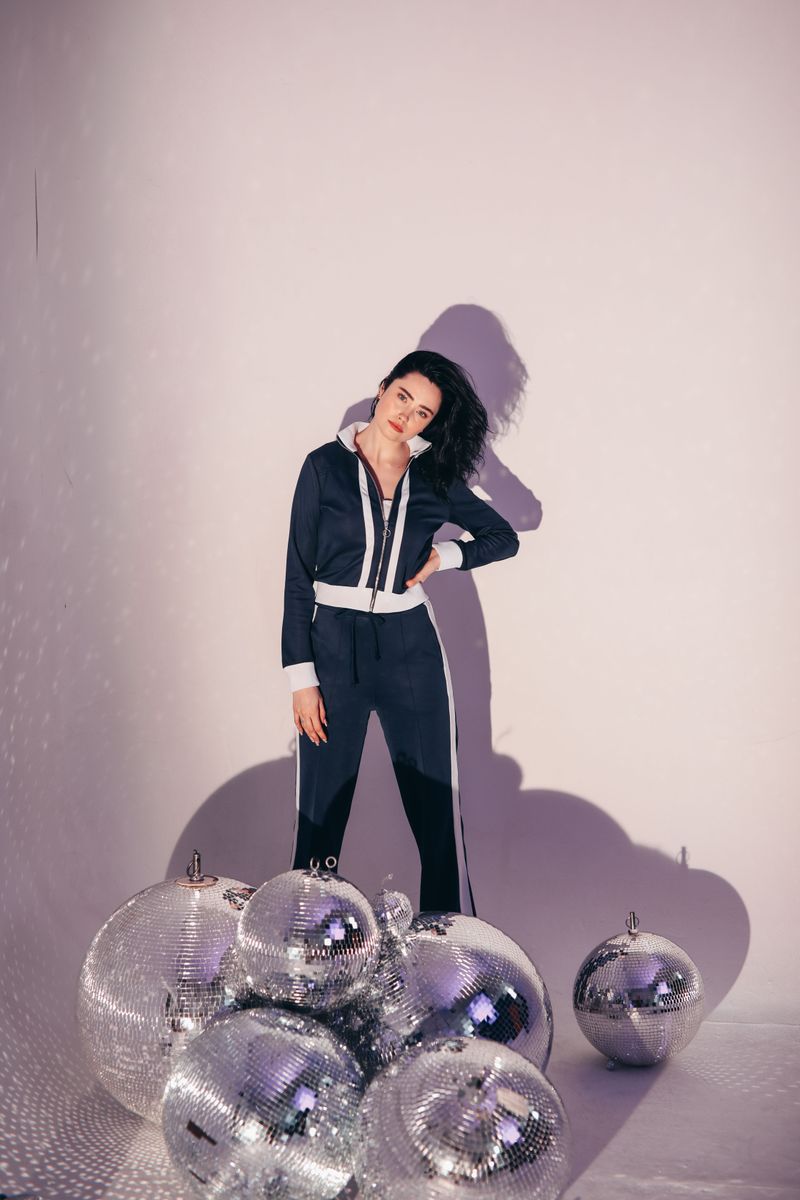
Soft, plush, and undeniably comfortable, velour tracksuits arrived late in the 1970s and immediately became a status symbol of leisure.
The shiny, velvety texture gave them a luxurious look that felt elevated compared to regular athletic wear, which was exactly the point.
Wearing a velour tracksuit communicated that you were relaxed but still put-together, which was a very specific vibe the late ’70s crowd was chasing.
Colors ranged from deep jewel tones to the inevitable earth shades that dominated the decade.
The silhouette has not aged particularly gracefully.
Looking back, the combination of shiny fabric, elastic waistbands, and zip-up jackets reads more as pajamas than fashion.
Still, comfort never really goes out of style, and velour tracksuits proved that early on.
12. Huge Aviator Glasses
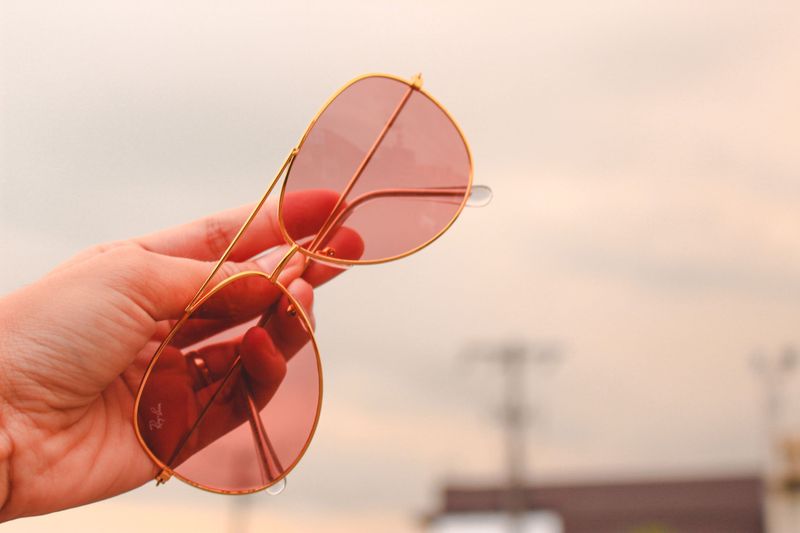
Aviator glasses have been around since the 1930s, but the 1970s took them to a whole new extreme.
The lenses grew dramatically larger, sometimes covering a significant portion of the wearer’s face, and the tinting ranged from subtle amber to full-on mirror finish.
Celebrities and everyday people alike embraced the oversized aviator look.
They projected an air of effortless cool that fit the decade’s relaxed confidence.
In photos, though, the frames often dominated entire faces, leaving little room for any other feature to register.
Modern aviators have scaled back considerably, finding a more balanced proportion that works with most face shapes.
The ’70s originals, however, were a bold commitment to maximum coverage that required a very specific kind of confidence to pull off convincingly.
13. Wide Ties
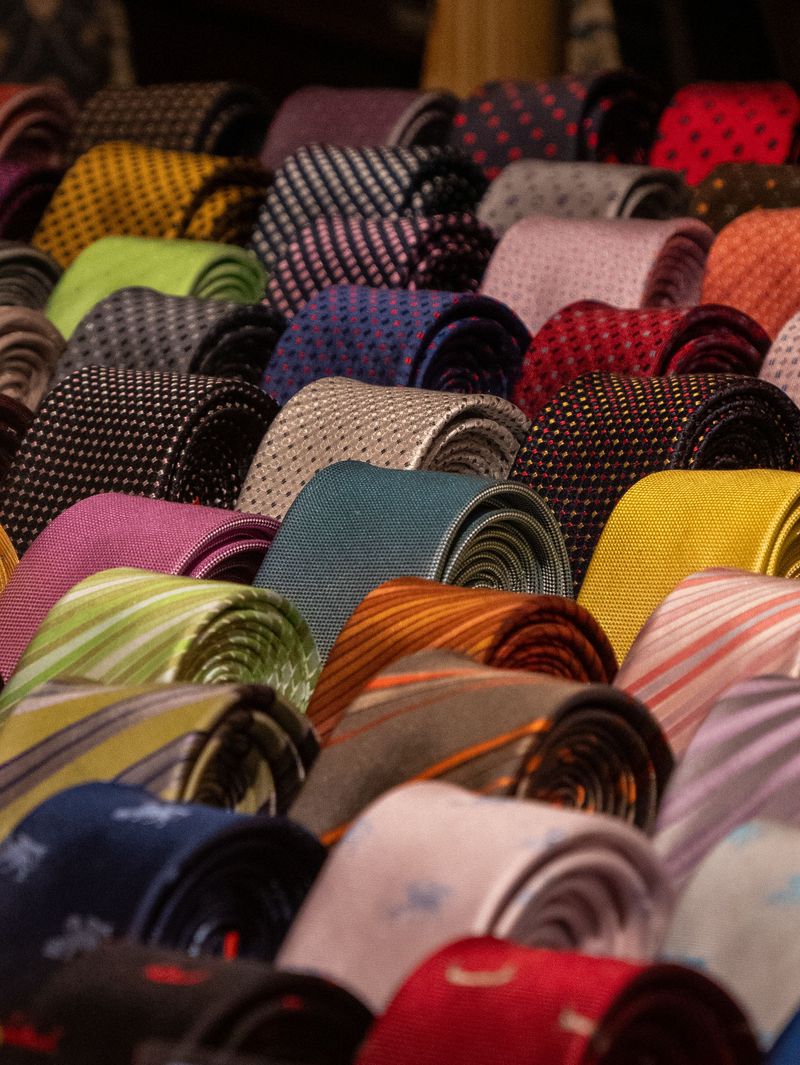
Men’s neckties have gone through wild swings in width over the decades, but the 1970s version was something else entirely.
Some ties measured five inches or more across, creating a broad slab of fabric that dominated the entire front of a shirt.
Subtle was not the goal.
These wide ties came in every pattern imaginable: paisley, geometric prints, bold stripes, and abstract designs that were impossible to ignore.
Paired with an oversized collar shirt and a polyester suit, the overall effect was genuinely striking, if not always in a flattering way.
Tie widths have narrowed and widened again several times since.
Fashion historians often use tie width as a rough guide to the decade a photo was taken, and the ’70s are unmistakable every single time.
14. Patchwork Clothing
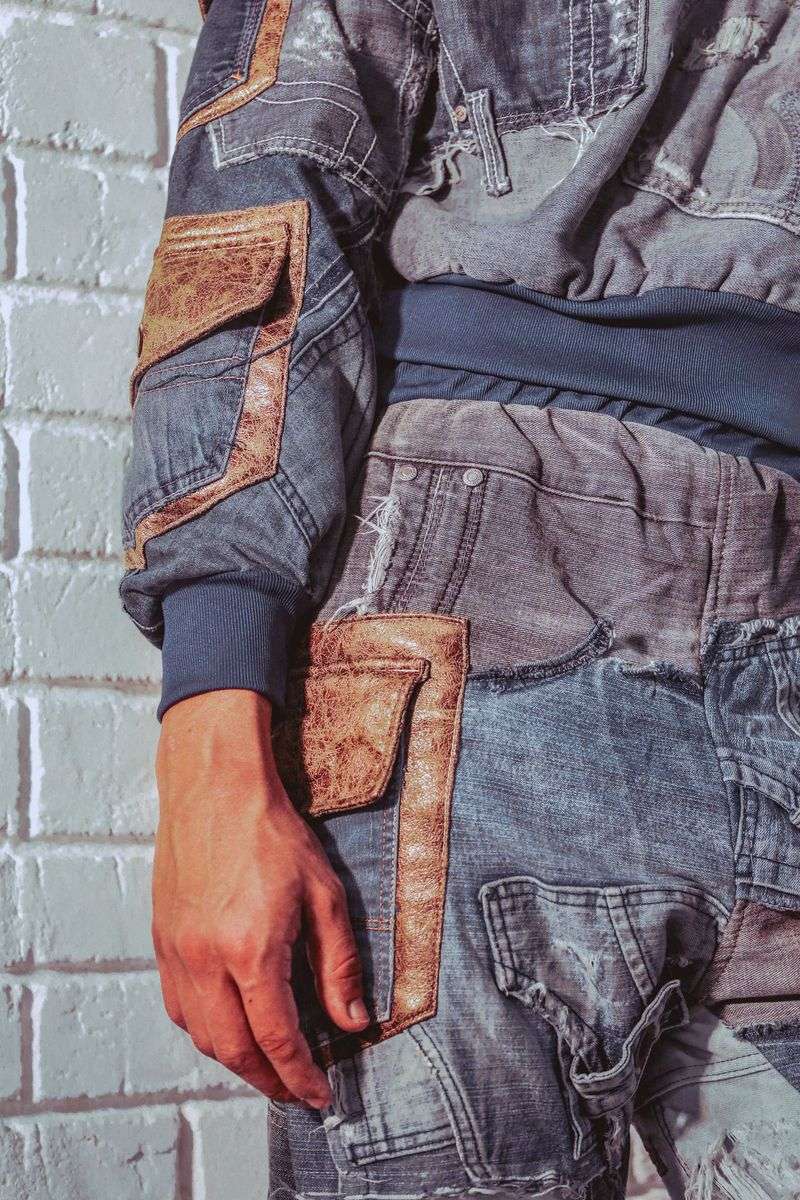
The DIY spirit of the 1970s found one of its most visible expressions in patchwork clothing.
Garments stitched together from mismatched fabric scraps, old denim pieces, or contrasting textiles reflected a countercultural attitude toward fashion that said more about creativity than coordination.
Patchwork jeans, jackets, skirts, and vests became popular among the bohemian crowd that rejected mainstream fashion.
Each piece was technically unique, which had real artistic appeal.
The challenge was that mixing too many patterns and textures in one garment often created a visually chaotic result.
Some high-end designers have revisited patchwork in recent collections, giving it a more refined execution.
But the original ’70s versions were proudly imperfect and handmade, which was the whole point of wearing them in the first place.
15. Tube Tops
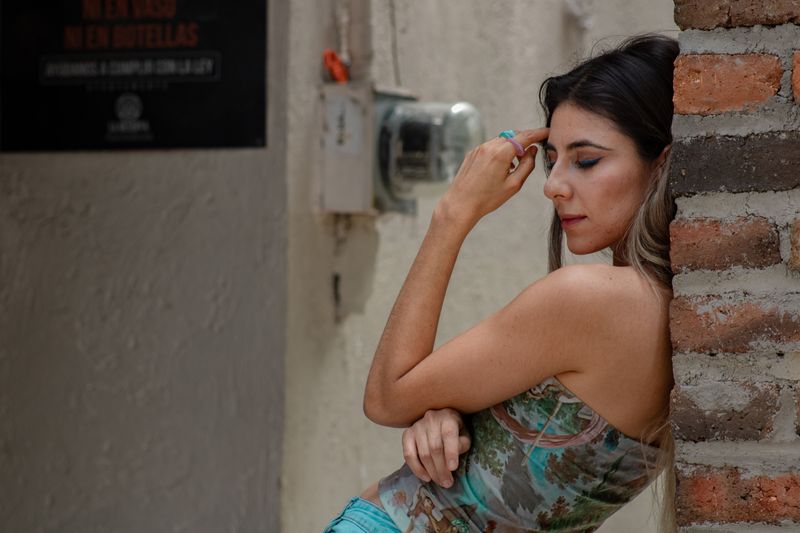
Tube tops were the warm-weather essential of the late 1970s.
A simple band of stretchy fabric with no straps, no structure, and very little holding it in place beyond the laws of friction.
They were easy to wear, easy to make, and showed up in every color imaginable.
The appeal was obvious: they were cool in hot weather, casual, and went with practically everything from jeans to wide-leg trousers.
The downside, which anyone who wore one remembers vividly, was the constant readjustment required to keep them from sliding south throughout the day.
Tube tops have never fully disappeared from fashion, returning every few summers with minor updates.
But their ’70s incarnation, often in polyester or a thin jersey knit, required a level of vigilance that most wearers found exhausting by lunchtime.