 MomSkoop
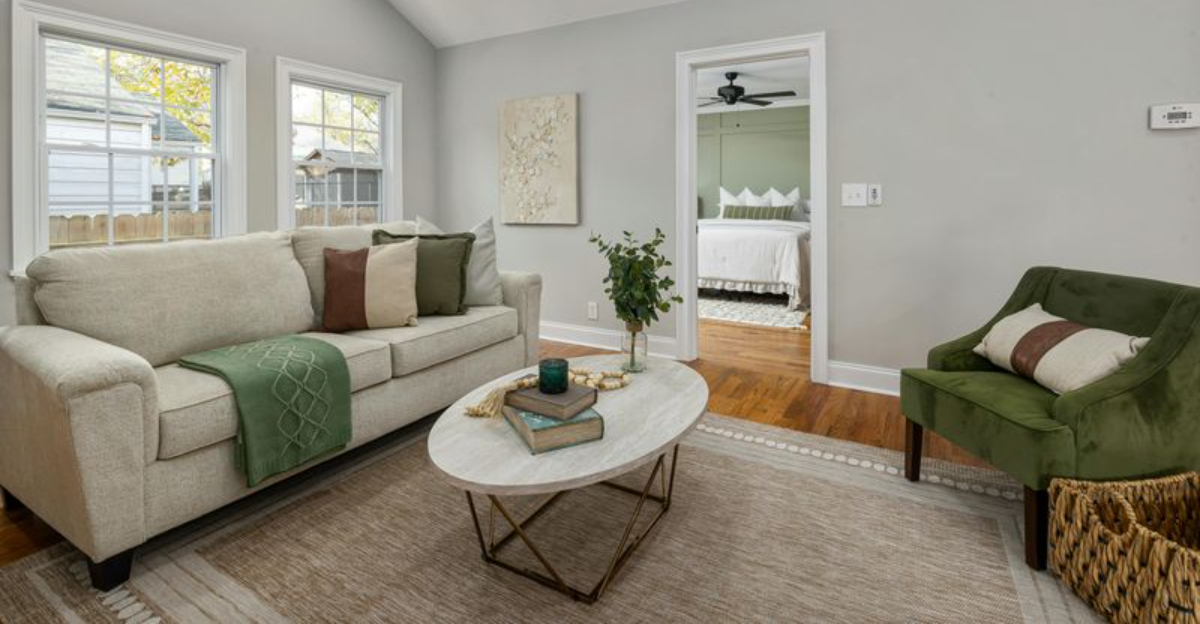
Your living room is the heart of your home, where family gathers and guests feel welcome. But even with the best intentions, it’s easy to make design choices that work against you rather than for you.
Interior designers see the same decorating mistakes over and over again, and these missteps can make your space feel cramped, uncomfortable, or just plain uninviting.
1. Everything Matches Too Perfectly
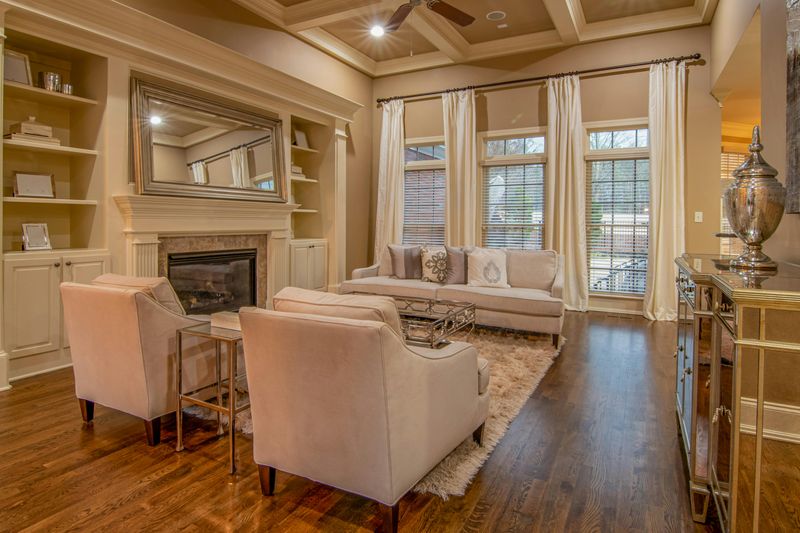
When every piece of furniture comes from the same collection, your living room can end up looking like a furniture store display rather than a lived-in home.
Designers warn that overly coordinated rooms lack the character and warmth that make a space feel personal.
Your sofa, chairs, and tables don’t need to share the same finish or fabric family.
Mix different styles, textures, and periods to create visual interest.
Pair a modern sofa with a vintage coffee table, or combine wood tones instead of matching them exactly.
This approach adds depth and tells a story about your unique taste and experiences.
2. Your Sofa Hugs the Wall
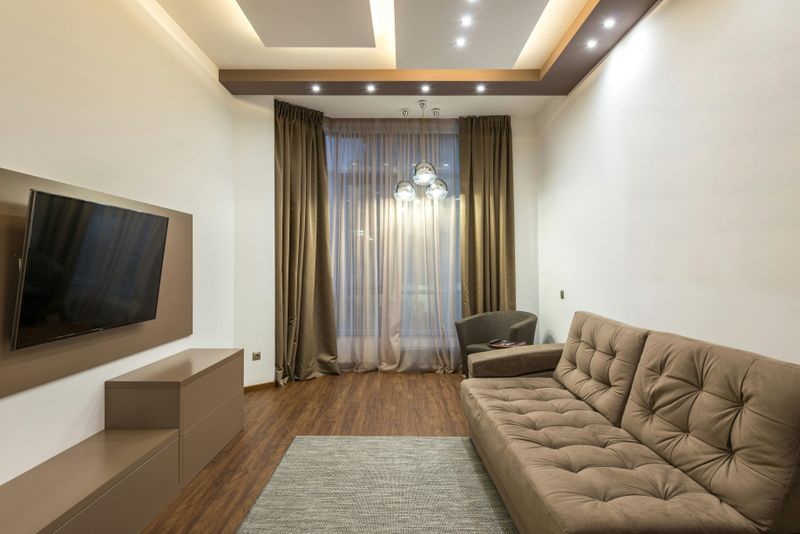
Pushing all your furniture against the walls might seem like it creates more space, but it actually does the opposite.
This arrangement makes your living room feel like a waiting area instead of a cozy gathering spot.
Pulling your sofa even just a few inches away from the wall creates breathing room and makes the space feel larger.
If you have the square footage, try floating your furniture to define conversation areas.
Leave a small gap between the wall and your sofa back—this simple trick adds dimension.
Your room will instantly feel more sophisticated and intentionally designed.
3. Your Rug Size Is All Wrong
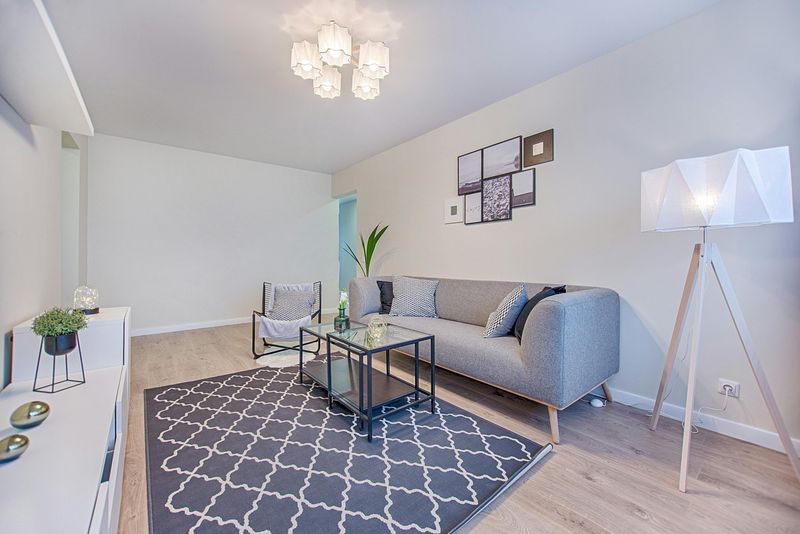
A rug that’s too tiny makes your furniture look like it’s floating in space, while an oversized one overwhelms everything else in the room.
The right rug size anchors your seating area and pulls the whole look together.
Ideally, all your front furniture legs should rest on the rug, or at minimum, the front legs of your sofa and chairs.
For most living rooms, an 8×10 or 9×12 rug works well.
Measure your space before shopping, and remember that bigger is usually better than smaller.
A properly sized rug defines your conversation area and makes the room feel complete.
4. Your Furniture Scale Is Off
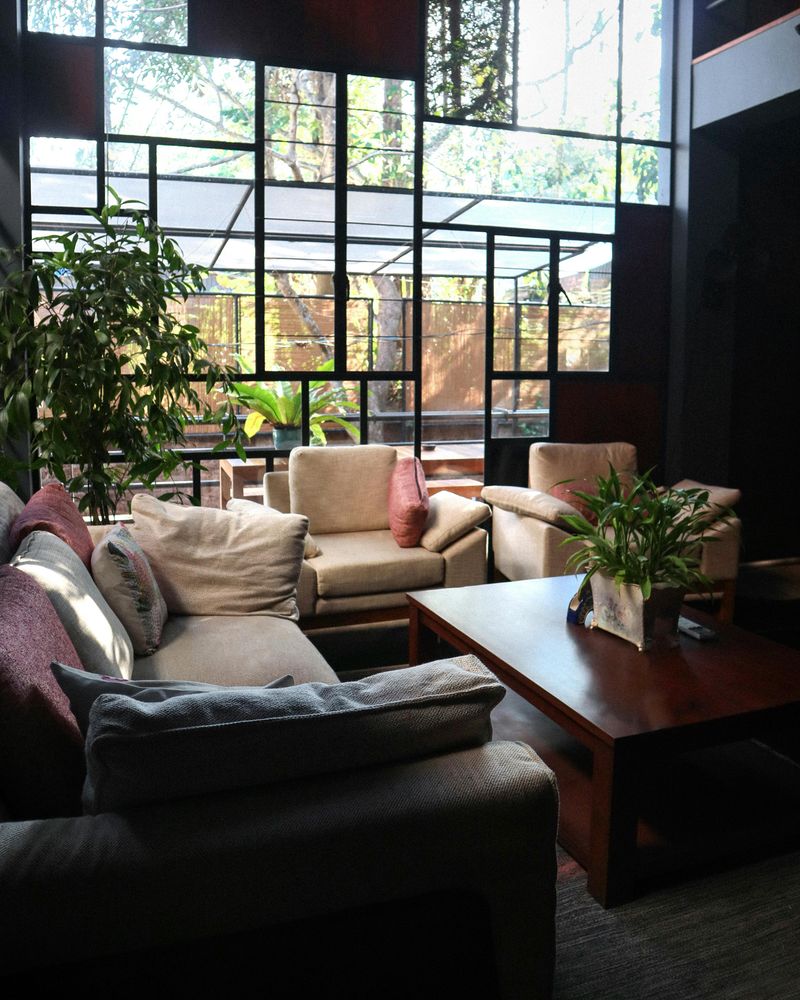
Cramming an oversized sectional into a small room makes everything feel claustrophobic and hard to navigate.
On the flip side, furniture that’s too petite in a large space looks lost and makes the room feel cold.
Scale matters tremendously in creating a balanced, comfortable environment.
Before buying furniture, measure your room and map out where pieces will go.
Consider traffic flow and leave at least 30 inches for walkways.
In smaller spaces, choose a standard sofa instead of a sectional.
For larger rooms, don’t be afraid of substantial pieces that fill the space appropriately and create presence.
5. You Rely on One Light Source
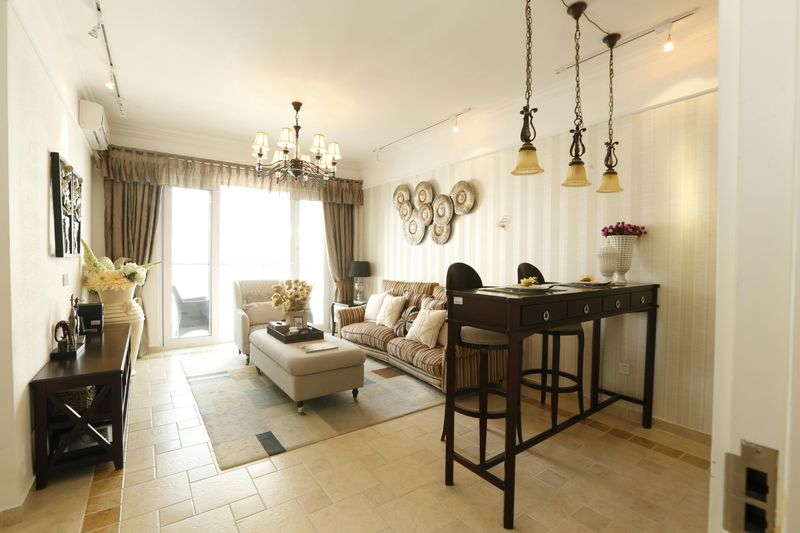
Depending solely on overhead lighting creates harsh shadows and makes your living room feel flat and unwelcoming.
Designers emphasize the importance of layered lighting to create ambiance and functionality.
You need a combination of ambient, task, and accent lighting to make your space feel warm and inviting.
Add table lamps on side tables, a floor lamp in a reading corner, and perhaps wall sconces or picture lights.
Use dimmers wherever possible to control the mood.
Different light sources at various heights create depth and allow you to adjust the atmosphere for different activities and times of day.
6. Your TV Is Mounted Too High
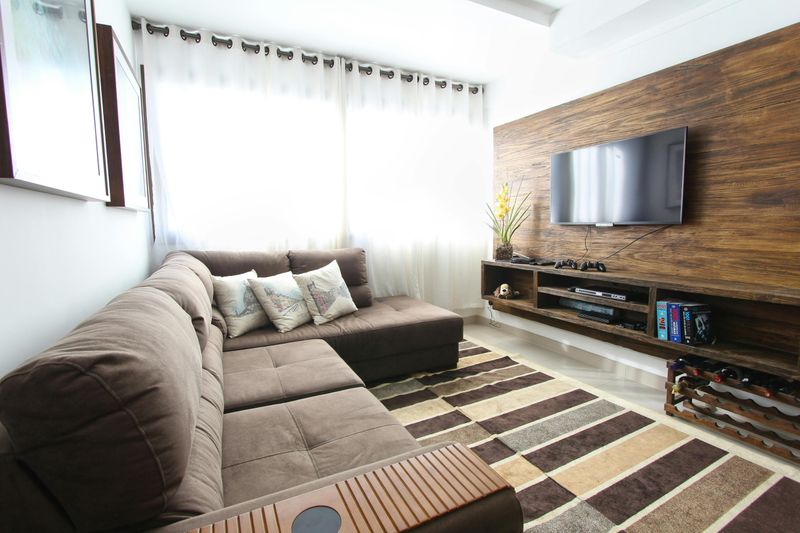
Mounting your television way up on the wall might look sleek, but it’s terrible for actually watching anything comfortably.
Your neck will thank you for positioning the TV at the proper height.
The center of the screen should be at eye level when you’re seated—typically about 42 inches from the floor.
Many people mount TVs above fireplaces, which is almost always too high and causes neck strain during extended viewing.
If possible, place your TV on a media console or lower wall mount.
Comfort should always trump aesthetics when it comes to something you’ll use daily for hours at a time.
7. Style Wins Over Comfort
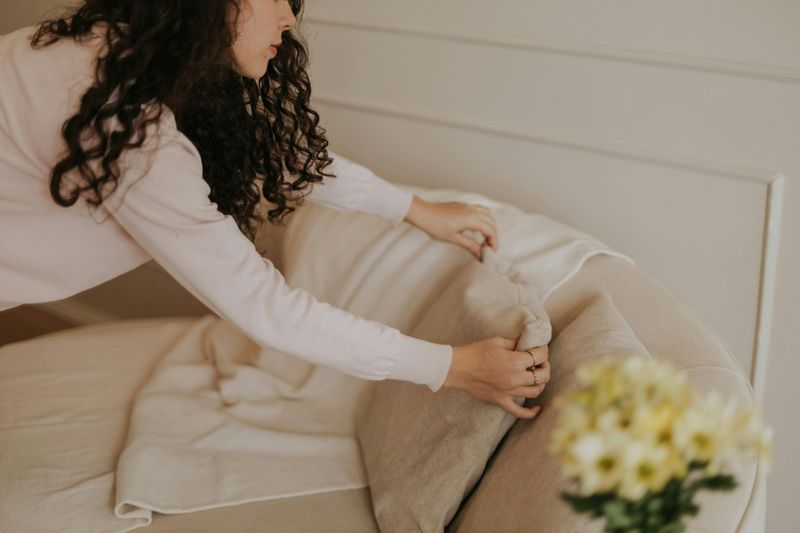
A stunning room that nobody wants to sit in defeats the entire purpose of a living space.
Some homeowners sacrifice comfort for aesthetics, choosing furniture that looks incredible but feels like sitting on concrete blocks.
Your living room should invite people to relax, not perch uncomfortably on the edge of a too-firm sofa.
Test furniture before buying it—actually sit for several minutes.
Add plenty of throw pillows and soft blankets that people will actually use.
Choose durable, comfortable fabrics that can handle real life.
Beauty and comfort aren’t mutually exclusive, and the best living rooms successfully balance both elements.
8. Not Enough Surface Space
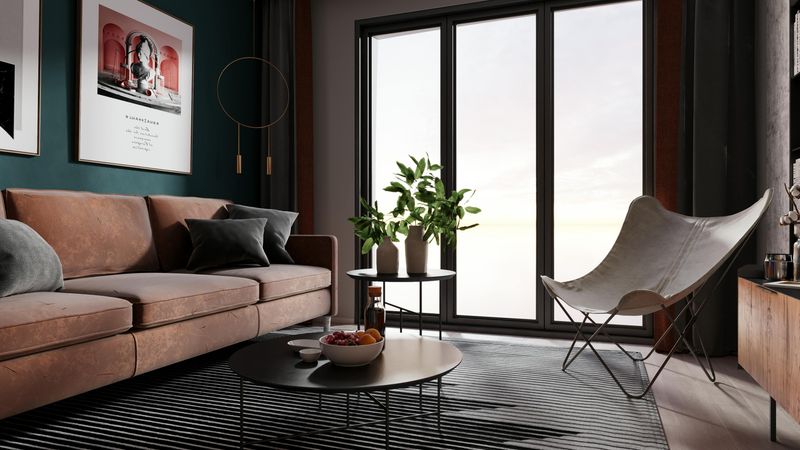
Everyone needs a spot to set down their coffee mug, phone, or book without performing gymnastics to reach a distant table.
Insufficient surface space frustrates everyone who uses your living room.
Each seat should have a table within easy reach—side tables next to sofas and chairs, a coffee table in front of seating.
If space is tight, consider nesting tables that tuck away when not needed, or a narrow console table behind your sofa.
C-shaped tables that slide under furniture work beautifully in small spaces.
Functional design means people can comfortably enjoy your space without awkwardly holding their belongings the entire time.
9. Your Shelves Are Overstuffed
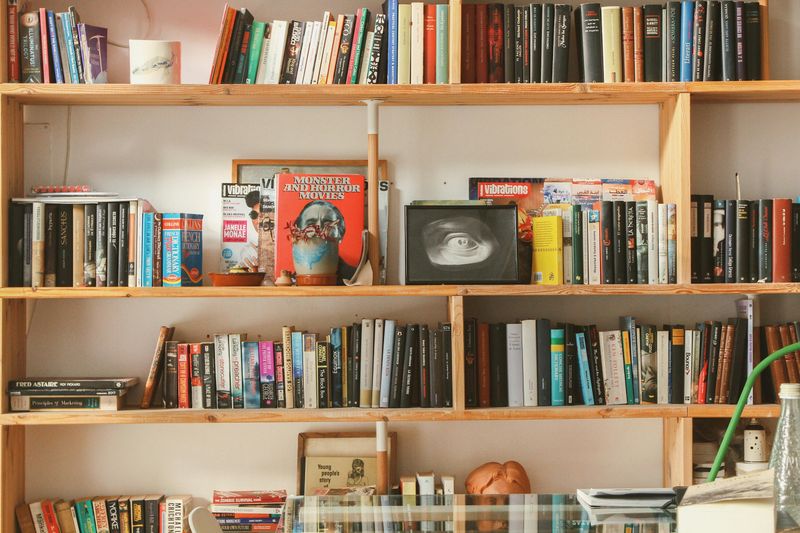
Shelving offers wonderful storage and display opportunities, but cramming every inch full creates visual chaos rather than charm.
When shelves overflow with large items packed tightly together, your eye has nowhere to rest and the room feels cluttered.
Designers recommend the rule of thirds—fill only about two-thirds of your shelf space.
Leave some breathing room between objects, and vary the heights and sizes of displayed items.
Mix books with decorative objects, small plants, and empty space.
Group items in odd numbers, and don’t be afraid of negative space.
Thoughtfully curated shelves look intentional and sophisticated rather than overstuffed and messy.