 MomSkoop

Life is not just a collection of days. It is a series of moments, choices, and events that quietly shape who you are.
Some of these moments feel huge right away, while others only make sense years later. Understanding the experiences that influence your growth can help you see yourself and your journey in a whole new way.
1. Childhood and Upbringing

Long before you could name your own values, your childhood was already writing them into you.
The family you grew up in, the language spoken at home, the traditions celebrated, and even the struggles your family faced all left marks that are still with you today.
Culture shapes what you believe is important.
Family dynamics teach you how relationships work, how conflict is handled, and what love looks like in action.
Even difficult childhoods carry lessons that build strength and perspective over time.
Your early environment was your first classroom.
The habits, beliefs, and emotional patterns formed in those early years often follow you into adulthood, making childhood one of the most powerful shaping forces of all.
2. Starting or Finishing School

School is rarely just about textbooks and tests.
For many people, it is the first place they discover what they are good at, what they love, and where they belong.
The classroom can be a space where confidence is built or shaken, sometimes on the very same day.
Friendships formed during school years can last a lifetime.
Teachers who believe in you can open doors you never knew existed, while challenges in school can push you to find your own path forward.
Finishing school, whether high school or college, often marks a turning point.
You leave with more than a diploma.
You carry forward a clearer sense of your interests, your abilities, and the kind of future you want to build.
3. Forming a Meaningful Friendship

Some friendships feel like coming home.
The kind where you can say exactly what you mean, laugh until your sides hurt, and sit in silence without it being awkward.
Those connections are rare, and they change you in ways you might not even notice right away.
A close friendship teaches you what it means to truly trust someone outside your family.
You learn how to show up for another person, how to set healthy limits, and how to accept being cared for without conditions attached.
The friendships that matter most often shape how you approach every relationship that follows.
They set a standard for loyalty, honesty, and mutual respect that you carry with you long after circumstances may have pulled you apart.
4. Falling in Love

Falling in love has a way of rewriting everything.
Suddenly, another person’s happiness matters as much as your own.
You find yourself thinking differently, feeling more, and becoming aware of parts of yourself you never had reason to examine before.
Romantic relationships can teach you about vulnerability in a way nothing else quite does.
Opening up to someone and allowing them to truly see you takes courage.
When it goes well, it builds a kind of closeness that can feel transformative.
Love also teaches you what you need and what you are willing to give.
Whether a relationship lasts or not, falling in love expands your emotional range.
It changes how you understand connection, commitment, and your own capacity for deep feeling.
5. Experiencing Heartbreak

Heartbreak has a way of making the world feel smaller and louder at the same time.
When an important relationship ends, the grief can feel overwhelming.
But tucked inside that pain are lessons that are surprisingly hard to learn any other way.
Going through a breakup or the loss of a close bond often forces a kind of self-examination.
You start asking what you truly want, what you will and will not accept, and how you let yourself be treated.
Those answers are worth knowing.
Over time, heartbreak can sharpen your self-awareness in powerful ways.
It teaches resilience, because you survive something that felt unsurvivable.
It helps you recognize your own strength, set healthier limits, and eventually move forward with a clearer sense of who you are.
6. Losing Someone You Love
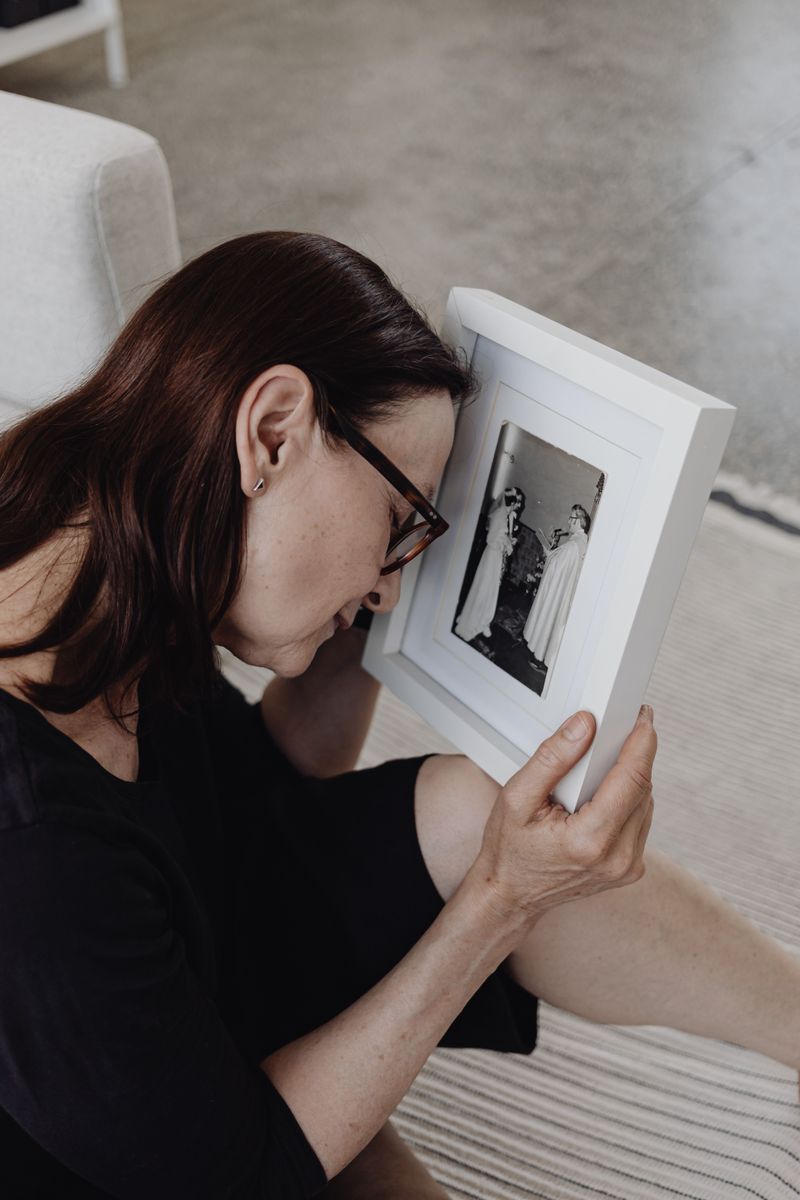
Grief is one of the most disorienting experiences a person can go through.
When someone you love deeply is no longer there, the world reorganizes itself in ways you did not ask for and cannot fully prepare for.
Nothing quite teaches you what matters like loss does.
Many people find that losing someone shifts their priorities almost immediately.
Small frustrations start to feel less important.
Relationships feel more precious.
Time begins to look different when you understand clearly that it is not guaranteed.
The process of grieving is not linear, and it rarely follows a schedule.
But through it, many people discover a deeper compassion, both for themselves and for others.
Losing someone you love changes your perspective in ways that tend to stay with you permanently.
7. Leaving Home

The first time you close the door on the home you grew up in and step into a space that is entirely your own, something shifts.
Suddenly, nobody is reminding you to eat or asking where you are going.
That freedom is exciting, and also a little terrifying.
Living independently forces you to figure things out on your own.
Grocery shopping, paying bills, managing your time, and solving everyday problems all become your responsibility.
You surprise yourself with what you are capable of handling.
Leaving home also gives you distance, which can bring clarity.
You see your upbringing, your family, and your own habits with fresh eyes.
That perspective often leads to a stronger sense of identity, built not from what you were told to be, but from choices you make yourself.
8. Starting or Changing Careers

Work takes up a significant portion of most people’s lives, which means what you do for a living inevitably shapes who you become.
Starting a career is exciting and uncertain at the same time.
You are figuring out how to contribute, how to grow, and where you actually fit.
Changing careers can feel even more unsettling, especially when it means starting over.
But career shifts often happen because something important has changed inside you.
Your values evolve, your ambitions shift, and what once felt fulfilling no longer does.
Each work experience adds something to your identity.
You learn how you handle pressure, what kind of environment brings out your best, and what success actually looks like to you personally.
That knowledge shapes far more than just your resume.
9. Experiencing Failure or Rejection

Nobody plans to fail.
But failure has a quiet way of teaching things that success simply cannot.
When a big effort falls apart or a door slams shut in your face, your first instinct might be to retreat.
That reaction is completely human.
What you do next is what matters most.
Failure and rejection force you to examine your approach, your assumptions, and your willingness to try again.
They build a kind of mental toughness that only comes from being tested in real ways.
Many of the most accomplished people point to their biggest setbacks as turning points.
Rejection did not stop them.
It redirected them.
Learning to sit with disappointment and still move forward is one of the most valuable skills a person can develop throughout their lifetime.
10. Achieving an Important Goal

Reaching a goal you have worked hard for is one of the most satisfying feelings a person can experience.
That moment when effort finally meets result carries a kind of energy that is hard to describe until you feel it yourself.
It is proof that what you put in truly matters.
Achievement builds confidence in a lasting way.
Not the shallow kind that comes from being told you are great, but the deep kind that grows from knowing you did something difficult and saw it through.
That belief in yourself tends to carry forward into future challenges.
Interestingly, big accomplishments also tend to shift what you want next.
Once a goal is reached, new ones often appear.
Success has a way of expanding your sense of what is possible, pushing your ambitions in exciting new directions you had not previously considered.
11. Becoming a Parent or Caregiver

There is a particular kind of transformation that happens when another person depends on you completely.
Whether you become a parent or step into a caregiving role for a family member, your world reorganizes itself around someone else’s needs.
That shift is profound.
Caregiving teaches patience in ways that are hard to manufacture through any other experience.
You learn to prioritize, to sacrifice comfort, and to find meaning in small, everyday moments.
Your definition of strength quietly changes over time.
Many caregivers describe a deepening of empathy that surprises them.
Seeing the world through the eyes of someone vulnerable, whether a child or an aging parent, softens you in the best way.
It reshapes your values, your relationships, and your understanding of what truly matters.
12. Moving to a New Place

Packing up your life and starting over somewhere new is one of the boldest things a person can do.
Whether you move across town or across the world, a new location pulls you out of routine and places you in a space where almost everything feels unfamiliar.
That discomfort can be incredibly productive.
New places introduce you to people with different backgrounds, beliefs, and ways of living.
Those encounters challenge assumptions you did not even know you were carrying.
Your worldview quietly expands with every new conversation and experience you have.
Moving also teaches adaptability.
You learn to build community from scratch, to navigate uncertainty, and to find comfort in unfamiliar surroundings.
Each relocation adds a layer to your identity, reminding you that home is something you carry inside yourself, not just a fixed address.
13. Facing a Major Personal Crisis or Turning Point

A financial collapse, an unexpected illness, a divorce, or a sudden life change can feel like the ground disappearing beneath your feet.
Major crises are not something anyone signs up for.
But they have a unique ability to strip away what is unnecessary and force you to focus on what is real.
Crisis moments often reveal who you truly are when comfort and routine are removed.
You discover strengths you did not know you had.
You also find out who shows up for you, and that knowledge reshapes your relationships in lasting ways.
People who have survived significant turning points often describe a clarity that follows the chaos.
Values shift.
Priorities realign.
What once seemed urgent starts to feel trivial.
A crisis, as painful as it is, can become the moment that finally points you in the right direction.