 MomSkoop

Have you ever noticed how some people just seem to draw others in without saying a word? The secret often lies in their body language, those small gestures and movements that communicate warmth, confidence, and approachability.
Understanding these subtle signals can transform how people perceive and respond to you in everyday interactions. Here are forty-five simple body language tips that can help you become more magnetic and likeable.
1. Genuine Smiling

A real smile involves more than just your mouth.
When you smile genuinely, the muscles around your eyes crinkle up naturally, creating what people call crow’s feet.
This kind of smile signals true happiness and makes others feel comfortable around you.
People can usually tell when a smile is fake because only the mouth moves.
Practice smiling with your whole face when you greet someone or hear good news.
Your authentic joy becomes contagious, and others will naturally want to spend more time in your positive presence.
Studies show that genuine smiles trigger similar responses in others’ brains, creating instant connection.
2. Open Palm Gestures

Keeping your palms visible and open while talking shows honesty and trustworthiness.
This gesture dates back to ancient times when showing empty hands proved you carried no weapons.
Today, open palms still communicate that you have nothing to hide.
When you talk with your palms facing up or out, people subconsciously feel safer around you.
Contrast this with closed fists or hidden hands, which can make others feel uneasy.
Try using open palm gestures when explaining ideas or sharing stories.
This simple adjustment can make your conversations feel more welcoming and genuine, encouraging others to open up too.
3. Maintaining Eye Contact
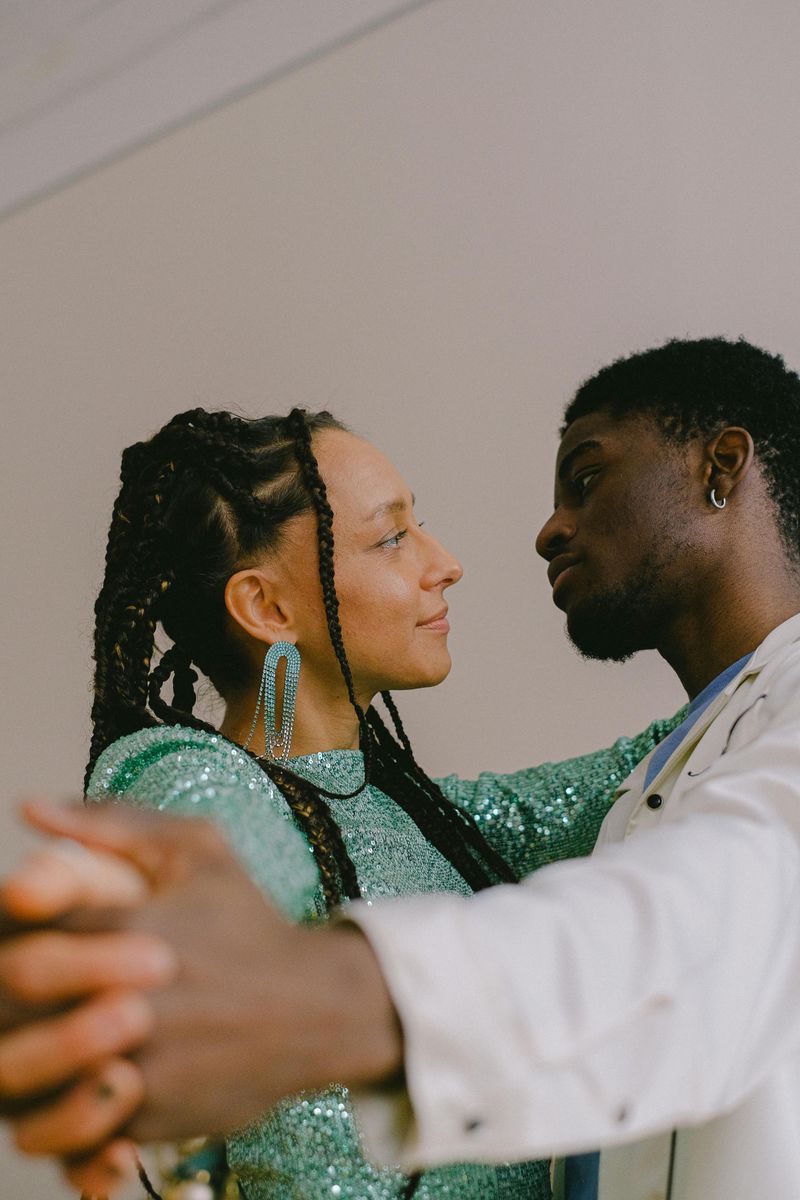
Looking someone in the eyes while they speak shows respect and genuine interest.
Good eye contact doesn’t mean staring intensely without blinking.
Instead, aim to hold eye contact for about 60-70 percent of the conversation.
Breaking away occasionally feels natural and prevents discomfort.
When you maintain appropriate eye contact, people feel heard and valued.
They’re more likely to share deeper thoughts and emotions with you.
If eye contact feels uncomfortable at first, practice by looking at the bridge of someone’s nose instead, which appears the same to them but feels easier for you.
4. Leaning In Slightly
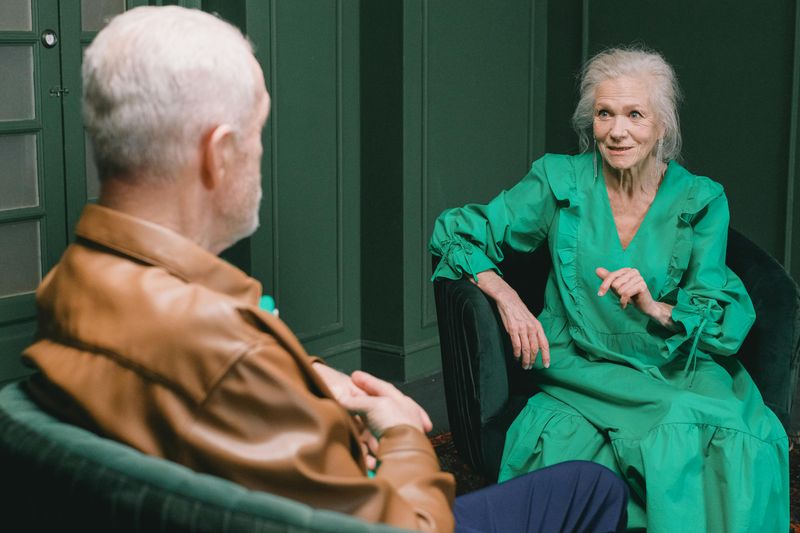
Subtly leaning toward someone during a conversation demonstrates engagement and interest.
This small movement shows you’re focused on what they’re saying.
It creates a sense of intimacy and makes the other person feel important.
Just be careful not to invade their personal space or lean too far.
A slight forward tilt of your upper body is enough to convey attentiveness.
People naturally mirror this behavior when they feel connected.
Watch how conversations become more animated when both people lean in slightly, creating a private bubble even in crowded spaces.
This gesture works especially well in one-on-one settings.
5. Uncrossed Arms

Crossing your arms creates a physical barrier between you and others.
Even if you’re just cold or comfortable, crossed arms can signal defensiveness or disagreement.
Keeping your arms uncrossed and relaxed at your sides appears more welcoming.
This open posture invites conversation and makes you seem approachable.
If you’re unsure what to do with your hands, try holding a drink or resting them gently on a table.
Notice how people respond differently when your body language says you’re open to interaction.
Breaking the crossed-arm habit takes practice but pays off in better social connections.
6. Nodding While Listening

Small nods while someone talks show you’re following along and understanding their message.
This simple gesture encourages the speaker to continue and feel validated.
Three nods at a steady pace work better than constant bobbing, which can seem impatient.
Nodding creates a rhythm in conversation that feels natural and supportive.
People unconsciously appreciate this feedback because it confirms their words are landing.
Combined with eye contact, nodding becomes a powerful tool for building rapport.
Try varying your nods between slow and quick depending on what’s being shared for more authentic engagement.
7. Mirroring Movements

Subtly copying someone’s posture or gestures creates an unconscious bond.
This technique, called mirroring, makes the other person feel understood and comfortable.
If they lean back, you might lean back a moment later.
When they gesture with their hands, you might do something similar.
The key is being subtle and natural, not obvious or mocking.
Mirroring works because it signals similarity and agreement without words.
People naturally do this when they like each other, so intentionally mirroring speeds up the connection process and builds trust faster.
8. Relaxed Shoulders

Tension often shows up first in your shoulders, pulling them up toward your ears.
This raised position signals stress, anxiety, or discomfort to everyone around you.
Consciously relaxing your shoulders downward creates an aura of calm confidence.
Take a deep breath and let your shoulders drop naturally.
This simple adjustment changes how others perceive your emotional state.
Relaxed shoulders make you appear more approachable and less defensive.
People feel safer approaching someone who looks at ease rather than tense.
Practice shoulder rolls throughout the day to maintain this relaxed, inviting posture.
9. Facing People Directly

Turning your body fully toward someone shows they have your complete attention.
Even if you’re looking at them, angling your body away suggests you’re ready to leave.
Square your shoulders and torso toward the person you’re talking with.
This orientation signals respect and genuine interest in the conversation.
People notice when you give them your full physical presence, not just your face.
In group settings, turning toward whoever’s speaking validates their contribution.
This habit makes you memorable because most people don’t give such complete attention in our distracted world.
10. Appropriate Touch

A light touch on the arm or shoulder can create instant warmth and connection.
This only works when it’s brief, appropriate, and welcomed.
Touch releases oxytocin, the bonding hormone that makes people feel closer to you.
A quick pat on the back during congratulations or a gentle arm touch while laughing together feels natural.
Always be mindful of personal boundaries and cultural differences regarding touch.
Some people welcome it while others prefer more physical distance.
When done respectfully, appropriate touch can strengthen relationships and make interactions more memorable and positive.
11. Steady Breathing

Your breathing pattern affects how others perceive your emotional state.
Rapid, shallow breaths signal anxiety or nervousness, making others feel uneasy too.
Deep, steady breathing projects calmness and confidence.
People subconsciously pick up on these cues and mirror your energy.
Before important conversations, take a few slow, deep breaths to center yourself.
This practice calms your nervous system and creates a more peaceful presence.
When you’re calm, others naturally feel more comfortable and relaxed around you, making conversations flow more smoothly and enjoyably.