 MomSkoop

Vitamin E is a powerful antioxidant that helps protect your cells, supports your immune system, and keeps your skin looking healthy.
Most people think of nuts and seeds when they hear “vitamin E,” but some fruits pack a surprising amount of this essential nutrient too.
Adding vitamin E-rich fruits to your daily diet is one of the easiest ways to boost your overall wellness.
Here are the top ten fruits that can help you get more vitamin E naturally.
1. Avocado
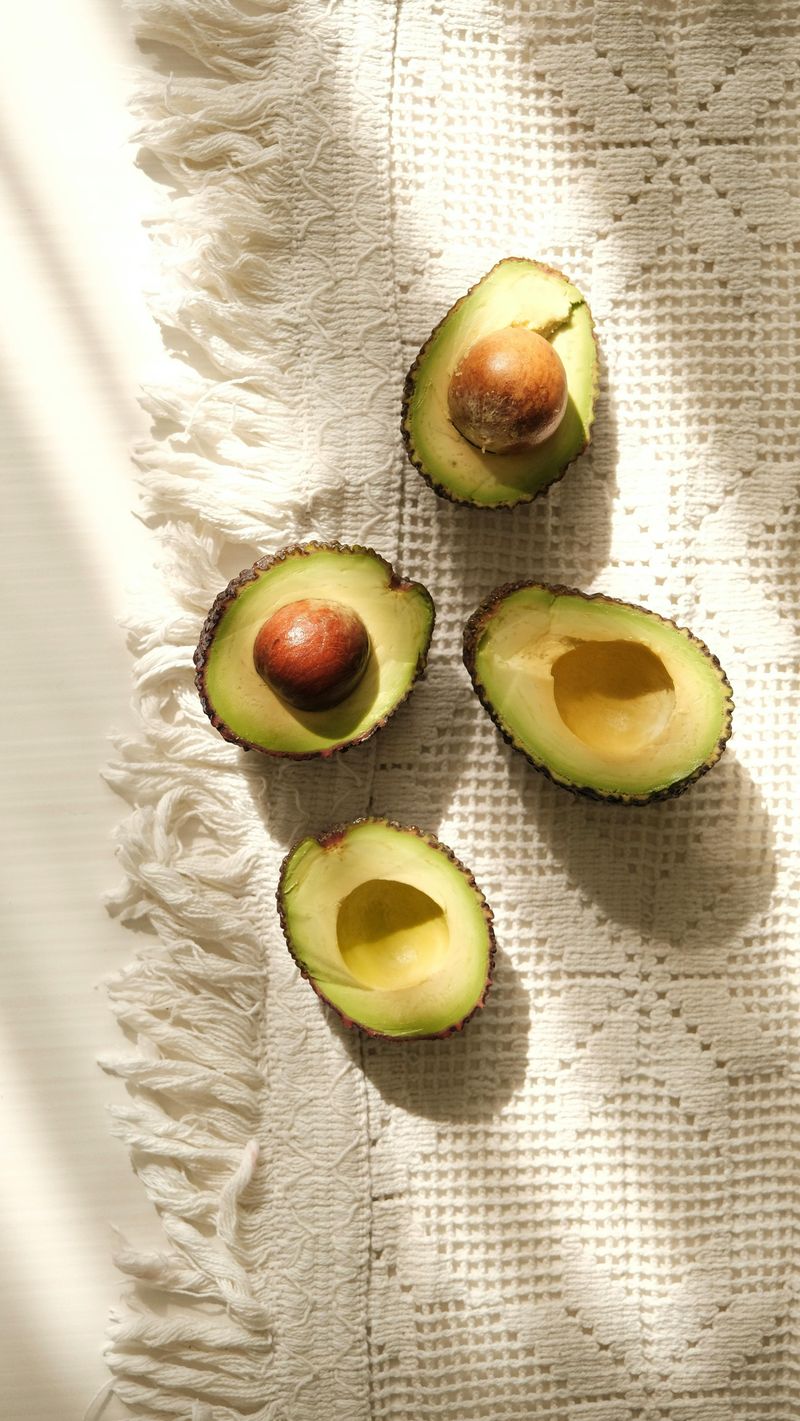
Creamy, rich, and packed with goodness, avocado stands out as one of the best fruit sources of vitamin E you can find.
Just half an avocado delivers a meaningful dose of this antioxidant vitamin, helping protect your cells from daily damage.
That buttery texture is not just delicious — it is doing real work for your body.
Avocados also contain healthy fats that actually help your body absorb vitamin E more effectively.
Spread it on toast, blend it into a smoothie, or slice it over a salad.
However you enjoy it, your body will thank you for every bite.
2. Mamey Sapote
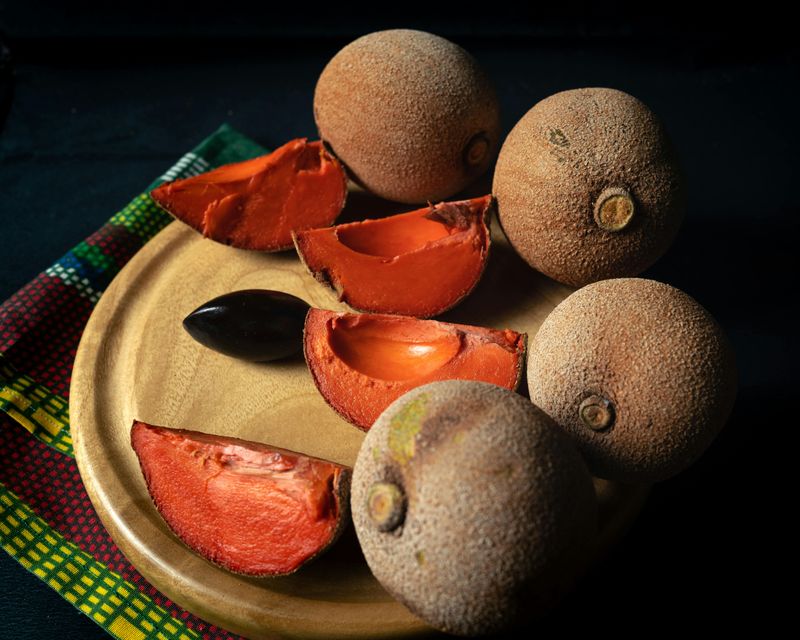
Not everyone has heard of mamey sapote, but this tropical gem deserves serious attention.
Native to Central America and the Caribbean, it delivers one of the highest vitamin E counts of any fruit per serving — a fact that surprises even seasoned nutrition enthusiasts.
The flesh is smooth, sweet, and almost tastes like a blend of sweet potato and pumpkin pie.
One cup of mamey sapote can provide a significant portion of your daily vitamin E needs.
Look for it at Latin grocery stores or specialty markets.
Once you try its naturally sweet, creamy flavor, you will want it on repeat.
3. Kiwi (Green and SunGold)
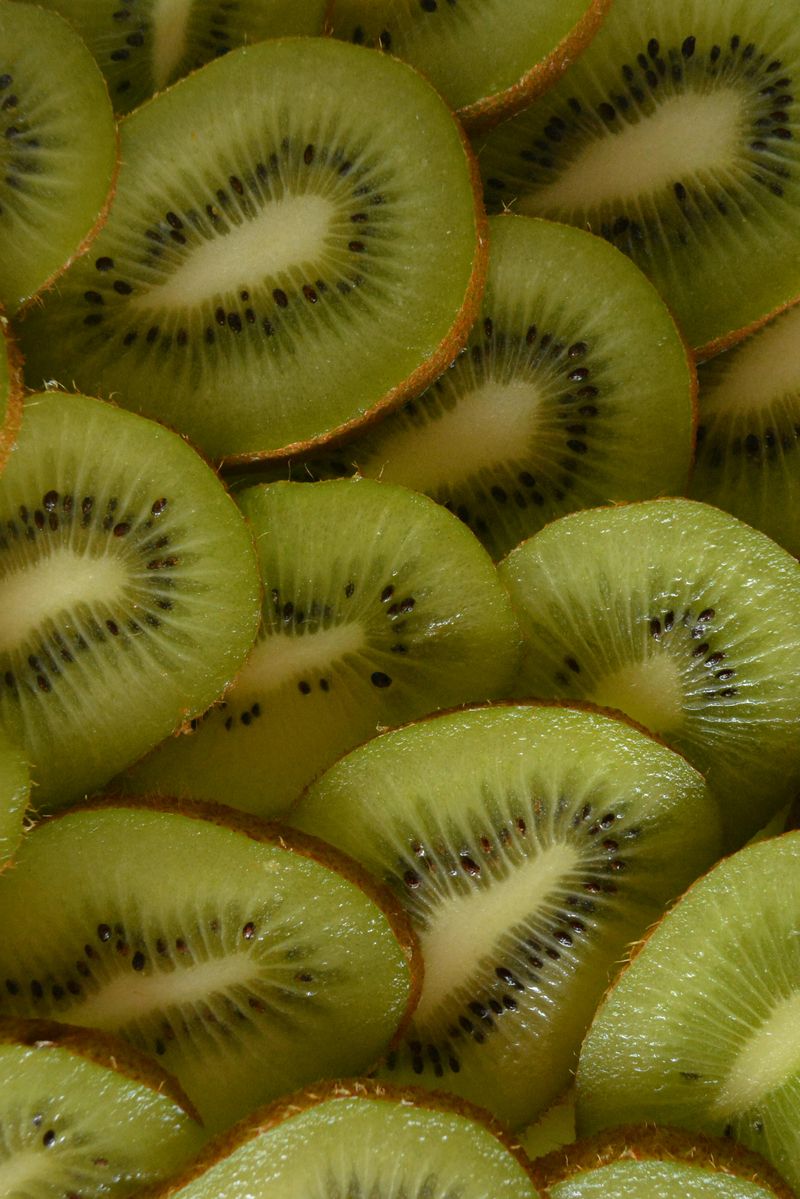
Small but seriously mighty, kiwi is one of those fruits that quietly delivers impressive nutritional benefits.
Both the classic green variety and the sweeter SunGold kiwi contain a solid amount of vitamin E, making either choice a smart addition to your daily routine.
Their bright, tangy flavor makes them easy to enjoy straight from the skin with a spoon.
Beyond vitamin E, kiwis are loaded with vitamin C and fiber, giving your immune system a double boost.
Toss them into a fruit salad, blend them into a smoothie, or snack on them solo.
Two or three kiwis a day can make a real difference.
4. Dried Sweetened Mango

Here is something worth knowing: drying mango actually concentrates its nutrients, including vitamin E, into a smaller, snackable package.
Dried sweetened mango offers noticeably more vitamin E per ounce compared to its fresh counterpart, making it a convenient option for on-the-go snacking.
That chewy, candy-like texture makes it feel like a treat even though it is genuinely good for you.
Keep a small bag in your backpack or desk drawer for a quick energy boost.
Just watch portion sizes, since the natural sugars are also more concentrated in dried fruit.
A small handful goes a long way nutritionally.
5. Blackberries
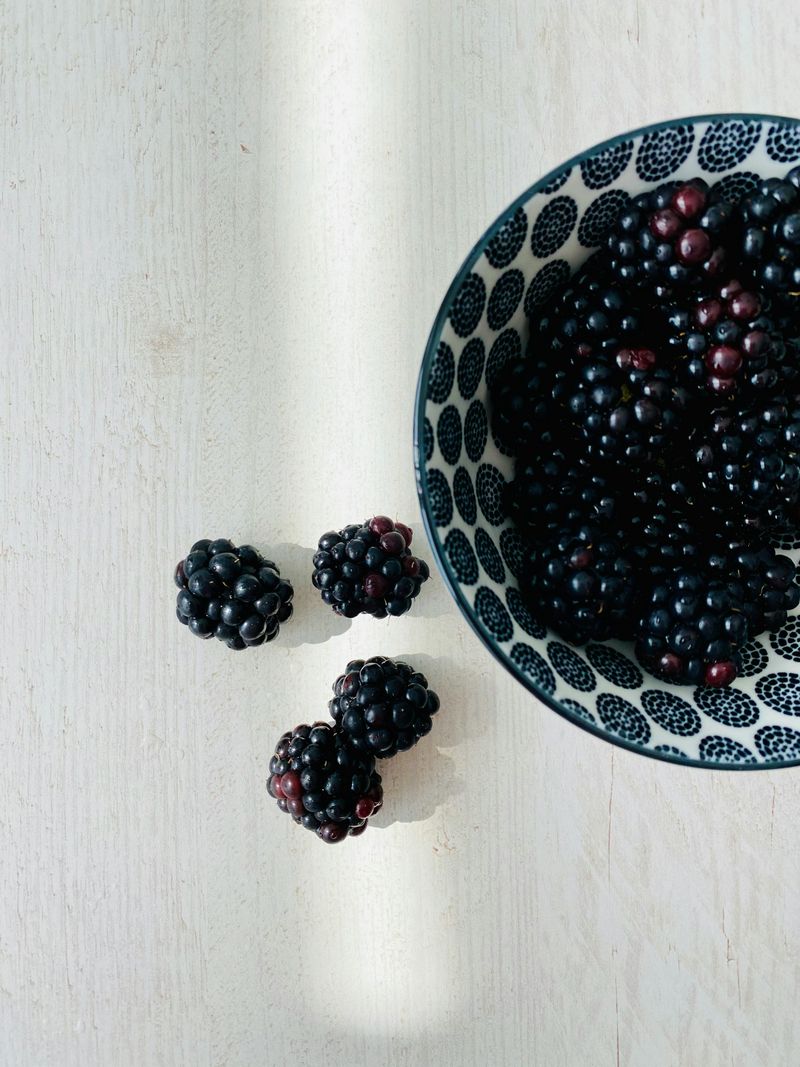
Blackberries have a boldness to them — deep purple-black, slightly tart, and bursting with juice — and their nutritional profile is just as bold.
Among common berries, blackberries rank among the higher vitamin E options, giving your antioxidant intake a real lift with every handful.
Their dark color also signals a high level of anthocyanins, which work alongside vitamin E to fight inflammation.
Fresh blackberries are wonderful in yogurt, oatmeal, or just eaten straight from the container.
They are also easy to freeze and use year-round in smoothies or baked goods.
A one-cup serving is all it takes to feel the benefit.
6. Fresh Mango
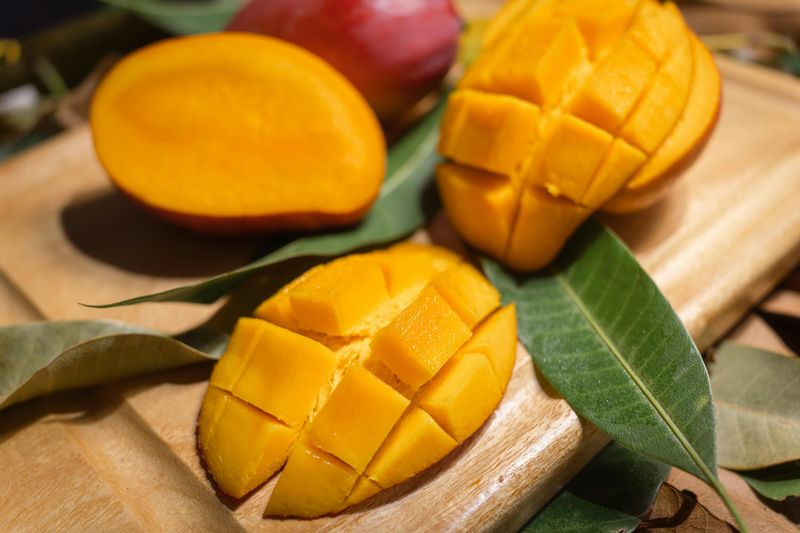
Sunshine in fruit form — that is fresh mango in a nutshell.
Beyond its irresistible tropical sweetness, mango provides a respectable contribution of vitamin E that supports skin health and immune function.
One cup of fresh mango chunks fits easily into breakfast, lunch, or a midday snack without any prep fuss beyond peeling and slicing.
Mango also pairs beautifully with lime juice and chili powder for a savory-sweet snack popular in many cultures.
It blends into smoothies effortlessly and brightens up any fruit bowl.
Eating mango regularly is one of the most enjoyable ways to keep your vitamin E levels in a healthy range.
7. Cranberries
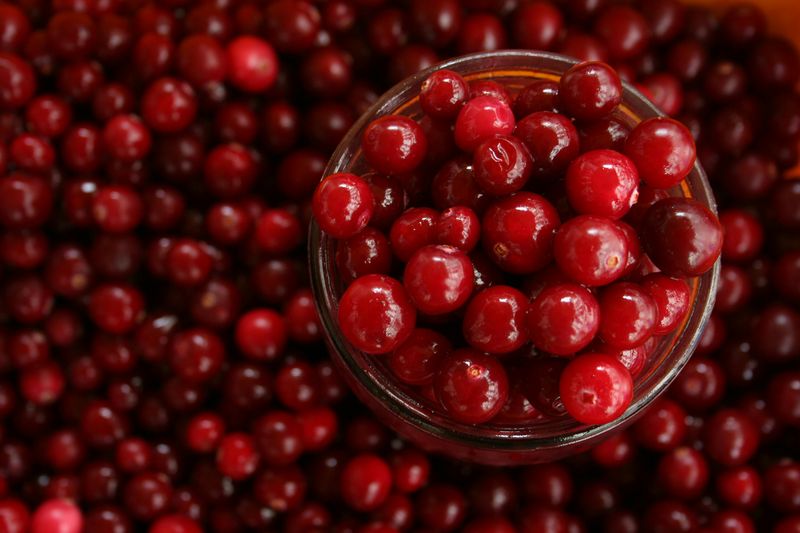
Cranberries get most of their fame during the holiday season, but their nutritional value deserves year-round recognition.
For a small berry, cranberries contain a notable level of vitamin E, along with powerful compounds that support urinary tract health and reduce oxidative stress.
That sharp, tangy bite might not be for everyone raw, but there are plenty of ways to enjoy them.
Try cranberries dried in trail mix, blended into a morning smoothie, or stirred into oatmeal with a drizzle of honey.
Unsweetened cranberry juice is another option.
Adding this underrated berry to your regular diet is a simple step toward better total-body wellness.
8. Apricots
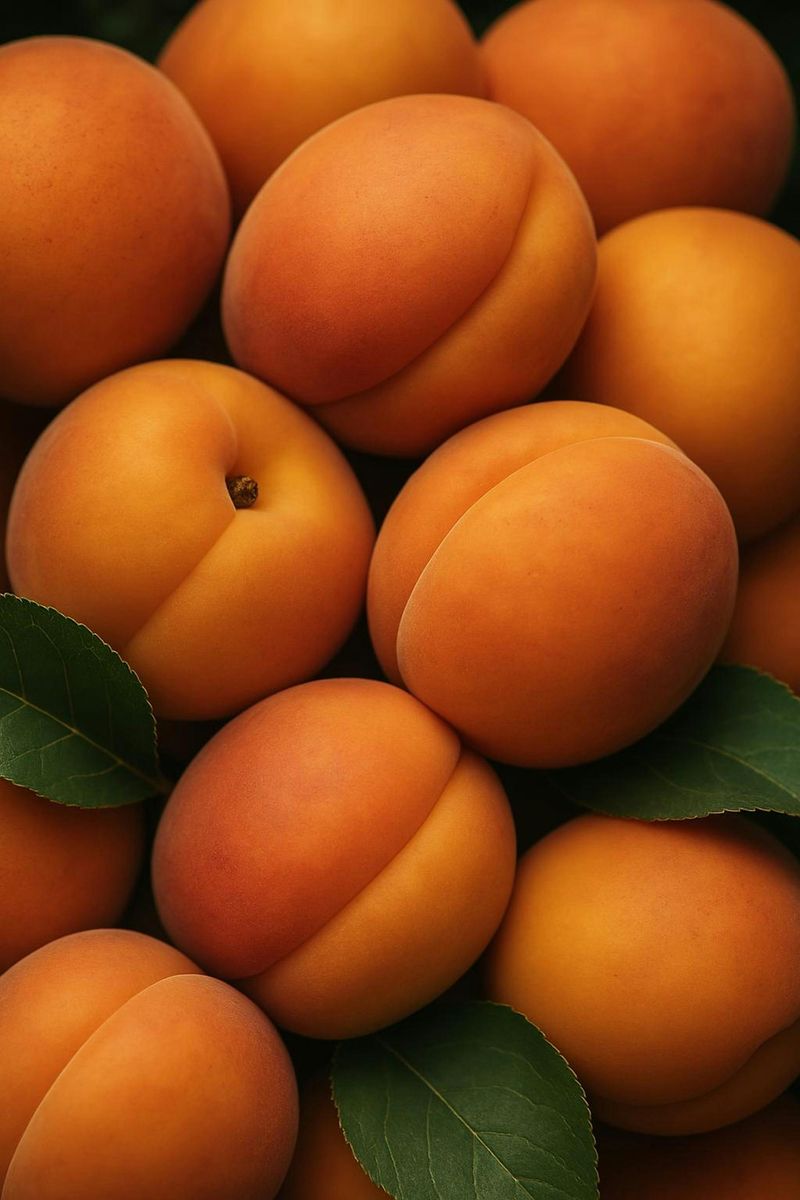
There is something nostalgic about biting into a perfectly ripe apricot — soft, fragrant, and sweet with just a hint of tartness.
Apricots contain an appreciable amount of vitamin E, and their warm orange color reflects their rich beta-carotene content as well, making them a double win for antioxidant nutrition.
Fresh apricots are a summer staple, but dried apricots make this nutrient available all year.
Dried apricots are especially convenient — toss them in a bag for a portable snack or chop them into grain salads and oatmeal.
Either way, your skin, eyes, and immune system benefit from making apricots a regular part of your fruit rotation.
9. Persimmon (Fuyu)
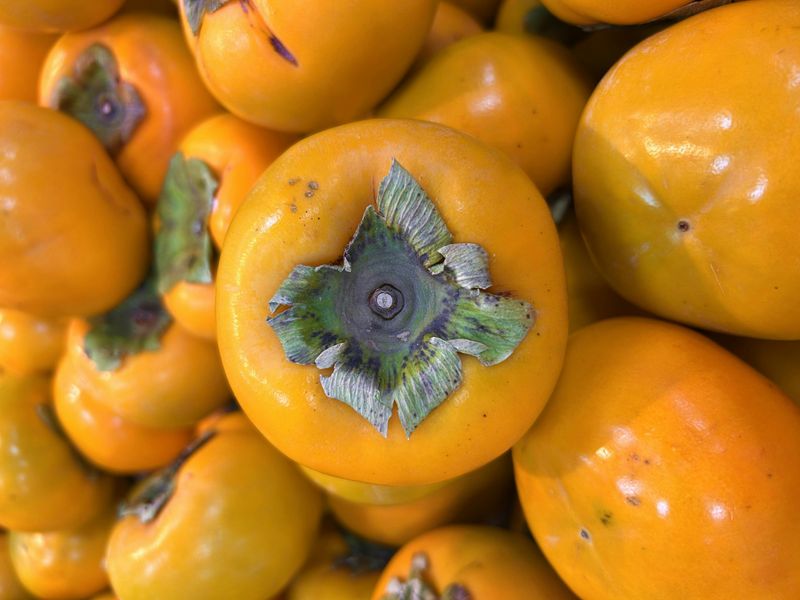
Fuyu persimmons look like little orange tomatoes and have a crunchy, honey-sweet flavor that makes them unlike anything else in the produce aisle.
What many people do not realize is that persimmons contain measurable vitamin E, adding to their already impressive lineup of nutrients that includes fiber, vitamin C, and manganese.
They are one of autumn’s most underappreciated nutritional gems.
Unlike astringent varieties, Fuyu persimmons can be eaten firm and crisp — no waiting for them to soften.
Slice them into salads, pair them with cheese, or eat them fresh as a snack.
Discovering persimmons is like finding a secret weapon in the world of vitamin E fruits.
10. Mulberries
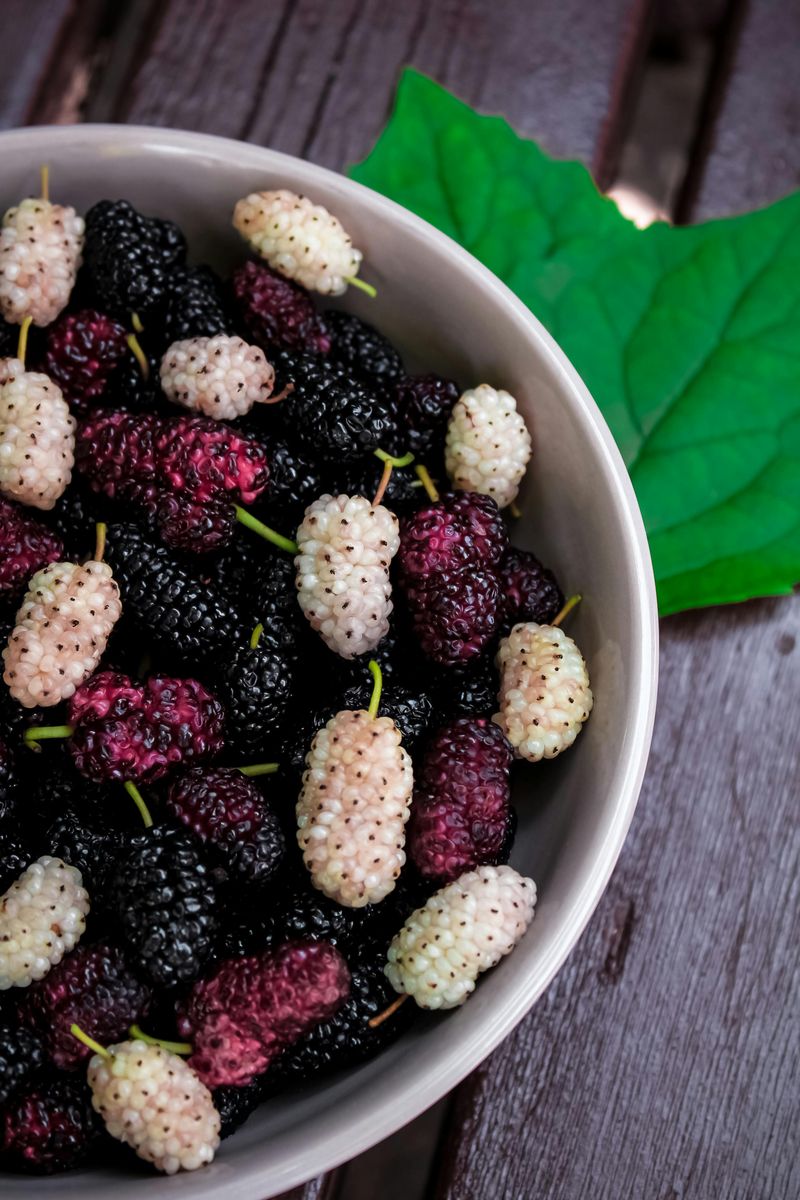
Mulberries might be the most overlooked fruit on this list, but anyone who has eaten them fresh off a tree knows how special they are.
These soft, elongated berries come in red, white, and deep purple varieties, all of which contain meaningful amounts of vitamin E alongside iron, vitamin C, and resveratrol.
They are rare in most grocery stores, but worth seeking out at farmers markets.
Mulberries work beautifully in jams, smoothies, or baked into muffins and pies.
Dried mulberries are increasingly available online and in health food stores.
Their gentle sweetness and impressive nutrient profile make them a genuinely rewarding fruit to add to your wellness routine.