 MomSkoop

We all tell little white lies from time to time, thinking they slip by unnoticed. Women especially have a few go-to phrases that seem harmless but are actually pretty transparent to those around them.
These small fibs might feel like they’re protecting feelings or avoiding conflict, but they’re usually more obvious than we’d like to admit. Here are ten common white lies women tell that everyone can see right through.
1. I Don’t Care What People Think

Everyone cares at least a little bit about what others think, and that’s perfectly human.
When someone says they don’t care at all, it often means they care quite a lot but don’t want to admit it.
Body language usually gives it away—checking phones for reactions, asking follow-up questions, or changing outfits multiple times before leaving the house.
Friends and family can spot this contradiction easily.
The truth is, seeking validation and wanting to fit in are natural parts of being social creatures.
Admitting you care what people think isn’t weakness; it’s honesty.
Pretending complete indifference just makes the caring more obvious to everyone watching.
2. I’m Fine
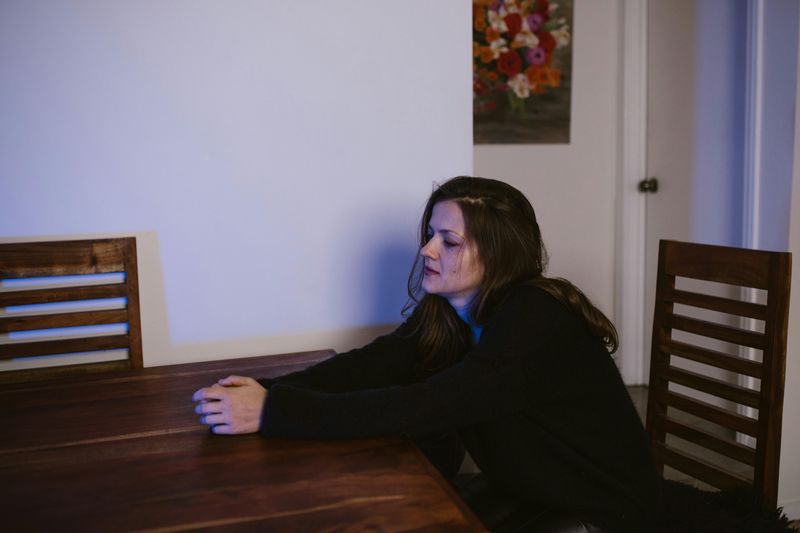
This classic two-word phrase is probably the most transparent lie in the entire communication playbook.
When someone says they’re fine with crossed arms, a tight voice, or teary eyes, nobody believes it.
Partners, friends, and even strangers can detect the mismatch between words and emotions instantly.
Sometimes women say this to avoid burdening others or because they haven’t processed their feelings yet.
Other times, it’s a test to see if someone will dig deeper and show they care.
Either way, the disconnect is glaringly obvious.
Being honest about feeling upset, stressed, or overwhelmed actually builds stronger connections than pretending everything’s perfect.
3. I Didn’t See Your Message

Read receipts and online status indicators have made this excuse nearly impossible to pull off successfully.
Most messaging apps now show exactly when someone was last active, making the “didn’t see it” claim pretty questionable.
People notice when you’re posting on social media but haven’t responded to their text from three hours ago.
Sometimes we genuinely need space or time to craft the right response, and that’s totally acceptable.
Saying “I saw it but needed time to think” is way more respectful than a flimsy excuse.
Everyone ignores messages sometimes, but pretending you didn’t see it insults the other person’s intelligence and damages trust more than honesty would.
4. I’m Not Hungry

Stomach growls don’t lie, even when mouths do.
Women often say they’re not hungry for various reasons—dieting pressures, not wanting to seem high-maintenance, or waiting to see what others order first.
The problem is that physical hunger signs like checking out menus, eyeing other people’s food, or accepting “just a bite” repeatedly give the game away completely.
Food shouldn’t come with guilt or performance anxiety.
Eating when hungry is basic self-care, not something to hide or apologize for constantly.
Friends notice the pattern and often feel awkward eating while someone sits there claiming no appetite.
Honesty about hunger makes everyone more comfortable and meals more enjoyable.
5. I Don’t Remember

Selective memory is a fascinating phenomenon that becomes pretty transparent during arguments or uncomfortable conversations.
When someone remembers tiny details from years ago but suddenly can’t recall last week’s promise, the pattern becomes obvious.
Partners especially notice when “I don’t remember” conveniently appears during discussions about forgotten commitments or hurtful comments.
Sometimes our brains genuinely block out stressful information, which is a real psychological defense mechanism.
But using fake forgetfulness to dodge accountability is different and usually quite noticeable.
Owning up to mistakes or admitting you’d rather not discuss something builds respect.
Pretending your memory has convenient gaps just frustrates people and prolongs conflicts unnecessarily.
6. It Doesn’t Matter. You Choose

Decision fatigue is real, but so is having preferences you’re reluctant to voice.
When someone says they don’t care where to eat but then vetoes three suggestions, their actual opinion becomes crystal clear.
This dance wastes time and creates frustration for everyone involved in the decision-making process.
Many women default to this phrase to seem easygoing or avoid appearing demanding or difficult.
The irony is that stating preferences directly is actually easier and more appreciated than fake flexibility.
People want genuine input, not passive-aggressive vetoes.
Saying “I’d prefer Italian, but I’m open to other options” is honest and helpful rather than the exhausting guessing game.
7. I Forgot to Tell You

Forgetting happens to everyone, but there’s a difference between genuine forgetfulness and strategic information withholding.
When important news consistently gets “forgotten” until the last possible moment, people start recognizing a pattern.
Friends notice when you remember to mention a party after it’s too late to attend or share major life updates weeks after they happened.
Sometimes we avoid sharing information because we’re anxious about reactions or haven’t fully processed things ourselves yet.
That’s understandable and relatable to most people.
But disguising intentional delays as forgetfulness damages trust over time.
Simply saying “I needed time before sharing this” respects both yourself and others far more effectively.
8. I’m Just Tired

Fatigue gets blamed for everything from mood swings to tears, and sometimes it’s genuinely the culprit.
But when someone is clearly upset about something specific and attributes it all to tiredness, the deflection is pretty transparent.
Loved ones can tell when exhaustion is the real issue versus when it’s a convenient excuse to avoid deeper conversations.
Emotional tiredness is just as valid as physical exhaustion, and both deserve acknowledgment and rest.
Saying “I’m emotionally drained and need space” communicates needs more clearly than vague tiredness claims.
People want to support you through whatever you’re actually experiencing.
Hiding behind tiredness prevents real connection and keeps problems from getting addressed properly.
9. It Wasn’t That Expensive

Shopping bags get hidden, price tags disappear, and receipts mysteriously vanish when this phrase comes out.
Partners and roommates usually have a pretty good sense of what things cost, making dramatic underestimates obviously false.
When someone claims the designer purse was “on sale” for the third time this month, the pattern becomes impossible to ignore.
Financial anxiety and guilt around spending are real struggles many women face due to societal expectations and relationship dynamics.
Having honest conversations about budgets and personal spending is healthier than sneaking purchases.
Lying about costs creates bigger trust issues than the actual spending ever would.
Transparency about finances, even when uncomfortable, builds stronger partnerships than hidden receipts.
10. I’m Over It

Claiming to be over something while clearly still bothered by it is perhaps the most self-sabotaging white lie on this list.
When someone brings up a supposedly resolved issue multiple times or shows visible emotional reactions while insisting they’ve moved on, nobody’s fooled.
Friends and partners recognize when past hurts still sting, no matter how much someone protests otherwise.
Healing isn’t linear, and admitting you’re still processing something shows strength, not weakness or pettiness.
Pretending to be over things before you actually are just delays genuine healing and resolution.
People respect honesty about ongoing struggles way more than fake closure.
Real relationships can handle the truth that some things take time to truly get past.