 MomSkoop
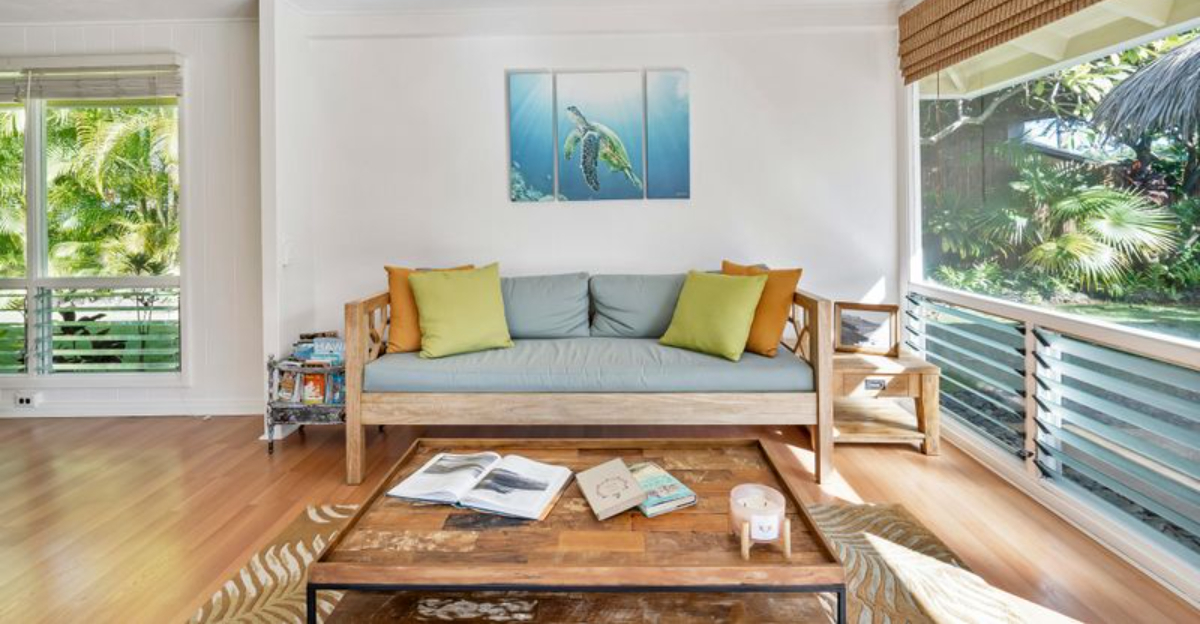
Walking into a beautifully designed home feels different. You might not be able to pinpoint exactly why, but something about the space just works.
The secret lies in the small details that designers use to create harmony and warmth. These thoughtful touches transform ordinary rooms into spaces that feel intentional and inviting.
1. Layered Lighting Sources
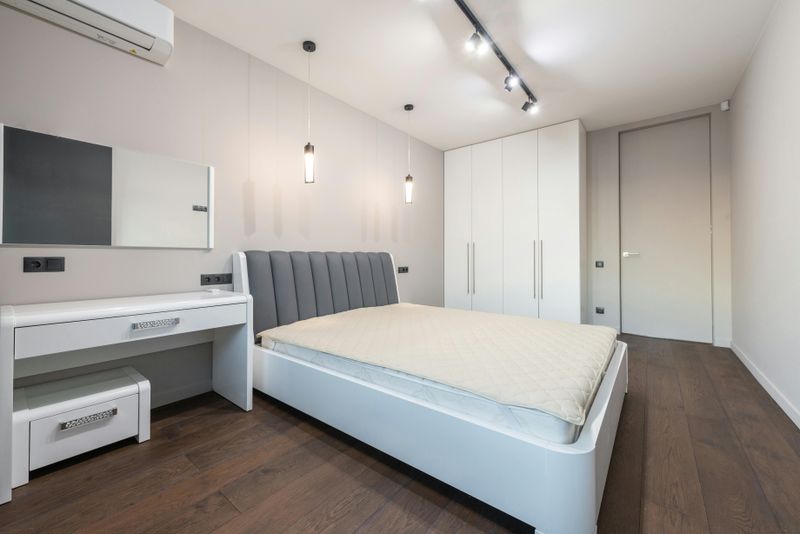
Most rooms need more than just one overhead light to feel complete.
A combination of table lamps, floor lamps, and sconces creates depth and warmth that ceiling fixtures alone cannot achieve.
Different light sources let you adjust the mood throughout the day, from bright and energizing mornings to cozy and relaxed evenings.
Dimmer switches add even more control.
When you layer your lighting, shadows soften and the entire room feels more welcoming.
Professional designers always plan for at least three light sources per room.
This approach makes spaces feel balanced and lived-in rather than flat and boring.
2. Varied Texture Combinations
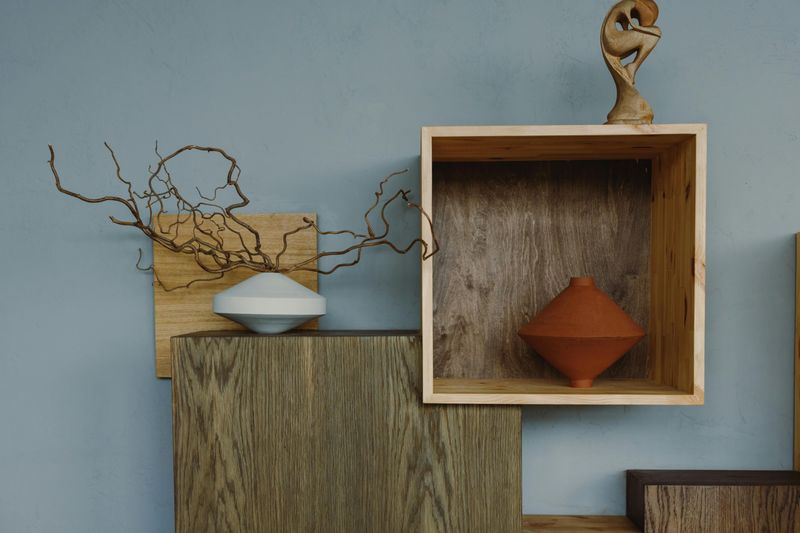
Texture brings a room to life in ways that color alone cannot match.
Mixing smooth velvet cushions with chunky knit throws and sleek metal accents creates visual interest that keeps your eyes moving around the space.
Your home feels richer and more dynamic when materials contrast and complement each other.
Think about pairing rough natural wood with soft linen curtains.
Add a glossy ceramic vase next to a matte stone sculpture.
Even small texture changes make big differences.
Rooms with only one texture type feel flat and uninspired, while layered textures add sophistication without requiring expensive furniture or major renovations.
3. Intentional Negative Space
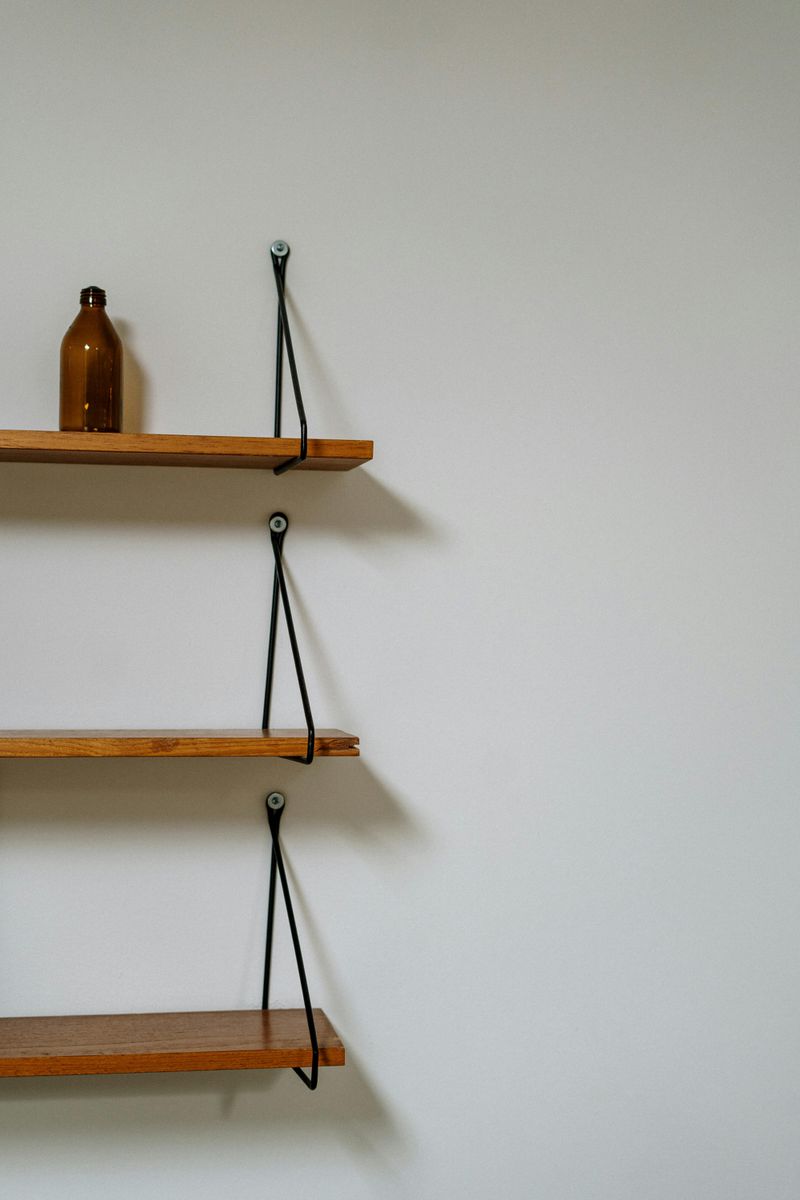
Empty space is not wasted space when used correctly.
Leaving breathing room around furniture and artwork prevents your home from feeling cluttered or overwhelming.
Designers call this negative space, and it helps your eye rest between focal points.
A shelf does not need every inch filled.
A wall does not require art in every corner.
Strategic emptiness actually makes your favorite pieces stand out more.
When everything competes for attention, nothing wins.
Thoughtful homes embrace simplicity and give each element room to shine.
This restraint shows confidence and creates a calming atmosphere that busy spaces never achieve.
4. Fresh Greenery Throughout

Plants instantly make any space feel more alive and cared for.
Even people without green thumbs can maintain low-maintenance varieties like pothos or snake plants.
Living greenery adds natural color that changes with the seasons and improves air quality while softening hard architectural lines.
Place plants at different heights throughout your rooms.
A tall fiddle leaf fig in the corner, herbs on the kitchen windowsill, and small succulents on shelves create layers.
Fresh flowers work too when you want temporary beauty.
Homes with plants feel more connected to nature and show that someone takes time to nurture their environment.
5. Coordinated Hardware Finishes
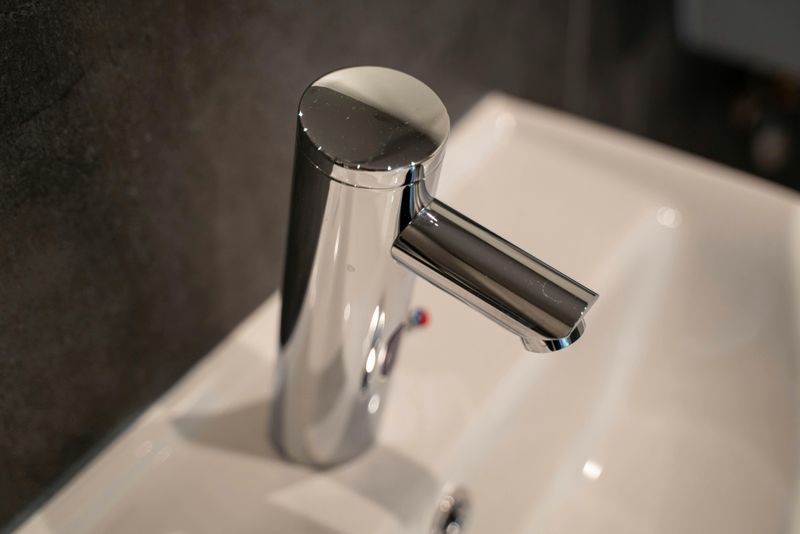
Cabinet pulls, doorknobs, and faucets might seem minor, but mismatched metals create visual chaos.
Choosing one primary finish throughout your home creates cohesion that ties rooms together.
You might select brushed brass, matte black, or polished nickel as your signature metal.
Consistency in these small details shows intentionality.
Switching hardware is relatively affordable compared to other updates, yet the impact is significant.
Your home feels more pulled together when these elements match.
You can mix two complementary finishes if you prefer variety, but random combinations look accidental rather than designed.
This simple change elevates your entire space.
6. Properly Scaled Artwork
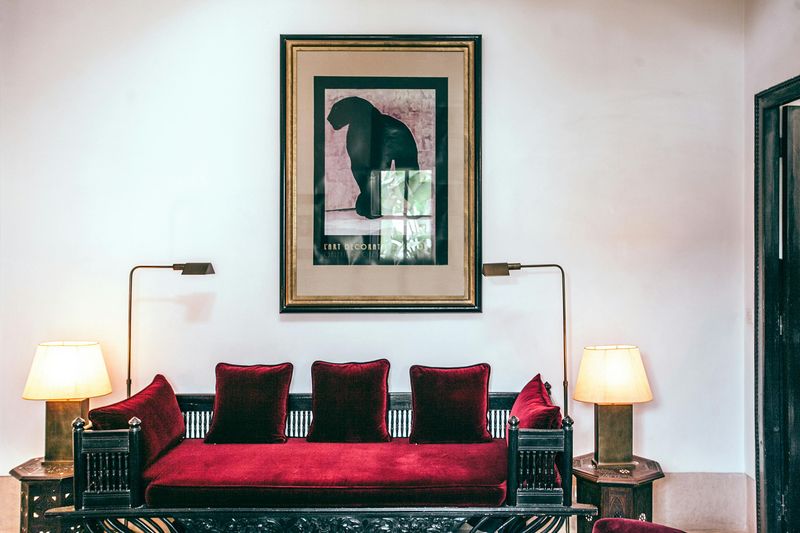
Nothing says amateur decorator quite like tiny art floating on a large wall.
Scale matters tremendously when hanging pictures and paintings.
Your artwork should fill roughly two-thirds to three-quarters of the wall space above furniture.
A small print above your sofa gets lost and makes the entire arrangement feel unbalanced.
Gallery walls work when pieces are grouped tightly to create one larger visual unit.
Consider the room size too. Larger rooms can handle bigger, bolder pieces.
When artwork is properly sized, it anchors the space and creates a focal point that draws people in rather than leaving them wondering where to look.
7. Books as Design Elements
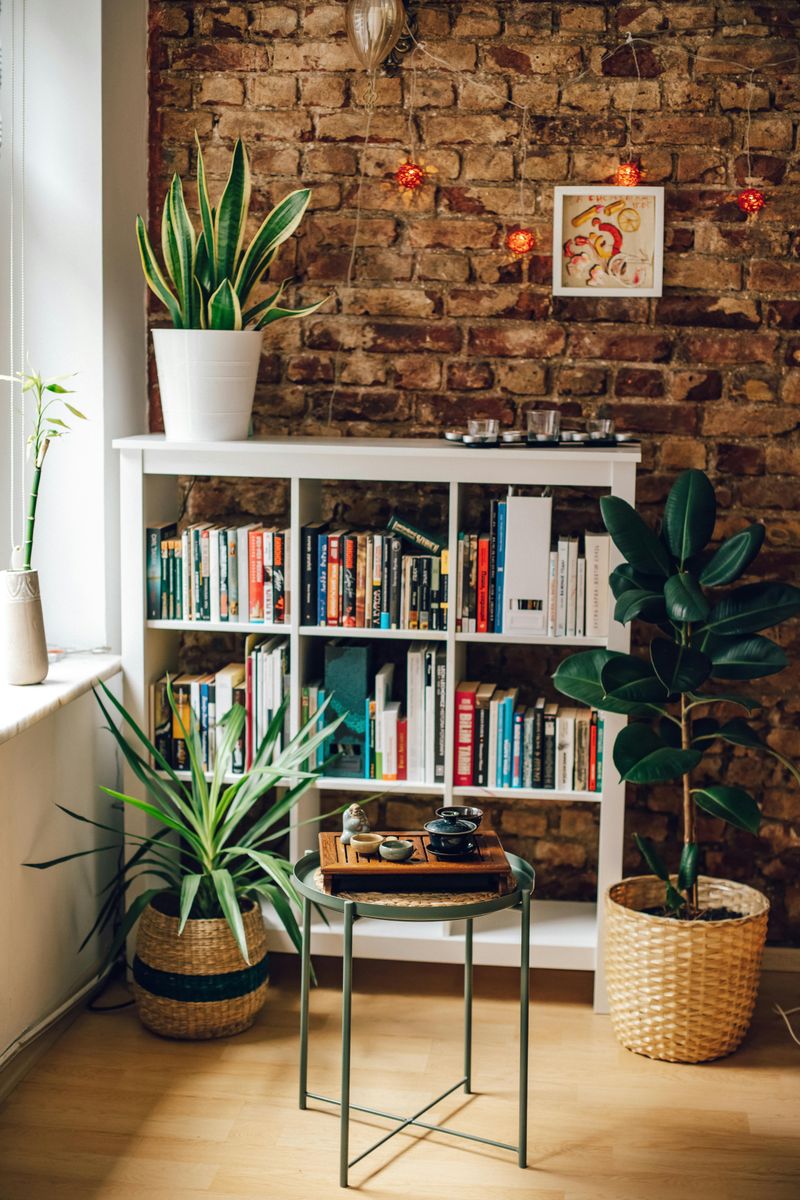
Did you know interior designers often shop for books based on spine color?
Books add personality and sophistication beyond their content.
Arranging them thoughtfully on shelves, coffee tables, and nightstands makes your home feel cultured and collected over time.
Stack some horizontally, stand others vertically, and leave space between groups.
Color-coordinating book spines creates visual calm, though organizing by topic works too.
Real books beat fake decorative ones because they invite conversation and show genuine interests.
A home filled with books tells stories about the people who live there and provides texture and height variation that purely decorative objects cannot match.
8. Window Treatments That Fit
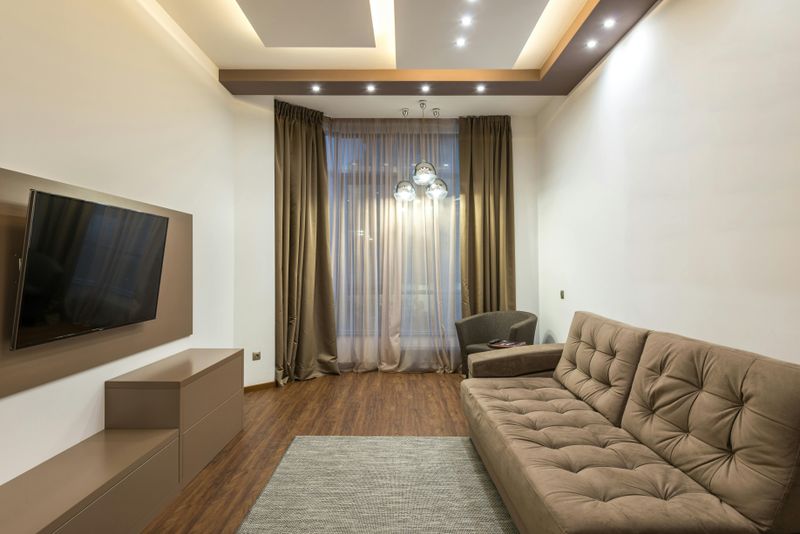
Curtains hung at the wrong height shrink your windows and make ceilings look lower.
Mount curtain rods just below the ceiling line, not at the window frame, to create the illusion of taller walls and bigger windows.
Let panels extend several inches past each side of the window so they frame rather than block light when open.
Length matters equally.
Curtains should kiss the floor or puddle slightly, never hover awkwardly mid-wall.
This simple adjustment transforms the entire room by drawing eyes upward.
Properly installed window treatments look custom and expensive even when they come from budget-friendly stores.
The difference is dramatic and immediately noticeable.
9. Personal Collections Displayed

Your grandmother’s teacup collection deserves better than hiding in a cabinet.
Displaying items you love makes your home uniquely yours rather than looking like a furniture showroom.
Group similar objects together for impact, whether vintage cameras, seashells, or pottery.
Collections tell your story and create conversation starters that mass-produced decor never provides.
Arrange them on open shelving, in glass-front cabinets, or on floating ledges.
Repetition of similar items creates visual rhythm and looks intentional.
Homes that showcase personal treasures feel warm and authentic.
This approach costs nothing but adds character that money cannot buy from any store.
10. Rugs That Anchor Furniture

Floating furniture on bare floors makes rooms feel disconnected and unfinished.
Area rugs define spaces and pull furniture groupings together visually.
Your rug should be large enough that at least the front legs of sofas and chairs rest on it, creating a unified seating area.
Too-small rugs make everything look cramped and awkward.
In dining rooms, ensure the rug extends beyond the table so chairs remain on the rug when pulled out.
Proper rug placement grounds your furniture and makes the room feel complete and intentional.
This foundation piece affects how the entire space functions and feels to anyone who enters.