 MomSkoop
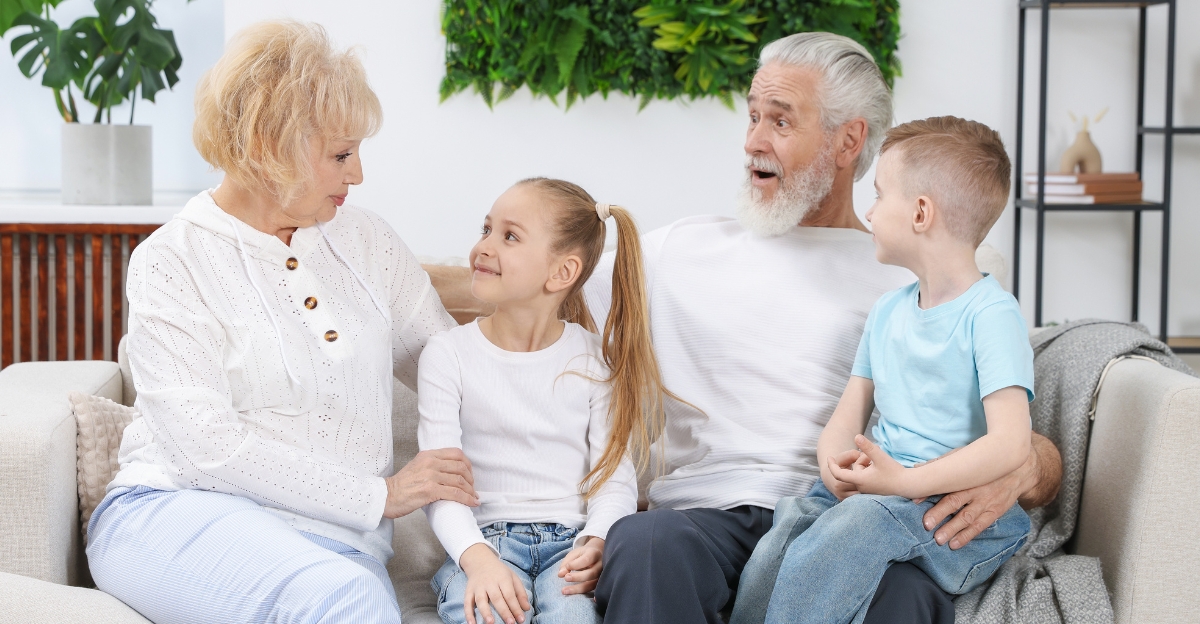
Grandparents hold a special place in a child’s heart and development.
The time spent with them creates memories that shape who kids become as adults.
From teaching important values to offering comfort during tough times, the ways grandparents interact with their grandchildren leave lasting impressions that can affect emotional health, confidence, and life choices for decades to come.
1. Providing Consistent Emotional Support and Security
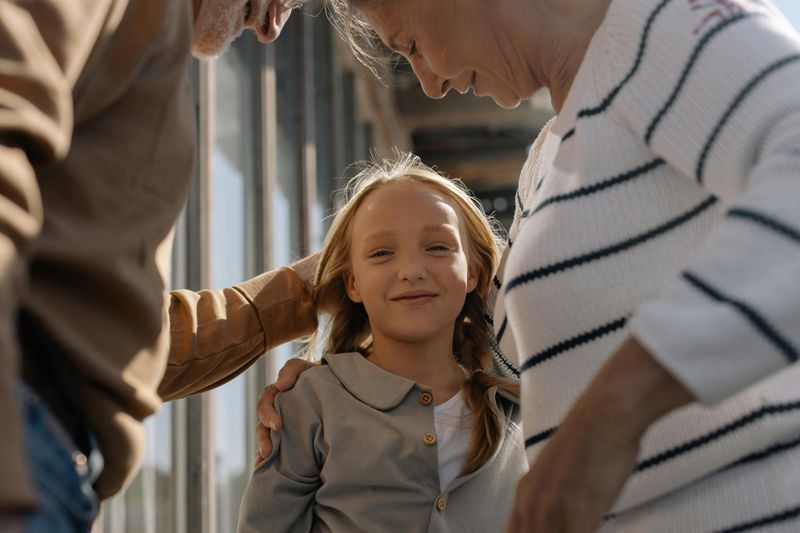
When grandparents show up with steady, reliable love, children learn what emotional safety feels like.
This kind of deep affection isn’t flashy or loud.
It’s the quiet reassurance that someone always has your back.
Kids who receive this consistent support grow up with stronger emotional wellbeing.
They handle stress better as adults and form healthier relationships.
The security grandparents provide becomes a foundation that holds firm through life’s storms.
Research shows this lasting bond reduces anxiety and builds resilience.
Children carry this emotional anchor into adulthood, helping them navigate challenges with greater confidence and inner strength.
2. Modeling Strong Social and Emotional Skills
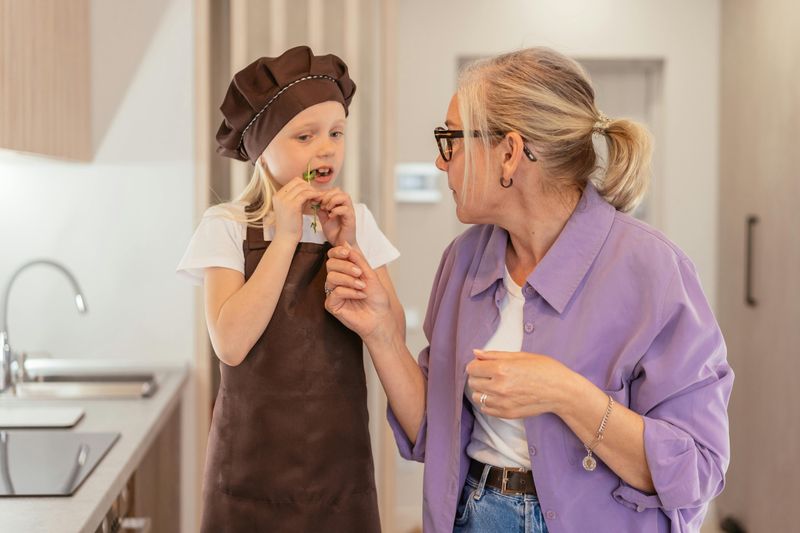
Grandparents have decades of practice managing emotions and relationships.
When children observe how they handle disagreements, disappointment, or joy, they’re getting a masterclass in emotional intelligence.
These lessons happen naturally through everyday interactions.
Watching grandparents communicate respectfully teaches kids empathy and self-regulation.
They learn that feelings are normal but actions require thought.
This mature approach to emotions gives children tools they’ll use throughout their lives.
The calm presence of an experienced elder shows kids there’s more than one way to respond to situations.
This flexibility in emotional responses helps develop well-rounded, socially capable individuals.
3. Serving as Sources of Family History and Identity

Stories about where a family came from matter more than we realize.
Grandparents are living history books, connecting children to ancestors they’ll never meet.
These tales of the past give kids a sense of belonging that runs deeper than present-day experiences.
Understanding cultural heritage and family traditions strengthens a child’s identity.
When grandparents share these stories, they’re answering the question every kid eventually asks: where do I come from?
This knowledge creates confidence and pride.
The connection to roots helps children understand their place in a larger story.
It’s grounding in a world that often feels disconnected and fast-paced.
4. Offering Guidance Without Parental Pressure
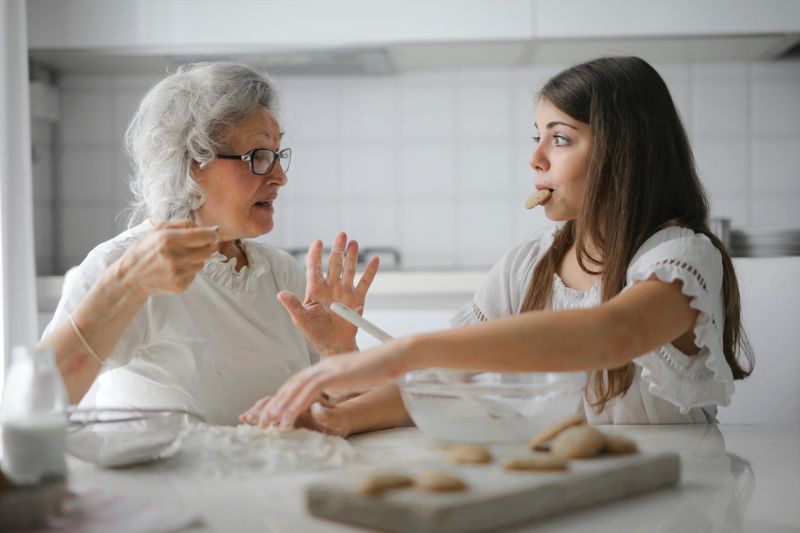
Here’s something special about grandparents: they can guide without the weight of parental responsibility.
This unique position lets them offer wisdom in a way that feels less like rules and more like friendly advice.
Kids often listen differently when grandparents speak.
Without the daily stress of discipline and structure, grandparents provide perspective that builds confidence.
They encourage risk-taking and exploration in ways parents sometimes can’t.
This balance helps children develop resilience and independent thinking.
The non-judgmental space grandparents create becomes a testing ground for ideas.
Children learn to make decisions and trust their instincts, knowing they have support without pressure.
5. Acting as Supplementary Caregivers to Reduce Stress
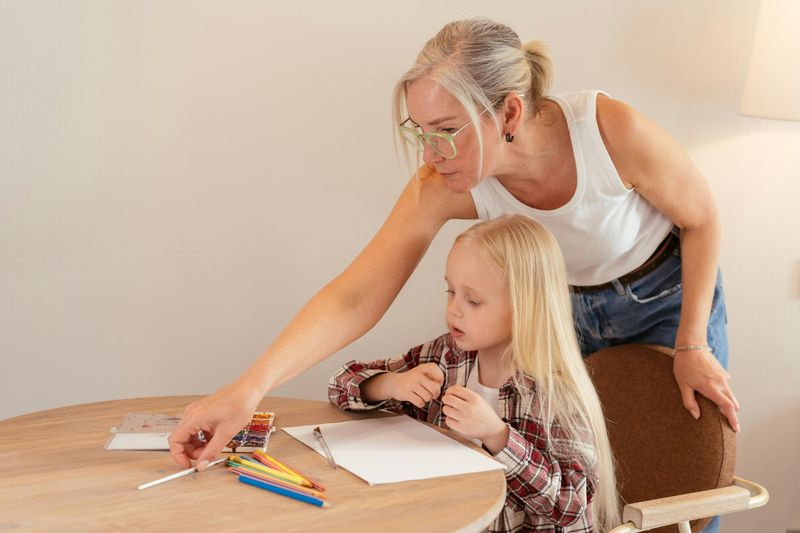
Involved grandparents lighten the load for entire families.
When they help with childcare, they’re doing more than babysitting.
They’re creating stability that reduces behavioral problems and adjustment difficulties in children.
This support system makes a measurable difference.
Kids benefit from having additional caring adults in their lives.
The time spent with grandparents often means less rushed schedules and more relaxed interactions.
This slower pace reduces stress for everyone involved.
Studies link grandparent involvement to fewer behavioral issues and better emotional regulation.
The extra layer of support creates breathing room that helps children thrive rather than just survive.
6. Teaching Life Lessons, Values, and Enduring Habits
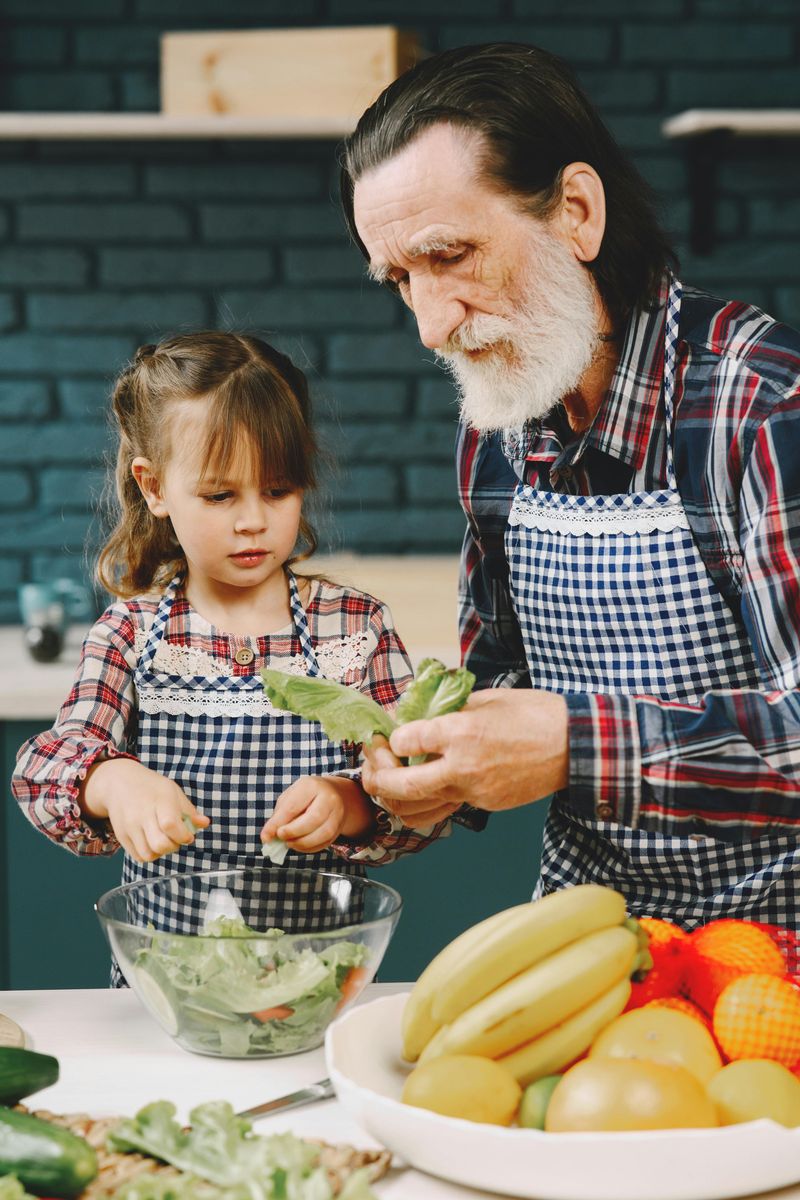
Patience, responsibility, and practical wisdom aren’t usually taught in classrooms.
Grandparents pass down these essential life skills through everyday activities.
Whether it’s cooking, gardening, or fixing things, these moments carry lessons that stick.
The values grandparents model become part of how children see the world.
Hard work, kindness, and perseverance are caught more than taught.
When kids watch their grandparents live these principles, the lessons sink in deeper than any lecture could achieve.
These habits and values often surface years later when grandchildren face their own challenges.
The seeds planted early grow into the character traits that define adulthood.
7. Creating Intergenerational Traditions and Lasting Memories
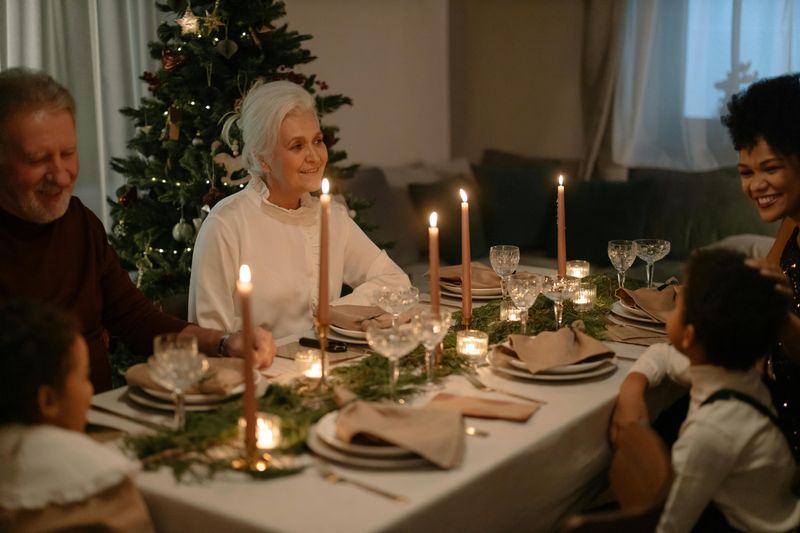
Remember making cookies every December with your grandmother?
Those repeated experiences create emotional bonds that last forever.
Traditions give children something to look forward to and eventually pass down to their own kids.
They’re the threads that weave families together.
Storytelling sessions, annual trips, or special Sunday dinners become touchstones in a child’s memory.
These shared experiences provide comfort and continuity.
They remind children they’re part of something bigger than themselves.
The memories created with grandparents often become the stories adults tell most fondly.
These moments shape how people remember childhood and influence the traditions they create for future generations.
8. Helping Grandchildren Navigate Challenges and Difficulties

Sometimes kids need someone to talk to who isn’t mom or dad.
Grandparents fill this role perfectly, offering a listening ear without the parental authority that might make children hold back.
This safe space for sharing struggles makes a huge difference.
Having an encouraging, non-judgmental elder to confide in helps children work through problems.
Whether it’s friendship drama, school stress, or bigger worries, grandparents provide perspective that comes from lived experience.
They’ve seen similar challenges and survived them.
This support system teaches children that difficulties are temporary and manageable.
The wisdom and reassurance from grandparents build coping skills that serve kids throughout their lives.
9. Providing Stability During Family Transitions and Changes
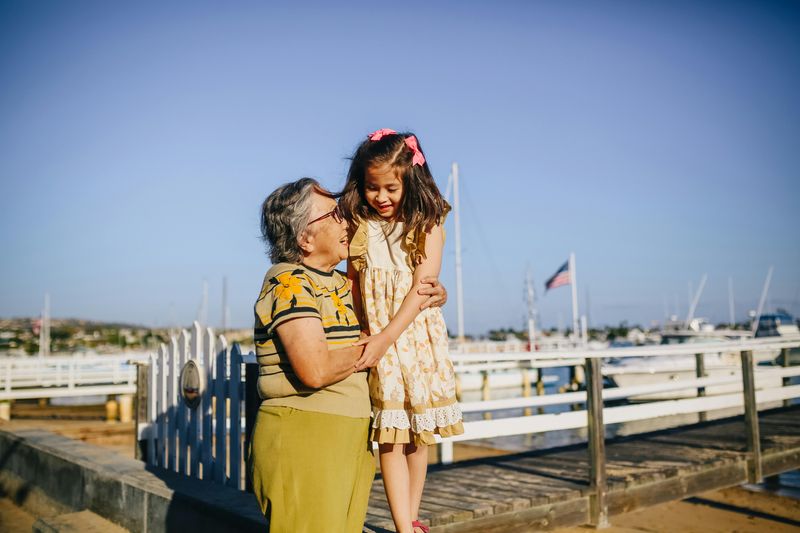
Divorce, moving, job loss, or other family upheavals shake a child’s world.
During these storms, grandparents often serve as the steady ground beneath their feet.
Their consistent presence reminds kids that some things remain reliable even when everything else changes.
This stability acts as an emotional anchor when parents are stressed or distracted.
Children need at least one adult who seems unshaken, and grandparents frequently provide that calm presence.
Their experience with life’s ups and downs offers reassuring perspective.
The security grandparents offer during transitions helps prevent long-term emotional damage.
Kids learn that change doesn’t mean loss of love or safety, lessons that build resilience for future challenges.
10. Offering Affectionate Communication That Buffers Mental Health

The power of sustained love from grandparents extends far beyond childhood.
Research links this ongoing affection to lower rates of loneliness, depression, and stress in adult grandchildren.
Those regular phone calls, visits, and expressions of love are protective factors for mental health.
Affectionate communication creates a buffer against life’s hardships.
When adults know they have grandparents who believe in them, they face challenges with more courage.
This emotional support reduces the risk of mental health struggles later in life.
Even small gestures of love accumulate into powerful protection.
A weekly call, birthday cards, or encouraging texts build a foundation of belonging that supports wellbeing across the lifespan.