 MomSkoop

Have you ever posted something online or shared a story with friends, only to realize later you gave away more information than you meant to? Many people accidentally reveal private details without even thinking about it.
From vacation photos to casual conversations, these small slips can put your safety, privacy, and identity at risk. Understanding what information to keep private helps you stay safer both online and in real life.
1. Your Exact Location in Real Time
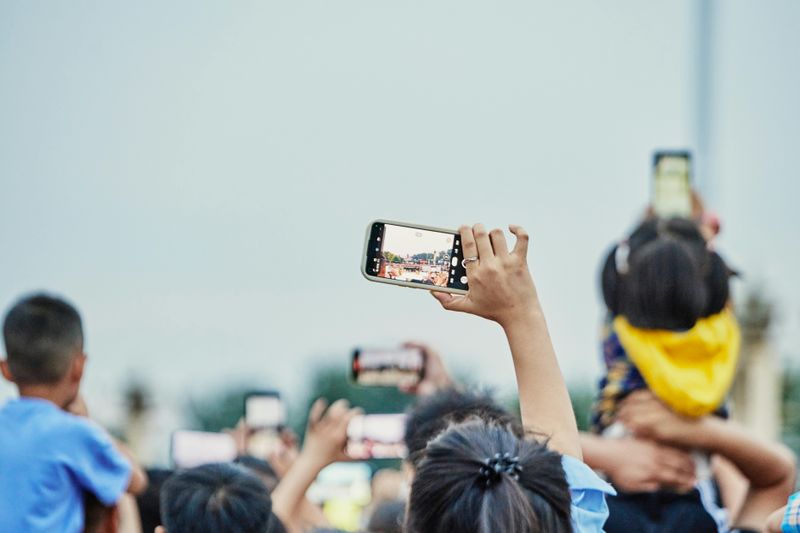
Posting where you are at this exact moment might seem harmless, but it tells strangers your precise whereabouts.
Apps and social media platforms often tag your location automatically when you share photos or updates.
Criminals can use this information to know when your home is empty or where to find you.
Instead of sharing live updates, wait until after you leave a place to post about it.
Turn off location services for apps that do not really need them.
This simple habit protects you from potential theft or worse dangers.
Your safety matters more than getting instant likes on a post.
2. Full Birth Date and Year

Celebrating birthdays online feels natural, but sharing your complete birth date gives scammers a key piece of identity theft information.
Many security questions and password recovery systems use birthdates for verification.
When you announce your full birthday publicly, anyone can see it and potentially use it against you.
Identity thieves combine this with other details to open accounts or steal your information.
You can still celebrate without revealing the year or exact date.
Consider changing your social media settings to hide your birthday from public view.
Keep this detail private to protect yourself from fraud.
3. Vacation Plans Before You Leave
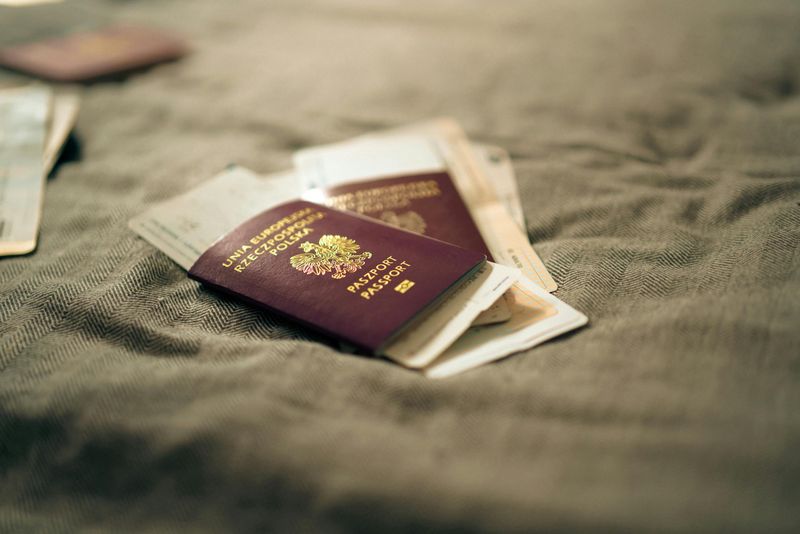
Excitement about an upcoming trip makes people want to share their travel plans immediately.
However, announcing that your house will be empty for specific dates is like handing burglars an invitation.
Thieves monitor social media looking for exactly this kind of information.
They know when homes are vacant and for how long, making break-ins much easier to plan.
Share your amazing vacation photos after you return home instead.
Your followers will still enjoy seeing your adventures, and your belongings stay safer.
Patience protects your property and gives you peace of mind while traveling.
4. Photos of Your Keys or Important Documents
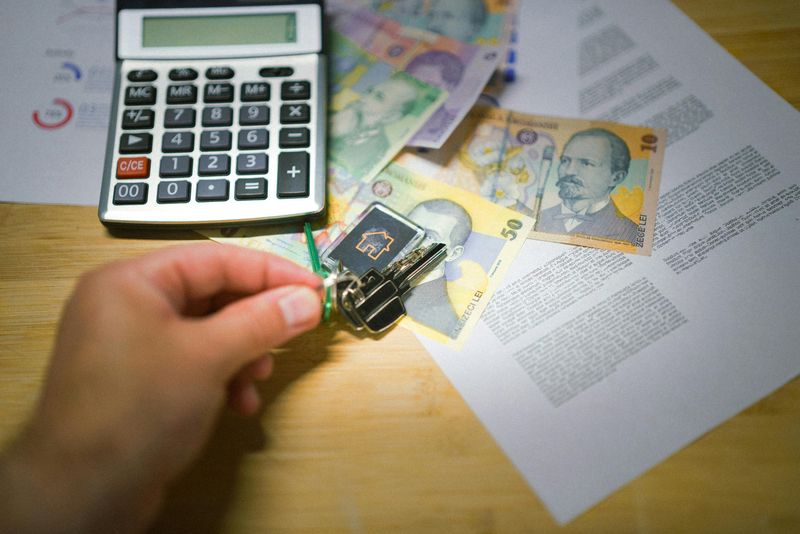
Did you know that clear photos of keys can be used to create copies?
Locksmiths and criminals alike can replicate keys from detailed images.
Similarly, posting pictures of tickets, boarding passes, or IDs exposes barcodes and personal numbers.
These contain information that hackers use for identity theft or unauthorized access.
Even blurred backgrounds in selfies sometimes reveal sensitive documents on desks or tables.
Always check your photos carefully before sharing them online.
Keep images of keys, documents, and credentials completely private.
This awareness prevents serious security problems down the road.
5. Your Daily Routine and Schedule
Regularly posting about your morning jog route, gym schedule, or when kids get dropped off at school creates predictable patterns.
Stalkers and criminals study these routines to know exactly where you will be and when.
Even innocent check-ins at your favorite coffee shop every Tuesday morning give away too much.
Predictability makes you an easier target for crime or unwanted attention.
Vary what you share and when you share it to avoid creating a trackable pattern.
Keep specific times and regular locations private.
Staying unpredictable online helps keep you safer in the real world.
6. Financial Information and Purchase Details
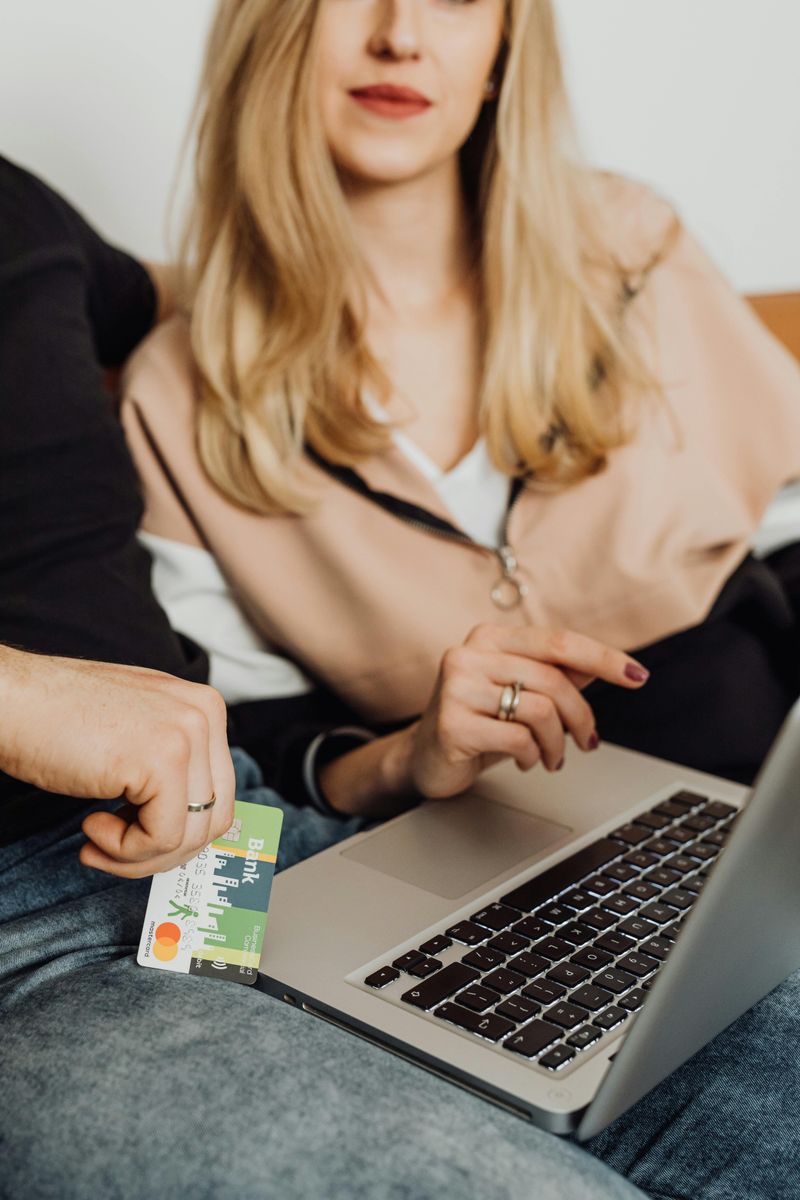
Bragging about expensive purchases or showing off new gadgets tells thieves what valuables you own.
Posting receipts, even partially, can expose credit card numbers or bank account details.
Some people accidentally reveal their income, savings amounts, or financial struggles publicly.
This information attracts scammers who target people based on their financial situation.
Wealthy individuals become robbery targets, while those struggling might face predatory lending schemes.
Keep your financial life private to avoid becoming a victim.
Celebrate successes privately with trusted friends instead of broadcasting them online.
Your bank account is nobody’s business but yours.
7. Names and Photos of Your Children

Parents naturally feel proud and want to share their children’s achievements and cute moments.
Unfortunately, posting kids’ full names, schools, or team uniforms gives strangers too much access.
Predators use this information to approach children by name, making kids think the person knows their family.
Photos also end up in places you never intended, sometimes on inappropriate websites.
School logos, house numbers, and street signs in backgrounds reveal even more identifying details.
Consider using nicknames online and limiting who sees posts about your children.
Protecting their privacy now prevents serious problems later.
8. Security Question Answers

Those fun quizzes asking about your first pet, childhood street, or mother’s maiden name seem innocent.
However, these are common security questions banks and websites use to verify your identity.
Hackers create these quizzes specifically to gather answers for breaking into your accounts.
When you publicly answer questions about your past, you hand over keys to your digital life.
Avoid participating in quizzes that ask personal history questions.
If you must answer security questions, use false answers that only you would remember.
Entertainment is not worth risking your account security and personal information.
9. Your Phone Number and Email Address
Sharing contact information publicly invites spam calls, phishing emails, and unwanted messages.
Scammers collect phone numbers and email addresses from public posts to build lists for fraud schemes.
Once your information gets sold to marketing companies, the annoying calls never stop.
Some criminals use your phone number for SIM swapping attacks to access your accounts.
Instead of posting contact details publicly, use private messaging or email for genuine connections.
Keep this information visible only to people you actually know and trust.
Protecting your contact details reduces harassment and keeps you safer from scams.
10. Home Address and Recognizable Exterior Photos
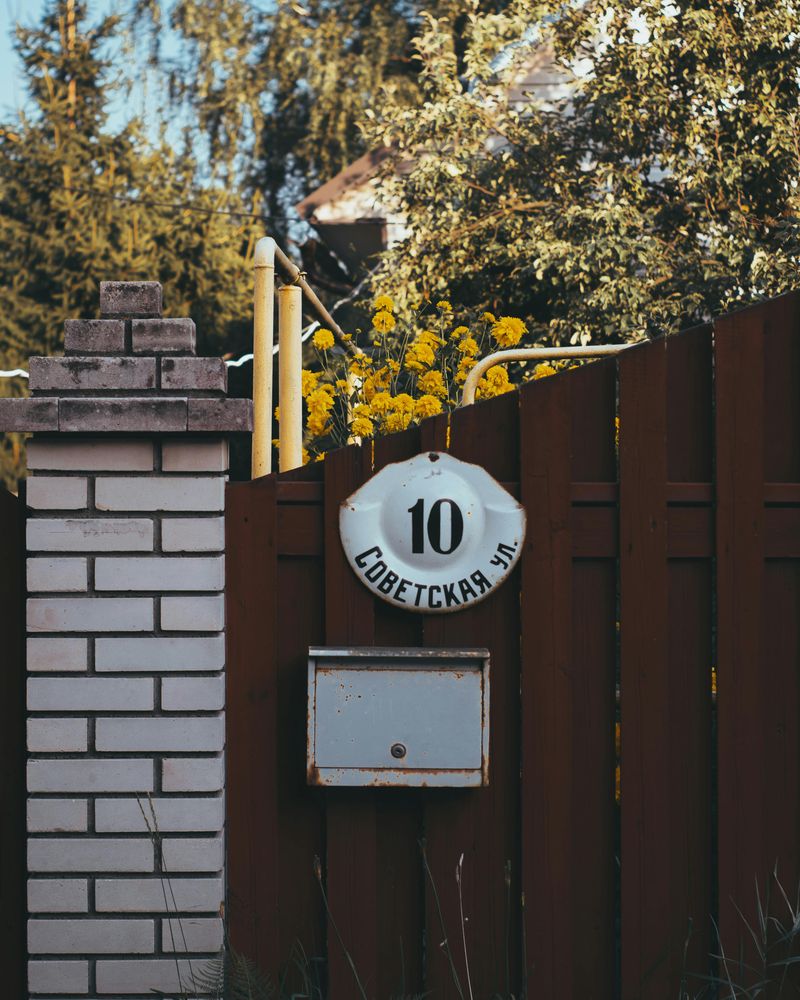
Pictures of your home’s exterior, especially with visible house numbers or street signs, pinpoint exactly where you live.
Distinctive features like unique mailboxes, landscaping, or neighborhood landmarks make addresses easy to identify.
Even without meaning to, tagged locations on posts reveal your home address.
Burglars use these photos to study entry points, security systems, and valuable items visible through windows.
Package thieves also monitor posts to know when deliveries arrive at empty homes.
Share interior photos instead, keeping your exact location private.
Your home should be your safe space, not a public landmark.