 MomSkoop
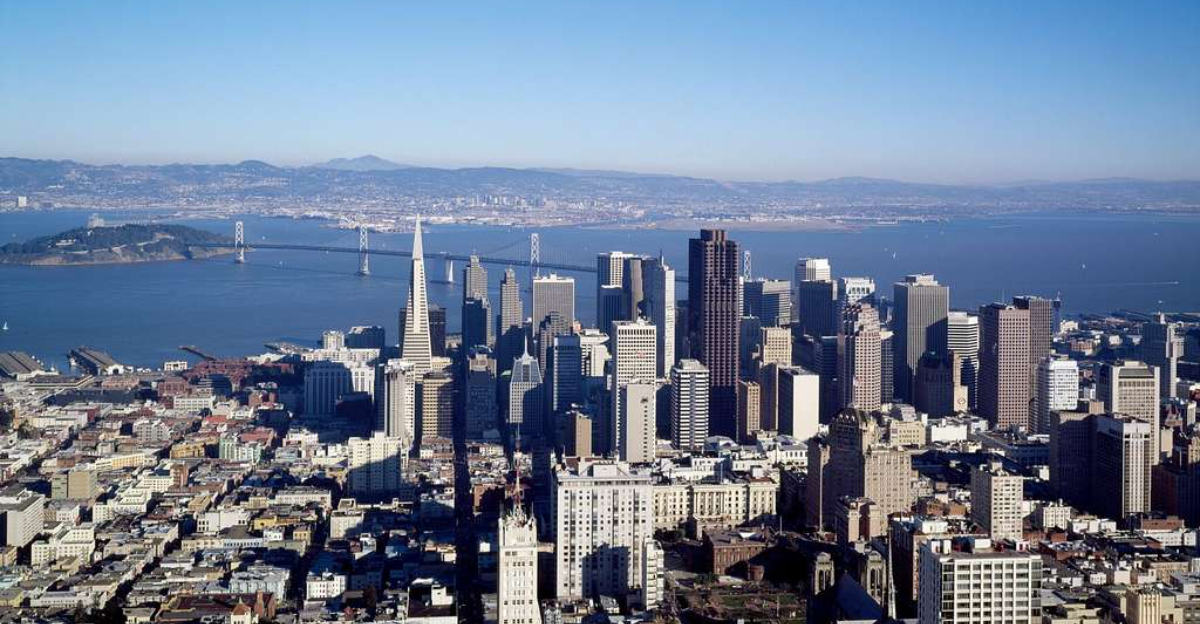
Not every destination rolls out the red carpet for visitors.
Some American cities have earned a reputation for being less than welcoming to tourists, whether through cold interactions with locals, aggressive panhandling, or just an overall unwelcoming vibe.
While these cities still offer attractions worth seeing, travelers should know what to expect before they arrive.
1. Los Angeles, California
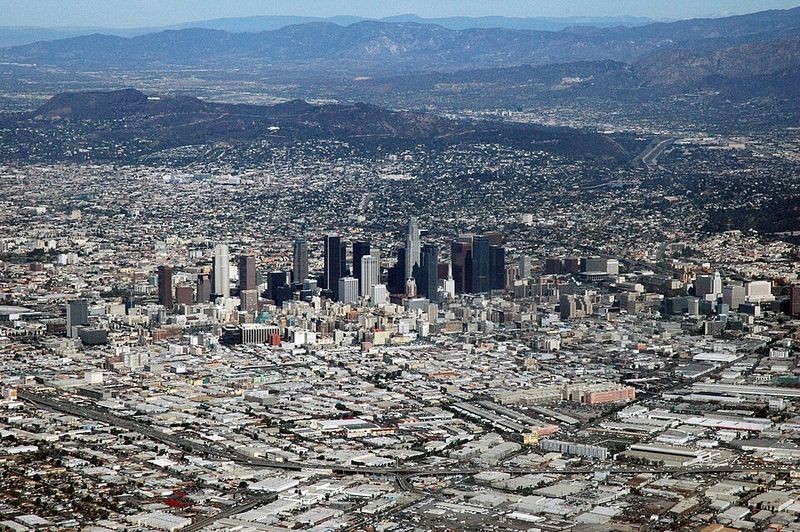
Hollywood glamour doesn’t always translate to warm welcomes.
Many visitors report that LA residents seem too busy or self-absorbed to help tourists find their way around the sprawling metropolis.
The car-centric culture makes it tough for out-of-towners who expect walkable neighborhoods and friendly street interactions.
Instead, you’ll find yourself navigating endless freeways where locals honk impatiently at rental cars moving too slowly.
Service workers in restaurants and shops sometimes come across as indifferent or dismissive.
The celebrity-obsessed culture can make regular tourists feel invisible, especially in trendy neighborhoods where appearances matter more than kindness.
2. Boston, Massachusetts
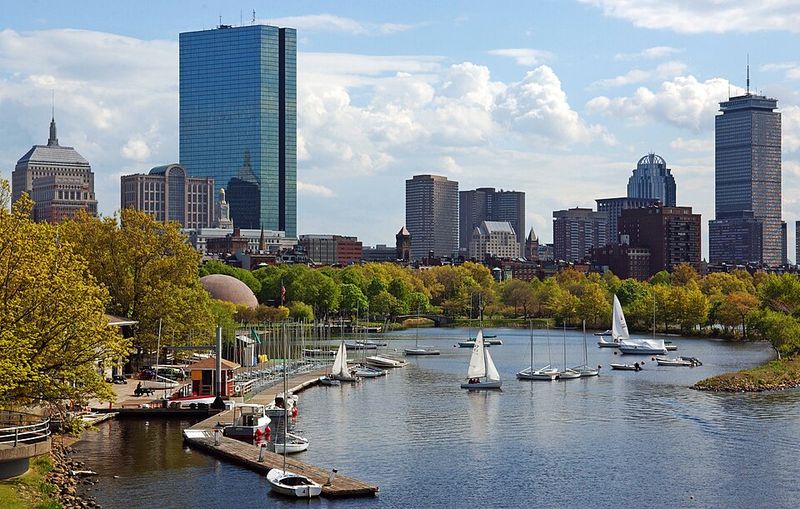
Bostonians have a reputation for being direct to the point of rudeness.
What locals consider straightforward communication often strikes visitors as downright harsh, leaving tourists feeling unwelcome in this historic city.
The thick local accent and rapid-fire speech patterns don’t help matters either.
When you ask for directions, you might get a quick response that’s hard to understand, delivered without a smile or patience for follow-up questions.
Sports culture dominates conversations here, and if you’re wearing the wrong team’s jersey, expect some pointed comments.
The city’s colonial charm can’t quite mask the brusque attitudes that make tourists feel like they’re intruding on local territory.
3. Philadelphia, Pennsylvania
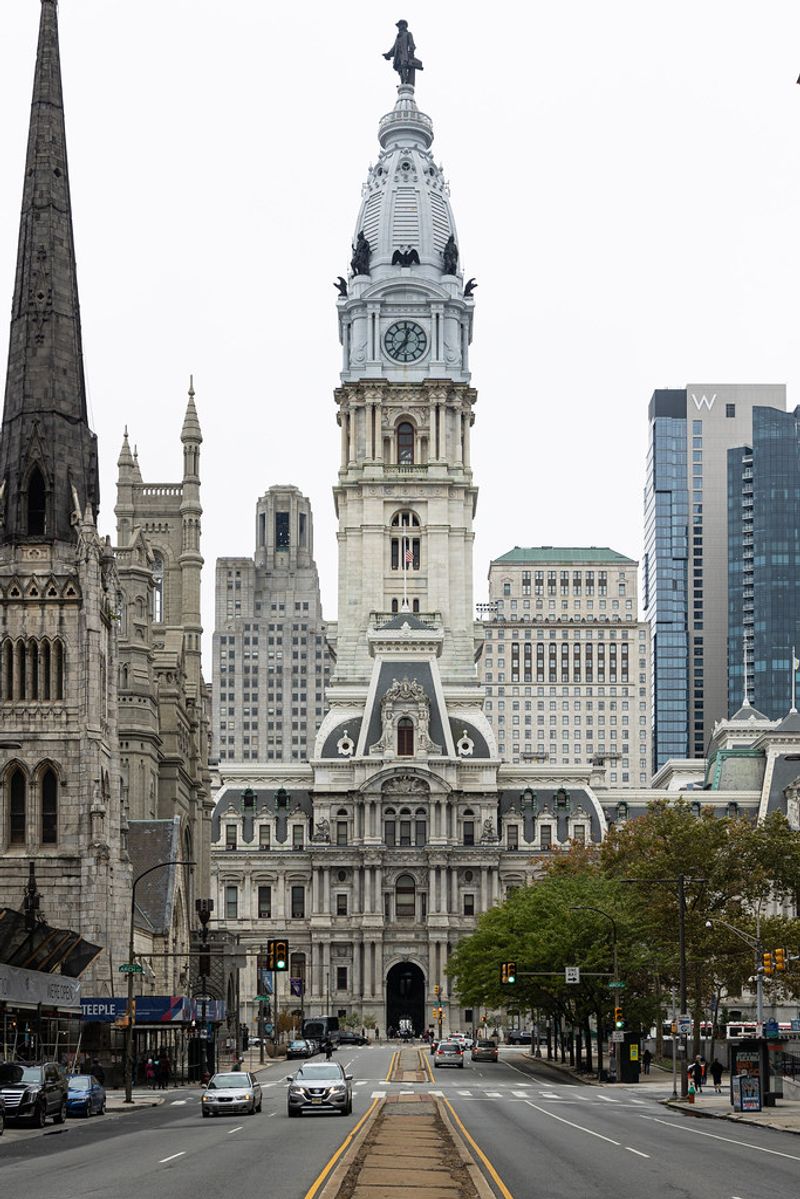
The City of Brotherly Love doesn’t always live up to its nickname.
Visitors frequently mention feeling like outsiders when interacting with Philadelphia residents who can be standoffish or even confrontational.
Sports fans here are notoriously passionate, which sometimes crosses the line into aggression toward tourists.
Even casual questions about getting to popular attractions can be met with eye rolls or curt responses that leave travelers feeling foolish.
The grittier neighborhoods near tourist spots create an uncomfortable atmosphere for families.
While the cheesesteaks are famous, the service at some iconic establishments has been described as intentionally rude, treating tourists like they should already know what to order.
4. Newark, New Jersey
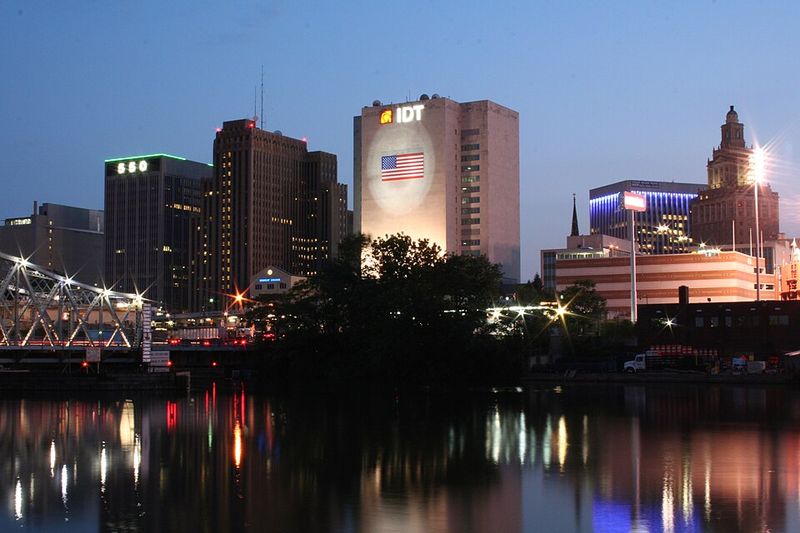
Most people only see Newark through an airplane window, and many locals think it should stay that way.
The city struggles with a reputation for being unwelcoming, with residents who seem perpetually annoyed by visitors asking questions.
High crime rates in certain areas make tourists genuinely nervous, and that tension affects interactions.
When you’re worried about safety, even neutral encounters with locals can feel threatening or unfriendly.
Service at hotels near the airport is often described as bare-minimum effort.
Staff members sometimes act put-out by simple requests, making business travelers and tourists alike feel like burdens rather than valued guests seeking assistance.
5. Oakland, California
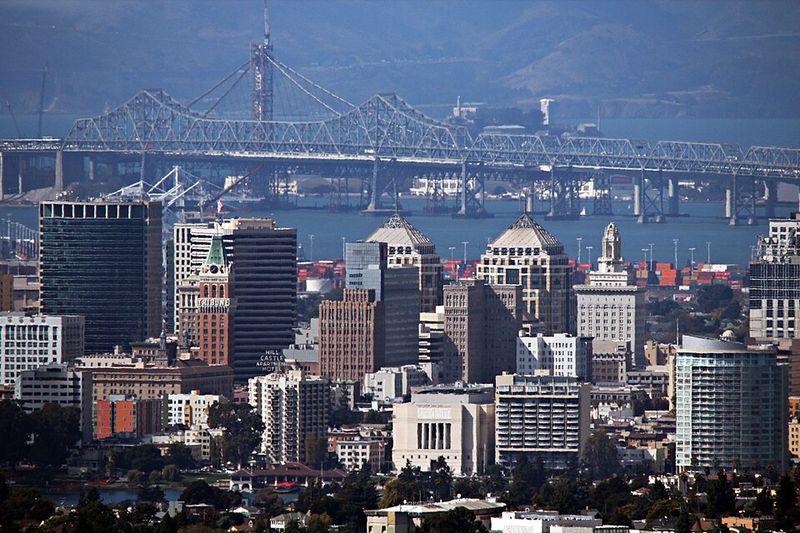
Living in San Francisco’s shadow hasn’t made Oakland friendlier to outsiders.
Tourists report getting cold stares when exploring neighborhoods, as if residents resent visitors who treat their city as a budget alternative to its famous neighbor.
The city’s ongoing gentrification creates tension that tourists can feel in the air.
Long-time residents sometimes view visitors as symbols of the changes pushing them out, leading to unwelcoming attitudes in shops and restaurants.
Even at popular spots like Jack London Square, the vibe can feel territorial.
Locals often keep to themselves, offering little help to confused tourists trying to navigate public transportation or find parking in unfamiliar areas.
6. San Francisco, California
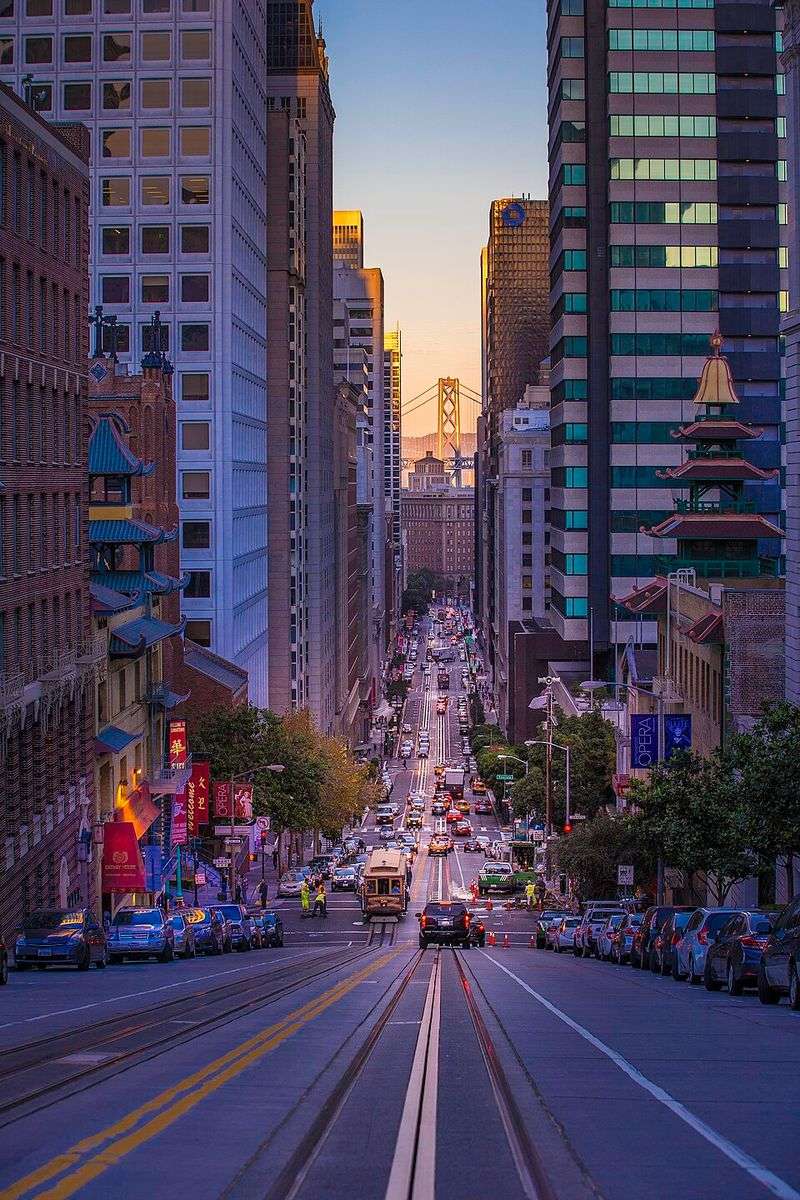
The tech boom transformed San Francisco into a city where long-time residents feel priced out and resentful.
That frustration sometimes gets directed at tourists, who locals assume are part of the problem driving up costs.
Aggressive panhandling near major attractions creates genuinely uncomfortable situations for visitors.
You’ll encounter more hostile requests for money here than in most American cities, making simple walks feel stressful rather than enjoyable.
Service industry workers often seem burned out and uninterested in providing good experiences.
The city’s famous progressive values don’t always translate to warm hospitality, especially when locals are struggling with housing costs and long commutes.
7. New York, New York
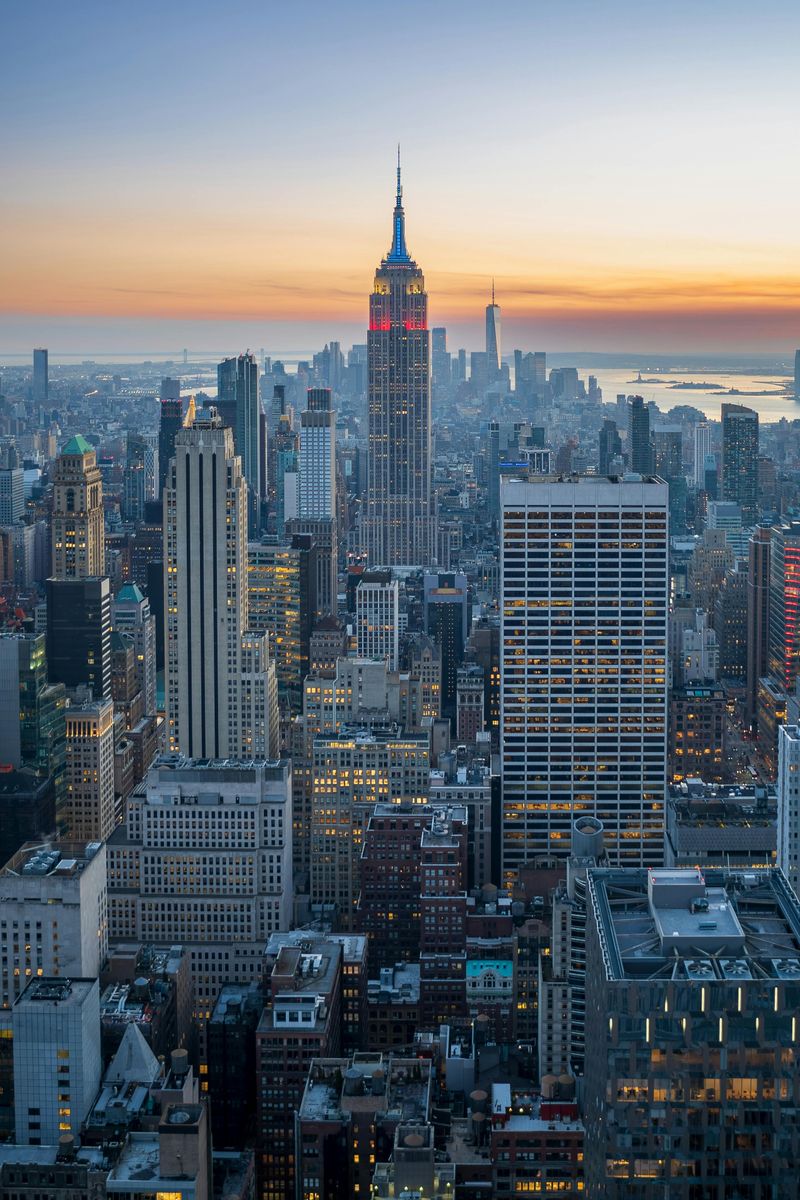
Everyone’s in a hurry in the city that never sleeps, and tourists moving slowly are seen as obstacles.
New Yorkers have perfected the art of looking right through visitors, making it clear they have no time for questions or small talk.
The infamous subway system becomes a battleground during rush hour.
Locals shove past tourists trying to figure out which train to take, muttering complaints about people blocking the turnstiles or stopping at the bottom of stairs.
Restaurant servers and shop workers can be brusque to the point of rudeness.
While some tourists find this directness refreshing, many leave feeling like they were more of an annoyance than paying customers deserving basic courtesy.
8. Detroit, Michigan
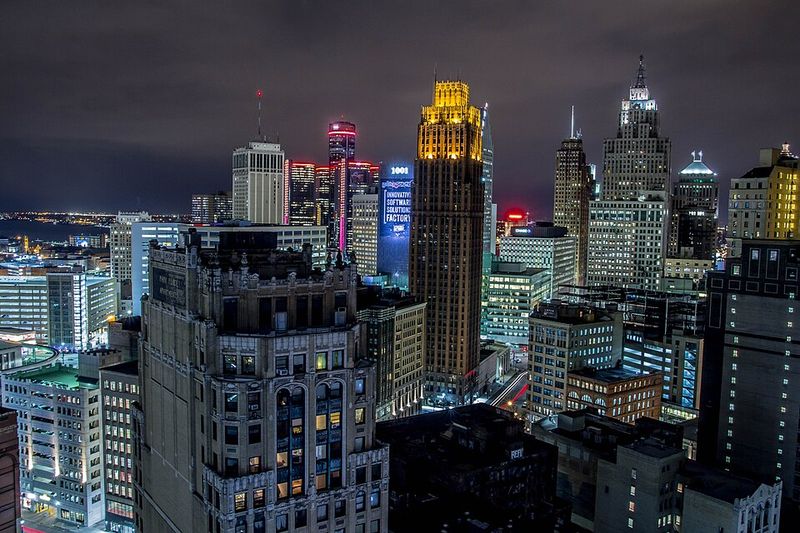
Economic hardship has left many Detroit residents understandably wary of outsiders.
Tourists sometimes report feeling unwelcome in a city where locals are focused on survival rather than hospitality, creating awkward interactions throughout their visit.
The stark contrast between revitalized downtown areas and struggling neighborhoods is jarring.
When tourists venture beyond the carefully curated entertainment districts, they often encounter residents who view them as poverty tourists rather than genuine visitors.
Service at restaurants and hotels can feel perfunctory at best.
Staff members sometimes seem surprised that tourists chose Detroit as a destination, leading to interactions that lack enthusiasm or helpfulness when providing recommendations.
9. Chicago, Illinois
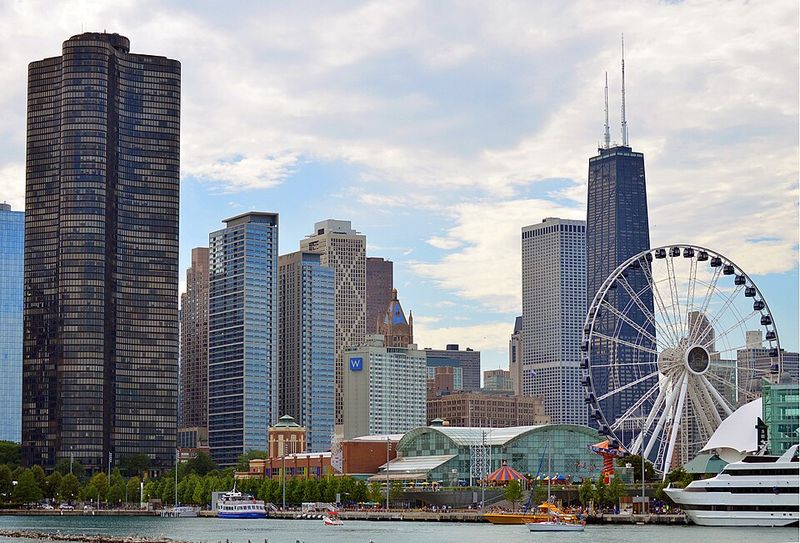
The Windy City’s nickname applies to more than just the weather.
Chicago residents can blow cold when dealing with tourists, especially during harsh winters when locals are already in survival mode and have little patience for visitors.
Neighborhood pride runs deep here, sometimes manifesting as territorial attitudes toward outsiders.
Ask the wrong question in the wrong neighborhood, and you might get a response that makes you feel like you’re trespassing rather than exploring.
Service industry workers often treat tourists as interruptions to their conversations with regulars.
The famous deep-dish pizza spots sometimes have staff who act like they’re doing you a favor by serving you, creating an unwelcoming atmosphere.
10. Seattle, Washington
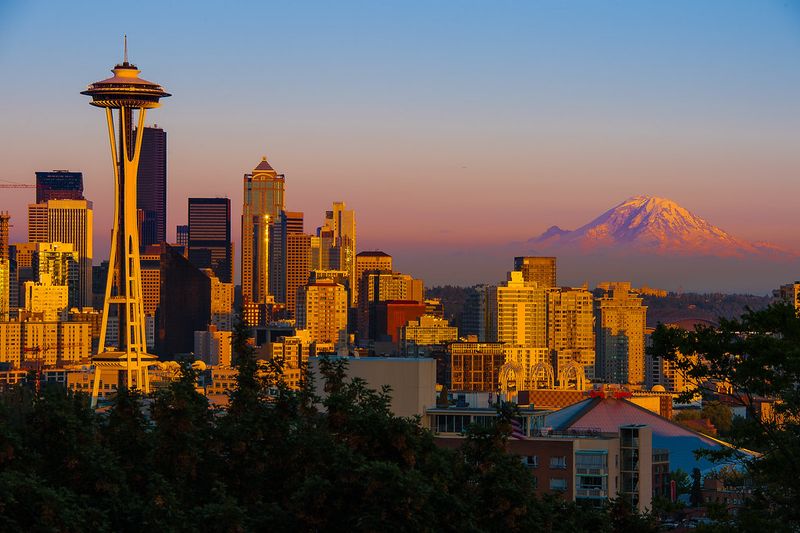
The famous Seattle Freeze is real, and tourists feel it immediately.
Locals are polite on the surface but maintain an emotional distance that makes genuine connections nearly impossible, leaving visitors feeling isolated in crowded spaces.
Coffee shop culture dominates, but even baristas seem reserved and uninterested in chatting with out-of-towners.
You’ll get your latte efficiently but without the warmth or recommendations you might expect from a city built on coffee culture.
The tech industry influx has created resentment among long-time residents who now view all newcomers with suspicion.
Tourists get lumped into this category, experiencing standoffish behavior that contradicts the Pacific Northwest’s reputation for laid-back friendliness.