 MomSkoop
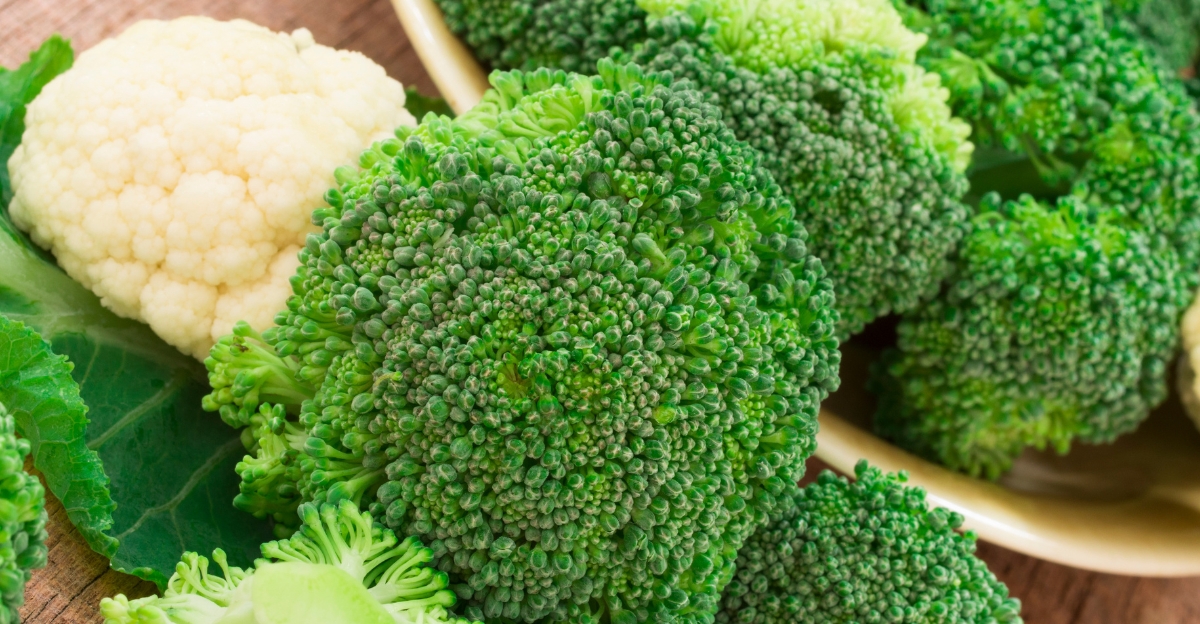
Winter brings chilly days and cozy nights, but it also delivers some of the healthiest vegetables that can help your body fight inflammation.
Inflammation is your body’s natural response to injury or illness, but too much of it can lead to health problems.
Luckily, many winter vegetables are packed with vitamins, minerals, and antioxidants that work like tiny superheroes to keep inflammation under control.
Adding these colorful veggies to your meals is a delicious way to stay healthy all season long.
1. Cabbage (Including Purple Cabbage)
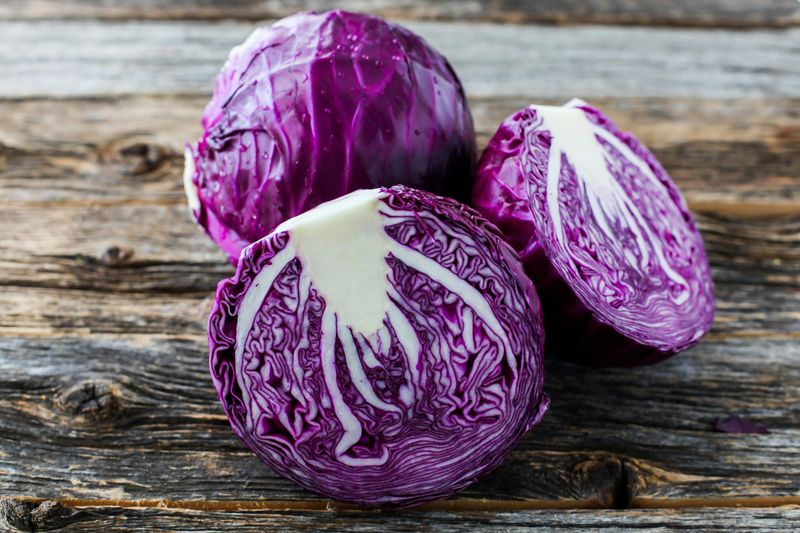
Crunchy, affordable, and surprisingly powerful, cabbage deserves a starring role on your winter plate.
This humble vegetable contains compounds called anthocyanins, especially in purple varieties, which give it that gorgeous color and help calm inflammation throughout your body.
You can shred it into coleslaw, add it to soups, or even roast it until crispy.
Cabbage is also loaded with vitamin C and fiber, both essential for keeping your immune system strong during cold months.
A single cup provides more than half your daily vitamin C needs.
Plus, it stays fresh in your fridge for weeks, making it a budget-friendly choice for families.
2. Carrots
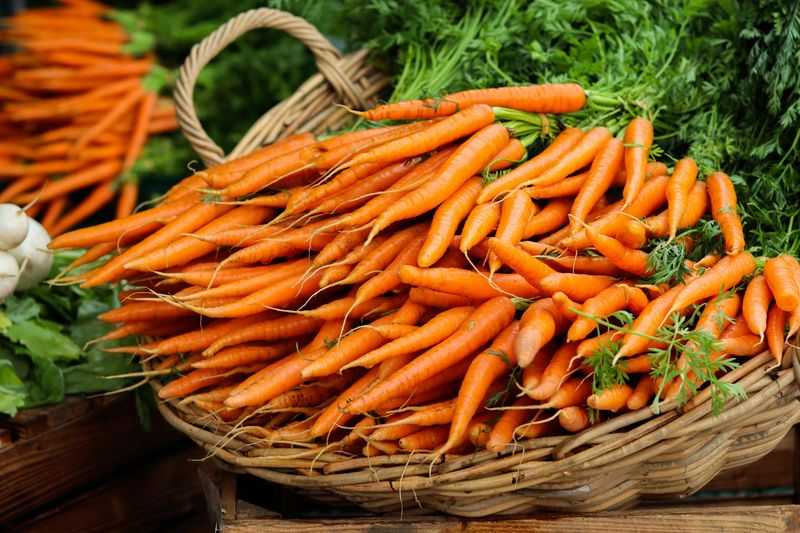
Bright orange and naturally sweet, carrots make fighting inflammation taste like a treat rather than a chore.
Beta-carotene gives carrots their signature color and converts to vitamin A in your body, helping reduce harmful inflammation markers.
Whether you munch them raw, roast them with honey, or blend them into soup, carrots deliver serious health benefits.
Their natural sweetness makes them kid-friendly, too.
One medium carrot contains over 200 percent of your daily vitamin A requirement.
They’re perfect for snacking, and their fiber content keeps you feeling full between meals while supporting digestive health throughout winter.
3. Leafy Greens (Kale, Spinach, Swiss Chard)
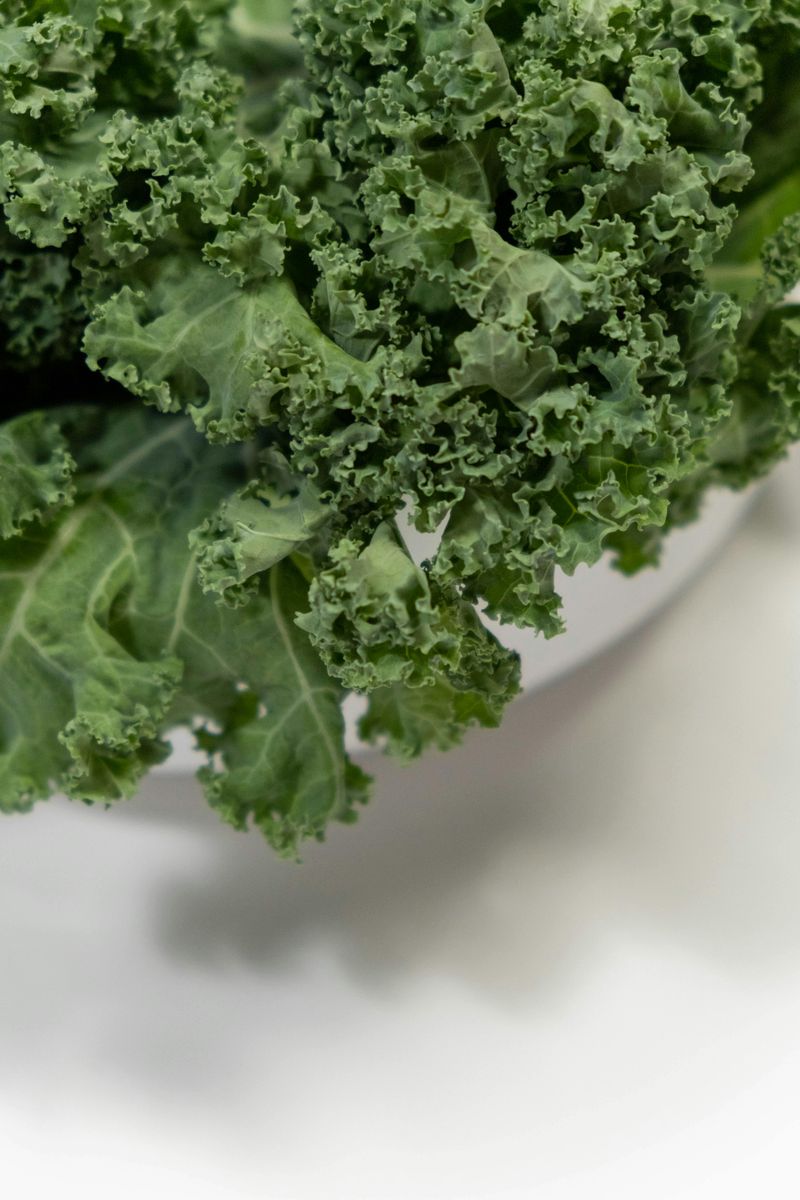
Dark, leafy greens pack more nutrition per bite than almost any other food group, making them inflammation-fighting champions.
Kale, spinach, and Swiss chard overflow with vitamins K, A, and C, plus minerals like magnesium that help your body manage inflammatory responses.
Their deep green color signals high levels of antioxidants working to protect your cells.
Spinach wilts beautifully into pasta dishes or smoothies, while kale chips make a crispy snack.
Swiss chard adds gorgeous rainbow colors to any meal.
These greens stay hearty during winter months and actually taste sweeter after a frost hits them, making cold weather the perfect time to enjoy them.
4. Brussels Sprouts
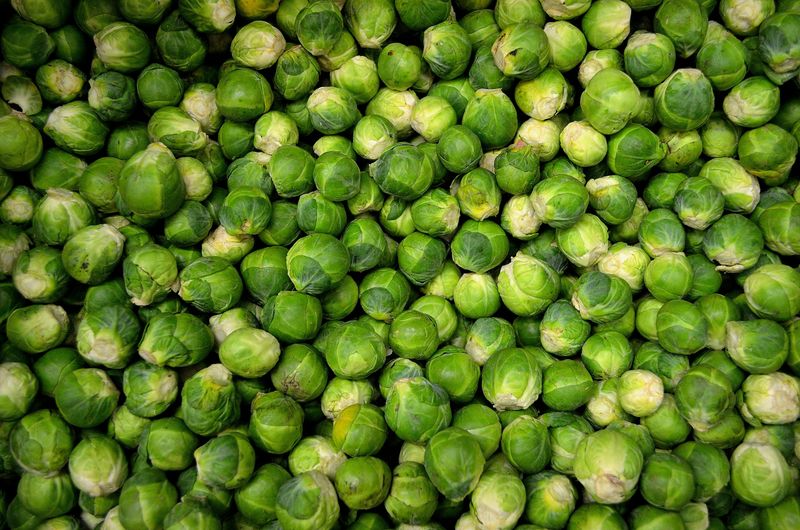
These mini cabbages might have a bad reputation from childhood dinners, but roasted Brussels sprouts are crispy, nutty, and absolutely delicious.
They contain kaempferol, a powerful antioxidant that research shows helps decrease inflammation and may even protect against certain diseases.
Give them another chance by roasting them with olive oil and a sprinkle of salt.
Brussels sprouts grow best in cold weather, making them a true winter vegetable superstar.
They provide excellent amounts of vitamin C and vitamin K, both crucial for managing inflammation.
One cup delivers over 100 percent of your daily vitamin K needs, supporting bone health alongside their anti-inflammatory benefits.
5. Beets
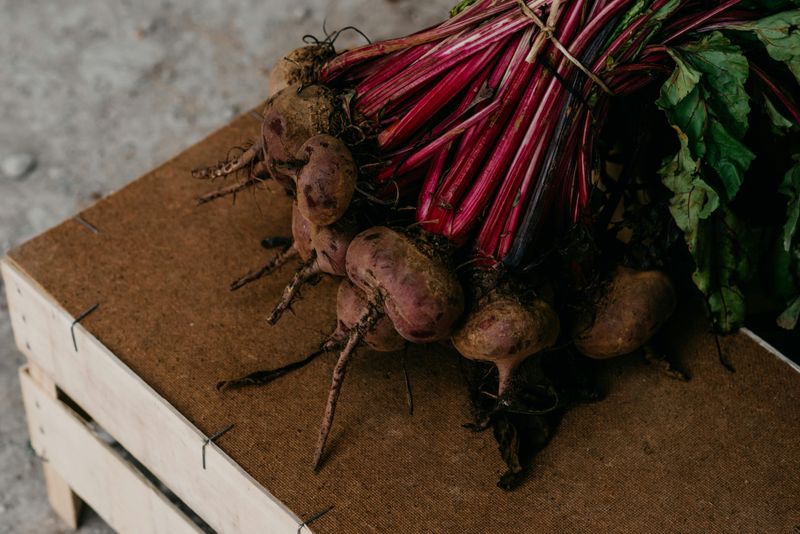
With their stunning deep red color and earthy sweetness, beets bring both beauty and health benefits to winter meals.
Betalains give beets their rich pigment and act as potent anti-inflammatory compounds that help your body fight oxidative stress.
Roast them, pickle them, or blend them into smoothies for a nutritious boost.
Beets also contain nitrates that convert to nitric oxide in your body, improving blood flow and reducing inflammation in blood vessels.
Both the root and the leafy greens are edible and nutritious.
Their natural sugars make them surprisingly satisfying, and they store well throughout winter, staying firm and flavorful for months in cool storage.
6. Cauliflower
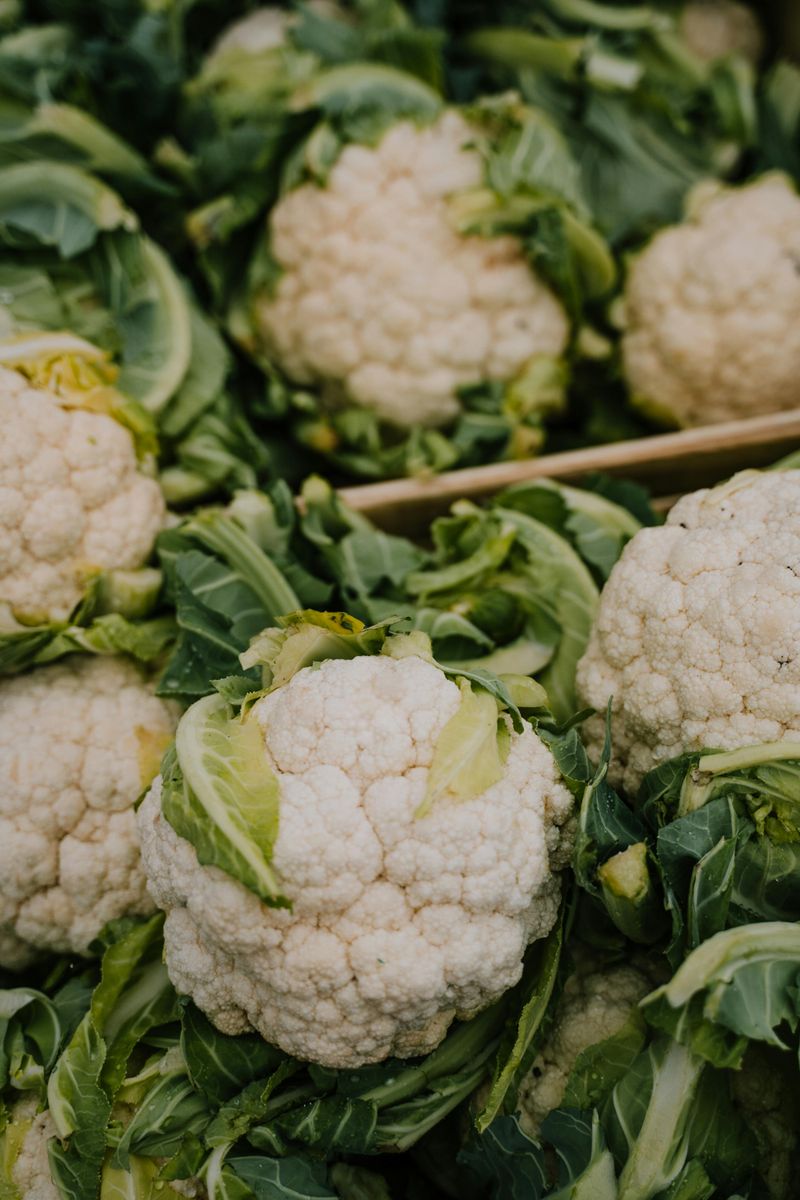
Mild-flavored and incredibly versatile, cauliflower transforms into everything from pizza crust to mashed potato substitutes while quietly fighting inflammation.
This white vegetable contains sulforaphane, a compound that activates your body’s natural anti-inflammatory defenses.
It also provides plenty of vitamin C and fiber without many calories, making it perfect for healthy winter eating.
Cauliflower comes in fun colors too, including purple, orange, and green varieties that add visual interest to meals.
You can roast it until golden, steam it for a simple side, or rice it for grain-free dishes.
Its neutral taste absorbs flavors beautifully, letting you season it however your family prefers while still getting all those inflammation-fighting benefits.
7. Broccoli
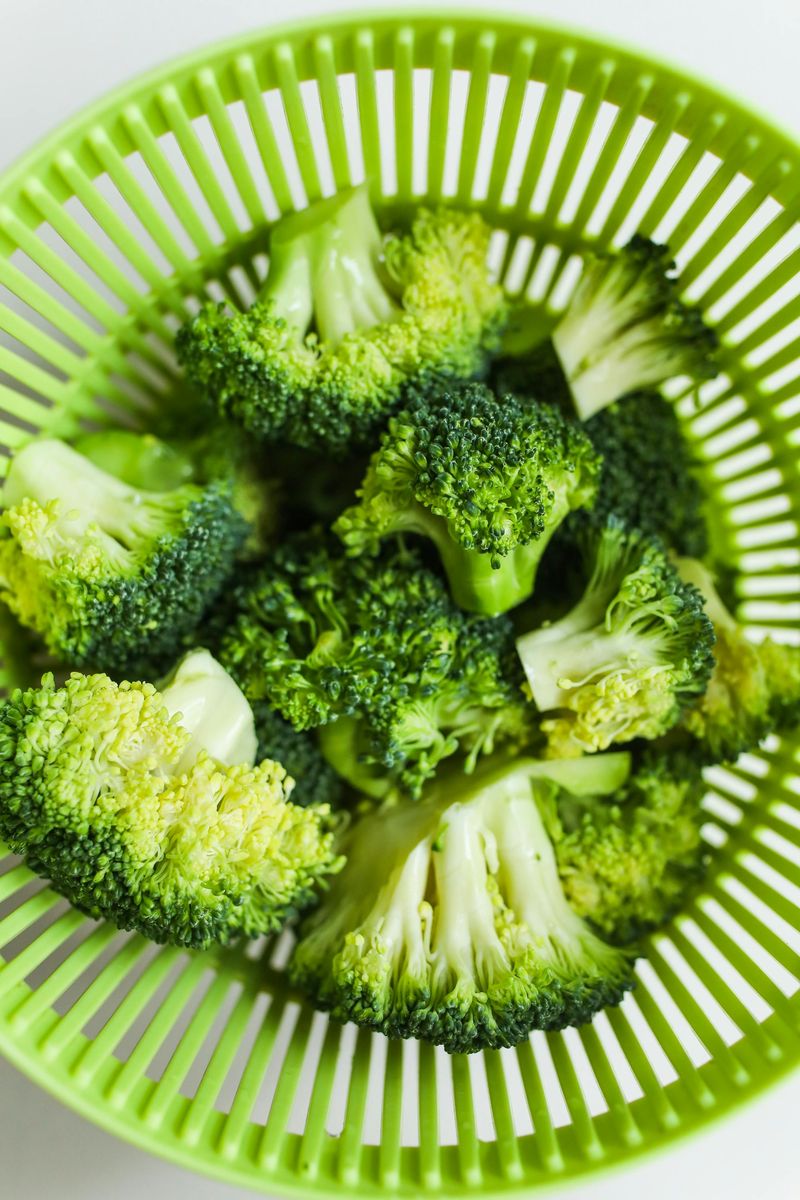
Looking like tiny trees on your plate, broccoli delivers serious anti-inflammatory power in every green floret.
Rich in sulforaphane and vitamin C, this cruciferous vegetable helps your body produce enzymes that reduce inflammation and protect against cellular damage.
Kids might call them little trees, but adults recognize them as nutritional powerhouses.
Broccoli thrives in cooler weather, making it a winter garden favorite.
Steam it lightly to preserve nutrients, roast it for crispy edges, or eat it raw with dip for maximum crunch.
Just one cup provides more than your entire daily vitamin C requirement.
The stems are edible too and contain just as many nutrients as the florets people usually prefer.
8. Bell Peppers
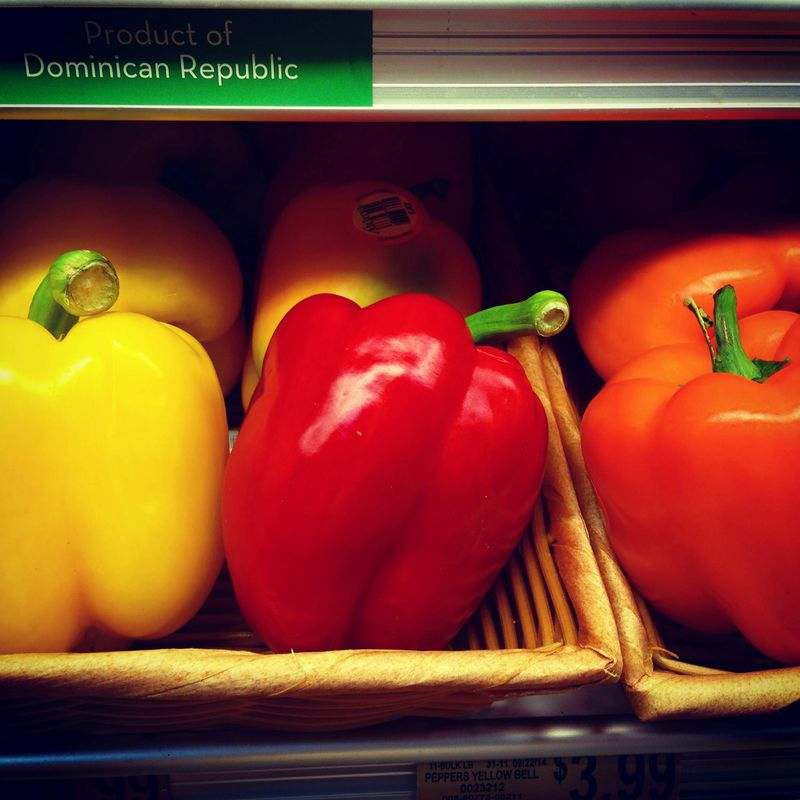
Colorful bell peppers brighten winter meals while delivering impressive anti-inflammatory benefits that protect your health.
Available in red, yellow, orange, and green, these crunchy vegetables contain quercetin and other antioxidants that help calm inflammation throughout your body.
Red peppers contain the most nutrients since they’re fully ripened, offering triple the vitamin C of oranges.
Their sweet, crisp texture makes them perfect for raw snacking or cooking in stir-fries and fajitas.
Bell peppers store well in refrigerators and add gorgeous color to gray winter days.
They’re also incredibly versatile, working in everything from breakfast omelets to dinner casseroles while consistently providing vitamins A and C that support your immune system.
9. Garlic
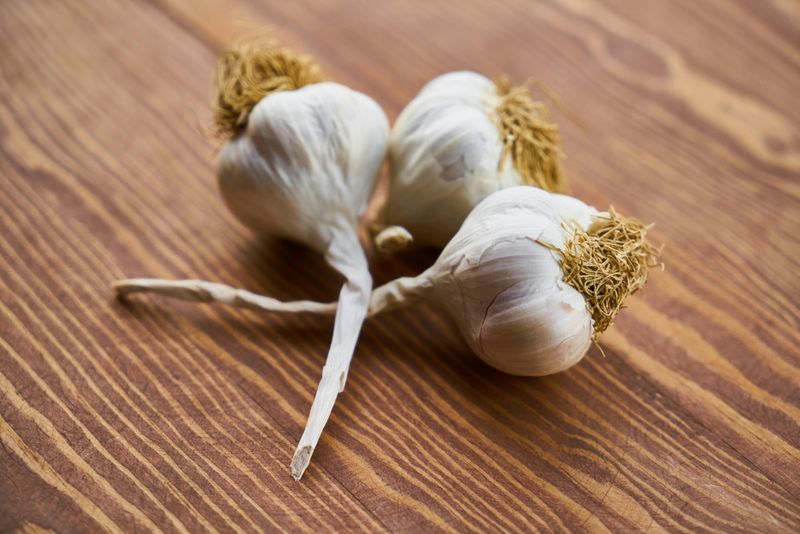
Small but mighty, garlic cloves pack incredible anti-inflammatory punch despite their tiny size.
Allicin, the compound that gives garlic its distinctive smell, works powerfully to reduce inflammation and boost immune function during cold and flu season.
Adding garlic to your cooking not only makes food taste amazing but also helps protect your health with every savory bite.
Garlic has been used as medicine for thousands of years across many cultures, and modern science confirms its benefits.
Crushing or chopping garlic before cooking activates its beneficial compounds.
You can roast whole bulbs until soft and spreadable, mince it into sauces, or add it to soups for depth of flavor and health benefits that last all winter long.
10. Spinach
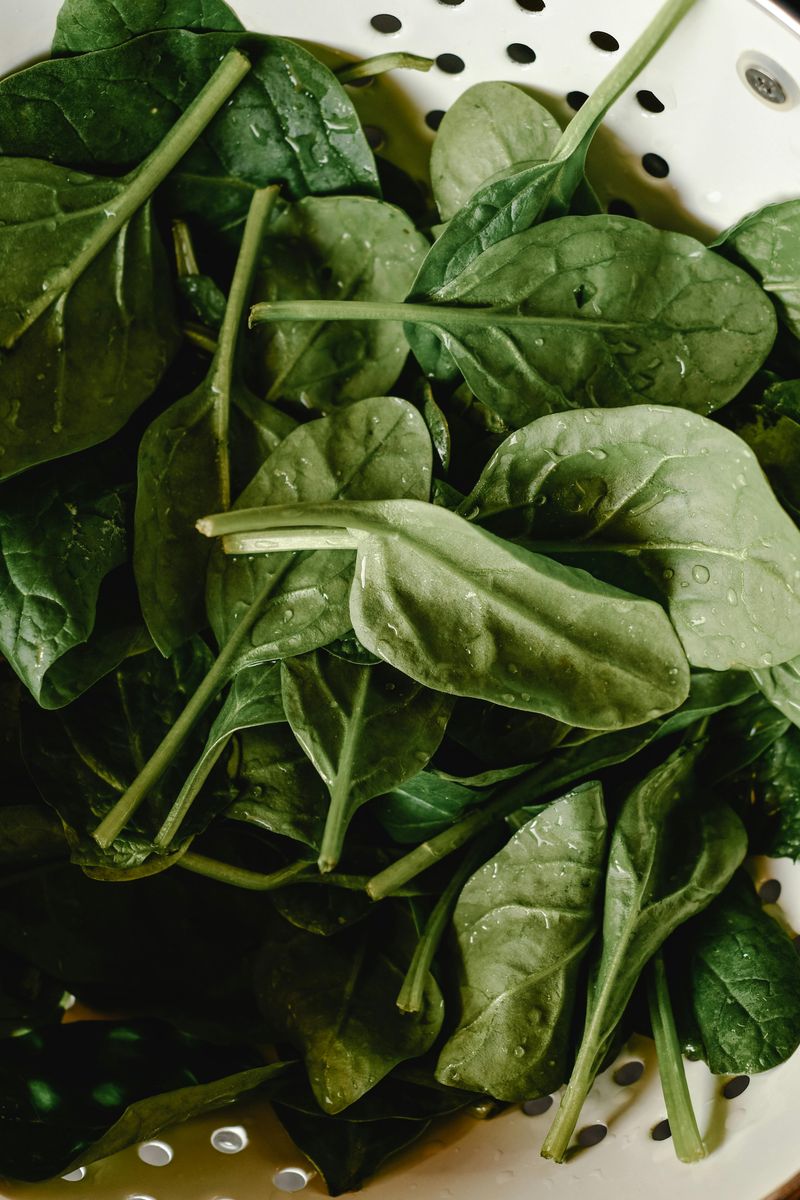
Tender and mild-tasting, spinach sneaks nutrition into meals without overwhelming flavors or textures that picky eaters might reject.
This leafy green contains flavonoids and carotenoids that work together to reduce inflammation markers in your bloodstream.
Popeye was onto something when he chose spinach as his power food, though its real benefits go far beyond cartoon muscles.
Baby spinach leaves taste sweeter and more delicate than mature leaves, making them perfect for salads and smoothies.
You can also sauté spinach with garlic for a quick side dish that wilts down considerably, letting you eat more in smaller portions.
Just one cup of cooked spinach provides over 600 percent of your daily vitamin K needs, supporting both bone health and inflammation control throughout winter.