 MomSkoop
Your local thrift store might be hiding valuable Christmas treasures that collectors actively search for year-round.
Many people donate holiday decorations without realizing their worth, creating opportunities for smart shoppers to discover rare finds at bargain prices.
From vintage ornaments to ceramic villages, certain Christmas collectibles have grown significantly in value over the decades.
Keep reading to learn which festive items deserve a second look during your next thrift store adventure.
1. Vintage Shiny Brite Ornaments
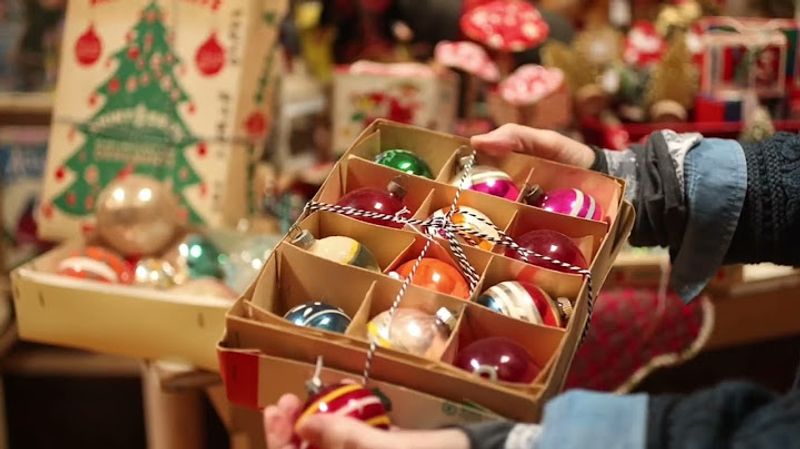
America fell in love with Shiny Brite ornaments during the 1940s when Max Eckardt brought affordable glass decorations to every household.
The company revolutionized Christmas by making beautiful ornaments accessible to families who previously couldn’t afford expensive imports.
Look for ornaments with vibrant colors, mica glitter, and hand-painted details.
Original boxes increase value dramatically, sometimes doubling what loose ornaments fetch.
Collectors particularly seek unsilvered ornaments with painted scenes or stripes.
Check carefully for the Shiny Brite label or patent numbers stamped on the metal caps.
Prices range from five dollars for common designs to over one hundred dollars for rare patterns in mint condition.
2. Department 56 Christmas Village Pieces
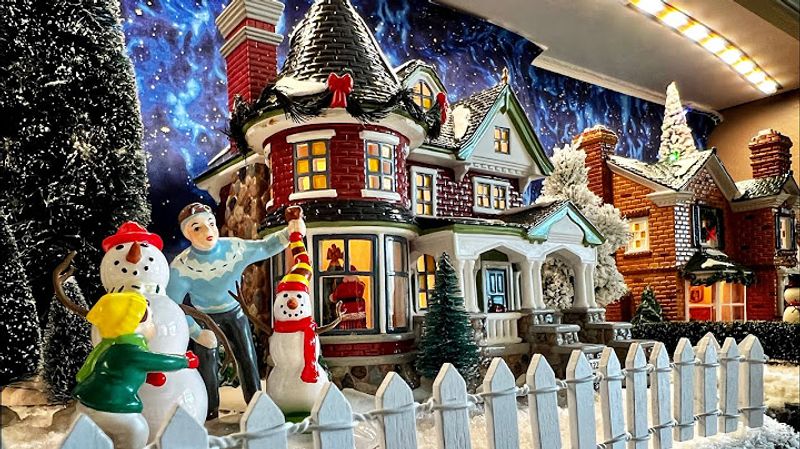
Starting in 1976, Department 56 created miniature worlds that transformed holiday decorating forever.
Collectors build entire towns using these ceramic buildings, each telling its own story through intricate architectural details and charming characters.
Retired pieces command premium prices, especially from popular series like Dickens Village or Snow Village.
Original packaging and light cords boost value considerably.
Some rare buildings sell for hundreds or even thousands of dollars.
Examine pieces carefully for chips or cracks before purchasing.
Check underneath for authentic stamps and dates.
Even common buildings typically resell for twenty to fifty dollars, making them worthwhile thrift store purchases.
3. Hallmark Keepsake Ornaments
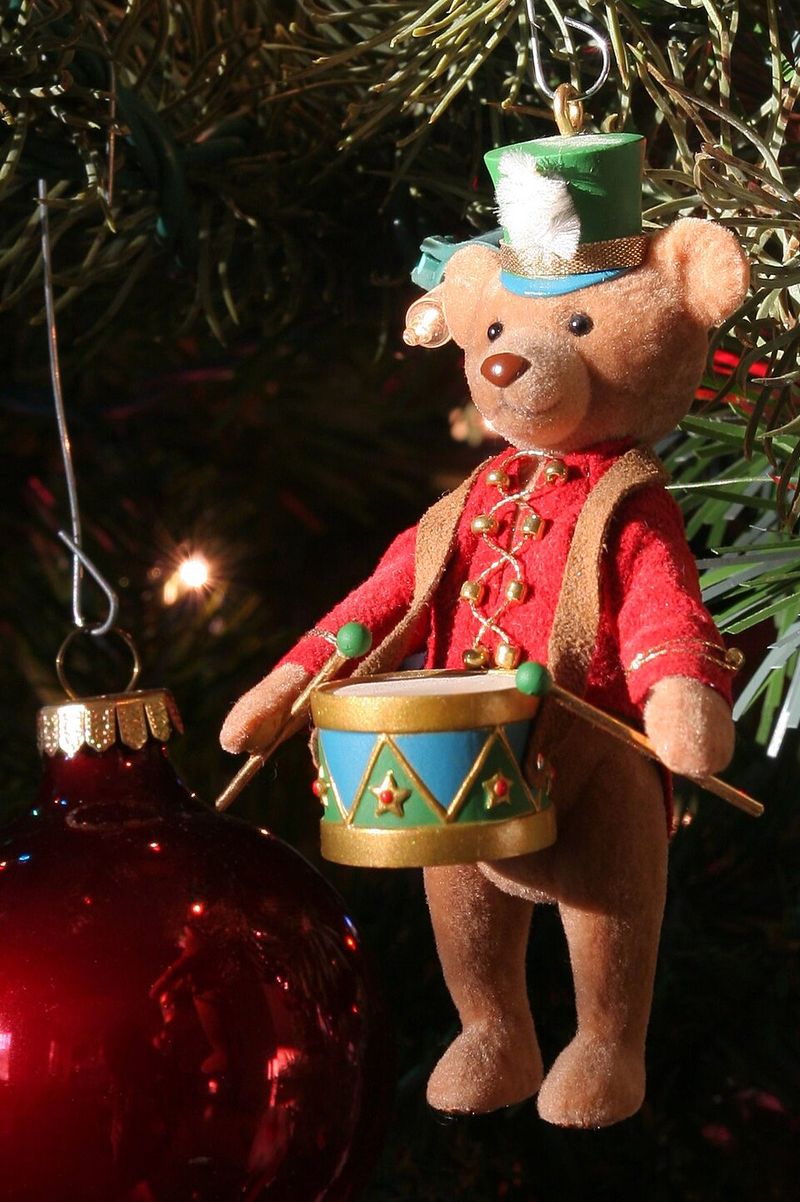
Since 1973, Hallmark has produced ornaments that capture cultural moments and beloved characters.
Early editions, particularly from the first decade, have become serious collectibles worth significant money to dedicated enthusiasts.
First-in-series ornaments hold special appeal because collectors want complete sets.
Look for popular themes like Star Wars, Disney characters, or classic cars.
Condition matters tremendously—ornaments with original boxes and working features command top dollar.
Some rare ornaments fetch several hundred dollars at auction.
Check online databases to identify valuable pieces before buying.
Even damaged boxes are worth keeping since they verify authenticity and production year for potential buyers.
4. Christopher Radko Glass Ornaments
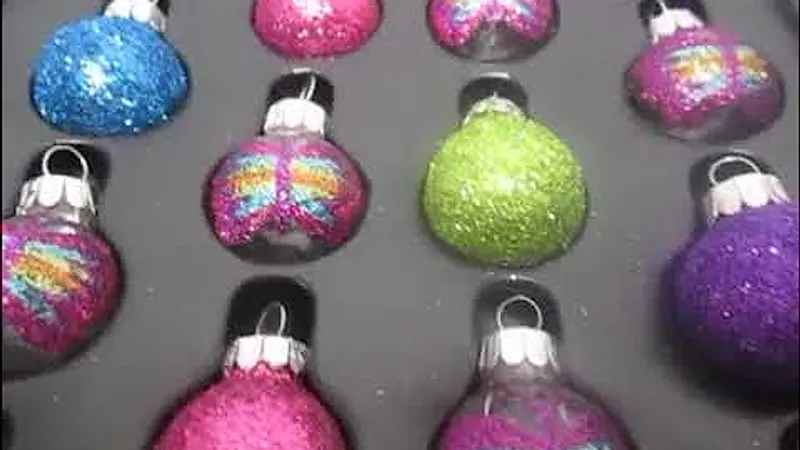
When Christopher Radko accidentally destroyed his family’s heirloom ornaments in 1983, he sparked a renaissance in handcrafted glass decorations.
His European-made ornaments brought back old-world craftsmanship that had nearly disappeared from American homes.
Each ornament features hand-blown glass and detailed painting by skilled artisans.
Retired designs appreciate steadily, with some limited editions worth several hundred dollars today.
Authentic Radko ornaments include a signature tag with registration numbers.
Look for vibrant colors, dimensional shapes, and exceptional glitter work.
Even common designs typically resell for thirty to seventy dollars, while rare pieces command much more among serious collectors.
5. Vintage Ceramic Christmas Trees
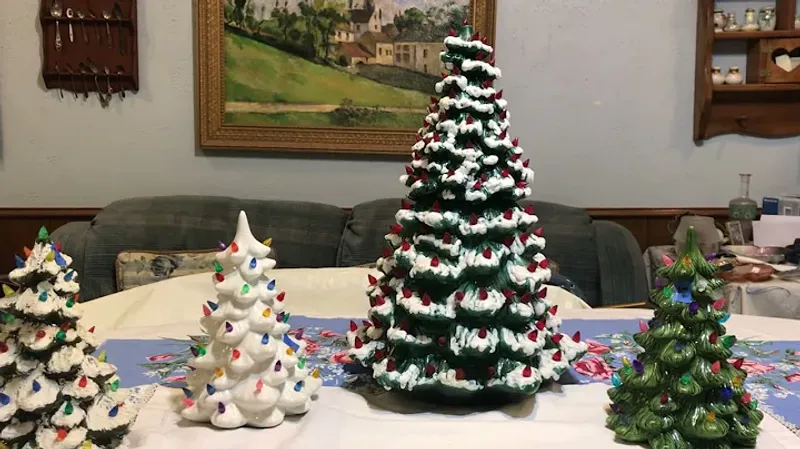
Grandmothers across America crafted these glowing trees in ceramics classes during the 1970s.
What began as simple craft projects has transformed into one of the hottest vintage Christmas collectibles today.
The magic happens when you light them up—colorful plastic bulbs create a warm, nostalgic glow that instantly transports you back decades.
Larger trees with original bulbs and working lights are especially desirable.
Green remains the classic color, but white, pink, and other hues attract premium prices.
Check for cracks and missing bulbs before purchasing.
Complete sets with matching bases and stars are worth more.
Prices vary wildly depending on size and condition, ranging from fifteen dollars to several hundred.
6. Lenox Holiday Dinnerware
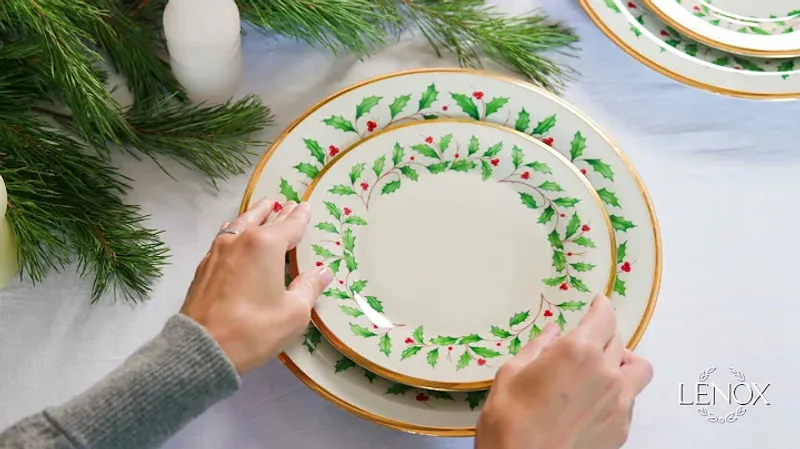
Lenox introduced their Holiday pattern in 1974, and it quickly became America’s favorite Christmas dinnerware.
The cheerful holly and berry design appears on everything from dinner plates to serving pieces, creating cohesive holiday table settings.
This fine china maintains strong resale value because people constantly need replacement pieces for broken items.
Complete place settings, serving platters, and specialty pieces like gravy boats are always in demand.
Inspect items carefully for chips, cracks, or faded gold trim.
Older pieces marked “Made in USA” sometimes command higher prices than newer imports.
Even single plates typically sell for ten to twenty dollars, making thrift store finds profitable.
7. Waterford Crystal Ornaments
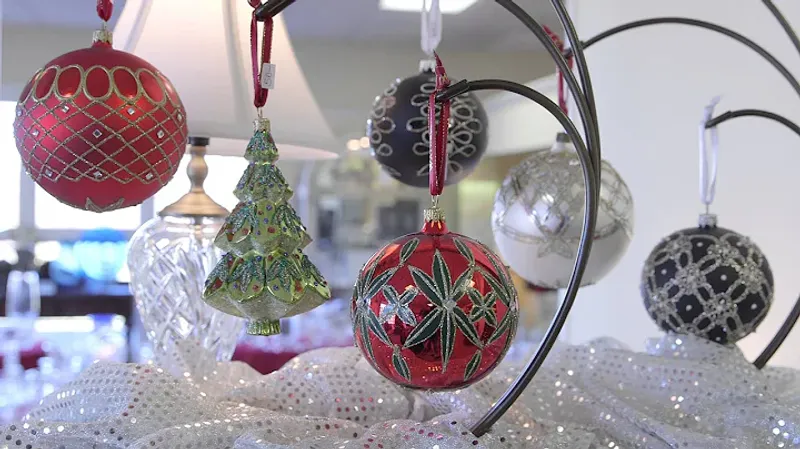
Irish craftsmanship meets holiday elegance in Waterford’s stunning crystal ornaments.
Each piece showcases the company’s legendary cutting techniques, creating dazzling reflections that dance across Christmas trees.
Annual editions and commemorative pieces attract dedicated collectors who track down missing years to complete their sets.
The weight and clarity of genuine Waterford crystal distinguishes it from imitations immediately.
Look for the acid-etched Waterford signature on each piece.
Original boxes, certificates, and packaging significantly increase value.
While newer ornaments retail for sixty to one hundred dollars, finding them at thrift stores for a fraction of that price makes them excellent investment purchases for reselling or personal collections.
8. Fontanini Nativity Figurines
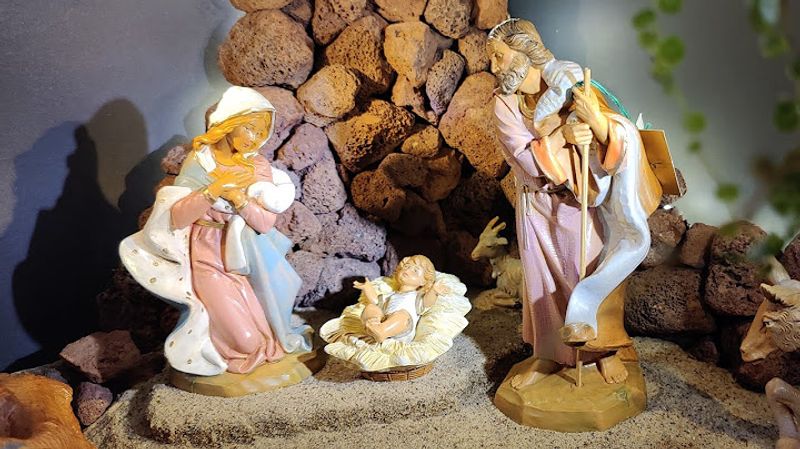
For over a century, the Fontanini family in Italy has created nativity figures that bring the Christmas story to life.
Their polymer figures feature remarkable detail and durability that ceramic pieces cannot match.
Collectors build elaborate nativity scenes over years, adding shepherds, animals, and buildings to create miniature Bethlehem villages.
Older figures and retired pieces become increasingly valuable as enthusiasts search for specific characters to complete their displays.
Check the bottom of each figure for the Fontanini signature and copyright date.
Figures come in various sizes, with five-inch scale being most popular.
Even common figures resell for fifteen to thirty dollars, while rare or retired pieces command much more.
9. Goebel Hummel Christmas Figurines
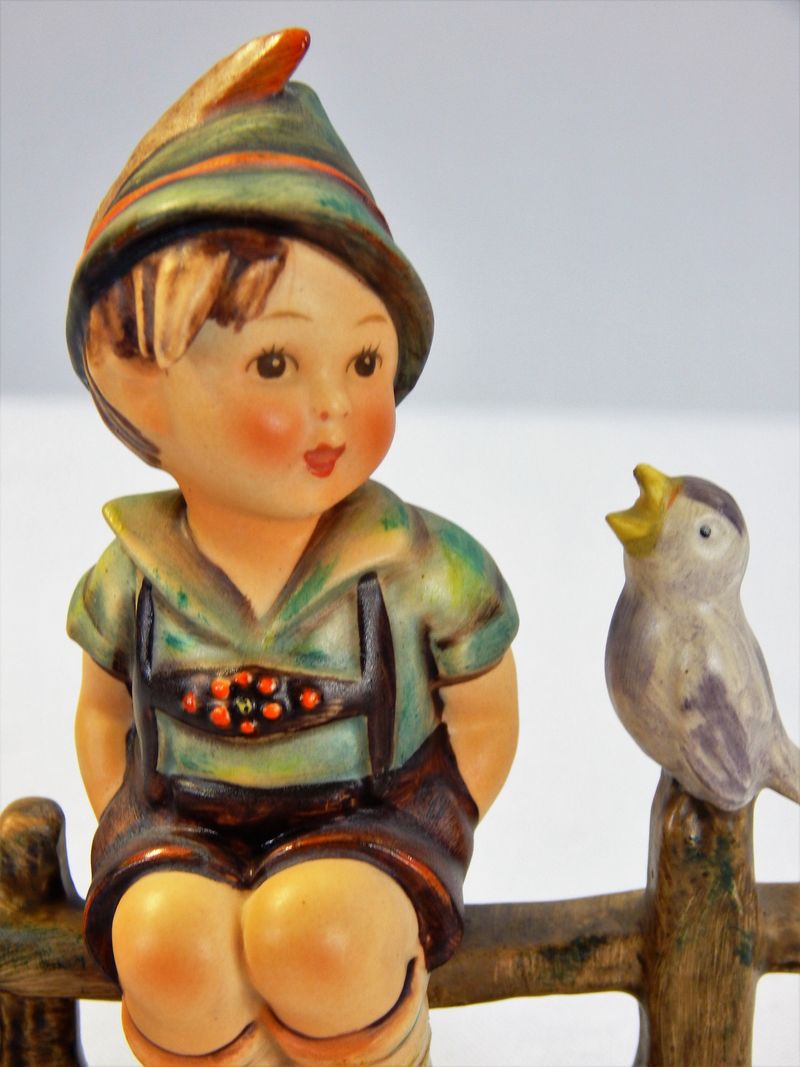
Sister Maria Innocentia Hummel’s drawings of cherubic children captured hearts worldwide when Goebel transformed them into porcelain figurines during the 1930s.
Christmas-themed Hummels became especially treasured, depicting children celebrating the holiday season.
Serious collectors track trademark symbols (TMK marks) to date pieces and determine value.
Earlier marks indicate older, more valuable figurines. Condition is critical—chips or repairs dramatically reduce worth.
Look for figurines with clear, vibrant colors and intact accessories like tiny instruments or baskets.
Prices vary enormously based on age and rarity.
Some common pieces sell for thirty dollars, while rare Christmas editions can reach several hundred dollars among dedicated Hummel enthusiasts.
10. Gurley Christmas Candles
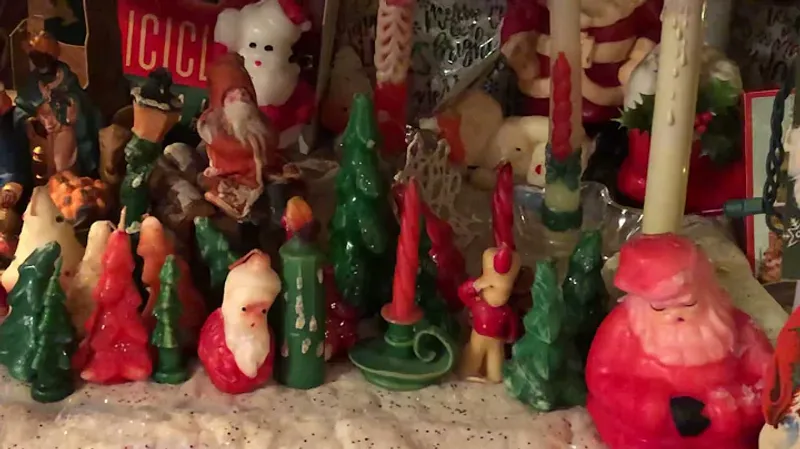
Most people who own vintage Gurley candles have never actually burned them.
The Gurley Novelty Company created whimsical figural candles from the 1940s through 1970s that were almost too cute to light.
Collectors seek pristine candles with original labels, unfaded colors, and no melting or damage.
Santa figures, choir boys, and snowmen are particularly popular.
The nostalgia factor drives demand among people remembering these decorations from childhood.
Examine candles carefully for cracks, fading, or missing labels.
Complete sets in original packaging are goldmines.
Individual candles typically sell for five to twenty dollars, while rare designs or boxed sets command significantly more from enthusiastic collectors.
11. Vintage Blow Molds
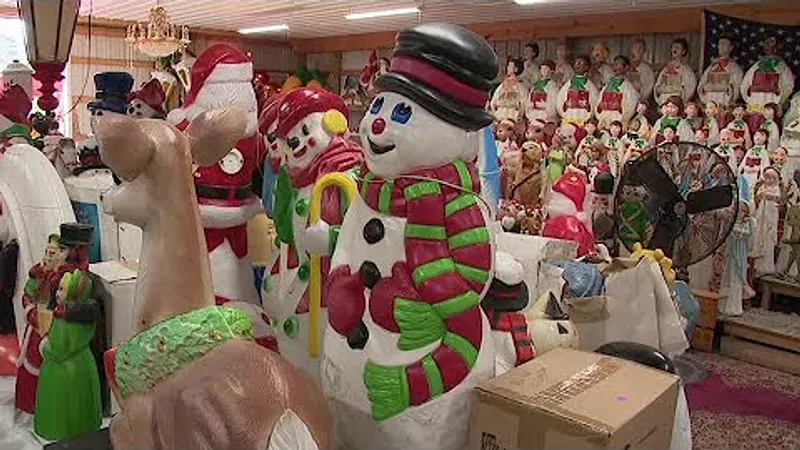
Nothing screams retro Christmas quite like glowing plastic yard decorations from the 1960s and 1970s.
Blow molds transformed American neighborhoods into winter wonderlands, with illuminated Santas and snowmen greeting visitors from every lawn.
Today’s collectors hunt these plastic treasures relentlessly, paying surprising amounts for pieces in excellent condition.
Large figures, rare characters, and unusual designs fetch premium prices.
Working lights and minimal fading increase value substantially.
Check for cracks, missing pieces, and faded colors before buying.
Some rare blow molds sell for hundreds of dollars, though common Santas and snowmen typically range from twenty to seventy dollars depending on size and condition.