 MomSkoop

Money slips through our fingers faster than we realize. Small purchases here and there add up quickly, leaving many people wondering where their paycheck went.
Understanding which everyday expenses drain your wallet the most can help you make smarter choices and keep more cash in your pocket.
1. Daily Coffee Shop Visits

Your morning latte habit might feel harmless, but it adds up faster than you think.
Spending five dollars every workday means dropping over 100 dollars monthly on coffee alone.
Brewing coffee at home costs pennies per cup and tastes just as good once you find your favorite blend.
Invest in a decent coffee maker and some quality beans instead.
You will save hundreds each year while still enjoying your caffeine fix.
Save the coffee shop trips for special occasions or weekend treats.
Your bank account will thank you for this simple switch.
2. Eating Out Too Often

Convenience comes at a steep price when you constantly order takeout or hit up restaurants.
A single meal out can cost what groceries for three home-cooked dinners would.
Restaurant markups are huge, especially on drinks and appetizers.
Learning basic cooking skills saves serious cash over time.
Meal planning and grocery shopping once weekly keeps you organized and reduces temptation.
Leftovers from home cooking provide easy lunches too.
Reserve dining out for birthdays or celebrations instead of making it your default option.
Your wallet and waistline will both improve.
3. Subscription Services Nobody Uses
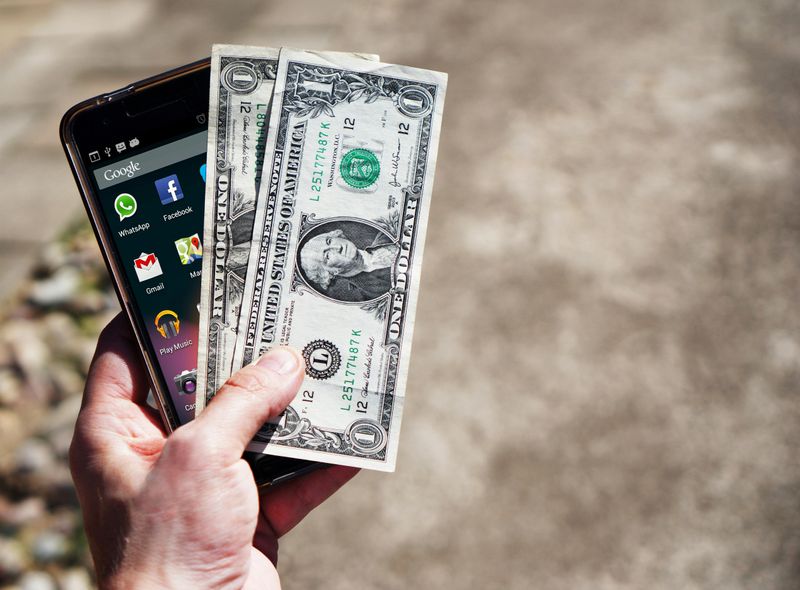
How many streaming services do you actually watch regularly?
Most people pay for several subscriptions they barely touch.
Gym memberships, music apps, video platforms, and food delivery services all charge monthly fees that quietly drain accounts.
Review your bank statements and cancel anything you have not used in the past month.
You can always resubscribe later if you genuinely miss it.
Share accounts with family members when possible to split costs.
Rotate subscriptions seasonally, keeping only one streaming service active at a time.
This strategy cuts entertainment costs significantly.
4. Brand Name Products

Paying extra for fancy labels rarely means better quality.
Generic or store-brand items often come from the same factories as name brands.
The main difference is packaging and advertising costs passed to you.
Medications, cleaning supplies, and basic food items work identically whether they sport famous logos or not.
Blind taste tests consistently show people cannot tell the difference.
Start switching to store brands gradually and notice which ones work fine.
The savings add up to hundreds yearly without sacrificing quality.
Your money buys the product, not the commercial.
5. Impulse Purchases at Checkout

Retailers strategically place tempting items right where you wait to pay.
Candy bars, magazines, energy drinks, and gadgets seem cheap individually but create unnecessary spending.
Grabbing a few extra items each shopping trip wastes significant money over time.
Make a shopping list before entering any store and stick to it religiously.
Avoid browsing aisles you do not need anything from.
Keep your eyes forward at checkout and resist last-minute additions.
Wait 24 hours before buying anything not on your original list.
This cooling-off period usually eliminates impulse urges completely.
6. Lottery Tickets and Gambling
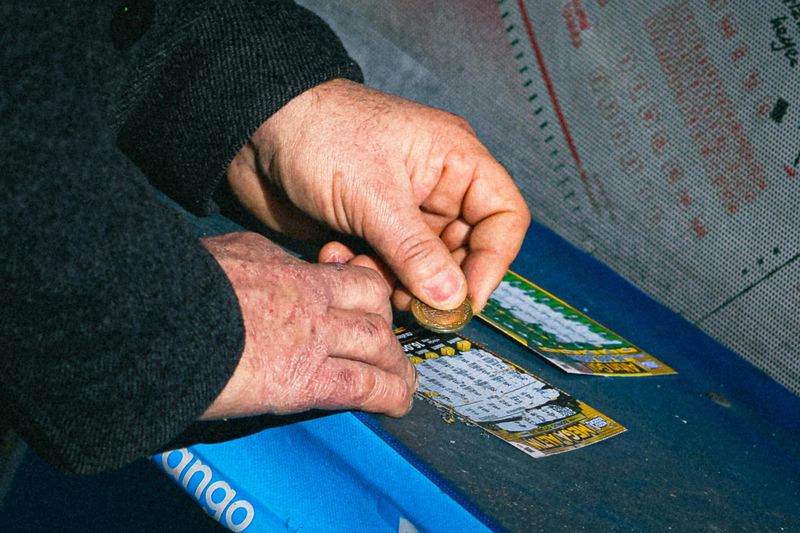
The odds of winning big are astronomically low, yet millions buy tickets regularly.
Spending even ten dollars weekly on lottery tickets wastes over 500 dollars annually.
That money could build an emergency fund or pay down debt instead.
Gambling is designed so the house always wins in the long run.
Scratch-offs and slot machines provide entertainment, not investment opportunities.
If you enjoy the thrill, set a tiny entertainment budget and never exceed it.
Better yet, redirect that cash toward guaranteed returns like savings accounts.
Real wealth builds through consistent saving, not lucky breaks.
7. Convenience Store Shopping
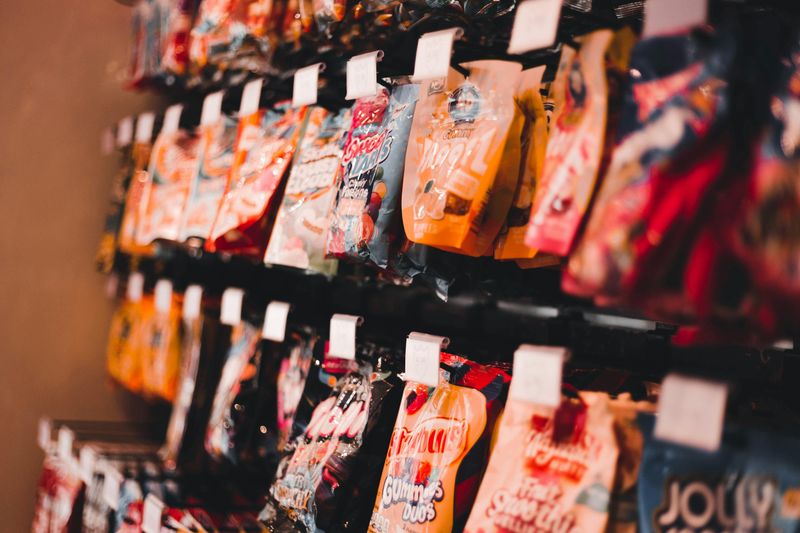
Stopping at convenience stores for snacks or household items costs way more than regular grocery shopping.
A gallon of milk might cost twice as much as the supermarket price.
Chips, drinks, and candy all carry huge markups for the convenience factor.
Plan ahead and stock up on snacks and essentials during regular shopping trips.
Keep water bottles and healthy snacks in your car or bag.
This preparation eliminates the need for expensive emergency purchases.
Gas station and corner store trips should be rare exceptions, not regular habits.
Your budget will stretch much further with basic planning.
8. Paying for Unnecessary Banking Fees
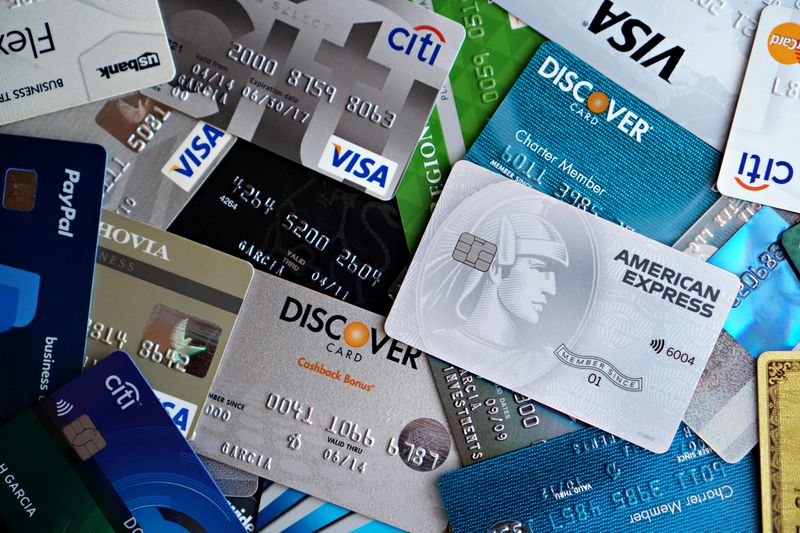
Banks love charging fees for everything from overdrafts to using out-of-network ATMs.
Monthly maintenance fees, paper statement charges, and minimum balance penalties add up quickly.
Many people lose hundreds yearly to completely avoidable banking costs.
Switch to credit unions or online banks offering free checking with no minimums.
Set up account alerts to avoid overdrafts entirely.
Use only your bank’s ATMs or get cash back at stores instead.
Review your statements monthly and question any fees you do not understand.
Free banking exists everywhere if you look for it.
9. Buying New Instead of Used

Cars lose thousands in value the moment you drive them off the lot.
Furniture, electronics, clothes, and tools work perfectly fine when purchased secondhand.
Thrift stores, online marketplaces, and garage sales offer incredible deals on quality items.
Buying gently used saves 50 to 90 percent compared to retail prices.
Someone else already paid the depreciation cost, so you benefit.
Reserve buying new for items requiring warranties or hygiene concerns like mattresses.
Everything else can likely be found used in excellent condition.
Smart shoppers know secondhand does not mean second-rate.
10. Ignoring Utility Bills and Energy Waste

Leaving lights on, cranking heat or air conditioning, and running appliances unnecessarily inflates utility costs.
Small changes like switching to LED bulbs and adjusting your thermostat by a few degrees save significant money.
Unplug devices not in use since they draw power even when off.
Wash clothes in cold water and air-dry when possible.
Seal drafty windows and doors to prevent heating and cooling loss.
These simple adjustments can cut utility bills by 20 to 30 percent annually.
Energy efficiency pays for itself quickly through lower monthly bills.
Being mindful costs nothing but saves plenty.
11. Paying Full Price Without Coupons or Sales

Retailers constantly offer discounts, but many shoppers never bother looking for them.
Spending five minutes searching for promo codes before online purchases saves 10 to 50 percent regularly.
Store apps provide exclusive coupons and cashback rewards just for downloading them.
Wait for sales on big-ticket items instead of paying full retail price.
Sign up for email lists to receive special offers and early access to deals.
Compare prices across multiple stores before making any significant purchase.
Patient shoppers who wait for discounts keep far more money in their pockets.
Paying full price is almost always unnecessary.