 MomSkoop

Good manners at the dinner table say a lot about who you are — often more than words ever could. Whether you’re at a casual family gathering or a formal business dinner, how you carry yourself matters.
The little things, like how you greet guests, use your utensils, or handle an awkward moment, leave lasting impressions. Master these 11 moves, and you’ll earn genuine respect every time you sit down to eat.
1. Stand When Someone Arrives at the Table

Few gestures carry more weight than simply standing up.
When a guest arrives at the table — especially an elder or a woman in a formal setting — rising to greet them signals that you are present, aware, and respectful.
It costs you nothing but a few seconds.
This habit dates back centuries and still holds power today.
It tells everyone watching that you value people over convenience.
A gentleman doesn’t stay glued to his chair when someone approaches.
Even in casual settings, standing to shake a hand creates an immediate connection.
It’s one of the simplest, most impactful moves you can make.
2. Wait Until Everyone Is Served Before Eating
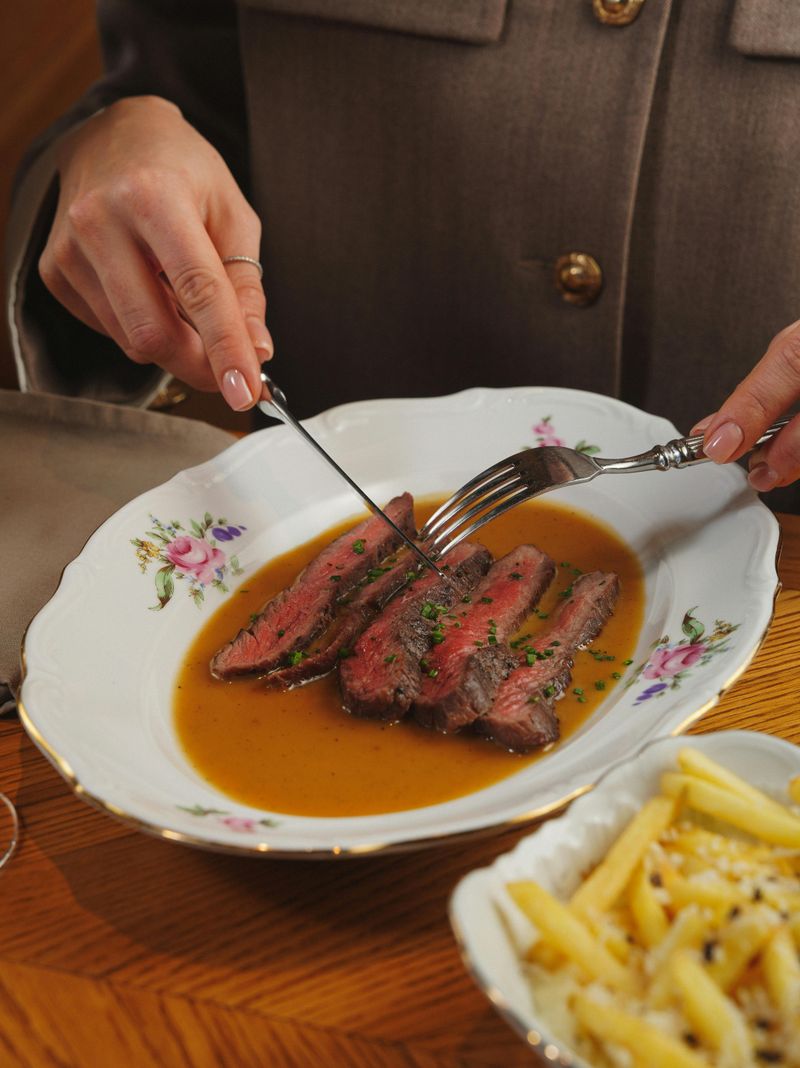
Patience at the table is a quiet form of generosity.
Picking up your fork the moment your plate arrives — while others are still waiting — sends a message you probably don’t intend: that your hunger matters more than their comfort.
Waiting until everyone is served shows that you see the meal as a shared experience, not a solo event.
If the host or others urge you to start, go ahead — but do so modestly, not eagerly.
This small pause speaks volumes about your character.
It’s the kind of detail people notice without always knowing why they feel so comfortable around you.
3. Place Your Phone Out of Sight
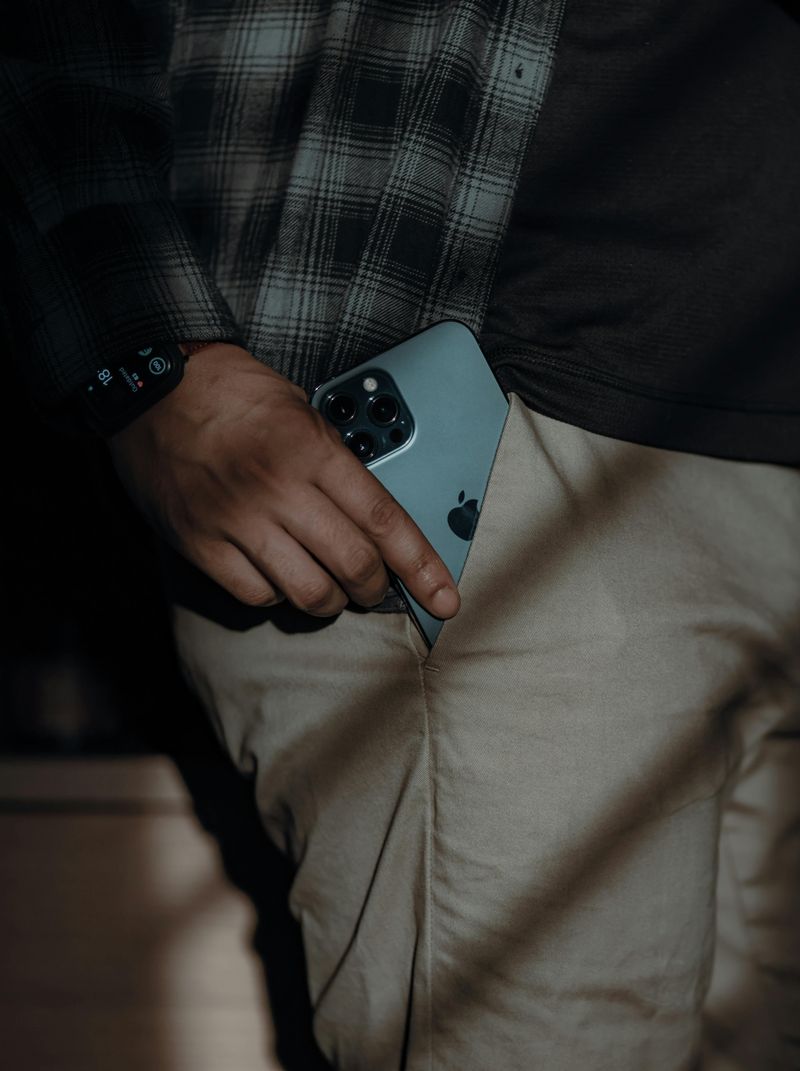
Your phone sitting on the table is a silent announcement: something out there might matter more than the people right here.
Even if you never touch it, its presence divides your attention — and everyone around you can feel it.
Putting your phone away completely is one of the strongest signals of self-control and respect you can send at a dinner table.
It says you chose to be here, fully.
In a world where most people can’t last ten minutes without checking a screen, going phoneless at dinner is genuinely rare.
That rarity is exactly what makes it so impressive and memorable to everyone at the table.
4. Use Names When Introducing People

“Have you two met?” is fine.
But “James, have you met Daniel?
He just got back from Tokyo” is something else entirely.
Using names and adding a small personal detail transforms a basic introduction into a warm, human connection.
A gentleman acts as the social glue at the table.
He notices who doesn’t know each other and bridges those gaps naturally, without making it feel forced or awkward.
People remember how you made them feel included.
When you take the time to connect others by name and context, you become someone others genuinely enjoy being around — and that reputation follows you everywhere you go.
5. Sit with Composed Posture

Posture speaks before you open your mouth.
Slouching, leaning heavily on the table, or resting elbows while eating projects carelessness — even if everything else about you is polished.
Sitting tall with relaxed shoulders sends the opposite message.
Physical discipline at the table reflects internal discipline.
It’s not about being stiff or uncomfortable — it’s about being intentional with how you carry yourself in shared spaces.
Keep your back straight, your elbows off the table while eating, and your body angled toward the conversation.
Over time, good posture becomes natural rather than forced.
It’s one of those habits that quietly upgrades every room you walk into.
6. Know Basic Utensil Fluency
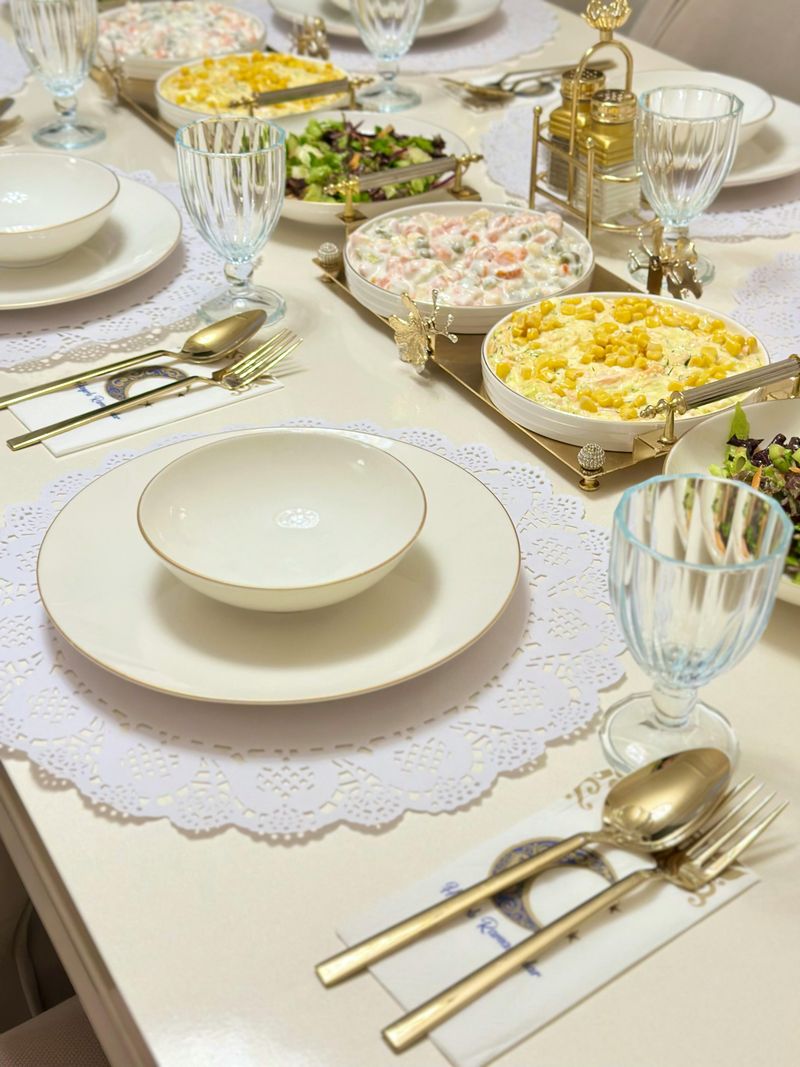
Walking into a formal dinner and staring at four forks shouldn’t rattle you.
The rule is simple: work from the outside in.
The fork farthest from your plate is used first, and you move inward with each course.
One bite at a time — never cut everything up front.
When you finish eating, place your knife and fork together diagonally on your plate.
That small signal tells the server you’re done without a word being spoken.
Utensil fluency isn’t about being fancy — it’s about being comfortable.
When you know the basics, you spend less energy worrying about what to grab next and more energy enjoying the people around you.
7. Serve Others Before Serving Yourself

Reaching for the bread basket and passing it to the person beside you before taking a piece yourself — that’s the move.
Offering to pour water or wine, passing dishes proactively, making sure others have what they need: these habits define a host mindset.
Even as a guest, you can carry this energy.
Look around the table.
Who needs a refill?
Who hasn’t received the salad yet?
Noticing and acting on those small details makes you someone people genuinely want at their table.
Serving others first is rooted in something deeper than etiquette — it’s about prioritizing the comfort of those around you over your own immediate satisfaction.
That’s a rare quality worth cultivating.
8. Control Your Pace at the Table

Speed-eating through a meal is a red flag, and so is dragging it out so long you hold everyone else back.
The sweet spot is eating slowly enough to stay present in conversation without making others feel rushed or abandoned.
Your pace at the table sets a social rhythm.
When you eat deliberately, you give conversations room to breathe.
You’re not just there for the food — you’re there for the experience of being with other people.
Put your fork down between bites.
Take a sip of water.
Ask a follow-up question.
These micro-habits naturally slow your pace and make you a far more engaging, comfortable presence at any dinner table.
9. Speak Thoughtfully, Listen Intentionally

Talking too much at dinner is just as awkward as saying nothing at all.
A gentleman finds the balance — contributing meaningfully while creating real space for others to be heard.
Ask open-ended questions.
Then actually listen to the answers.
Interrupting someone mid-sentence, finishing their thought, or pivoting the conversation back to yourself are subtle habits that erode trust and likeability.
Most people don’t even realize they do it.
When someone feels genuinely heard at your table, they remember it.
That feeling is rare in a world full of distracted half-listeners.
Making eye contact, nodding, and responding with curiosity — these are the marks of someone worth talking to.
10. Handle Mistakes with Grace

Spilling a drink, mispronouncing a dish, or accidentally taking someone else’s bread roll — these things happen to everyone.
What separates a gentleman is how he responds when they happen to him.
A calm “I’m sorry, let me help fix that” is always the right move.
Making a big scene, over-apologizing, or getting visibly flustered draws more attention to the mistake than the mistake itself ever would.
Composure is genuinely powerful.
It reassures everyone around you that small mishaps aren’t disasters.
Handling awkward moments with quiet confidence actually raises your social standing rather than lowering it.
People trust someone who stays steady under pressure — even when that pressure is just a spilled glass of red wine.
11. Thank the Host Sincerely Before Leaving

A generic “thanks for having us” on the way out the door barely registers.
But a specific, heartfelt thank-you?
That sticks.
Something like, “Dinner was exceptional — the attention to detail tonight really didn’t go unnoticed” shows you were actually present throughout the evening.
Hosts put real effort into creating a good experience.
Acknowledging that effort with specifics — the food, the ambiance, a particular conversation — tells them their work mattered and was seen.
Before you leave, find the host.
Look them in the eye.
Say something real.
That thirty-second moment of genuine appreciation is the final impression you leave — and often the one people remember longest about the kind of person you are.