 MomSkoop
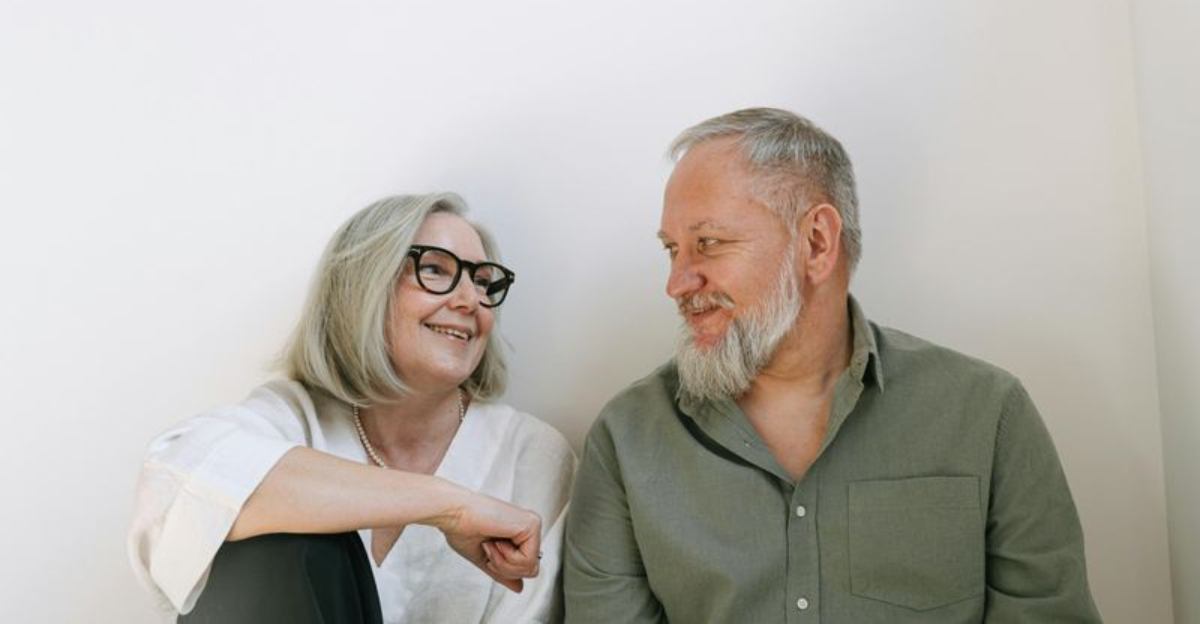
Dating in your 40s looks very different than it did in your 20s. Men at this stage often carry experiences that make opening up harder, especially when it comes to trusting someone new. Modern dating culture has changed the game completely, leaving many men feeling unsure about intentions, authenticity, and what to expect from relationships today.
1. Past Relationship Traumas
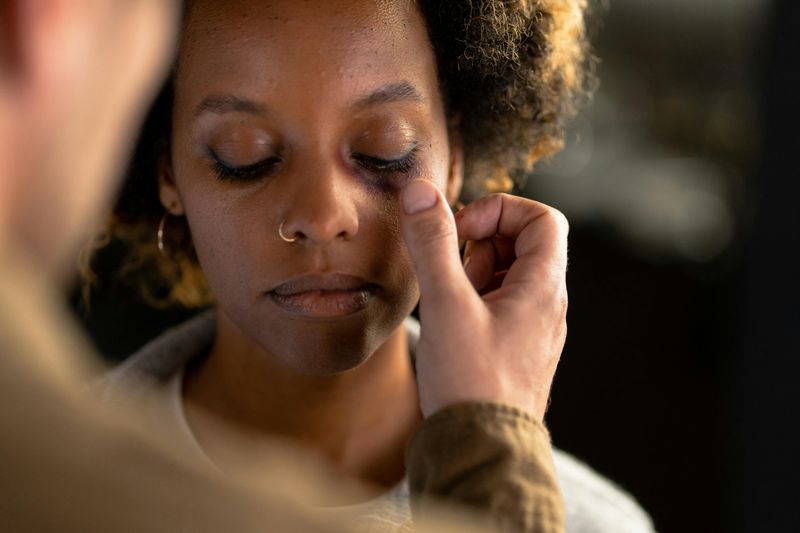
Heartbreak leaves marks that don’t just disappear with time. When a man in his 40s has been through a painful divorce or a betrayal that shattered his confidence, those memories stay with him. Each new relationship carries the shadow of what went wrong before.
Emotional scars make vulnerability feel risky. Opening up means risking getting hurt all over again, which can feel like too much to bear. Trust becomes something that must be earned slowly rather than given freely.
Healing takes longer than most people realize. Even years after a breakup, certain behaviors or situations can trigger old fears and doubts. Moving forward requires patience, both from himself and from anyone hoping to build something real with him.
2. Fear of Being Used or Taken Advantage Of
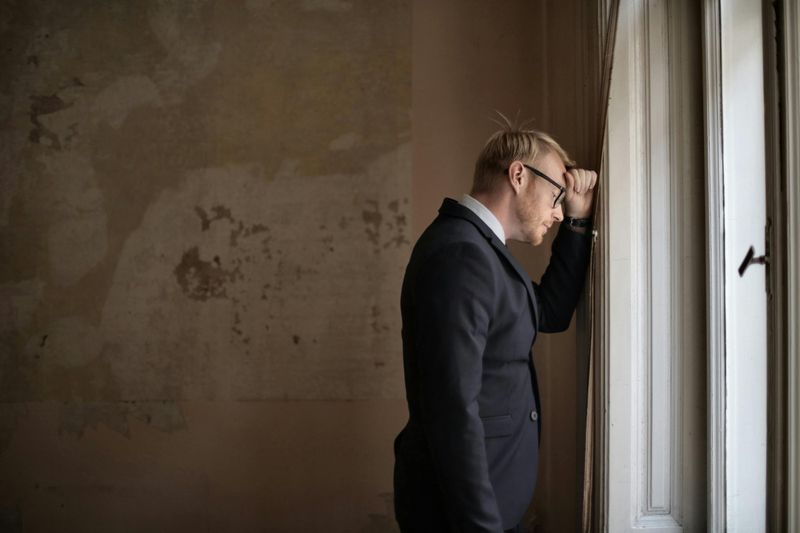
Financial stability becomes more visible as men reach their 40s. With established careers and assets, some worry that potential partners see dollar signs instead of the person behind them. This fear isn’t always unfounded, as stories of being used for money circulate widely among friends and online.
Genuine connection feels harder to identify when status enters the picture. Questions arise about whether someone would stick around if circumstances changed. The uncertainty creates walls that keep emotional intimacy at a distance.
Security matters, but so does feeling valued for who you are. Men want to believe they’re chosen for their character, humor, and companionship—not their bank account. When doubts creep in, trust becomes nearly impossible to establish.
3. Changing Dating Dynamics

Swiping left and right has replaced meeting people through friends or shared activities. Dating apps dominate the scene, creating a fast-paced environment where conversations vanish without warning. Ghosting has become so common that many men expect it as the norm rather than the exception.
Reading genuine intentions through screens proves incredibly difficult. Text messages lack the warmth of face-to-face conversation, and profiles often feel more like advertisements than authentic introductions. Connecting meaningfully becomes a challenge when everything moves so quickly.
Traditional courtship rituals have faded into the background. What used to be straightforward now feels confusing and impersonal. Adjusting to these changes while trying to find something real creates frustration and makes trusting the process much harder.
4. Concerns About Hidden Agendas

Red flags don’t always show up on the first few dates. Some men worry that potential partners deliberately hide concerning behaviors until they’re already emotionally invested. By the time the truth surfaces, walking away feels much more complicated and painful.
Early stages of dating often involve both people presenting their best selves. While natural to some degree, it raises questions about what’s being left unsaid. Trust issues develop when men wonder what else might be concealed beneath the surface.
Honesty from the beginning sets the foundation for everything else. When men suspect hidden motives or undisclosed problems, they hold back emotionally to protect themselves. Building trust requires transparency, and without it, relationships struggle before they truly begin.
5. Emotional Baggage on Both Sides

Everyone carries wounds from their past by the time they reach their 40s. Previous relationships, family issues, and personal struggles shape how people approach new connections. When two people meet with heavy emotional histories, defensiveness often becomes the default response.
Past hurts make people quick to assume the worst. A simple comment might trigger a defensive reaction based on something an ex said years ago. These automatic responses create misunderstandings that erode trust before it has a chance to grow.
Recognizing your own baggage helps, but managing two people’s unresolved issues feels overwhelming. Patience runs thin when every conversation feels like navigating a minefield. Healing individually makes building trust together much more possible and sustainable.
6. Pressure to Perform or Impress

Expectations feel heavier when you’re older and more established. Men often sense pressure to demonstrate financial success, emotional maturity, and social status all at once. The feeling that they’re constantly being evaluated creates distance rather than closeness.
Proving yourself gets exhausting quickly. When dates feel more like job interviews than genuine getting-to-know-you moments, trust becomes difficult to develop. Men begin questioning whether partners care about them or just what they can provide.
Authentic connections happen when both people can relax and be themselves. Constant performance pressure makes vulnerability nearly impossible. Without the freedom to show imperfections and uncertainties, building real trust remains out of reach for both people involved.
7. Fear of Repeating Past Mistakes

Patterns from previous relationships can haunt men long after they end. When similar situations arise with someone new, alarm bells start ringing immediately. The fear that history will repeat itself makes men hesitant to fully commit or trust again.
Recognizing familiar warning signs triggers protective instincts. Even if the new person is completely different, certain behaviors or circumstances bring back painful memories. This hypervigilance keeps men emotionally guarded and makes forming new bonds incredibly challenging.
Breaking free from old patterns requires conscious effort and courage. Men must learn to see each person as an individual rather than a reflection of past partners. Until they can separate past from present, trust remains locked behind walls built from previous disappointments.
8. Difficulty Finding Authenticity

Social media profiles often showcase highlight reels rather than real life. Men notice when someone’s online persona seems too polished or curated to be genuine. First impressions now happen through carefully selected photos and crafted bios, making authenticity harder to assess.
Meeting in person sometimes reveals significant gaps between expectation and reality. The disconnect creates immediate distrust about what else might not be as presented. Wondering if someone is showing their true self or performing a role makes relaxation impossible.
Real connections require dropping the act and showing vulnerability. When both people present authentic versions of themselves, trust can grow naturally. Until men feel confident they’re seeing the real person, they’ll keep their guard firmly in place.
9. Different Priorities at This Life Stage

By their 40s, many men have built comfortable lives centered around peace and independence. Adding someone new means potentially disrupting routines and compromises they’ve worked hard to establish. The desire to protect their stability makes them cautious about who they let in.
Priorities shift dramatically from earlier decades. While younger men might crave excitement and novelty, men in their 40s often value calm and predictability. Finding someone whose life goals align becomes essential, and mismatches create immediate concerns.
Independence feels precious after years of building it. Trusting someone enough to share that carefully constructed life requires confidence that they’ll enhance rather than complicate it. Until that confidence develops, keeping emotional distance feels safer and more sensible.
10. Concerns About Drama or Emotional Instability

Chaotic relationships leave lasting impressions that men want to avoid repeating. After experiencing unnecessary drama, emotional rollercoasters, or unpredictable behavior, peace becomes a top priority. The thought of entering another turbulent situation feels unbearable.
Emotional stability matters more with age and experience. Men seek partners who handle challenges calmly and communicate clearly without creating chaos. Any signs of instability or drama early on trigger immediate retreat and skepticism.
Low-drama connections allow relationships to flourish naturally. When men feel confident that disagreements won’t explode into major conflicts, they can lower their defenses. Without that assurance, trust never fully develops because the fear of unpredictability keeps them emotionally protected and distant.
11. A Sense That Dating Has Become Transactional

Modern dating sometimes feels more like a business negotiation than a romantic connection. Conversations revolve around what each person brings to the table—income, lifestyle, future plans—rather than genuine emotional compatibility. The transactional nature strips away the spontaneity and warmth that build trust.
Organic connections seem increasingly rare in today’s dating landscape. When relationships feel like contracts with terms and conditions, men struggle to open up emotionally. The heart doesn’t respond well to spreadsheets and checklists.
Romance thrives on genuine interest and natural chemistry. When dating becomes about meeting requirements rather than enjoying each other’s company, trust never takes root. Men long for connections that feel effortless and real, not calculated and conditional.