 MomSkoop
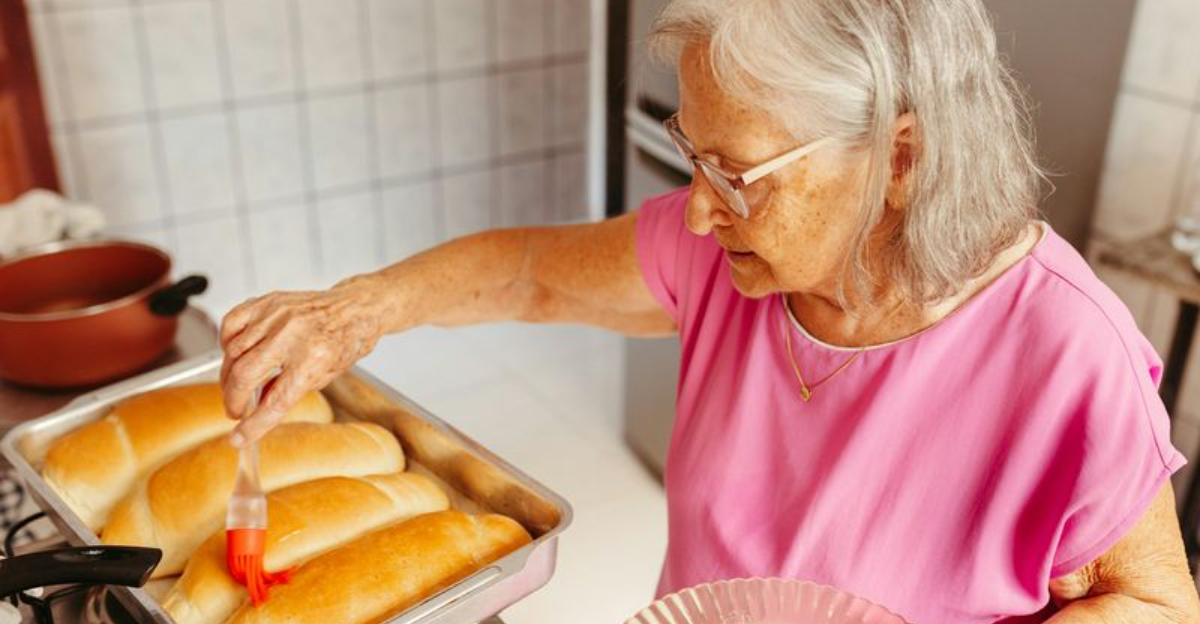
Walk into a modern kitchen today, and you might notice something surprising: the tried-and-true methods many boomers swear by often leave younger cooks scratching their heads. From food safety practices to cooking techniques, generational divides in the kitchen run deeper than anyone expected.
What once seemed like common sense now clashes with updated research, precise measurements, and a whole new understanding of how food works.
1. Washing raw chicken in the sink
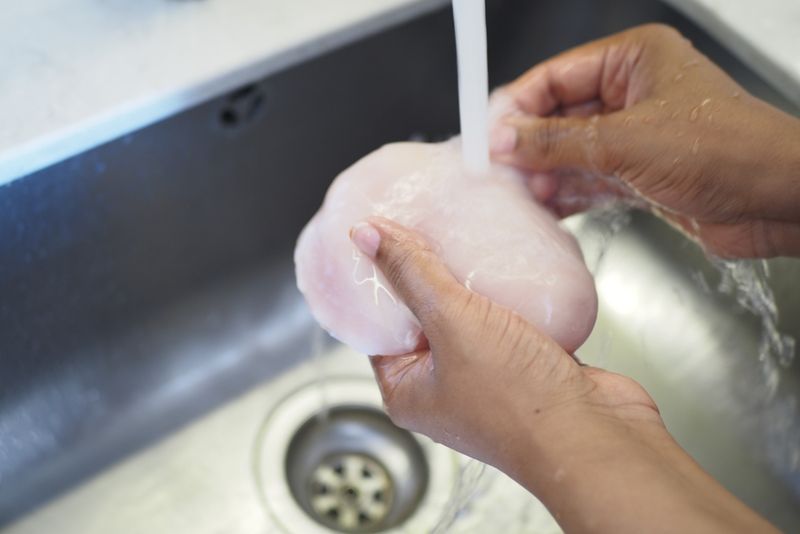
Rinsing poultry under running water might seem like a logical step toward cleanliness, but modern food science tells a different story.
Water droplets actually spray bacteria like salmonella across countertops, dishes, and anything else within splashing distance.
Health organizations now strongly discourage this practice.
Younger cooks learn early that proper cooking temperatures kill harmful germs without the risky splash zone.
The USDA recommends skipping the rinse entirely and going straight to seasoning and cooking.
Boomer-era kitchens often featured this routine as standard prep work, passed down through generations.
Breaking this habit requires unlearning years of muscle memory.
Yet the payoff is significant: fewer contaminated surfaces and safer meals for everyone at the table.
2. Eyeballing every measurement
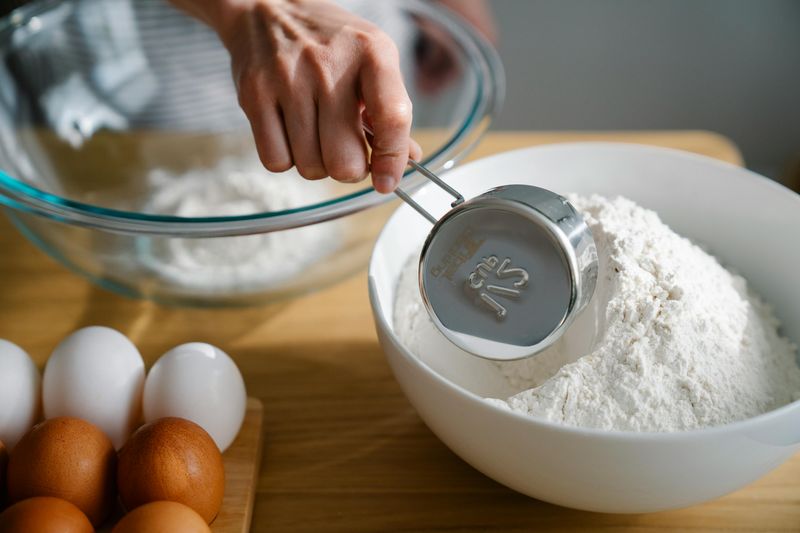
A pinch of this, a handful of that—many experienced home cooks measure ingredients with nothing but intuition.
Boomers often developed this skill through decades of repetition, trusting their senses over spoons and scales.
But for someone following a new recipe, vague instructions feel more like riddles than guidance.
Younger generations grew up with cooking shows, blogs, and videos emphasizing precision.
Digital scales, leveled cups, and exact temperatures promise consistent results every single time.
When a recipe says one thing but Grandma insists you just know, frustration bubbles up fast.
Baking especially suffers from guesswork since chemistry demands accuracy.
A few extra grams of flour can turn cookies from chewy to crumbly, leaving novice bakers confused about what went wrong.
3. Keeping the same sponge far too long
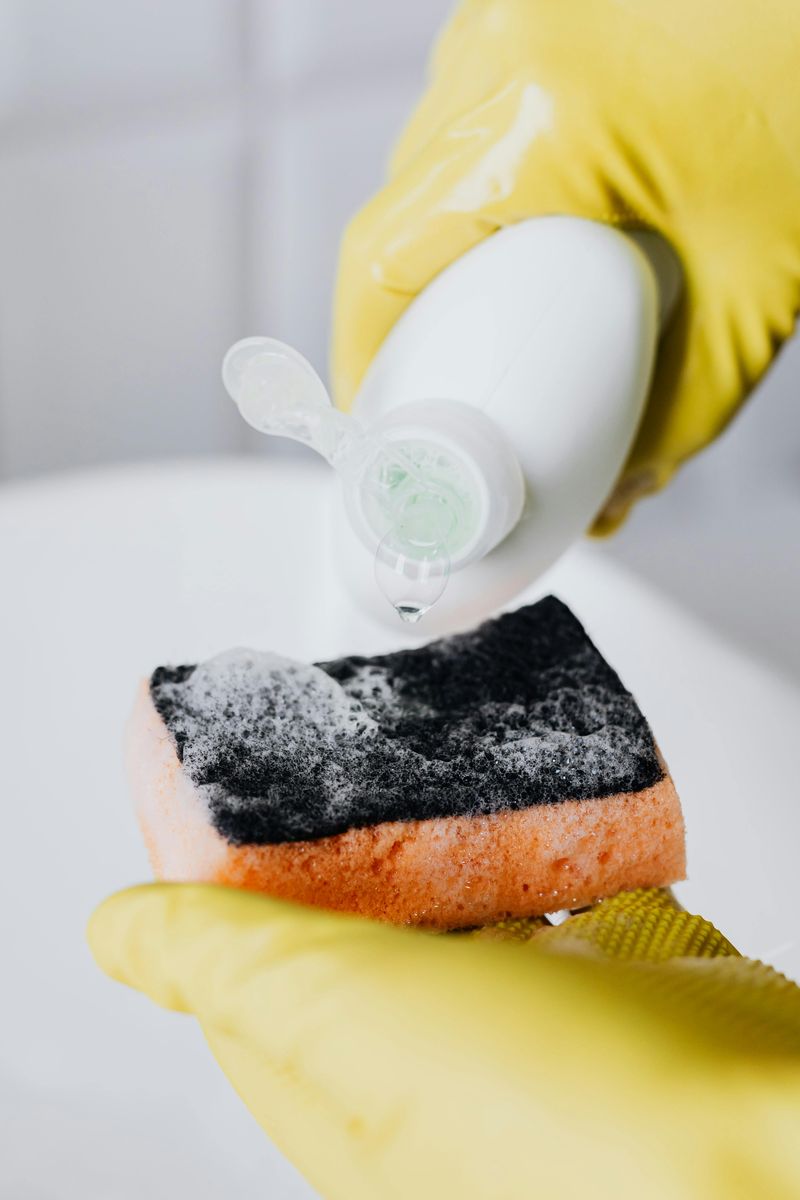
That crusty, discolored sponge sitting by the faucet for months?
It harbors more bacteria than most toilet seats, according to microbiologists.
Older generations often kept sponges until they literally fell apart, viewing frequent replacement as wasteful.
Times have changed, and so has our understanding of kitchen hygiene.
Current advice suggests swapping sponges weekly or sanitizing them daily in the microwave or dishwasher.
Younger cooks raised on these guidelines find the idea of month-old sponges genuinely alarming.
The damp environment creates a perfect breeding ground for germs that spread to every dish and surface.
While thriftiness has its place, public health experts agree this is one area where caution beats economy.
Clean tools make for cleaner cooking spaces and healthier households overall.
4. Storing everything in the fridge

Refrigerators became symbols of modern convenience, and many boomers enthusiastically chilled every grocery item that fit inside.
Unfortunately, cold temperatures ruin the flavor and texture of certain foods.
Tomatoes turn mealy and flavorless.
Bread goes stale faster.
Bananas develop weird dark spots and lose their natural sweetness.
Younger cooks learn which items belong on counters or in pantries instead.
Room temperature actually preserves taste and quality for many fresh ingredients.
The impulse to refrigerate everything stems from an era when food preservation knowledge was less widespread.
Understanding proper storage transforms cooking results dramatically.
A perfectly ripe tomato at room temperature tastes worlds apart from its cold, bland refrigerated cousin.
Simple adjustments like these elevate everyday meals without extra effort or expense.
5. Using Teflon pans with metal utensils
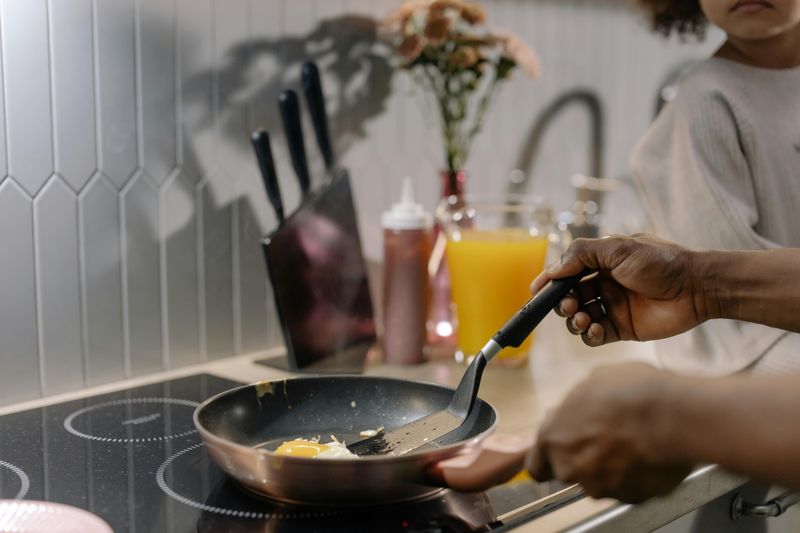
Metal spatulas scraping across nonstick surfaces create a sound that makes younger cooks cringe.
Those scratches release coating particles into food and ruin the pan’s slippery properties.
Boomer kitchens often featured metal tools for everything, regardless of cookware type.
The convenience of nonstick technology arrived before widespread awareness of how easily it damages.
Modern cooking education emphasizes wooden or silicone utensils to protect delicate coatings.
Some younger cooks skip nonstick altogether, preferring cast iron or stainless steel that tolerates any tool.
Health concerns about chemicals in older nonstick surfaces add another layer to the debate.
Replacing scratched pans costs money and creates waste.
Proper utensil choices extend cookware life significantly while keeping meals safer.
Small changes in tool selection make surprisingly big differences in long-term kitchen sustainability.
6. Rinsing pasta after cooking
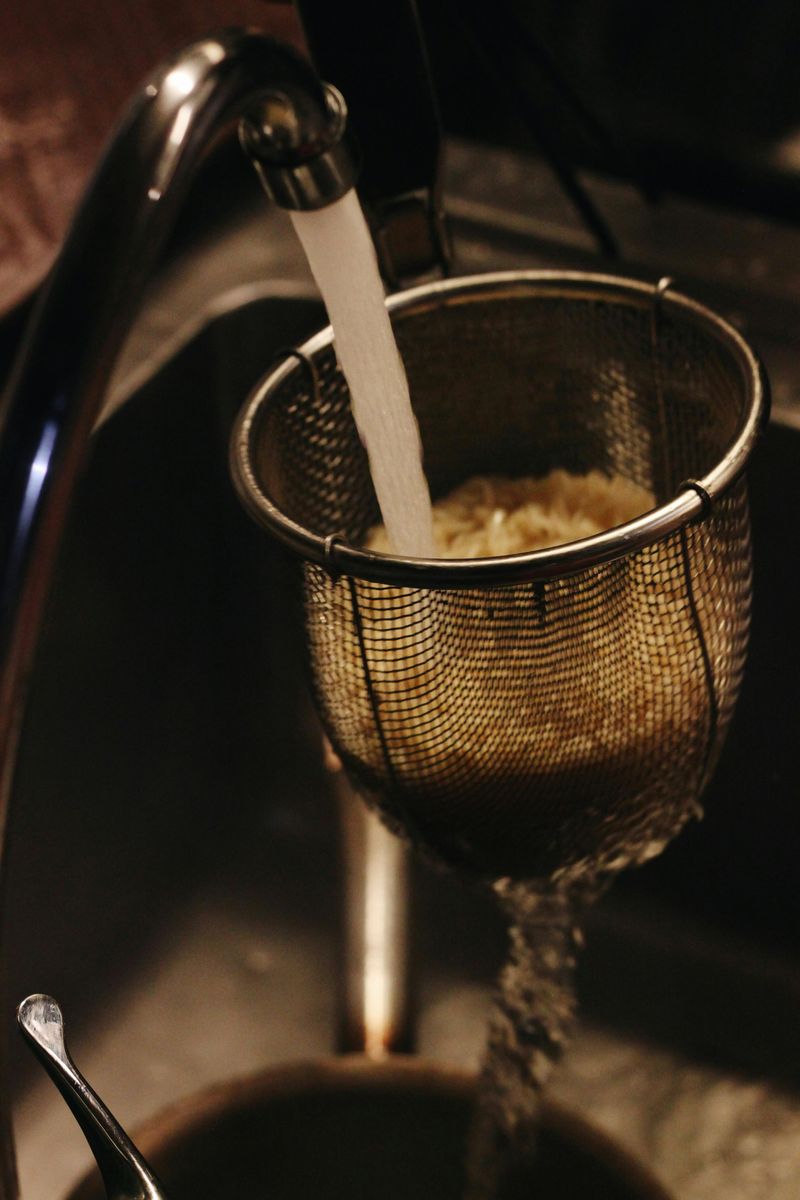
Draining noodles and immediately blasting them with cold water seems practical for cooling things down quickly.
Many boomer cooks learned this method and never questioned it.
However, that rinse washes away the starchy coating that helps sauce cling beautifully to each strand.
Without it, marinara just slides off into a puddle at the bottom of the bowl.
Culinary schools and cooking experts now teach that pasta should go directly from pot to sauce, often with a splash of cooking water added.
The starch acts like glue, creating that restaurant-quality coating everyone loves.
Cold pasta salads are the only exception where rinsing makes sense.
Understanding this simple principle transforms ordinary spaghetti night into something special.
The texture improves, flavors meld better, and presentation looks more appetizing with sauce that actually sticks around.
7. Cooking everything on high heat
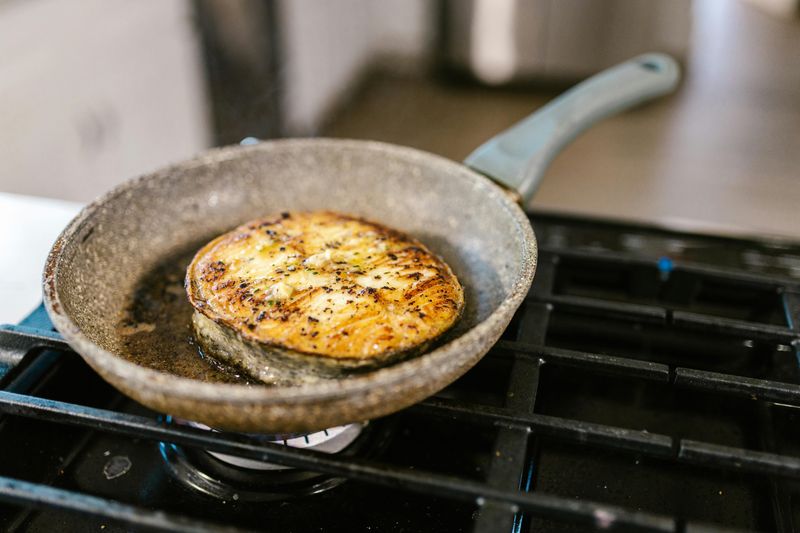
Cranking burners to maximum might speed things up, but it often leads to burnt outsides and raw insides.
Garlic suffers especially under intense heat, turning bitter and acrid in seconds.
Older cooking habits sometimes prioritized speed over technique, assuming hotter always meant better.
Professional chefs tell a different story about temperature control.
Younger cooks learn that medium or medium-high heat produces more reliable results for most dishes.
Proteins develop better crusts without overcooking.
Vegetables caramelize instead of charring.
Sauces thicken without scorching to the bottom of pans.
Patience at the stove pays off in flavor and texture.
Adjusting heat levels throughout cooking creates depth that high-heat blasting simply cannot match.
Mastering temperature transforms average home cooks into confident ones who understand their equipment.
8. Trusting smell and taste over expiration dates
Does it smell okay?
Then it is probably fine—this philosophy guided many boomer kitchens for generations.
Life experience taught them that printed dates often represent peak quality rather than safety deadlines.
While sometimes true, this approach makes safety-conscious younger cooks nervous about invisible dangers.
Modern food education emphasizes that harmful bacteria do not always announce themselves with obvious odors.
Foodborne illness can lurk in perfectly normal-smelling dairy or meat products.
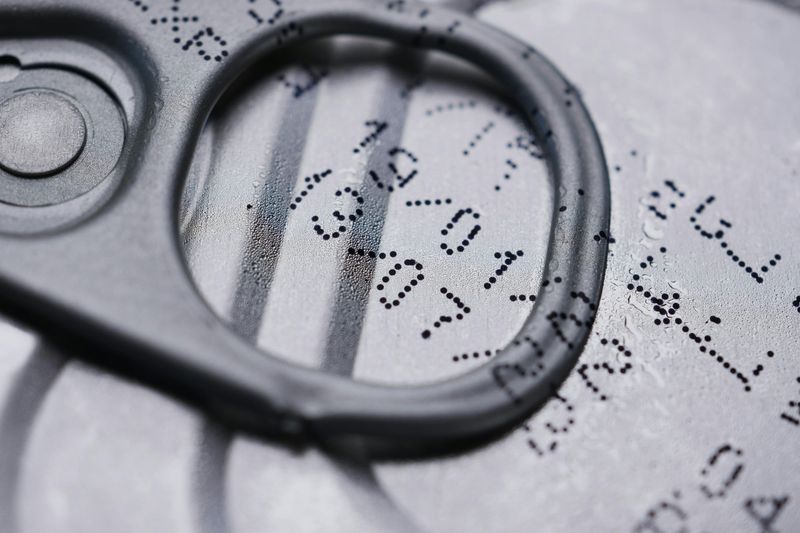
Expiration dates provide standardized guidance that removes guesswork from risk assessment.
The generational split reflects different relationships with food waste and caution.
Older habits developed during times of scarcity, while younger perspectives prioritize health certainty.
Both viewpoints hold merit, though experts generally recommend following dates for high-risk items like raw proteins and dairy products.
9. Saving and reusing margarine or takeout containers indefinitely
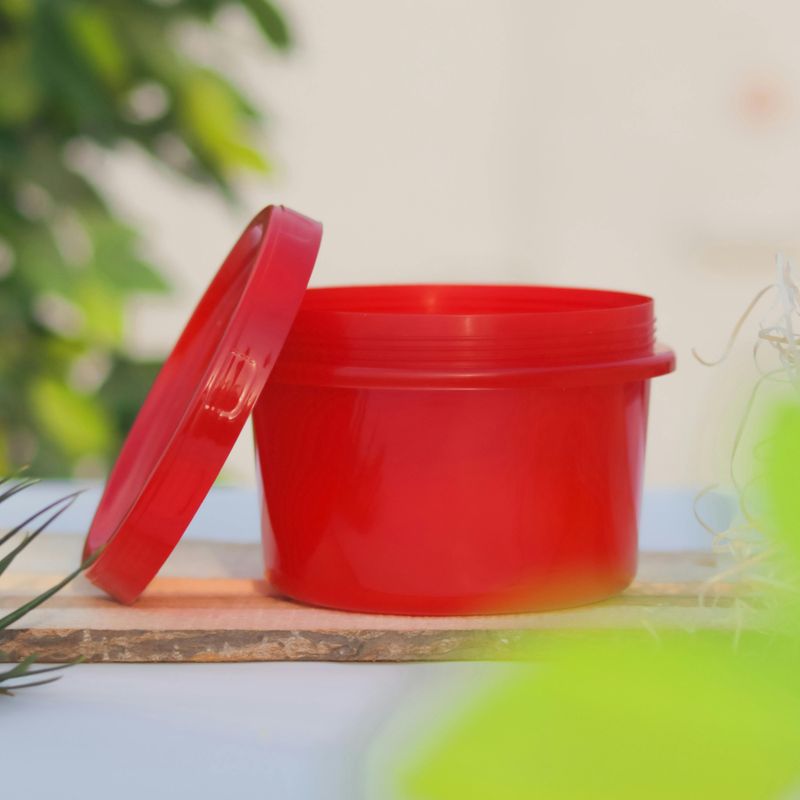
Cabinets packed with mismatched plastic tubs from butter, yogurt, and restaurant leftovers defined boomer food storage systems.
Reusing containers made economic sense and reduced waste in an era before widespread recycling.
However, research on microplastics and chemical leaching has changed how younger generations view old plastic.
Scratched, stained containers can harbor bacteria in tiny crevices that dishwashers miss.
Certain plastics break down over time, potentially releasing compounds into food.
Glass containers and purpose-made food storage have become preferred alternatives for health-conscious households.
The sustainability argument gets complicated here.
Reusing reduces consumption, but unsafe materials defeat the purpose.
Finding balance means knowing when containers have outlived their usefulness and choosing better options moving forward for both health and environmental reasons.
10. Using dull knives
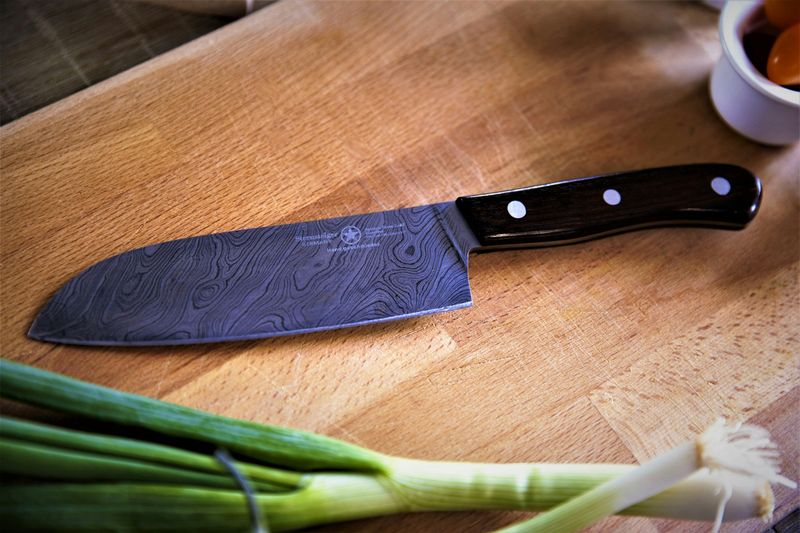
Sawing through a tomato with a blade that barely cuts seems safer than wielding a razor-sharp edge.
Many boomer cooks never learned proper knife maintenance, letting their tools gradually lose effectiveness.
Ironically, dull blades cause more accidents than sharp ones because they require excessive pressure and slip unpredictably.
Culinary training emphasizes that sharp knives cut cleanly with minimal force, giving cooks better control.
Injuries happen when blades slide off food surfaces instead of slicing through smoothly.
Regular honing and occasional professional sharpening keep edges safe and functional.
Younger cooks often invest in quality knives and learn maintenance early.
The difference shows immediately in prep speed, ingredient appearance, and reduced hand fatigue.
Proper tools make cooking more enjoyable and significantly safer for everyone in the kitchen.
11. Never using a meat thermometer
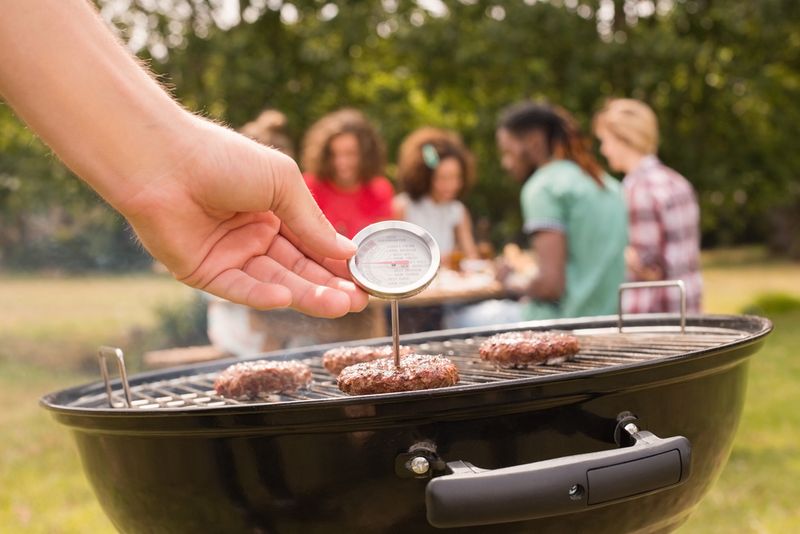
Poking chicken with a fork and checking if juices run clear might work sometimes, but guesswork leaves room for dangerous undercooking or dry overcooking.
Boomer-era cooking relied heavily on visual cues and timing estimates passed down through families.
Food safety standards have tightened considerably since then, making precision tools essential rather than optional.
Instant-read thermometers remove all uncertainty from doneness questions.
Younger cooks depend on specific internal temperatures for safety and quality: 165°F for poultry, 145°F for pork, 130°F for medium-rare beef.
These numbers guarantee both safety and optimal texture every single time.
Investing in a reliable thermometer costs less than twenty dollars but transforms cooking confidence completely.
No more dry chicken or risky guesses.
Just perfectly cooked proteins that taste great and keep everyone healthy at mealtime.