 MomSkoop
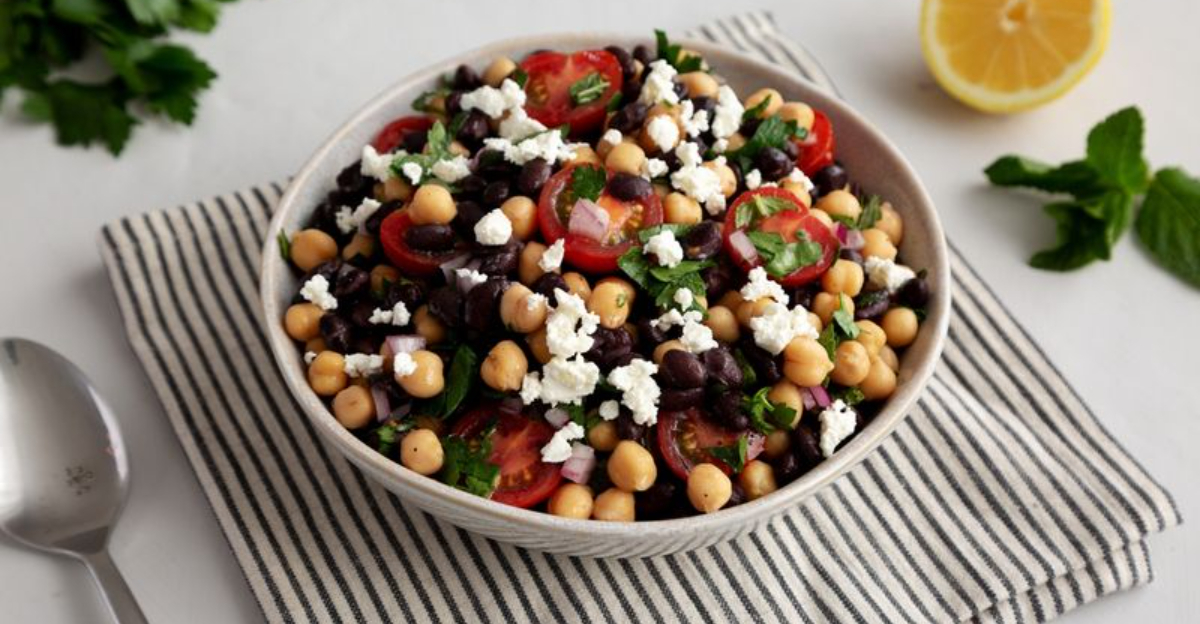
Meat has long been considered the ultimate protein source, but plenty of plant-based foods can match or even surpass it in protein content. Whether you’re looking to reduce meat consumption, explore vegetarian options, or simply add variety to your diet, these high-protein alternatives offer impressive nutritional benefits.
From fermented soybeans to protein-packed seeds, these foods prove that plants can be powerful protein sources too.
1. Seitan (Vital Wheat Gluten)
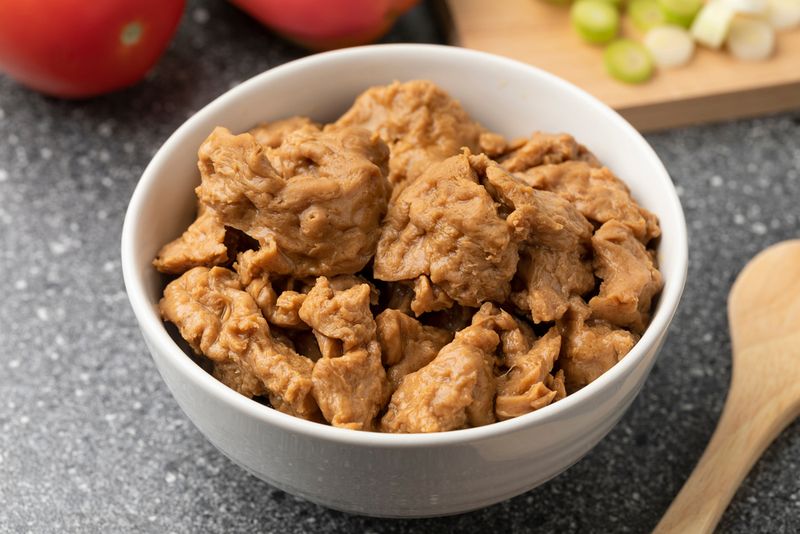
Made from wheat gluten, seitan packs an incredible 25 grams of protein per 100 grams, making it one of the most protein-dense plant foods you can find.
Its chewy, meat-like texture has made it a favorite among vegetarians and vegans for decades.
You can slice it, grill it, or stir-fry it just like chicken or beef.
The versatility makes it perfect for sandwiches, tacos, stir-fries, and countless other dishes.
Because it’s made from wheat, people with celiac disease or gluten sensitivity should avoid it.
For everyone else, though, it’s an amazing way to boost protein intake while keeping meals interesting and satisfying.
2. Tempeh
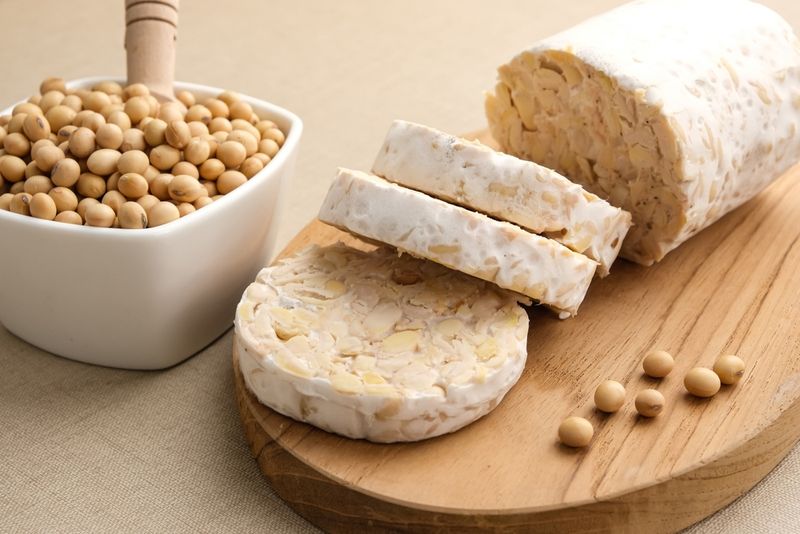
Originating from Indonesia, tempeh delivers 19 to 21 grams of protein per 100 grams and offers excellent digestibility thanks to the fermentation process.
Unlike tofu, you can see the actual soybeans held together in a firm, nutty-flavored cake.
Fermentation creates beneficial probiotics that support gut health while making the protein easier for your body to absorb.
The slightly earthy, mushroom-like flavor works beautifully when marinated and grilled or crumbled into stir-fries.
Steam it briefly before cooking to remove any bitterness, then season it however you like.
Many people find tempeh more satisfying than tofu because of its firmer texture and richer taste profile.
3. Firm Tofu
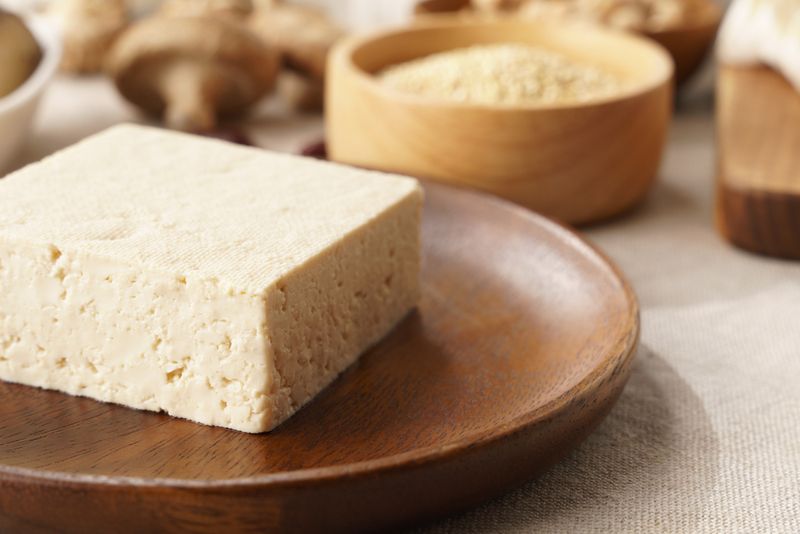
Providing 15 to 17 grams of protein per 100 grams, firm tofu is a complete protein containing all nine essential amino acids your body needs.
Made from coagulated soy milk, it’s incredibly versatile in the kitchen.
The neutral flavor acts like a blank canvas, soaking up whatever seasonings, marinades, or sauces you use.
Press out excess water first, then bake, fry, scramble, or grill it for different textures and tastes.
Calcium-set tofu also provides a significant calcium boost, supporting bone health alongside muscle building.
From smoothies to stir-fries to desserts, tofu adapts to virtually any cuisine or cooking method you can imagine.
4. Edamame (Soybeans)
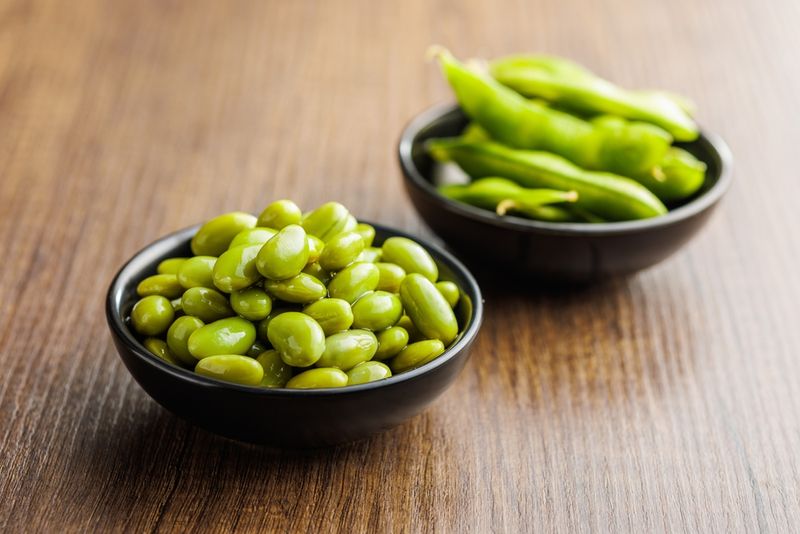
Fresh soybeans served in their pods, edamame contains about 18 grams of protein per cooked cup, along with fiber and important micronutrients.
These bright green beans are harvested young, giving them a sweet, slightly grassy flavor.
Simply steam or boil them for a few minutes, sprinkle with sea salt, and squeeze the beans directly into your mouth.
Kids and adults alike enjoy the fun, hands-on eating experience.
Beyond snacking, you can shell the beans and toss them into salads, grain bowls, pasta dishes, or soups.
The combination of protein and fiber keeps you feeling full longer, making edamame a smart choice for healthy eating.
5. Lentils
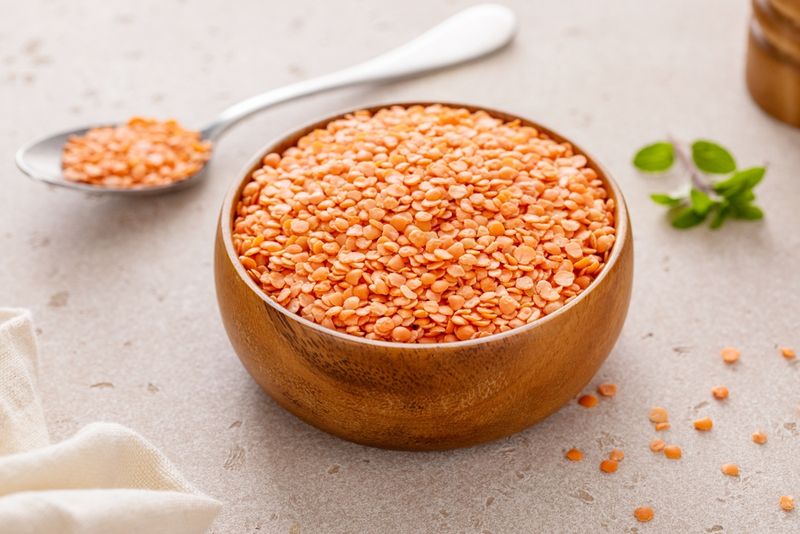
Packed with 18 grams of protein per cooked cup, lentils also deliver impressive amounts of iron and folate.
These tiny legumes come in various colors including red, green, brown, and black, each with slightly different flavors and cooking times.
Red lentils cook fastest and break down into a creamy consistency perfect for soups and dal.
Green and brown varieties hold their shape better, working wonderfully in salads and side dishes.
No soaking required means you can go from package to plate in under 30 minutes.
Their earthy flavor pairs well with spices from any cuisine, making lentils a global pantry staple that’s both nutritious and delicious.
6. Chickpeas
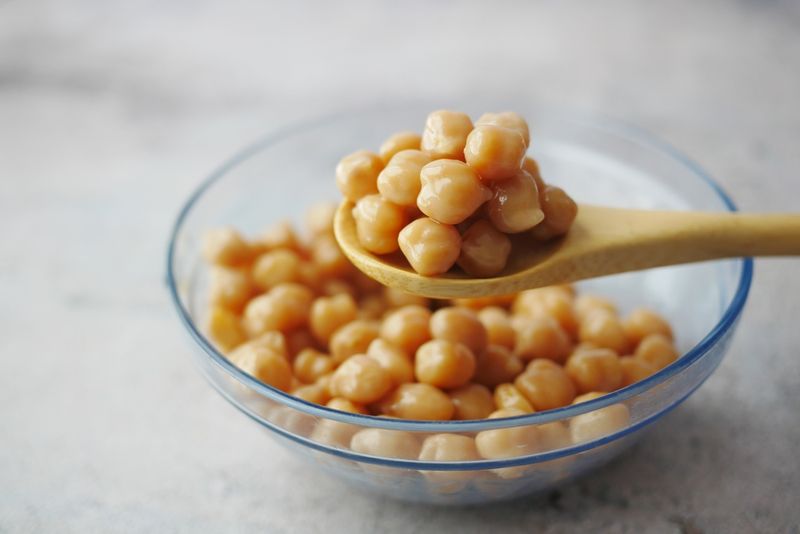
Offering 15 grams of protein per cooked cup, chickpeas balance protein with healthy carbohydrates for sustained energy throughout your day.
Also called garbanzo beans, they have a nutty flavor and slightly grainy texture.
Roast them with spices for a crunchy snack, blend them into creamy hummus, or toss them into curries and stews.
Their versatility extends across Mediterranean, Middle Eastern, and Indian cuisines.
The combination of protein and complex carbs makes chickpeas particularly satisfying for active individuals.
Plus, the aquafaba (chickpea cooking liquid) can replace eggs in vegan baking, giving you two useful ingredients from one can or pot.
7. Split Peas
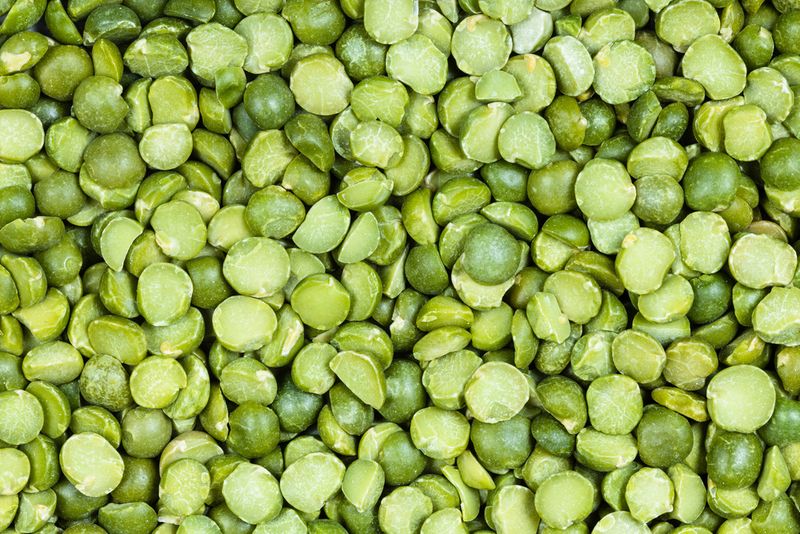
Despite being overlooked by many home cooks, split peas contain 16 grams of protein per cooked cup and cook relatively quickly compared to other legumes.
These dried peas have been split in half, which reduces cooking time significantly.
Classic split pea soup with ham is just the beginning of what you can create with these protein powerhouses.
They also work well in dal, veggie burgers, and as a protein-rich side dish.
Both green and yellow varieties exist, with green having a slightly stronger flavor.
Their creamy texture when cooked makes them comfort food at its finest, especially during cold weather when you need something warming and nourishing.
8. Black Beans
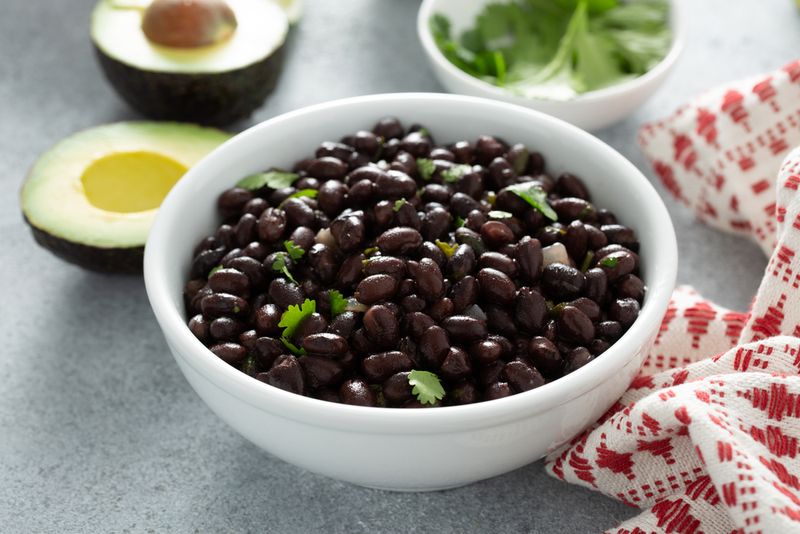
Containing 15 grams of protein per cooked cup, black beans also boast high antioxidant content thanks to their dark pigments.
These hearty beans are staples in Latin American and Caribbean cooking.
Their creamy interior and slightly sweet flavor work beautifully in burritos, rice bowls, soups, and salads.
You can mash them for bean dip, blend them into brownies for added protein and moisture, or serve them simply seasoned alongside rice.
The deep color comes from anthocyanins, the same beneficial compounds found in blueberries and red cabbage.
Combining great taste with impressive nutrition, black beans deserve a regular spot in your weekly meal rotation for both health and flavor.
9. Hemp Seeds
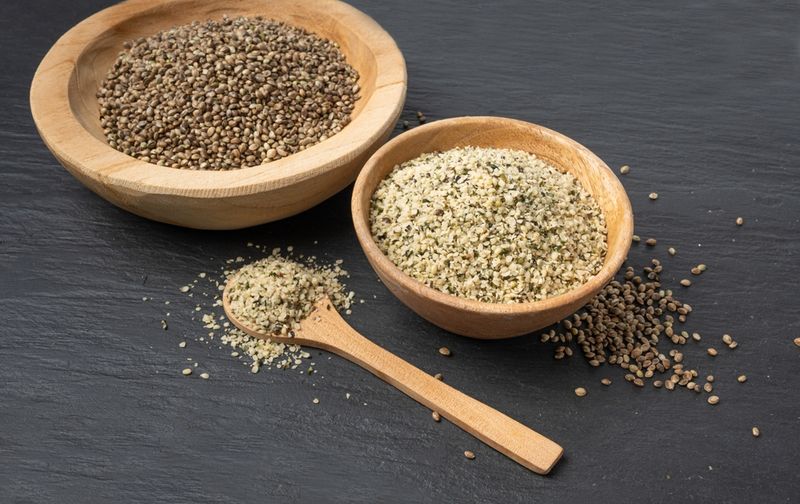
Tiny but mighty, hemp seeds pack 31 grams of protein per 100 grams and provide all essential amino acids, making them a complete protein source.
They also contain omega-3 fatty acids that support heart and brain health.
The mild, nutty flavor means you can sprinkle them on virtually anything without changing the taste dramatically.
Try them on yogurt, oatmeal, salads, or blended into smoothies.
Shelled hemp seeds, sometimes called hemp hearts, have a soft texture that’s easy to chew and digest.
10. Pumpkin Seeds
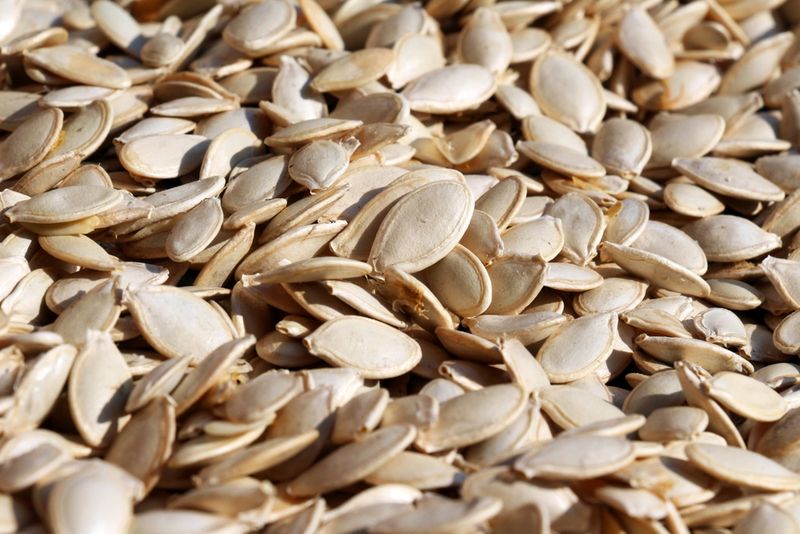
Boasting 30 grams of protein per 100 grams, pumpkin seeds rival many meats in protein density while adding minerals like zinc and magnesium.
Also called pepitas, these flat green seeds have a satisfying crunch and earthy flavor.
Roast them with spices for a portable snack, toss them into trail mix, or sprinkle them over soups and salads for added texture.
They also work well ground into pesto or blended into energy balls.
The magnesium content supports muscle function and relaxation, while zinc boosts immune health.
Next time you carve a pumpkin, save those seeds instead of tossing them out for a nutritious homemade treat.
11. Peanut Powder (Defatted)
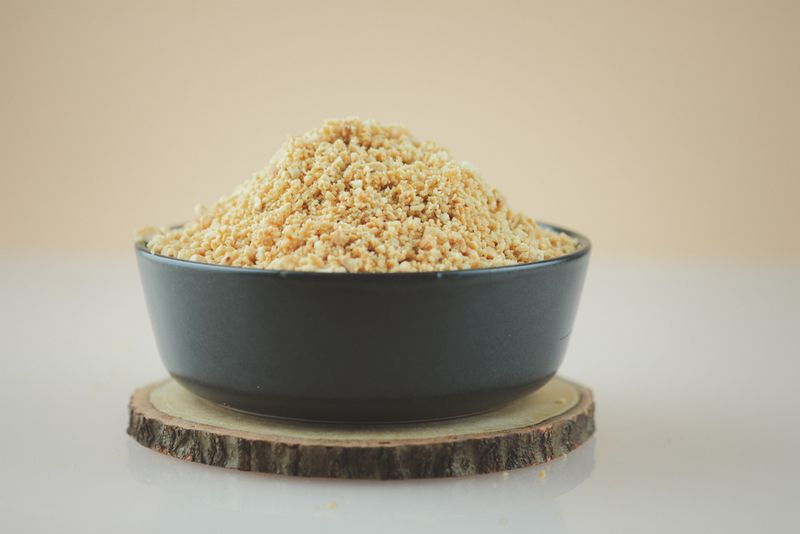
With 45 to 50 grams of protein per 100 grams, defatted peanut powder concentrates the protein by removing most of the fat from peanuts.
This creates a lighter, lower-calorie option compared to regular peanut butter.
Mix it with water to create a spreadable peanut butter alternative, or add the powder directly to smoothies, oatmeal, or baked goods.
The concentrated peanut flavor shines through without the heavy fat content.
Athletes and fitness enthusiasts particularly appreciate how it boosts protein intake without adding excessive calories.
You get all the peanutty goodness your taste buds crave while supporting your muscle-building goals with impressive efficiency and convenience.