 MomSkoop
The 1980s gave us some of the most iconic music in history, but not every hit from that era has stood the test of time. Some songs that were once huge crowd-pleasers now raise serious eyebrows when you actually stop and listen to the lyrics.
Whether the problem is sexism, stereotyping, or just plain bad taste, these tracks serve as a reminder of how much our standards have changed. Take a look at these 12 songs from the decade of big hair and neon colors that many people now find hard to defend.
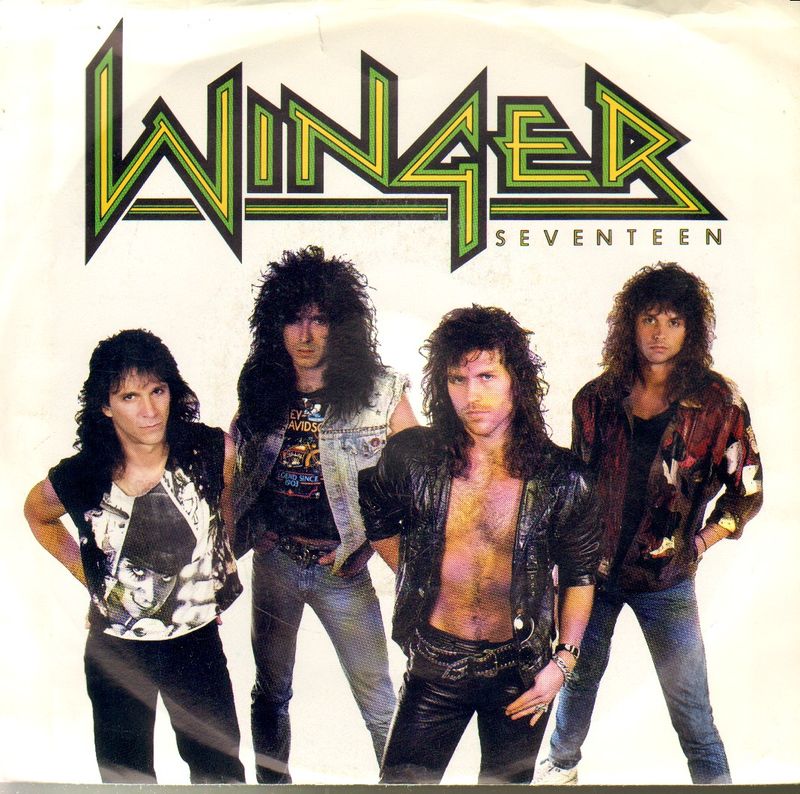
1. ‘Seventeen’ by Winger (1988)
Few songs make modern listeners cringe quite as fast as this one.
Winger’s “Seventeen” is a rock track that cheerfully celebrates a grown man’s obsession with a 17-year-old girl.
Lead singer Kip Winger was in his mid-twenties when the song came out, which makes the lyrics even harder to brush off as innocent fun.
The chorus practically brags about the age gap, treating it like a badge of honor rather than a red flag.
Back in 1988, it climbed the charts without much controversy at all.
Today, radio stations and streaming playlists tend to quietly leave it out.
Some things really do not age well, and this song is a textbook example.
2. ‘We Didn’t Start the Fire’ by Billy Joel (1989)

Billy Joel meant well with this rapid-fire history lesson set to a pop beat, but the execution has worn thin over the decades.
The song rattles off decades of headlines so quickly that it barely gives any of them the weight they deserve.
Critics and history teachers alike have pointed out that cramming serious events like the Korean War and McCarthyism into a catchy chorus feels a little too breezy.
It also has a defensive, finger-pointing tone that rubs many listeners the wrong way.
Joel seemed to be saying his generation was not responsible for the world’s problems.
That message feels more self-serving than insightful, especially now that we have a bit more distance from it.
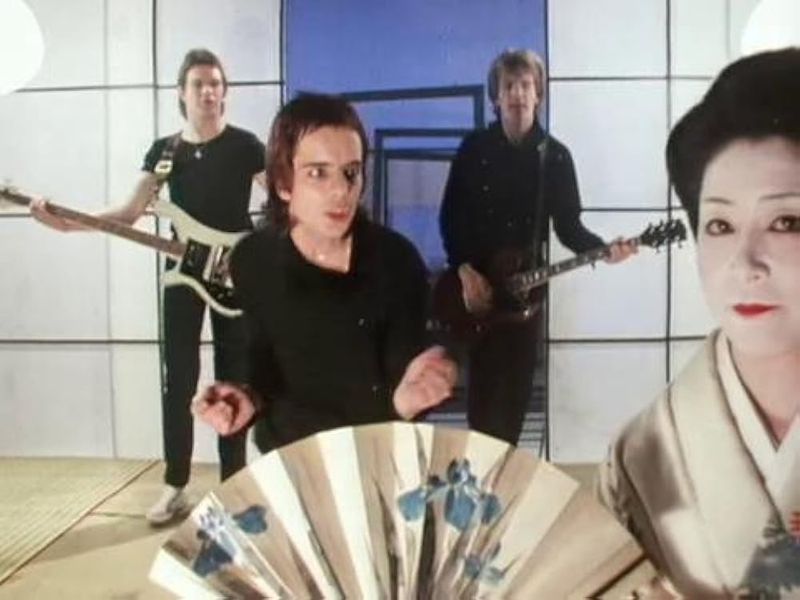
3. ‘Turning Japanese’ by The Vapors (1980)
The title alone is enough to make people pause today.
“Turning Japanese” by The Vapors was a massive new wave hit in 1980, but its use of a racial stereotype as a punchline has not held up well at all.
The phrase itself mimics a physical caricature that has long been considered offensive, and building a catchy pop hook around it was always a questionable choice.
The band has insisted the song is not about what many people assume, but the title still does a lot of damage on its own.
Good intentions aside, the cultural insensitivity baked into those two words is hard to overlook in today’s climate.
Some hits just carry too much baggage to enjoy freely anymore.
4. ‘Dude (Looks Like a Lady)’ by Aerosmith (1987)
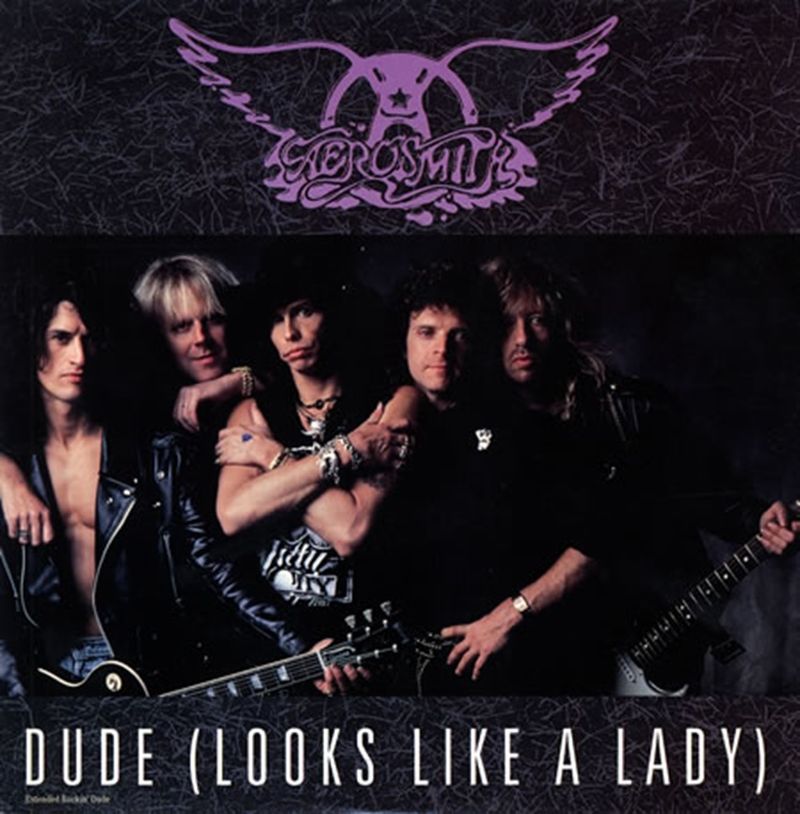
When Aerosmith dropped this glam-rock banger in 1987, it was treated as a fun, lighthearted track.
Looking back, the song’s entire premise rests on mocking a man for appearing feminine, which is a punchline that many people today find hurtful rather than funny.
The title itself uses gender presentation as the joke, and the lyrics do not exactly treat the subject with any kind of respect or nuance.
LGBTQ+ advocates have pointed out that this kind of humor contributed to real harm for people who did not fit traditional gender norms.
Aerosmith has faced renewed criticism over the song in recent years.
What once felt like harmless rock energy now reads as something the band might want to rethink.
5. ‘I Want Action’ by Poison (1987)
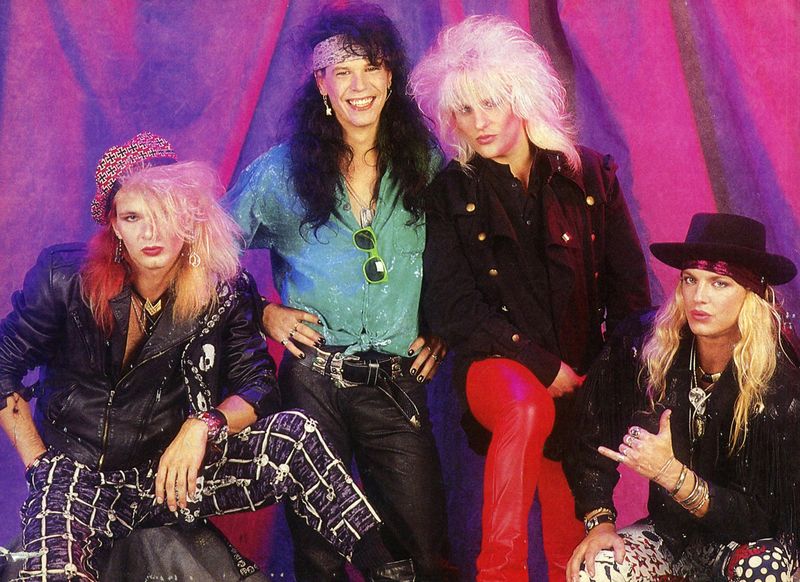
Poison was one of the flashiest bands of the 80s, and “I Want Action” captured their over-the-top attitude perfectly.
Unfortunately, the song’s attitude toward women has not aged gracefully at all.
The lyrics treat girls as prizes to be collected rather than people with their own thoughts and feelings, which was a common theme in glam metal but feels especially blunt here.
Lines about persistence despite rejection sit uncomfortably close to ignoring the word “no,” which is a message nobody should be cheering for.
At the time, this was just standard rock bravado.
Now it reads as a checklist of behaviors that would get someone in serious trouble, and rightly so.
6. ‘Girls’ by Beastie Boys (1986)
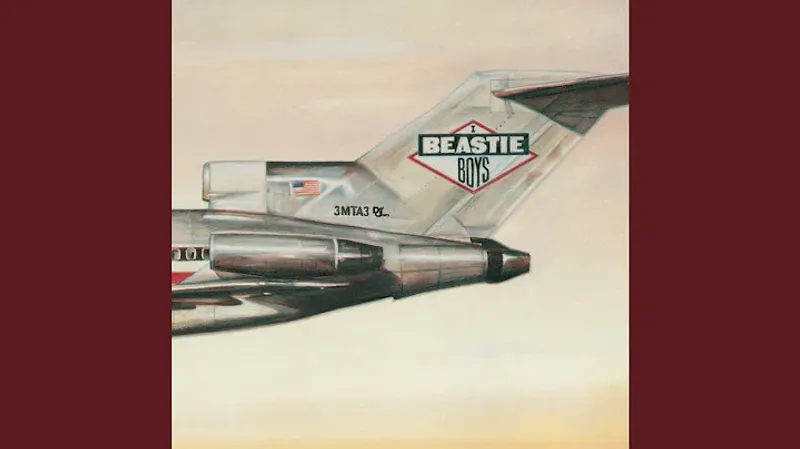
Even the Beastie Boys themselves eventually admitted that “Girls” was not their finest moment.
The song reduces women to a list of chores they should perform for the pleasure of three teenage boys, set to a bouncy, bratty beat that made it easy to overlook just how dismissive the lyrics actually were.
Ad-Rock, MCA, and Mike D later expressed regret about the misogynistic content they put out early in their career, which says something meaningful.
The fact that the group grew and publicly acknowledged the problem is genuinely admirable.
Still, the song itself remains a snapshot of casual sexism dressed up as fun.
It is hard to listen to it now without feeling a little uncomfortable.
7. ‘Parents Just Don’t Understand’ by DJ Jazzy Jeff and The Fresh Prince (1988)
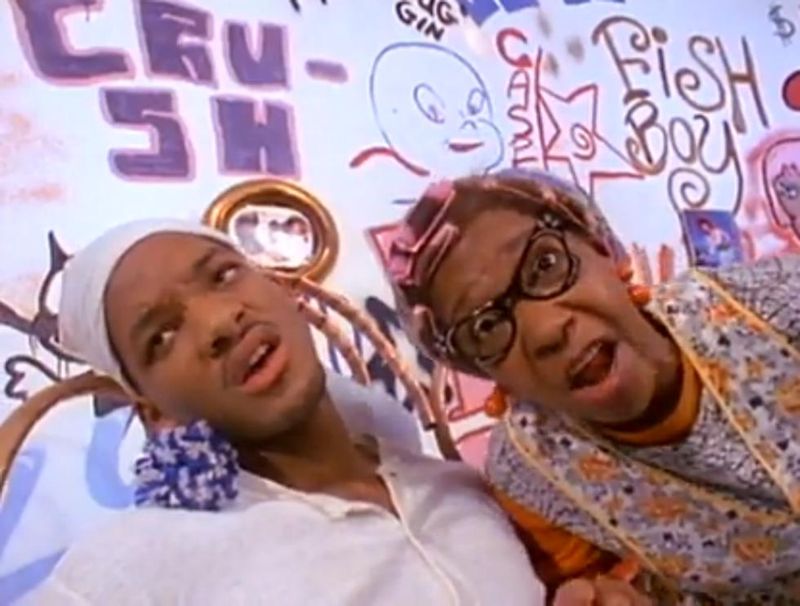
This Grammy-winning hit felt like the ultimate teen anthem back in 1988, and Will Smith’s charm made it nearly impossible not to love.
The problem is that one storyline in the song involves a teenage boy taking a girl out in his parents’ car and essentially not taking her home when she asks.
That particular verse has not held up well under modern scrutiny, and it is the kind of detail that was glossed over at the time because the rest of the song was so fun and relatable.
Nobody is calling Will Smith a villain over it.
But revisiting the lyrics as an adult reveals a moment that deserves more than a laugh track.
8. ‘Let Me Put My Love Into You’ by AC/DC (1980)
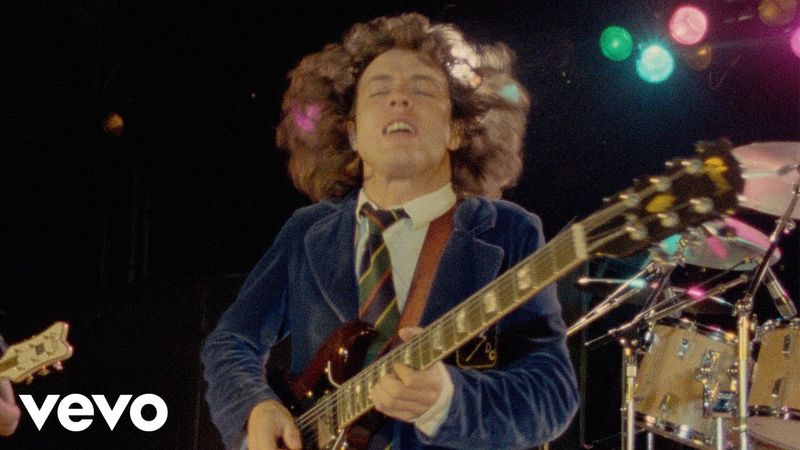
AC/DC built their entire brand on over-the-top rock lyrics, and “Let Me Put My Love Into You” is about as subtle as a sledgehammer.
The song is a string of aggressive come-ons that leave very little to the imagination, which was part of the appeal for fans at the time.
The issue is that the tone reads less like flirtation and more like pressure, with the narrator pushing hard for something without much concern for a response.
Rock music has always pushed boundaries, and AC/DC were never pretending to be poets.
Even so, listening now, it is hard to miss how one-sided and pushy the whole thing sounds.
It is a product of its era, and it shows.
9. ‘Illegal Alien’ by Genesis (1983)
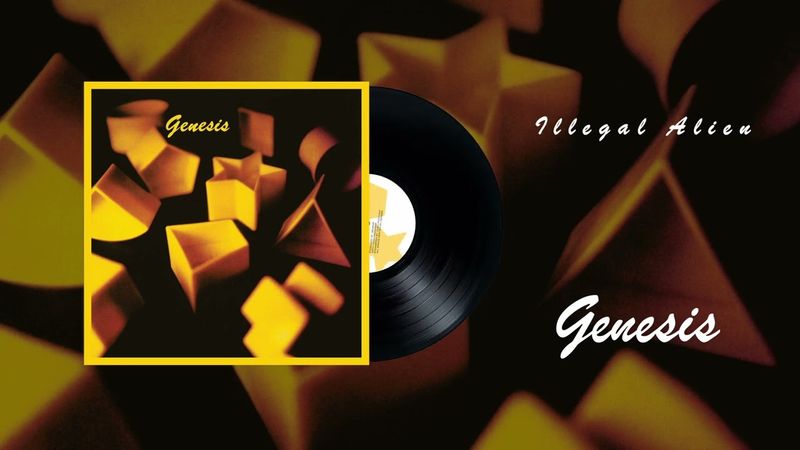
Genesis tackled immigration with “Illegal Alien,” and the result was a song that many people now consider deeply problematic.
The track uses a thick Mexican accent and relies on broad stereotypes to tell the story of someone sneaking across the border, which comes across as mockery rather than empathy.
Phil Collins has said the song was meant to shine a light on the struggles of undocumented immigrants, but the delivery undermines that intention completely.
Using someone’s accent and cultural background as a comedic device is a tough sell no matter the intent.
The music video made things even worse with its exaggerated visuals.
Good intentions do not always translate into respectful art, and this one is a clear example.
10. ‘All in the Name of …’ by Motley Crue (1987)
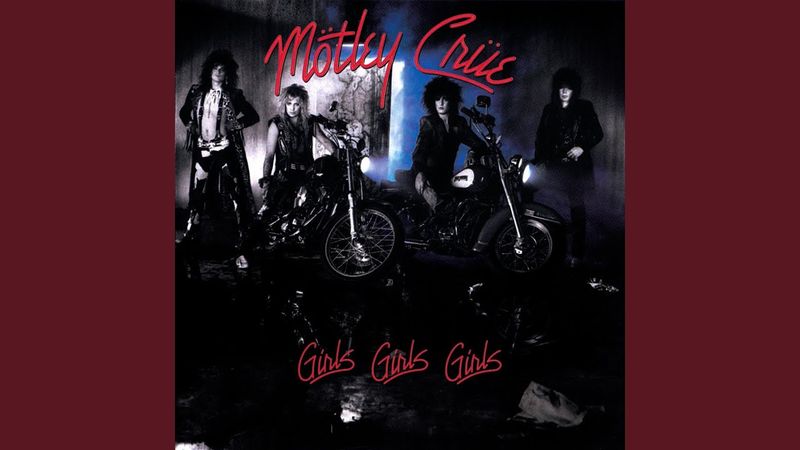
Motley Crue were never known for keeping things tasteful, but even by their own wild standards, “All in the Name of…” pushed things somewhere uncomfortable.
The song describes a sexual encounter involving a girl who is explicitly identified as underage, and the narrator treats the situation as something to brag about rather than something shameful.
It is hard to listen to it today without feeling genuinely unsettled, especially given some of the real-life controversies that have followed the band’s members over the years.
The track did not get the same level of mainstream attention as some of their bigger hits.
That might actually be a small mercy, because it represents one of the most troubling lyrical moments of the entire decade.
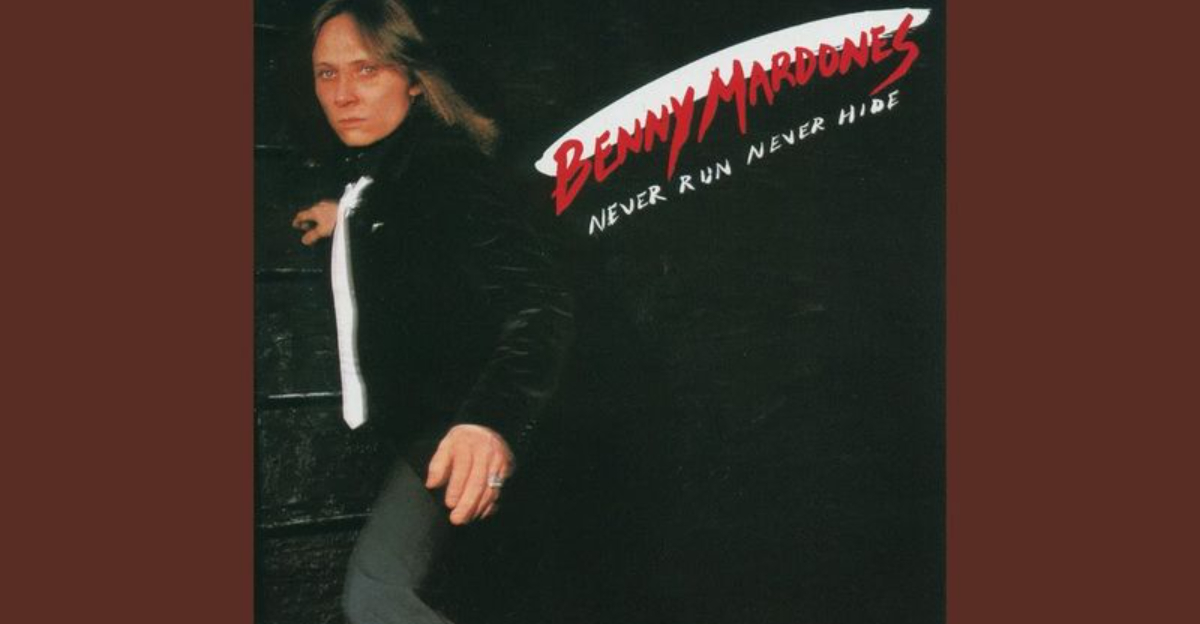
11. ‘Into the Night’ by Benny Mardones (1980)
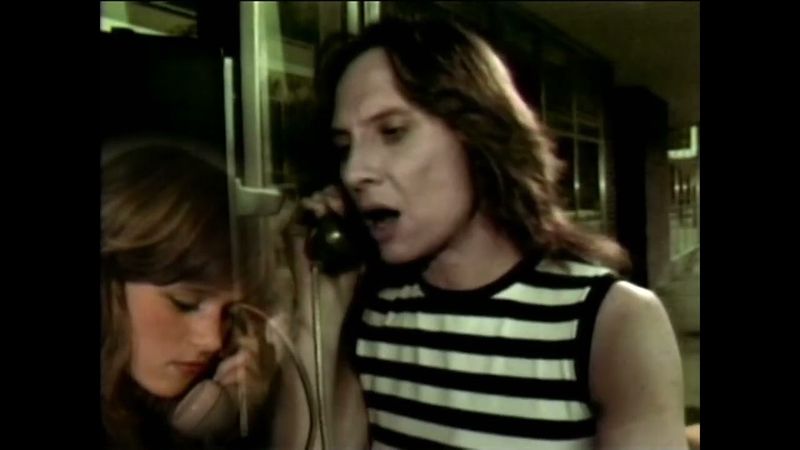
On the surface, “Into the Night” sounds like a sweeping, romantic power ballad with a gorgeous melody that still gives many people chills.
The problem surfaces the moment you pay attention to what the song is actually saying.
Mardones sings passionately about a girl who is just sixteen years old, describing his intense feelings for her as something beautiful and unstoppable.
The song was a hit twice, charting in both 1980 and again in 1989, which means a lot of people heard it without questioning the age gap at its center.
The vocal performance is genuinely stunning, which almost makes it worse.
It is the kind of song where the music and the message are completely at odds with each other.
12. ‘Eat Me Alive’ by Judas Priest (1984)
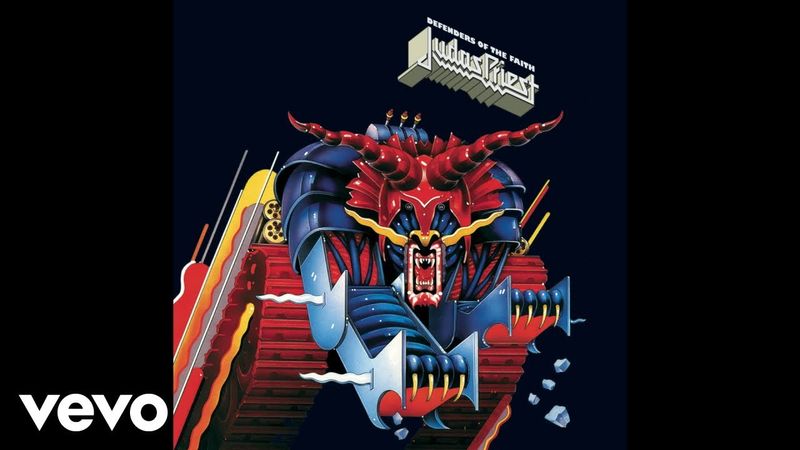
Judas Priest landed on Tipper Gore’s infamous PMRC list of offensive songs in 1985, and “Eat Me Alive” was one of the main reasons why.
The lyrics are graphically sexual and aggressive in a way that even hardcore metal fans sometimes find a bit much.
Rob Halford has always been a trailblazing figure in rock history, and the band’s musicianship is beyond question.
But this particular track reads more like a shock tactic than a song with anything meaningful to say.
The PMRC controversy actually boosted the band’s profile at the time, turning the whole thing into a publicity win.
Looking back, the song feels less like rebellion and more like a dare that nobody really needed to take.