 MomSkoop
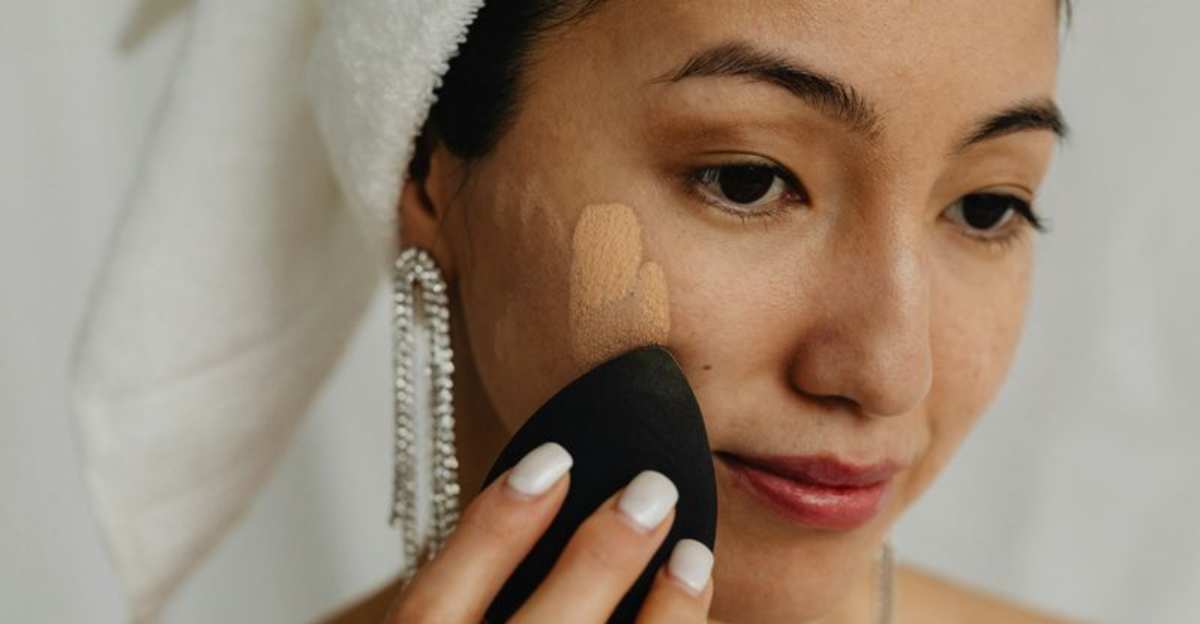
Achieving a natural makeup look sounds simple, but a few small missteps can make it obvious you are wearing a full face of products. The goal is to enhance your features while keeping that fresh, skin-like finish that makes people wonder if you were just born that way.
Whether you are new to makeup or have been wearing it for years, these common mistakes are easy to fall into. Here is what to watch out for so your no-makeup makeup look stays effortlessly beautiful.
1. Applying Too Much Foundation
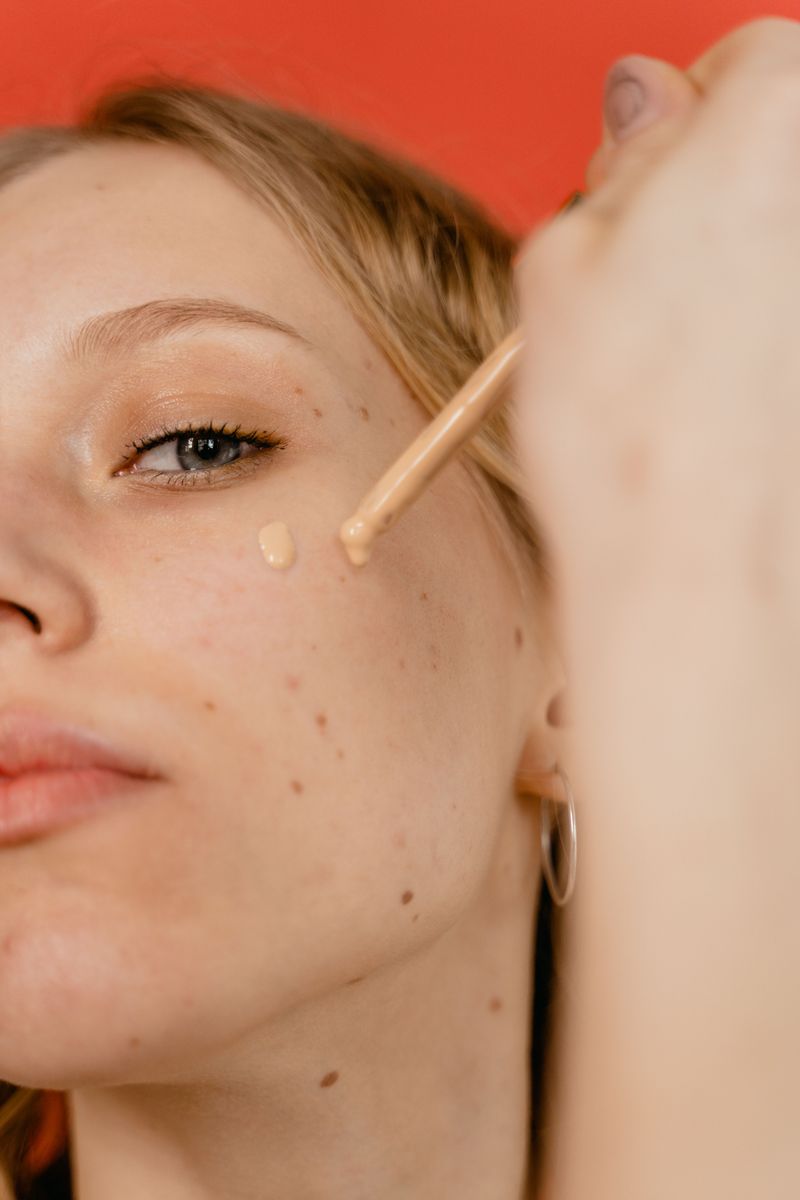
Nothing kills a natural makeup look faster than a thick, mask-like layer of foundation sitting on top of your skin.
The whole point of natural makeup is to let your real complexion shine through, flaws and all.
Instead of buffing product all over your face, dab a lightweight formula only where you actually need coverage, like around the nose or chin.
Your cheeks and forehead might not need much at all.
Sheer or skin-tint formulas are great starting points.
A damp beauty sponge helps press product into the skin so it looks more like your face and less like a painted surface.
Less is genuinely more here.
2. Choosing the Wrong Foundation Shade
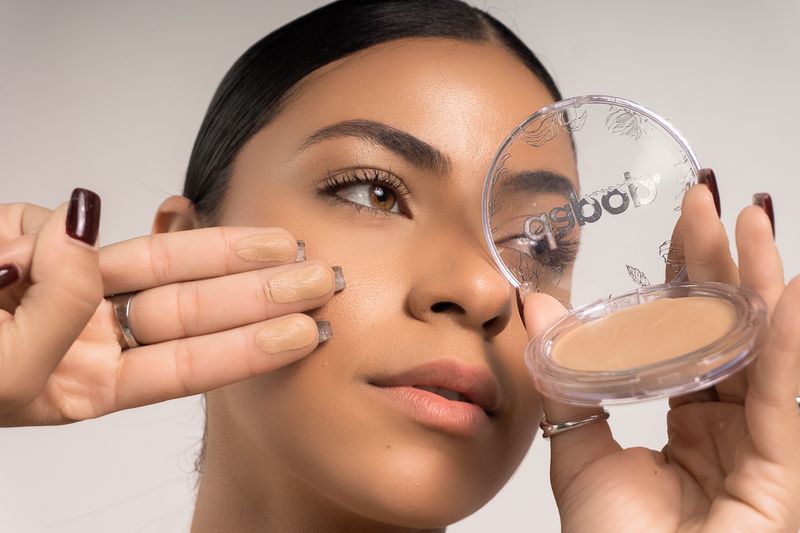
Picking the wrong foundation shade is one of those mistakes that becomes painfully obvious the moment you step outside.
Artificial store lighting is sneaky, and what looks like a perfect match indoors can turn orange, ashy, or ghostly pale in natural daylight.
Always swatch shades along your jawline, not the back of your hand.
Your neck is the real test, because your foundation needs to blend seamlessly into it.
Undertone matters just as much as depth.
Cool, warm, and neutral undertones all react differently on skin.
When in doubt, go slightly warmer rather than lighter.
A shade that is too pale can make you look washed out and anything but natural.
3. Overdrawing the Brows
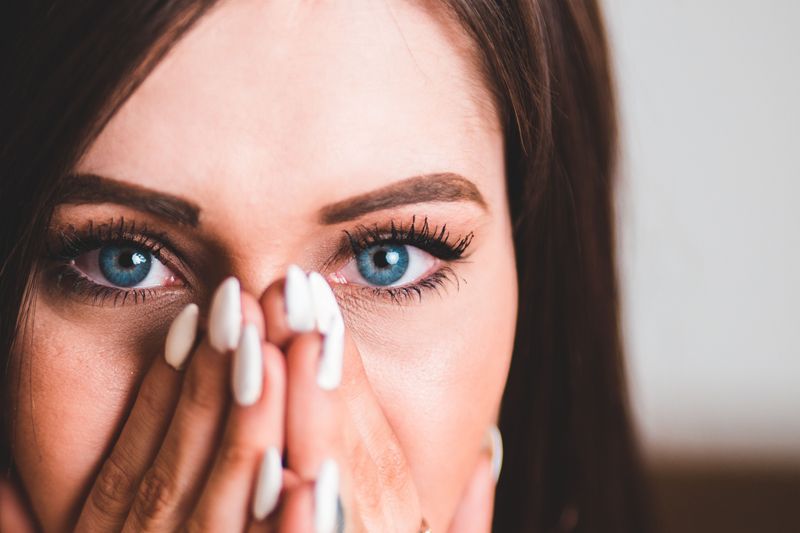
Brows frame the entire face, which means getting them wrong throws off everything else.
Overfilled, sharply outlined brows can look dramatic and bold, which is the opposite of what a soft, natural makeup look needs.
The trick is to work with what you already have.
Use a fine-tipped brow pencil or a spoolie brush with brow powder to mimic individual hair strokes, filling only the sparse patches rather than drawing a solid shape over everything.
Brushing brows upward with a clear or tinted gel adds texture and a lived-in feel.
Think of the goal as groomed and effortless, not drawn-on.
Soft, natural brows can completely transform how fresh and relaxed a makeup look feels.
4. Using Too Much Concealer Under the Eyes
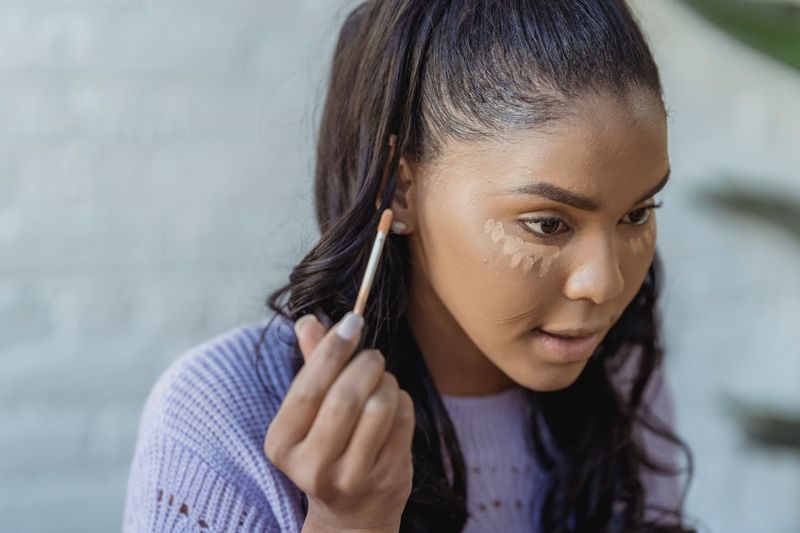
Packing on concealer under the eyes in hopes of erasing every shadow usually backfires.
Too much product settles into fine lines, creases throughout the day, and ends up drawing more attention to the area you were trying to hide.
A tiny amount of a creamy, hydrating concealer goes a long way.
Tap it gently with your ring finger or a damp sponge only where the darkest shadows appear, typically the inner corner and directly under the lash line.
Color correcting with a peach or salmon tone before concealing can cut down on how much product you need.
Setting lightly with a translucent powder helps it stay put without drying out the delicate skin underneath.
5. Skipping Proper Skin Prep
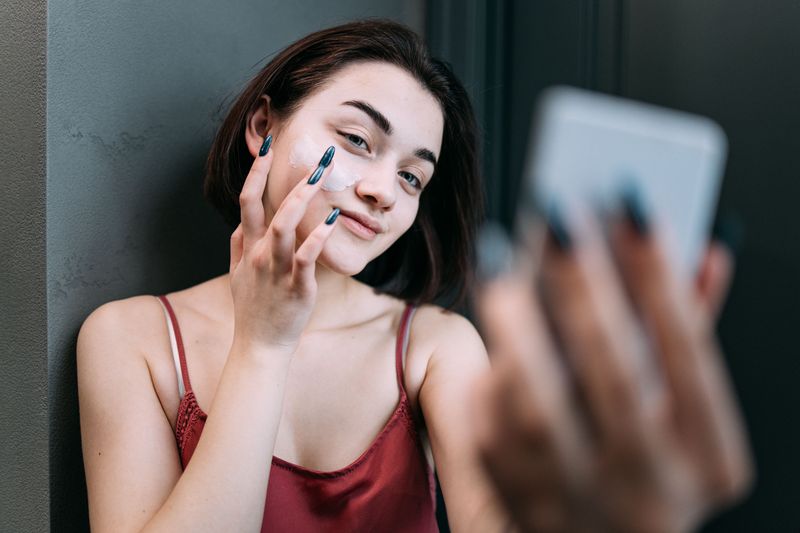
Think of your skin as a canvas.
If it is dry, flaky, or dehydrated, even the most expensive foundation will cling to dry patches and emphasize texture rather than smooth it out.
A solid skincare routine before makeup makes a bigger difference than any product you put on top.
Cleansing removes overnight buildup, a good moisturizer plumps the skin, and sunscreen protects it while also creating a slightly smoother surface for makeup to grip.
Letting your skincare fully absorb before applying anything else is key.
Rushing this step leaves a slippery or sticky base that causes products to slide around.
Healthy, prepped skin makes natural makeup look genuinely effortless and last significantly longer throughout the day.
6. Applying Heavy Contour
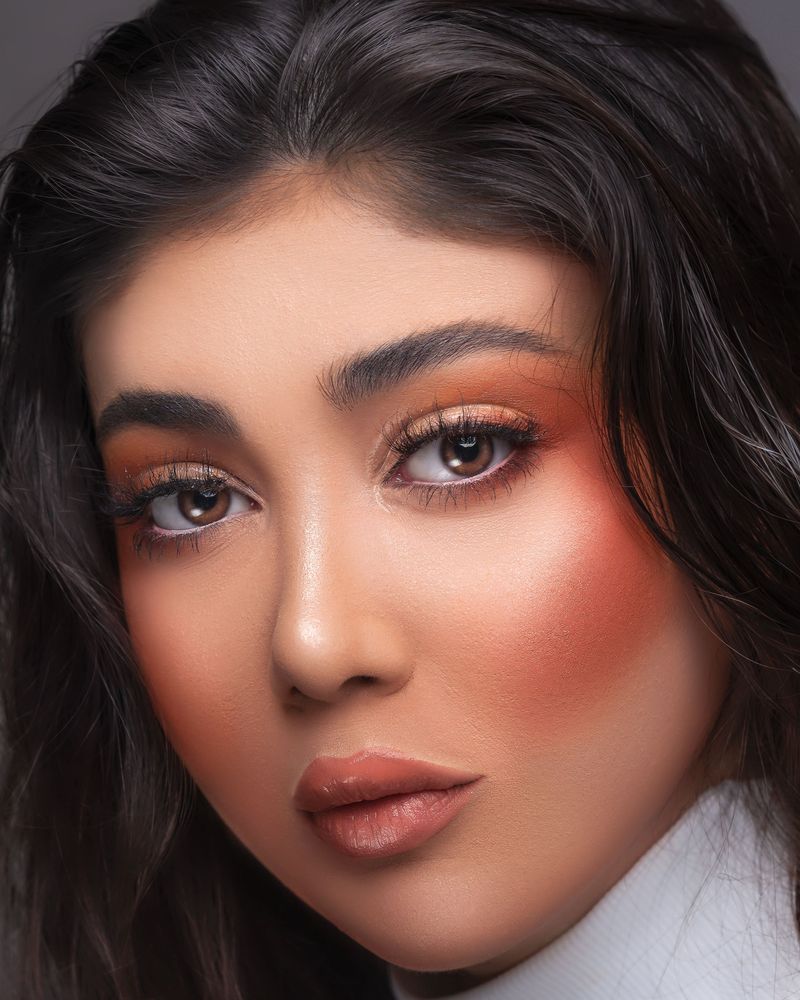
Contouring went from a red-carpet technique to an everyday staple almost overnight, but heavy-handed contour has no place in a natural makeup look.
Harsh brown stripes along the cheekbones and temples scream effort rather than effortless.
For a more believable result, swap the contour palette for a matte bronzer applied with a fluffy brush.
Dust it lightly in the hollows of the cheeks, along the hairline, and just under the jawline using a soft, circular motion.
The key word is blend.
If you can clearly see where the product starts and stops, keep blending until it disappears into the skin.
Subtle warmth and soft shadows look far more natural than sculpted lines that belong on a stage.
7. Wearing Overly Matte Products Everywhere
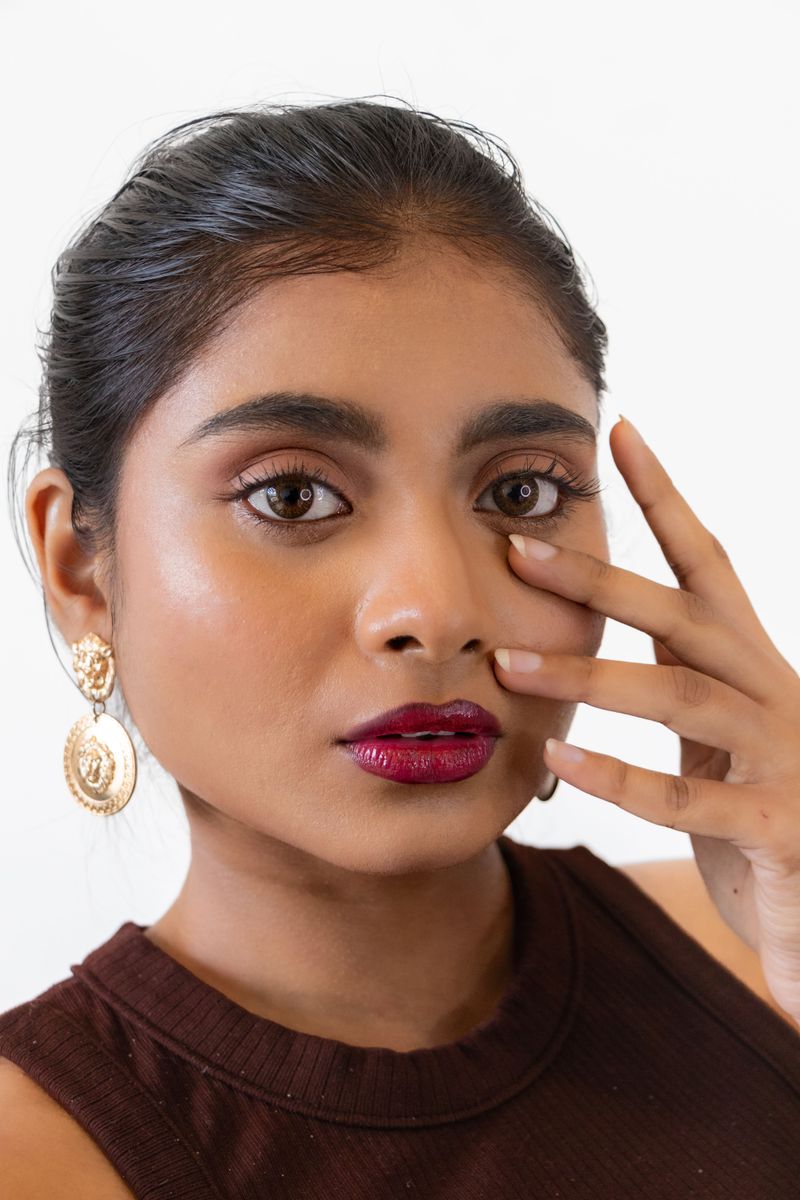
There is a big difference between a polished matte finish and a flat, lifeless complexion.
When every single product you use, from foundation to eyeshadow to blush, is fully matte, the face can look one-dimensional and even a little dull under certain lighting.
Real skin has natural variation.
Some areas catch light while others sit in shadow.
Mixing finishes mimics that naturally.
Try a satin or dewy foundation with a matte blush, or add a touch of highlighter to the high points of the face.
Even a tiny swipe of gloss on the lips adds dimension.
Strategically placed shine signals health and vitality in a way that an all-matte look simply cannot replicate.
Balance is everything.
8. Piling on Powder
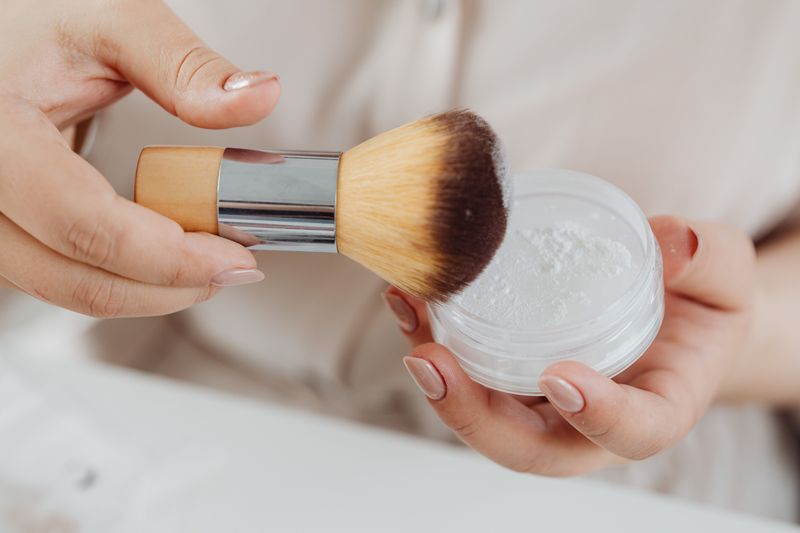
Setting powder is useful, but too much of it is a natural makeup killer.
A heavy dusting all over the face removes every trace of glow, flattens the skin, and can actually make texture, pores, and fine lines more visible rather than less.
The smarter approach is strategic placement.
Focus powder only on areas that tend to get shiny throughout the day, like the T-zone, which includes the forehead, nose, and chin.
Everywhere else can stay dewy and free of powder.
A fluffy brush with a light hand gives you just enough coverage without overdoing it.
Baking, or letting a thick layer of powder sit under the eyes for minutes, is best saved for full glam and skipped entirely for natural looks.
9. Using Thick Eyeliner

A bold black cat eye or heavy liner all the way around the eyes is dramatic and gorgeous for the right occasion, but it immediately shifts a look away from natural territory.
The eyes become the loudest thing on the face.
For a natural aesthetic, subtlety is the goal.
Tightlining, which means applying a pencil or gel liner between the lashes along the waterline, adds definition without a visible line.
A soft brown or warm gray pencil looks far more understated than black.
You can also try smudging a tiny bit of matte eyeshadow along the upper lash line with an angled brush.
The result is a shadow-like definition that blurs and blends the way real lash density does, keeping everything soft and believable.
10. Applying Too Much Blush

Blush is one of the most transformative products in a makeup bag, instantly adding warmth, life, and that healthy-looking flush.
But when it is applied too heavily or left unblended, it becomes the first thing anyone notices, and not in a good way.
Natural blush should look like you just came in from a brisk walk or had a good laugh.
Build color gradually with a light hand, starting with less than you think you need and layering until you hit that sweet spot.
Placement matters too.
Smiling and applying to the apples of the cheeks, then blending upward toward the temples, mimics how a real flush spreads across the face.
Soft edges are everything when it comes to keeping blush looking natural.
11. Choosing an Unnatural Lip Color
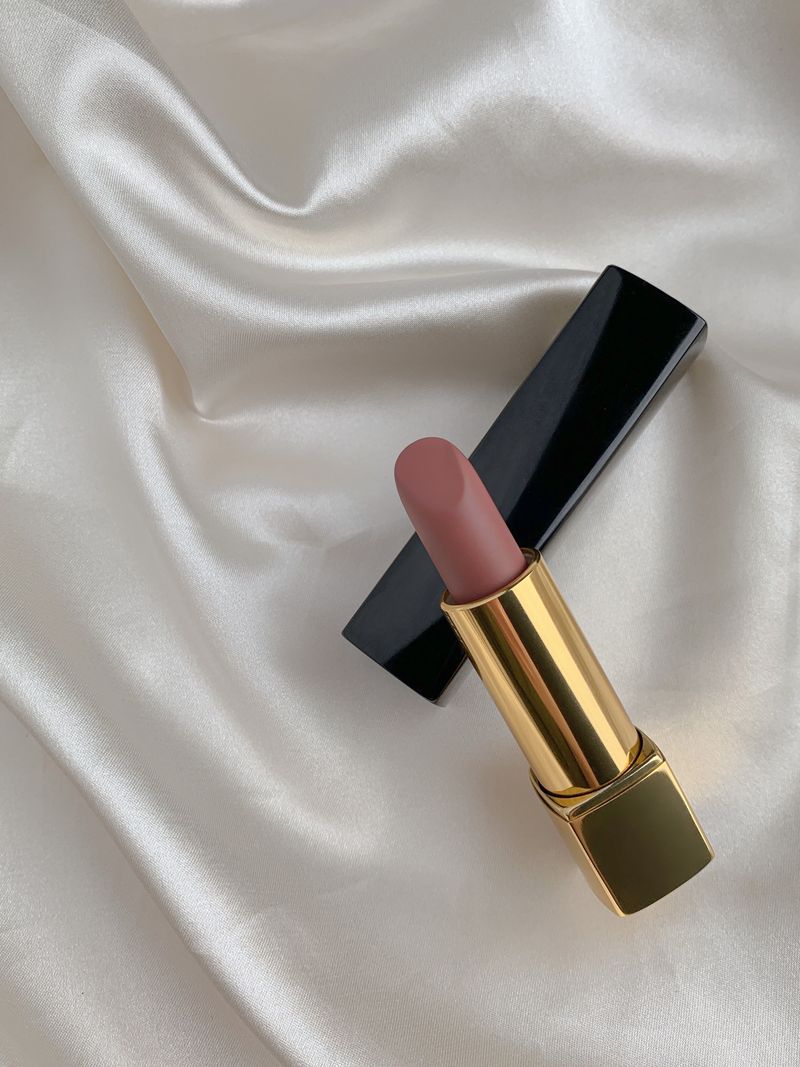
Lips are one of the first things people notice, so the color you choose has a huge impact on whether your overall look reads as natural or full glam.
Deep vampy shades, electric neons, and heavily pigmented opaque formulas all signal high drama, which clashes with a minimal makeup vibe.
Shades that are close to your natural lip color but slightly more polished tend to work best.
Think nudges in the nude, rosy, peach, or soft berry direction rather than dramatic departures from your natural tone.
Texture plays a role too.
A tinted lip balm, a sheer gloss, or a satin lipstick in a your-lips-but-better shade keeps the focus soft and seamless.
The goal is enhanced, not transformed.
12. Forgetting to Blend Everything
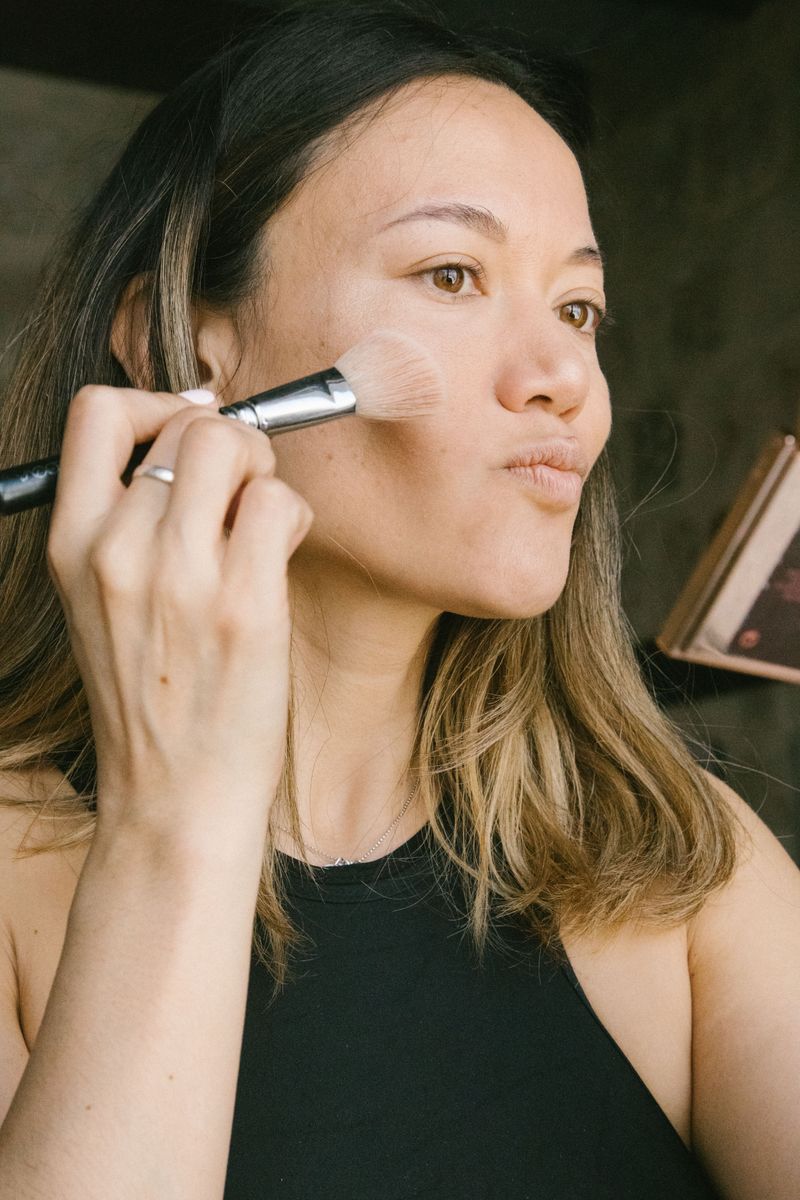
Blending is the single most important skill in natural makeup, and skipping it undoes every other effort you made.
Visible foundation edges along the hairline or jawline, streaky bronzer, patchy eyeshadow, and unblended blush all scream that makeup is sitting on top of the skin rather than melting into it.
Taking an extra sixty seconds to go over every product with a clean brush or damp sponge makes an enormous difference.
Circular buffing motions help break up harsh lines and push products into the skin texture.
Check your work in natural light before heading out.
What looks blended in a dimly lit bathroom mirror can look completely different outdoors.
That final check and touch-up is the step that separates a polished natural look from a noticeably made-up one.