 MomSkoop

Holding a door for someone takes about two seconds, yet skipping it can sour a stranger’s whole morning. I find it fascinating how the smallest choices often say the most about how we treat other people. Most inconsiderate habits aren’t dramatic or cruel at all. They’re quiet slips, like a speakerphone call on a crowded bus or a shopping cart parked sideways across an aisle.
That’s the part that interests me most, because nearly everyone has done at least one of these without noticing. Spotting them in others is easy, but catching them in yourself takes a little more honesty and a pinch of humor. The good news is that each habit on this list has a simple fix that costs nothing. Which ones will make you nod, and which ones might make you wince just a little?
1. Loud Phone Calls in Public

Nobody on the bus signed up to hear about your cousin’s wedding drama.
Still, loud phone calls in shared spaces turn strangers into a captive audience.
Buses, cafes, waiting rooms, and checkout lines don’t come with a mute button for other people.
The trouble isn’t the call itself.
Phones are part of daily life, and sometimes a call simply can’t wait.
The problem starts when the volume climbs as if the whole room needs to follow along.
Personal details, work complaints, and long arguments become everybody’s business, whether they want it or not.
A few easy habits make a big difference.
Try lowering your voice to the level you’d use with someone sitting right beside you.
If the call is long or private, step outside or into a quieter corner.
You can also send a quick text that says you’ll call back in ten minutes.
Speakerphone in public deserves its own warning label.
It doubles the noise and adds a second voice that nobody can escape.
Holding the phone to your ear or using earbuds keeps the conversation where it belongs.
Your news might be exciting, but the person next to you probably just wants to read in peace.
2. Playing Media Without Headphones

Somewhere right now, a phone is blasting a cooking video in a quiet waiting room.
The owner may think the sound is low, but small speakers carry farther than most people expect.
Everyone nearby becomes part of an audience they never joined.
Music, shows, games, and short videos are fun.
Nobody’s arguing that point.
The issue is that public spaces belong to the group, not just to one person and their playlist.
A restaurant, train car, or library feels very different when one device sets the soundtrack for the whole room.
Headphones solve this problem almost instantly.
Earbuds are small enough to keep in a pocket, bag, or car cup holder.
If you forget them, turning on captions works surprisingly well for most videos.
You still get the content, and the people around you keep their peace and quiet.
Kids watching tablets in restaurants can be part of this too.
Parents often need a few calm minutes, and that’s completely understandable.
Packing a pair of kid-sized headphones keeps the cartoon going without filling the dining room with theme songs.
It’s a tiny step that shows you noticed the people around you.
3. Blocking Walkways and Doorways

A sidewalk traffic jam can form in about three seconds flat.
All it takes is a group of friends stopping to chat right in the middle of a narrow path.
Suddenly, everyone else is dodging, weaving, and doing that awkward little shuffle to get by.
People rarely do this on purpose.
Conversations get exciting, phones demand attention, and the world around you fades a little.
Yet doorways, store entrances, escalator landings, and narrow hallways are spots where people need to keep moving.
Standing still there creates a bottleneck that nobody planned.
Grocery stores have their own version of this habit.
A cart parked sideways across an aisle can block shoppers on both ends.
Someone with a stroller, a walker, or a wheelchair may have no way around it at all.
Pushing your cart to one side takes only a moment.
A handy rule is to step aside before you stop.
If you need to check directions, answer a text, or finish a story, move toward a wall or a corner.
Picture yourself as a car pulling over to the shoulder.
The flow keeps going, and you still get to finish your chat in comfort.
4. Always Running Late

Ten minutes might not sound like much until you’re the one sitting alone at a cafe table, refreshing your phone.
Running late now and then happens to everyone.
Traffic jams, sick kids, and missed buses are part of life.
Chronic lateness is a different story.
When someone shows up late again and again, the message others hear is that their time matters less.
The person waiting has given up part of their day too.
They may have rushed, skipped something, or rearranged plans to be there on time.
Some people truly struggle with time, and that deserves patience.
Still, a few tricks can help.
Plan to arrive fifteen minutes early instead of right on time.
Set an alarm for when you need to leave, not just when the event starts.
Lay out your keys, bag, and shoes the night before.
Communication matters just as much as the clock.
If you’re running behind, send a message as soon as you know, with a realistic arrival time.
A quick text saying you’re twenty minutes away is far kinder than silence.
Showing up on time is one of the simplest ways to tell someone you value them.
5. Constant Interrupting

Halfway through your best story, someone jumps in with their own.
Sound familiar?
Constant interrupting is one of the quickest ways to make a person feel unheard.
Cutting people off breaks their train of thought.
They lose their place, forget their point, or give up on finishing altogether.
Over time, it sends a clear message that the interrupter’s thoughts are more important.
Even if that isn’t the intention, it’s often how it feels on the receiving end.
Plenty of interrupters are simply excited.
They have a great idea, and they’re afraid they’ll forget it.
Others grew up in loud, chatty families where jumping in was the only way to be heard.
Understanding the reason doesn’t make the habit less frustrating, but it does make it easier to fix.
Try a small pause before you speak.
Wait until the other person clearly finishes their sentence, then count to two in your head.
If you’re worried about losing your thought, jot a quick note on your phone.
When you do interrupt by accident, a simple “Sorry, go ahead” goes a long way.
People tend to feel more understood when they get the space to finish, and they’ll likely return the favor.
6. Brushing Off Other People’s Feelings

“Just get over it” might be the least comforting sentence in the English language.
Few people have ever felt better after hearing it.
Yet phrases like this pop up all the time when someone shares something hard.
Brushing off feelings can look small on the surface.
Telling someone they’re too sensitive, changing the subject quickly, or rushing them to feel better all fall into this category.
Each one suggests their emotions are a bother rather than something worth hearing.
That can leave a person feeling alone, even in a crowded room.
Sometimes the dismissive response comes from discomfort.
Many people don’t know what to say when a friend is upset, so they try to fix the problem fast.
Others think a little tough love will help.
Usually, though, the person just wants to feel heard first.
You don’t need perfect words.
A simple “That sounds really hard” or “I’m sorry you’re dealing with that” works wonders.
Asking “Do you want advice, or do you just want to vent?” is another helpful move.
Listening without judging is a quiet kind of kindness, and people tend to remember who gave them that space.
7. Scrolling During Conversations

Talking to someone who’s scrolling feels a bit like chatting with the back of a cereal box.
The words go out, but nothing much seems to come back.
Phones have made this habit incredibly common at dinner tables, meetings, and even first dates.
Glancing at a screen during a conversation tells the other person they’re competing for attention.
Sometimes they’re losing to a cat video.
Even quick peeks can make a speaker feel rushed or unimportant.
Earbuds left in during a chat send a similar signal, as if half of your brain is somewhere else.
Of course, some situations need a phone nearby.
Parents waiting on a call from school or workers expecting an urgent update have real reasons to check.
A quick heads-up helps here.
Saying “I’m waiting on one call, so I might need to look” makes the glance feel polite instead of dismissive.
For everyday hangouts, try putting the phone face down or tucking it into a pocket.
Some friend groups even stack their phones in the middle of the table during meals.
Pulling out an earbud when someone talks to you is another small win.
Full attention has become rare, which makes it feel even more special.
8. Leaving Messes for Others
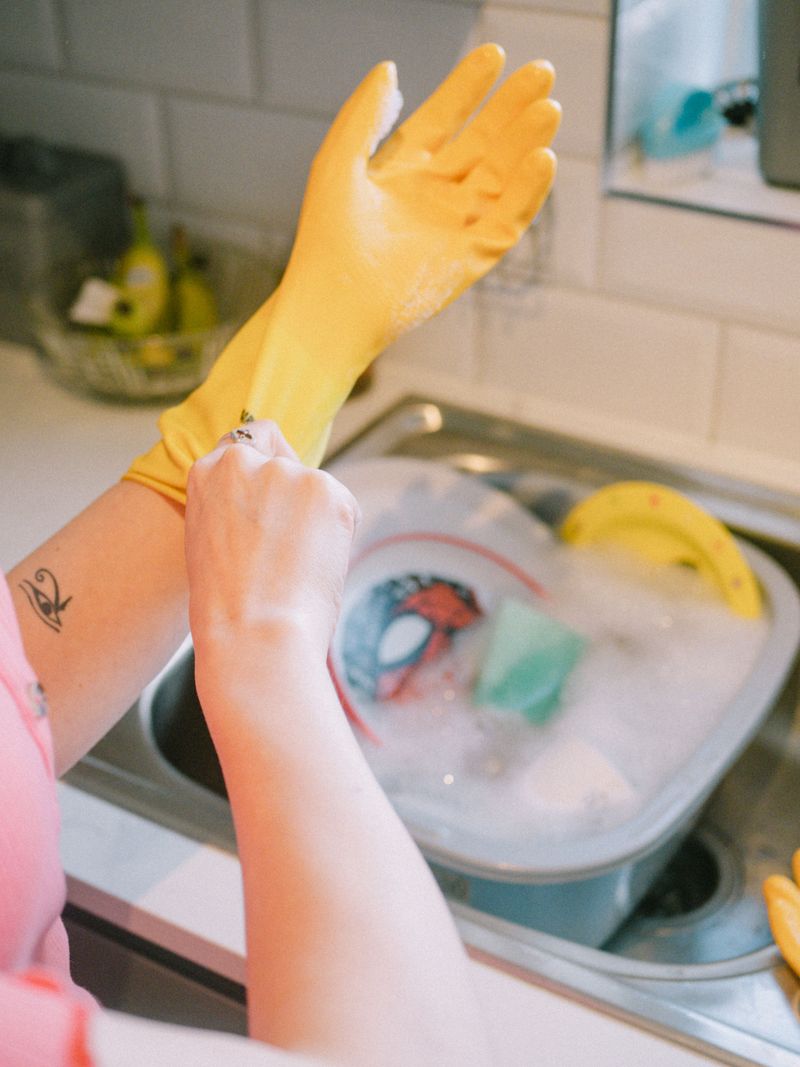
Dirty dishes don’t wash themselves, no matter how long they soak.
Somebody eventually has to deal with them, and it’s usually not the person who left them.
Leaving messes behind is one of those habits that quietly wears on roommates, families, and coworkers.
Shared spaces work best when everyone pitches in.
A sink full of plates, crumbs on the counter, or clothes scattered across the living room can turn a home into a source of stress.
The office kitchen has its own version, featuring that mystery container hiding in the fridge for weeks.
Meals are another common spot for this habit.
When someone cooks a big dinner, they’ve already put in time and effort.
Walking away from the table without offering to help leaves the cook with even more work.
Simply asking “Can I help clean up?” shows appreciation in a practical way.
Every household has different standards, so it helps to talk openly.
Roommates might agree on a chore chart or a quick nightly tidy.
Families can split tasks by age and schedule.
You don’t have to be spotless, but cleaning up your own stuff keeps the peace far better than any air freshener ever could.
9. Giving Backhanded Compliments

“You’re so brave to wear that!” sounds nice for about half a second.
Then the real meaning sinks in.
Backhanded compliments wrap a small insult in a pretty package, and the receiver usually notices.
These comments are tricky because they look friendly on the surface.
Other common examples include “You look great for your age” or “Wow, you actually did a good job.” Each one hides a little dig behind the praise.
The person hearing it often feels confused, hurt, or unsure how to respond.
Not every awkward compliment comes from a mean place.
Sometimes people just choose their words poorly.
Still, the effect can sting, especially when it happens over and over.
Patterns matter more than a single clumsy moment.
Fixing this habit is pretty simple.
Before giving a compliment, try removing any comparison or condition from it. “You look great” works better than “You look great for once.” “I love that color on you” beats “Not everyone could pull that off.” Clean, simple praise lands well and leaves no room for second-guessing.
If you notice a hidden jab slipping into your words, just drop the extra part and keep the kind bit.
10. Hogging the Conversation

Some conversations feel less like a chat and more like a one-person show.
One speaker holds the microphone, and the rest of the group becomes the audience.
Before long, people start checking the clock.
Conversation hogs often steer every topic back to themselves.
You mention your vacation, and suddenly you’re hearing about their trip, their luggage, and their airport snack choices.
Your story never gets finished.
Over time, friends may start sharing less because they know the spotlight won’t stay with them.
This habit isn’t always about ego.
Nervous talkers fill silence because quiet moments feel uncomfortable.
Others are just bursting with enthusiasm.
Even so, conversations work best when they go back and forth like a game of catch.
A few simple tricks help balance things out.
Ask follow-up questions, such as “What happened next?” or “How did that feel?” Pay attention to how long you’ve been talking without a break.
If you notice you’ve shared three stories in a row, toss the ball back to someone else.
People often walk away remembering how a conversation made them feel.
Letting them shine is one of the easiest ways to be good company.
11. Overdoing the Fragrance

A good scent can be a lovely finishing touch.
Five sprays in a small elevator, though, can turn that touch into a cloud.
Strong perfumes, colognes, and body sprays tend to linger in tight spaces long after the wearer leaves.
What smells pleasant to one person might bother someone else.
Some people find heavy scents distracting, while others may get headaches or feel uncomfortable around them.
Offices, classrooms, buses, and movie theaters are places where people can’t easily step away.
That makes a little restraint especially thoughtful.
The fix doesn’t mean giving up your favorite bottle.
Try one or two light sprays instead of several.
Applying fragrance to your skin, rather than spraying it into the air and walking through, can keep it closer to you.
A simple guideline is that people should only notice your scent if they’re standing quite close.
Some workplaces even ask employees to keep fragrances light or skip them altogether.
If you’re unsure, it’s fine to ask a trusted friend for an honest opinion.
Noses get used to familiar scents quickly, so you may not notice how strong yours is.
A quieter scent still makes a pleasant impression without filling the room.
12. Skipping Basic Courtesies
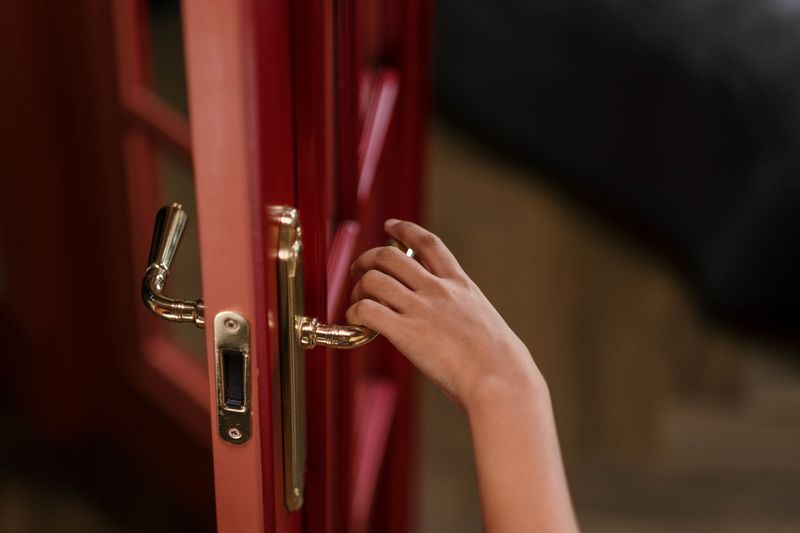
Letting a door slam in someone’s face takes zero effort, which is exactly why it stings.
Small courtesies like holding doors, saying thank you, and making introductions might seem old-fashioned.
Yet they shape how people feel in everyday moments.
Elevators and buses offer a classic example.
Pushing your way on before others step off creates a messy jam at the doors.
Waiting a few seconds lets everyone move smoothly, and nobody has to squeeze past anyone.
It’s basic traffic sense for humans.
Introductions matter too.
Picture running into a coworker while out with a friend.
If you chat away without introducing your friend, they’re left standing there like a lamp.
A quick “This is my friend Sam” brings them into the moment and saves everyone some awkwardness.
None of these habits require money, special skills, or extra time.
A glance over your shoulder before letting a door go is enough.
So is a simple please, a sincere thank you, or stepping aside to let someone exit.
These little gestures add up, and they often make a stranger’s day a tiny bit easier.
That’s a pretty good return for two seconds of attention.