 MomSkoop

A door that used to stay open now clicks shut every evening, and nobody mentions it. Small shifts like that can carry more meaning than a loud argument ever could. Unhappiness in a marriage often shows up quietly, in shorter talks and fewer hugs. I find that part interesting, because the clues hide inside ordinary routines like dinner, texting, and weekend plans.
None of these signs proves anything on its own, and stress from work, health, or family can look similar. Still, noticing patterns early gives couples a better chance to talk before distance turns into a habit. The list below covers twelve behaviors worth paying attention to, along with ideas for responding kindly. Which ones feel familiar in your own home, and which ones might simply mean she needs a nap?
1. Pulling Away Emotionally

She’s sitting right there at the table, nodding along, yet her mind seems to be in another zip code.
Emotional withdrawal often looks like presence without connection.
The body shows up, but the heart stays in the car.
Conversations may stay polite and shallow.
You hear about the grocery list, but not about the thing that bothered her at work or the dream she mentioned last spring.
When someone feels misunderstood or unsupported over time, shutting down can feel safer than sharing and getting hurt again.
Of course, a quiet week doesn’t mean a marriage is in trouble.
Stress, exhaustion, grief, or a rough patch with a friend can all make a person turn inward for a while.
The pattern matters more than any single evening.
If this sounds familiar, try asking open questions that can’t be answered with a shrug.
Something like “What was the hardest part of your day?” invites more than “Was your day okay?” Then listen without jumping in to fix it.
Patience helps here.
Someone who has learned to keep feelings tucked away may need several calm, low-pressure chances before she trusts that opening up is worth it again.
2. A Shorter Fuse Than Usual

Socks on the floor used to earn an eye roll and a laugh.
Lately, they spark a full lecture with footnotes.
A sudden jump in irritability can be one of the louder clues that something deeper feels off.
Frequent criticism might show up as small, sharp comments that sting more than expected.
She may seem bothered by things that never used to matter, like the way you load the dishwasher or how long you take in the shower.
The moment often passes quickly, but the pattern lingers.
Here’s a helpful way to look at it.
Snapping about a towel is rarely about the towel.
Often, the small complaint is a safer target for a bigger frustration that feels too heavy to say out loud.
Getting defensive is tempting, and nobody enjoys being nitpicked.
Try calmly naming what you notice instead, such as “You seem really frustrated lately.
Is something bigger going on?” That question opens a door instead of starting a debate about socks.
Also check whether outside pressures are piling up.
Hormones, sleep loss, money worries, and caregiving can all shorten anyone’s patience, and they deserve attention too.
3. Fewer Hugs and Less Closeness

Remember when a goodbye kiss was automatic, like grabbing your keys?
When those little touches fade, the change can say a lot without a single word.
Physical affection includes hugs, hand-holding, a squeeze on the shoulder, and sexual intimacy.
A decline in these can reflect emotional distance, because many people need to feel close inside before they want to feel close physically.
She may seem uninterested or gently avoid moments that used to come naturally.
That said, closeness naturally rises and falls over the years.
New babies, illness, medications, menopause, and plain tiredness can all lower desire.
Jumping to conclusions about rejection can make the situation tenser than it needs to be.
A practical step is to rebuild connection outside the bedroom first.
Non-sexual touch, like holding hands on a walk or sitting close during a movie, can feel comforting without pressure.
Kind words and help with chores matter more than many people expect.
A direct, gentle conversation also helps.
Ask what makes her feel loved and close right now, since the answer may have changed since your wedding day.
People grow, and so do their needs.
4. A Calendar Packed With Everything Else

Book club on Monday, extra shifts on Tuesday, volunteering Wednesday, and a spin class every other night.
Busy people exist, of course, but a schedule that suddenly leaves zero room for home can be telling.
An unhappy wife may pour more energy into work, hobbies, or friends.
Sometimes she’s seeking fulfillment that feels missing at home.
Other times, a packed calendar works like a polite escape hatch from tension nobody is talking about.
Friends and passions are healthy, and nobody should be expected to spend every free hour with a spouse.
The question is whether the outside activities are adding to her life or quietly replacing the marriage.
One way to approach this is with curiosity rather than suspicion.
Ask about the things she loves doing and show real interest.
You might even find an activity you could share, like a weekend hiking group or a cooking class.
You can also suggest a standing time just for the two of you.
A Friday breakfast or Sunday walk gives connection a reserved spot.
If she keeps canceling, that response is worth a calm, honest conversation.
5. No More Talk About the Future

Couples love to daydream together about the beach trip, the kitchen remodel, or retiring somewhere with fewer snow shovels.
When those plans stop coming up, the silence can speak loudly.
A wife who feels dissatisfied may avoid talking about vacations, home projects, or long-term goals.
She might change the subject or answer with a vague “we’ll see.” Traditions you used to enjoy, like a yearly anniversary dinner or decorating together for the holidays, may lose their spark for her.
Planning a future together requires picturing yourselves as a team down the road.
If she’s unsure about that picture, committing to plans can feel uncomfortable.
Still, some people simply aren’t big planners, and money stress can make dreaming feel pointless.
Think about how she talked about the future before, and compare it with now.
Try starting small.
Instead of asking about five years from now, suggest something for next month, like trying a new restaurant.
Her reaction can give you useful clues.
You might also ask, kindly, what she hopes her life looks like soon, and listen without arguing with her answer.
6. Conversations Turn Into Logistics
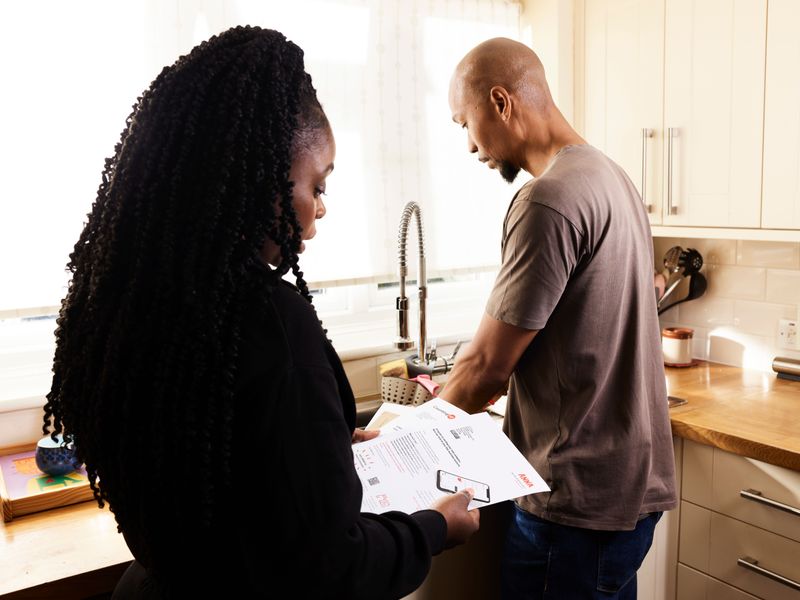
“Did you pay the electric bill?” “Who’s picking up Emma?” “We’re out of milk.” If that sounds like your whole week of talking, your marriage might be running like a small business with no lunch breaks.
Communication that shrinks to practical matters can signal distance.
She may still talk about the house, kids, and bills, but stop sharing her worries, jokes, or hopes.
It can seem like she no longer views her partner as a safe place for feelings.
Busy seasons can squeeze conversation down to logistics for anyone.
Raising young children or juggling two jobs leaves little time for heart-to-hearts.
The concern grows when the busy season ends but the business-only tone stays.
A simple fix to try is a daily check-in with a no-logistics rule.
Spend ten minutes talking about anything except schedules and chores.
Share something funny, something hard, or something you noticed.
Watch how you respond when she does open up.
Eye-rolling, phone scrolling, or quick advice can teach someone that sharing isn’t worth the effort.
Calm attention, on the other hand, makes the next conversation more likely.
7. Craving Time Alone
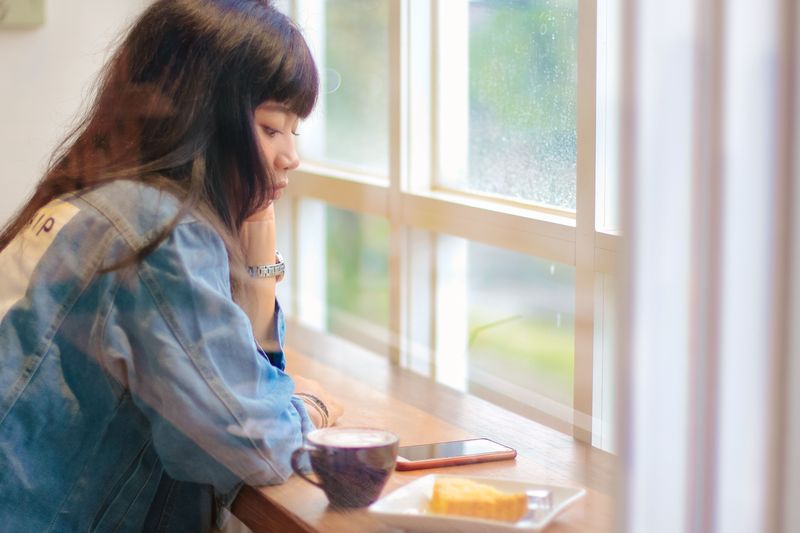
Closed doors that used to stay open can be surprisingly noticeable.
She might slip off to another room after dinner, take long drives, or stay at the store a little longer than the shopping list requires.
Seeking solitude can mean she needs space to think.
When home feels tense or emotionally draining, alone time becomes a way to recharge or avoid friction.
Delaying the return home after errands or work can serve the same purpose.
Let’s be fair, though.
Plenty of happy people adore quiet time, especially introverts and parents who rarely get a minute to themselves.
Wanting an hour with a book and a locked bathroom door is not a red flag.
What matters is the shift.
If she used to seek you out and now seems to seek out empty rooms instead, the change deserves attention.
Respect her need for space rather than chasing her from room to room.
Then, at a calm moment, mention what you’ve noticed without blame.
You could say, “You seem to need more time alone lately.
Is there anything I can do to make home feel easier?” That keeps the tone supportive.
8. Scrolling Through Other Couples’ Lives

Social media feeds are full of surprise roses, sunset proposals, and husbands who apparently fold laundry for fun.
Of course, those posts rarely show the arguments about the thermostat.
An unhappy wife may spend more time on her phone and compare her relationship with what she sees online.
She might wonder why her marriage doesn’t look as romantic or exciting.
That comparison can reflect sadness about missing romance or happiness in her own life.
Increased phone use alone doesn’t mean much, since many people scroll to relax or keep up with friends.
The bigger clue is comparison.
Comments like “Must be nice” while looking at someone’s anniversary post can hint at a longing she hasn’t voiced directly.
Instead of mocking those picture-perfect couples, use them as a clue.
What is she responding to?
Maybe it’s thoughtful gestures, adventure, or simply being noticed.
Those wishes are often more affordable than a Paris getaway.
A handwritten note, a planned date, or remembering a small detail she mentioned can go a long way.
You also can gently remind each other that online highlight reels skip the boring parts of every relationship.
9. Going All-In on Self-Improvement

New workout routine, online courses, a fresh haircut, and a stack of personal growth books on the nightstand.
On the surface, this looks like great news, and often it is.
Personal growth is healthy and worth celebrating.
In some cases, though, an intense focus on appearance, self-care, or career goals can become a way to build an independent life.
She may be looking for purpose or recognition that she no longer feels inside the marriage.
Here’s where context matters a lot.
A wife training for a half marathon may simply love running.
The concern only grows when self-improvement comes alongside other signs on this list, like emotional distance or avoiding future plans.
The worst response is suspicion or teasing about her new goals.
That can make her feel like her growth threatens you, which pushes her further away.
A better move is to cheer loudly.
Ask about her progress, show up to her race, or celebrate her new certificate.
Supporting her goals shows that the marriage can be a place where she grows, rather than something she has to grow around.
That message can rebuild a surprising amount of trust.
10. Daydreaming About a Different Life

Everyone daydreams about living in a tiny Italian village and learning to make pasta by hand.
Most of us snap back to reality when the dog needs a walk.
When a wife feels unhappy, those “what if” thoughts may grow more frequent and serious.
She might picture a different city, a different routine, or even a different partner.
These private daydreams can feel like a mental refuge where she regains some control over her life.
You usually can’t see daydreams, but you might hear hints.
Comments like “Sometimes I wish I’d moved to Denver” or “I wonder what life would be like if I’d taken that job” can carry extra weight when they keep coming up.
Resist the urge to argue with her fantasies or take them as personal attacks.
Ask about them with real interest instead.
What draws her to that life?
Is it freedom, adventure, peace, or feeling valued?
The answers might point to changes you can make together.
Maybe that dream city suggests a craving for travel.
Maybe the dream job reflects a need for purpose.
Bringing pieces of those dreams into your real life can be powerful.
11. Confiding in Someone Else

Her best friend knows about the big work news before you do.
Her sister hears about the marriage frustrations you’ve never been told about.
That pattern can sting, and it often signals something important.
A dissatisfied wife may start keeping things to herself at home while opening up to someone else.
Sometimes that includes talking with friends or family about problems in the marriage.
Some women also begin saving money privately, which can point to growing independence.
Having close friends to talk with is normal and healthy.
Nobody should be anyone’s only source of support.
The issue is when the spouse becomes the last to know about the things that matter most.
Snooping through her phone or bank account will likely break trust further, so skip that route.
Instead, think about whether she feels heard when she talks to you.
Do conversations turn into arguments, lectures, or quick dismissals?
Tell her you’d love to be someone she can bring her worries to, and mean it.
If problems feel too big to handle alone, couples counseling offers a neutral space where both people can speak openly.
12. Body Language Says It First

Crossed arms, a long sigh, and an eye roll that could win an Olympic medal.
Sometimes the body tells the story before the words catch up.
Nonverbal cues can reveal emotional distance.
She might avoid eye contact, lean away during conversations, or hold a stiff posture when you sit close.
Tense facial expressions and frequent sighing can also hint at frustration she’s keeping inside.
Body language isn’t a perfect lie detector, though.
Crossed arms might just mean the room is chilly.
A sigh could be about the traffic report.
Read these clues as part of a bigger picture rather than proof of anything.
Pay attention to how she responds when you approach.
Does she turn toward you or turn back to her phone?
Does she relax when you sit beside her, or tighten up?
Small reactions repeated over weeks tell you more than one tense evening.
Your own body language matters too.
Facing her, making eye contact, and putting your phone down signal that you’re paying attention.
Gentle openness invites the same in return, and sometimes a relaxed shoulder is where an honest conversation finally begins.