 MomSkoop

Some people struggle to connect with the feelings of those around them, and this can hurt relationships without anyone realizing what’s happening.
Emotional insensitivity isn’t always intentional or mean-spirited, but recognizing the signs helps us understand why certain interactions feel cold or dismissive.
When someone consistently misses emotional cues or reacts in ways that make others feel unheard, it creates distance and frustration.
Learning to spot these behaviors can help you protect your own emotional well-being and communicate more effectively with people who struggle in this area.
1. Brushing Off Feelings Like They Don’t Matter

When you share something that upsets you, does someone respond with “You’re overreacting” or “It’s not that serious”?
That’s a classic sign of emotional insensitivity.
Instead of acknowledging how you feel, they minimize your experience as if your emotions are invalid or exaggerated.
This behavior makes people feel unheard and isolated.
Everyone’s emotional threshold is different, and what seems small to one person might be genuinely painful to another.
Dismissing feelings creates walls in relationships because it sends the message that your inner world doesn’t deserve attention.
Emotionally sensitive people validate feelings first, even if they don’t fully understand them.
They recognize that emotions are real experiences, not problems to be debated or downplayed.
2. Responding With Logic When You Need Compassion

Picture this: you’re upset about a difficult situation, and instead of offering comfort, someone launches into problem-solving mode or explains why you shouldn’t feel that way.
They might think they’re helping, but what you actually needed was someone to simply listen and care.
Logic has its place, but not every emotional moment requires a solution or rational explanation.
Sometimes people just need to feel understood and supported.
When someone consistently responds to vulnerability with facts, strategies, or reasoning, it shows they’re uncomfortable sitting with emotions.
True emotional attunement means recognizing when to offer empathy instead of answers.
It’s about being present with someone’s pain rather than rushing to fix it or explain it away.
3. Missing Emotional Signals Unless You Spell Them Out

Some folks can’t pick up on subtle emotional cues like body language, tone of voice, or facial expressions.
Unless you explicitly say “I’m upset,” they remain completely oblivious to your distress.
This isn’t always intentional, but it can feel incredibly lonely when your emotions go unnoticed.
Emotional intelligence involves reading between the lines and noticing when something feels off, even without words.
People who lack this skill might seem clueless or uncaring, though they might simply struggle with emotional perception.
If someone consistently needs everything explained in plain language before they recognize you’re hurting, it suggests limited emotional awareness.
While direct communication matters, relationships also need people who can sense unspoken feelings and respond with care.
4. Getting Uncomfortable When Emotions Run High

Watch what happens when emotions intensify.
Do they suddenly change the subject, leave the room, or become visibly irritated?
Emotionally insensitive people often can’t handle strong feelings, whether it’s crying, anger, or intense vulnerability.
Instead of staying present during emotional moments, they might shut down, make jokes, or criticize you for being “too emotional.”
This avoidance stems from their own discomfort with feelings, but it leaves others feeling abandoned during vulnerable times.
Healthy relationships require people who can stay calm and supportive even when emotions get messy.
Someone who consistently bails or gets annoyed during intense moments shows they prioritize their comfort over your emotional needs, which damages trust and intimacy over time.
5. Pushing ‘Toughen Up’ Instead of Offering Support

“Just get over it.” “Stop being so sensitive.”
“You need thicker skin.”
If someone consistently responds to your struggles with these kinds of statements, they’re prioritizing emotional toughness over validation.
While resilience matters, everyone needs compassion and understanding, especially during hard times.
This approach treats emotions as weaknesses to overcome rather than natural human experiences.
It suggests that feeling things deeply is a character flaw instead of recognizing that emotional expression is healthy and normal.
People who default to “toughen up” thinking often learned to suppress their own feelings and expect others to do the same.
But true strength includes emotional honesty, not just pushing feelings down and pretending everything’s fine.
6. Taking Your Emotional Reactions as Personal Attacks

Have you ever tried expressing hurt or disappointment, only to have the other person immediately get defensive?
Instead of hearing your feelings, they interpret your emotions as criticism or blame.
Suddenly, they’re the victim, and your genuine pain gets ignored.
This reaction shows an inability to separate someone else’s emotions from their own ego.
Emotionally sensitive people can hear “I felt hurt when you did that” without immediately jumping to “You’re calling me a terrible person.”
When someone consistently centers themselves during your emotional moments, it reveals emotional immaturity.
They can’t hold space for your feelings because they’re too busy protecting themselves from perceived attacks, making genuine emotional connection nearly impossible.
7. Showing Little Interest in Your Inner World

Emotional curiosity means genuinely wanting to understand how others think and feel.
Insensitive people rarely ask follow-up questions about your emotions or show interest in your inner experiences.
Conversations stay surface-level because they don’t dig deeper into what makes you tick emotionally.
They might remember facts about your life but remain clueless about your emotional landscape.
They don’t ask what scares you, what brings you joy, or how certain experiences affected you.
This lack of curiosity signals that your emotional world simply isn’t important to them.
Meaningful relationships require mutual emotional exploration.
When someone shows no interest in understanding your feelings beyond basic politeness, it creates a one-sided dynamic where you feel perpetually unseen and unknown.
8. Valuing Being Right Over Being Kind
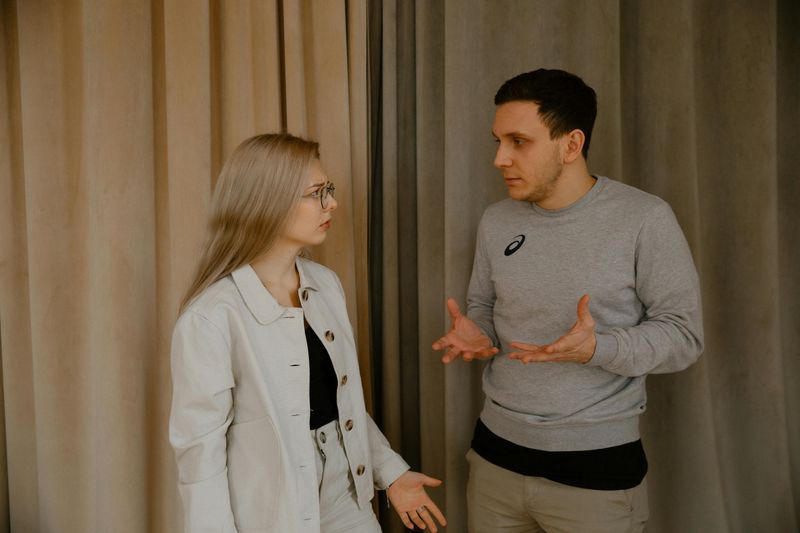
During disagreements, do they focus more on winning the argument than understanding your perspective?
Emotionally insensitive people often prioritize facts, efficiency, and being correct over emotional attunement.
They’d rather prove their point than preserve the relationship or acknowledge your feelings.
This approach treats interactions like debates rather than opportunities for connection.
They might be technically right about something, but their delivery lacks warmth, consideration, or empathy.
Being right becomes more important than being compassionate.
Relationships thrive when people balance truth with kindness.
Someone who consistently chooses factual accuracy over emotional sensitivity shows they value their ego and intellect more than your feelings, creating an emotionally cold dynamic that’s hard to sustain long-term.
9. Avoiding Responsibility for Emotional Hurt

When you tell them they hurt your feelings, do they immediately deflect, make excuses, or blame you for being too sensitive?
Emotionally insensitive people struggle to take accountability for their emotional impact, even when the harm is obvious and unintentional.
They might say things like “I didn’t mean it that way” or “That’s not what I said” instead of simply apologizing.
They focus on their intentions rather than your experience, as if good intentions erase the hurt they caused.
Taking responsibility means acknowledging impact regardless of intent.
Someone who consistently avoids owning their role in emotional pain shows limited emotional maturity and makes healing or growth in the relationship nearly impossible.
10. Treating Feelings Like Problems Needing Solutions

Sometimes you just need to vent or be heard, but they immediately jump into fix-it mode.
They treat your emotions like mechanical problems requiring solutions rather than experiences that simply need acknowledgment and understanding.
This approach, while well-intentioned, often feels invalidating.
Emotions aren’t always problems to solve.
Sometimes sadness, frustration, or worry just need to be expressed and witnessed.
When someone constantly tries to fix your feelings, it suggests they’re uncomfortable with emotional expression and want to make it stop quickly.
Emotionally attuned people know when to offer solutions and when to just listen.
They understand that being present with someone’s emotions is often more helpful than trying to eliminate them.
11. Showing Empathy Only When It Benefits Them

Notice when they show compassion.
Is it consistent, or does it only appear when they need something or when being empathetic serves their interests?
Some people display selective empathy, turning it on and off based on what benefits them most.
They might be incredibly supportive when it makes them look good, when they want something from you, or when others are watching.
But in private moments or when it’s inconvenient, their empathy vanishes.
This inconsistency reveals that their caring isn’t genuine.
Real empathy doesn’t have conditions attached.
When someone’s compassion is transactional or performative, it shows they view emotions as tools for manipulation rather than genuine human experiences deserving of respect and attention.
12. Never Reflecting on How Their Style Affects Others

Do they ever pause to consider how their emotional approach impacts their relationships?
Emotionally insensitive people rarely engage in self-reflection about their interpersonal style.
They don’t ask themselves why relationships feel strained or why people seem hesitant to open up to them.
This lack of reflection means they repeat the same patterns without growth or awareness.
They might notice that people pull away or that conflicts keep happening, but they don’t connect it to their emotional insensitivity.
Personal growth requires honest self-examination.
When someone never questions whether their emotional responses might be hurting others, it shows limited emotional intelligence and an unwillingness to evolve.
Relationships can’t deepen with someone who refuses to look inward and consider their impact.