 MomSkoop
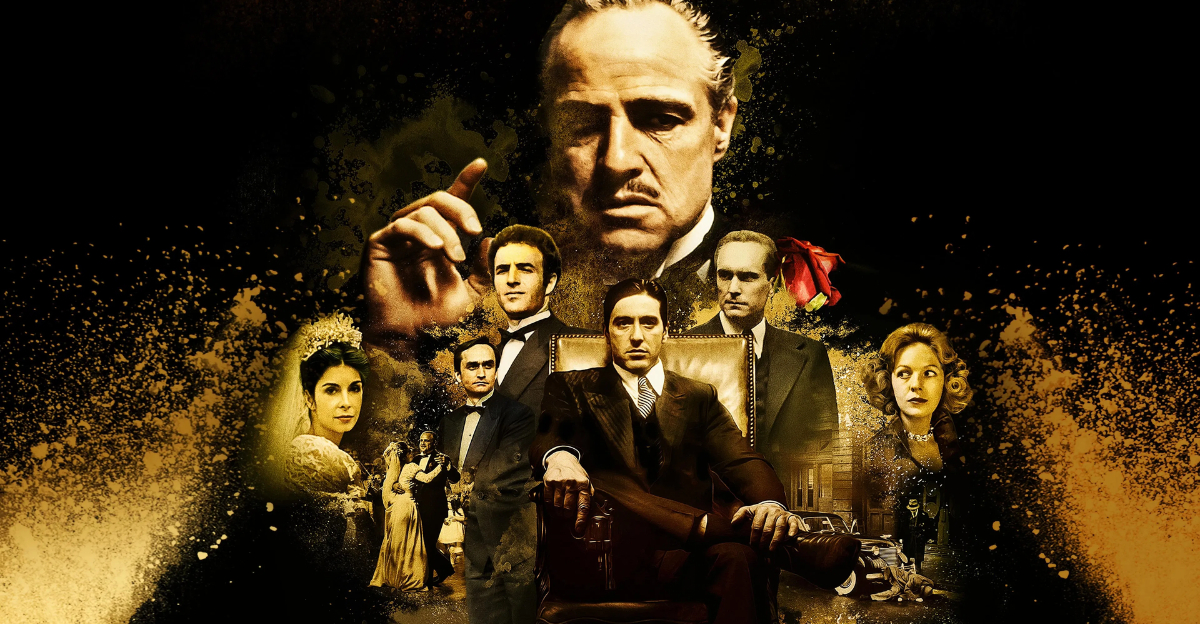
Music has the power to tell stories without a single word being spoken. Some movie soundtracks are so brilliant that they capture every emotion, twist, and turn of the film itself.
When you listen to these iconic scores, you can practically see the scenes unfold in your mind and feel exactly what the characters are experiencing.
1. Star Wars (1977)
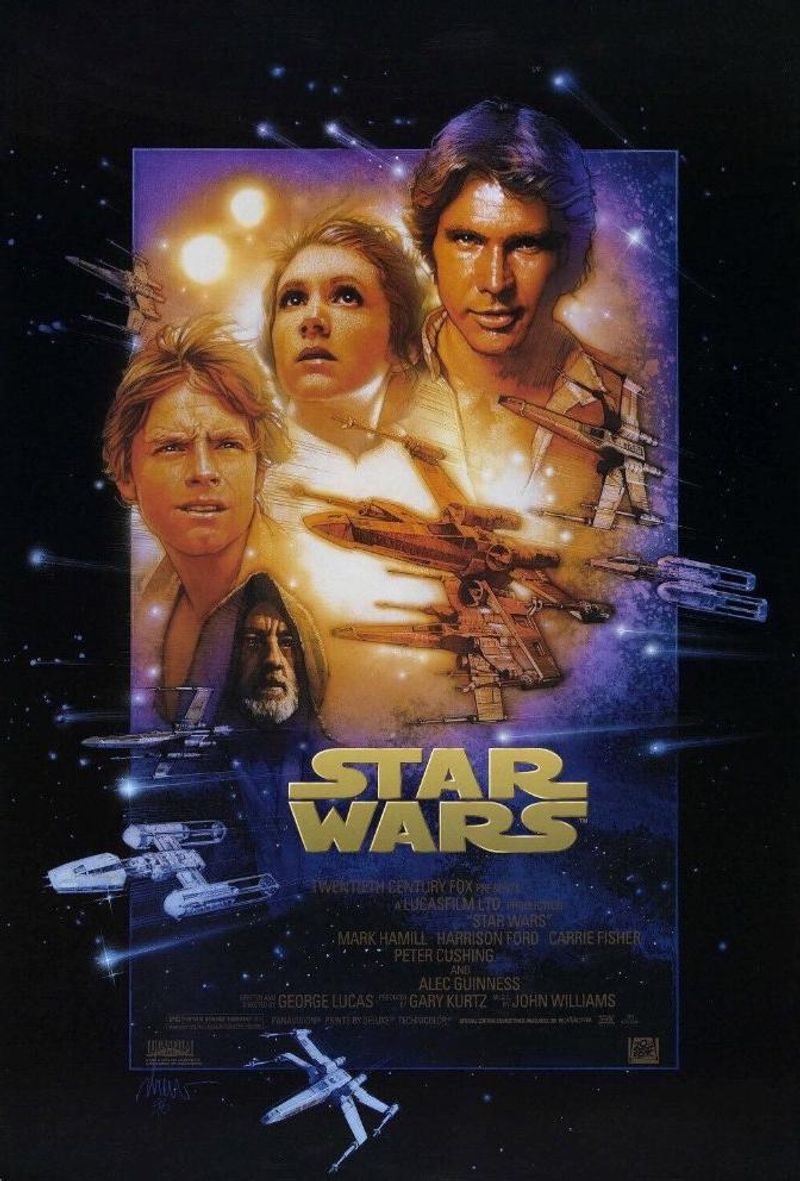
John Williams created one of the most recognizable film scores in history with this space opera masterpiece. Every character gets their own musical theme that tells you exactly who they are and what they represent.
The heroic main theme blasts with triumph and adventure, while Darth Vader’s Imperial March oozes with menace and power. Princess Leia’s theme flows with elegance and hope, capturing her royal spirit and determination.
When you hear the Force theme, you instantly feel the mystical energy connecting all living things. Williams used a full orchestra to paint the entire galaxy, making the music as epic as the story itself.
2. The Godfather (1972)
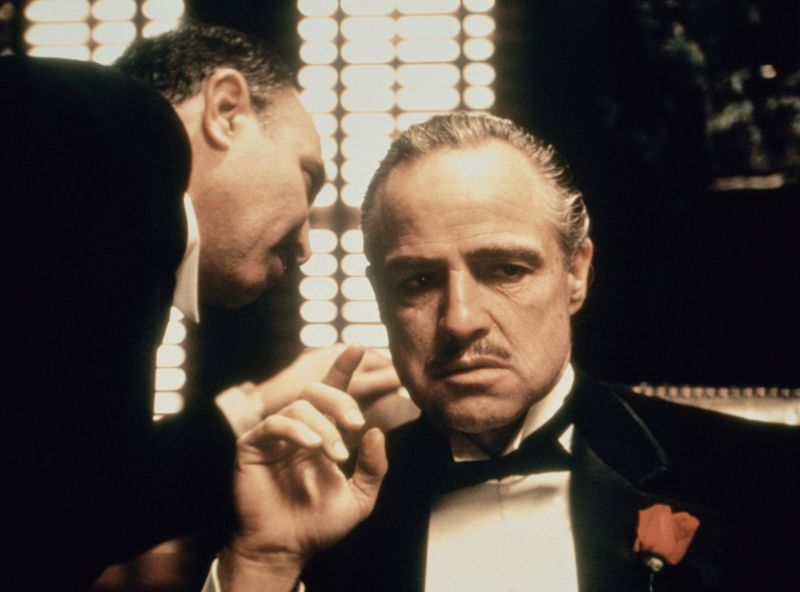
Nino Rota’s haunting trumpet melody instantly transports you into the world of the Corleone family. The main theme whispers of tradition, loyalty, and the heavy weight of family obligations that define the entire story.
You can hear Sicily in every note, with mandolins and accordions painting images of old-world values clashing with American ambition. The music shifts between tender family moments and dark, violent undertones that mirror Michael’s transformation.
That famous waltz theme plays during weddings and funerals alike, showing how celebration and tragedy intertwine in this crime dynasty. Rota’s score makes you feel the honor and horror of mob life simultaneously.
3. The Lord of the Rings: The Fellowship of the Ring (2001)
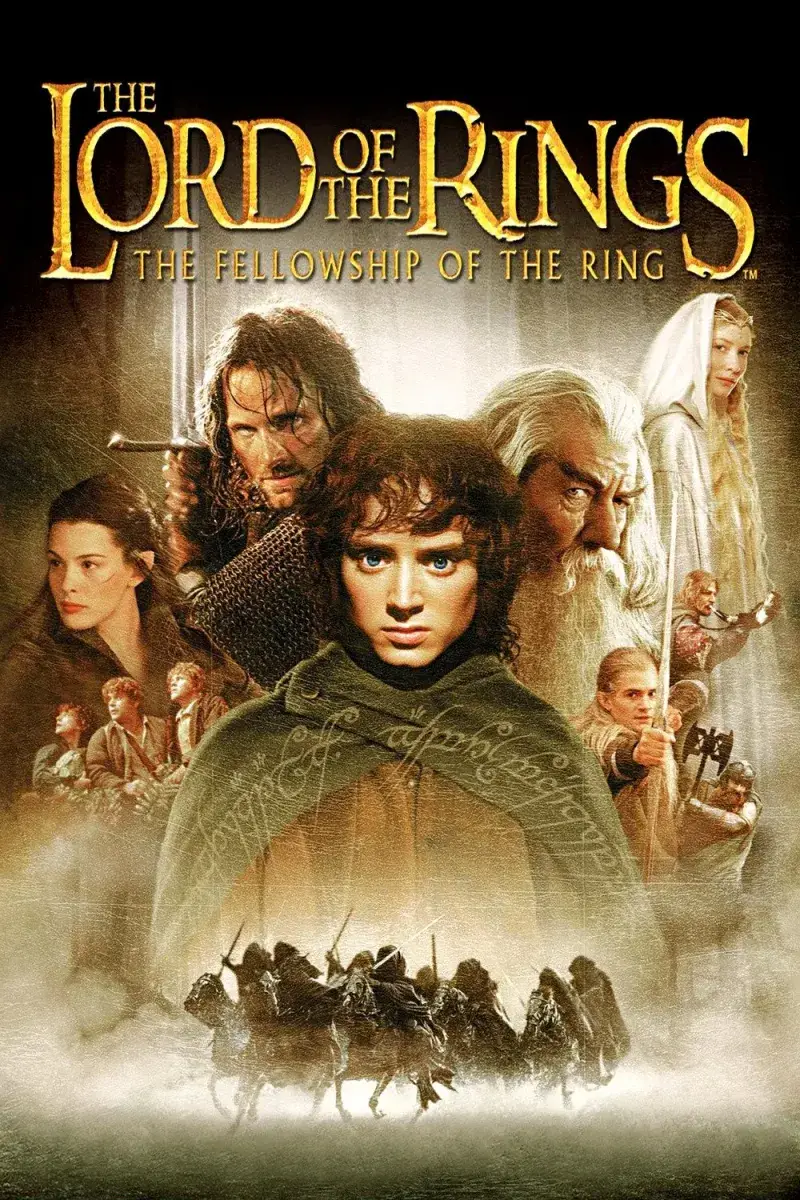
Howard Shore spent years crafting musical themes for every race, location, and character in Middle-earth. The Shire’s music bounces with fiddles and flutes, perfectly capturing the simple joy of hobbit life before darkness threatens.
When the Fellowship forms, the music swells with brotherhood and determination, making you believe this ragtag group can save the world. The Ringwraiths get shrieking, terrifying sounds that make your skin crawl, while Rivendell’s ethereal vocals transport you to an elven sanctuary.
Shore used different instruments to represent different cultures—bagpipes for dwarves, exotic strings for elves. You can follow Frodo’s entire journey just by listening to how the music changes from peaceful to perilous.
4. Gladiator (2000)
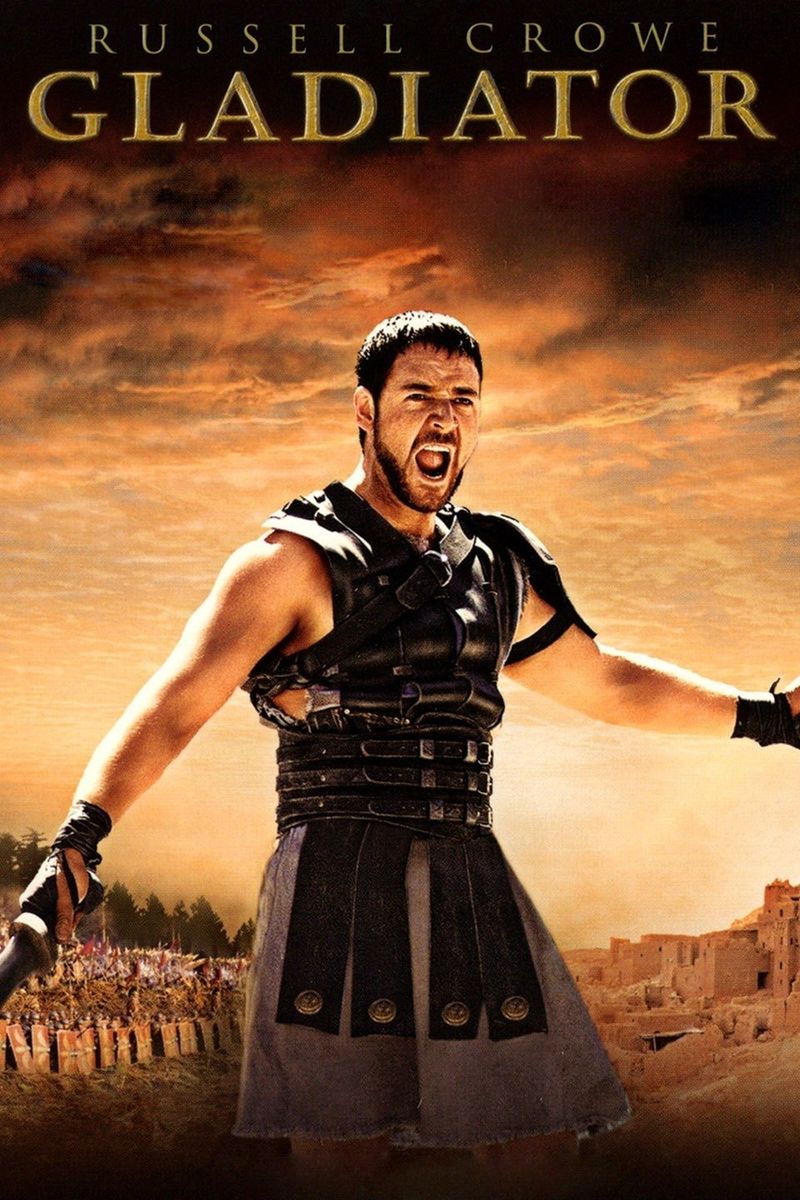
Hans Zimmer teamed up with vocalist Lisa Gerrard to create something truly unforgettable for this Roman epic. Gerrard sings in a made-up language that somehow communicates pure emotion—grief, honor, and longing for home.
The track titled Now We Are Free plays when Maximus imagines reuniting with his murdered family in the afterlife. Those haunting vocals over sweeping strings make you feel his pain and his hope for peace beyond this violent world.
Battle sequences get pounding drums and aggressive brass that put you right in the arena sand. But the quieter moments feature gentle guitar that reminds you Maximus was once just a farmer who loved his family.
5. The Good, the Bad and the Ugly (1966)
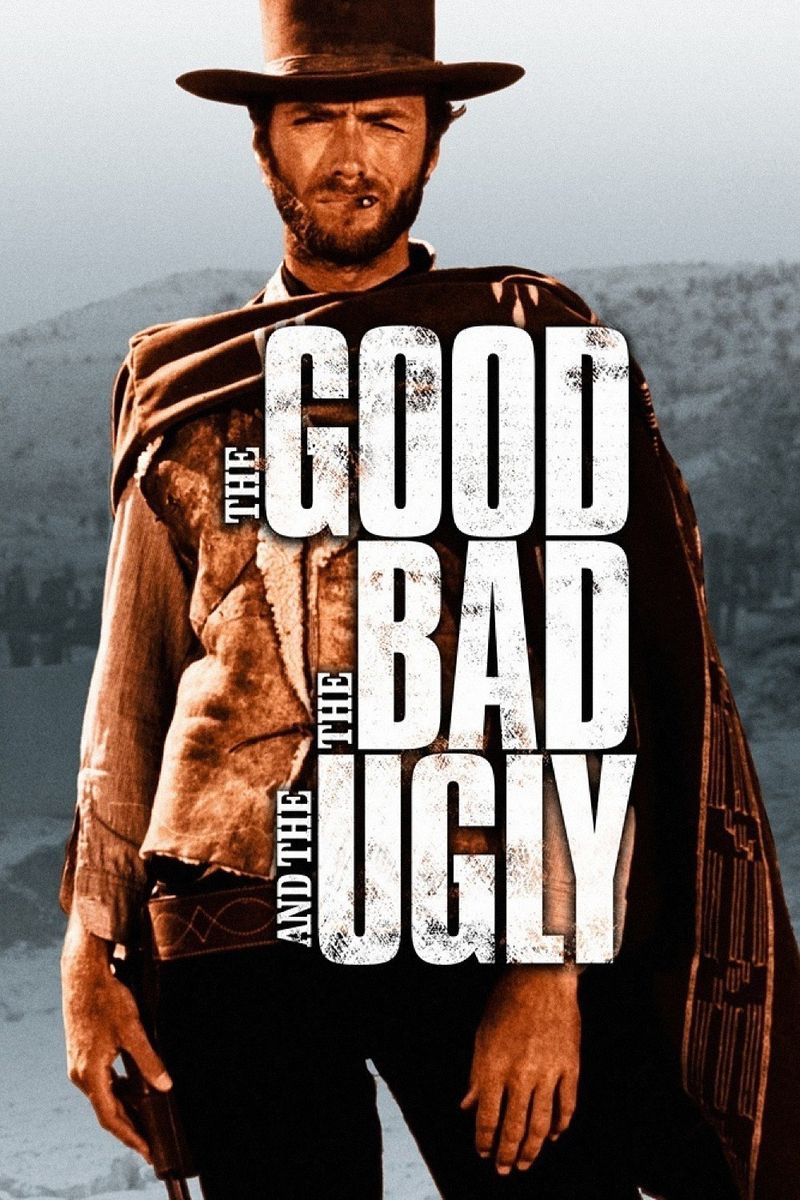
Ennio Morricone revolutionized western film music with his unconventional approach using whistles, gunshots, and animal howls. That famous two-note whistle theme is instantly recognizable and perfectly captures the dusty, lawless frontier where three gunslingers hunt for buried gold.
The Ecstasy of Gold builds from quiet tension to explosive orchestral triumph as Tuco runs through the graveyard searching for treasure. You can hear his desperation, excitement, and greed in every crescendo.
Morricone used electric guitars before they were common in film scores, giving the music a modern edge. The soundtrack tells you everything about betrayal, survival, and moral ambiguity without a single word of dialogue needed.
6. Jaws (1975)
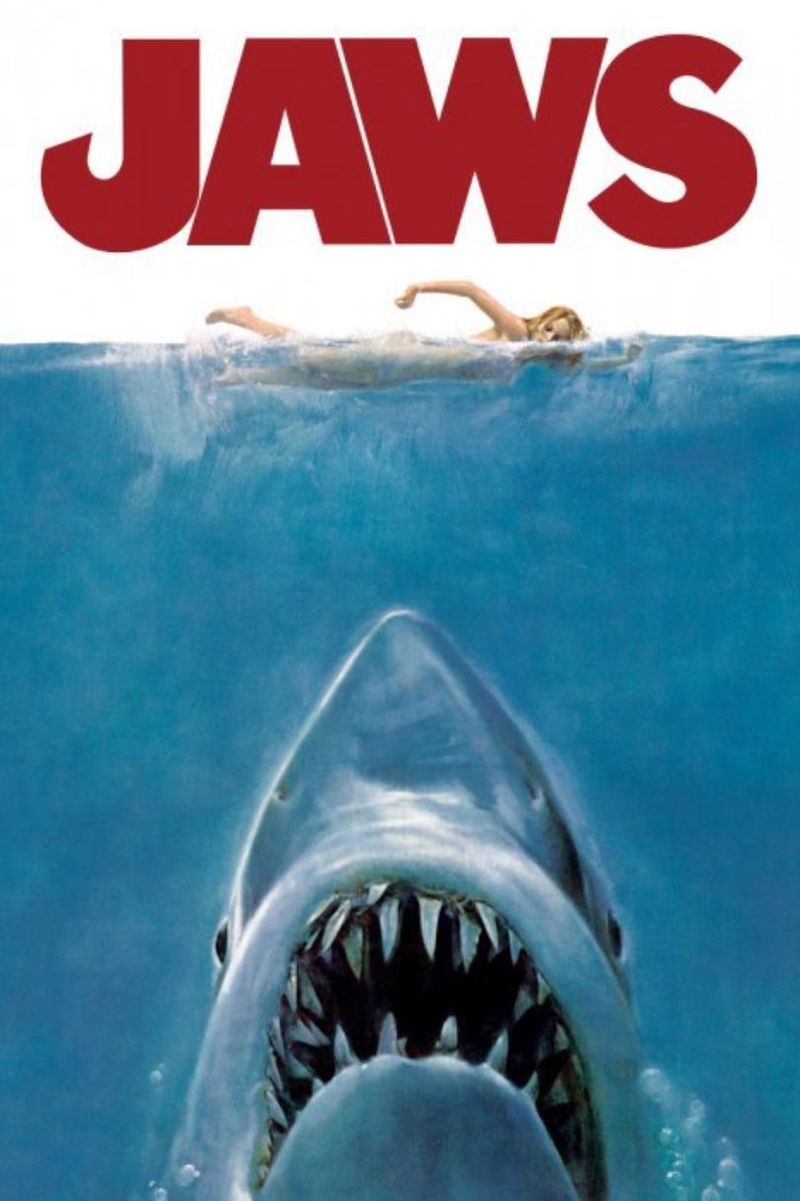
Two simple notes changed horror cinema forever. John Williams created the most effective villain theme ever written—those alternating E and F notes that signal the shark’s approach.
The genius lies in its simplicity: the music speeds up as the shark gets closer, building unbearable tension. You don’t need to see the creature to feel absolute terror, which saved Spielberg when his mechanical shark kept malfunctioning during filming.
Beyond the famous shark theme, Williams composed beautiful seaside music that makes Amity Island feel like a real vacation town. The contrast between peaceful beach music and that menacing two-note pattern perfectly mirrors the story’s shift from summer fun to nightmare.
7. Chinatown (1974)
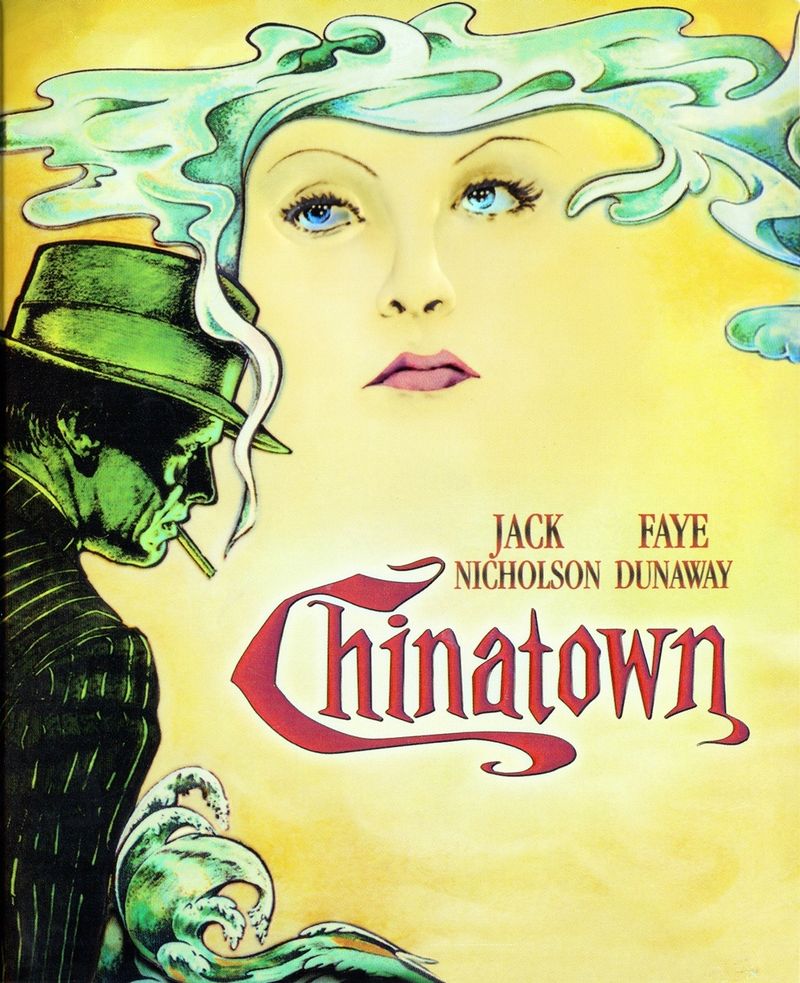
Jerry Goldsmith’s lonely trumpet perfectly captures the smoky, corrupt world of 1930s Los Angeles. The main theme sounds like a detective walking rain-soaked streets, searching for truth in a city built on lies and secrets.
The music feels both romantic and deeply sad, reflecting private eye Jake Gittes getting tangled in a mystery that destroys everyone it touches. Goldsmith used minimal instrumentation—mostly solo trumpet with light piano—creating an intimate, melancholy atmosphere.
As the plot thickens with conspiracy and tragedy, the music never becomes loud or aggressive. Instead, it stays quiet and mournful, matching the film’s bleak message that some evils are too powerful to defeat.
8. Schindler’s List (1993)

John Williams composed one of his most heartbreaking scores, performed by violinist Itzhak Perlman. The main theme weeps with sorrow, honoring the millions murdered during the Holocaust while celebrating those Oskar Schindler managed to save.
That solo violin carries the weight of unimaginable tragedy, each note representing lost lives and stolen futures. The music never tries to provide comfort or resolution because some horrors are too vast for that.
Williams avoided any triumphant moments, even during Schindler’s heroic acts, because the context remains devastating. The soundtrack serves as a musical memorial, ensuring we remember both the darkness humanity is capable of and the light that can shine through individual acts of courage.
9. The Fabelmans (2022)
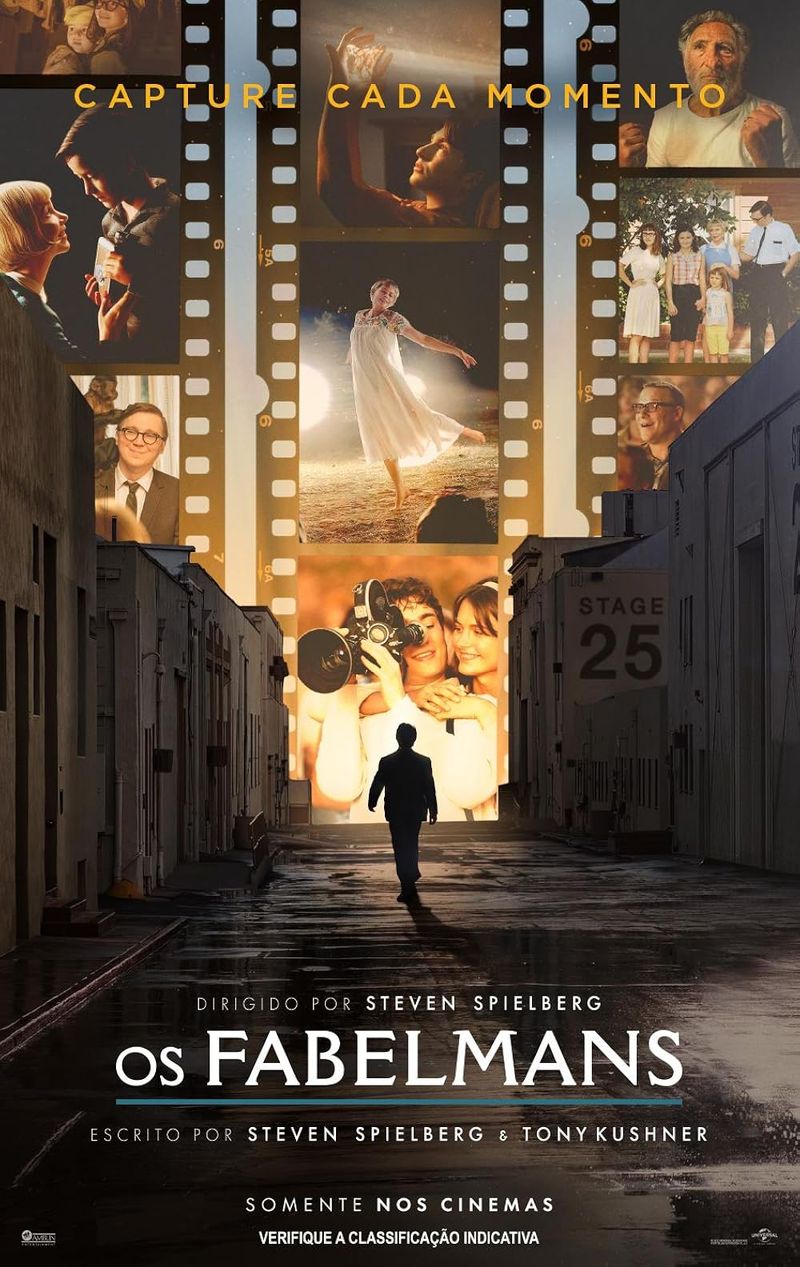
A tender ballad opens the soundtrack, capturing the innocence and creativity of young Sammy Fabelman. As the music swells, the complexity of family dynamics is beautifully elaborated.
Throughout the score, whimsical notes intertwine with somber tones, reflecting Sammy’s journey from childhood dreams to adult realizations. The layered compositions echo his inner conflicts.
The soundtrack crescendos with a powerful symphonic piece, symbolizing the triumph of passion over adversity. It’s a heartfelt tribute to the magic of cinema, a perfect auditory accompaniment to the film’s narrative.
10. Babylon (2022)
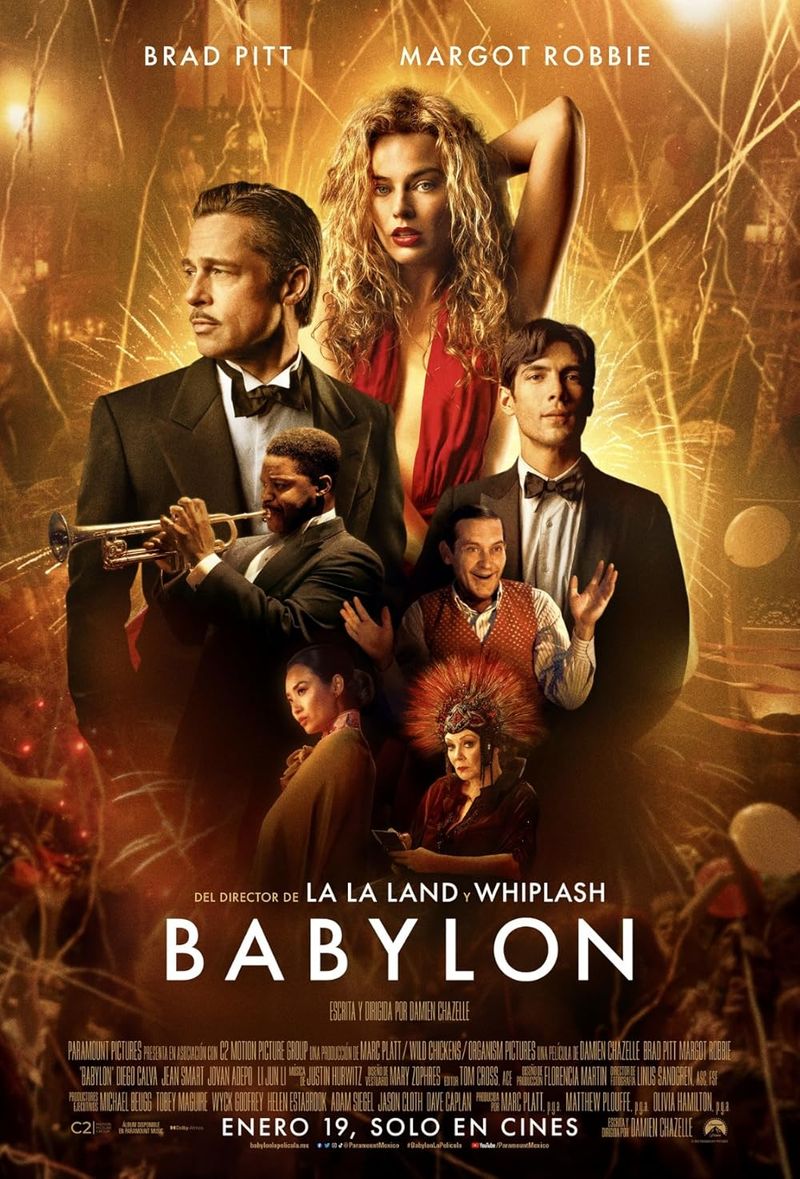
With an explosive jazz rhythm, the soundtrack of “Babylon” transports listeners to the roaring twenties. The energetic beats paint a picture of ambition and decadence.
Each track captures the exhilarating rise and tumultuous fall of its characters, mirroring the chaos of a rapidly changing Hollywood. Bold brass sections and sultry saxophones create a vivid soundscape.
As the music dips into melancholic motifs, the fleeting nature of fame becomes palpable. This soundtrack is a sonic rollercoaster that encapsulates both the glamour and grit of the era.
11. Nosferatu (2024)
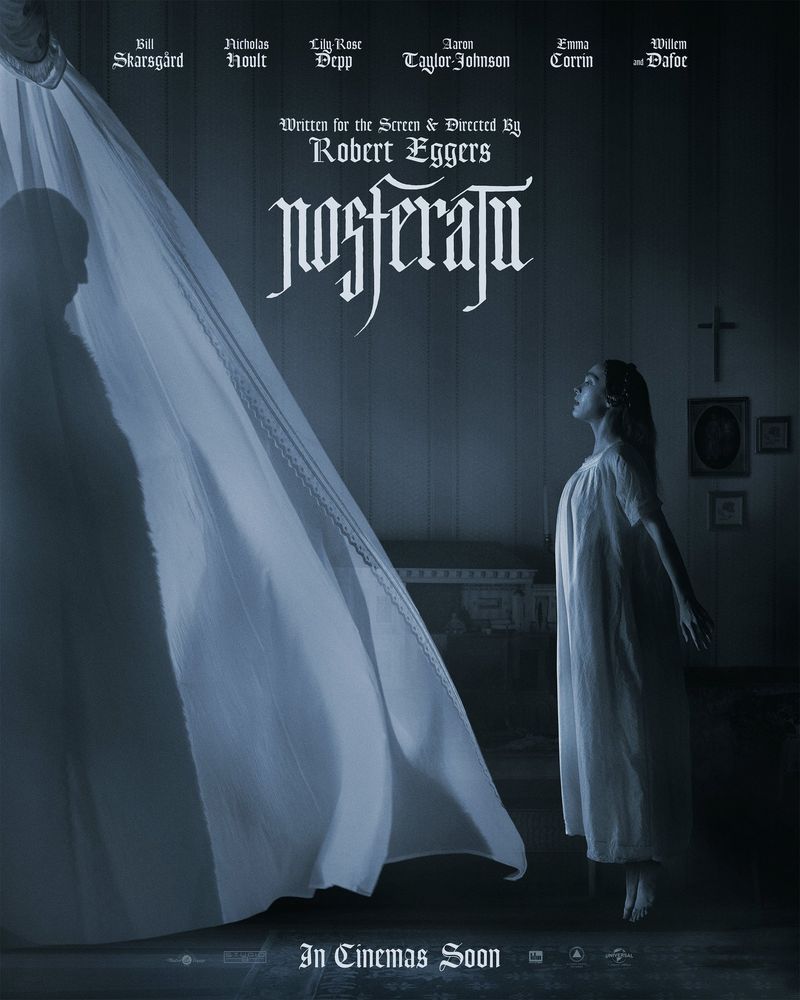
Eerie organ notes echo through the soundtrack, setting an ominous tone from the start. The music evokes the chilling presence of Nosferatu as he lurks in the shadows.
Strings and percussion create tension, weaving a narrative of fear and fascination. Each piece builds on the suspense, immersing listeners in a gothic horror landscape.
The soundtrack’s haunting melodies are both mesmerizing and unsettling, perfectly complementing the film’s visual storytelling. It captures the timeless allure of classic horror cinema, leaving an indelible mark on the audience.
12. Jurassic World: Rebirth (2025)

The soundtrack begins with a majestic theme, echoing the awe of returning to a world of dinosaurs. It’s a nostalgic nod to the original, yet fresh and thrilling.
Sweeping orchestral pieces convey the grandeur and danger of the prehistoric inhabitants. Each track amplifies the tension between humans and dinosaurs, blending adventure with suspense.
As the music reaches its apex, there’s a sense of hope and renewal. The soundtrack beautifully complements the film’s themes of rediscovery and coexistence, making it an unforgettable auditory journey.