 MomSkoop

A big chunk of Gen Z now treats TikTok as a place to get the news, not just dance clips. That single shift tells you a lot about how differently this group moves through the world. People born roughly between 1997 and 2012 grew up with phones in their hands. Their habits around money, food, work, and travel often look nothing like what their parents did at the same age.
Some of these differences are small, like how someone throws dinner together on a weeknight. Others touch bigger things, like careers, health, and when to buy a house. I find the contrast fun to explore, because it says as much about older generations as younger ones.
1. Getting the News From a Feed

Older relatives might still unfold a newspaper or flip to the evening broadcast.
Many Gen Z readers, though, bump into headlines while scrolling past cooking videos and memes.
Social media has become a main path to the news for this generation.
TikTok serves as a primary news source for about a quarter of Gen Z, and many check news through social apps each day.
Instead of picking a news brand, they often follow individual creators they feel they can trust.
That approach comes with a healthy dose of doubt.
Gen Z readers tend to question what they see, look for corrections, and expect sources to own up quickly when they get something wrong.
Short, visual clips win their attention more than long articles.
A sixty-second explainer with captions often beats a dense page of text, at least as a first stop.
If you want to borrow the best part of this habit, try checking one story across two or three sources before you share it.
Following a few reliable outlets directly can also help balance out a feed built by an algorithm.
And if you’re an older reader, asking a younger family member which creators they trust can lead to an interesting chat.
2. Watching Creators Instead of Cable

The living room TV used to be the center of family evenings.
For lots of Gen Z viewers, the real screen fits in a pocket.
YouTube and TikTok sit at the heart of their viewing habits.
About 43 percent of Gen Z watch two or more hours a day on video-sharing platforms, and roughly one in five watch more than four hours.
Meanwhile, close to 38 percent watch no live TV at all.
Viewing has also turned into a solo activity for many.
Each person picks a show on a personal device, so a family might sit in the same room watching five different things.
Then there’s second-screening.
That means watching a video while scrolling another app, texting friends, or playing a game at the same time.
Older viewers might find that juggling act tiring, and that’s fair.
Different brains enjoy different pacing, and neither style is wrong.
If your household wants more shared time, one easy idea is a weekly pick night.
Each person takes turns choosing a creator video or a show to watch together.
It’s a low-pressure way to see what the other generation actually enjoys, and you might discover a new favorite channel.
3. Treating Wellness as a Lifestyle

Ask someone in Gen Z about health and you might hear about sleep, stress, friendships, and even the planet.
Wellness for them covers much more than the gym.
This group tends to start caring about health earlier in life than past generations did.
Exercise, healthy eating, meditation, and self-care routines show up often in their daily plans.
They also talk openly about mental health, a topic many older adults were taught to keep quiet.
Gen Z also smokes cigarettes and drinks less than older generations.
Vaping, however, is more common among them, so the picture isn’t perfectly tidy.
Social media plays a big role here too.
Many young people pick up health tips from online wellness personalities instead of searching for information the old-fashioned way.
That can be helpful for motivation, but popular advice isn’t always correct advice.
Before trying a new supplement or diet you saw online, it’s smart to check with a doctor or a trusted medical source.
The open conversations about mental health might be the habit worth copying most.
Simply asking a friend how they’re really doing costs nothing and can make someone’s week a little lighter.
4. Traveling for Experiences on a Budget

Fancy resorts with towel animals on the bed?
Plenty of Gen Z travelers would rather spend that money on a sunrise hike.
More than 80 percent of American Gen Z travelers look for unique experiences when they book a trip.
Over 30 percent like adding active plans such as hiking or cycling.
More than half keep up their wellness routines while away, so the morning stretch comes along in the suitcase.
TikTok has become a huge planning tool.
About 70 percent of Gen Z travelers use it for trip ideas, scrolling through hidden cafes and viewpoints before booking anything.
They also tend to spend less than Millennials, roughly a third less per trip, and take slightly shorter vacations.
Still, about half plan to travel abroad more in 2026, aiming for good value instead of pricey upgrades.
You can borrow this style no matter your age.
Pick one memorable activity for each trip and save on the hotel or flight to pay for it.
Searching short videos of a destination can also reveal small local spots that guidebooks skip.
Just double-check hours and prices on official sites, since a clip from two years ago might be out of date.
5. Shopping With the Planet in Mind
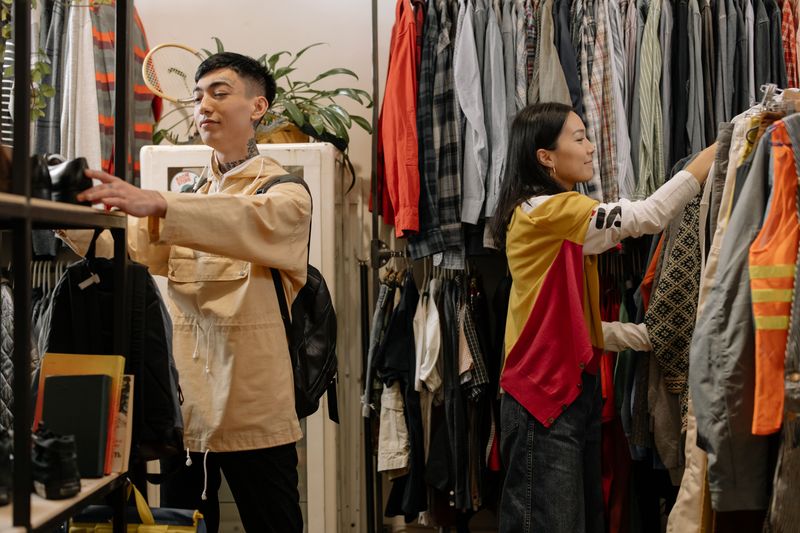
A big logo used to signal a smart purchase.
For many in Gen Z, the more important question is how the item was made.
About three out of four Gen Z shoppers say they’d rather buy sustainably than focus on brand names.
Around two-thirds are willing to pay more for eco-friendly products, and even more will pay extra for ethically sourced goods.
Worry about the environment runs deep.
A large majority express concern about the state of the planet, from climate change to pollution.
They also expect companies to be honest.
Brands that make green promises without showing proof often get called out quickly online.
Interestingly, this habit rubs off on parents and grandparents.
Younger family members often nudge older ones toward reusable bags, secondhand clothes, or refill stations.
Not everyone can afford pricier sustainable options, and that’s a real limit.
Budget-friendly choices still exist, like thrifting, repairing clothes, swapping with friends, or simply buying fewer things you’ll actually use for years.
A quick tip is to read the brand’s own page about materials and factories.
If the details feel vague, that tells you something too.
6. Rethinking the Corner Office

Climbing the ladder to become the boss was once the classic career dream.
Only about 6 percent of Gen Z say reaching a leadership role is their main career goal.
So what do they want instead?
Growth, learning new skills, and a job that doesn’t drain their well-being rank high on the list.
They also expect workplaces to keep up with technology.
Many feel comfortable with AI tools and automation, and they get frustrated by clunky systems that seem stuck in another decade.
Feedback is another big difference.
Rather than waiting for one yearly review, Gen Z workers tend to prefer frequent check-ins and quick notes on how they’re doing.
They value clear expectations and support from managers.
Many also measure their effort by results, not by how many hours they sat at a desk.
If you manage younger workers, short weekly check-ins can help both sides avoid surprises.
If you’re Gen Z yourself, asking for specific goals early makes those conversations easier.
Older workers might find some of these ideas useful too.
After all, nobody truly loves waiting twelve months to hear whether they’re on track.
7. Taking Life Milestones Slowly

Car by 25, house by 30, married by 30.
That old checklist doesn’t hold much power over a lot of Gen Z.
Many young adults today feel less pressure to hit those traditional milestones on a set timeline.
They’d rather take time to figure out what they actually want before signing a mortgage or planning a wedding.
Personal growth often comes first.
That might mean trying different jobs, moving cities, going back to school, or simply saving money while living at home.
For Baby Boomers and many Millennials, those big steps often came faster.
Different economic times and expectations shaped those earlier choices, so neither path deserves judgment.
Families sometimes clash over this one.
A parent might worry when a 27-year-old isn’t house hunting, while the 27-year-old feels perfectly fine with the pace.
A helpful approach is to talk about goals instead of deadlines.
Asking what someone hopes their life looks like in five years opens a friendlier conversation than asking when they’ll settle down.
Of course, plenty of Gen Z still marry young or buy homes early.
The bigger shift is that the timeline feels like a choice rather than a rule.
8. Choosing Plants and Local Food
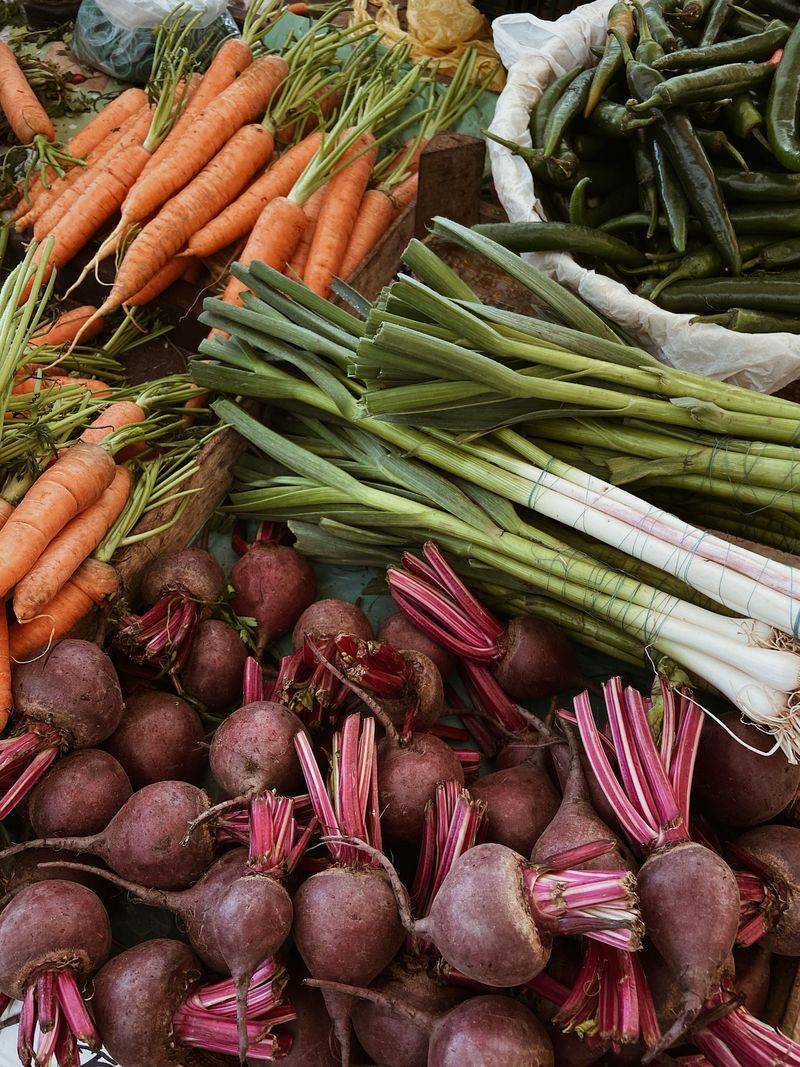
Show up to a Gen Z gathering without a vegetarian option and someone will probably notice.
Many in this generation expect meat-free choices at meals as a basic courtesy.
Plant-based eating appeals to them for health and ethical reasons.
They also lean toward foods labeled natural, and about half say they choose local produce when they can.
Dieting is surprisingly common too.
Roughly 72 percent of Gen Z followed some kind of diet in the past year, compared with about half of Gen X and fewer than a third of Baby Boomers.
Those diets range from calorie counting to clean eating and mindful eating.
Still, the same generation grabs plenty of fast food and sugary drinks, often picking taste and price first.
So the real picture is mixed, which honestly sounds like most people at any age.
Good intentions and a late-night burrito can live side by side.
If you’re hosting, adding one hearty plant-based dish keeps more guests happy.
Bean chili, veggie tacos, or a big pasta salad are easy wins.
Visiting a farmers market can also be a fun weekend outing across generations, especially when someone else carries the bag.
9. Using Each App for a Different Job
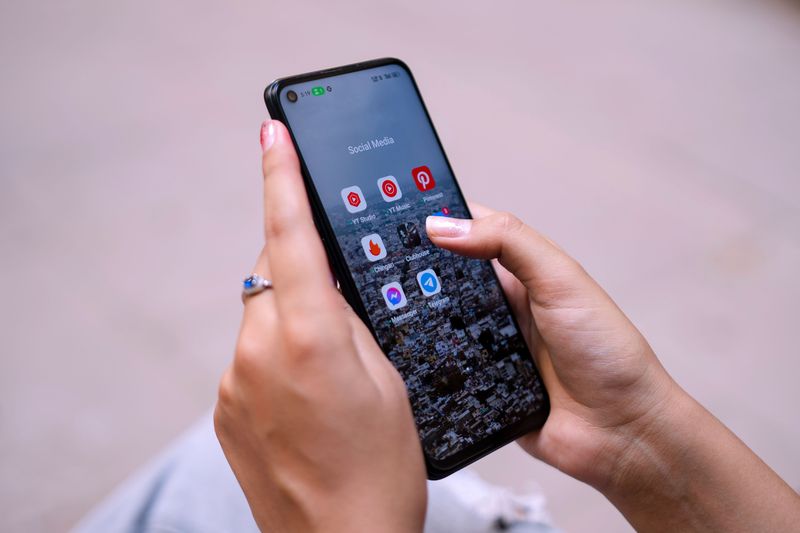
To an older user, social media might seem like one big blob of posts.
Gen Z treats each platform like a separate tool in a toolbox.
One app might handle group event plans.
Another is for quick selfies and video chats with close friends, while a third is where they follow favorite brands.
Many spend more than two hours a day across apps like TikTok, Instagram, and YouTube.
That time covers self-expression, entertainment, and keeping up with the world.
Social media also works as a mood tool for many young people.
A funny video can offer a break after a stressful day, kind of like how earlier generations flipped on a sitcom.
For parents and grandparents, understanding which app does what can make staying in touch easier.
A grandkid who ignores a long email might happily reply to a quick photo message.
Of course, too much scrolling can leave anyone feeling worn out.
Setting app timers or keeping phones out of the bedroom are simple options worth trying.
Asking a teen to give you a tour of their apps can be eye-opening.
Just be ready for them to laugh at your profile picture.
10. Dining Out Solo

A table for one used to come with awkward glances from nearby diners.
Gen Z has turned the solo meal into something closer to a treat.
About 49 percent of Gen Z eat out alone at least once a week.
For many, it’s a chance to enjoy good food without coordinating five busy schedules.
Older generations sometimes saw eating alone in public as a sign of loneliness.
Younger diners often frame it as a moment of independence and self-care instead.
No waiting for friends to decide where to go.
No splitting the bill or sharing your fries.
If you’ve never tried it, starting small helps.
A casual lunch spot, a counter seat at a noodle shop, or a cafe with a window view can feel less intimidating than a fancy dinner.
Bringing a book or journal is a classic move, though simply watching the street works fine too.
Ordering exactly what you want, without worrying about anyone else’s taste, has its own simple joy.
Solo dining also makes it easier to try new restaurants.
You can test a place on your own before recommending it to the group chat.
11. Cooking Chaotically
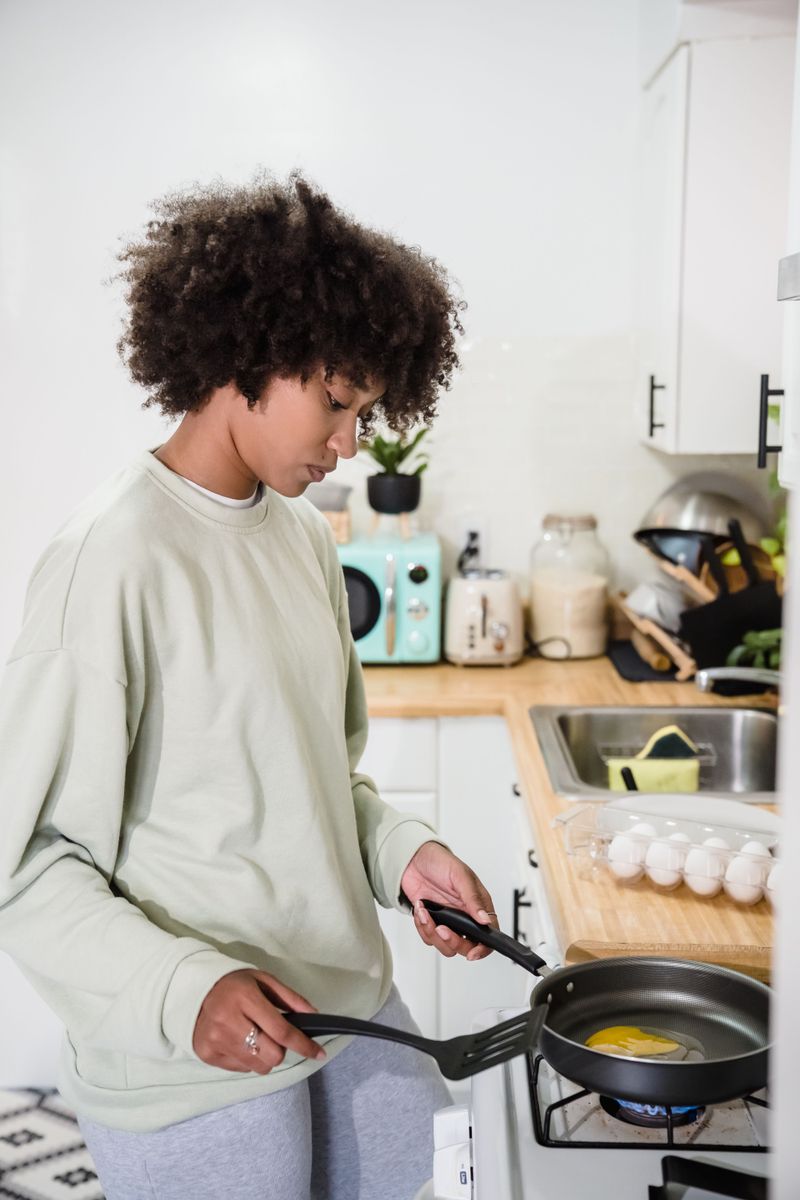
Leftover rice, half an onion, a lonely egg, and some hot sauce walk into a pan.
To many Gen Z cooks, that’s not a joke, it’s dinner.
Chaotic cooking means building a meal from whatever happens to be in the fridge.
Recipes are optional, and pretty plating is not the goal.
Taste and convenience win the day.
Mixing leftovers with simple staples like tortillas, pasta, or eggs turns scraps into something filling.
The habit has practical perks.
It helps cut food waste and saves time on busy nights, plus it skips an extra grocery trip.
Older home cooks might recognize this style, since many grew up making do with what was on hand.
Gen Z simply gave it a catchy name and shared the results online.
Want to try it?
Keep a few flexible basics around, such as rice, beans, frozen vegetables, cheese, and a couple of sauces you like.
Then follow a loose formula of base, protein, vegetable, and flavor.
Some combos will be surprisingly great, and a few might be strange, but that’s half the fun.
At least the strange ones make good stories.
12. Saving Carefully and Spending on Purpose

Growing up during tough economic times leaves a mark on how people handle money.
Many in Gen Z keep a careful eye on their spending as a result.
They’re less likely to carry debt than older generations were at the same age.
That caution shows up in budgeting apps, side gigs, and a habit of comparing prices before buying.
Still, careful doesn’t mean never spending.
Young adults living with parents or roommates sometimes shift money saved on rent and food toward clothes and experiences, like concerts or trips.
Social media adds pressure here.
Seeing what friends and influencers buy can make a new jacket or gadget feel more urgent than it really is.
Values guide plenty of their purchases too.
Many are willing to put money behind sustainable or ethically made products when their budget allows.
One helpful trick for any age is a waiting rule.
Before buying something you spotted online, wait a couple of days and see if you still want it.
Setting aside a small fun-money amount each month also helps.
That way you can enjoy a treat without guilt, and the savings stay on track for bigger goals.