 MomSkoop

Job interviews can feel nerve-wracking, and sometimes the smallest things can make a big difference in how you come across. Many women unknowingly make subtle mistakes that can hurt their chances, even when they are fully qualified for the role.
These hidden pitfalls go beyond forgetting to bring a resume or arriving late. Knowing what to watch out for can give you a real edge the next time you walk into that interview room.
1. Too Much Makeup or Overly Trendy Looks
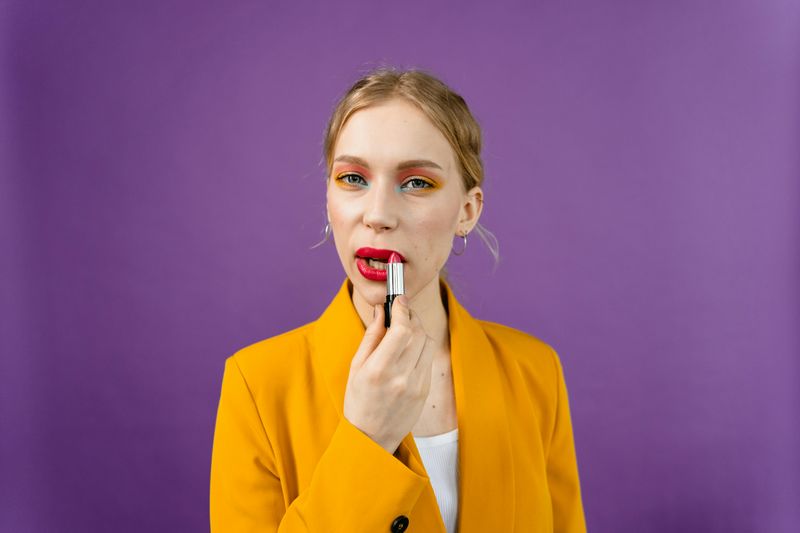
Bold makeup and fashion-forward outfits might turn heads on a night out, but in a job interview, they can send the wrong message.
Interviewers may focus on your appearance instead of your qualifications when your look feels more runway than boardroom.
A polished, natural makeup look paired with classic professional clothing helps keep the spotlight on your skills and experience.
You want the hiring manager remembering what you said, not what you wore.
Soft, neutral tones for both makeup and clothing tend to read as confident and competent.
Save the bold lip and glitter eyeshadow for after you land the job.
2. Wearing Distracting Jewelry or Accessories
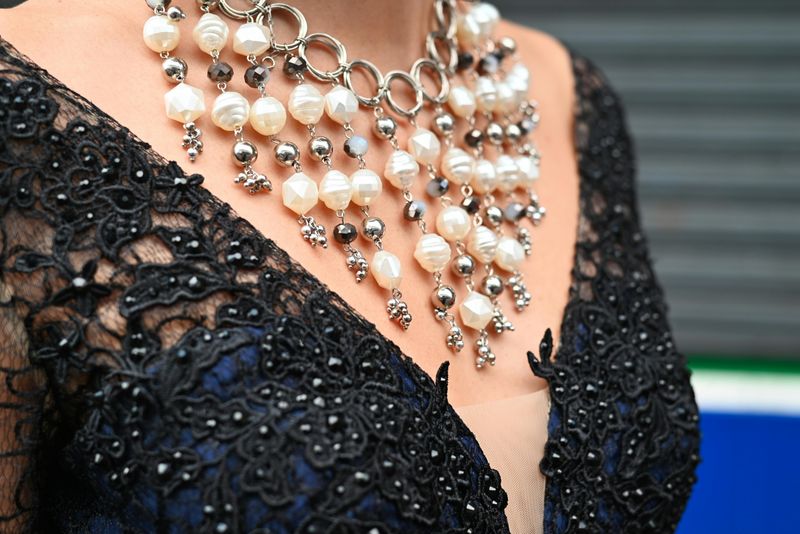
Picture this: you are mid-sentence during your interview when your chandelier earrings catch the light and swing dramatically with every head turn.
Suddenly, the interviewer is watching your accessories more than listening to your answers.
Oversized bangles that clank on the table, chunky statement necklaces, or stacks of rings can all pull focus away from your words.
Accessories are meant to complement your outfit, not compete with your message.
Stick to simple, understated pieces that add a polished touch without creating noise or visual clutter.
When your jewelry is quiet, your confidence gets to speak the loudest in the room.
3. Wearing See-Through or Distracting Clothing
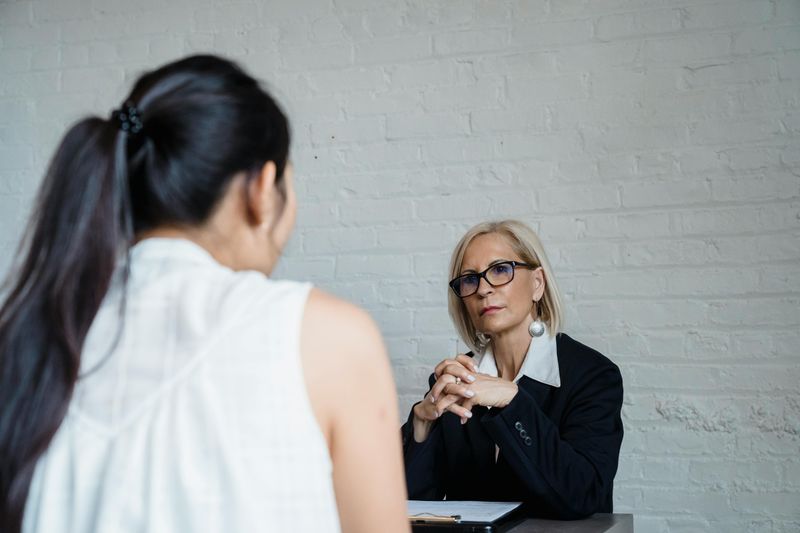
Clothing choices matter more than most people realize when walking into an interview room.
Wearing something sheer, too tight, or revealing can make you feel self-conscious and distract the interviewer from focusing on your actual abilities.
Even if the workplace has a casual dress code, interviews typically call for a step up in formality.
A good rule of thumb is to dress one level above what employees at the company wear daily.
When your outfit fits well and feels comfortable, your body language becomes more relaxed and confident.
Feeling secure in what you are wearing lets your personality and professionalism take center stage where they belong.
4. Mentioning Family Responsibilities Too Early
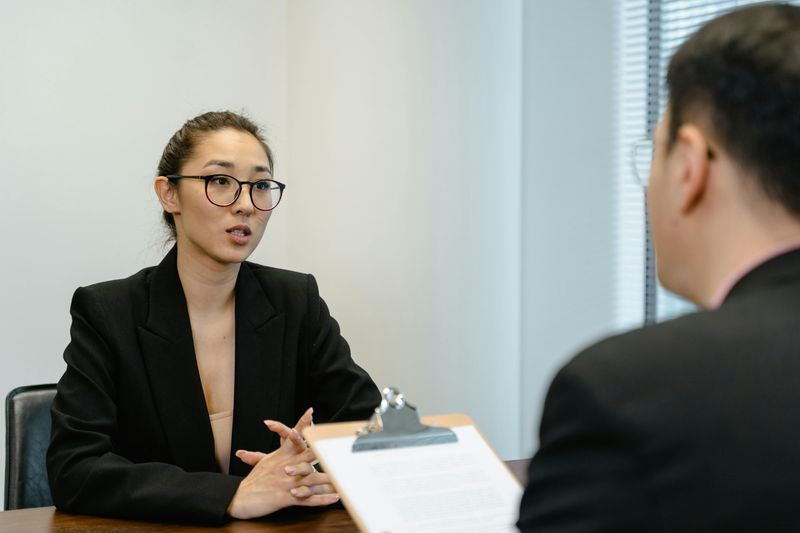
Bringing up your kids, aging parents, or upcoming family events early in an interview can unintentionally plant doubts in a hiring manager’s mind about your availability or commitment.
Even though juggling family and work is something millions of people do successfully every day, interviewers may unconsciously begin questioning whether you can fully dedicate yourself to the role.
Save personal details for later in the hiring process, once trust has been built.
Focus the early conversation entirely on your skills, achievements, and enthusiasm for the position.
Your personal life is yours to share on your own terms, but the interview stage is the time to lead with your professional strengths first.
5. Not Negotiating Salary

Studies consistently show that women are less likely than men to negotiate salary during the hiring process, and this single decision can cost thousands of dollars over a career.
Accepting the first number offered without a word might feel polite or safe, but employers often expect some negotiation.
Skipping this step can also signal a lack of confidence in your own value.
Before your interview, research the average pay range for the role in your area and prepare a confident, specific counter-offer.
Negotiating does not make you difficult; it makes you someone who knows their worth.
Employers respect candidates who advocate for themselves professionally and calmly.
6. Over-Apologizing
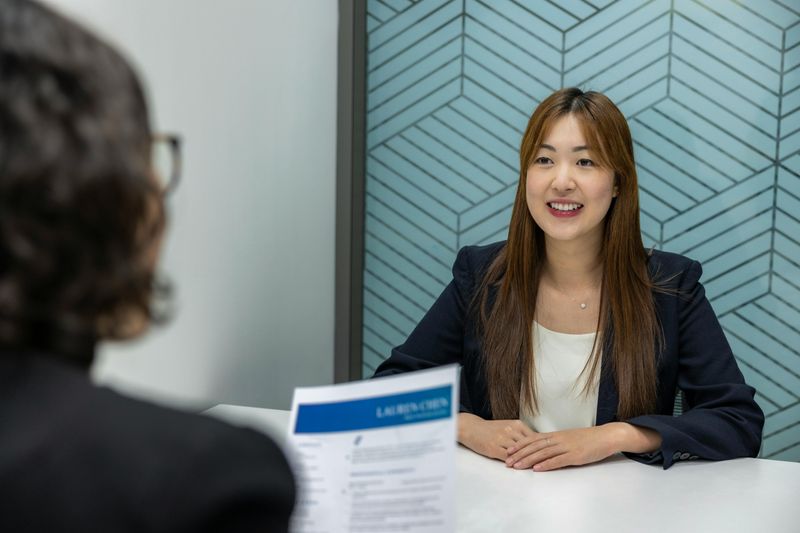
“Sorry, this might be a silly question” or “I apologize if that answer was too long” are phrases that quietly chip away at how competent you appear.
Over-apologizing is a habit many women develop as a way to seem approachable, but in an interview it can work against you.
Every unnecessary apology signals uncertainty and invites the interviewer to question your confidence.
Replace apology openers with direct, assured language instead.
Instead of “Sorry, I just wanted to add,” try “I also want to mention.”
Owning your space and your words without constant hedging shows the interviewer that you believe in what you bring to the table.
7. Wearing Uncomfortable Heels
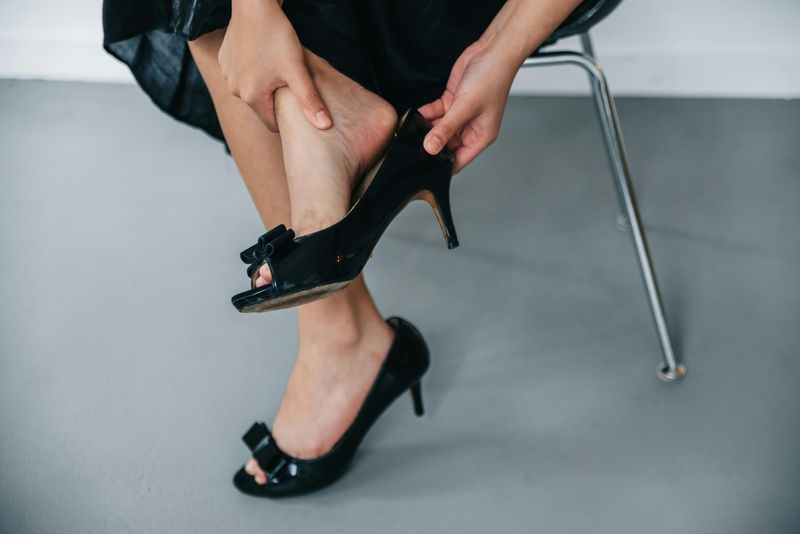
Tottering into an interview on sky-high heels you have never broken in is a recipe for distraction before you even say hello.
Uncomfortable shoes affect your walk, your posture, and your focus, and interviewers pick up on body language cues more than most people expect.
Wincing when you stand up or shifting awkwardly in your seat can read as nervousness rather than physical discomfort.
Choose footwear that looks professional and feels stable so you can walk in confidently and sit comfortably throughout.
A lower, block heel or a clean flat can look just as polished and sharp as a stiletto.
Comfort translates directly into confidence, and confidence is what gets you hired.
8. Underplaying Ambition to Avoid Sounding Aggressive

There is a real pressure many women feel to soften their ambitions so they do not come across as too assertive or threatening in an interview setting.
Phrases like “I just hope to contribute” or “I am happy with whatever role fits” can make you sound unexcited rather than humble.
Employers want to hire people who are hungry to grow and driven to succeed.
Owning your goals confidently is not the same as being aggressive; it is being clear about what you offer and where you are headed.
Practice talking about your career ambitions in direct, enthusiastic language before your interview.
Confidence in your vision is one of the most attractive qualities a candidate can show.
9. Letting Hairstyles Distract From Professionalism
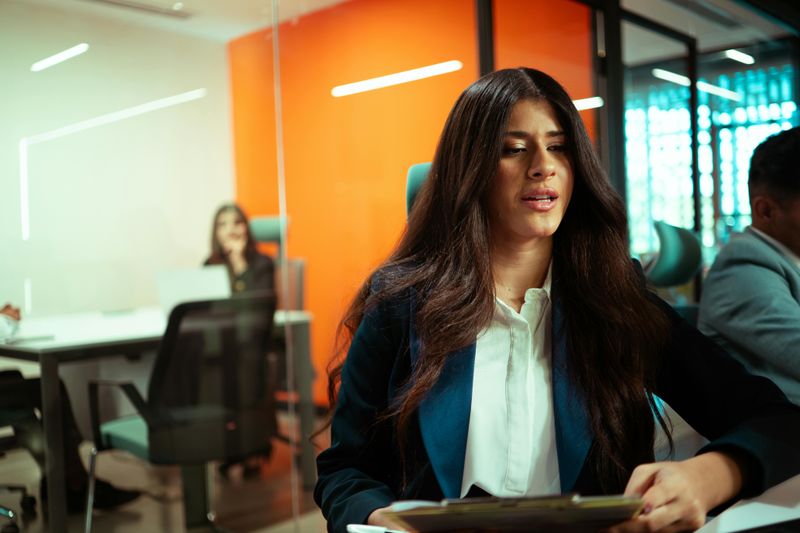
Your hair might be the last thing you think about when preparing for an interview, but it can quietly influence first impressions in ways that are hard to shake.
Constantly pushing hair out of your face, flipping it over your shoulder, or dealing with a style that has not held up sends a subtle message about preparedness.
A neat, secure hairstyle keeps you looking composed and helps the interviewer focus on your face and your words.
Natural hair, braids, updos, and straight styles all work beautifully as long as they are tidy and out of your way.
When your hair stays put, you stay focused, and so does the person interviewing you.
10. Smiling Too Much to Appear Likable

Smiling is warm and welcoming, but keeping a constant smile plastered on your face throughout an interview can actually undermine how seriously you are taken.
When you grin through every question, including the tough ones, it can read as nervous energy or a lack of depth rather than friendliness.
Interviewers want to see a range of genuine expressions that show you are engaged, thoughtful, and real.
Let your smile appear naturally when it fits the moment, like when you greet someone or share an accomplishment you are proud of.
A composed, attentive expression during serious questions signals maturity and emotional intelligence.
Authenticity always reads better than a performance of likability.
11. Sitting Too Modestly

Body language speaks before you ever open your mouth, and sitting in a small, closed-off posture can communicate self-doubt even when your words are confident.
Many women are taught from a young age to take up as little space as possible, but that habit can work against you in a professional setting.
Crossing your arms tightly, hunching your shoulders, or making yourself physically small signals insecurity to interviewers.
Instead, sit upright with your back slightly away from the chair, shoulders relaxed and open, and hands comfortably resting on the table or in your lap.
Taking up appropriate space sends a quiet but powerful message: you belong in that room.
12. Bringing Up Past Workplace Harassment or Gender Issues Prematurely
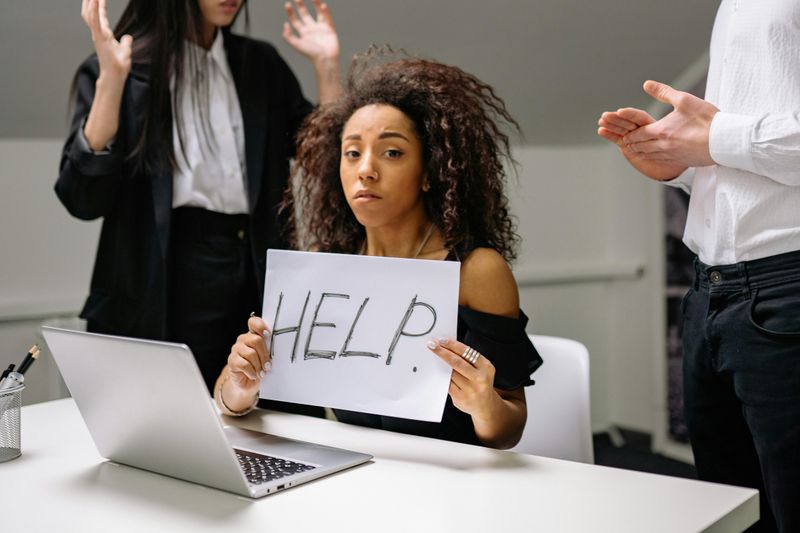
Sharing difficult experiences from a past job is something that requires careful timing, and an interview is rarely the right moment for it.
Mentioning past harassment, discrimination, or gender-related conflicts too early can put interviewers on the defensive and shift the entire tone of the conversation.
Even when your experience was completely valid and important, bringing it up before trust is established may cause the interviewer to worry about potential complications rather than focus on your qualifications.
If the topic becomes genuinely relevant, address it briefly and professionally without extensive detail.
Keep the early interview focused on your strengths, accomplishments, and enthusiasm for the role ahead.
There will be better moments and safer spaces for deeper conversations later.