 MomSkoop

Getting dressed feels simple, but clothes send messages long before you say a word. Sometimes the look a guy loves reads very differently to the people around him, and he never finds out why.
A few small tweaks can keep the message you want while dropping the part that confuses people. Here are thirteen common choices that often land in a way nobody planned.
1. Going Heavy on the Cologne

Walk past someone and leave a scent trail down the hallway, and the cologne is doing the talking for you.
What feels confident up close can feel overwhelming in an elevator, a classroom, or a car.
Fragrance is meant to be discovered, not announced.
Two sprays are plenty for most people, aimed at the chest or neck where warm skin releases the scent slowly.
Nose blindness is real, so if you cannot smell your cologne after an hour, resist the urge to reapply.
Ask a friend you trust for an honest check instead.
Save the heavier stuff for cold weather and evenings out, when the air holds scent differently.
2. Unbuttoning the Shirt Too Far
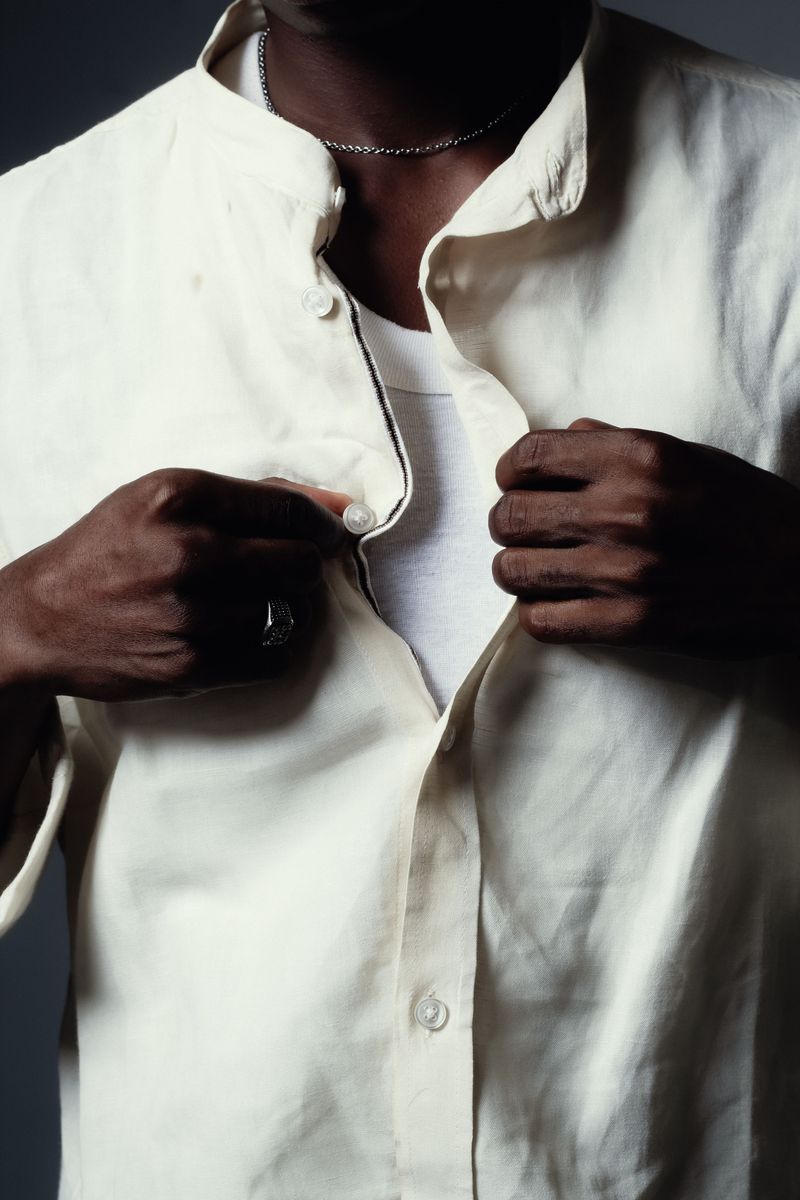
One open button reads relaxed.
Three open buttons start telling a story about the 1970s that most people were not asking to hear.
The tricky part is that this choice usually comes from wanting to look laid back, but it often reads as trying hard.
Eyes drift to the gap instead of your face.
A safe rule: stop at the button that sits just below your collarbone.
That gives you a clean V shape without any surprise reveals when you lean forward.
If your shirt gapes on its own, the collar or chest may be too tight.
A slightly roomier cut fixes the problem without any styling tricks.
3. Squeezing Into Super Tight Clothes
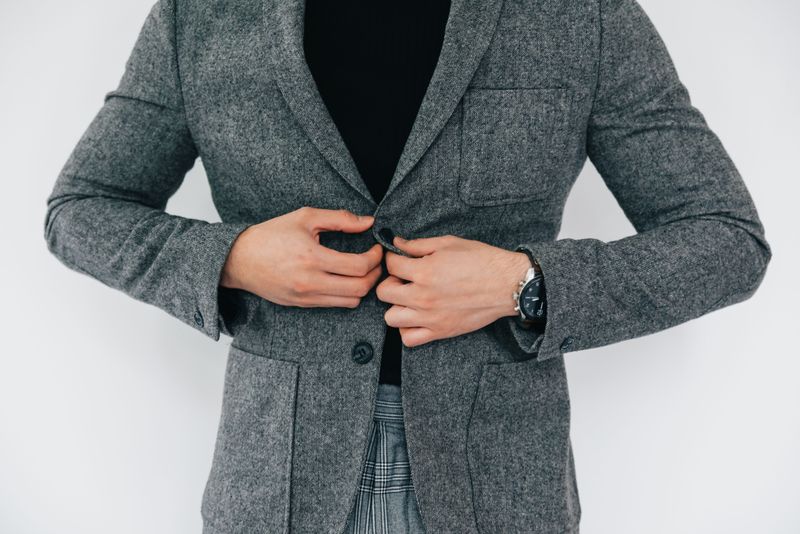
Fit matters, and slim clothing can look sharp.
Problems start when fabric pulls, seams strain, and pockets flare open like little wings.
Clothes that grip too hard often read as clothes borrowed from a smaller sibling rather than a deliberate style statement.
They also limit how you move, sit, and breathe.
A good test is the reach test.
Lift your arms, sit down, and cross your legs.
If anything digs in or rides up dramatically, size up.
Tailoring beats tightness every time.
A slightly larger shirt taken in at the waist looks far more expensive than a shrunken one, and it lets you enjoy dinner without regret.
4. Giant Designer Logos Front and Center

Here is the irony: huge logos are meant to signal money, but they often signal that the label mattered more than the outfit.
People notice the brand first and the person second.
That can shift the whole impression toward showing off, even when the wearer just liked the design.
Quiet details do more heavy lifting.
Good fabric, clean color pairings, and a proper fit get noticed by the people whose opinions you actually value.
If you love a logo piece, let it be the only loud item in the outfit and keep everything else plain.
One statement per look is the sweet spot, and the piece gets more attention that way.
5. A Flashy Watch With a Serious Suit
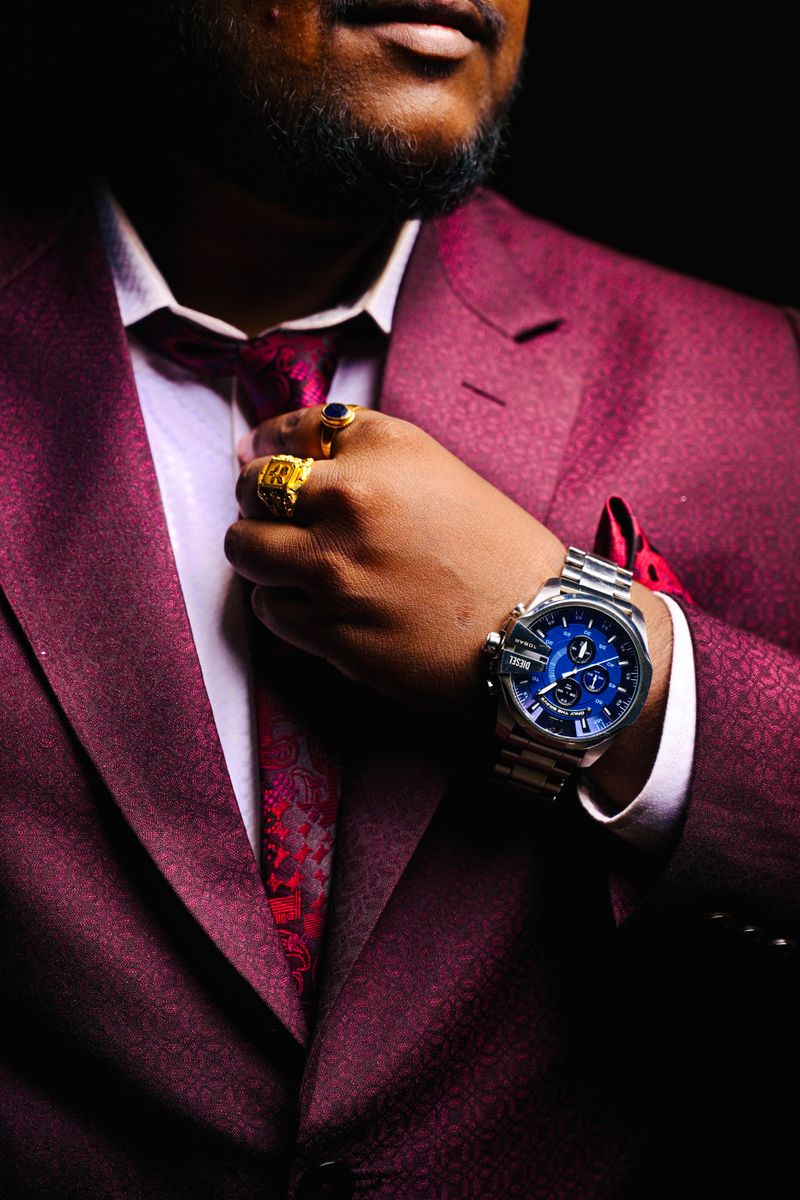
Suits whisper.
Diamond bezels shout.
Put them together and the message gets scrambled.
A big blingy watch peeking out of a tailored sleeve can pull focus away from the tailoring you paid for.
In business settings it sometimes reads as bragging rather than polish.
Classic dressing favors thin cases that slide under a cuff, leather straps, and metals that match your belt buckle or cufflinks.
Fun bit of history: dress watches were made slim on purpose so they would disappear under a shirt sleeve during formal events.
Save the chunky sports piece for jeans and a jacket, where its size actually fits the mood of the outfit.
6. Keeping Sunglasses On Inside

Nothing blocks a friendly conversation faster than a pair of dark lenses across the table.
Most guys keep them on out of habit or because they forgot, but the effect can look standoffish or like someone is hiding something.
Eye contact does a lot of quiet work in how people read you.
Slide them onto your collar, hang them on your shirt placket, or tuck them into a case as you walk through the door.
Medical reasons are a real exception, and a quick mention clears things up instantly.
Otherwise, treat indoors as lens off territory and let your expression do the talking.
7. Jeans With Rips Everywhere

A worn knee tells a story.
Twenty shredded holes tell a different one, usually about a price tag.
Heavy distressing was born from real wear, back when jeans faded because people actually worked in them.
Factory rips can look staged, especially when the fabric is otherwise brand new and stiff.
Subtle fading, a small tear, or naturally worn edges keep the rugged feel without the costume effect.
Think about setting too.
Shredded denim reads fine at a concert and awkward at a family dinner or an office happy hour.
If you want that lived-in look for free, just wear one pair often and let time do the work.
8. Living in Gym Clothes
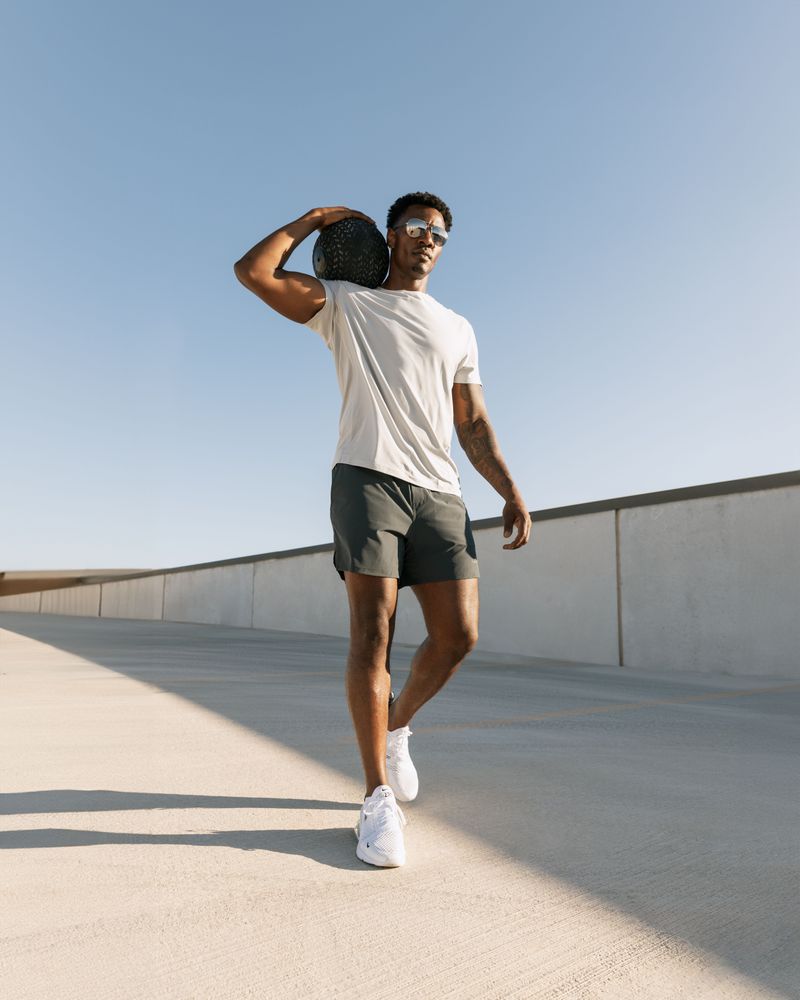
Athletic wear is comfortable, stretchy, and built for movement.
It also carries a message: I am on my way to work out, or I just finished.
Wearing it to dinners, meetings, and dates can suggest you did not think much about the occasion, even when the pieces are expensive.
The fix is easier than most people expect.
Swap the shorts for dark chinos or slim joggers, trade the tank for a plain tee or knit polo, and put on leather sneakers instead of running shoes.
You keep the comfort and gain a look that works anywhere.
Performance fabrics in normal shapes are everywhere now, so no one has to suffer in stiff clothes.
9. Stacking On All the Jewelry

Three chains, five rings, two bracelets, and an earring walk into a room.
The room notices the jewelry and forgets the man.
Accessories are supposed to add rhythm to an outfit, but too many at once compete with each other and with your face.
Pick a small collection with meaning: one necklace you never take off, a ring or two, maybe a bracelet.
Keep the metals in the same family so everything feels connected.
Scale matters as much as number.
Delicate pieces layer well, while several heavy items at once tip into costume territory.
Less quantity, more story, and people actually ask about what you wear.
10. Dress Shoes With Extra Sharp Points
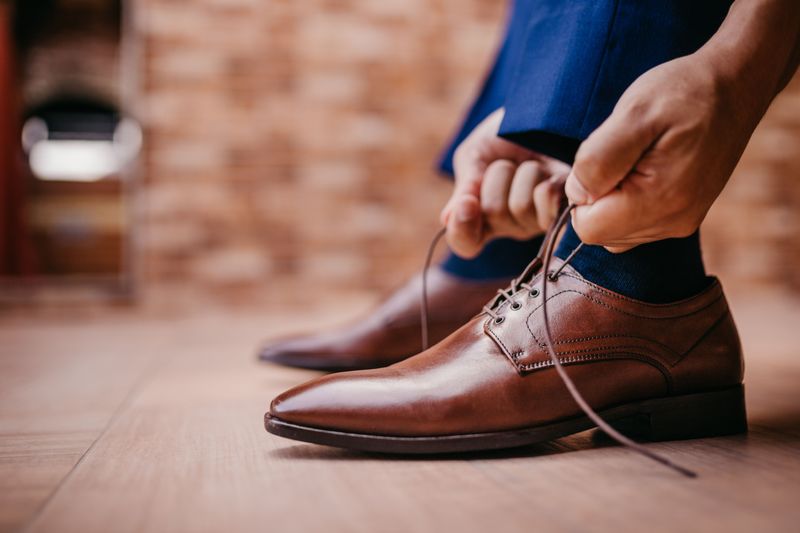
Long, needle sharp toes were high fashion at one point, and they have a way of aging an outfit fast.
Extremely pointed shoes stretch the foot into a shape that rarely matches the rest of a modern suit, and they can read as dated rather than dashing.
Comfort suffers too, since toes get squeezed into a narrow triangle.
A softly tapered or rounded almond toe flatters most feet and pairs cleanly with slim trousers.
Quick history note: pointed shoes were so popular in medieval Europe that some rulers passed laws limiting how long the tips could be.
Trends really do repeat themselves.
11. Graphic Tees With Edgy Slogans

Words on your chest get read by strangers, coworkers, kids, and grandparents, and you do not get to explain the joke.
A shirt meant as humor can land as rude, and the wearer usually finds out through awkward silence.
Even a mild slogan can shift how people size you up in the first ten seconds.
Band tees, artwork, and small logos give personality without a punchline that might miss.
Keep the daring shirts for friends who know your sense of humor, and choose something neutral for work, travel, and family events.
Blank tees in good cotton never start an argument, and they make every other piece look better.
12. Overdressing for a Laid Back Hangout

Showing up to a backyard barbecue in a three piece suit is a bold move, and not always the one you hoped for.
Dressing far above the room can read as a statement about everyone else, or as discomfort with the setting, even when the intent was respect.
Aim for one notch above the crowd rather than five.
A clean shirt, decent jeans, and good shoes handle almost any casual invite.
When you are unsure, ask the host what people usually wear.
Nobody minds the question, and it saves you from being the guy sweating in wool while friends toss a football.