 MomSkoop
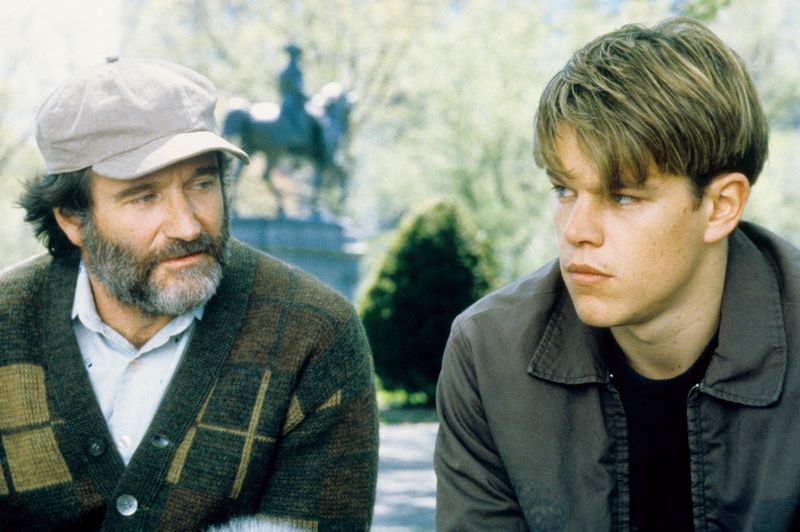
Some movies blow you away with special effects or action scenes, but a select few grab you with nothing more than words. Great dialogue can make you laugh, think, and feel deeply moved all at once.
The films on this list prove that a well-written conversation can be just as powerful as any explosion or car chase. If you love movies where characters say things you want to write down and remember, you are in the right place.
1. Pulp Fiction (1994)
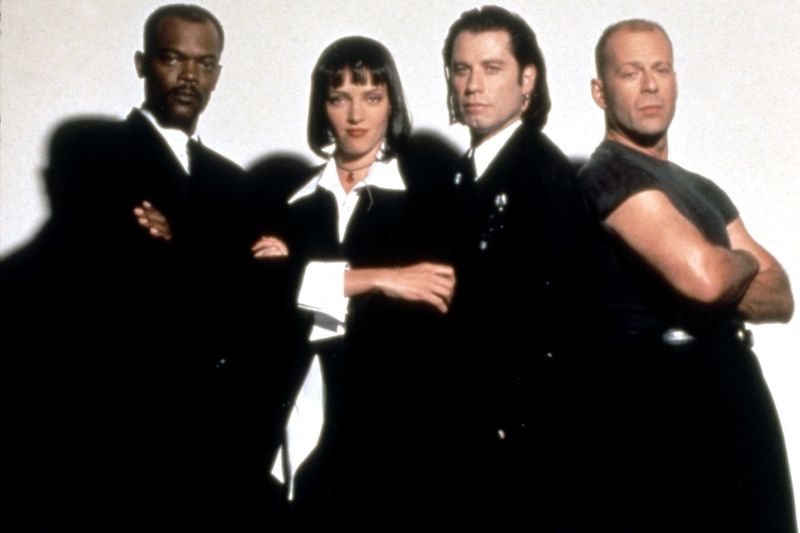
Few movies have made talking about burgers feel as cool as this one.
Quentin Tarantino built Pulp Fiction around conversations that seem random at first but slowly pull you deeper into the story.
Characters debate foot massages, loyalty, and cheeseburgers with the same intensity others reserve for life-or-death moments.
That mix of the ordinary and the dangerous is what makes the dialogue so magnetic.
Tarantino had a gift for writing the way people actually talk, full of tangents and humor.
Lines from this film have been quoted so many times they feel like part of everyday language.
Watching it feels like eavesdropping on the most fascinating people in the room.
2. The Social Network (2010)
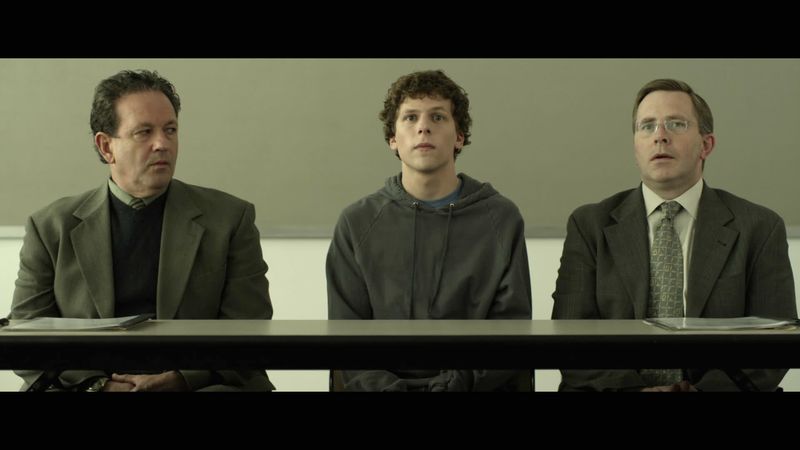
Aaron Sorkin writes dialogue the way a composer writes music – every word has rhythm, and every exchange builds to something bigger.
The Social Network opens with a breakup conversation so fast and sharp that you almost need to watch it twice to catch everything.
From that first scene, you know you are watching something special.
Sorkin layers intelligence, ambition, and quiet cruelty into every exchange.
Characters talk over each other, cut each other off, and say enormous things in tiny sentences.
The screenplay is widely considered one of the finest of the 21st century.
Even viewers who know nothing about tech companies find themselves completely hooked by the power of the words alone.
3. 12 Angry Men (1957)
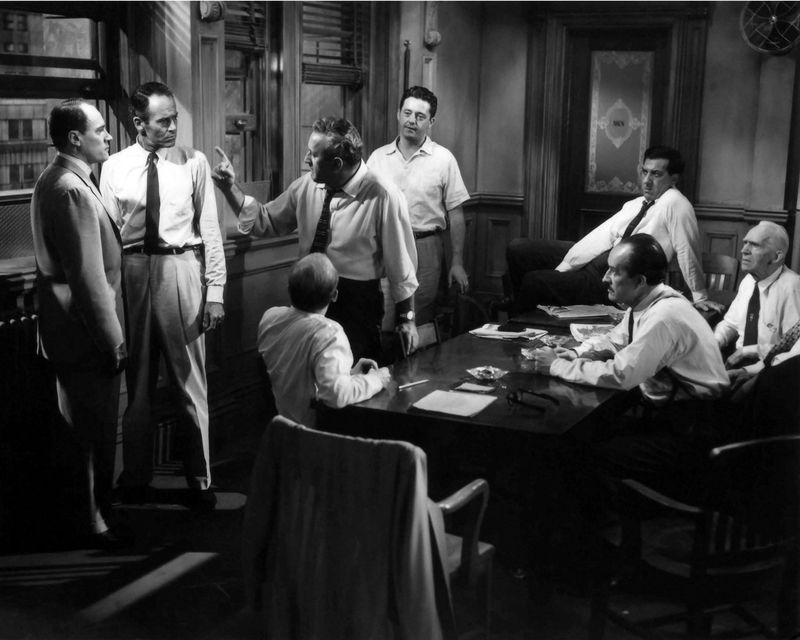
Imagine an entire movie set almost entirely in one room, with no chase scenes or explosions, just twelve men arguing.
That is exactly what 12 Angry Men delivers, and it is absolutely gripping from start to finish.
The film proves that conflict does not need spectacle – it just needs honest, well-crafted words.
Each juror has a distinct voice and a personal reason for seeing the case a certain way.
As they debate a verdict, the audience learns who these men really are beneath their suits and opinions.
Every line builds character while also pushing the tension forward.
Few films have used conversation so efficiently to explore justice, prejudice, and moral responsibility in such a compact and powerful way.
4. Before Sunrise (1995)
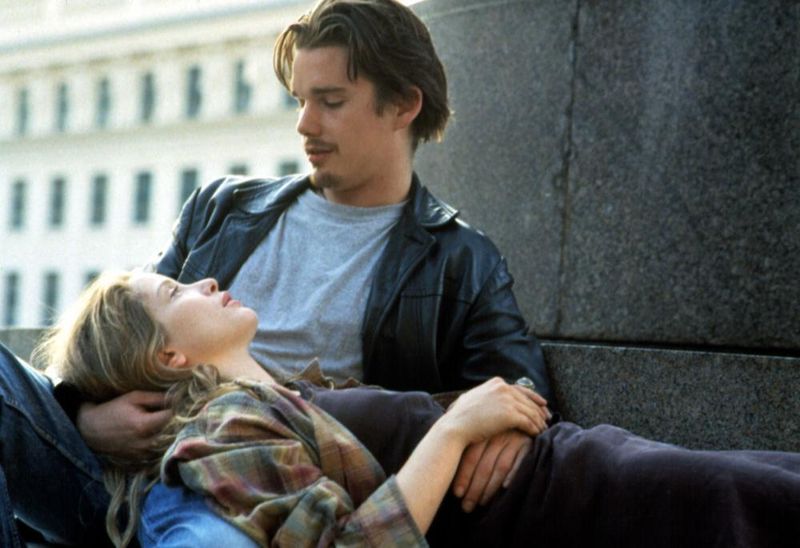
Two strangers meet on a train and spend one night walking through Vienna, just talking.
That is the entire plot of Before Sunrise, and director Richard Linklater makes it feel like the most important night in the world.
The conversations cover love, death, art, and what it means to connect with another person.
What makes the dialogue feel so real is that it wanders the way actual conversations do.
Nothing is perfectly wrapped up or resolved, and that honesty is refreshing.
Ethan Hawke and Julie Delpy brought such natural chemistry to their roles that many people assumed the dialogue was improvised.
It was not – it was carefully crafted to sound effortless.
That is a rare and beautiful skill in filmmaking.
5. When Harry Met Sally… (1989)
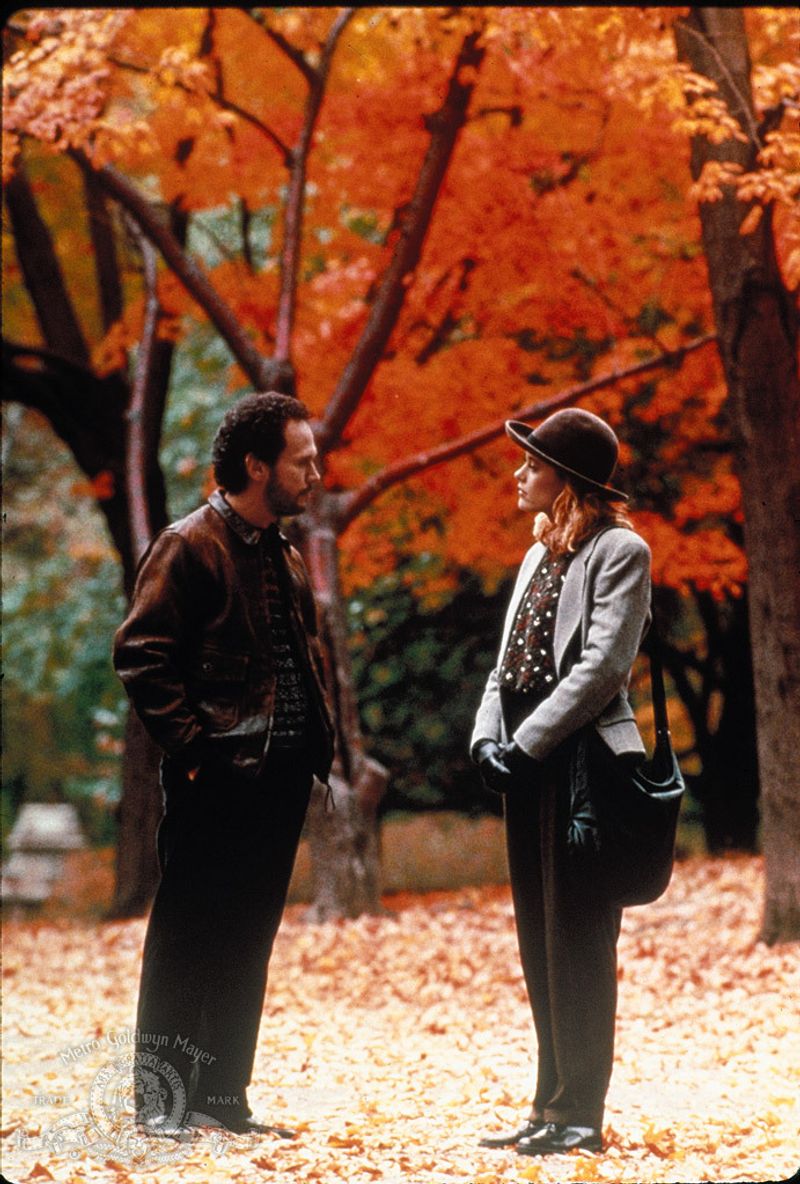
Nora Ephron had a superpower: she could make a conversation about whether men and women can truly be friends feel like the most important debate ever held.
When Harry Met Sally… is packed with witty, warm exchanges that still hold up more than thirty years later.
The film understands how people actually talk when they like each other but are afraid to admit it.
Beyond the laughs, the dialogue carries real emotional weight.
Harry and Sally say funny things, but underneath the jokes are honest feelings about loneliness and love.
Ephron gave both characters equal intelligence and equal vulnerability.
The result is one of the most quoted romantic comedies ever made, beloved by audiences who return to it again and again for the words as much as the story.
6. The Big Lebowski (1998)
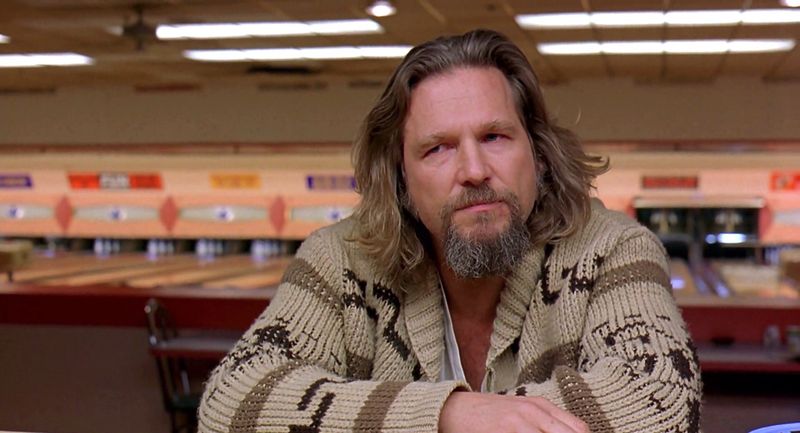
The Coen Brothers created something truly strange with The Big Lebowski: a movie where the dialogue is almost more important than the plot.
The Dude, played by Jeff Bridges, speaks in a loose, unhurried way that feels completely unique.
His conversations with friends, enemies, and strangers have a laid-back rhythm that is oddly hypnotic.
The film’s cult following exists largely because of its lines.
Fans quote it endlessly and gather at festivals celebrating its humor.
The Coens built a world where every character has a completely distinct speaking style, from the aggressive Walter to the dreamy Donny.
The writing is dry, absurd, and surprisingly deep in places.
Revisiting it years later, you always catch something new hiding in the words.
7. Glengarry Glen Ross (1992)
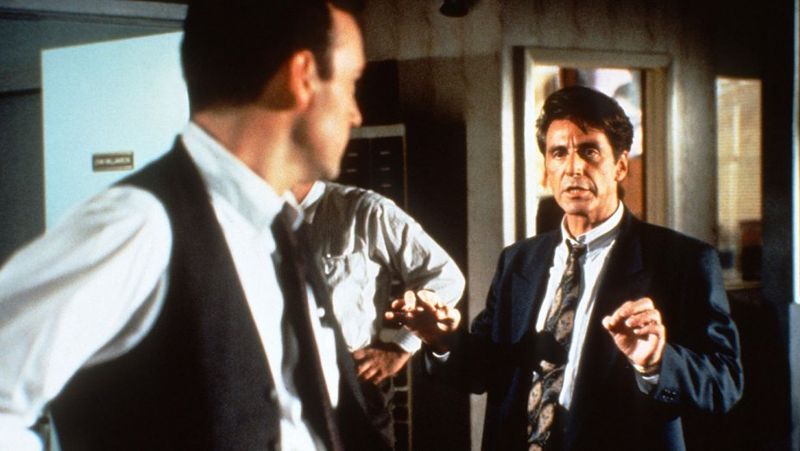
David Mamet won the Pulitzer Prize for the play this film is based on, and watching the movie makes it easy to understand why.
Every sentence in Glengarry Glen Ross feels like a punch.
The characters are real estate salesmen under enormous pressure, and their dialogue crackles with desperation, manipulation, and dark humor.
Mamet writes in a style that is almost musical.
His characters interrupt each other, repeat phrases for emphasis, and use silence as a weapon.
The cast, including Al Pacino, Jack Lemmon, and Alec Baldwin, delivers the words with ferocious energy.
Baldwin’s famous sales speech, added specifically for the film, is one of the most intense scenes in cinema history.
The whole movie feels like watching a pressure cooker about to blow.
8. My Dinner with Andre (1981)
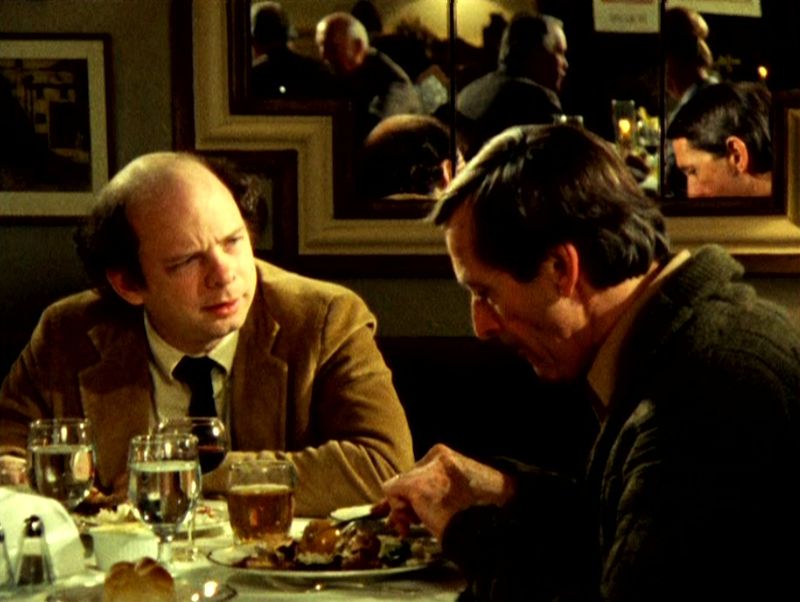
What if a movie was literally just two people eating dinner and talking for two hours?
That is My Dinner with Andre, and it somehow never gets boring.
Wallace Shawn and Andre Gregory play versions of themselves, discussing philosophy, theater, and the search for meaning in modern life.
The conversation is the entire film.
Director Louis Malle trusted the words completely, keeping the camera simple and focused on the faces of the two men.
What comes through is something remarkable: a genuine intellectual friendship playing out in real time.
The topics range from experimental theater to whether life itself has become numbing.
For anyone who loves ideas and conversation, this film feels less like entertainment and more like a gift from a thoughtful friend.
9. The Princess Bride (1987)
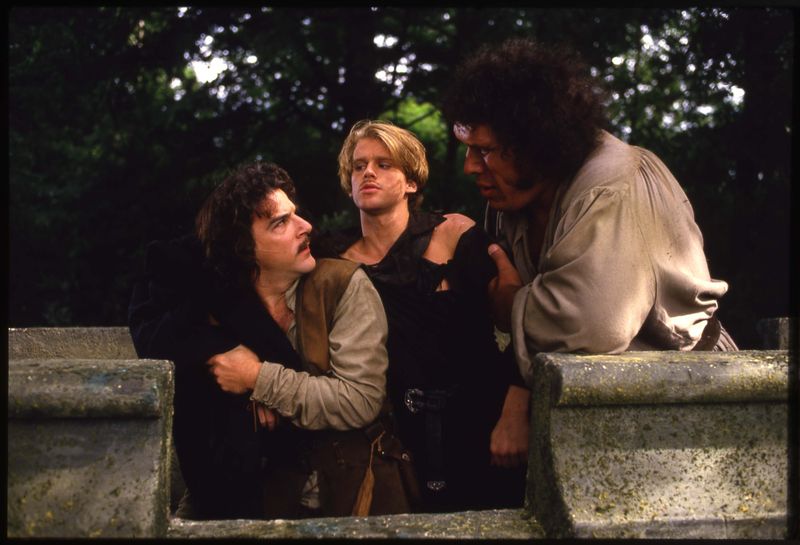
“As you wish” might be the most romantic two words ever put on screen, and that kind of magic runs through every line of The Princess Bride.
William Goldman adapted his own beloved novel into a screenplay bursting with clever wordplay, sharp wit, and genuine warmth.
The film somehow balances adventure, romance, and comedy without missing a beat.
Characters like Inigo Montoya and Vizzini have become icons largely because of what they say.
The lines are quotable in a way that feels natural rather than forced.
Children love the adventure, adults love the humor, and everyone loves the heart behind the words.
Few films have achieved that kind of universal appeal through pure writing talent.
Goldman once said the most important rule of storytelling is to never bore the audience – he clearly followed his own advice.
10. Casablanca (1942)
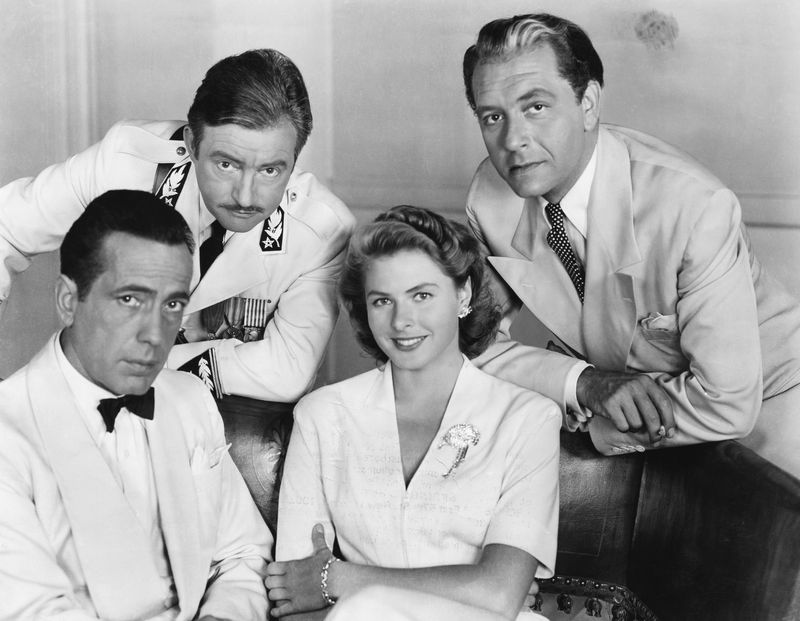
Decades after its release, people still say “Here’s looking at you, kid” and everyone knows exactly where it comes from.
Casablanca is a masterclass in elegant, emotionally resonant dialogue that never feels dated.
Set during World War II, the film uses its words to explore love, sacrifice, and the weight of doing the right thing.
The screenplay, written by Julius and Philip Epstein along with Howard Koch, was famously developed under chaotic conditions, with pages delivered to the set day by day.
Yet the result feels seamless and timeless.
Humphrey Bogart and Ingrid Bergman gave the words a depth that still moves audiences today.
The film reminds us that great dialogue does not just entertain – it endures across generations and keeps speaking long after the credits roll.
11. Good Will Hunting (1997)
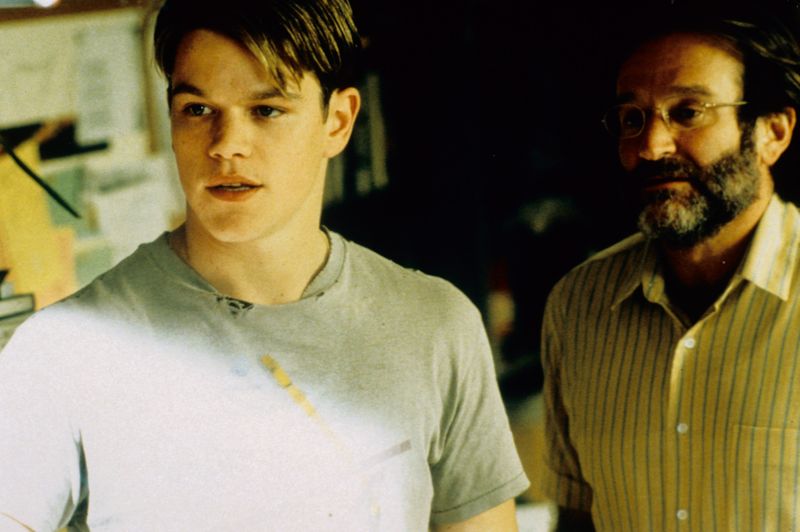
Matt Damon and Ben Affleck wrote Good Will Hunting when they were in their early twenties, and the script earned them an Academy Award.
The film follows a working-class genius from South Boston who struggles to open up emotionally, and its best scenes are quiet conversations between Will and his therapist, played by Robin Williams.
Those therapy scenes are remarkable because the dialogue feels so real and unguarded.
Williams brought a gentle, unforced quality to his lines that made every exchange feel like a genuine human moment.
The famous “It’s not your fault” scene is powerful precisely because of how simply it is written.
Sometimes the most effective dialogue strips everything away and says one true thing, over and over, until it finally lands.
12. Network (1976)
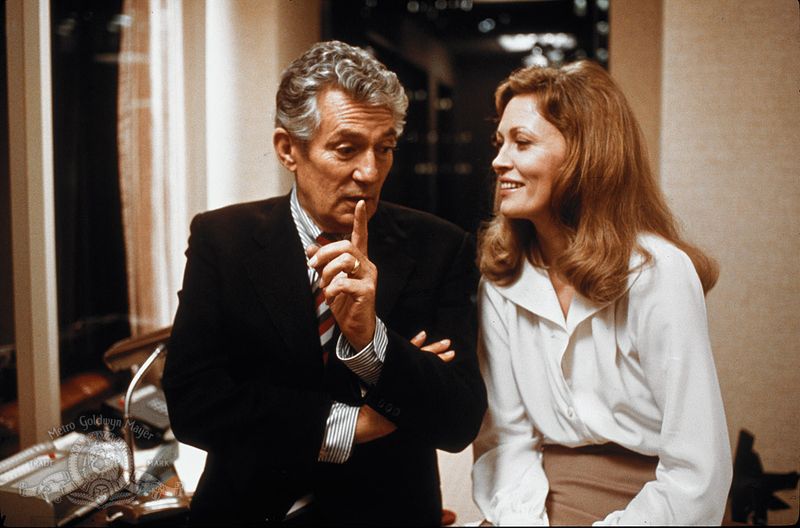
“I’m mad as hell, and I’m not going to take this anymore!” Paddy Chayefsky wrote that line in 1976, and it has never stopped feeling relevant.
Network is a sharp, furious satire about television, media manipulation, and the way anger can be packaged and sold to audiences hungry for something to feel.
Chayefsky won an Oscar for his original screenplay, and the film is filled with long, blistering monologues that feel more like speeches than dialogue.
Peter Finch delivers them with the energy of someone who has finally said what everyone was thinking.
What is remarkable is how accurately the film predicted the future of media and entertainment.
Watching it today, you might think it was written last week.
The words have only grown sharper with time.