 MomSkoop

Remember when your grandparents told you to go to bed early or write things down instead of typing them?
Turns out, they were onto something big.
People everywhere are ditching their modern shortcuts and going back to simple, time-tested habits that actually make life easier.
These aren’t boring rules—they’re small changes that can seriously upgrade your daily routine without any fancy apps or expensive gadgets.
1. Going to Bed and Waking Up at the Same Time Every Day

Your body has an internal clock that loves predictability more than anything else.
When you hit the pillow and open your eyes at the same times daily, your brain learns the pattern and makes both easier over time.
Weekends might tempt you to sleep in, but staying consistent pays off with better energy and mood.
Think of it like training a puppy—repetition creates results.
Your sleep quality improves because your body prepares for rest at the right time.
You’ll fall asleep faster and wake up feeling less groggy, even without an alarm eventually.
This habit takes about two weeks to feel natural, so stick with it.
The payoff is worth the initial struggle of early Saturday mornings.
2. Taking a Short Walk After Meals

Scrolling through social media after eating has become automatic for most of us.
But swapping that screen time for a quick walk does wonders for digestion and blood sugar levels.
Even just ten minutes around your block helps your body process food more efficiently than sitting still.
Walking after meals also gives your brain a break from constant information overload.
You’ll notice you feel less sluggish and more focused when you return.
Fresh air and gentle movement beat mindless scrolling every single time.
Start with one meal per day—maybe after dinner when you need to unwind anyway.
Your stomach and your mind will thank you for the simple switch.
3. Keeping a Small Stash of Cash

Cards and payment apps fail more often than you’d think—dead phone batteries, system glitches, or places that only take cash.
Having actual money tucked away somewhere safe gives you a backup plan that never needs charging.
It’s not about hoarding; it’s about being prepared for everyday surprises.
Your cash stash doesn’t need to be huge, maybe twenty to fifty dollars in small bills.
Keep it somewhere you’ll remember but others won’t easily find.
This old habit has saved countless people from awkward situations at farmers markets or food trucks.
Knowing exactly where your emergency cash lives brings unexpected peace of mind.
Plus, it’s satisfying to have something tangible in our increasingly digital world.
4. Writing Things Down on Paper

Digital notes disappear into app chaos, but paper stays visible and real.
Writing by hand activates different parts of your brain than typing does, which helps information stick better.
You’re more likely to remember your grocery list or important task when you’ve physically written it down.
Notebooks don’t crash, run out of battery, or distract you with notifications.
There’s something satisfying about crossing items off a physical list that checkboxes just can’t match.
Plus, you can doodle in the margins when you’re thinking.
Keep a small notebook in your bag or pocket for random thoughts and to-dos.
You’ll be amazed how much clearer your thoughts become when they’re on actual paper instead of floating in digital space.
5. Calling People Instead of Texting

Texts are convenient, but they’re terrible for anything that actually matters.
Tone gets lost, misunderstandings multiply, and important conversations drag on for hours through endless back-and-forth messages.
A two-minute phone call solves what twenty texts cannot.
Hearing someone’s voice creates real connection that emojis never will.
You catch emotions, solve problems faster, and show people they’re worth your full attention.
Yes, calling feels awkward at first if you’re not used to it, but that discomfort fades quickly.
Try calling instead of texting for one important thing this week—maybe to wish someone happy birthday or discuss weekend plans.
You’ll rediscover how much easier and more satisfying actual conversations can be.
6. Doing Chores a Little Every Day
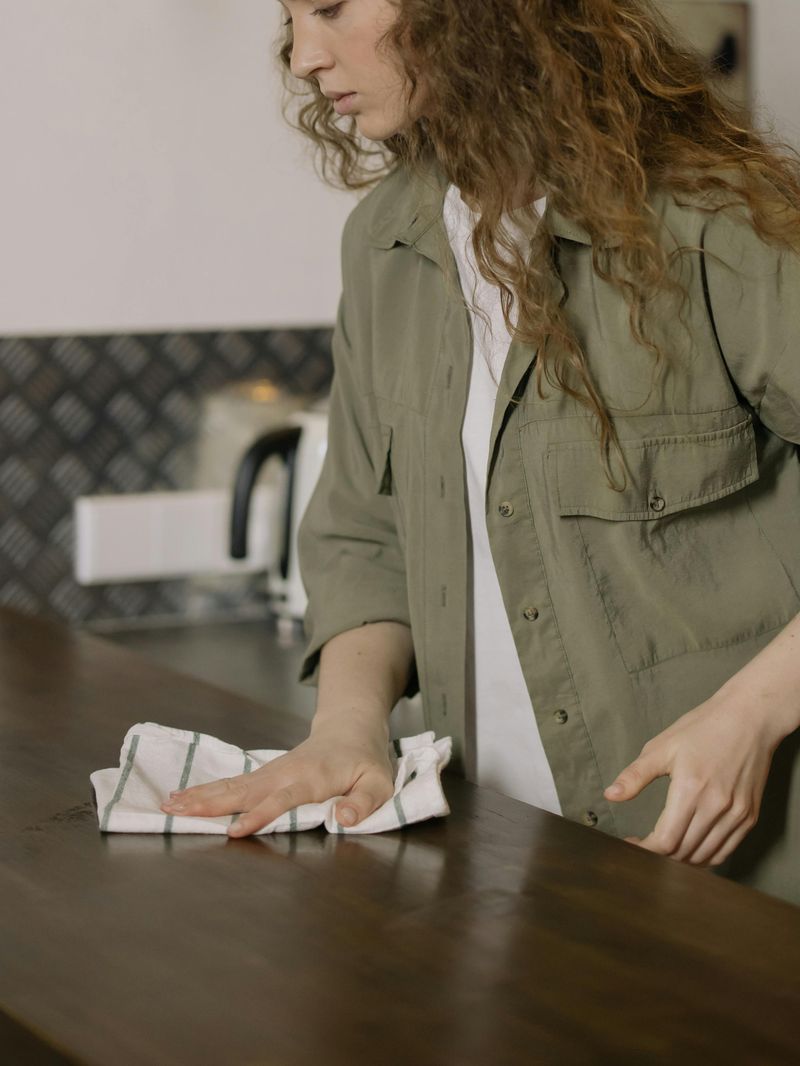
Marathon cleaning sessions are exhausting and easy to avoid, which is why messes pile up in the first place.
Spending just fifteen minutes daily on small tasks keeps your space livable without the weekend panic.
Wash dishes right after dinner, wipe the bathroom sink each morning, or fold laundry while watching a show.
This approach works because it never feels overwhelming.
You’re maintaining order instead of battling chaos, which takes way less energy.
Your home stays guest-ready, and you never face that dreaded mountain of undone tasks.
Pick two or three tiny chores to rotate through each day.
The habit builds quickly, and you’ll wonder why you ever saved everything for Saturdays.
7. Saying No Without Overexplaining

We’ve been trained to justify every declined invitation or request with elaborate excuses.
But here’s the truth: “No, I can’t” is a complete sentence that needs no backstory.
Overexplaining makes you sound unsure and gives others room to argue or guilt-trip you.
Practicing simple refusals protects your time and energy without burning bridges.
People respect clear boundaries more than wishy-washy maybes anyway.
You can be kind and firm at the same time—it just takes practice.
Next time someone asks for something you can’t or don’t want to do, try a straightforward decline.
You might add “Thanks for thinking of me” or “I hope you find someone,” but skip the invented emergencies and fake schedules.
8. Keeping Your Space Tidy as You Go
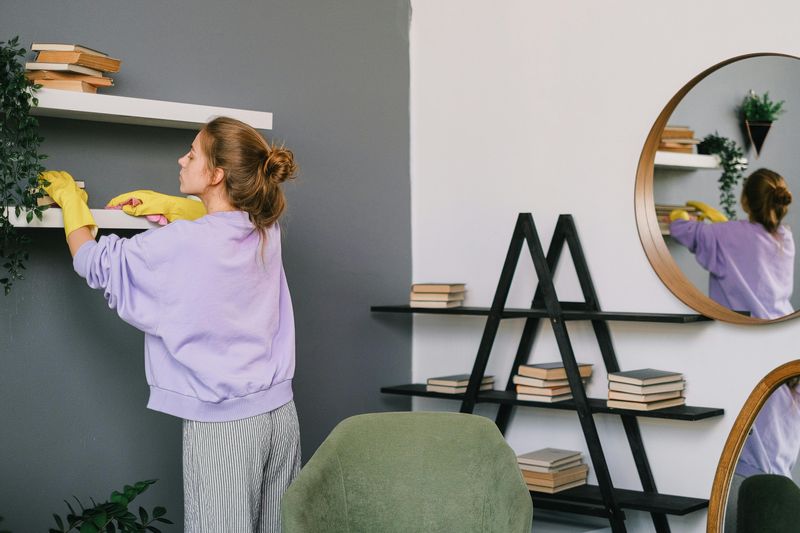
The “clean as you go” approach means you never face disaster zones because messes get handled immediately.
Hang up your coat when you walk in, return scissors to the drawer after using them, and rinse your coffee mug right away.
These micro-actions take seconds but prevent hours of cleanup later.
This habit eliminates those exhausting reset sessions where you spend half a day just getting back to normal.
Your space stays functional, you can always find what you need, and unexpected guests don’t trigger panic.
It’s maintenance mode instead of emergency repair.
Start in one room—maybe your bedroom or kitchen—and commit to leaving nothing out of place.
The habit spreads naturally once you feel how much easier life becomes.
9. Bringing a Reusable Bag Everywhere

Ever grabbed a few items at the store and ended up juggling them awkwardly because you forgot bags?
Keeping a compact reusable bag in your daily carry solves this forever.
Modern ones fold smaller than your wallet and weigh almost nothing, so there’s no excuse.
Beyond convenience, you’ll avoid plastic bag fees and reduce waste without even thinking about it.
That spontaneous farmers market stop or unexpected purchase becomes hassle-free.
You’re always prepared, which feels surprisingly empowering.
Toss a folded bag in your purse, backpack, or car today.
After a week of having it available, you’ll wonder how you ever managed without this simple backup plan for life’s random shopping moments.
10. Checking the Weather Before Leaving

Nothing ruins a day faster than being soaked, frozen, or sweating because you didn’t check the forecast.
Taking thirty seconds to glance at the weather before getting dressed saves you from serious discomfort and looking unprepared.
It’s such a small action with massive payoff.
This habit also helps you plan better—bringing an umbrella, wearing layers, or choosing different shoes based on actual conditions.
You’ll stop getting caught off guard by sudden temperature drops or surprise rain.
Grandparents did this by looking at the sky; we just need to check our phones.
Make it part of your morning routine right after you wake up.
Knowing what’s coming weather-wise helps you dress smart and feel comfortable all day long.
11. Drinking Water First Thing in the Morning

Your body goes six to eight hours without water while you sleep, which means you wake up mildly dehydrated every single morning.
Chugging coffee first thing makes this worse because caffeine is a diuretic.
Starting with plain water rehydrates you, wakes up your digestive system, and actually makes that later coffee work better.
Keep a water bottle or glass by your bed so it’s the first thing you reach for.
You’ll notice clearer thinking, better energy, and easier mornings within days.
This simple swap takes zero extra time but changes how your entire morning feels.
Try it for one week—water first, coffee second.
Your body will adjust quickly, and you might naturally start craving that morning water.
12. Fixing Things You Already Own
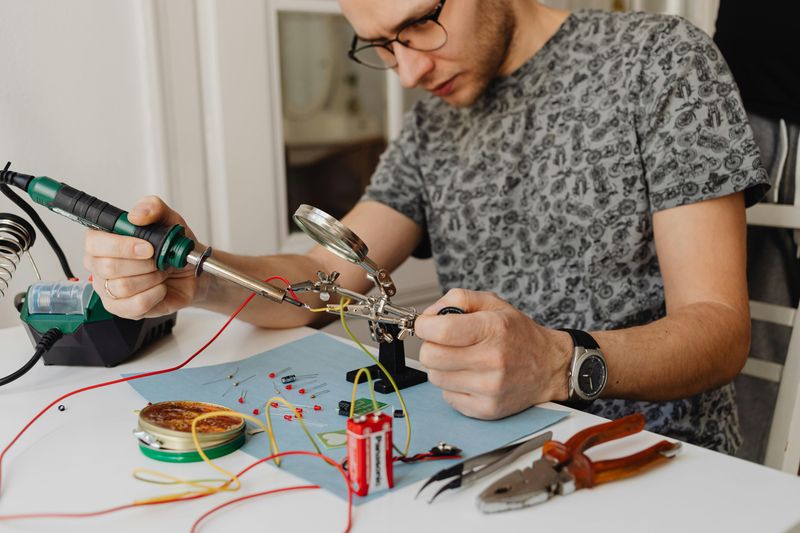
Our throwaway culture makes us replace things at the first sign of trouble, but most items can be fixed with minimal effort.
That loose button, wobbly chair leg, or torn jacket seam takes minutes to repair once you actually try.
Learning basic fixes saves money and keeps perfectly good stuff out of landfills.
Fixing things yourself also builds confidence and problem-solving skills.
You’ll discover that many repairs are way simpler than they look.
Plus, well-maintained items last years longer than constantly replaced cheap versions.
Next time something breaks, pause before shopping for a replacement.
Check if glue, a screwdriver, or a quick stitch might solve the problem instead.
You’ll be surprised how often the answer is yes.