 MomSkoop

Real wealth doesn’t always come with flashy cars or designer labels. Many truly wealthy people live quietly, blending into everyday life without drawing attention to their bank accounts.
Understanding these subtle signs can change how you think about money and success. Here are twelve understated clues that someone might be wealthier than they appear.
1. They Prefer Experiences Over Material Goods

Wealthy individuals often invest their money in memorable experiences rather than accumulating possessions.
You might notice them talking about cooking classes in Italy, scuba diving trips, or attending exclusive concerts.
These adventures create lasting memories and personal growth that物objects simply cannot provide.
Material items lose value over time, but experiences enrich our lives forever.
Someone who prioritizes a weekend getaway over the newest smartphone understands this principle deeply.
They recognize that happiness comes from moments shared with loved ones, not from filling closets with things.
This mindset reflects financial security and emotional intelligence combined.
Watch for people who light up when discussing their adventures rather than their purchases.
2. They Have Diverse and Rich Cultural Interests

A broad appreciation for arts, music, and literature often signals hidden wealth.
People with financial resources typically have time and means to explore various cultural pursuits.
They might casually mention attending opera performances, discussing contemporary art exhibitions, or reading books in multiple languages.
This cultural sophistication develops over years of exposure and education.
Their conversations reveal depth and curiosity about the world beyond everyday concerns.
They appreciate fine dining not for Instagram photos but for culinary artistry.
Classical music, theater, and international cinema become part of their regular entertainment.
Such interests require both money and leisure time to cultivate properly.
Notice those who speak knowledgeably about diverse subjects without showing off.
3. They Have a Small Social Circle

Quality over quantity applies to friendships among the wealthy.
Rather than maintaining hundreds of superficial connections, they nurture a handful of meaningful relationships.
Their small circle typically includes trusted friends who knew them before financial success arrived.
This selectivity protects them from people seeking financial gain.
They value genuine connections built on shared interests and mutual respect rather than social climbing.
You won’t find them at every party or posting constantly on social media.
Their weekends involve intimate dinners with close friends instead of large gatherings.
This approach provides emotional security and authentic companionship.
A tight-knit group offers support without judgment or hidden agendas, something money alone cannot buy.
4. They Wear Unbranded, High-Quality Clothes

Did you know that many millionaires avoid logos altogether?
Truly wealthy people often choose clothing made from exceptional fabrics without visible branding.
Their garments fit perfectly, last for years, and look effortlessly elegant.
They understand that quality speaks louder than labels.
A well-tailored shirt in fine cotton outshines any designer logo tee.
These individuals invest in classic styles rather than chasing trends.
Their wardrobe consists of timeless pieces that never go out of fashion.
The absence of flashy logos signals confidence and financial security.
They don’t need external validation through brand names because their self-worth comes from within, not from what they wear on the outside.
5. They Support Small, Local Businesses

Frequent visits to independent shops and local restaurants reveal financial comfort.
Wealthy individuals understand the value of supporting their community and building relationships with local entrepreneurs.
They choose the neighborhood bookstore over massive online retailers, even when it costs more.
This behavior stems from both financial ability and values.
They appreciate craftsmanship, personalized service, and knowing where their money goes.
Local coffee shops, family-owned restaurants, and independent boutiques become their regular spots.
They develop friendships with owners and staff, creating meaningful community connections.
This pattern shows they can afford to pay premium prices for quality and ethics.
Supporting local businesses reflects priorities beyond simply saving money on every purchase.
6. They Value Privacy and Discretion

Silence about personal finances often indicates substantial wealth.
People with real money rarely discuss their bank accounts, investments, or expensive purchases.
They maintain careful boundaries between public and private life, avoiding unnecessary attention.
Social media profiles show minimal personal information and few luxury displays.
They understand that broadcasting wealth attracts unwanted requests and insincere relationships.
Privacy protects both security and peace of mind.
They prefer anonymity over recognition, living comfortably without public scrutiny.
This discretion extends to all aspects of life, from home locations to vacation destinations.
When someone consistently deflects questions about money matters, they likely have plenty to protect but choose wisdom over bragging rights.
7. They Prefer Quality Over Quantity

A minimalist approach to possessions often masks significant wealth.
Instead of owning dozens of mediocre items, they invest in fewer pieces of exceptional quality.
Their homes contain carefully selected furniture that lasts decades rather than cheap replacements every few years.
This philosophy extends beyond physical objects to every life decision.
They choose one perfect vacation over multiple rushed trips.
Quality purchases save money long-term despite higher upfront costs.
A handcrafted leather bag used for twenty years costs less than replacing cheap versions annually.
This mindset reveals financial literacy and patience.
They resist impulse buying and consumer culture, focusing instead on lasting value and genuine satisfaction from well-made products.
8. They Enjoy Hobbies That Reflect Wealth

Certain pastimes require substantial financial investment and free time.
Sailing, horseback riding, golf at private clubs, and collecting fine wine signal hidden wealth.
These activities demand not only money but also leisure hours that many cannot afford.
Such hobbies develop over years of participation and learning.
They provide networking opportunities with other affluent individuals in exclusive settings.
The equipment alone costs thousands, before considering lessons, memberships, and maintenance.
Someone casually mentioning their weekend polo match likely has significant resources.
These pursuits also indicate lifestyle priorities and values.
They choose meaningful engagement over passive entertainment, investing in skills that bring lasting satisfaction and social connections within wealthy circles.
9. They Travel with Purpose
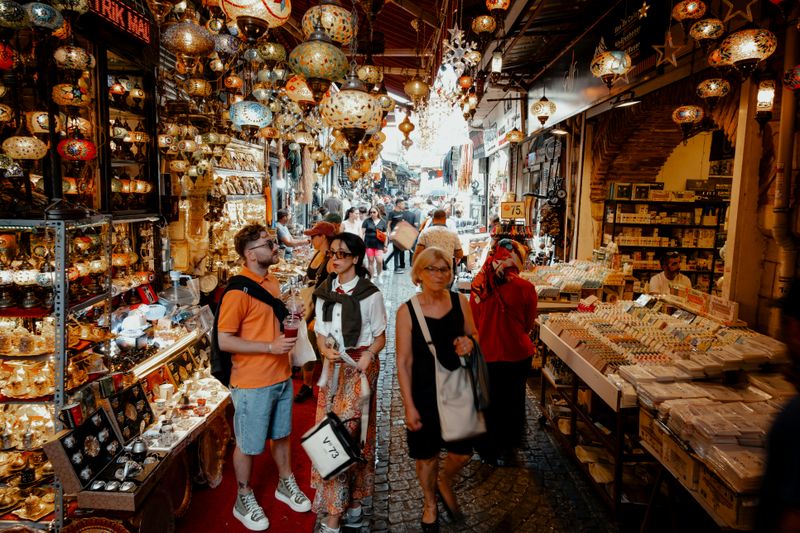
Wealthy travelers seek authentic experiences rather than tourist traps.
They plan trips around learning opportunities, cultural immersion, or personal interests instead of checking off famous landmarks.
Their journeys might involve volunteering abroad, studying languages, or exploring remote regions.
This intentional approach to travel costs more but provides deeper satisfaction.
They stay longer in fewer places, building genuine connections with locals.
Luxury hotels matter less than meaningful experiences and personal growth.
They might rent apartments in neighborhoods rather than staying in resort areas.
Such travel requires both financial resources and a mindset focused on enrichment.
Notice people who return from trips with stories about people and culture rather than just photos of monuments.
10. They’re Frugal with Everyday Purchases

Millionaires often clip coupons and compare prices on routine items.
This behavior might seem contradictory, but wealthy people understand that small savings accumulate significantly.
They distinguish between worthwhile investments and wasteful spending on mundane purchases.
You might find them shopping sales, using loyalty programs, and avoiding unnecessary expenses.
This frugality helped build their wealth initially and remains a habit.
They see no reason to overpay for identical products.
Generic brands work just as well as name brands for most household items.
This practical approach to money management separates truly wealthy individuals from those merely trying to appear rich.
Real wealth comes from smart spending habits, not from wasting money to impress others.
11. Their Car is Practical, Not Flashy

Many millionaires drive reliable, fuel-efficient vehicles rather than luxury sports cars.
They view automobiles as transportation tools, not status symbols.
A dependable sedan or practical SUV serves their needs without drawing unwanted attention or wasting money.
This choice reflects financial wisdom and confidence.
They don’t need expensive cars to validate their success or impress neighbors.
Maintenance costs, insurance, and depreciation all factor into their practical decision-making.
Why spend extra on features that provide no real benefit?
Someone driving a ten-year-old Toyota might have more wealth than the person with a leased luxury vehicle.
Smart wealthy individuals invest money in assets that grow, not depreciating automobiles that lose value instantly.
12. They’re Financially Savvy

Deep understanding of investments, taxes, and wealth management reveals hidden riches.
Wealthy individuals speak knowledgeably about diversified portfolios, compound interest, and tax strategies.
They read financial publications regularly and stay informed about economic trends.
This expertise didn’t happen overnight but developed through years of education and experience.
They might casually mention their accountant, financial advisor, or estate planner in conversation.
Such knowledge helps them grow and protect their wealth effectively.
They make informed decisions rather than following trends or gambling on hot tips.
Financial literacy separates those who build lasting wealth from those who earn and spend equally.
When someone discusses investment strategies comfortably, they likely have significant assets requiring professional management and strategic planning.