 MomSkoop
Your immune system works around the clock to keep you healthy and fight off germs.
The good news is that certain vegetables can give your body the extra support it needs to stay strong.
These colorful, tasty veggies are packed with vitamins, minerals, and special compounds that help your immune system work at its best.
1. Spinach
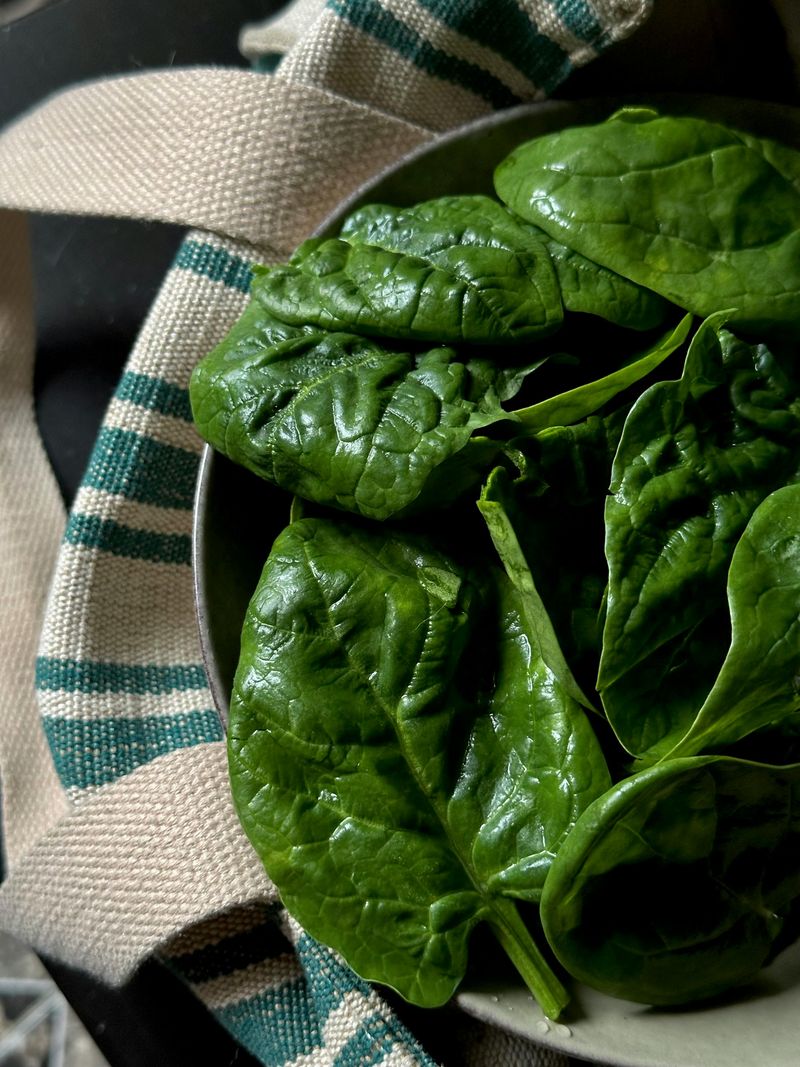
Popeye knew what he was doing when he reached for that can of spinach.
This leafy green vegetable is loaded with vitamins A, C, and E, which all play important roles in keeping your immune system functioning properly.
Vitamin C helps your body produce white blood cells that fight infections.
What makes spinach extra special are its antioxidants, which protect your cells from damage.
You can eat it raw in salads, blend it into smoothies, or cook it as a side dish.
The best part is that spinach is so mild-tasting that you can sneak it into almost any meal without really noticing it.
2. Broccoli
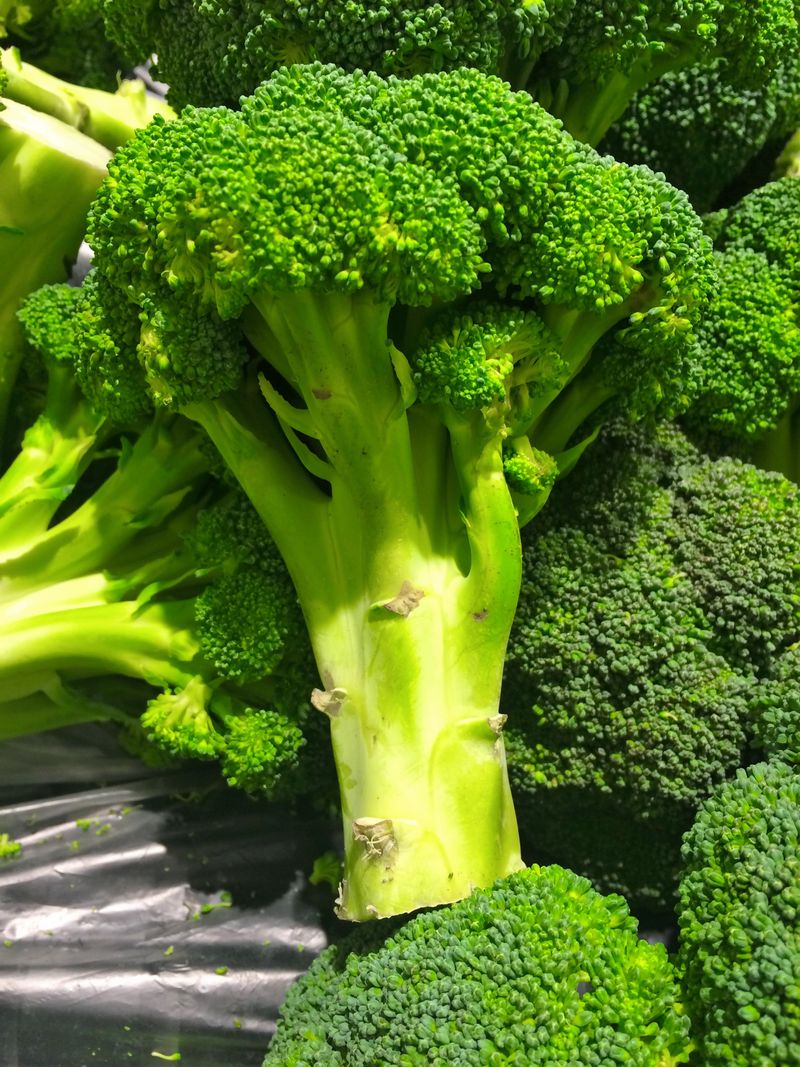
Broccoli looks like tiny trees on your plate, and these mini forests pack a serious nutritional punch.
Rich in vitamins C and K, this green veggie also contains fiber that helps your digestive system stay healthy.
A healthy gut means a stronger immune system since much of your immunity actually lives in your digestive tract.
The secret weapon in broccoli is sulforaphane, a compound that scientists believe can boost your body’s defenses.
Steam it lightly to preserve the most nutrients, or roast it with a little olive oil for a crispy, delicious treat.
Many kids find that cheese sauce makes broccoli taste amazing.
3. Red Bell Peppers
Surprise!
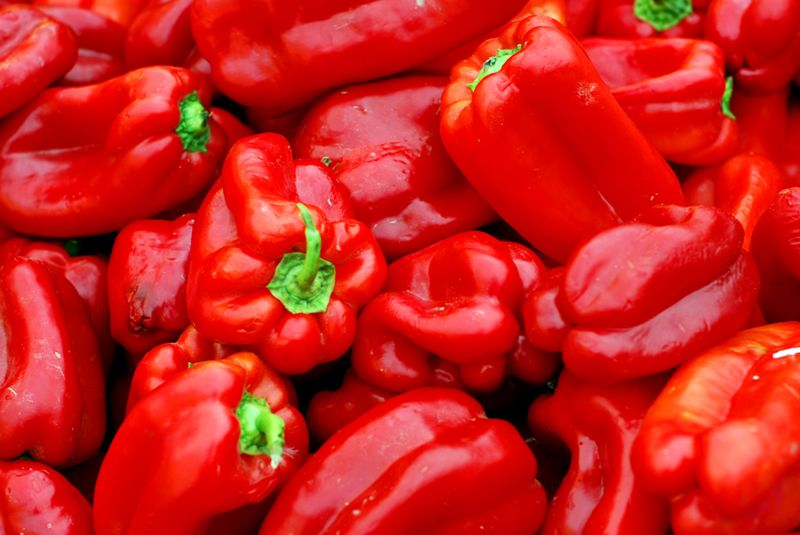
Red bell peppers actually contain more vitamin C than oranges do.
Just one medium red pepper gives you more than twice the vitamin C you need in a day.
This vitamin is crucial for helping your immune cells work properly and keeping your skin healthy as a protective barrier against germs.
Unlike their green cousins, red bell peppers taste sweeter and crunchier, making them perfect for snacking.
You can slice them into strips for dipping in hummus or add them to stir-fries and pasta dishes.
The bright red color comes from antioxidants that provide extra immune support while making your meals look more appetizing too.
4. Garlic
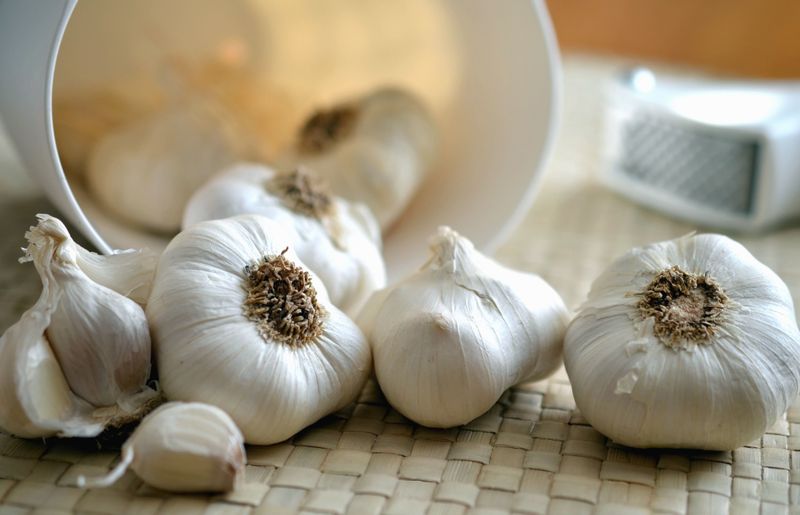
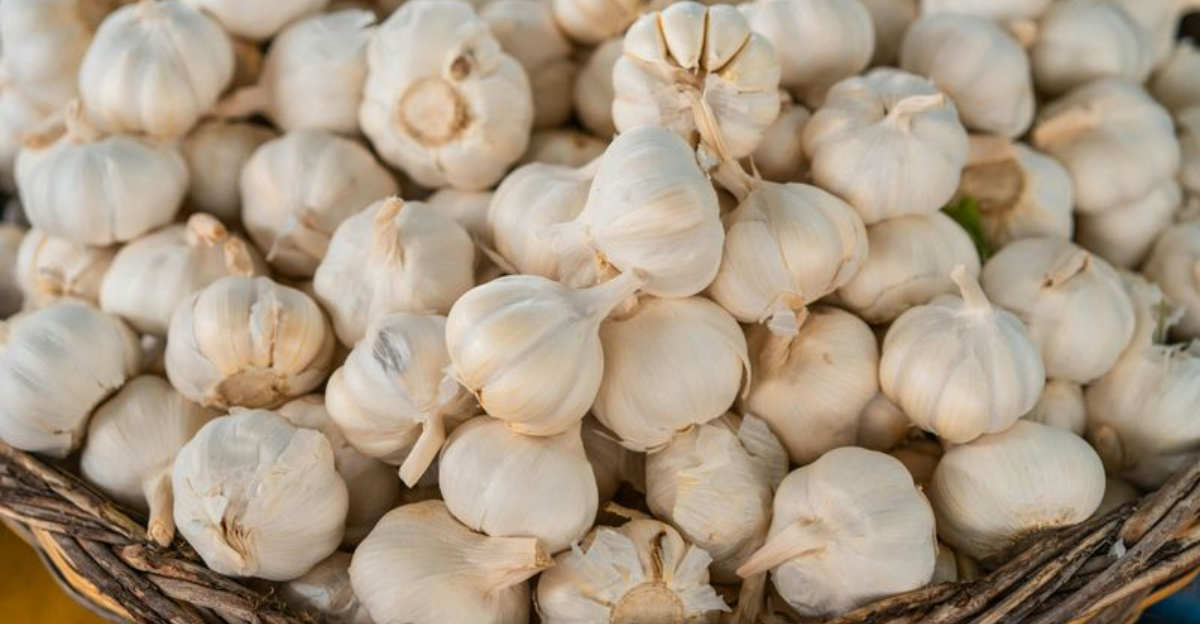
Garlic has been used as medicine for thousands of years, and modern science shows our ancestors were onto something good.
This pungent bulb contains sulfur compounds, especially one called allicin, that form when you crush or chop fresh garlic.
These compounds help your immune system fight off bacteria and viruses more effectively.
You might not love garlic breath, but your body will love what garlic does for your health.
Add minced garlic to soups, pasta sauces, or roasted vegetables for extra flavor and immune benefits.
The smell might be strong, but that’s actually a sign of the powerful compounds at work inside each clove.
5. Carrots
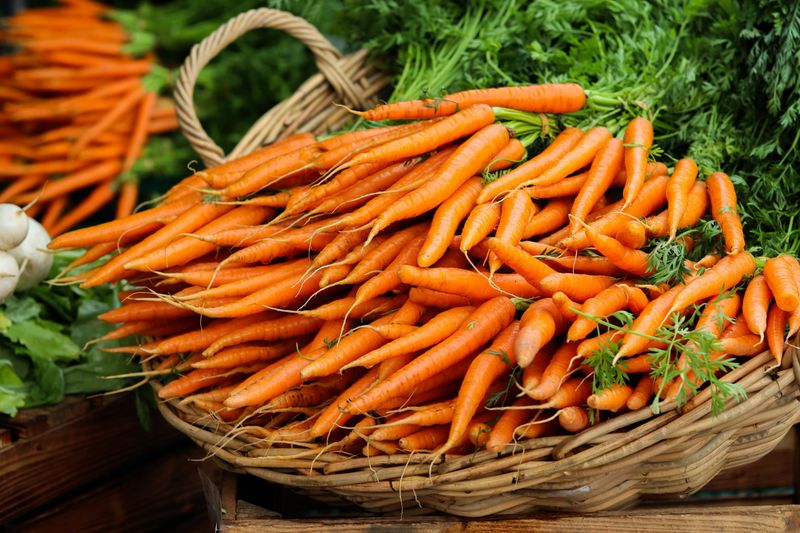
Carrots get their bright orange color from beta-carotene, which your body converts into vitamin A.
This vitamin is essential for keeping your immune system strong, especially the parts that protect your eyes, lungs, and digestive system.
Think of vitamin A as helping maintain your body’s security guards at every entrance.
Crunchy and naturally sweet, carrots make the perfect portable snack.
You can eat them raw with ranch dressing, steam them as a side dish, or blend them into soups.
Interestingly, cooking carrots actually makes the beta-carotene easier for your body to absorb, so both raw and cooked versions offer great benefits for your immune health.
6. Kale
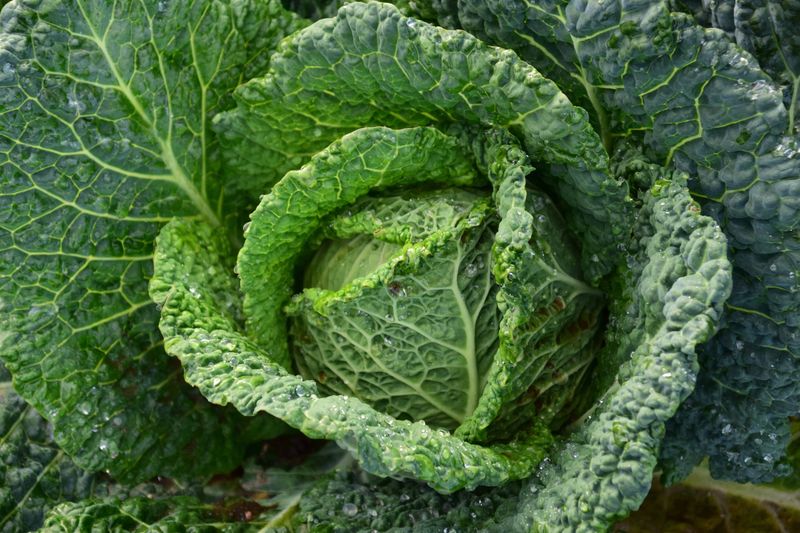
Often called a superfood, kale deserves its reputation as one of the most nutrient-dense vegetables you can eat.
This leafy green contains vitamins A, C, and K all in one package, creating a powerhouse combination for immune support.
Just one cup of kale provides more than your daily requirement of these important vitamins.
The curly leaves might look tough, but massaging them with a little olive oil makes them tender and delicious in salads.
You can also bake kale chips for a crunchy snack or add chopped kale to smoothies where you won’t even taste it.
While it has a stronger flavor than spinach, kale’s nutritional benefits make it worth trying different preparation methods.
7. Ginger
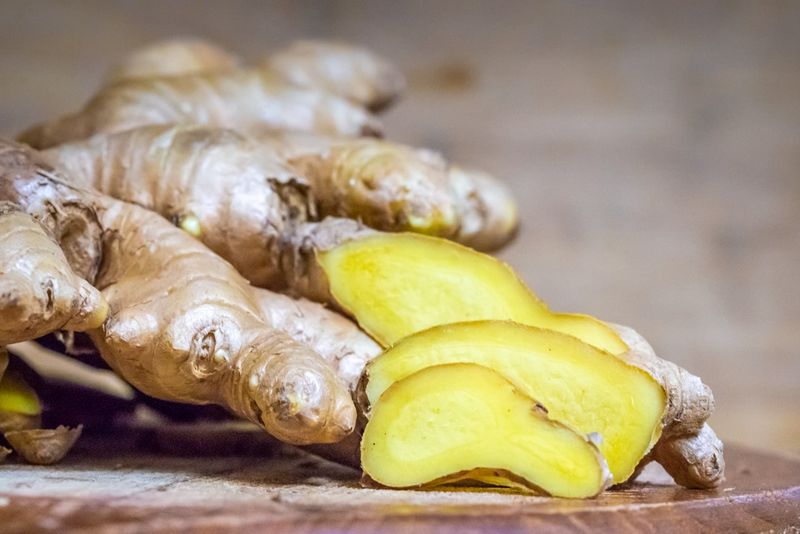
Ginger root has a spicy, warm flavor that many people associate with feeling better when sick.
That’s because ginger contains powerful anti-inflammatory and antioxidant compounds that help your body fight off infections.
It can also help settle upset stomachs, which is why ginger ale is popular when people don’t feel well.
Fresh ginger adds zing to stir-fries, smoothies, and tea.
You can peel and grate it, slice it thin, or chop it into small pieces depending on your recipe.
Some people even make ginger shots by blending fresh ginger with lemon juice for a concentrated immune boost, though it’s definitely strong-tasting and not for everyone’s palate.
8. Turmeric
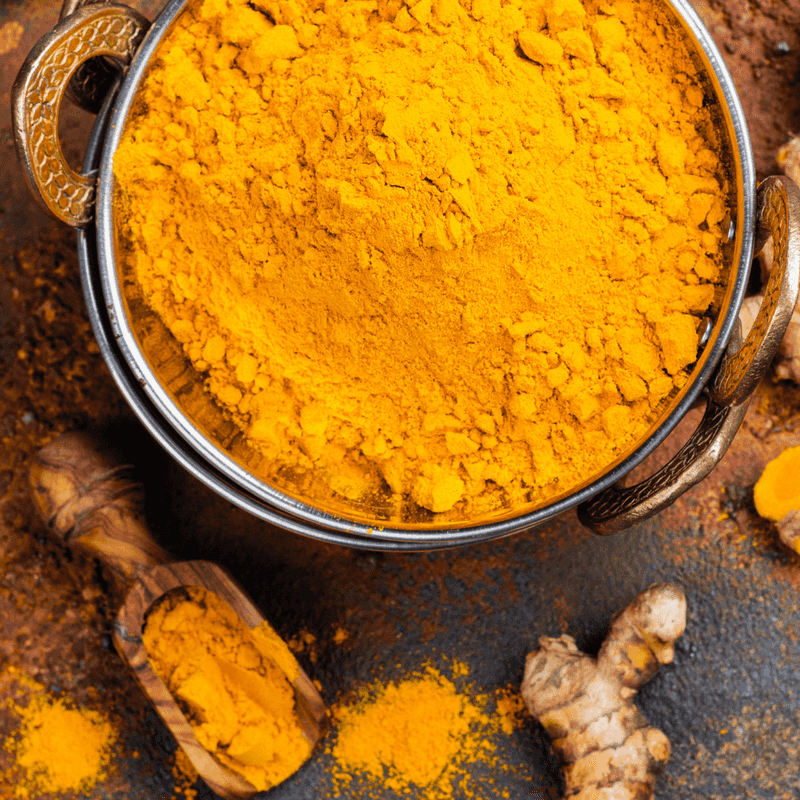
This bright orange-yellow spice comes from a root related to ginger and contains curcumin, one of the most studied natural compounds for immune health.
Curcumin has strong anti-inflammatory effects that help your body respond better to threats without overreacting.
Think of it as helping your immune system stay balanced and focused.
Turmeric gives curry dishes their golden color and earthy flavor.
You can add it to rice, soups, smoothies, or even make golden milk by mixing it with warm milk and honey.
Here’s a helpful tip: eating turmeric with black pepper helps your body absorb the curcumin much better, so many recipes combine these two spices together.
9. Brussels Sprouts

These mini cabbages often get a bad reputation, but that’s usually because people have only tried them boiled and mushy.
Brussels sprouts are actually delicious when roasted until crispy, and they’re loaded with vitamin C and antioxidants that support your immune system.
Just four or five sprouts give you all the vitamin C you need for the day.
The key to making Brussels sprouts taste great is cooking them at high heat until the outer leaves get caramelized and crispy.
Toss them with olive oil, salt, and maybe some balsamic vinegar before roasting.
You might be surprised at how nutty and sweet they taste when prepared this way instead of the soggy version you might remember.
10. Sweet Potatoes
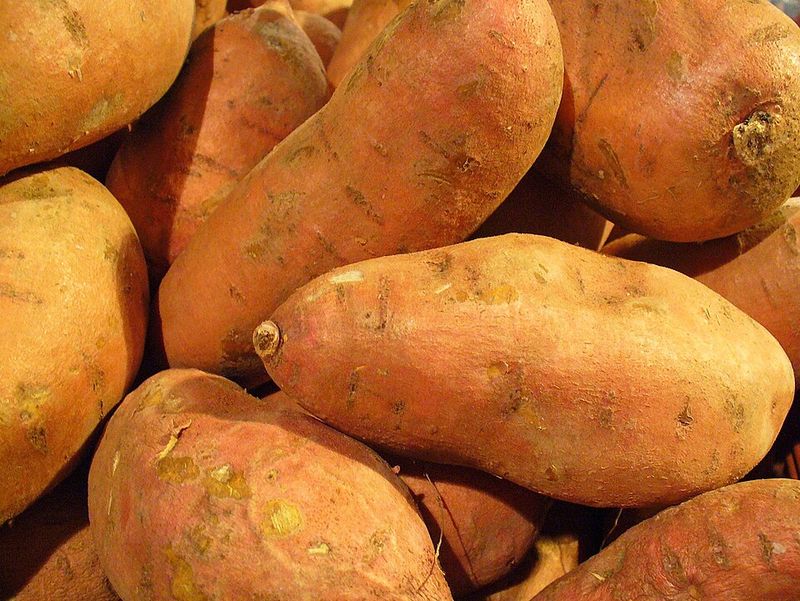
Don’t confuse these with regular white potatoes because sweet potatoes are in a league of their own nutritionally.
Their beautiful orange flesh is packed with beta-carotene, which your body transforms into vitamin A for immune protection.
Your skin, eyes, and respiratory system especially benefit from the vitamin A that sweet potatoes provide.
Sweet potatoes taste naturally sweet and creamy, making them popular with kids and adults alike.
You can bake them whole, cut them into fries, mash them like regular potatoes, or even blend them into smoothies.
They’re filling and nutritious, providing steady energy along with immune-boosting nutrients that help keep you healthy year-round.
11. Mushrooms
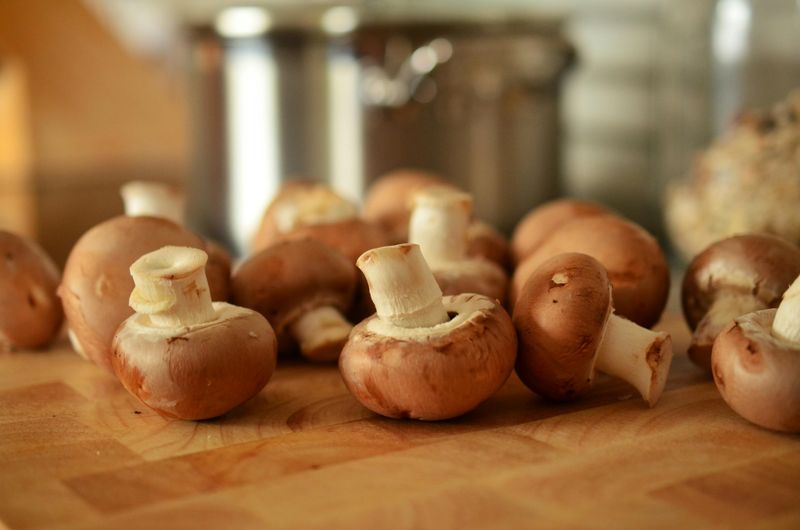
Did you know mushrooms are the only vegetable that can make vitamin D when exposed to sunlight, just like your skin?
Varieties like shiitake and maitake mushrooms also contain beta-glucans, special compounds that help activate your immune system’s defender cells.
These mushrooms provide minerals like zinc and selenium that your immune system needs to function properly.
Mushrooms have a meaty, satisfying texture that makes them great substitutes in many dishes.
Sauté them with garlic, add them to pasta or pizza, or grill portobello mushrooms as burger substitutes.
While some people find their texture unusual at first, mushrooms absorb the flavors around them, making them versatile ingredients in countless recipes.
12. Peas
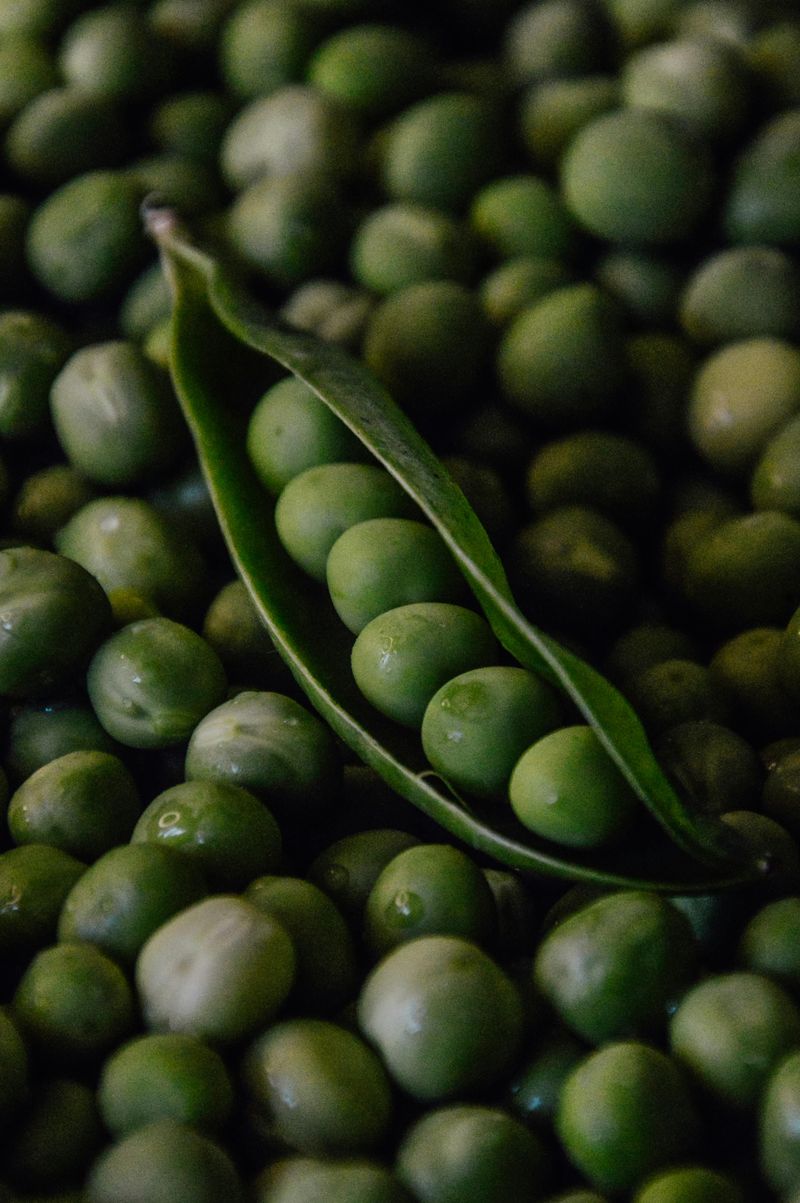
These little green spheres might be small, but they’re mighty when it comes to nutrition.
Peas contain vitamins C and E, plus zinc, all working together to support your immune system from different angles.
They also provide plant-based protein, which your body uses to build and repair cells, including the immune cells that protect you from getting sick.
Fresh or frozen peas taste sweet and pop in your mouth with satisfying texture.
Add them to fried rice, pasta dishes, or soups, or simply steam them as a colorful side dish.
Kids often enjoy eating peas straight from the pod when they’re fresh.
Unlike many vegetables, frozen peas are flash-frozen right after harvest, so they retain most of their nutrients and taste great.