 MomSkoop
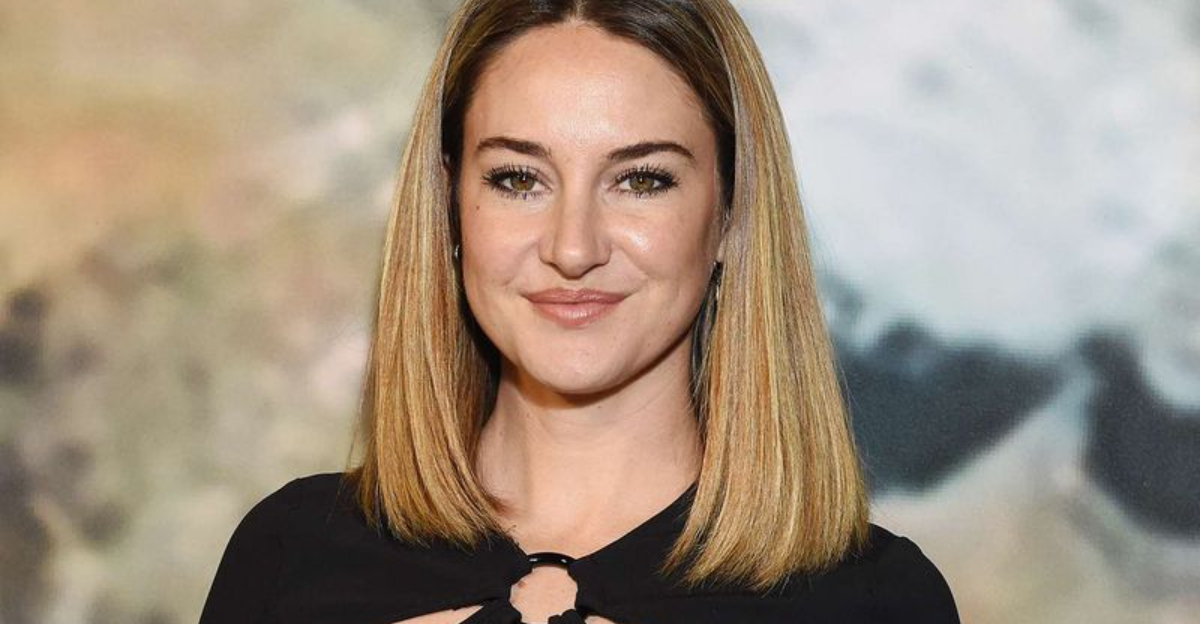
Modern feminism has sparked intense debate across social media, academia, and Hollywood. While many celebrities champion feminist causes, a surprising number have publicly distanced themselves from the movement or criticized its current direction.
From authors to comedians, these 13 well-known figures have voiced concerns about how feminism is practiced today.
1. Camille Paglia
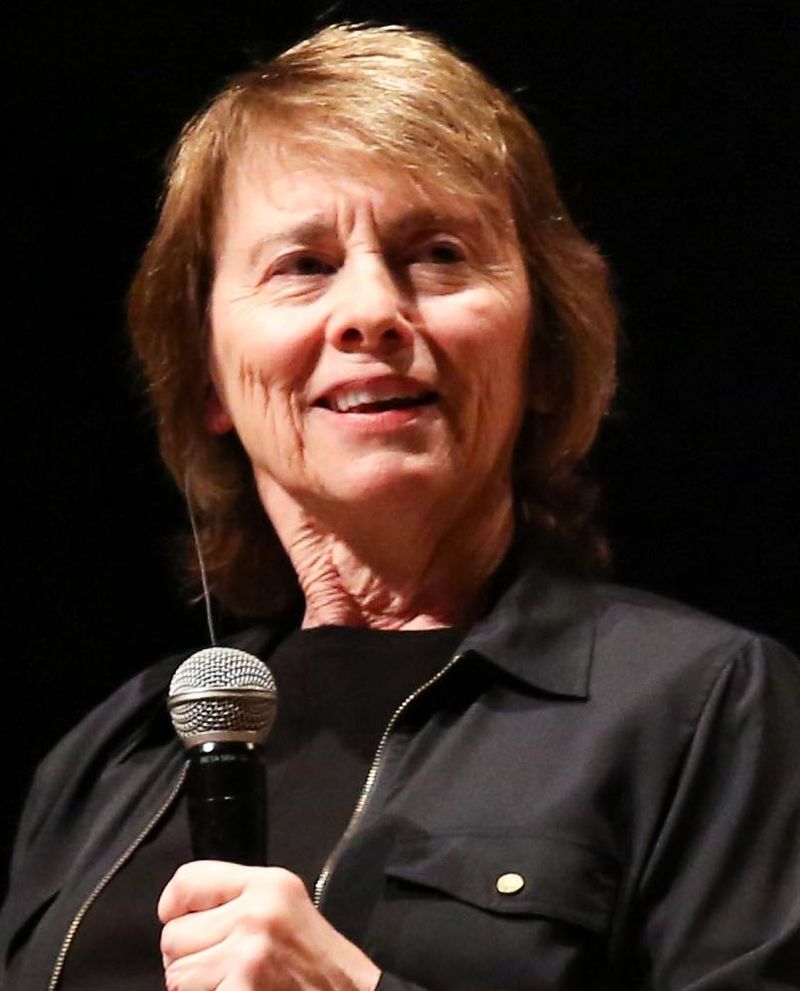
Known for her sharp intellect and controversial takes, Paglia has spent decades challenging mainstream feminist thought.
She believes current feminist movements ignore biological differences between men and women, which she considers fundamental to understanding human behavior.
Her critiques extend to what she sees as censorship within academic circles.
Paglia argues that modern feminists shut down free speech and discourage honest debate about gender issues.
She thinks this anti-intellectual approach weakens the movement.
Despite facing backlash, she continues speaking out against what she calls victim-centered feminism.
Paglia advocates for a feminism that celebrates female strength and independence rather than portraying women as helpless.
Her books and lectures remain influential among those questioning contemporary feminist ideology.
2. Christina Hoff Sommers
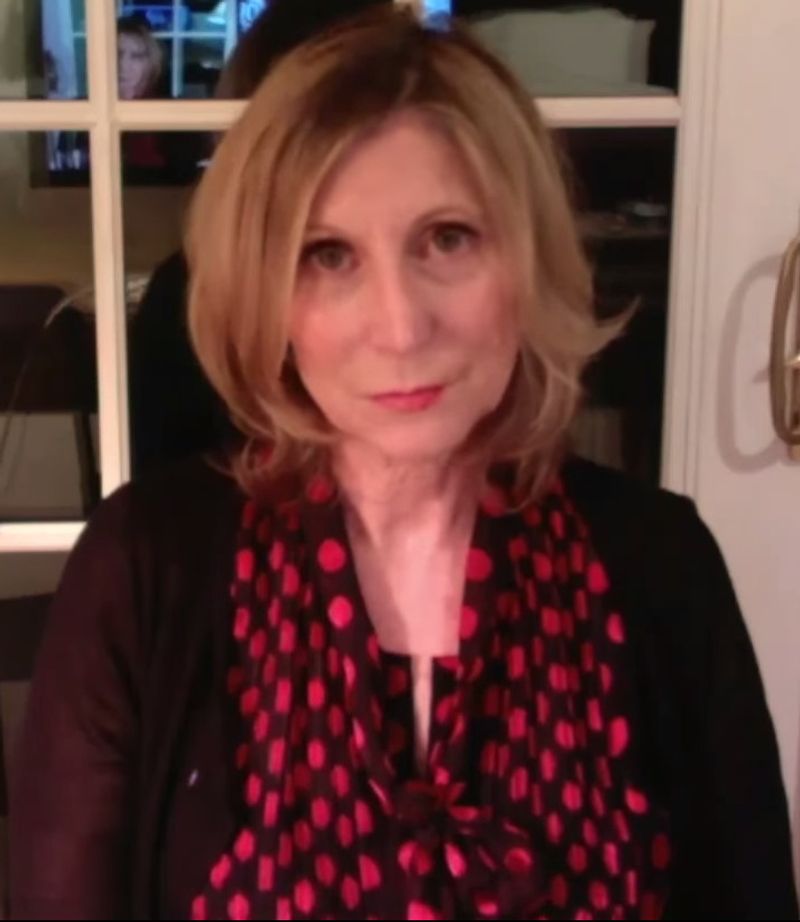
Sommers has carved out a unique position in feminist debates by distinguishing between what she calls equity feminism and gender feminism.
She supports equal legal rights but rejects the idea that society is structured around male dominance.
Her research focuses on challenging statistics often cited by feminist activists.
Sommers believes many claims about wage gaps and campus assault rates are exaggerated or misrepresented.
She argues these distortions harm both men and women by creating unnecessary division.
Through her books and videos, she reaches millions who feel alienated by mainstream feminism.
Young people especially connect with her message about fairness and individual merit.
Sommers maintains that true equality means treating people as individuals, not as members of opposing gender groups.
3. Jordan Peterson
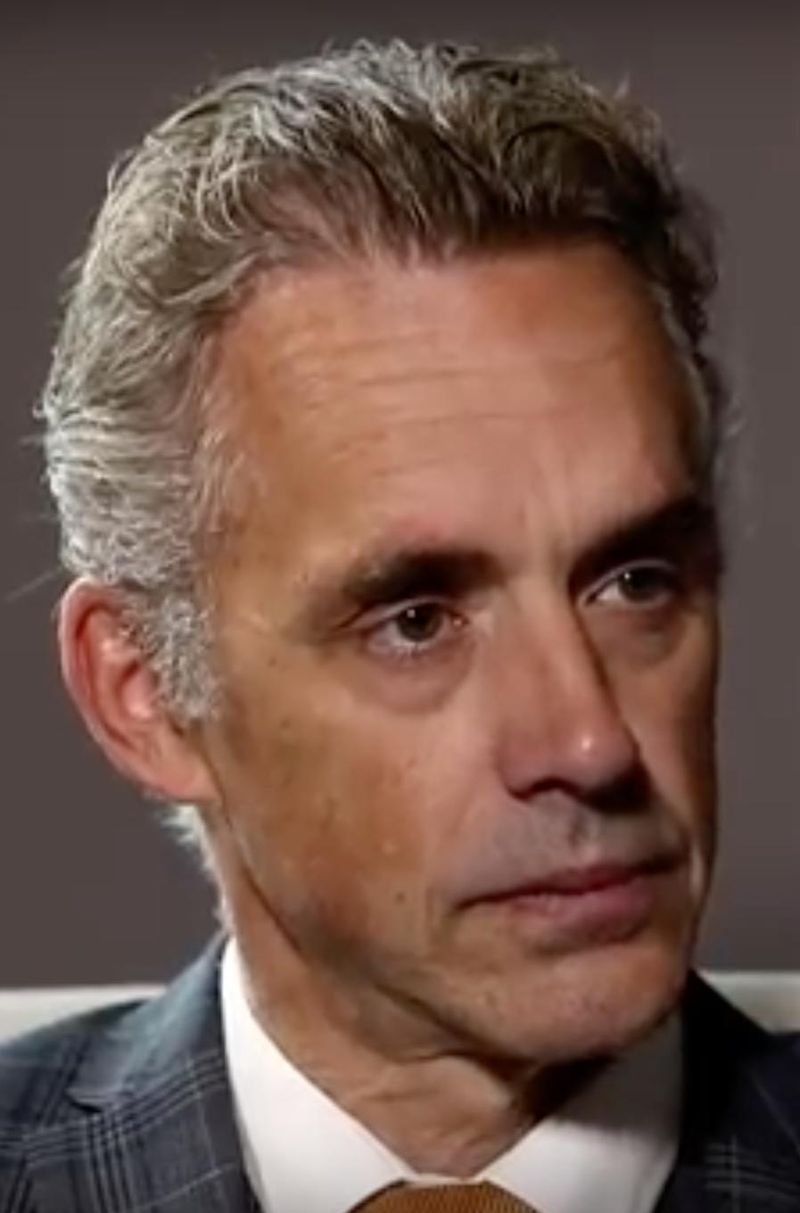
Peterson rose to international fame partly through his critiques of gender ideology and modern feminist theory.
His background in psychology gives him a unique lens for examining how movements like feminism affect mental health and social cohesion.
He frequently argues that contemporary feminism stems from Marxist philosophy repackaged for gender issues.
Peterson believes this ideological foundation leads to resentment rather than cooperation between sexes.
His lectures emphasize personal responsibility over group identity.
Millions follow his advice about finding meaning through traditional values and self-improvement.
Peterson suggests that both men and women suffer when society abandons time-tested wisdom about gender roles.
His controversial stance has made him both beloved and despised across the political spectrum.
4. J.K. Rowling
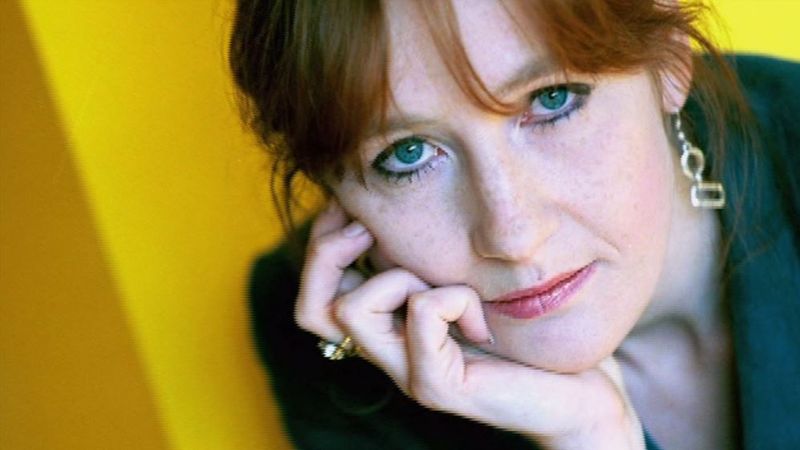
The Harry Potter creator shocked many fans when she began questioning certain feminist positions on gender identity.
Rowling insists that biological sex matters, especially in contexts like women-only spaces and sports competitions.
Her social media posts defending these views sparked massive controversy and accusations of transphobia.
Despite intense pressure and boycott threats, she refuses to back down from her position.
Rowling argues she is standing up for women’s rights, not attacking anyone.
She has written extensively about her concerns regarding how activist groups define womanhood.
Rowling believes modern feminism has been captured by ideology that erases the specific experiences of biological females.
Her stance has cost her friendships but earned support from others who share her concerns.
5. Miley Cyrus
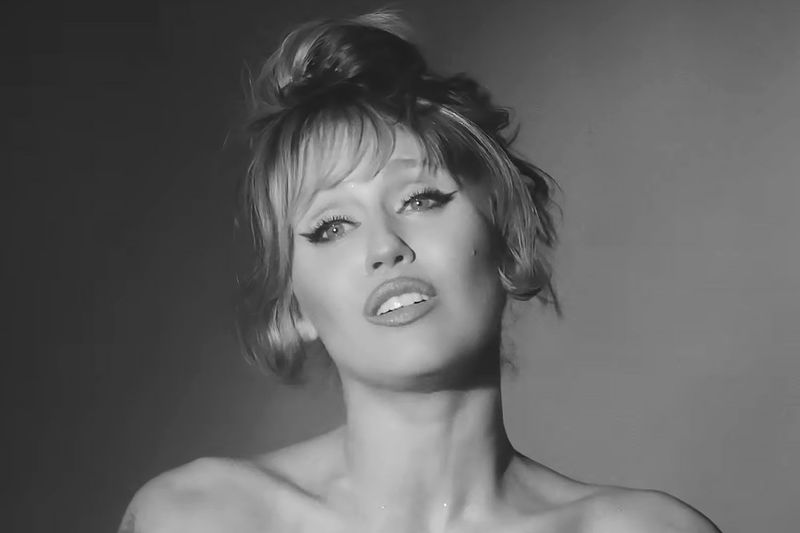
Cyrus surprised interviewers when she declared she does not consider herself a feminist.
The former Disney star explained that she associates the label with negativity and victimhood rather than empowerment.
She believes focusing on what women cannot do or how they are oppressed creates a self-defeating mindset.
Cyrus prefers to concentrate on her own strength and abilities without joining ideological movements.
Her independent spirit reflects a generational shift in how young women view feminism.
Despite supporting equal rights, she avoids the feminist label because of its current associations.
Cyrus thinks true empowerment comes from within, not from group identity or activism.
Her candid remarks opened conversations about whether feminism still resonates with younger generations of women.
6. Shailene Woodley
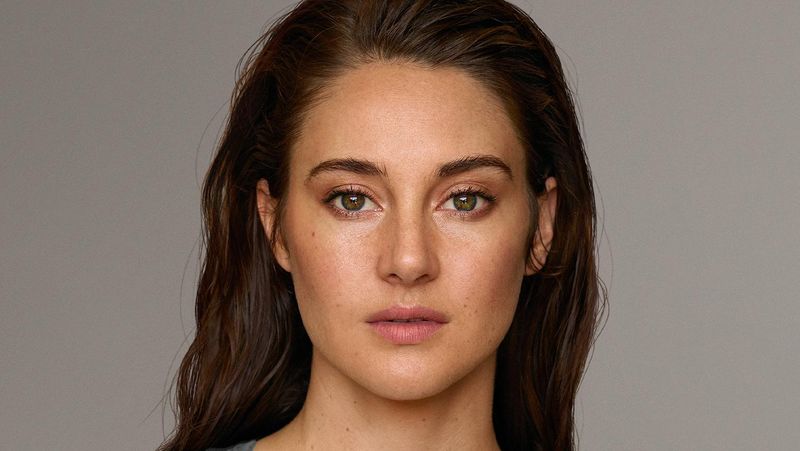
Woodley made headlines by explicitly rejecting feminism in favor of humanism.
The environmental activist explained that she loves both men and women equally and finds the feminist label unnecessarily divisive.
She worries that focusing exclusively on women’s issues creates barriers between genders.
Woodley believes cooperation and mutual respect matter more than movements that emphasize differences.
Her humanist philosophy prioritizes universal human rights over gender-specific advocacy.
Though she later clarified her comments, her initial rejection resonated with many who feel similarly conflicted.
Woodley represents a growing group of young women who support equality without embracing feminist identity.
Her perspective highlights tensions within conversations about how best to achieve gender fairness in society today.
7. Megan Fox
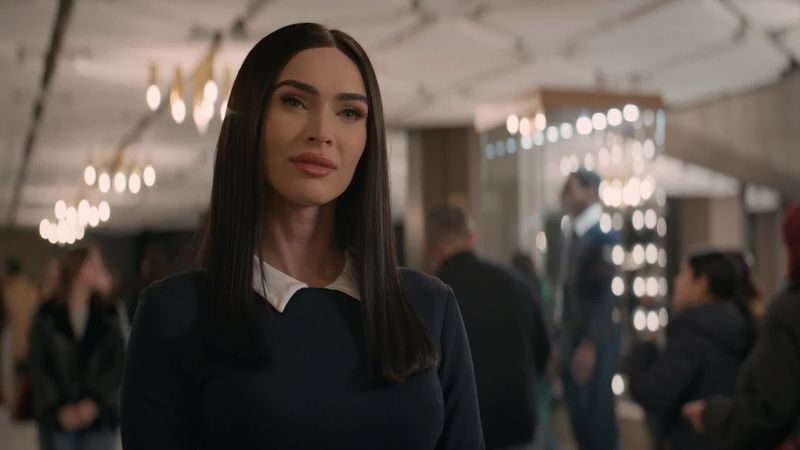
Fox has been outspoken about her problems with contemporary feminist movements.
She criticizes what she sees as hostility toward men and a misunderstanding of what true equality looks like.
The actress argues that modern feminism often promotes antagonism rather than partnership between sexes.
Fox believes women can be strong and feminine without adopting an adversarial stance toward men.
Her comments reflect frustration with movements she views as extreme.
She has faced criticism from feminist commentators who dismiss her views as uninformed.
However, Fox maintains that her experiences in Hollywood give her insight into how gender politics actually play out.
She advocates for mutual respect and genuine equality rather than ideologically driven activism that divides people.
8. Kelly Clarkson
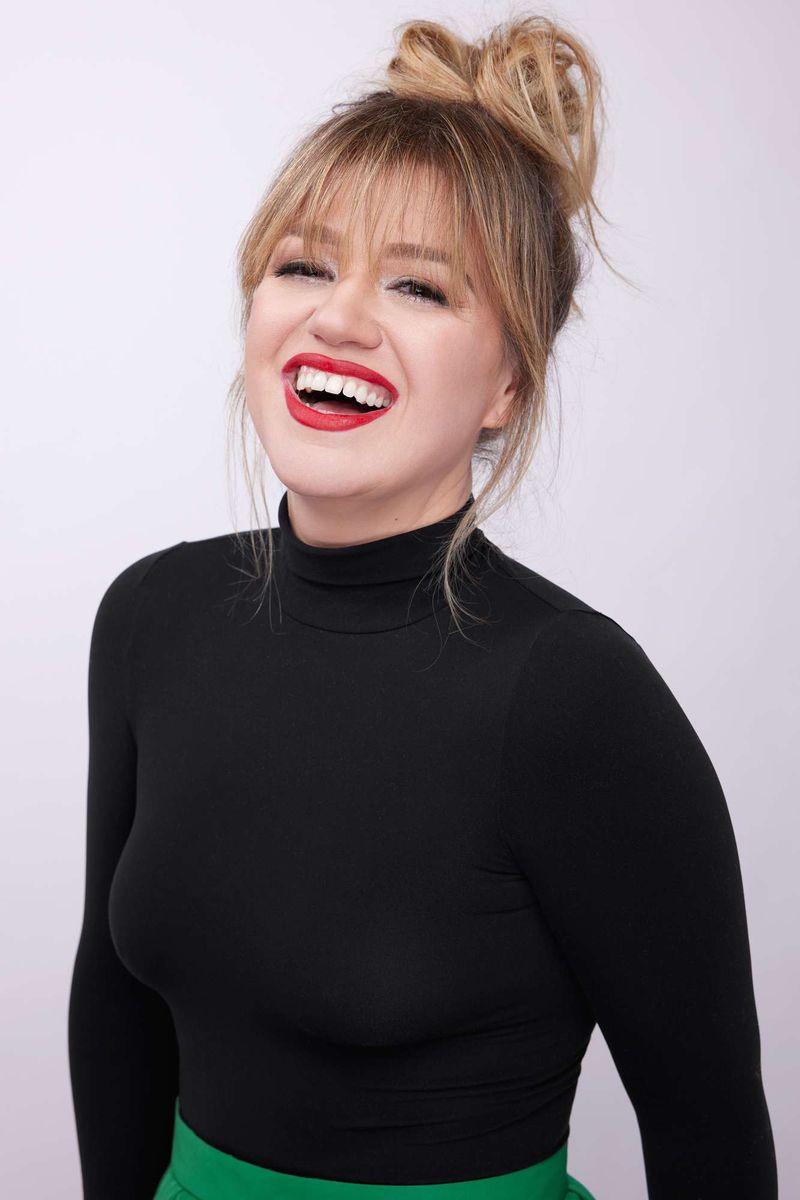
The original American Idol winner has stated she does not identify as a feminist.
Clarkson expressed discomfort with how modern feminism frames relationships between men and women.
She believes in equal rights but dislikes the confrontational tone she associates with feminist activism.
Clarkson prefers to focus on her music and family rather than engaging in political movements.
Her stance reflects a common sentiment among women who support equality without embracing the feminist label.
During interviews, she has emphasized that women can be strong without needing to join organized movements.
Clarkson thinks actions speak louder than labels and that living with integrity matters more than political identification.
Her down-to-earth approach resonates with fans who appreciate her authenticity and independence.
9. Nicki Minaj
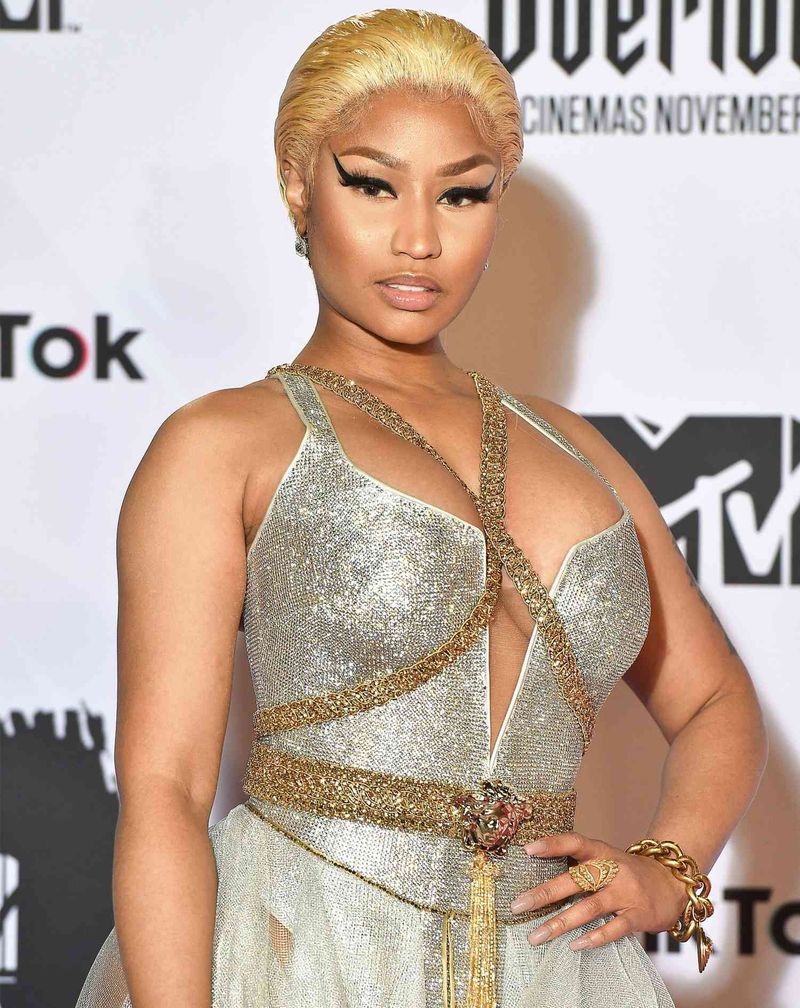
Minaj has publicly rejected modern feminism, preferring to focus on personal empowerment rather than movement politics.
The rap superstar built her career on confidence and self-determination without needing feminist ideology.
She questions whether current feminist movements truly serve women of color or primarily benefit privileged activists.
Minaj believes her success came from hard work and talent, not from joining political causes.
Her independence challenges assumptions about what women, especially women of color, should believe.
Through her music and social media presence, she promotes strength and ambition without feminist labels.
Minaj thinks women should define success on their own terms rather than following prescribed ideological paths.
Her rejection of feminism reflects a broader skepticism about whether organized movements genuinely help individual women succeed.
10. Bill Maher
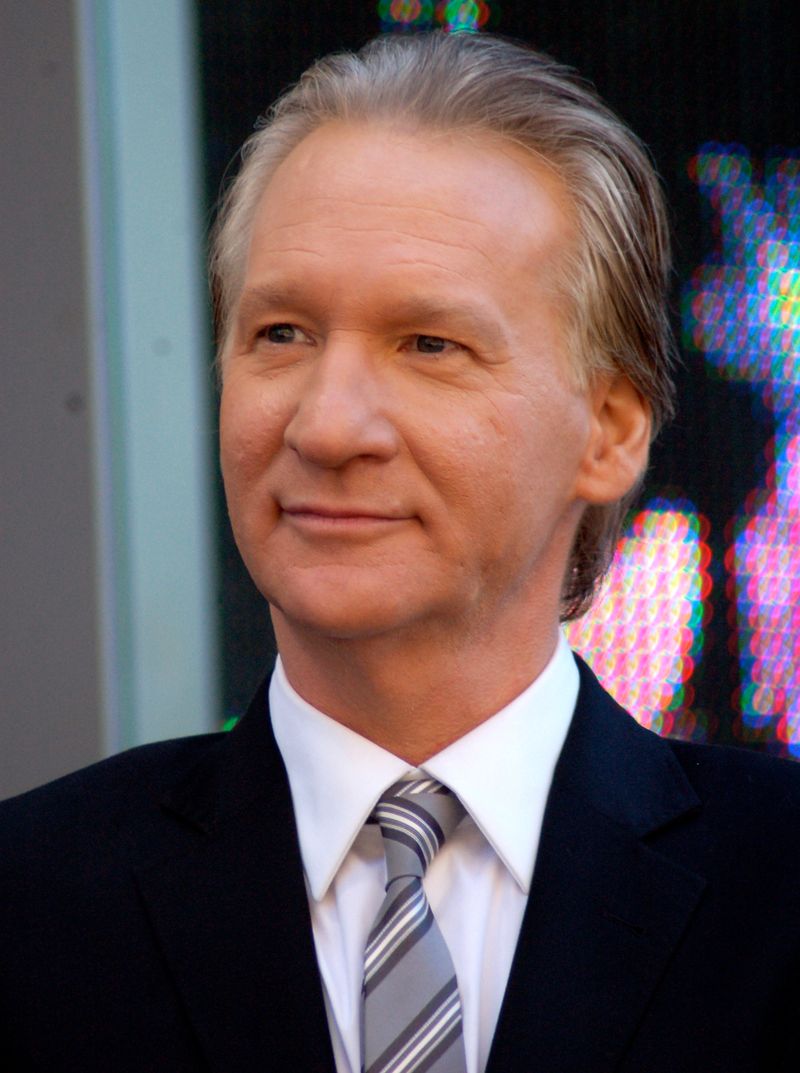
Maher regularly challenges contemporary feminism on his HBO show, particularly regarding cancel culture and ideological rigidity.
His liberal credentials make his critiques especially notable since he generally supports progressive causes.
He argues that modern feminism has become too focused on policing language and punishing dissent.
Maher believes this approach alienates potential allies and makes productive conversation impossible.
His comedy often highlights what he sees as absurdities in current feminist activism.
Despite backlash from some viewers, he continues questioning feminist talking points on topics like gender, power dynamics, and free expression.
Maher maintains that criticism from within progressive circles is necessary to keep movements honest.
His willingness to challenge orthodoxy has made him both controversial and influential.
11. Dave Chappelle
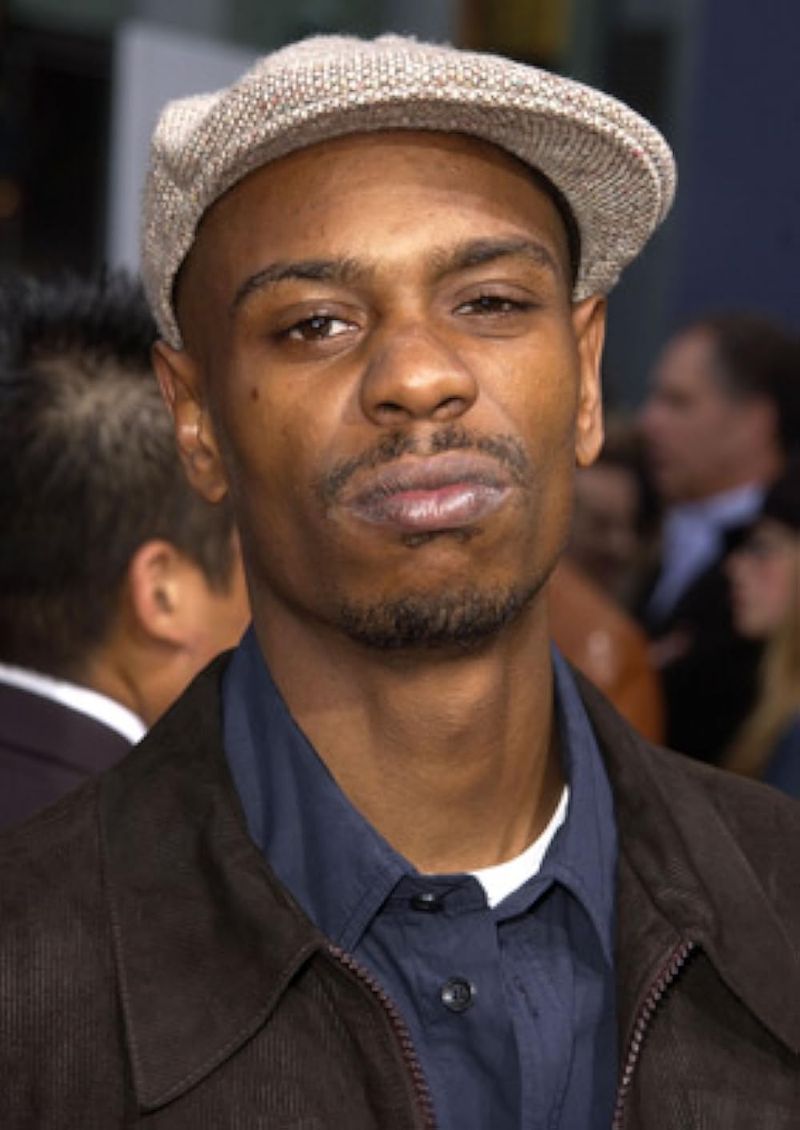
Chappelle has openly challenged modern feminist and gender-activist narratives throughout his recent stand-up specials.
His comedy pushes boundaries by questioning assumptions about gender, identity, and power that many consider settled.
He refuses to apologize for jokes that some find offensive, arguing that comedy requires freedom to explore controversial topics.
Chappelle believes modern activism, including some feminist movements, has become too sensitive and controlling.
His perspective values artistic expression over ideological conformity.
Despite protests and streaming platform controversies, he maintains huge audiences who appreciate his willingness to speak freely.
Chappelle represents a growing pushback against what critics call excessive political correctness.
His comedy forces audiences to examine whether current social movements allow for honest conversation and disagreement.
12. Ricky Gervais
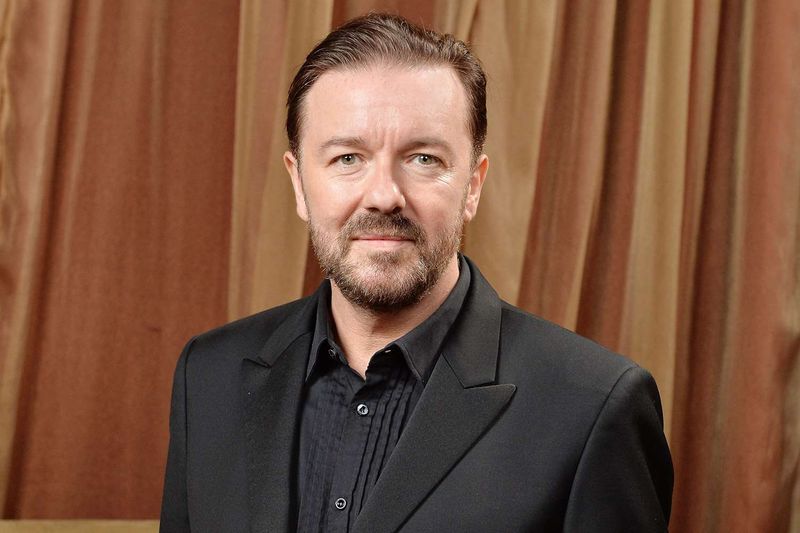
Gervais has become a vocal critic of modern feminist activism, especially its relationship with censorship and social policing.
The creator of The Office uses his platform to challenge what he sees as authoritarian tendencies in contemporary progressive movements.
His comedy and social media posts frequently mock activists who demand others conform to specific ideological positions.
Gervais argues that feminism and other movements have become more interested in controlling speech than promoting actual equality.
He values irreverent humor over respectful silence.
Though he faces regular criticism and calls for cancellation, Gervais remains unapologetic about his views.
He believes comedy serves an important social function by questioning authority and challenging sacred cows.
His defiant stance has made him a hero to free speech advocates.
13. Joe Rogan
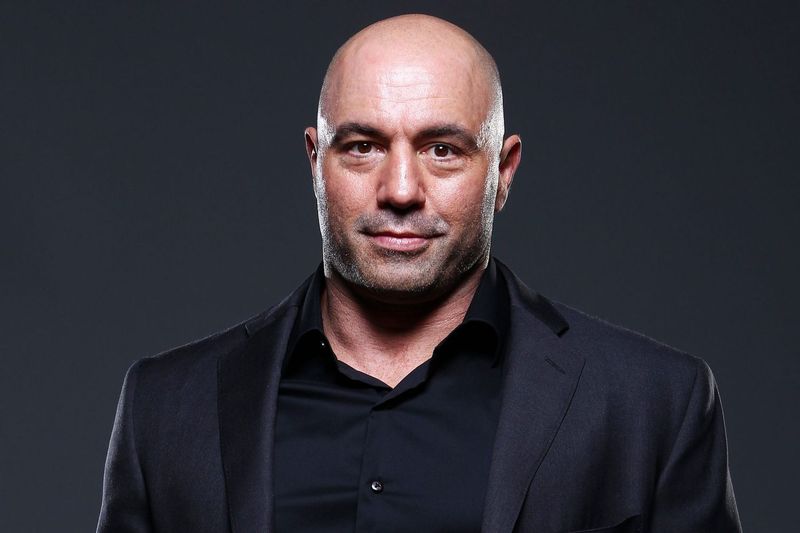
Rogan has repeatedly questioned modern feminist talking points on his massively popular podcast.
His long-form conversations allow detailed exploration of topics like gender differences, power dynamics, and free speech that shorter formats cannot accommodate.
He frequently hosts guests who challenge feminist orthodoxy, giving them platforms to present alternative viewpoints.
Rogan himself expresses skepticism about claims he considers exaggerated or ideologically motivated.
His willingness to ask uncomfortable questions has made his show both influential and controversial.
Critics accuse him of giving voice to dangerous ideas, while supporters praise his openness to diverse perspectives.
Rogan maintains that honest conversation requires examining all sides of complex issues.
His podcast represents a space where conventional wisdom about feminism and gender can be questioned without immediate cancellation.