 MomSkoop
Your body is constantly working to repair and rebuild itself, and the foods you eat play a starring role in this process.
Every cell in your body needs the right nutrients to function properly, heal damage, and stay strong.
The good news is that many common foods you probably already enjoy can boost your body’s natural repair systems and keep you feeling your best.
1. Fatty Fish Like Salmon, Sardines, and Mackerel

Swimming with health benefits, fatty fish deliver omega-3 fatty acids that your cells absolutely love.
These special fats become part of your cell membranes, making them flexible and strong.
Salmon, sardines, and mackerel also pack high-quality protein that your body uses like building blocks for repairs.
When cells get damaged from daily wear and tear, protein steps in to fix things up.
Eating fatty fish twice a week gives your body a steady supply of these repair materials.
The omega-3s also calm down inflammation, which helps your cells work better and heal faster.
2. Eggs
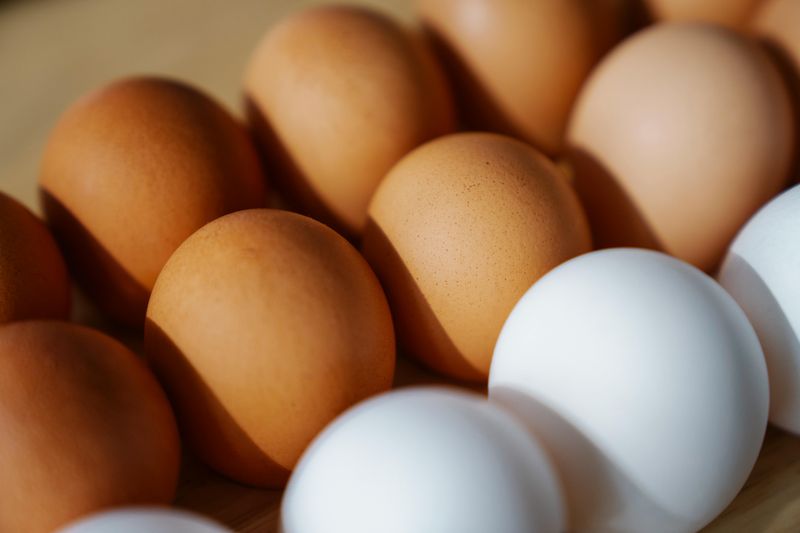
Crack open an egg and you’re getting one of nature’s most complete repair kits.
Each egg contains all nine essential amino acids your body can’t make on its own, plus vitamins and minerals that power cellular rebuilding.
The yolk holds special nutrients like choline, which helps build cell membranes and supports communication between cells.
Eggs also provide B vitamins that help turn food into energy your cells can use for repair work.
Whether scrambled, boiled, or poached, eggs are incredibly versatile and affordable.
Your body absorbs egg protein better than almost any other food source.
3. Legumes Including Beans and Lentils
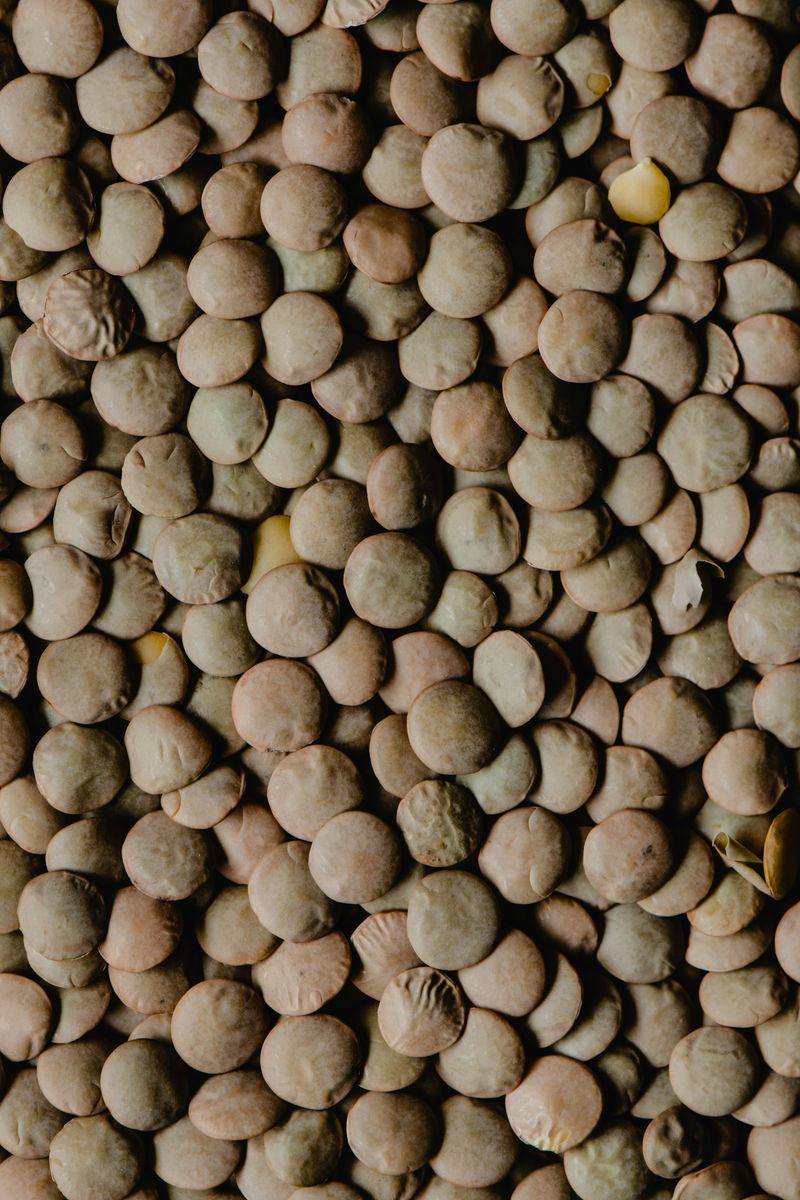
Humble yet mighty, legumes bring a powerful combination of plant protein and fiber to your cellular repair team.
Black beans, chickpeas, and lentils contain amino acids that help rebuild damaged tissues throughout your body.
The fiber in legumes feeds beneficial bacteria in your gut, which then produce compounds that support cell health everywhere.
These foods also stabilize blood sugar, giving your cells a steady energy supply instead of wild spikes and crashes.
Adding a half-cup of legumes to your daily meals can significantly boost your body’s repair capabilities.
They’re budget-friendly and incredibly filling too.
4. Nuts and Seeds Like Almonds, Walnuts, and Flaxseed
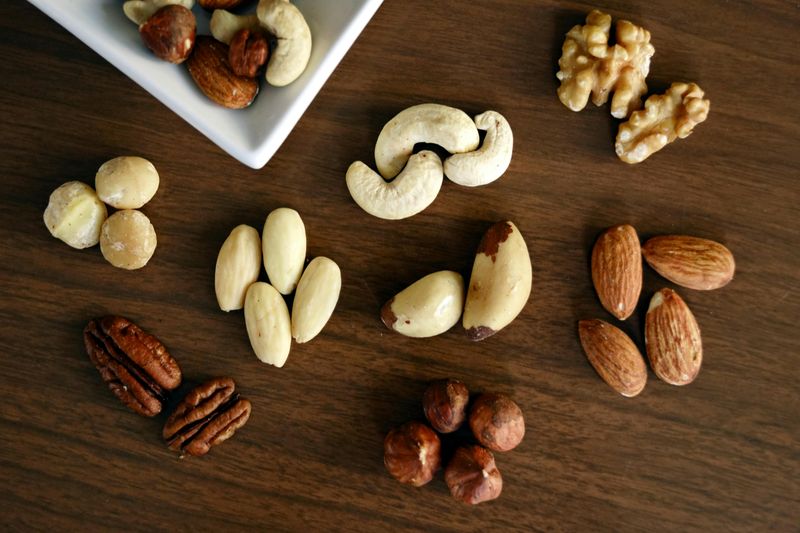
Crunchy and satisfying, nuts and seeds pack essential fats that keep your cell membranes working smoothly.
Walnuts contain omega-3s similar to those in fish, while almonds provide vitamin E that protects cells from damage.
Flaxseeds offer a plant-based omega-3 boost along with fiber and lignans that have antioxidant powers.
These tiny nutritional powerhouses help reduce inflammation that can slow down your body’s repair processes.
Just a small handful daily provides significant benefits without overdoing calories.
Sprinkle them on yogurt, blend into smoothies, or enjoy as a quick snack between meals.
5. Berries Including Blueberries, Strawberries, and Raspberries
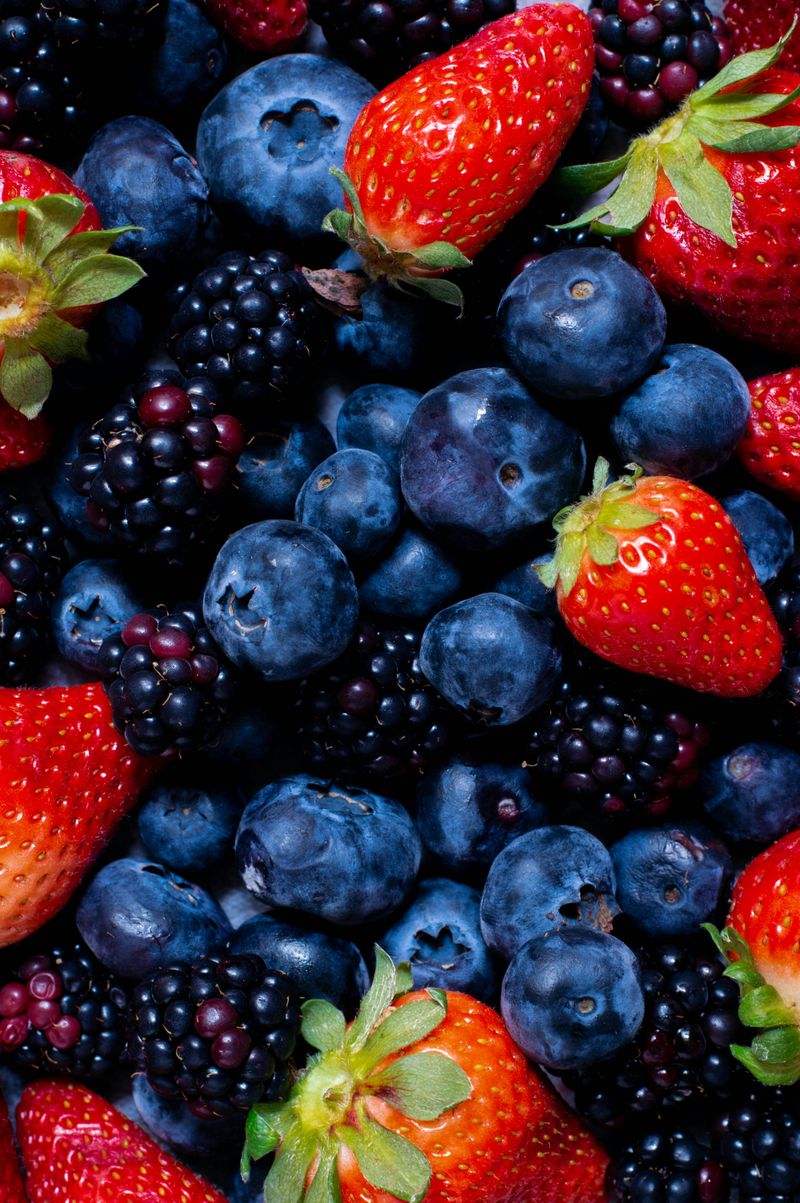
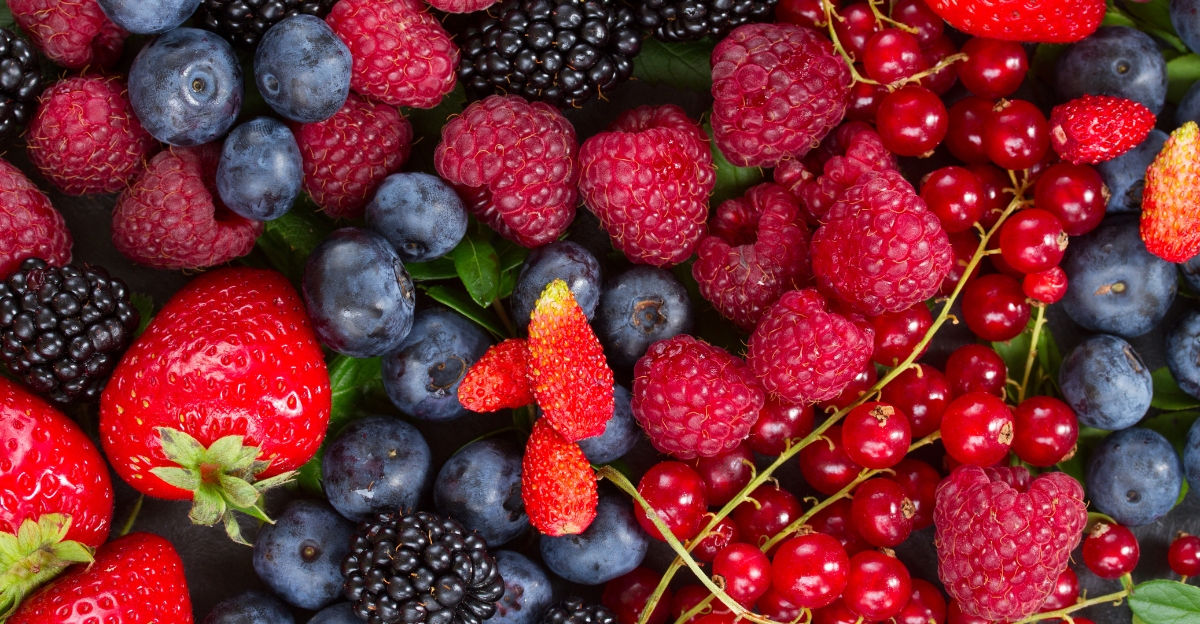
Bursting with color and flavor, berries are antioxidant superstars that defend your cells against daily damage.
Blueberries contain anthocyanins that give them their blue hue and protect your DNA from oxidative stress.
Strawberries and raspberries add vitamin C, which helps make collagen for repairing skin, blood vessels, and connective tissues.
These fruits also contain compounds that may slow cellular aging and keep your brain sharp.
Fresh or frozen berries work equally well since freezing preserves their nutrients.
Aim for at least one cup daily to give your cells maximum protection and repair support.
6. Leafy Greens Like Spinach, Kale, and Swiss Chard
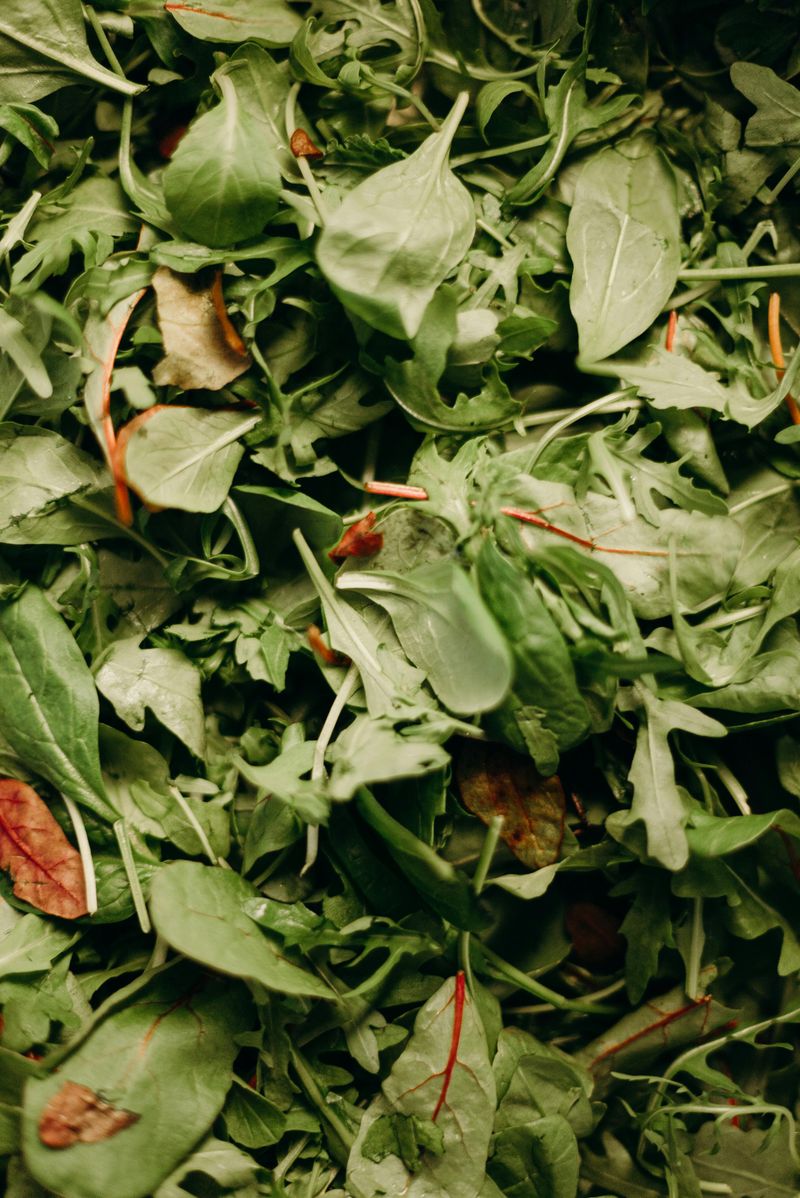
Dark and nutrient-dense, leafy greens deliver folate that your cells need to copy DNA accurately during repair and growth.
Spinach, kale, and Swiss chard also contain vitamins A, C, and K that support different aspects of cellular health.
These vegetables help your liver detoxify harmful substances that could otherwise damage cells.
The magnesium and iron they provide powers hundreds of cellular processes that keep you energized and healthy.
Eating leafy greens daily doesn’t have to be boring—blend them into smoothies, sauté with garlic, or toss into soups.
Even a couple of cups weekly makes a real difference.
7. Cruciferous Vegetables Like Broccoli, Cauliflower, and Brussels Sprouts
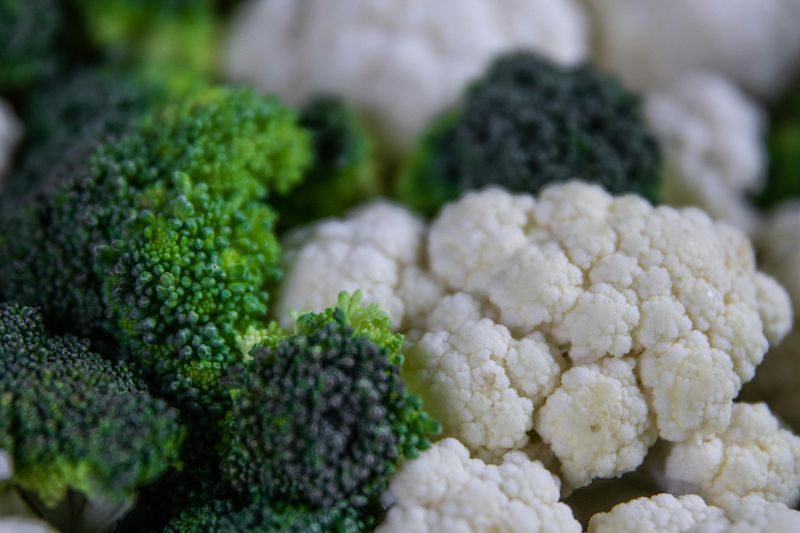
Packed with sulfur compounds, cruciferous veggies activate your body’s natural detox systems that protect and renew cells.
Broccoli contains sulforaphane, a powerful compound that switches on genes involved in cellular defense and repair.
Cauliflower and Brussels sprouts provide similar benefits while adding fiber that supports gut health and overall cellular function.
These vegetables also contain vitamin C and other antioxidants that fight free radicals trying to damage your cells.
Roasting these veggies brings out their natural sweetness and makes them more enjoyable.
Three to four servings weekly gives your cells excellent protection and repair support.
8. Sweet Potatoes and Potatoes

Loaded with complex carbohydrates, potatoes and sweet potatoes fuel the energy-intensive work of cellular growth and repair.
Your cells need glucose to function, and these starchy vegetables provide it in a steady, sustained way.
Sweet potatoes add beta-carotene, which your body converts to vitamin A for protecting cell membranes and supporting immune function.
Regular potatoes contribute potassium that helps cells maintain proper fluid balance and electrical signals.
Both types offer resistant starch when cooked and cooled, feeding beneficial gut bacteria.
Bake, roast, or mash them as satisfying additions to meals that truly nourish your cells.
9. Pomegranate
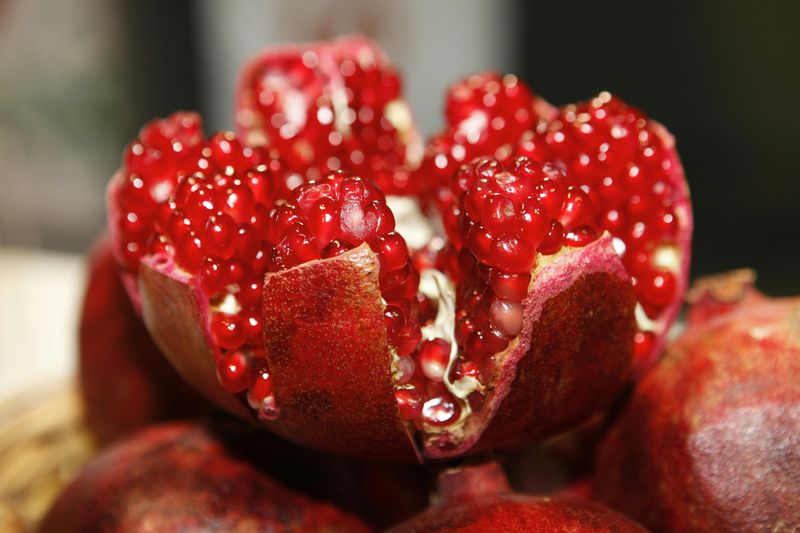
Jewel-like and delicious, pomegranate seeds contain urolithin A precursors that may help your mitochondria—the power plants inside cells—stay healthy and efficient.
These ruby-red fruits are absolutely loaded with polyphenols that protect cellular structures from damage.
Research suggests pomegranate compounds might help cells clear out damaged components and rebuild stronger.
The antioxidants in pomegranates are particularly good at protecting your heart and blood vessel cells.
Sprinkle the seeds on salads, blend into smoothies, or enjoy pomegranate juice for concentrated benefits.
Even small amounts provide impressive cellular protection and potential repair enhancement.
10. Turmeric
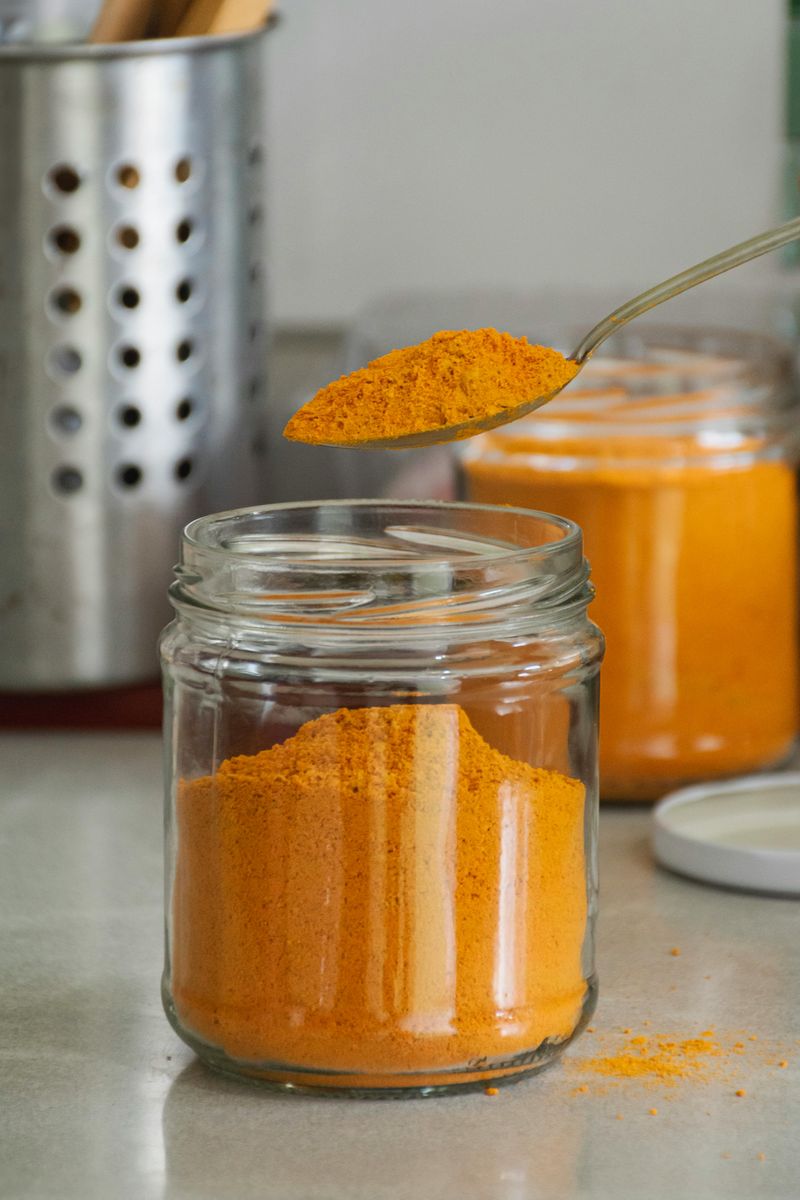
Golden and aromatic, turmeric contains curcumin that sends powerful anti-inflammatory signals throughout your body.
This bright yellow spice helps calm down chronic inflammation that can interfere with normal cellular repair processes.
Curcumin may also activate genes involved in making antioxidant enzymes that protect cells from damage.
Studies show it supports mitochondrial function and might even help clear out old, damaged cells to make room for healthy new ones.
Mix turmeric into curries, smoothies, or golden milk for best absorption with black pepper and healthy fats.
A teaspoon daily can provide meaningful cellular benefits over time.
11. Healthy Oils Like Olive Oil and Flaxseed Oil

Liquid gold for your cells, extra virgin olive oil provides monounsaturated fats that keep cell membranes fluid and flexible.
These healthy fats help nutrients move in and waste products move out of cells efficiently.
Flaxseed oil adds omega-3 fatty acids that reduce inflammation and support the repair of damaged cell membranes.
Both oils contain antioxidant compounds like polyphenols that protect cellular structures from oxidative damage.
Drizzle olive oil on salads or cooked vegetables, and add flaxseed oil to smoothies or yogurt.
Avoid heating flaxseed oil since heat damages its delicate omega-3s.
12. Tomatoes
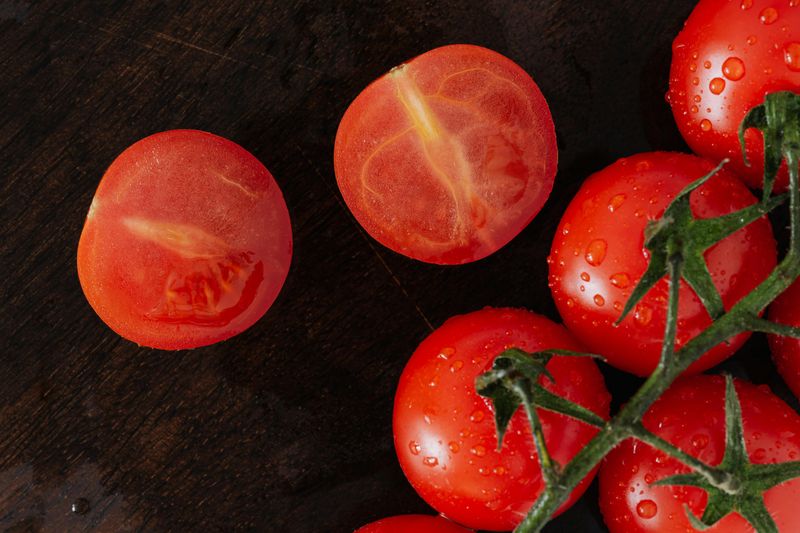
Bright red and versatile, tomatoes deliver lycopene—a powerful antioxidant that gives them their color and protects your cells from damage.
Cooking tomatoes actually increases the amount of lycopene your body can absorb, making tomato sauce especially beneficial.
These popular fruits also provide vitamin C and potassium that support various cellular functions and repair processes.
The antioxidants in tomatoes are particularly protective for skin cells and may support healing after sun exposure.
Enjoy tomatoes fresh in salads, cooked in sauces, or roasted as a side dish.
Regular consumption helps defend your cells and may support their natural repair mechanisms.
13. Green Tea

Steeped in tradition and science, green tea contains catechins—especially EGCG—that protect cells and may enhance their repair capabilities.
These polyphenol compounds act as antioxidants while also influencing genes involved in cellular health and longevity.
Green tea supports your cells’ ability to manage stress and clear out damaged components through autophagy.
The modest caffeine content provides gentle energy without the crash, while L-theanine promotes calm focus.
Brew a cup or two daily, letting it steep for three to five minutes to extract maximum benefits.
Hot or iced, green tea is a simple way to support cellular repair throughout your day.