 MomSkoop

Marriage researcher John Gottman found that couples who stayed together turned toward each other’s small bids for attention far more often than couples who split. Those bids can be as tiny as pointing out a bird outside the window. The big vows matter, but the quiet moments over coffee seem to carry a surprising amount of weight.
Many of the most useful marriage lessons only show up after years of shared bills, busy calendars, and inside jokes. Couples often learn them slowly, sometimes by getting things wrong first and then figuring out a better way. The lessons below come from long-married couples and relationship educators, and they apply at any age. Some will feel familiar, while others might make you look at your own partner a little differently tonight.
1. Love Is a Choice You Make Daily

Butterflies are fun, but they rarely stick around to help with the laundry.
Early romance runs on excitement, and that rush naturally settles down as years pass.
Many long-married couples say what replaces it is steadier and, honestly, more useful.
Love starts to look like a decision.
You choose kindness when you feel tired, and you choose patience when your partner forgets the grocery list again.
These choices pile up quietly over months and years.
None of this means feelings stop mattering.
Affection often grows deeper because you keep showing up, even on dull Tuesdays.
Action can lead the way, and feelings frequently follow close behind.
Try picking one small loving act each morning.
Refill their water bottle, send a quick text at lunch, or take over a chore they dislike.
The gesture matters less than the habit of choosing it on purpose.
Some days the choice will feel easy, and other days it will take real effort.
Both count.
Couples who stay connected for decades often describe love as something they do, not just something that happens to them.
That shift can take pressure off, because you no longer have to wait for a perfect mood to act lovingly.
2. You Both Keep Changing

The person you married at 25 is not quite the person sitting across from you at 55.
Careers shift, bodies change, and hobbies come and go.
Even favorite foods can switch sides over the years.
Change can feel scary in a marriage, especially when one partner grows in a new direction.
A spouse might go back to school, switch jobs, or suddenly develop a love for pickleball.
These shifts are normal, and they don’t have to pull you apart.
Long-married couples often talk about flexibility as a survival skill.
They adapt to new seasons like raising kids, caring for aging parents, or settling into an empty nest.
Each season asks for slightly different teamwork.
A helpful approach is staying curious instead of nervous.
Ask your partner what excites them lately and what they hope for next year.
Their answers might surprise you, and that’s part of the fun.
Growing together doesn’t mean growing identically.
It means checking in often enough that changes don’t sneak up on either of you.
Think of your marriage as a long road trip where the scenery keeps shifting, and you both get to pick some of the stops along the way.
3. Honest Talk Beats Polite Silence

Swallowing a complaint to keep the peace sounds noble until it shows up months later as a full-blown argument about towels.
Small frustrations rarely vanish on their own.
They tend to grow quietly in the background.
Early in a relationship, conversations often center on dreams and fun plans.
Later, couples discover they need deeper talks about fears, needs, and hurt feelings.
That kind of honesty feels uncomfortable at first, but it builds real trust.
Listening matters just as much as speaking.
Put the phone down, look at your partner, and try repeating back what you heard before you respond.
This simple step can prevent a surprising number of misunderstandings.
Clear requests help too.
Saying “I’d love help with dinner on weeknights” works better than sighing loudly near the stove.
Your partner can’t read your mind, no matter how many years you’ve been together.
Set aside regular time to talk without distractions, even fifteen minutes on a walk.
Some couples like a weekly check-in where they share what went well and what felt hard.
The format can be flexible.
The goal is making open conversation a normal part of life, not an emergency measure.
4. How You Start an Argument Matters

Opening a disagreement with “You always” is like starting a race by tripping over your own shoelaces.
The conversation goes downhill fast.
Gottman calls a gentler approach a “softened start-up,” and he linked harsh starts to arguments that end badly.
A softened start-up means leading with your own feelings instead of blame.
Try “I feel stressed when the dishes pile up” rather than “You never clean anything.” The topic stays the same, but the tone invites teamwork.
Conflict itself isn’t a sign of a failing marriage.
Disagreements happen in pretty much any close relationship.
What matters is whether you work through them together or turn them into a battle with a winner and a loser.
Long-married couples often learn to hunt for solutions that work for both people.
Maybe one person cooks and the other cleans.
Maybe you hire help once a month.
Getting creative beats digging in your heels.
Taking a break also helps when tempers flare.
Agree on a signal, step away for twenty minutes, and come back calmer.
Returning to the talk is the key part, because walking away forever only stores the problem for later.
5. Forgiveness Keeps the Door Open

Nobody makes it through decades of marriage without stepping on a few toes.
Someone forgets an anniversary, says something sharp, or makes a choice that stings.
Mistakes come with the territory of sharing a life.
Long-married couples frequently point to forgiveness as a big reason they lasted.
Holding onto grudges can turn small hurts into lasting bitterness.
Letting go gives the relationship room to heal and keep moving.
Forgiveness doesn’t mean pretending something didn’t hurt.
You can name the pain, talk it through, and still decide not to keep score.
Serious betrayals may need more time or outside help, and that’s okay.
Grace is the everyday cousin of forgiveness.
It means letting harmless quirks slide, like the way your partner loads the dishwasher in a pattern only they understand.
Not every annoyance needs a discussion.
One useful question to ask yourself is whether something will matter in a year.
If not, a shrug and a smile might serve you better than a lecture.
Saving your energy for issues that truly count makes those conversations more effective, and it makes daily life much more pleasant for both of you.
6. Be Each Other’s Loudest Fan

Every big dream needs at least one person in the front row clapping way too loudly.
In a lasting marriage, that person is often your spouse.
Long-married couples talk about cheering for each other as a core part of their bond.
Support can look like many things.
It might mean encouraging your partner to apply for a new job, take a pottery class, or finally write that novel.
It might also mean handling extra chores while they chase a goal.
Celebrating wins together matters too.
When your partner gets good news, react with real excitement.
Ask questions, share the moment, and let them enjoy it fully.
This teamwork mindset changes how success feels.
Instead of competing, you start seeing a promotion or personal milestone as a shared victory.
That feeling can strengthen a sense of being on the same side.
Hard moments call for support as well.
When a plan falls apart, a kind word and a hug can soften the blow.
Try asking, “Do you want advice or just a listening ear?” Knowing the difference can make your support land exactly where your partner needs it most.
7. Space Can Bring You Closer

Spending every waking minute together sounds romantic in movies and exhausting in real life.
Even the happiest couples need breathing room.
Time apart can actually help you appreciate time together.
Keeping your own interests matters.
Maybe you love gardening while your partner prefers fishing or book clubs.
Those separate passions keep each of you interesting, and they give you fresh stories to share over dinner.
Personal space also helps people recharge.
An introvert might need a quiet evening alone, while an extrovert might want a night out with friends.
Respecting those needs shows care, not distance.
The trick is talking about it openly.
Saying “I need an hour to myself after work” prevents your partner from wondering if something’s wrong.
Clear expectations remove a lot of guesswork.
Balance looks different for each couple.
Some enjoy plenty of shared hobbies, while others thrive with more independence.
Both styles can work well.
What matters is that each person feels free to be themselves inside the marriage, because a relationship that feels like a cage rarely feels like home.
Coming back refreshed often means bringing more patience and energy to the time you share.
8. Laughter Holds Things Together
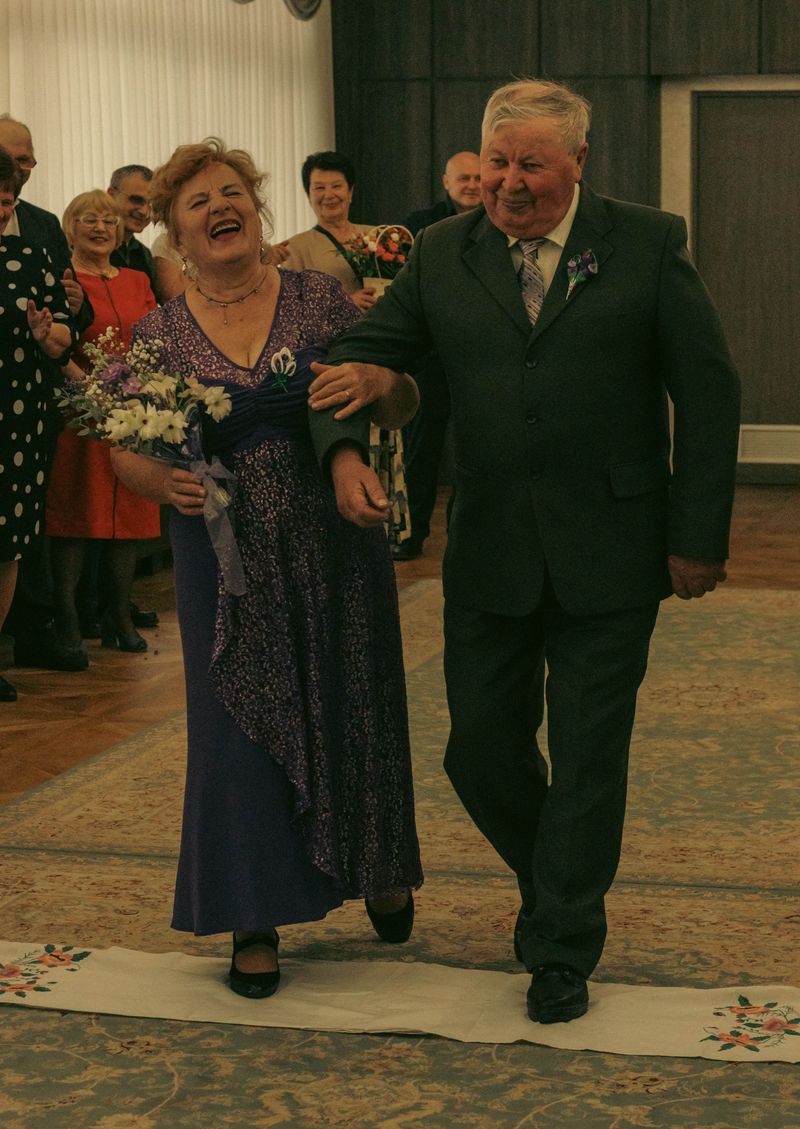
Some marriages run on romance, some on routine, and plenty run on shared jokes nobody else understands.
Ask couples married for decades what helped them, and humor comes up again and again.
A good laugh can make a rough week feel lighter.
Laughter softens tense moments in a special way.
A silly comment during a stressful day can remind you both that you’re still friends.
It won’t solve every problem, but it can lower the temperature.
Inside jokes build a private language over time.
A single word or look can send you both into giggles at a family dinner.
Those small moments create a sense of being a team of two.
Humor works best when it’s kind.
Teasing that hurts feelings or targets sore spots can backfire fast.
The goal is laughing together, not at each other.
If life feels too serious lately, make room for fun on purpose.
Watch a comedy, play a goofy board game, or retell the story of your worst vacation.
Assembling furniture together usually provides free entertainment too.
Shared laughter doesn’t need a grand plan, just a little willingness to be silly with your favorite person.
9. Small Kindnesses Add Up

Gottman’s work found something charming.
Stable, happy couples tended to have about five positive interactions for every negative one during conflict.
That ratio says a lot about the power of everyday kindness.
Grand gestures like surprise trips are lovely, but they don’t happen often.
Small acts happen daily, and they quietly build goodwill.
Think of a warm-up note on the mirror, a shoulder rub, or saying thank you for taking out the trash.
Gratitude deserves special attention.
After years together, it’s easy to stop noticing what your partner does.
Naming those efforts out loud helps them feel seen.
Some people describe this goodwill as an emotional bank account.
Each kind act makes a deposit, and that savings can help cushion the hard days.
When disagreements come, there’s a reserve of good feelings to draw from.
Try a simple experiment this week.
Thank your partner for one specific thing each day, like “Thanks for fixing the squeaky door.” Specific praise feels more meaningful than a general “you’re great.” It costs nothing, takes seconds, and can shift the mood of a whole household over time.
10. Commitment Means Both Feet In

Keeping one foot out the door makes it pretty hard to dance.
Many long-married couples describe their commitment as “both feet in,” meaning they treat challenges as problems to solve together rather than reasons to leave.
That mindset changes how hard times feel.
When you trust that your partner isn’t going anywhere, you can face money stress, illness, or family drama as a unified team.
The problem becomes the opponent, not each other.
Commitment also shows up in small daily choices.
Protecting your relationship might mean setting boundaries with work, family, or friends.
It means making your partner a priority when life gets crowded.
Of course, commitment doesn’t mean staying in an unsafe or abusive situation.
Healthy commitment involves two people who both treat each other with respect.
If safety is a concern, getting help comes first.
For most couples, though, commitment grows through steady effort over years.
You stick around through the boring parts, the frustrating parts, and the surprising parts.
Looking back, many people find the tough seasons they pushed through together became the foundation that made the good years feel even better.
That shared history becomes something neither partner wants to trade away.
11. Friendship Is the Foundation

Liking your spouse might sound like a low bar, but it turns out to be a big deal.
Couples who last often say they’re each other’s best friends.
Romance matters, yet friendship tends to carry the relationship through ordinary days.
Gottman describes something called “love maps,” which means knowing your partner’s inner world.
That includes their worries, favorite memories, current stresses, and hopes.
Couples who keep these maps updated often feel closer.
Staying curious helps a lot.
Ask questions you haven’t asked in years, like what their dream weekend looks like now or which childhood memory makes them smile.
People change, so the answers do too.
Rituals also feed friendship.
Maybe it’s Saturday pancakes, a nightly walk, or watching a favorite show together on Sundays.
Simple routines create dependable moments of connection.
Friendship gives couples something to lean on when passion dips or stress rises.
You’re not just partners managing a household.
You’re two people who enjoy each other’s company.
When the kids move out or careers wind down, that friendship often becomes the best part of a marriage.
It’s worth tending now, long before those changes arrive.
12. Money Talks Work Better as a Team

Money ranks among the topics couples most often argue about, right alongside chores and in-laws.
That’s no surprise, since spending choices reflect deeper values.
One person might see a vacation as essential, while the other sees it as savings slipping away.
Later in life, many couples learn that teamwork works better than tug-of-war.
Sitting down together to discuss goals helps both partners feel heard.
You might plan for retirement, a home repair, or helping family members.
Talking about values first can make number talk easier.
Ask what security means to each of you, and what kind of future you picture.
Shared goals make budget decisions feel less personal.
Every couple handles money differently.
Some combine accounts, others keep them separate, and many use a mix.
The right setup depends on your situation, income, and comfort level.
Regular money check-ins can prevent surprises.
A monthly chat over coffee about bills, savings, and upcoming expenses keeps both partners informed.
If finances feel overwhelming, a qualified financial planner can offer guidance.
Being open about money builds trust, and trust makes it easier to tackle bigger decisions together down the road.
13. The Learning Never Really Stops

Just when you think you’ve figured out your spouse, they announce a sudden passion for birdwatching.
Many long-married couples say they keep discovering new things about each other even after decades.
That surprise can be one of marriage’s quiet gifts.
Marriage often teaches you about yourself too.
Living closely with another person reveals your habits, blind spots, and strengths.
Some people say their spouse helped them become more patient or more honest.
Treating marriage like a classroom keeps things fresh.
You can learn new skills together, like cooking a different cuisine, taking a dance class, or traveling somewhere unfamiliar.
Shared learning creates new memories and conversations.
Growth takes effort, though.
Reading a relationship book together, attending a marriage workshop, or seeing a counselor can all help.
Seeking support isn’t a sign of trouble.
Plenty of couples use these tools simply to stay connected.
The best part may be that there’s no final exam.
You keep learning as long as you keep showing up with curiosity.
A partner you’ve known for forty years can still make you laugh in a brand-new way, and that’s a pretty good reason to keep paying attention.