 MomSkoop

Ever wondered why millions of viewers keep coming back to Emily Cooper’s chaotic, colorful world?
The Netflix hit Emily in Paris has sparked endless debates, yet it remains one of the most-watched shows on the platform.
From the fashion to the friendships, the show offers something we didn’t know we needed: unapologetic joy wrapped in Parisian charm.
Here are thirteen reasons why we just can’t quit this guilty pleasure.
1. It Unapologetically Chooses Joy Over Realism

Not every show needs to feel like a documentary on human suffering.
Sometimes, what we crave is a world bursting with color, laughter, and problems that involve choosing between two attractive suitors instead of paying rent.
Emily in Paris knows this.
It leans into the fantasy without apology, offering viewers an escape hatch from the heaviness of everyday life.
The show doesn’t pretend to be gritty or grounded—it’s champagne bubbles and croissants, and that’s exactly the point.
In a media landscape saturated with dark dramas, this series stands out by celebrating lightness.
It reminds us that entertainment doesn’t always have to teach hard lessons or mirror reality.
2. Emily Is Earnest in a World That Pretends Not to Be

Cynicism is trendy.
Being too enthusiastic about anything makes you look naive, or so the internet tells us.
But Emily Cooper doesn’t care about looking cool—she cares about doing her job well and connecting with people authentically.
Her optimism isn’t ignorance; it’s a choice.
She sees the best in situations even when others roll their eyes, and that defiance is quietly revolutionary.
In a culture that rewards detachment, her sincerity feels almost radical.
Watching someone believe in themselves without irony is surprisingly refreshing.
Emily’s earnestness reminds us that caring deeply about things isn’t weakness—it’s courage, especially when the world expects you to play it safe and small.
3. The Show Understands the Fantasy of Reinvention

Who hasn’t dreamed of starting fresh in a new city, leaving behind old habits and stepping into a bolder version of themselves?
Emily’s journey taps into that universal longing for transformation, even when it’s messy and imperfect.
She stumbles through language barriers, makes cultural blunders, and occasionally wears outfits that defy all logic.
But she keeps trying.
The reinvention isn’t flawless—it’s real in its awkwardness, which makes it relatable rather than alienating.
The series captures the thrill and terror of change.
It shows that reinvention doesn’t mean becoming perfect; it means becoming willing to fail publicly and laugh about it later while eating pastries.
4. Fashion Isn’t Just Clothing, It’s a Mood Board for Confidence
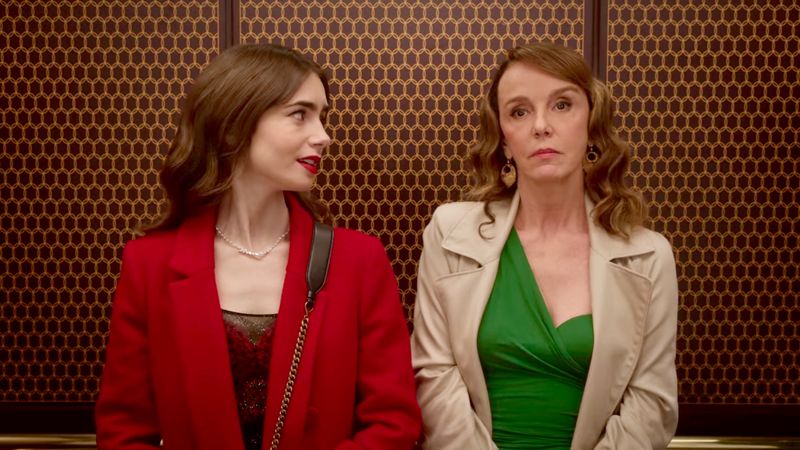
Emily’s wardrobe doesn’t whisper—it shouts.
Every outfit is a declaration of personality, a visual “why not?” that challenges the idea that blending in is safer than standing out.
Her fashion choices are bold, occasionally baffling, but always intentional.
The show treats style as armor and art combined.
When Emily wears a neon blazer with clashing prints, she’s not just getting dressed—she’s announcing her presence and refusing to apologize for it.
That contagious confidence spills off the screen.
Viewers walk away inspired to take risks with their own closets, to pair patterns that shouldn’t work, and to dress for joy rather than approval or trends dictated by others.
5. It Makes Ambition Look Feminine and Fun
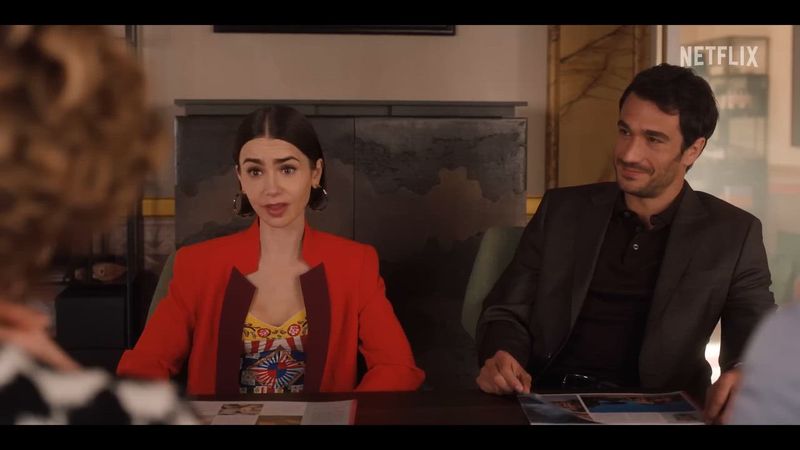
Ambition in media often comes with a side of stress, burnout montages, and sacrificed relationships.
But Emily in Paris flips that script, showing a woman chasing big ideas without losing her sense of humor or humanity along the way.
Emily takes risks, pitches wild campaigns, and learns from mistakes in real time—all while maintaining friendships and a social life.
There’s no tragic martyrdom to her hustle, just creativity and resilience wrapped in lipstick and laughter.
The series proves that being driven doesn’t require suffering in silence.
Ambition can be playful, collaborative, and colorful.
It can involve champagne toasts and spontaneous adventures, not just late nights and cold coffee alone at a desk.
6. Paris (and Beyond) Is Filmed Like a Love Letter, Not a Postcard
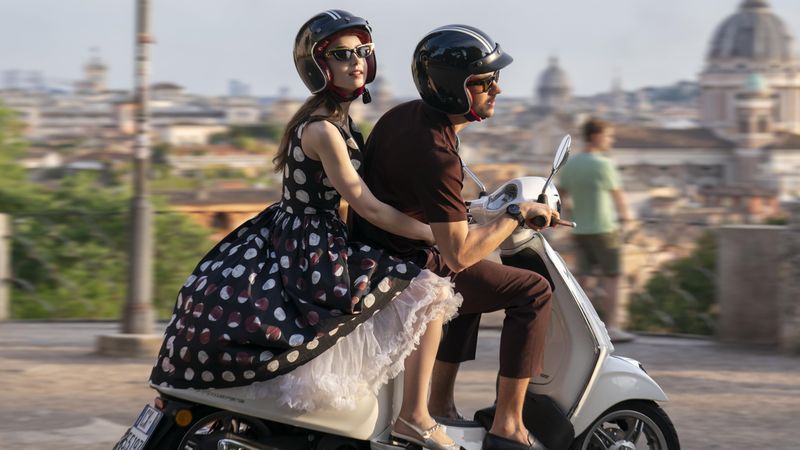
Forget sterile tourist shots.
The cinematography in this show captures Paris as a living, breathing character—romantic but also chaotic, charming yet slightly absurd.
Every cobblestone street and café terrace feels intimate rather than staged for Instagram.
The camera lingers on golden-hour light spilling over rooftops, on bustling markets and quiet moments by the Seine.
But it also shows the city’s quirks: the crowded metros, the impatient locals, the unpredictable weather that ruins perfectly planned outings.
This balance makes the setting feel real, even within the fantasy.
Paris isn’t just a backdrop—it’s a mood, a vibe, a place where magic and messiness coexist beautifully, just like life itself.
7. Emily Fails Often—and Keeps Going Anyway

Success stories are great, but failure stories?
Those hit differently.
Emily messes up constantly—she misreads social cues, botches campaigns, and says the wrong thing at the worst possible moment.
Yet she never lets humiliation keep her down for long.
Her resilience isn’t loud or dramatic.
There are no inspirational speeches or montages.
She just picks herself up, apologizes when needed, and tries again with a little more wisdom and a lot more courage.
That subtle, steady persistence is what makes her relatable.
We’ve all been the person who stumbles publicly and has to decide whether to hide or keep showing up.
Emily always chooses to show up, and that quiet bravery is worth celebrating.
8. It Captures the Awkwardness of Being the Outsider

Anyone who’s ever moved to a new place knows the sting of being the odd one out.
Emily’s experience—stumbling through French phrases, misunderstanding social norms, and feeling perpetually one step behind—is painfully familiar to many viewers.
The show doesn’t shy away from those uncomfortable moments.
It leans into the cringe, the isolation, and the small victories that come from finally understanding an inside joke or pronouncing a word correctly after dozens of attempts.
That honesty makes Emily’s journey deeply relatable.
Whether you’ve lived abroad or just started a new job, you’ve probably felt like the outsider trying too hard.
Seeing Emily navigate that with grace and humor feels validating and comforting.
9. The Friendships Feel Aspirational, Not Perfect
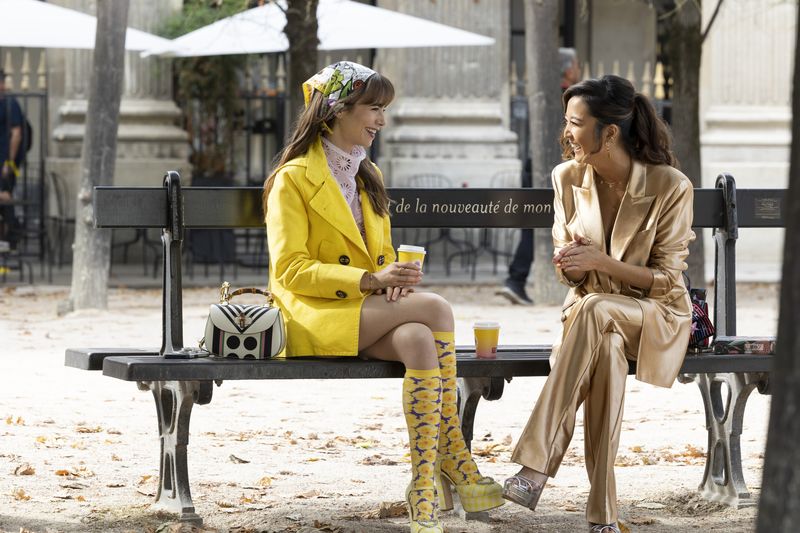
Real adult friendships are complicated.
They involve jealousy, misunderstandings, competition, and love all tangled together.
Emily in Paris gets that.
The relationships between Emily, Mindy, Camille, and others aren’t flawless—they’re messy, evolving, and sometimes frustrating.
Friends support each other one day and clash the next.
They celebrate wins but also wrestle with envy and hurt feelings.
The show doesn’t sanitize these dynamics; it portrays them with surprising nuance and honesty.
That realism makes the friendships feel aspirational in a meaningful way.
We don’t want perfect friends who never disagree—we want people who stick around despite the mess, who forgive and grow alongside us, just like Emily’s crew does.
10. It’s Self-Aware Enough to Laugh at Itself
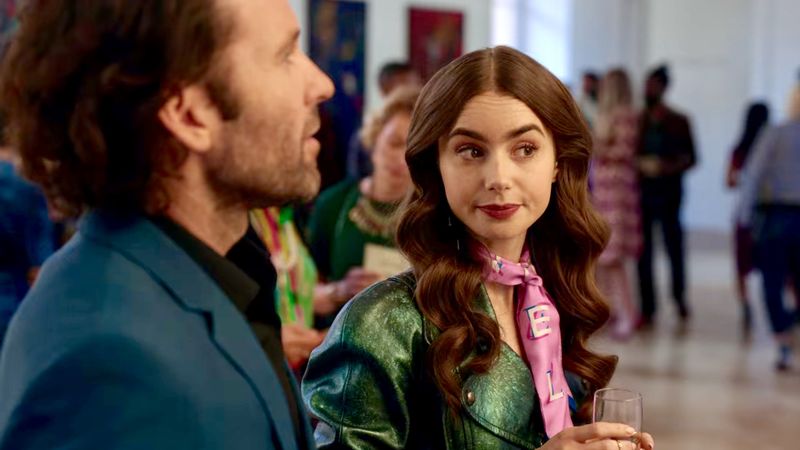
Critics have called the show unrealistic, over-the-top, and absurd.
And you know what?
The creators seem to agree.
Emily in Paris knows exactly what it is and leans into the ridiculousness with a knowing wink and a smile.
From Emily’s impossible apartment to her improbable career trajectory, the show embraces its own fantasy without pretending to be something it’s not.
That self-awareness makes it easier to enjoy without guilt or defensiveness.
There’s something refreshing about a series that doesn’t take itself too seriously.
It invites viewers to laugh along rather than dissect every plot hole, creating a viewing experience that’s light, fun, and wonderfully unpretentious in its escapism.
11. Romance Is Treated as Exploration, Not Destiny
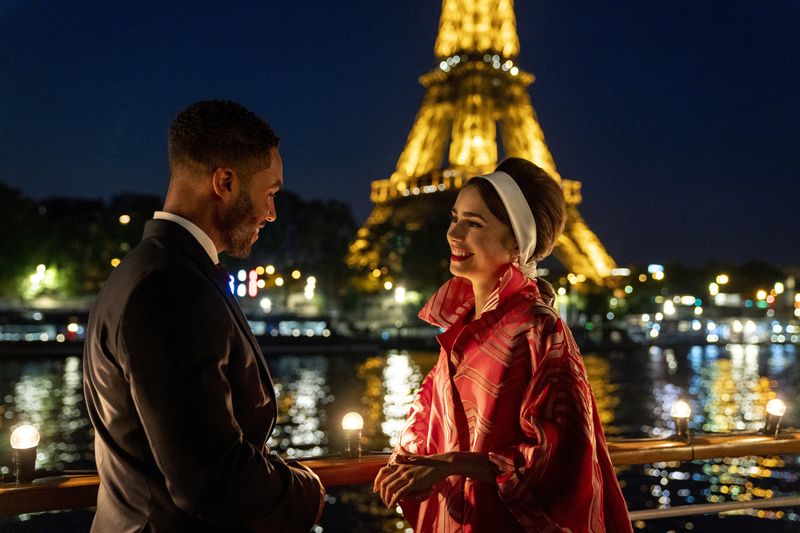
Emily dates.
A lot.
And instead of framing each relationship as “the one,” the show treats romance as part of her journey of self-discovery.
Love interests come and go, but Emily remains the protagonist of her own story, not a supporting character in someone else’s.
This approach feels modern and empowering.
Relationships matter, but they don’t define her worth or success.
She’s allowed to be confused, to change her mind, and to prioritize her own growth over settling down.
For viewers tired of stories where women only find fulfillment through romance, this is a breath of fresh air.
Emily’s love life is one chapter in a much bigger, more interesting book about becoming who she’s meant to be.
12. It Makes Creativity Look Like a Lifestyle, Not Just a Job

In Emily’s world, inspiration doesn’t wait for office hours.
Ideas spark during café conversations, midnight walks, and chance encounters on cobblestone streets.
Creativity isn’t confined to brainstorming sessions—it’s woven into the fabric of daily life.
The show celebrates the chaotic, unpredictable nature of creative work.
Campaigns are born from spontaneous moments, collaborations happen over wine and laughter, and the line between work and play blurs in the most delightful way.
That portrayal makes creativity feel accessible and exciting rather than intimidating.
It suggests that good ideas come from living fully, paying attention, and staying curious—not from grinding yourself into exhaustion in a fluorescent-lit cubicle somewhere far from joy.
13. Because Sometimes Escapism Is Self-Care

Let’s be honest: life can be exhausting.
Sometimes we need stories that don’t demand emotional labor or intellectual heavy lifting.
We need shows that deliver beauty, humor, and heart without asking us to process trauma or solve complex moral dilemmas.
Emily in Paris offers exactly that kind of escape.
It’s cotton candy for the soul—sweet, colorful, and unapologetically light.
The killer soundtrack, stunning visuals, and charming characters create a world where problems are solvable and endings are hopeful.
That kind of escapism isn’t shallow—it’s restorative.
After a hard day, sinking into Emily’s world feels like self-care.
It reminds us that joy, beauty, and optimism still exist, and sometimes that’s exactly the medicine we need to keep going.