 MomSkoop

Interstellar blew audiences away with its stunning visuals, emotional depth, and mind-bending ideas about time, space, and love. If that film left you hungry for more, you are definitely not alone.
The good news is that plenty of other movies explore similar themes just as powerfully. Here are 13 sci-fi films that any Interstellar fan should absolutely add to their watchlist.
1. 2001: A Space Odyssey (1968)
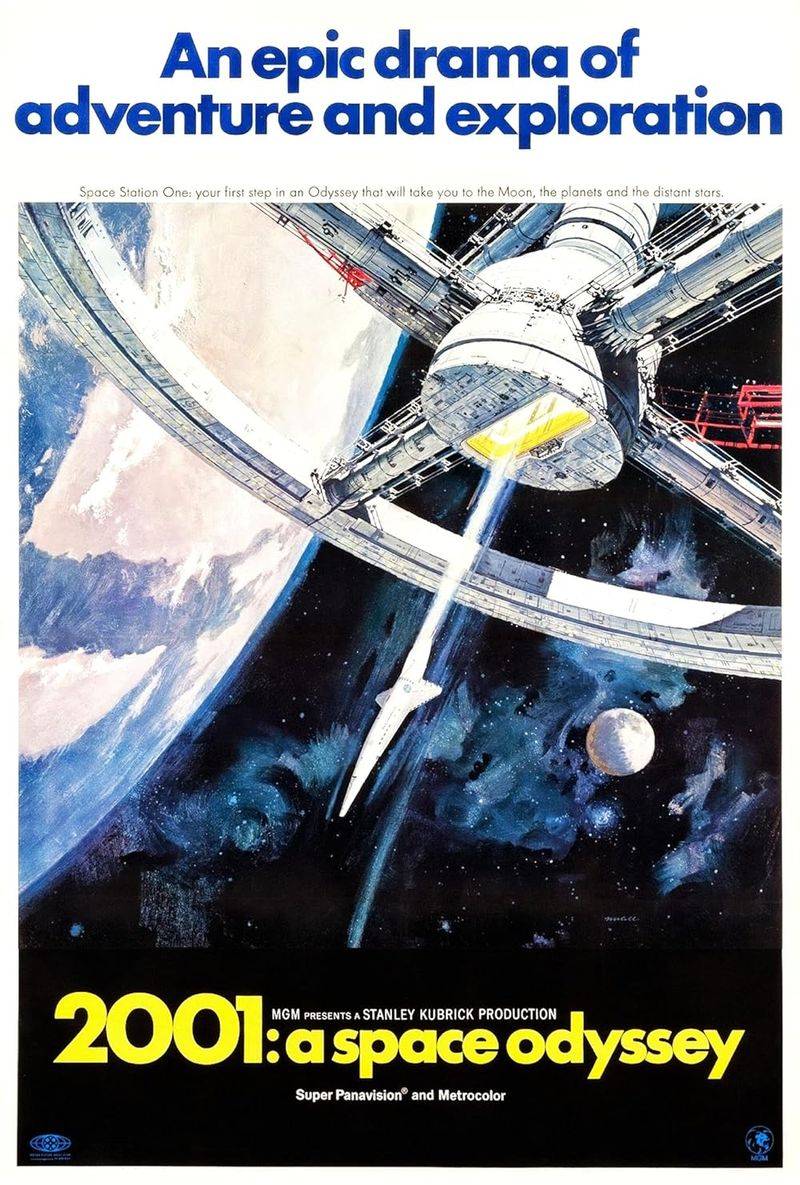
Few films have ever dared to ask as boldly as this one: what does it mean to be human?
Stanley Kubrick’s masterpiece takes you on a slow, hypnotic journey through space, evolution, and artificial intelligence.
The visuals still hold up today, and the famous HAL 9000 computer remains one of cinema’s most chilling characters.
There is very little dialogue, yet every scene feels loaded with meaning.
This film inspired Interstellar’s director Christopher Nolan directly.
If you enjoy sitting with big questions long after the credits roll, this is the movie that started it all for philosophical space sci-fi.
2. Contact (1997)
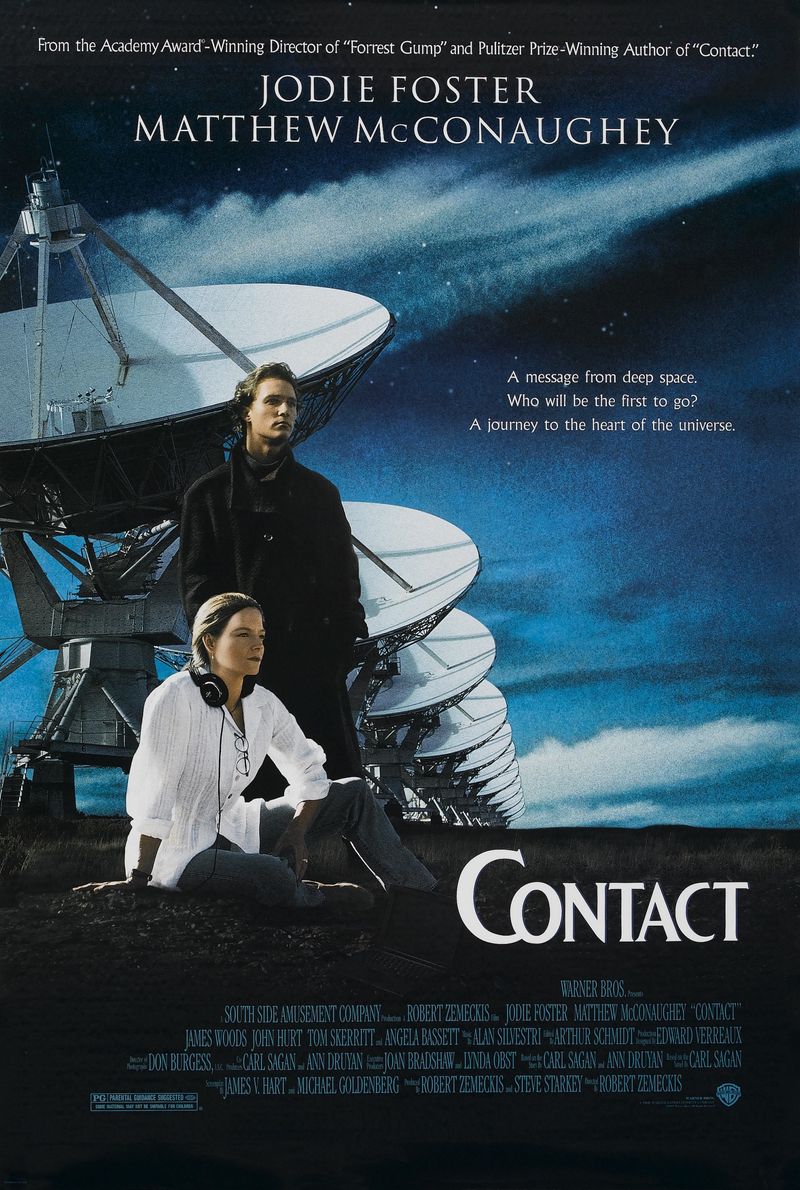
What would you do if you received a message from another civilization?
Contact wrestles with that question through the eyes of Dr. Ellie Arroway, a passionate scientist who dedicates her life to finding proof of extraterrestrial life.
Jodie Foster delivers a performance so grounded and real that you forget you are watching fiction.
The film beautifully balances science and faith without making either side look foolish.
Much like Interstellar, it treats its audience as intelligent and emotionally mature.
The final act sparks debates that fans are still having decades later, making it one of the most thought-provoking first-contact stories ever put on screen.
3. Arrival (2016)

Language is the most human tool we have, and Arrival uses it as the key to unlocking one of sci-fi’s most emotional stories.
When alien ships appear around Earth, linguist Louise Banks is called in to figure out how to communicate with them.
What she discovers changes everything she understands about time and choice.
Director Denis Villeneuve crafts every frame with quiet intensity, and Amy Adams carries the film with remarkable emotional weight.
The nonlinear storytelling feels similar to Interstellar’s approach to time.
By the end, you may find yourself sitting quietly, processing feelings you did not expect a sci-fi movie to stir up inside you.
4. Gravity (2013)
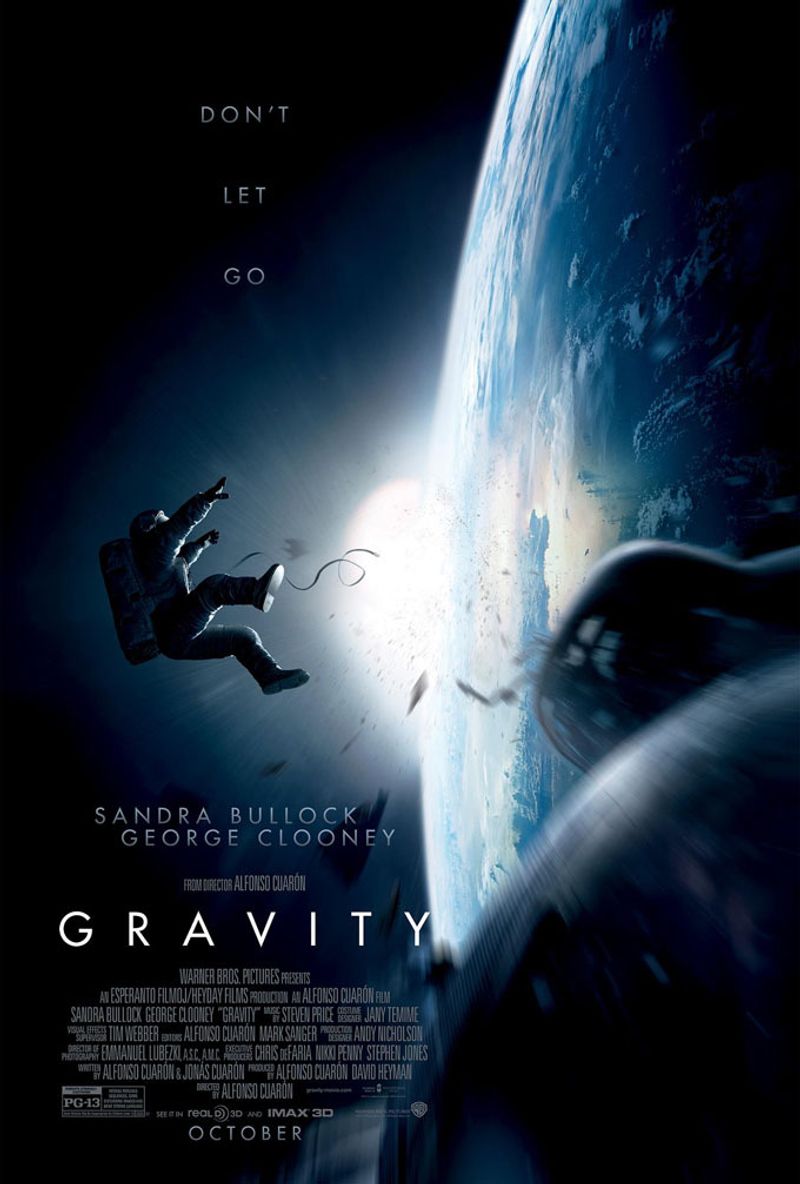
Stranded in orbit with no rescue in sight — that is the terrifying situation Gravity drops you into within its first few minutes.
Sandra Bullock plays Dr. Ryan Stone, a medical engineer on her first shuttle mission, who must survive after catastrophic debris destroys her spacecraft.
Director Alfonso Cuaron makes the silence of space feel absolutely deafening.
The film won seven Academy Awards, including Best Director, and it is easy to see why.
Every second feels physically real and emotionally exhausting in the best way.
Like Interstellar, it reminds you just how fragile human life is when placed against the infinite indifference of outer space.
5. The Martian (2015)
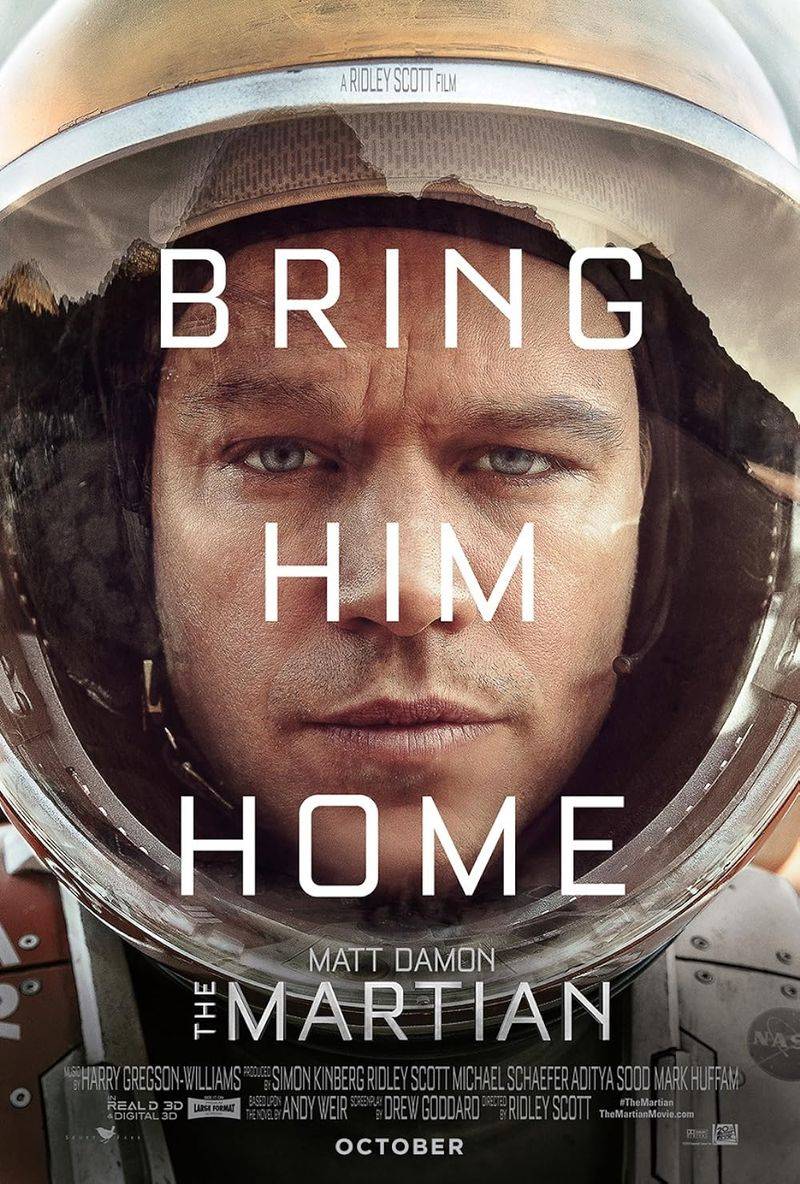
Mark Watney gets left behind on Mars after his crew believes he is dead during an emergency evacuation.
Rather than giving up, he uses botany, engineering, and sheer stubbornness to stay alive on a planet that wants to kill him.
Matt Damon plays Watney with so much charm and humor that you root for him from the very first scene.
Based on Andy Weir’s bestselling novel, the film celebrates scientific problem-solving in a way that feels genuinely exciting rather than nerdy.
Much like Interstellar, it portrays science as humanity’s greatest survival tool.
If you loved watching Cooper engineer solutions in space, Watney’s ingenuity on Mars will keep you completely hooked.
6. Ad Astra (2019)

Brad Pitt plays astronaut Roy McBride, a man so emotionally closed off that his heart rate barely rises during life-threatening situations.
He is sent on a secret mission across the solar system to find his missing father, whose experiments may be threatening all life on Earth.
The journey becomes as much about inner healing as outer space exploration.
Ad Astra is deliberately slow and meditative, rewarding patient viewers with stunning visuals and quiet emotional revelations.
Its tone closely mirrors Interstellar’s introspective relationship between a father and his family.
Some viewers find it too restrained, but those who connect with it often call it one of the most personal space films ever made.
7. Sunshine (2007)
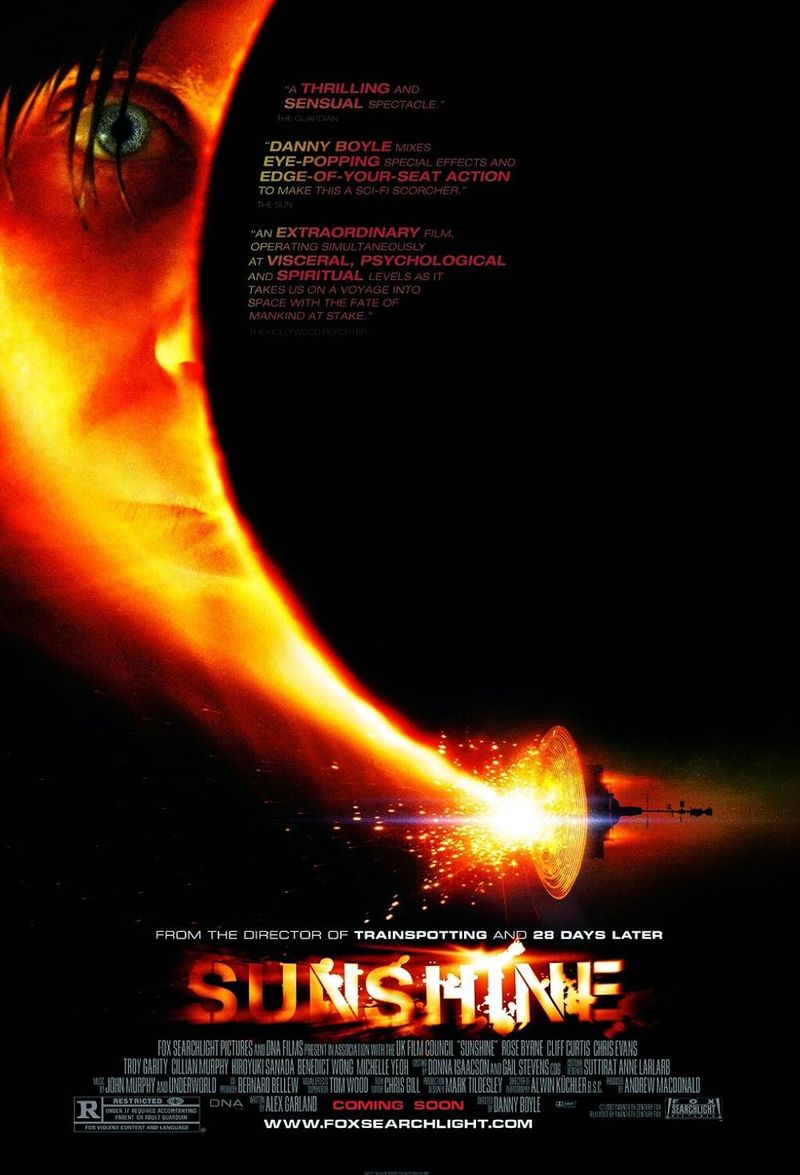
Fifty years in the future, the sun is dying, and Earth’s last hope is a crew of eight astronauts carrying a massive nuclear bomb to reignite it.
Sunshine starts as a gripping survival thriller and gradually transforms into something far darker and stranger.
Director Danny Boyle fills every frame with blinding light and creeping dread.
The film is criminally underrated and deserves far more attention than it gets.
Cillian Murphy leads a fantastic ensemble cast, and the psychological tension among the crew is fascinating to watch unravel.
Like Interstellar, it forces characters to make impossible choices for the sake of humanity, blurring the line between heroism and obsession.
8. Moon (2009)
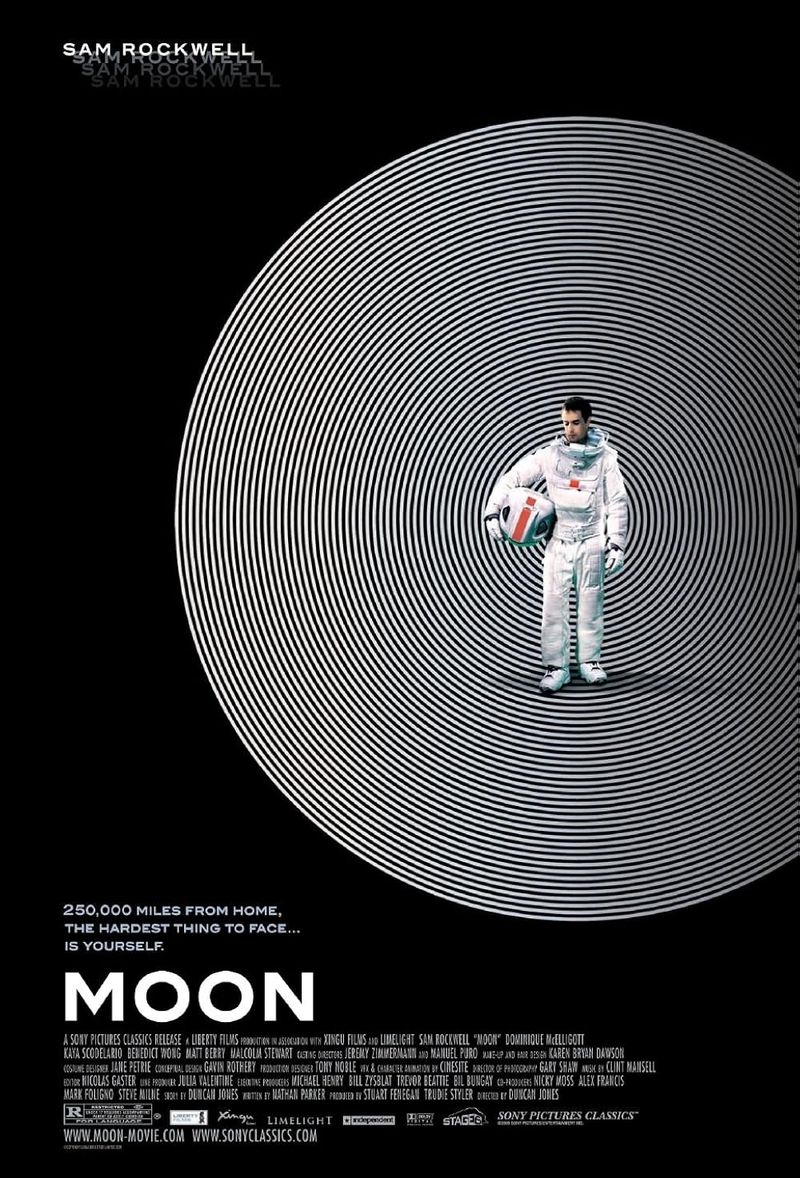
Sam Bell has been working alone on the moon for nearly three years, mining helium-3 to help solve Earth’s energy crisis.
With only weeks left before he returns home, strange things begin happening that make him question everything about who he really is.
Sam Rockwell delivers one of the most quietly devastating performances in all of science fiction.
Director Duncan Jones made this film on a tiny budget, yet it feels rich, layered, and hauntingly beautiful.
The themes of identity, loneliness, and corporate exploitation hit harder than most big-budget blockbusters.
Fans of Interstellar’s emotional core will find Moon equally gut-wrenching, especially in its final act when the full truth is finally revealed.
9. Blade Runner 2049 (2017)

Ryan Gosling plays K, a replicant blade runner who uncovers a buried secret that could reshape the future of humanity.
Denis Villeneuve returns here, and like Arrival, he constructs a world that feels both alien and deeply familiar.
Roger Deakins won a well-deserved Oscar for the film’s extraordinary cinematography.
Every shot in Blade Runner 2049 feels like a painting you want to hang on your wall.
The story moves slowly and deliberately, trusting viewers to absorb its questions about memory, identity, and what it means to have a soul.
Interstellar fans who appreciate layered, visually breathtaking storytelling will feel completely at home in this stunning, melancholy world.
10. Annihilation (2018)
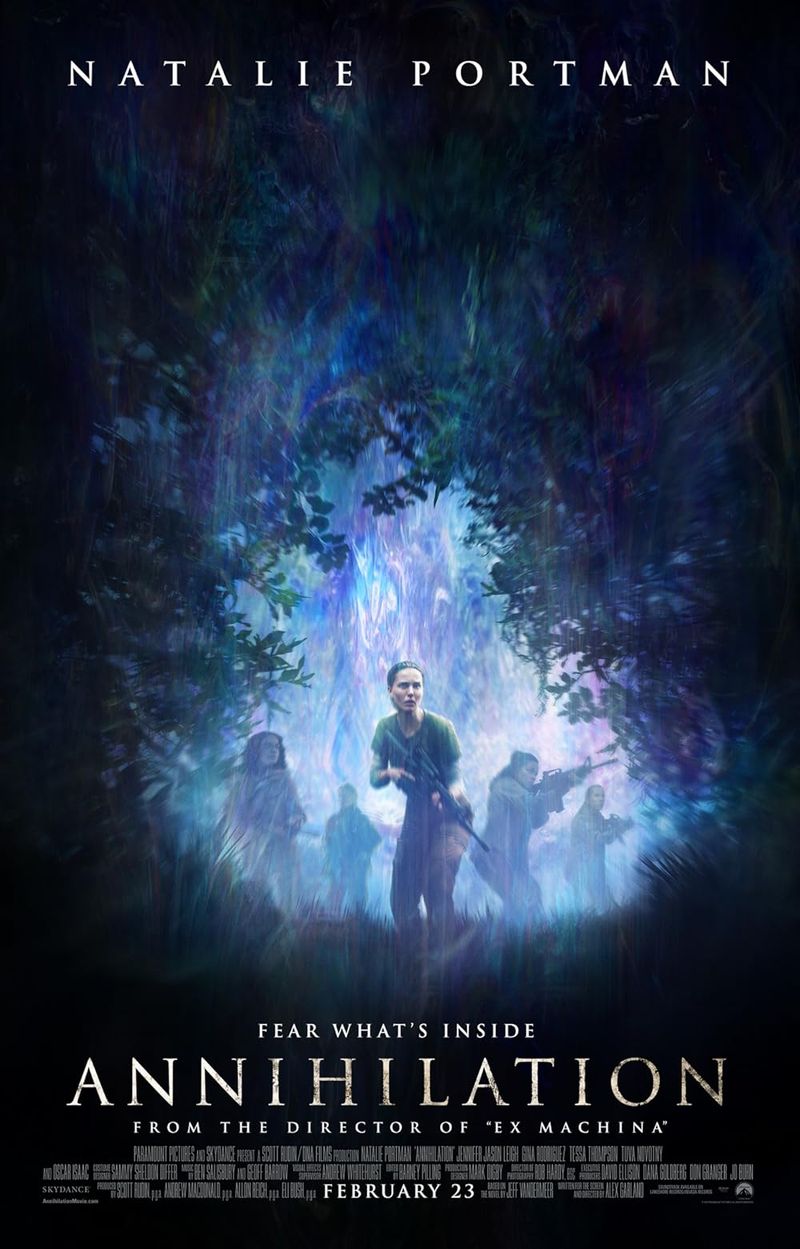
A mysterious shimmer has appeared near a lighthouse, and everything that enters it never comes back out.
Biologist Lena joins an all-female expedition to explore what is inside, and what they find defies all rational explanation.
Alex Garland directs this film with a dreamlike intensity that gets under your skin and refuses to leave.
Annihilation is not interested in giving you easy answers, and that is exactly what makes it so compelling.
Like Interstellar, it uses science as a doorway into deeply personal questions about grief, self-destruction, and transformation.
Natalie Portman anchors the story with quiet strength, and the film’s final sequence is genuinely one of the most unforgettable in modern science fiction.
11. Edge of Tomorrow (2014)

Tom Cruise plays a military officer who has never seen combat but gets thrown onto the front lines of an alien invasion — and then dies.
Then he wakes up and does it all over again.
Edge of Tomorrow takes the time-loop concept and turns it into something genuinely clever, funny, and surprisingly emotional all at once.
Emily Blunt is absolutely terrific as the battle-hardened warrior who helps Cruise’s character figure out how to break the cycle.
The film uses its sci-fi premise to explore how people grow through repeated failure.
Interstellar fans who enjoy time-bending storytelling with real emotional stakes will find this fast-paced thriller deeply satisfying from start to finish.
12. Inception (2010)
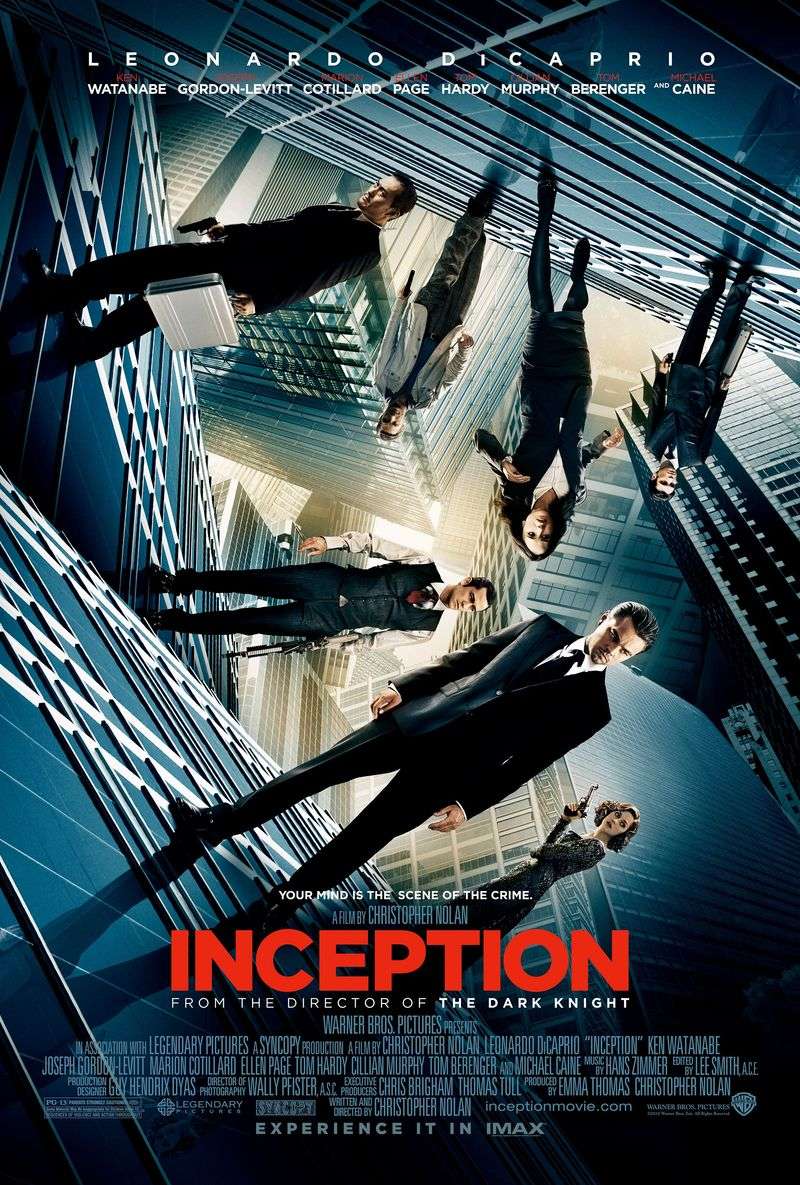
Christopher Nolan directed both Inception and Interstellar, and that shared DNA is obvious the moment you start watching.
A team of specialists enters people’s dreams to steal secrets, but the mission this time requires something far more dangerous: planting an idea instead.
Leonardo DiCaprio leads the ensemble with a performance full of buried grief and fierce determination.
The film operates on multiple levels simultaneously, both literally and emotionally, keeping you mentally engaged throughout its nearly three-hour runtime.
Its layered structure and emotional resolution feel remarkably similar to Interstellar’s final act.
If you loved how Interstellar wrapped its cosmic adventure around a father-daughter relationship, Inception’s emotional core will resonate with you in equally powerful ways.
13. Solaris (1972)
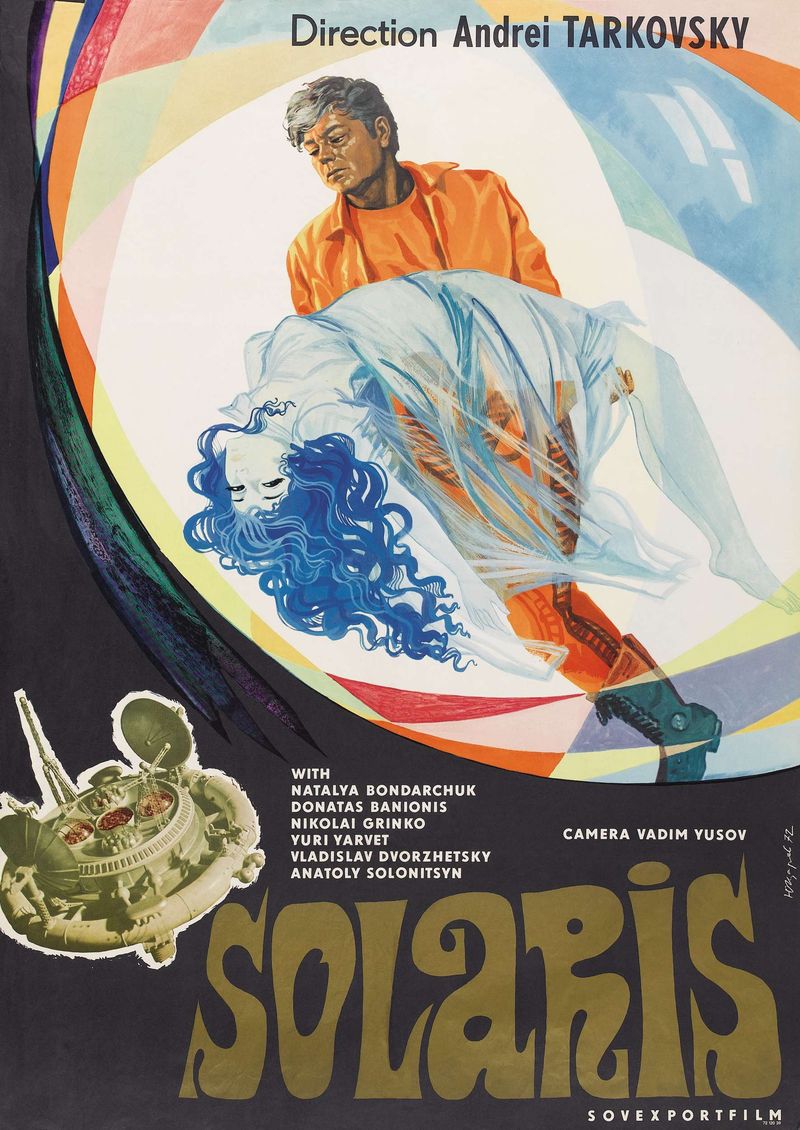
Andrei Tarkovsky made Solaris as a direct response to 2001: A Space Odyssey, arguing that science fiction should focus on the human soul rather than technology.
A psychologist is sent to a space station orbiting a mysterious ocean planet where the crew has been behaving strangely.
What he finds there forces him to confront his deepest guilt and longing.
The film moves at a glacial pace that demands patience, but rewards it with profound emotional resonance.
Tarkovsky treats consciousness, memory, and love as seriously as any physicist treats gravity.
For Interstellar fans who connected most with Cooper’s aching love for his daughter, Solaris offers an equally devastating meditation on the things we carry with us across the universe.