 MomSkoop

Some baby names carry the weight of centuries, whispering of candlelit ballrooms, ink-stained letters, and heroes on horseback.
Vintage European names have a timeless elegance that modern names often struggle to match.
If you have ever read a classic novel and fallen in love with a character’s name before even finishing the first chapter, you are not alone.
These 13 names feel like they belong on the pages of a beloved story, yet they are absolutely perfect for a real child today.
1. Elodie
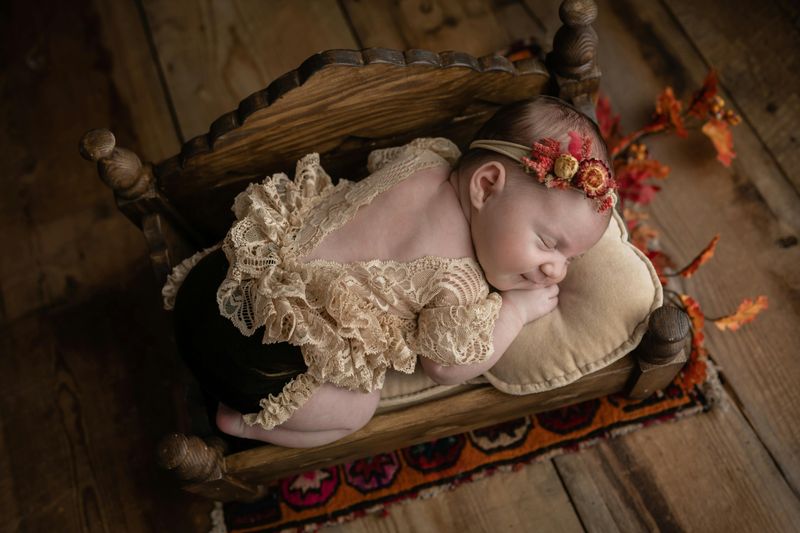
There is something undeniably musical about the name Elodie.
It rolls off the tongue like a melody from a forgotten French lullaby, full of warmth and quiet romance.
Rooted in Old French and Latin origins, it connects to the word for a song or poem.
Elodie enjoyed popularity in France and Belgium for generations before catching the attention of English-speaking parents.
It feels both delicate and strong, like a heroine who reads poetry by firelight but also knows her own mind.
Parents who love soft, lyrical names without going too unusual will find Elodie absolutely irresistible.
2. Ansel
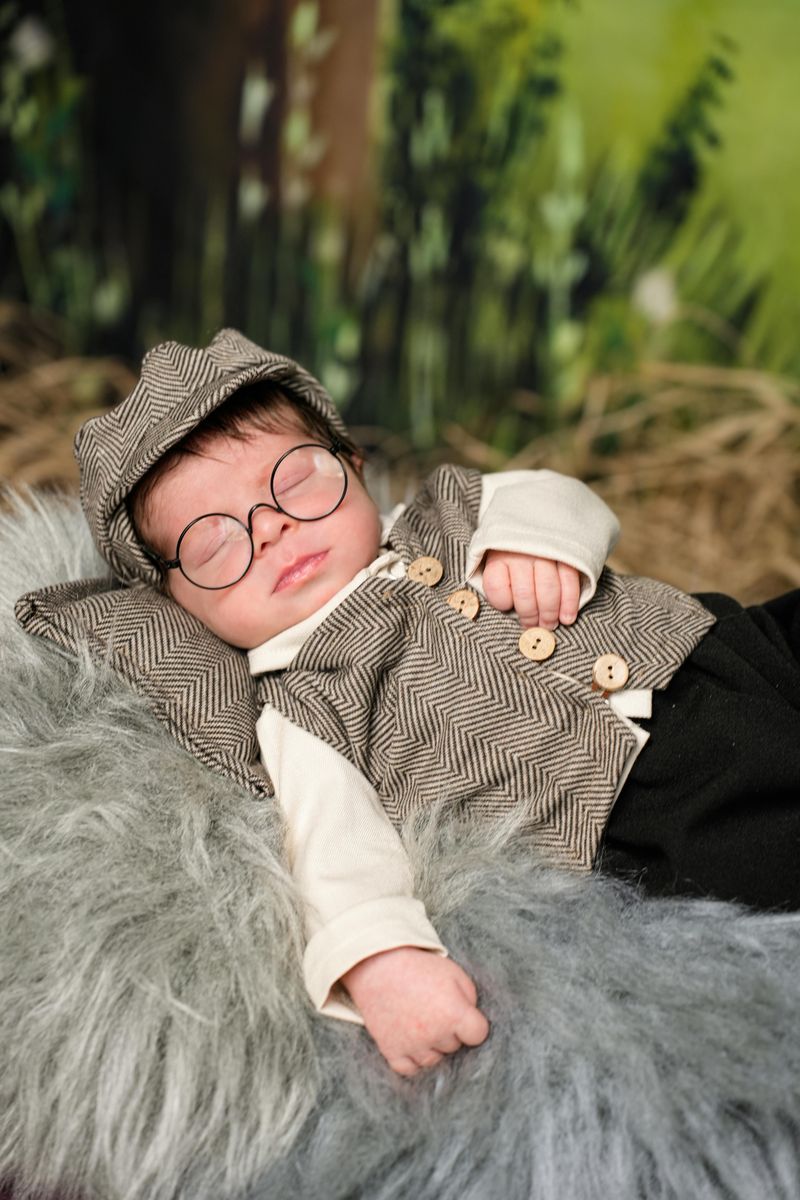
Bold, artistic, and slightly mysterious, Ansel carries the energy of someone destined for great things.
Most people recognize it from the legendary American photographer Ansel Adams, but its roots stretch back to medieval Germany, where it meant “divine protection.”
In classic literature, Ansel would belong to the brooding scholar or the quiet hero no one suspects until the final chapter.
It has a strong, one-syllable punch at the start and a soft landing at the end, giving it great rhythmic balance.
For parents wanting a name that sounds distinguished without feeling stuffy, Ansel is a brilliant choice.
3. Ines
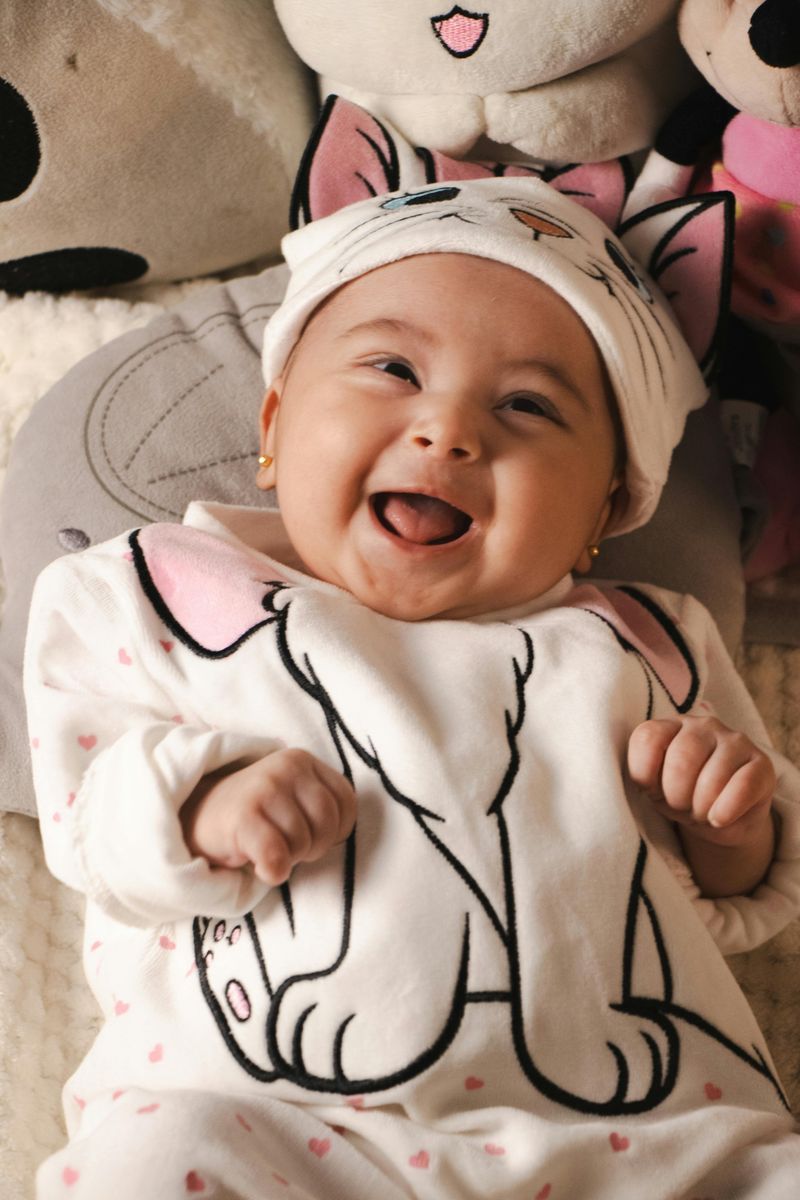
Ines is the kind of name that sounds effortlessly sophisticated the moment you hear it.
A Spanish and Portuguese form of Agnes, it traces back to the Greek word for “pure” or “chaste,” giving it a beautifully poetic foundation.
Throughout European history, queens, saints, and noblewomen bore this name with grace.
Ines de Castro, a tragic and romantic figure in Portuguese history, made the name legendary.
Today, Ines feels modern enough to fit right in on a school playground while still carrying centuries of elegance.
It is short, easy to spell, and utterly unforgettable.
4. Eulalia

Eulalia sounds like a name plucked straight from the pages of a Victorian novel, and that is exactly part of its charm.
It comes from the Greek words meaning “well-spoken” or “sweetly eloquent,” which feels entirely fitting for such an ornate, flowing name.
Saint Eulalia of Barcelona was one of the most celebrated early Christian martyrs in Spain, giving the name deep historical roots.
It may feel elaborate at first glance, but the nickname Lia or Lali makes it wonderfully wearable day to day.
Families who love rare, vintage names with incredible depth will treasure Eulalia without hesitation.
5. Briony

Cheerful and wild like the countryside plant it is named after, Briony bursts with English charm.
The name comes directly from the bryony plant, a climbing vine native to Europe, giving it a wonderfully earthy, botanical feel that nature-loving parents adore.
Readers of Ian McEwan’s novel Atonement will recognize Briony as the complicated, imaginative young protagonist whose choices drive the entire story.
That literary connection gives the name a thoughtful, introspective quality alongside its bright, outdoorsy energy.
Briony is still rare enough to stand out in a classroom while feeling completely at home in modern life.
6. Cedric
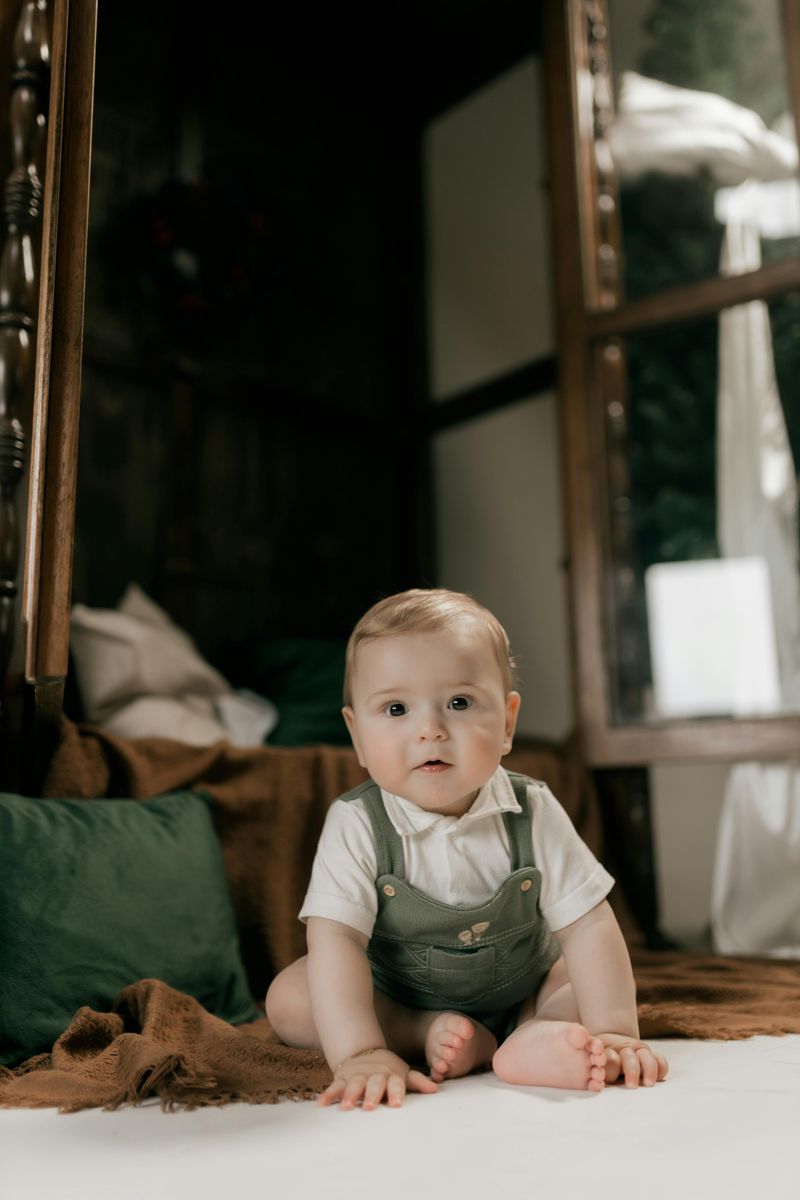
Cedric has the kind of noble, storybook quality that makes you picture rolling green hills and ancient family estates.
Interestingly, the name was largely invented by Sir Walter Scott for his 1819 novel Ivanhoe, inspired by the Old English name Cerdic.
It then gained wider fame through Frances Hodgson Burnett’s beloved Little Lord Fauntleroy.
Despite its literary origins, Cedric has a grounded, sturdy feel that keeps it from seeming too old-fashioned.
The nickname Ced gives it a relaxed, modern edge.
Parents who love classic literature and want a name packed with quiet dignity will find Cedric genuinely compelling.
7. Rosalinde

Rosalinde is Rosalind turned up to full romantic volume.
The extended German spelling adds a flowing, almost operatic quality that makes this name feel like it belongs in a fairy tale or a Shakespearean comedy.
Shakespeare himself used Rosalind in As You Like It, giving the name enduring literary prestige.
The meaning combines elements suggesting “beautiful rose” or “gentle horse,” a wonderfully unexpected pairing.
Nicknames like Rosa, Rosie, or Lindy make it completely practical for everyday use.
For parents who want something deeply romantic and rare without sacrificing warmth, Rosalinde delivers on every single level with breathtaking elegance.
8. Armand
Armand carries the effortless cool of a Parisian novel hero.
It is the French and Spanish form of Herman, rooted in the Germanic words for “army man,” yet somehow Armand sounds far more poetic than its warrior origins suggest.
Alexandre Dumas made Armand famous in La Dame aux Camelias, where the passionate young Armand Duval became one of literature’s most devoted romantic heroes.
The name aged beautifully over centuries without ever feeling tired or overused.
Armand strikes a perfect balance between strong and sophisticated, making it a standout choice for parents drawn to European literary culture and timeless masculine names.
9. Roderick

Roderick sounds like a name carried by explorers, scholars, and reluctant kings.
It comes from the Germanic elements meaning “famous ruler,” and it was popular among Visigoth kings and medieval Scottish nobility, giving it an impressively rugged historical pedigree.
Edgar Allan Poe immortalized the name in The Fall of the House of Usher, where the haunted Roderick Usher became one of Gothic literature’s most unforgettable characters.
That dark, brooding association gives the name layers of literary intrigue.
Nicknames like Rod or Rick keep it grounded.
Roderick suits a child with quiet intensity and a natural gift for storytelling.
10. Isolde
Few names in Western literature carry as much romantic tragedy as Isolde.
The Celtic legend of Tristan and Isolde, one of the greatest love stories ever told, gave this name an almost mythological status across Europe for centuries.
Wagner even turned their story into a celebrated opera.
Isolde likely derives from Old Celtic or Germanic roots, possibly meaning “ice ruler” or “fair lady,” though scholars still debate its exact origin.
The name feels otherworldly and rare, yet it has a simple, strong sound that wears well.
For parents drawn to myth, legend, and breathtaking romance, Isolde is an extraordinary choice.
11. Odette
Odette is a name that practically pirouettes as you say it.
Known worldwide as the swan princess in Tchaikovsky’s Swan Lake, Odette has been synonymous with grace, beauty, and quiet sorrow for well over a century.
It is the French diminutive of Oda, meaning “wealth” or “fortune.”
Marcel Proust also featured an Odette as a central character in his monumental novel In Search of Lost Time, cementing the name’s literary credentials.
Despite its rich artistic history, Odette feels surprisingly fresh and modern today.
Parents who love ballet, classic music, or French culture will find this name completely enchanting and endlessly stylish.
12. Giselle
Giselle dances right off the page and into your heart.
Its French and German origins tie it to the Germanic word for “pledge” or “hostage,” but the name’s association with the beloved Romantic ballet of the same name has long overshadowed those serious roots.
Giselle the ballet tells a heartbreaking story of love, betrayal, and forgiveness.
The name enjoyed steady European popularity for generations before spreading globally.
It has a flowing, feminine sound that feels both timeless and surprisingly contemporary.
Short enough to be easy, long enough to feel special, Giselle works beautifully as a first name or a middle name for any little girl.
13. Henrik

Henrik has the solid, dependable energy of a name that has been trusted for centuries across Scandinavia and Central Europe.
It is the Nordic and Germanic form of Henry, derived from the elements meaning “home ruler,” and it has been worn by Danish kings, Norwegian playwrights, and celebrated composers alike.
Henrik Ibsen, the father of modern drama, gave this name a powerful intellectual association that still resonates today.
It sounds familiar enough to feel approachable but distinct enough to stand apart from the more common Henry.
For parents who love Scandinavian heritage or simply want a strong, classic name with real cultural depth, Henrik delivers beautifully.