 MomSkoop
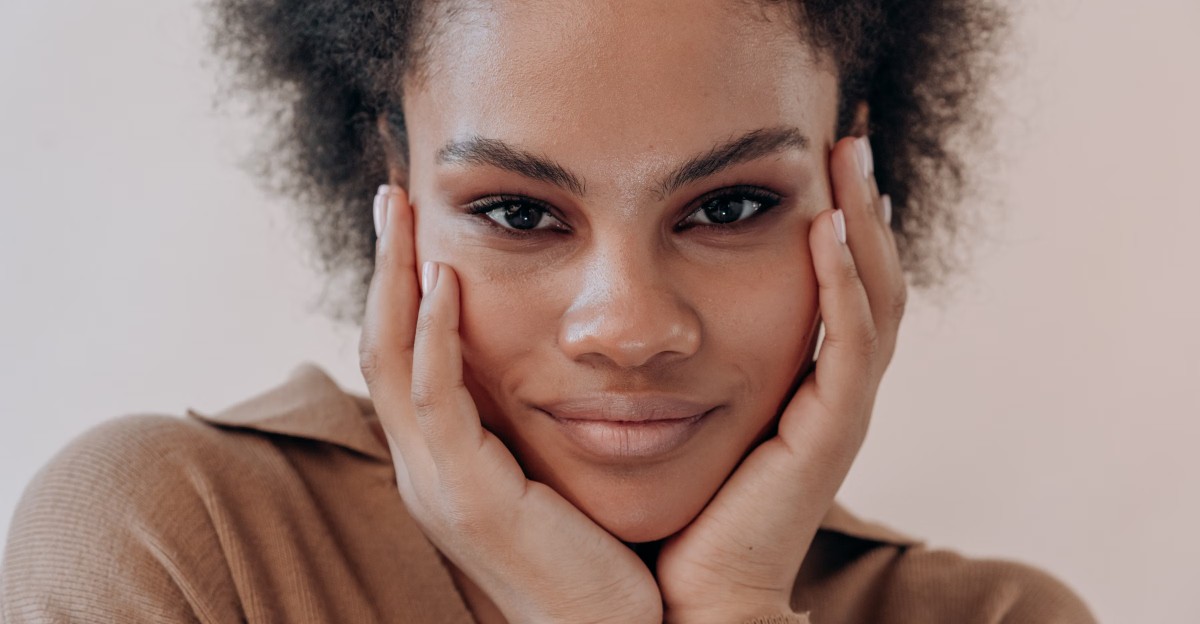
A single foundation shade that is slightly too orange can leave a visible line right at your jawline. That tiny stripe of color is often the first thing people notice, long before your eyes or smile. The tricky part is that many of these habits start with good intentions. More powder feels safer, extra scrubbing feels cleaner, and a darker liner feels bolder.
I find that pattern fascinating because the fix is usually doing less, not buying more. Small changes in how you blend, cleanse, or choose colors can let your own features take the lead again. None of this means your face needs fixing, and every habit here is optional to change.
1. Scrubbing Your Skin Too Often
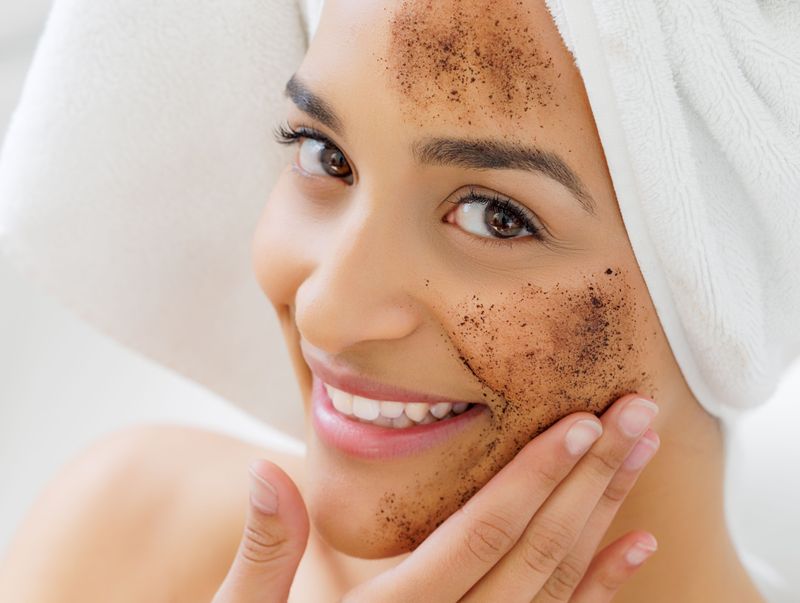
Exfoliating can feel like hitting a refresh button for your face.
Push that button too often, though, and your skin starts sending complaints.
Overdoing scrubs, acids, or cleansing brushes can leave skin red, dry, and tight.
It can also weaken the skin barrier, which is the outer layer that helps hold moisture in and keep irritants out.
When that barrier gets worn down, skin may turn flaky or extra sensitive.
Some people even notice a strange waxy shine that looks nothing like a healthy glow.
Here is a simple check you can use.
If your usual moisturizer suddenly stings, your skin may be asking for a break from exfoliating.
Most people do fine exfoliating a few times a week rather than daily, though skin types vary a lot.
Oily skin often handles more, while dry or sensitive skin usually prefers less.
Try picking one exfoliating product instead of stacking a scrub, a toner, and a serum that all do the same job.
Gentle cleansing and a plain moisturizer can carry the routine on the other days.
Your complexion has its own texture and tone worth showing off.
Letting it rest often makes that natural look easier to see.
2. Piling On Setting Powder
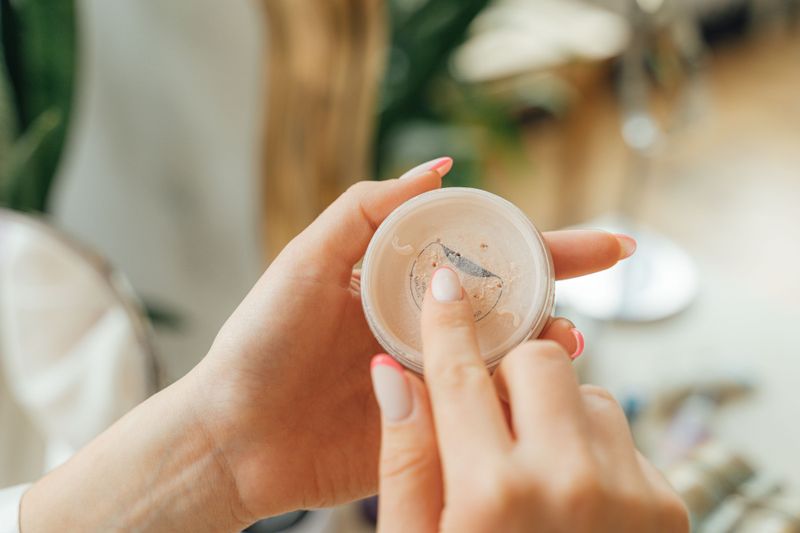
Powder is supposed to be the quiet finisher of a makeup look.
Too much of it, and suddenly it becomes the loudest thing on your face.
Heavy powder can make skin look chalky, flat, or almost like a mask.
It tends to settle into fine lines and dry patches, which makes those spots more noticeable instead of less.
Extra powder can also cling to pores and soak up the natural dimension your skin has.
The result can look a bit dusty in photos, especially with flash.
A lighter hand usually works better.
Tap your brush on the back of your hand before it touches your face, and you’ll lose much of the excess.
Another option is to powder only where you get shiny, like the forehead, nose, and chin.
Your cheeks can often skip it and keep a little life to them.
If you love a long-lasting look, try pressing a small amount in with a damp sponge rather than sweeping on layer after layer.
It sets things in place without building a crust.
Think of powder as a supporting actor.
It should help the show run smoothly, not grab the final bow.
3. Wearing Foundation Too Thick
Full coverage has its moments, like weddings or big photo shoots.
As an everyday habit, though, a thick layer can hide the very skin it’s meant to flatter.
Heavy foundation often settles into lines and creases as the day goes on.
That creates a cakey look that can read as stiff instead of fresh.
Spreading full coverage evenly over the whole face also erases natural variation.
Freckles, gentle flush, and real skin texture all disappear under one flat color.
One easy switch is to start in the center of your face and blend outward.
Most people need the most coverage around the nose and chin, with less toward the hairline.
You can also spot-treat instead of covering everything.
A light layer overall plus a dab of concealer where needed often looks more like skin.
Thin layers build better than one heavy coat.
If you want more coverage, add a second sheer layer only where it’s helpful.
Tinted moisturizers and skin tints are options if you prefer a lighter feel.
Whatever you pick, the goal is letting people see your face, not just your foundation.
4. Choosing the Wrong Foundation Shade
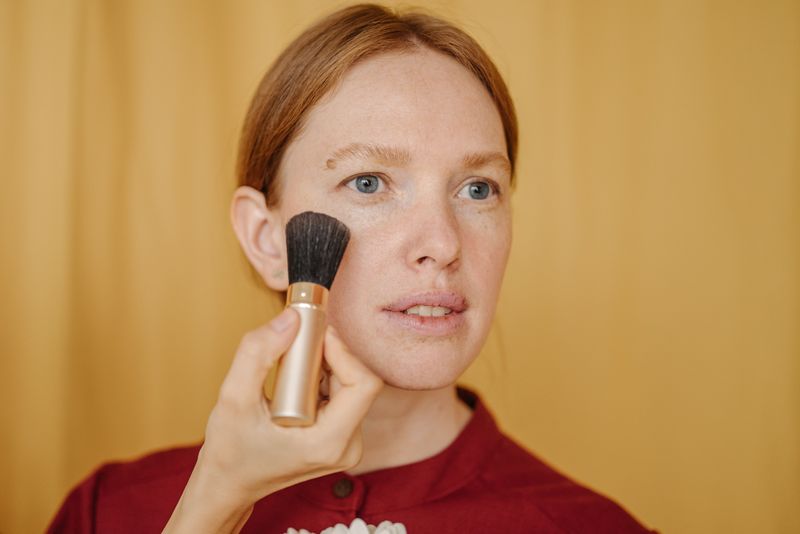
A jawline stripe is the classic giveaway.
One side is your face, the other is your neck, and they look like they’ve never met.
A foundation that’s too light can make skin look pale or ashy.
One that’s too dark or too warm can turn orange, which pulls focus away from your eyes and smile.
Undertone matters as much as depth.
Skin can lean cool, warm, or neutral, and a shade with the wrong undertone can look off even if the lightness seems right.
Testing makes a big difference.
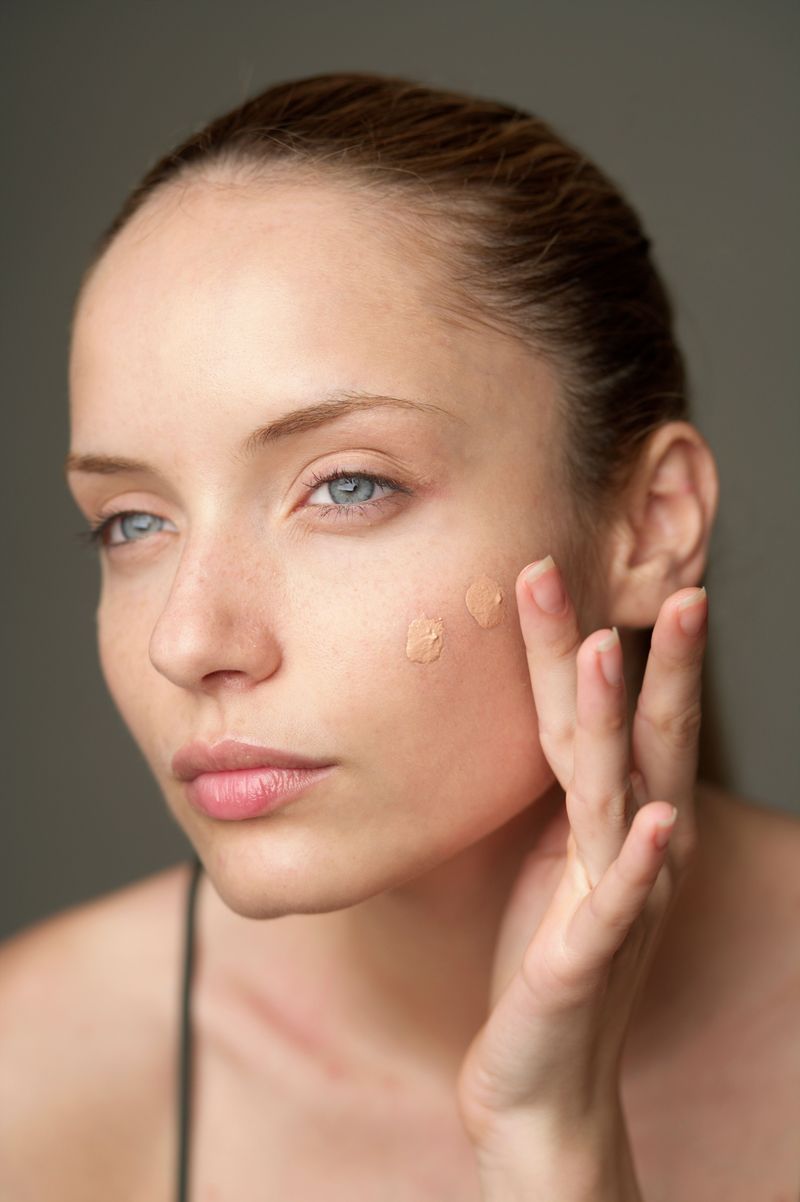
Swatch two or three shades along your jaw, not on your hand, since your hand is often a different color than your face.
Then step into natural daylight and check.
Store lighting can be harsh or yellow, which hides mistakes until you’re outside.
The right match should almost disappear on the skin.
If you have to hunt to see where you applied it, you’ve likely found your shade.
Skin can shift a little with the seasons, too.
Some people keep a lighter and darker option and mix them as needed through the year.
5. Heavy Liner on the Lower Lash Line
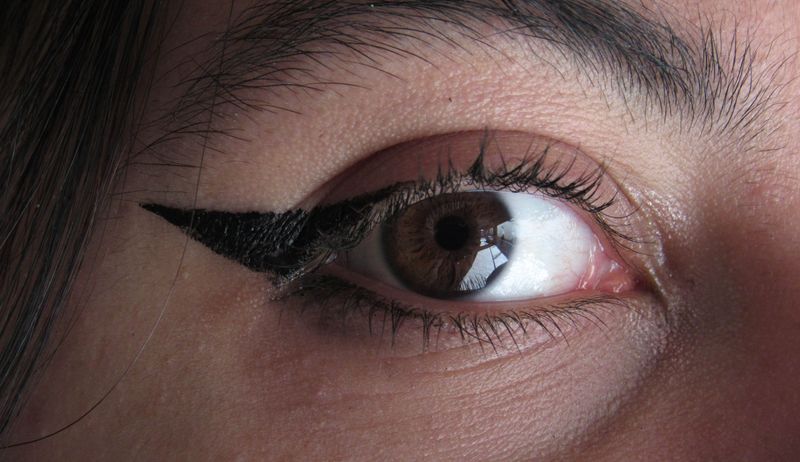
Dark liner on the waterline looked great in plenty of old music videos.
On a regular Tuesday, it can do some surprising things to your eyes.
A thick, dark line along the bottom can make eyes look smaller by closing them in.
It can also create a dragged-down effect and make under-eye shadows look deeper.
There’s a comfort issue as well.
Liner on the inner waterline can shed tiny particles into the tear film, which may lead to irritation, redness, blurry vision, or dryness.
Putting liner there also raises the chance of eye infections, especially if the pencil isn’t clean or sharpened.
Old eye products are worth tossing on a regular schedule.
If you love a defined look, try lining just the upper lashes instead.
You can softly smudge a brown or gray shadow under the outer corner for balance.
A nude or beige pencil on the waterline is another option some people like for a more open look.
Keep it outside the lash roots if your eyes feel sensitive.
Your natural eye shape deserves room to show.
Lighter definition lets the color of your eyes do the talking.
6. Overplucking or Ignoring Your Brows
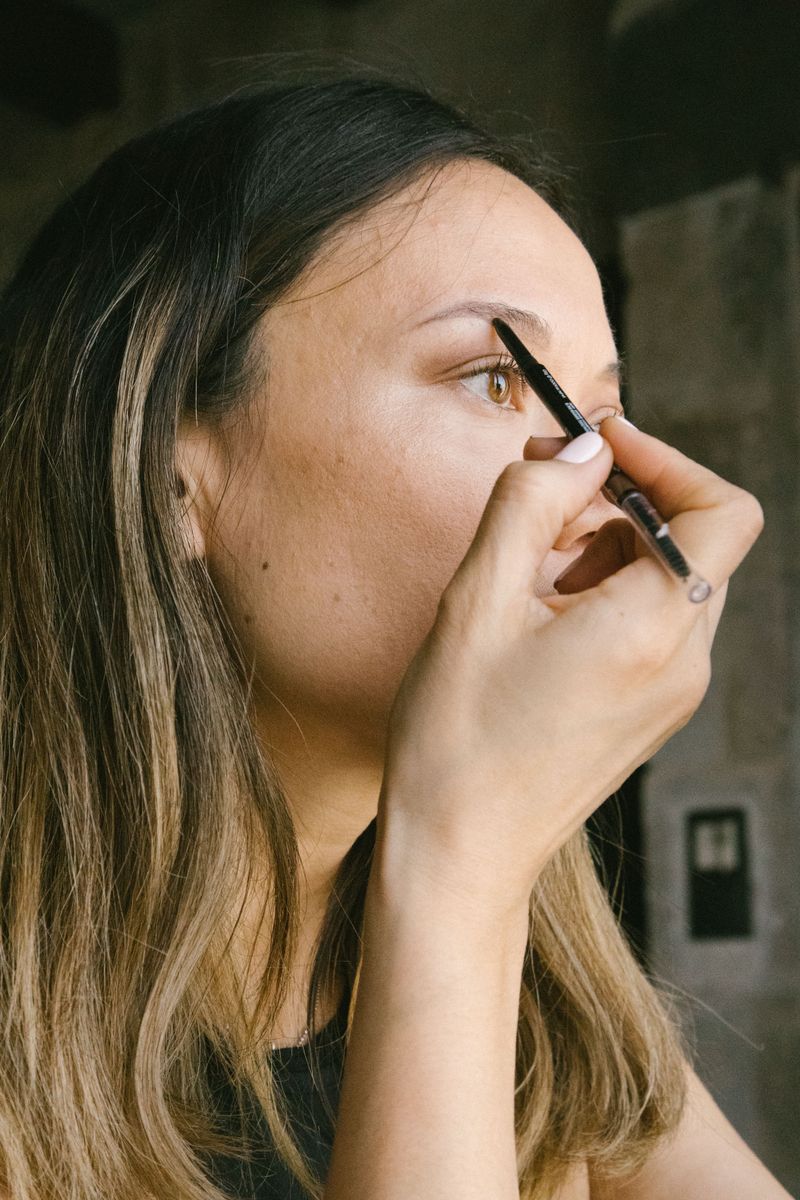
Brows are basically the picture frame of your face.
When the frame goes missing or gets messy, the whole picture feels a little off.
Overplucking can leave brows thin and sparse.
Since brows help shape expression, losing too much can make features look less defined.
Neglect causes a different problem.
Stray hairs and uneven shapes can draw attention in a way that pulls focus from your eyes.
Here’s a fun detail.
Brows often thin naturally over time, so faded brows can make a face look older than it feels.
A spoolie brush is a cheap and simple tool.
Brush hairs upward, then trim or tweeze only the obvious strays outside your natural shape.
Try to tweeze in good light and step back from the mirror often.
Magnifying mirrors make it easy to take far too much.
If you’ve overplucked, give the area some time to grow before reshaping.
A brow pencil or powder can fill gaps with light, hair-like strokes in the meantime.
Your brows don’t need to match a trend.
Following your own natural arch usually gives the most balanced result.
7. Lipstick That Fights Your Undertone
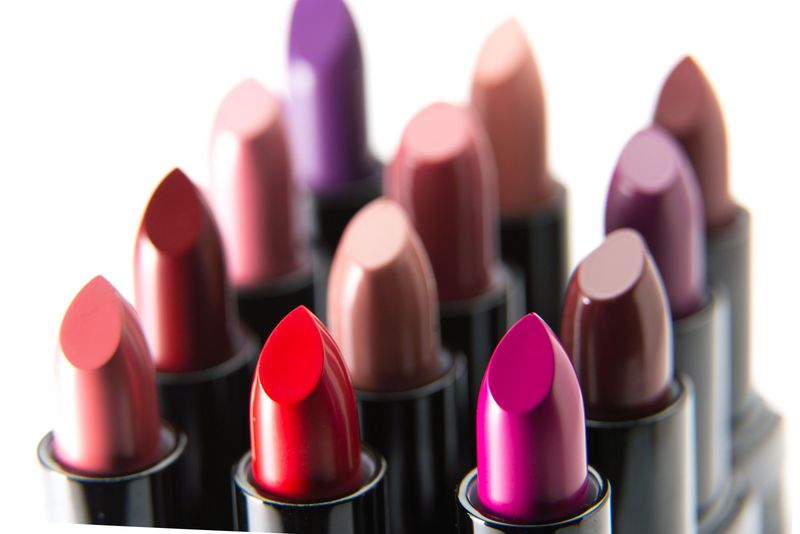
Lipstick is the fastest way to change a look in ten seconds.
Pick a shade that clashes, though, and those ten seconds can work against you.
A color that fights your undertone can make skin look washed out or tired.
Instead of brightening your face, the lips can seem to float on their own.
A quick undertone test helps.
Many people check the veins on their wrist, where bluish veins often point cool and greenish ones often point warm.
Cool undertones tend to pair well with berry, blue-based red, and rosy pink shades.
Warm undertones often look lovely in coral, brick, and orange-based reds.
Neutral undertones get a little lucky.
They can usually move between both families without much trouble.
These are guidelines, not laws, and personal taste counts.
If a shade makes you happy, that matters a lot.
Testing on your lips works far better than swatching on your arm.
Look in daylight and see whether your skin looks brighter or duller next to the color.
The best lipstick should feel like your face turned up the volume.
If it feels like a costume, keep shopping.
8. Too Much Heat Styling
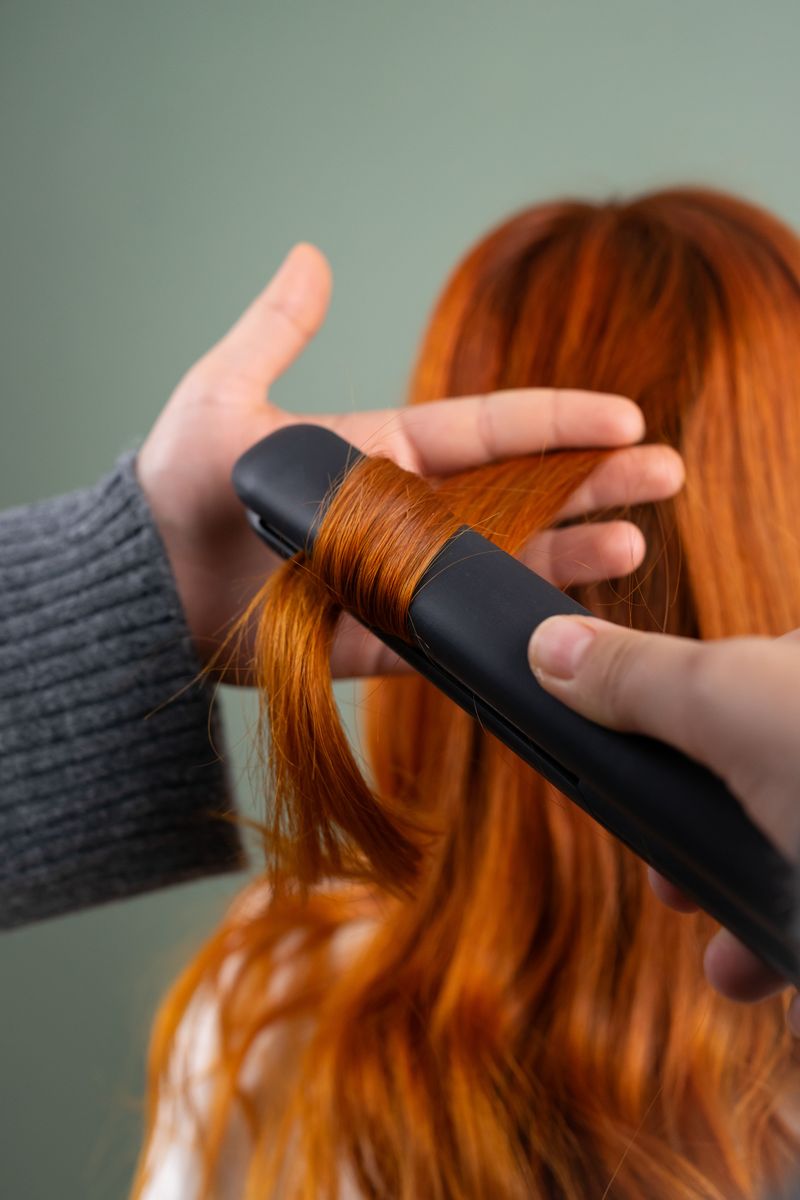
Flat irons and curling wands can make hair look polished in minutes.
Used daily without care, they can slowly cook away the shine you were hoping for.
Frequent high heat can strip moisture from hair.
Over time, that may lead to dryness, frizz, split ends, breakage, and a dull look.
Hair also loses some natural stretch when it gets damaged.
That makes it snap more easily during brushing or styling.
A heat protectant spray before styling is an easy habit to add.
Turning your tool’s temperature down a notch can help, too.
Letting hair air-dry partway before blow-drying cuts down heat time.
You can also give hair a few heat-free days each week.
Heatless curls have become popular for good reason.
Braids, twists, or a soft robe tie overnight can create waves without any hot tools.
Natural texture is worth getting to know.
Curls, waves, and straight strands each have their own movement that styling sometimes hides.
Trimming split ends regularly keeps damage from traveling up the hair.
Healthy hair with natural bounce often catches the eye more than a perfectly flat style.
9. Hair Color That Clashes With Your Skin
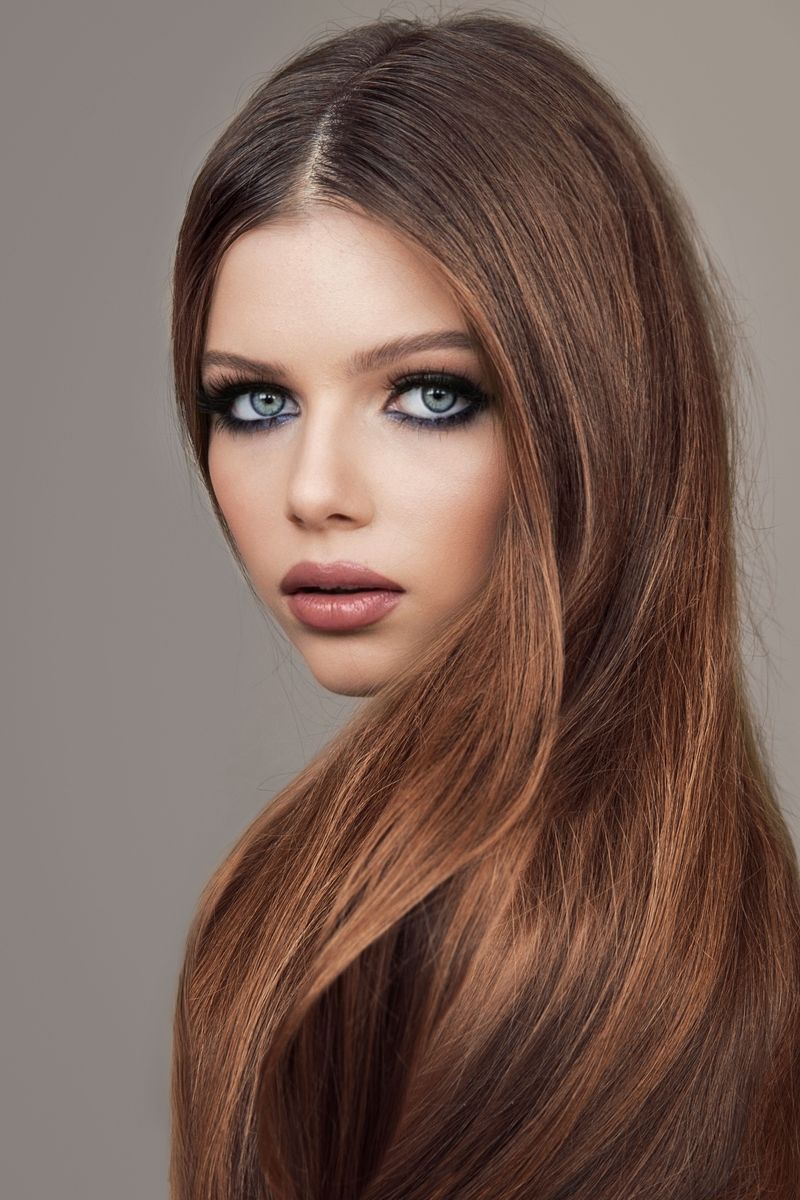
A bold new hair color can feel like a fresh start.
Sometimes, though, the mirror shows a face that suddenly looks a little gray.
Hair color that fights your undertone can make skin look sallow or washed out.
Certain shades can even bring out redness or a greenish cast.
The trick is matching warmth with warmth or coolness with coolness.
Warm skin often glows with golden, copper, or honey tones.
Cool skin tends to look bright with ash, platinum, or cool brown shades.
Neutral skin usually has a wider range to play with.
Holding color swatches next to your face at the salon helps.
A good colorist can also adjust a shade with toner to soften brassy or flat results.
Not ready to commit?
Try a semi-permanent color, a gloss, or a few face-framing pieces before going all in.
Your eyebrows matter here, too.
A huge jump away from your brow color can look striking, which is great if that’s your goal.
Bright pink or blue hair can absolutely look amazing.
The key is choosing the shade, rather than letting it accidentally choose your complexion.
10. Going to Bed in Makeup
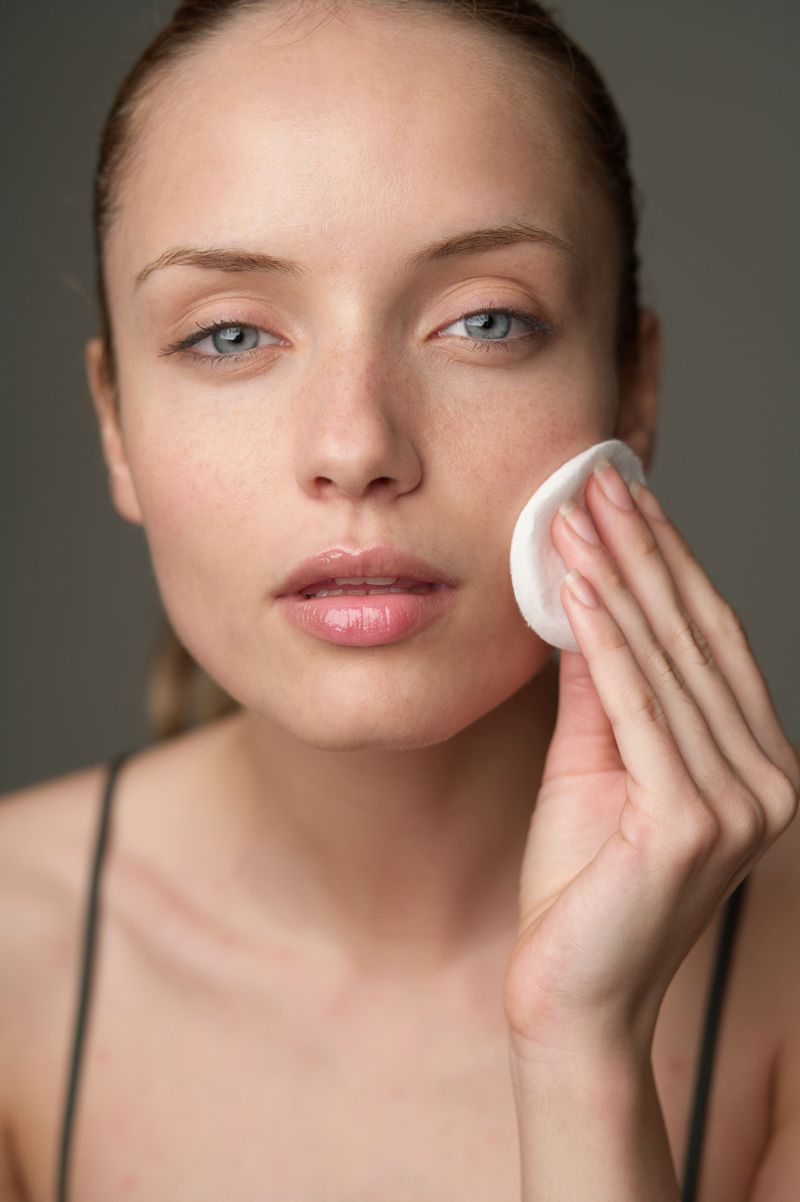
After a long night, your pillow can look far more inviting than your sink.
Still, skipping makeup removal is one habit your skin tends to remember.
Makeup left on overnight can clog pores.
That can lead to breakouts, irritation, and a dull look by morning.
Your lashes can suffer as well.
Mascara left on for hours can turn brittle, and rubbing your eyes on the pillow may lead to lash loss.
The fix doesn’t need to be complicated.
Keep cleansing wipes or micellar water on your nightstand for nights when energy is low.
Wipes aren’t a perfect replacement for washing, but they beat doing nothing.
On regular nights, a gentle cleanser works well for most skin.
Waterproof mascara usually needs an oil-based remover.
Hold a soaked pad on your lashes for a few seconds rather than scrubbing.
Some people like double cleansing, with an oil or balm first and a water-based cleanser after.
It’s an option, not a requirement.
Bare skin overnight gives your face a clean slate.
Waking up with clearer skin means less makeup is needed to cover things the next day.
11. Misplaced or Harsh Blush
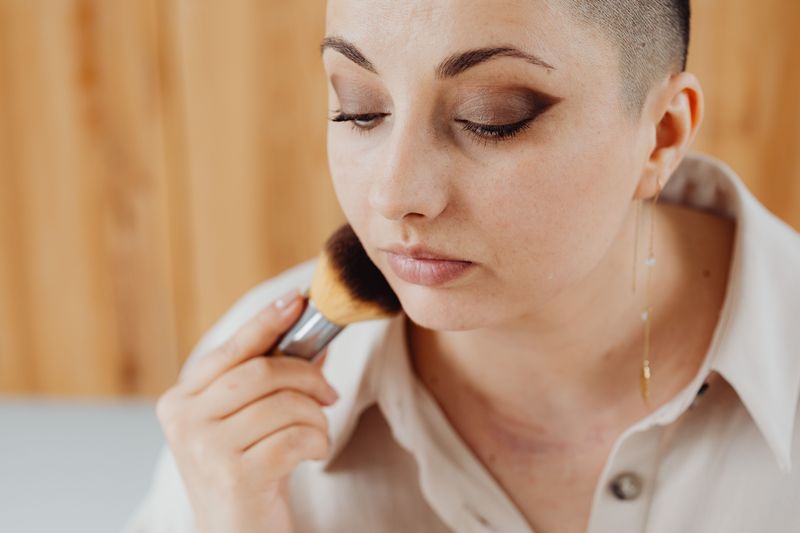
A pinch of pink can make you look like you just came back from a brisk walk.
Put it in the wrong spot, and it can look more like a circus poster.
Blush placed too low can visually pull features downward.
Too much product or a harsh shade can look clownish instead of fresh.
Unblended edges are another giveaway.
A stripe of color with a clear border rarely looks like a natural flush.
Many makeup artists start blush on the apples of the cheeks and sweep it up toward the temples.
That placement tends to give a lifted look.
Smile lightly to find your apples, then blend upward as your face relaxes.
Keep the color away from the nose for a softer finish.
Shade choice helps, too.
Peachy tones often suit warmer skin, while rosy pinks tend to flatter cooler skin.
Cream blush melts into skin nicely for a dewy look.
Powder blush can be easier to control if you have oily skin.
Start with less than you think you need.
Building color slowly keeps your natural cheek shape in charge.
12. Overdoing Concealer
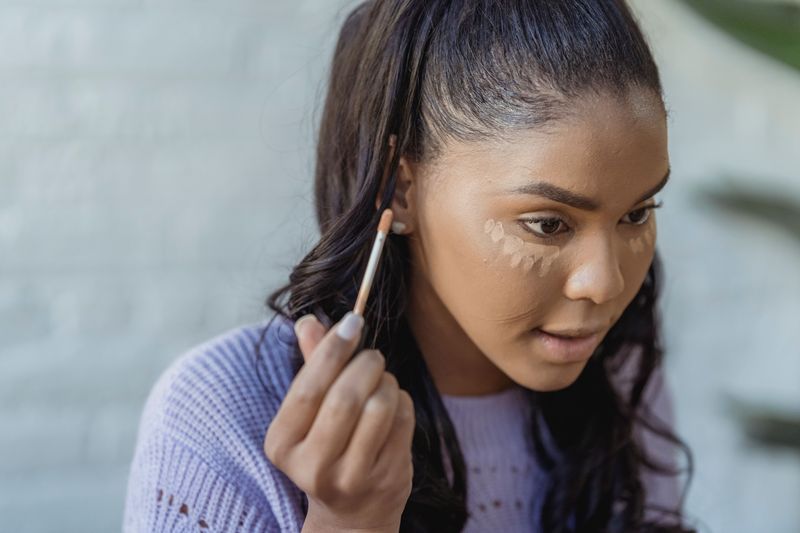
Ironically, concealer can end up revealing the exact thing you tried to hide.
Funny how that works.
Too much concealer can crease into fine lines and form cakey patches.
Instead of hiding a blemish, a thick blob can make it look raised and obvious.
Shade matters a lot.
The wrong tone can look gray, pink, or orange once blended, which spotlights the spot.
For under-eyes, many people go just slightly lighter than their foundation.
For blemishes, an exact match usually blends in better.
Tap concealer on with your ring finger or a small brush.
Tapping moves less product than rubbing, so the coverage stays where you want it.
A tiny dot often does the job.
Let it sit for a few seconds to warm up, then blend only the edges.
Color correctors can help with very dark circles or redness.
Peach tones can cancel bluish shadows, and green tones can calm red spots.
A thin layer under the eyes also keeps creasing down.
Smile in the mirror after applying, since that shows where product might settle during the day.
13. Skipping the Blending Step
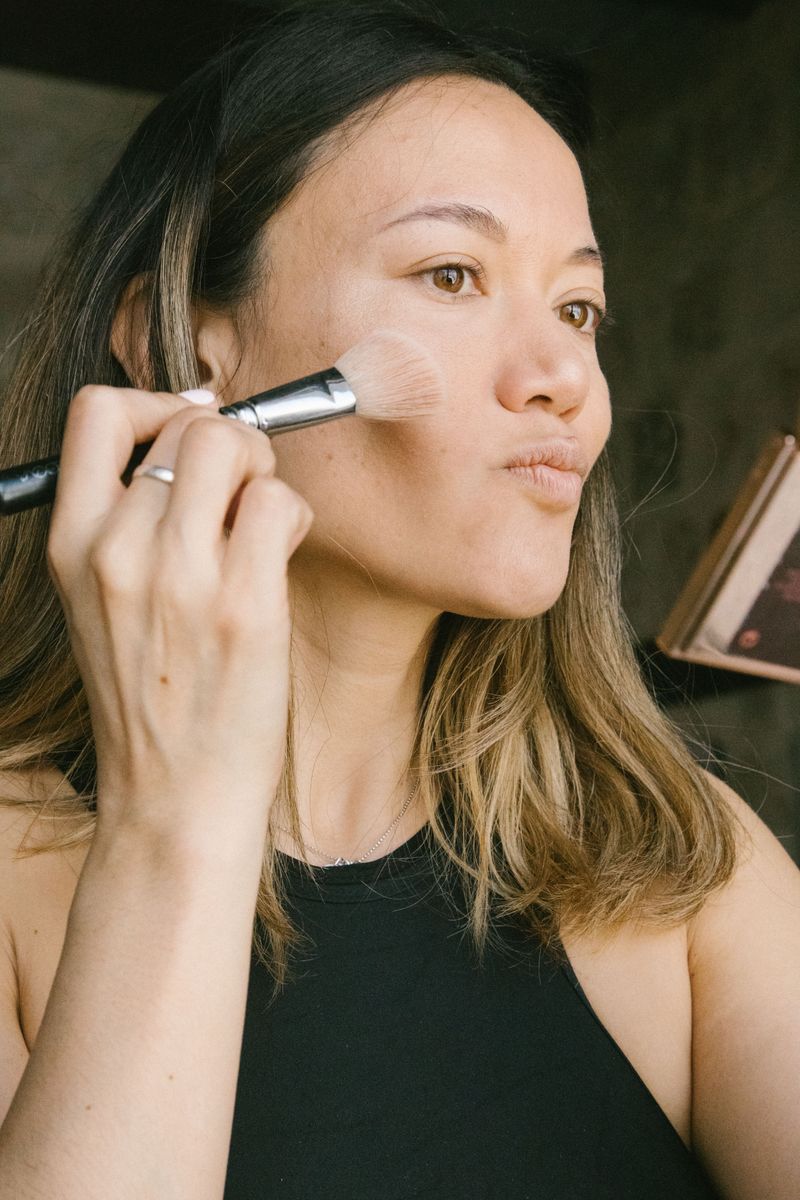
Blending is the least glamorous step in makeup.
Skip it, and the results get noticed fast.
Foundation that stops at the jaw can leave a harsh line.
That two-toned look between face and neck is one of the most common makeup giveaways.
The same goes for blush, contour, and eyeshadow.
Hard edges and patchy spots make makeup look painted on instead of part of your face.
A damp makeup sponge is one handy tool for this.
It presses product into the skin and softens edges with a bouncing motion.
Blend foundation slightly down your neck and toward your ears.
Check your hairline, too, since product often collects there.
For eyeshadow, a clean fluffy brush works well.
Use small circles or windshield-wiper strokes to blur the outer edge.
Here’s a quick test anyone can use.
Look at your face in a hand mirror by a window, and any unblended spots will jump out.
Good blending makes makeup look like skin, cheekbones, and shadows that belong to you.
That’s what lets your real features stay front and center.
14. Rushing Your Self-Tanner

Nobody wants to explain why their knuckles are two shades darker than their arms.
Self-tanner mistakes can be surprisingly chatty.
Skipping skin prep or applying too much product can cause streaks and splotches.
Dry spots like elbows, knees, ankles, and knuckles tend to grab extra color.
Those patches can give an orange or artificial look.
Suddenly, people notice the tan more than you.
Exfoliating a day before helps the color go on evenly.
Right before applying, put a little moisturizer on the dry areas.
A tanning mitt keeps your palms from turning orange.
Use light, sweeping motions and wash your hands after if you skip the mitt.
Starting with a gradual tanner is an easy way to practice.
It builds color slowly, which leaves more room for small mistakes.
Self-tanner is still a safer pick than sunbathing or tanning beds.
Tanning from UV rays damages skin and can lead to wrinkles, early aging, and a leathery texture over time.
Your natural skin tone looks great on its own.
If you do tan, a shade or two deeper usually looks the most like you.