 MomSkoop
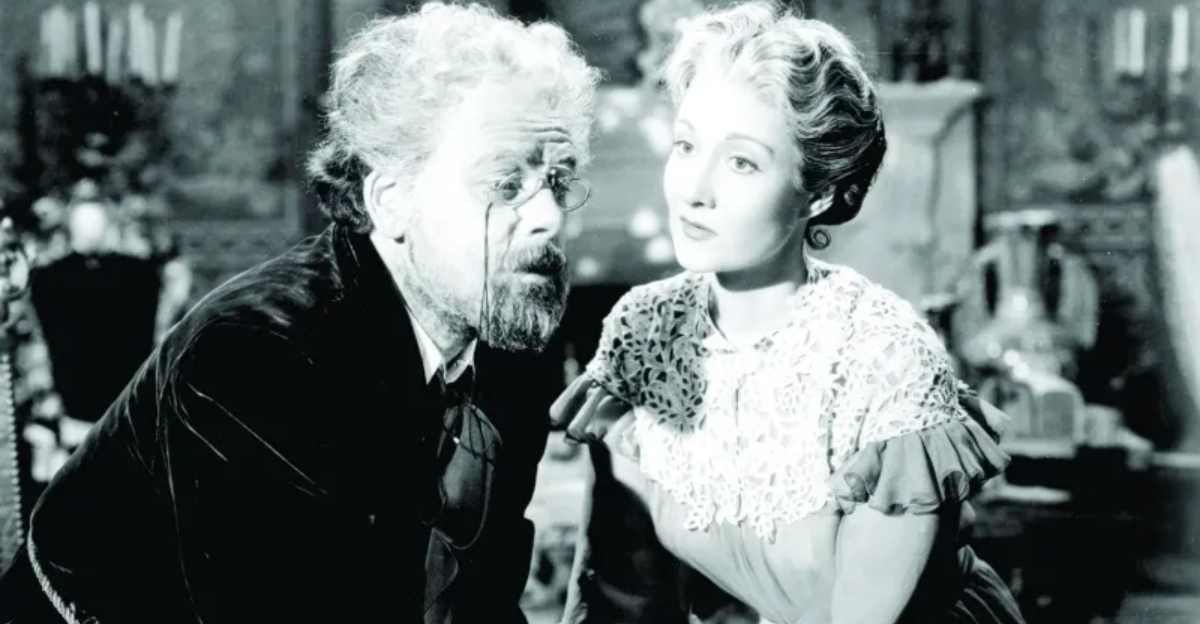
Some Oscar winners fade from the conversation not because they are bad, but because newer classics take up all the oxygen. That is exactly why revisiting these Best Picture champions can feel so rewarding.
You may remember the titles, the posters, or the debates, yet forget how much craft, emotion, and ambition they actually deliver. If you are ready to look past reputation and rediscover greatness, these films deserve another shot.
1. Cimarron (1931)
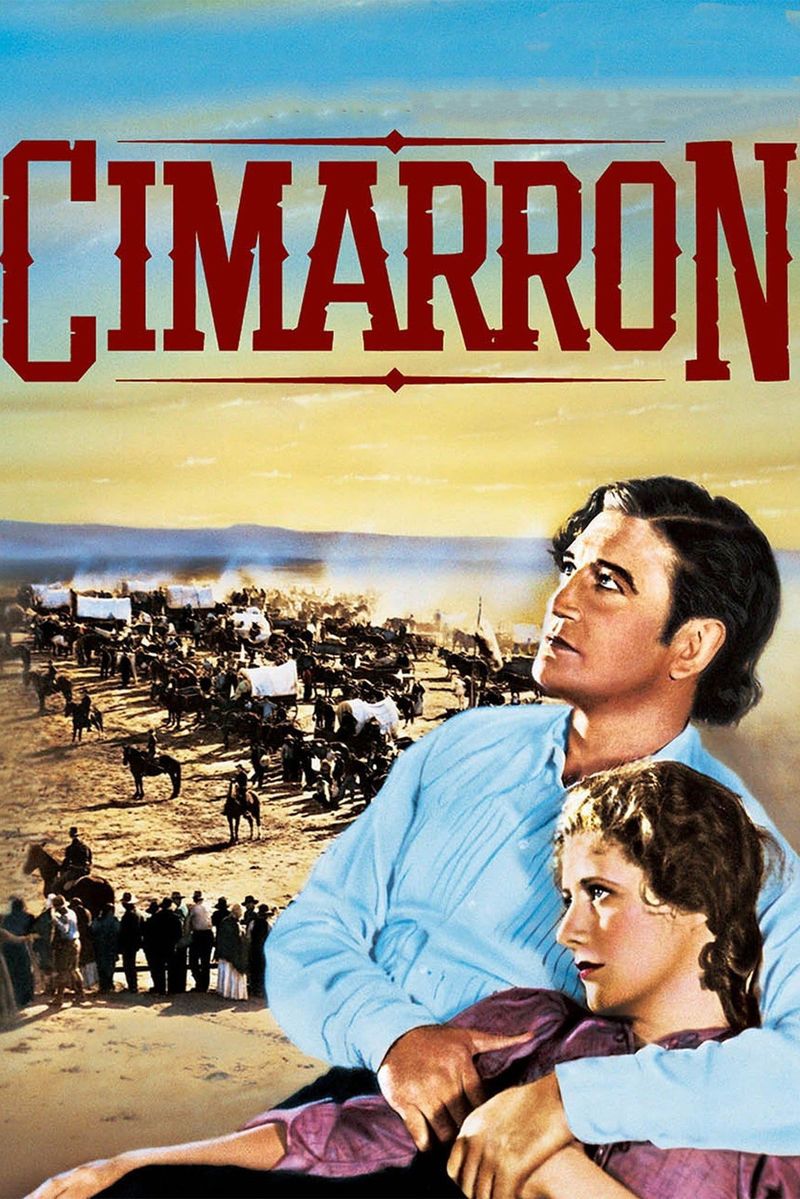
When people talk about early Best Picture winners, Cimarron rarely gets much love, but it is more ambitious than its reputation suggests.
The film throws you into the Oklahoma land rush with real scale, energy, and a sense that American history is being mythologized in real time.
Even now, that opening carries surprising force.
What stayed with me most is how restless the movie feels, always reaching for something larger than a simple frontier romance.
It tackles expansion, journalism, politics, and marriage with genuine sweep.
Yes, parts feel dated, but its boldness still matters, and you can see Hollywood learning how to build an epic before your eyes.
2. The Great Ziegfeld (1936)
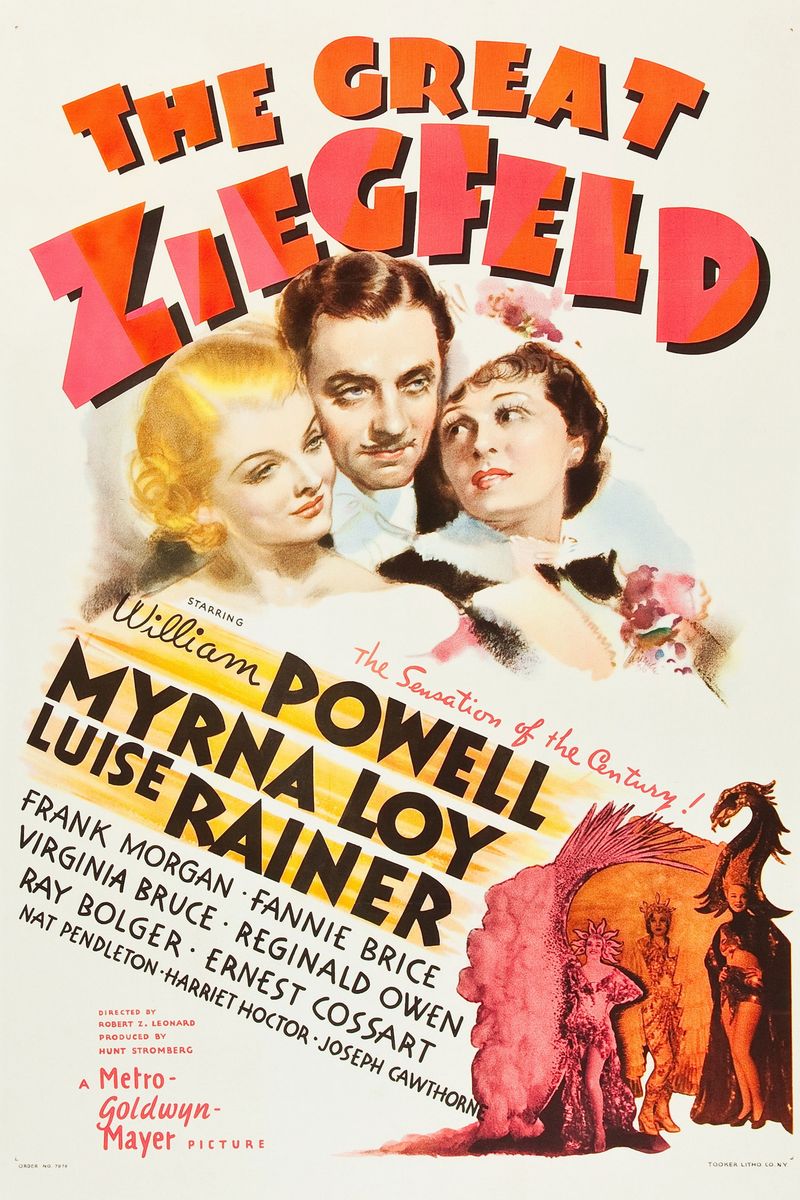
The Great Ziegfeld is easy to dismiss as a relic, yet that dismissal overlooks how intoxicating its showmanship can be.
This is old Hollywood excess delivered with a completely straight face, and if you surrender to that, the movie becomes a lot of fun.
Its scale alone feels like a statement.
I think the best way to watch it is as a portrait of ambition dressed up as a musical pageant.
William Powell gives the story a steady center, while the production numbers offer pure studio era spectacle.
Some scenes drag by modern standards, but the film captures the glamour machine in full operation, and that has its own undeniable thrill.
3. The Life of Emile Zola (1937)
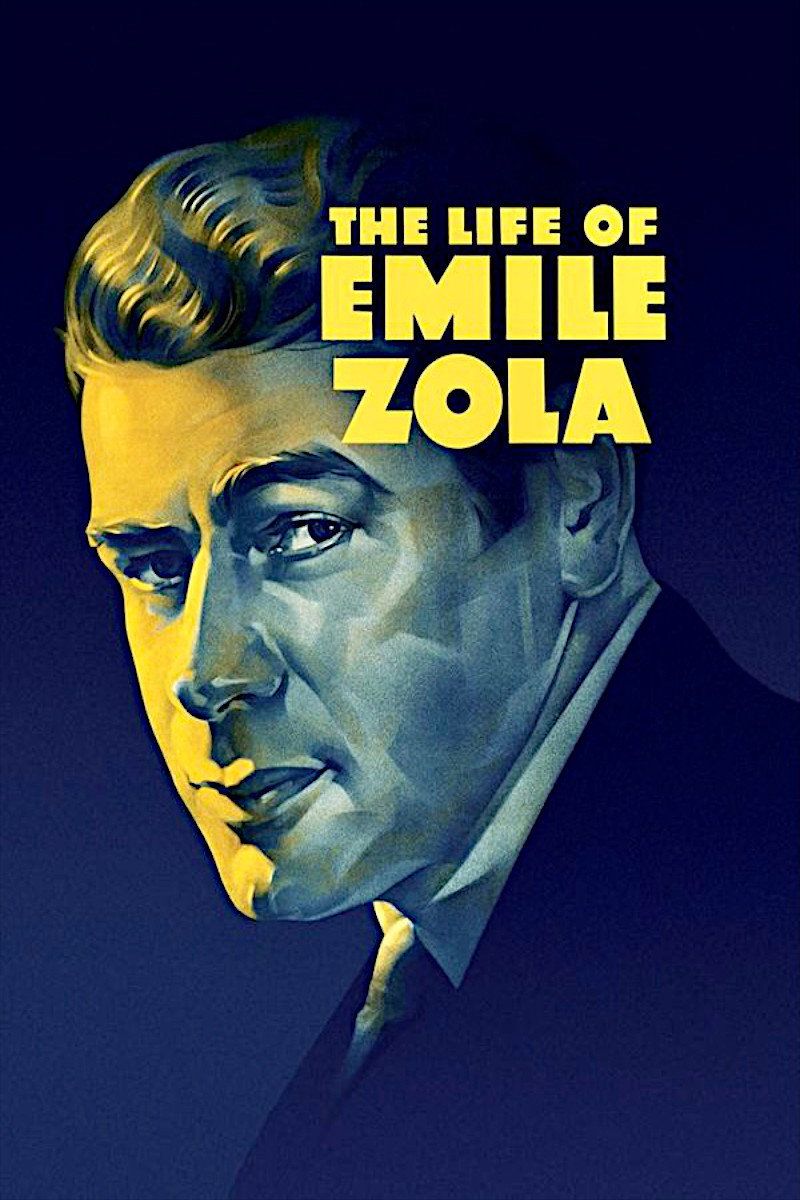
The Life of Emile Zola does not get mentioned much today, which is surprising because it still plays as a sharp, stirring defense of truth.
Beneath the prestigious surface, the film has real urgency, especially once it moves into the Dreyfus affair.
You can feel its anger at cowardice and institutional cruelty.
What impressed me most is how clearly it connects writing, conscience, and public responsibility.
Paul Muni gives Zola a forceful presence without turning him into a saint, which helps the drama breathe.
The movie is polished in that classic studio way, but it is never bloodless, and its belief that words can challenge power still lands with striking conviction today.
4. How Green Was My Valley (1941)
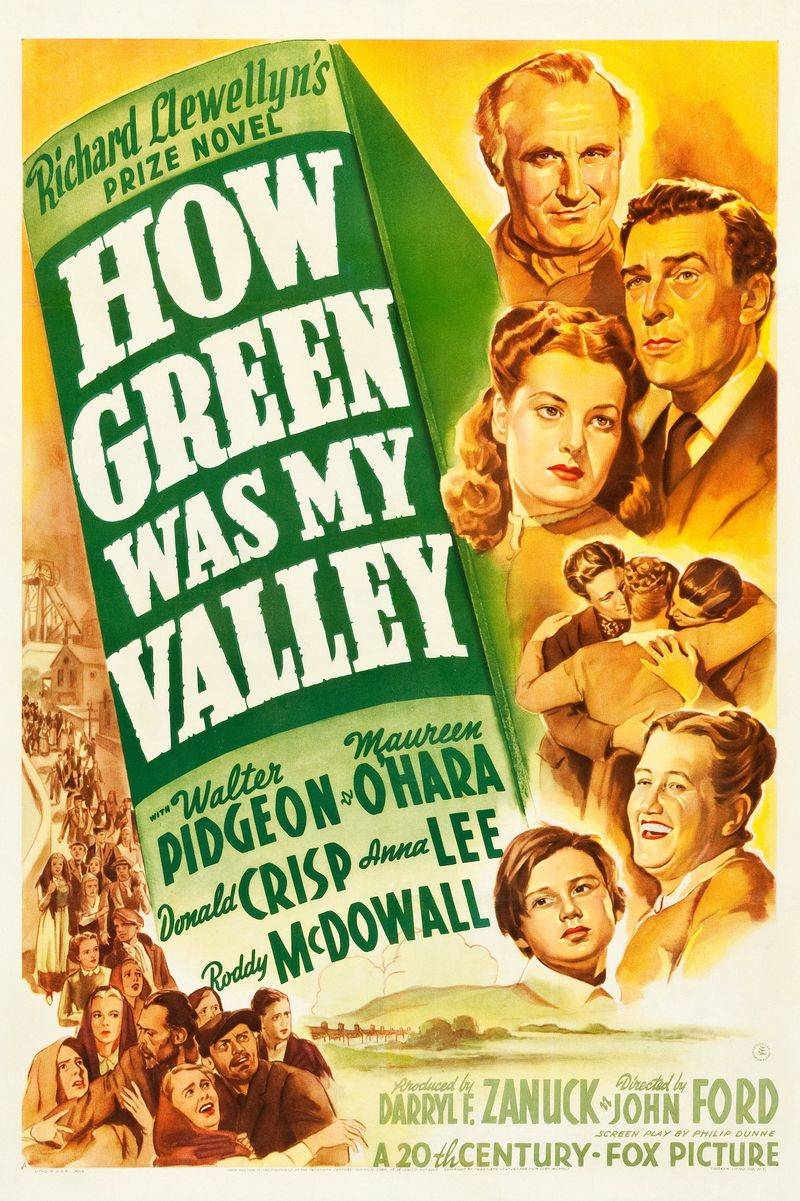
How Green Was My Valley is forever framed by the fact that it beat Citizen Kane, but that argument can overshadow what makes it beautiful.
John Ford creates a memory piece that feels tender, mournful, and deeply human.
From the first scenes, you sense a world already slipping into the past.
I love how the film turns a family story into something almost mythic without losing emotional intimacy.
The performances are heartfelt, the village setting feels fully lived in, and the melancholy sneaks up on you.
If you stop treating it like an Oscar punchline, you may find a moving meditation on work, community, and the ache of remembering a vanished home.
5. The Greatest Show on Earth (1952)
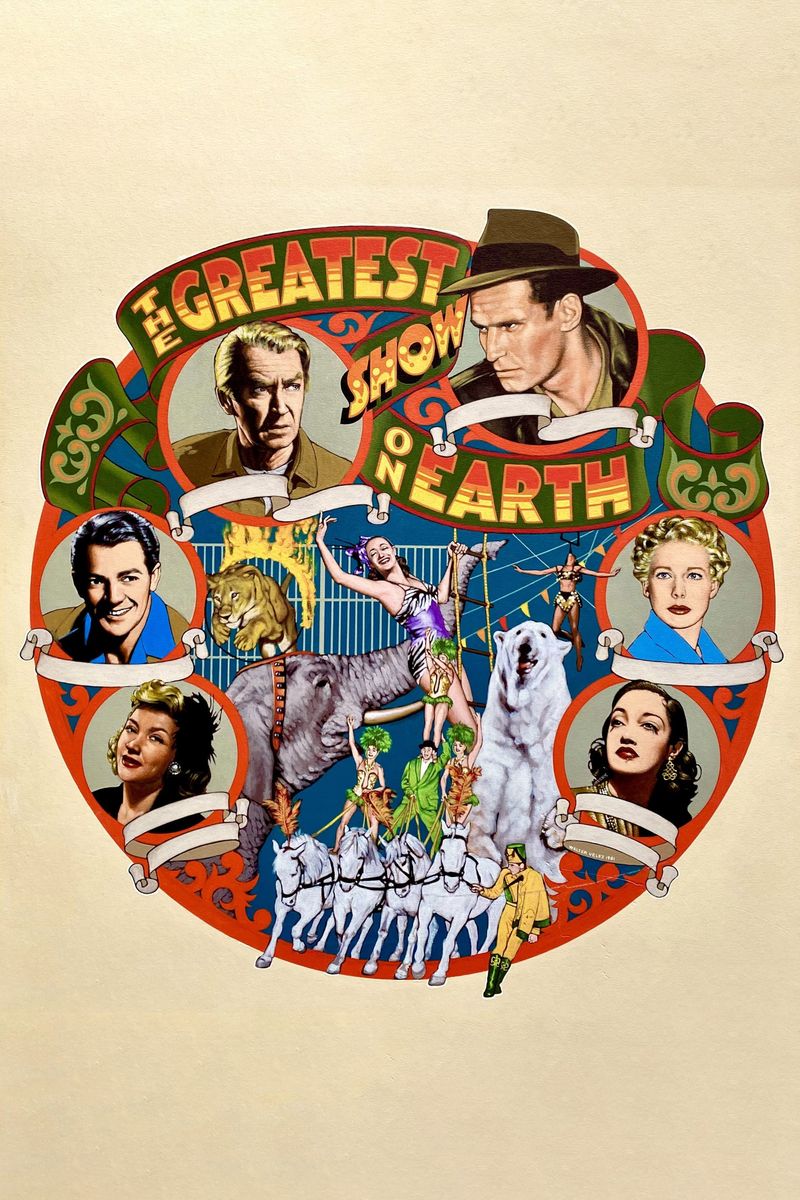
The Greatest Show on Earth has spent decades being called one of the wrongest Best Picture winners, but it is more entertaining than that reputation allows.
Cecil B.
DeMille gives you a full circus universe, packed with color, danger, and logistical madness.
Even when it is corny, it is rarely boring.
What worked for me is the way the movie blends spectacle with backstage anxiety and rivalry.
You are not just watching acts under the big top, you are seeing the machinery needed to keep the illusion alive.
The storytelling can be broad, but the film understands performance as labor, and its train wreck sequence still hits with astonishing old school craftsmanship.
6. Marty (1955)
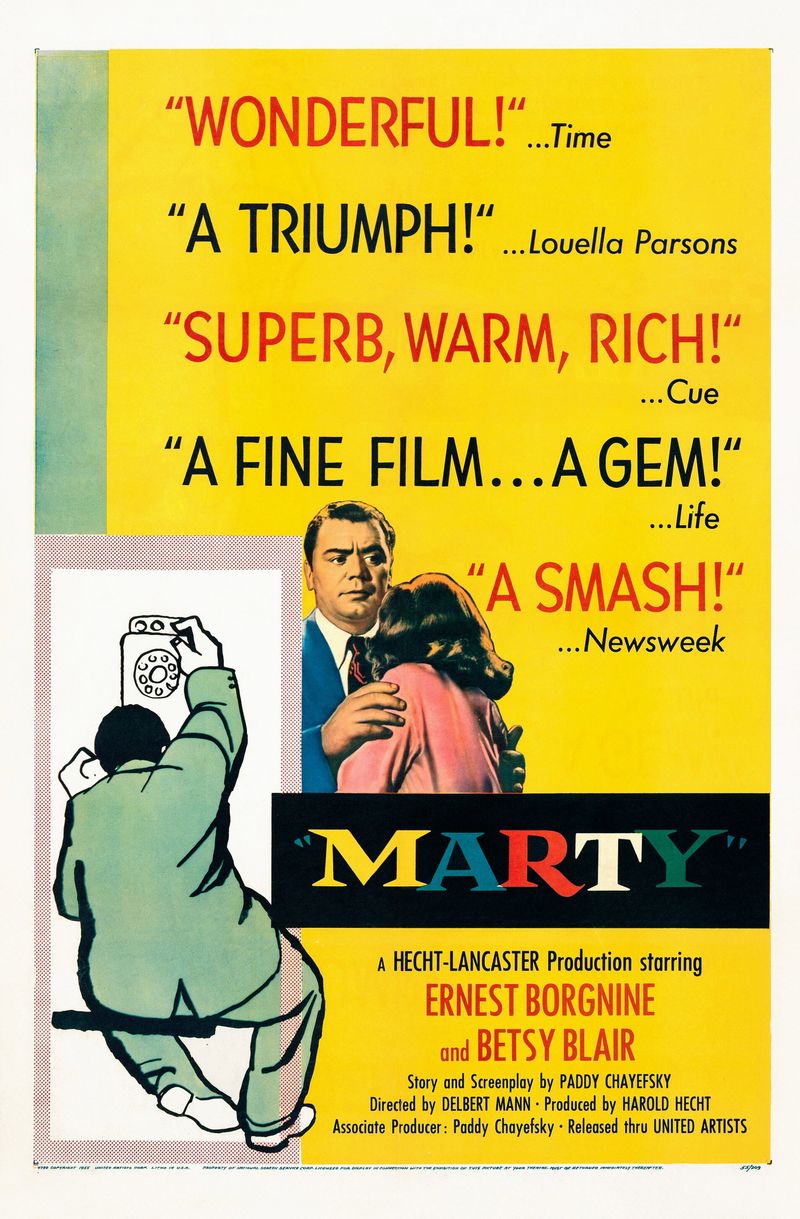
Marty is the kind of Best Picture winner people forget because it is so modest, but that modesty is exactly its power.
Instead of grand gestures, it gives you ordinary loneliness, family pressure, and the fragile hope of connection.
The result feels startlingly honest, even now.
Ernest Borgnine makes Marty vulnerable without asking for pity, and that balance is what makes the film so affecting.
I think anyone who has ever felt overlooked will recognize something real in its quiet heartbreak and tentative romance.
The movie moves quickly, speaks plainly, and trusts small moments to matter, which is why it still lands harder than many bigger, louder winners from the same era.
7. Tom Jones (1963)
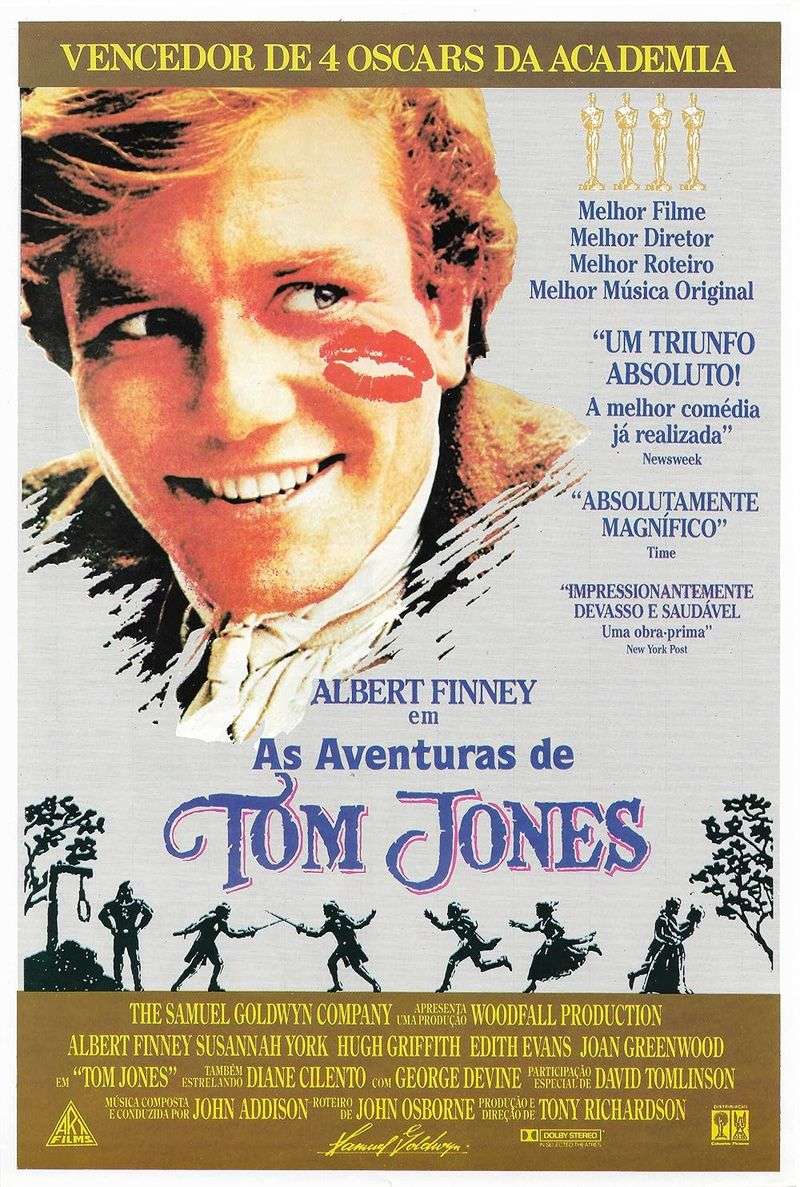
Tom Jones can feel almost shockingly modern in its attitude, which helps explain why it deserves more affection today.
The film is rowdy, cheeky, and stylistically playful in ways many prestige winners never dare to be.
It wants to entertain you first, and that confidence is part of the charm.
I was surprised by how alive it feels, from the direct comic energy to the irreverent pacing that keeps nudging the period setting off balance.
Albert Finney gives the title character a roguish appeal that makes the chaos easy to follow.
Not every joke lands, but the movie’s sense of fun is infectious, and its refusal to act stuffy makes it much easier to revisit than expected.
8. A Man for All Seasons (1966)
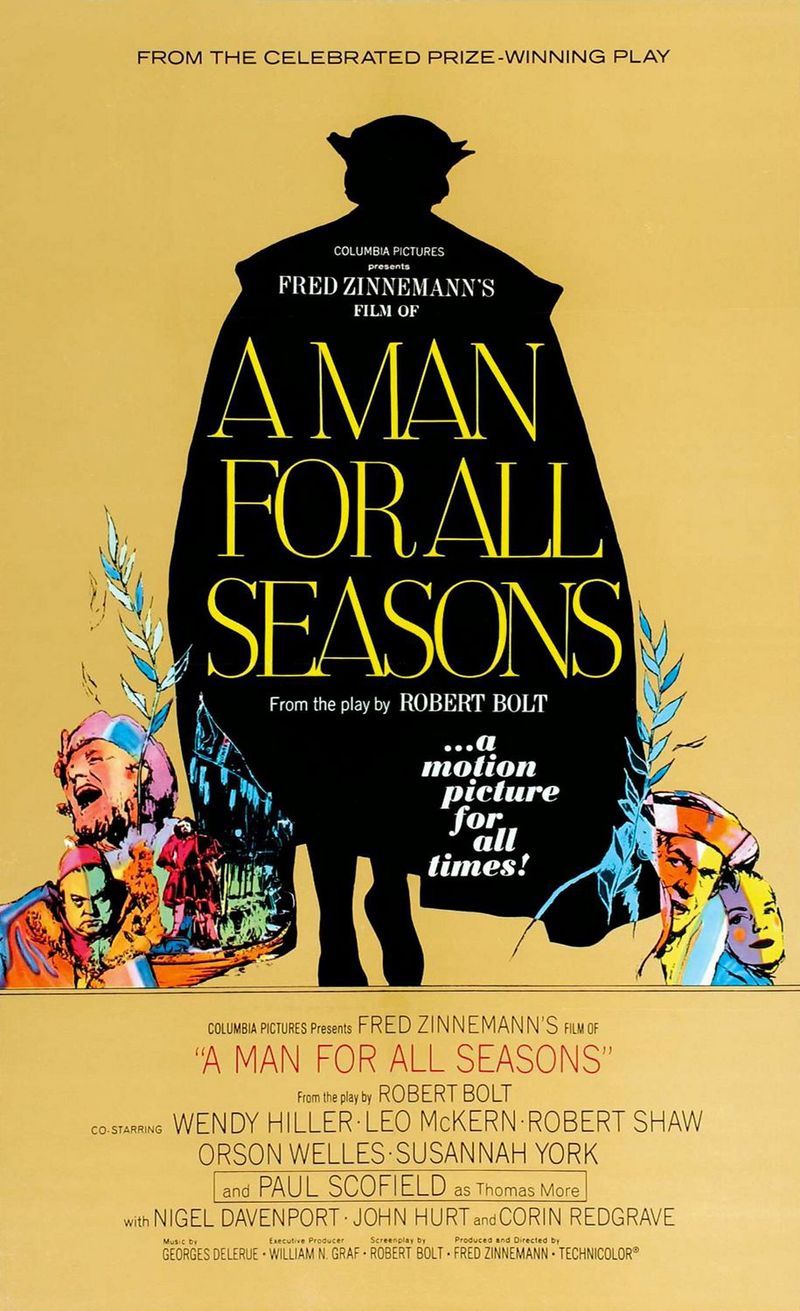
A Man for All Seasons has the reputation of a respectable classroom movie, but it is far more gripping than that label suggests.
The film turns conscience into suspense, asking what a person will protect when power closes in from every side.
Its calm surface hides real moral intensity.
Paul Scofield anchors the story with intelligence and quiet steel, never needing grand theatrics to command attention.
I admire how the screenplay makes legal and religious conflict feel personal, urgent, and deeply dangerous.
The movie is beautifully composed, but it never becomes museum glass, because every conversation carries the pressure of compromise, and that makes its portrait of integrity feel bracingly alive rather than dutiful.
9. Ordinary People (1980)
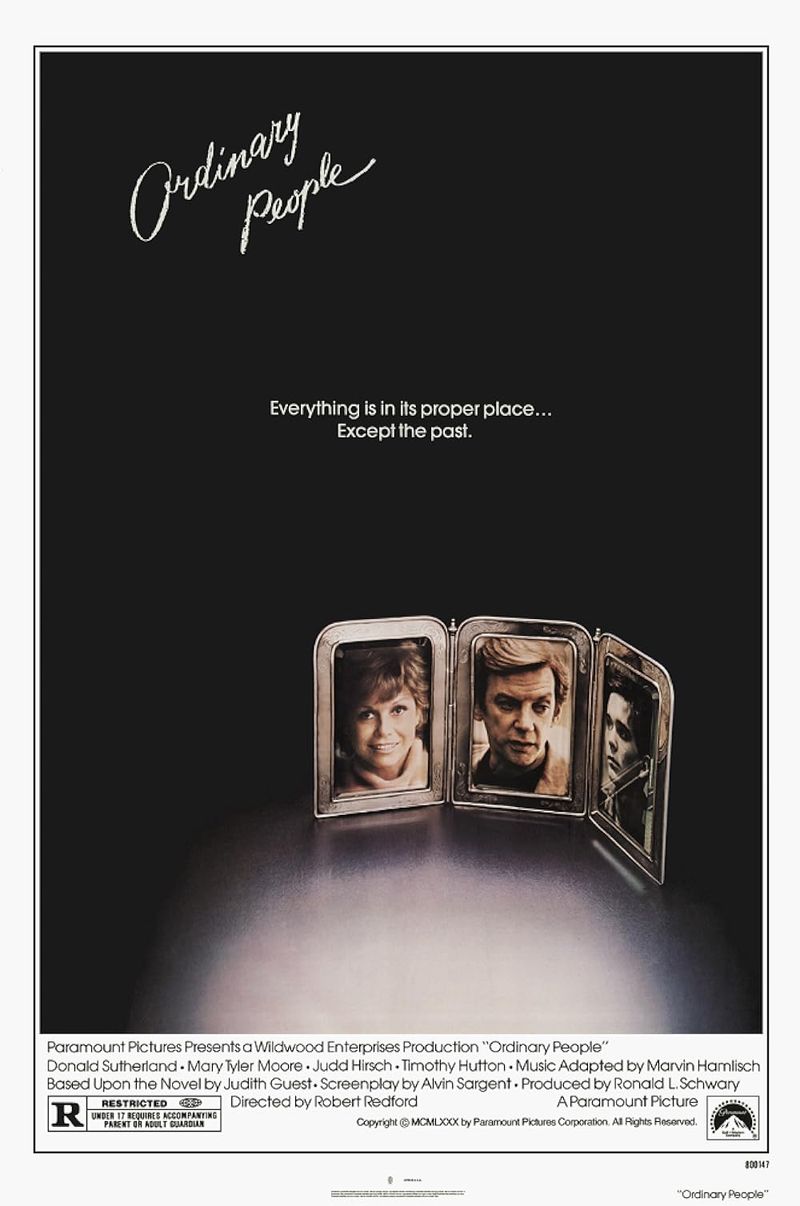
Ordinary People is sometimes reduced to the movie that beat Raging Bull, but that comparison misses how devastatingly precise it is.
Robert Redford directs with unusual restraint, letting grief, guilt, and emotional distance gather weight scene by scene.
Nothing is overstated, which makes everything hurt more.
What gets me every time is the way the film understands family as both shelter and pressure chamber.
Timothy Hutton, Mary Tyler Moore, and Donald Sutherland create dynamics that feel painfully recognizable, especially when love cannot bridge unspoken wounds.
It is not flashy, and maybe that is why people underrate it, but its honesty about depression, blame, and survival remains piercing in a way many louder dramas never achieve.
10. Chariots of Fire (1981)
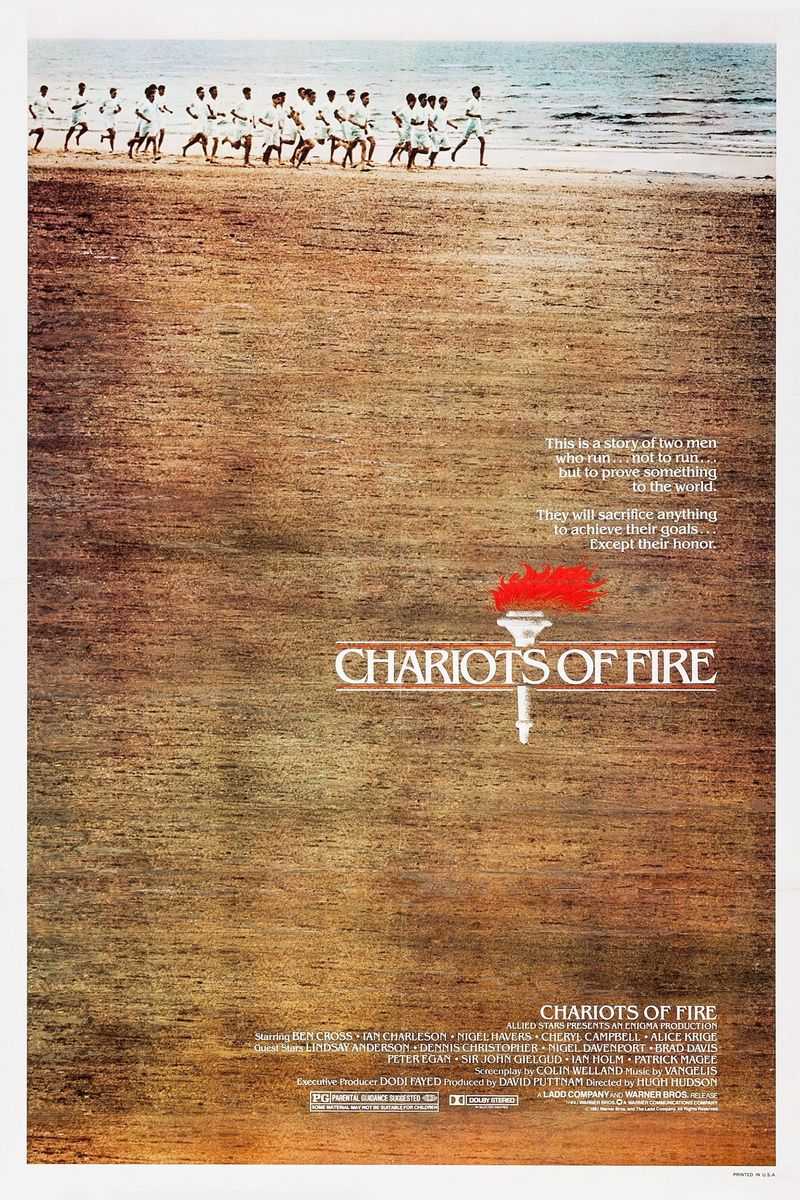
Chariots of Fire is often remembered for its score before anything else, which undersells the film itself.
Beyond the iconic music, this is a thoughtful drama about conviction, identity, and the different meanings people attach to competition.
It is quieter and smarter than its pop culture image suggests.
I especially like how the movie refuses to turn both runners into the same kind of hero.
One chases validation within an elite system, while the other sees running through faith and principle, and that tension gives the story real shape.
The period detail is elegant without feeling stiff, and the emotional payoff works because the film takes inner conflict just as seriously as athletic achievement.
11. Out of Africa (1985)
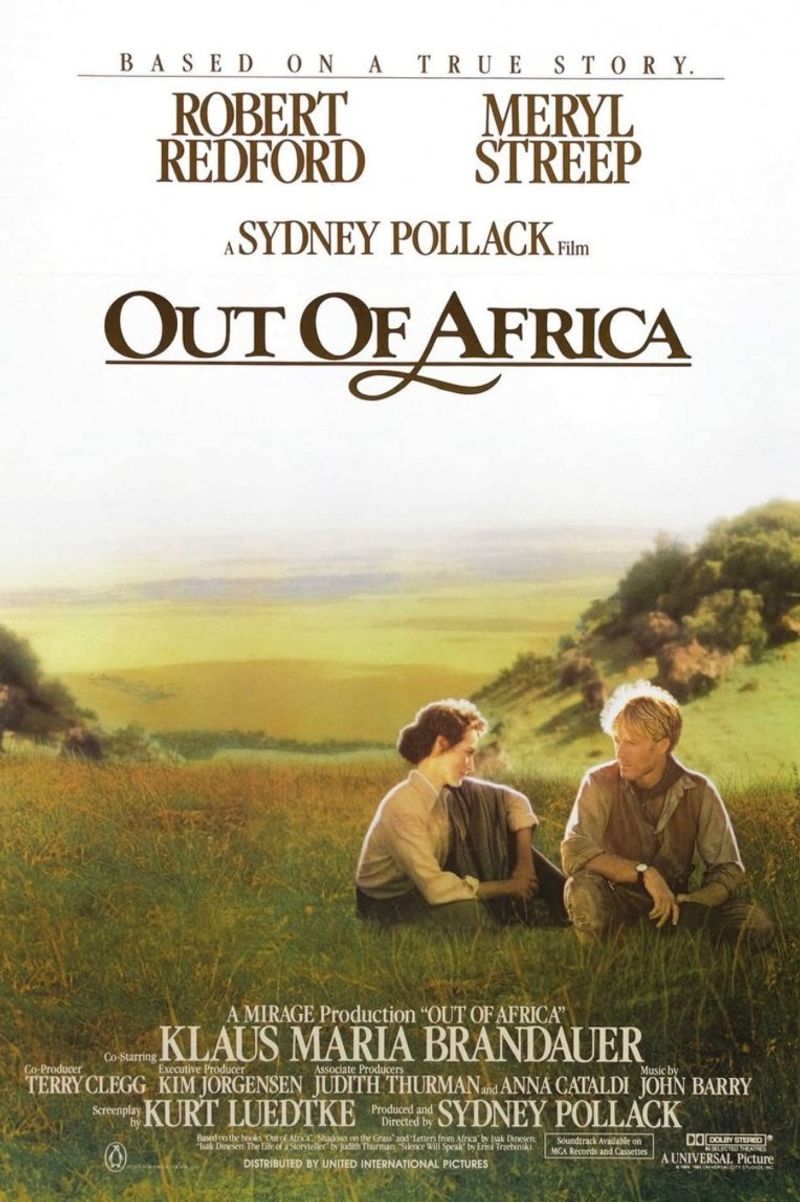
Out of Africa gets dismissed as a handsome but sleepy prestige romance, yet there is more texture in it than that summary allows.
The film understands longing as something tied to place, memory, and impossible ideas of freedom.
Its beauty is not empty decoration, because the landscape shapes every emotion.
Meryl Streep and Robert Redford give the story a magnetic push and pull that feels wistful rather than conventionally melodramatic.
I think the movie works best when you let its rhythms wash over you instead of demanding constant plot movement.
It is about attachment, self invention, and loss on a grand canvas, and the combination of visual sweep and emotional resignation becomes surprisingly haunting.
12. The Last Emperor (1987)
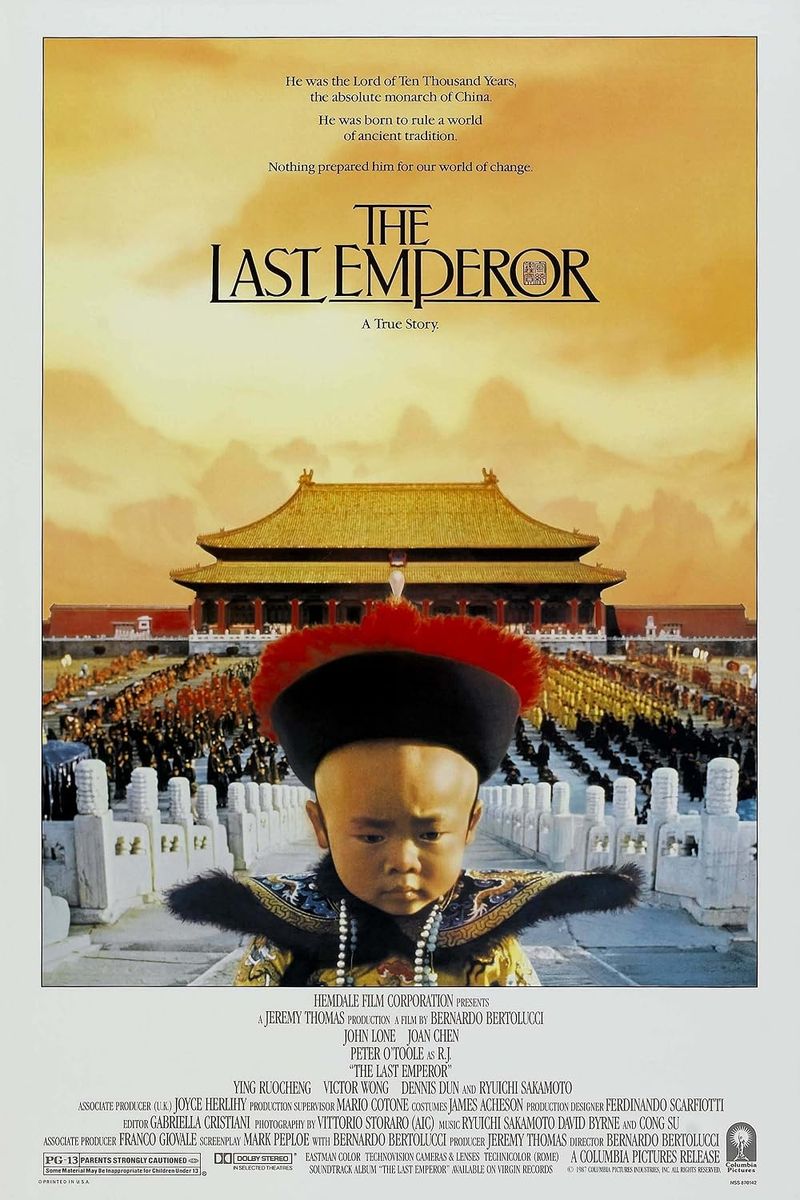
The Last Emperor is one of those Oscar winners people vaguely remember as impressive, but not necessarily involving.
Watching it again, I was struck by how intimate it feels beneath the enormous production values.
Bernardo Bertolucci uses scale not to dwarf the character, but to show a life trapped inside history.
The story of Pu Yi becomes moving because it never treats power as freedom.
Every palace corridor, political shift, and personal humiliation reinforces the idea that status can be its own prison.
The visuals are magnificent, of course, but the movie is not just a museum of beauty.
It is a melancholy portrait of identity being rewritten again and again by forces too large to resist.
13. The English Patient (1996)
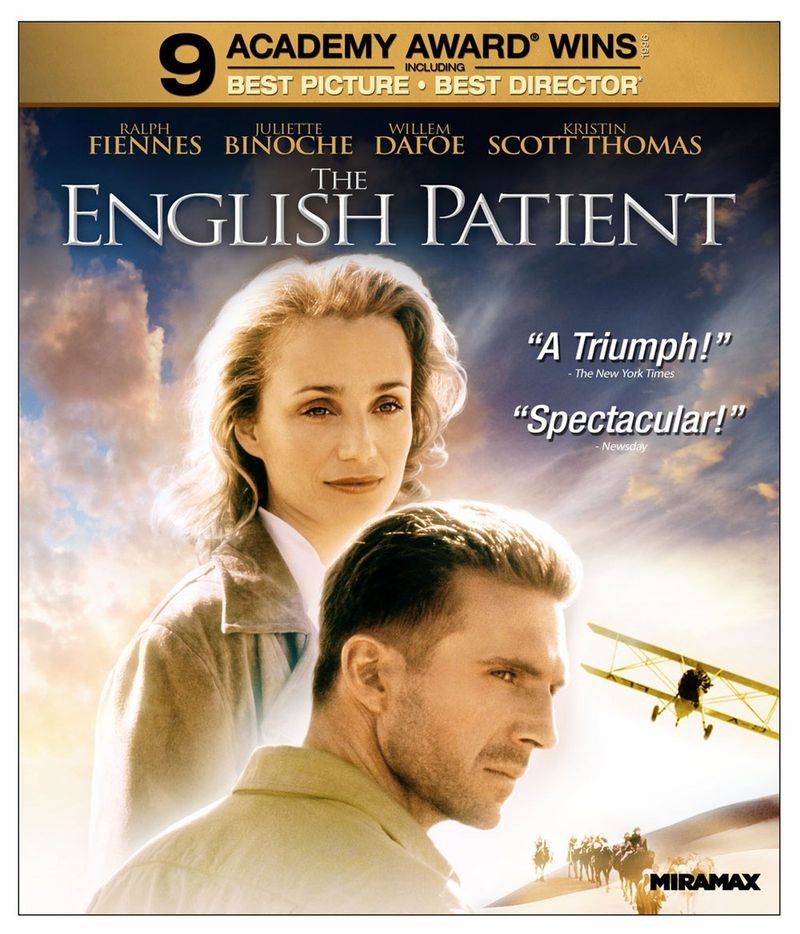
The English Patient has become shorthand for a certain kind of awards season seriousness, but the backlash often ignores how fully realized it is.
This is a lush, fractured romance built around memory, regret, and the damage desire can leave behind.
If you meet it on its own terms, it can be overwhelming.
I think the film’s structure is a big reason it still works, because the past keeps intruding with the same force it has over the characters.
Ralph Fiennes, Kristin Scott Thomas, and Juliette Binoche give the story emotional density that matches its visual grandeur.
Yes, it is unabashedly sweeping, but its ache feels personal, and that combination makes the film much richer than its caricature.
14. The Artist (2011)
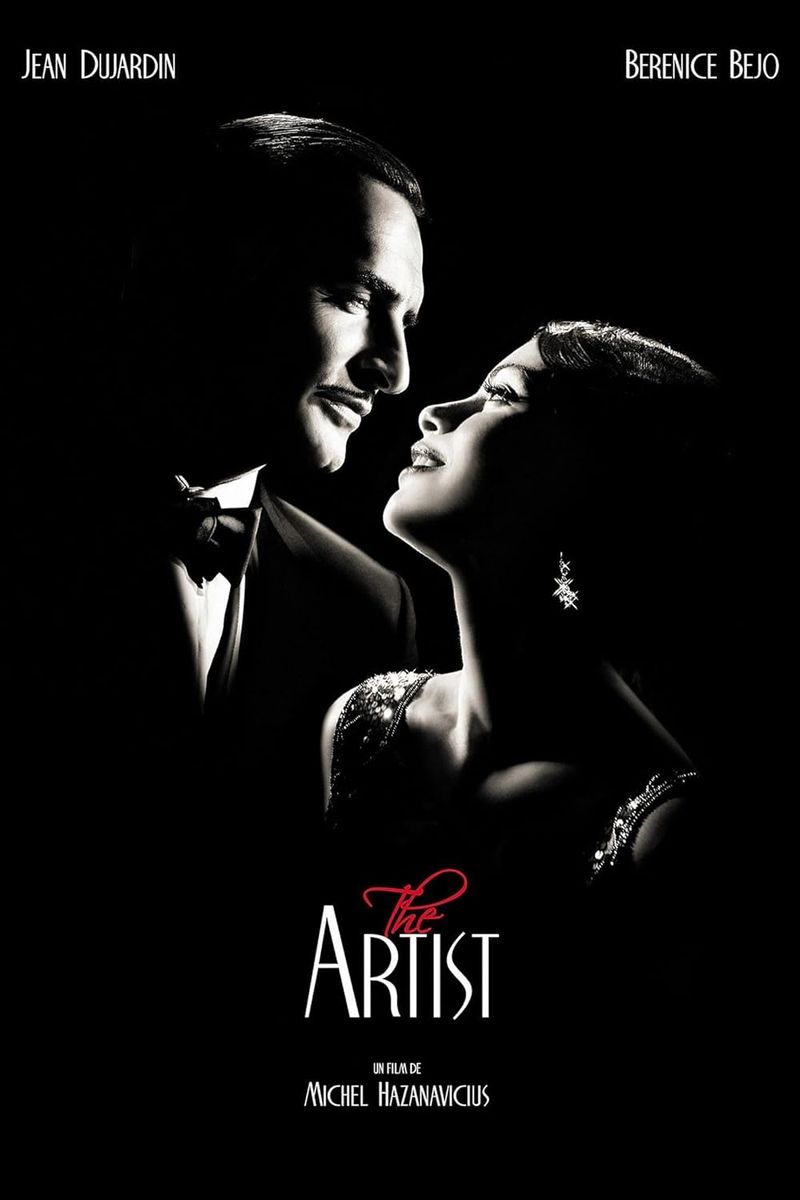
The Artist was everywhere for a moment, then almost immediately became easy to shrug off, which is a little unfair.
What could have been a gimmick instead turns into a genuinely heartfelt love letter to performance, image, and reinvention.
It is playful on the surface, but there is real melancholy underneath.
Jean Dujardin carries the movie with physical charisma that makes the silent form feel fresh rather than imitative.
I enjoy how the film invites you to think about cinema history without ever becoming homework.
Its emotional beats are broad, yes, yet they are delivered with such craft and affection that the movie wins you over.
Rewatch it now, and its elegance feels more earned than trendy.