 MomSkoop
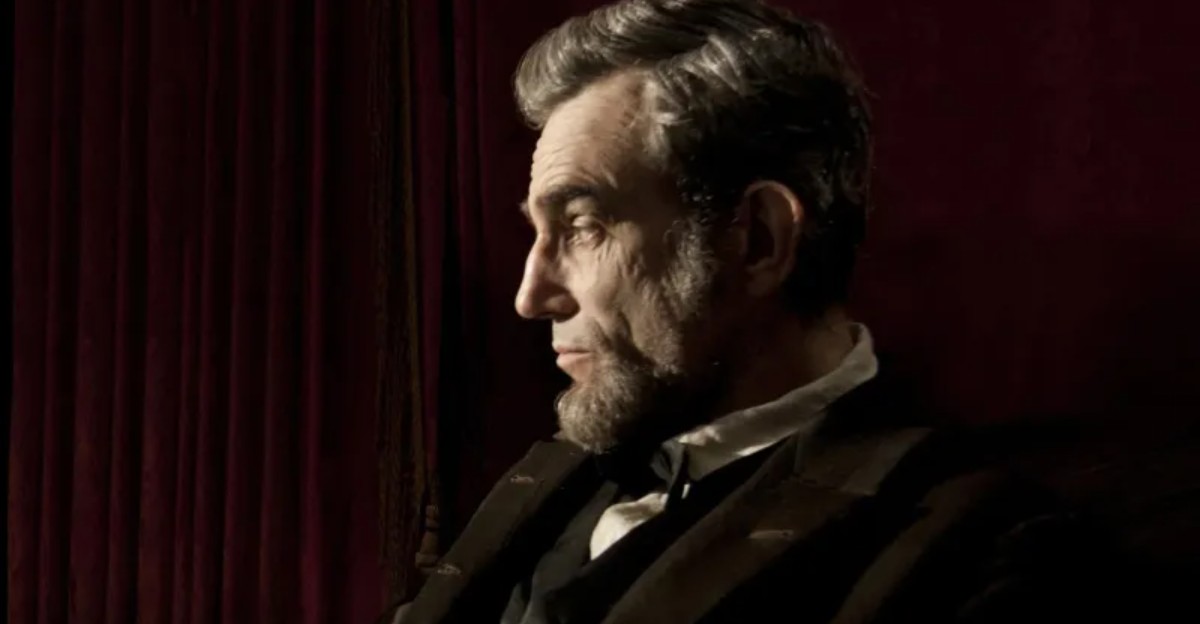
Movies about real events can feel like time machines. Some of them stick closely to what actually happened, even when they add a little drama.
Here are fourteen films that respect the facts while still telling gripping stories. Grab some popcorn and see which ones you want to watch next.
1. Apollo 13 (1995)
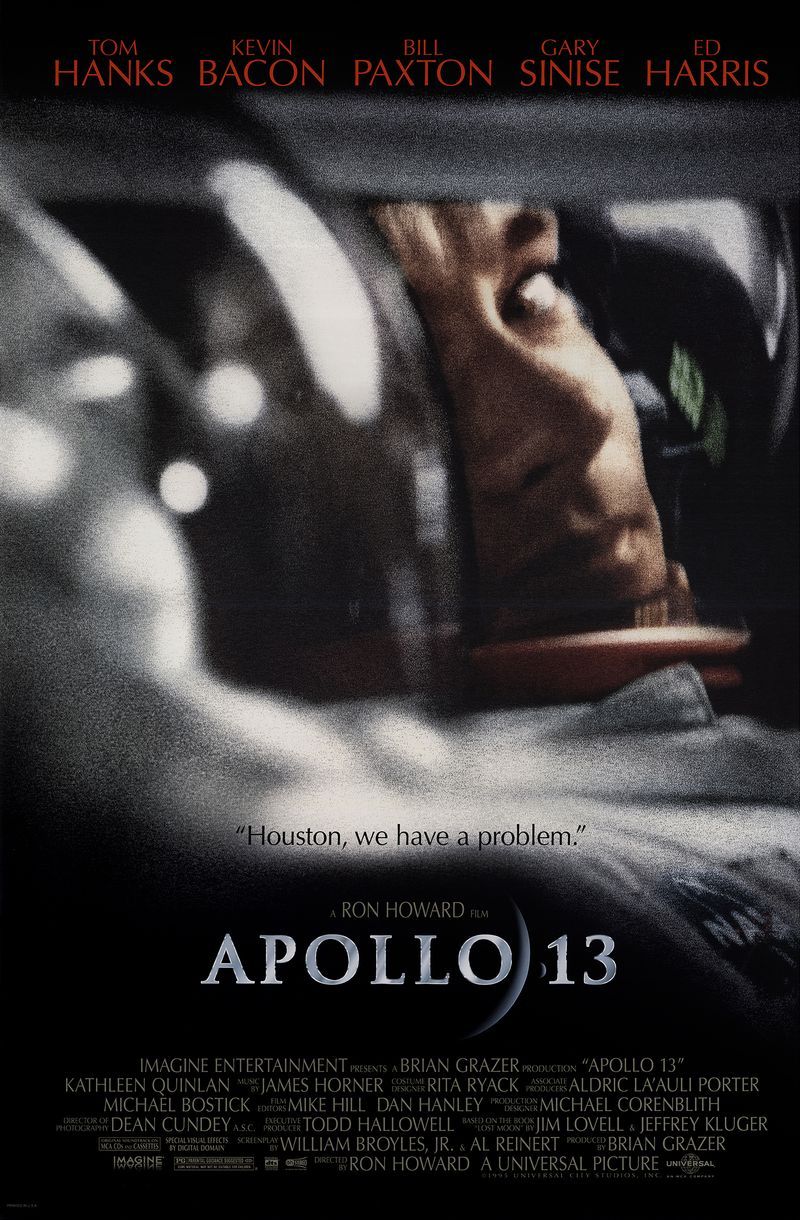
Houston, we have a problem.
That famous line sets off one of the greatest rescue stories in space history.
In April 1970, an oxygen tank exploded on the way to the Moon, and the crew had to turn their mission into a fight for survival.
The film follows the real events with impressive care.
Mission Control engineers really did build a filter for carbon dioxide from spare parts, using tape, socks, and a plastic bag.
Many scenes were shot in zero gravity aboard a special airplane.
A few moments were tweaked for drama, like tension between crew members.
Still, the heart of the story, teamwork under pressure, matches the record very well.
2. 12 Years a Slave (2013)
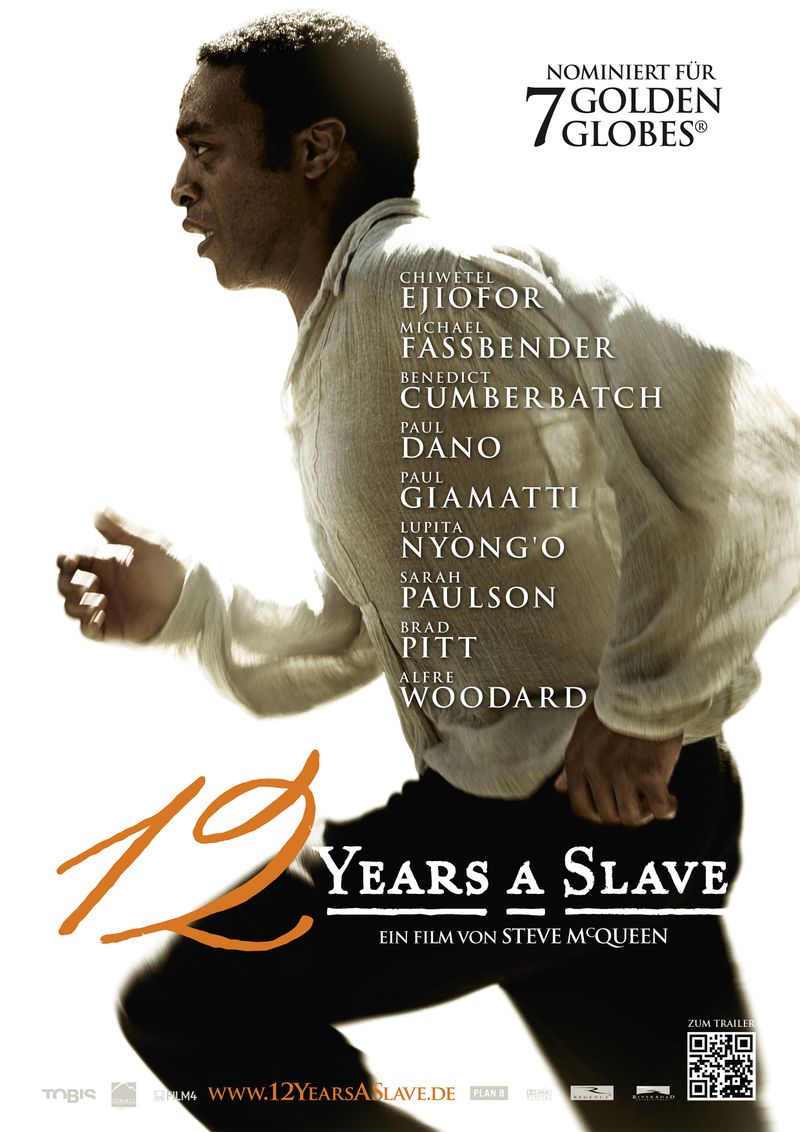
Imagine being a free man one day and chained the next.
That is exactly what happened to Solomon Northup, a musician from New York who was kidnapped in 1841 and sold into slavery in Louisiana.
The film is built directly from his 1853 memoir.
Many of the people, places, and events in the story, including the names of the plantation owners, come straight from his own words.
The movie does not look away from the cruelty of slavery, which is part of why it feels so honest.
Historians have praised it for showing how fragile freedom was for Black Americans before the Civil War.
3. A Night to Remember (1958)
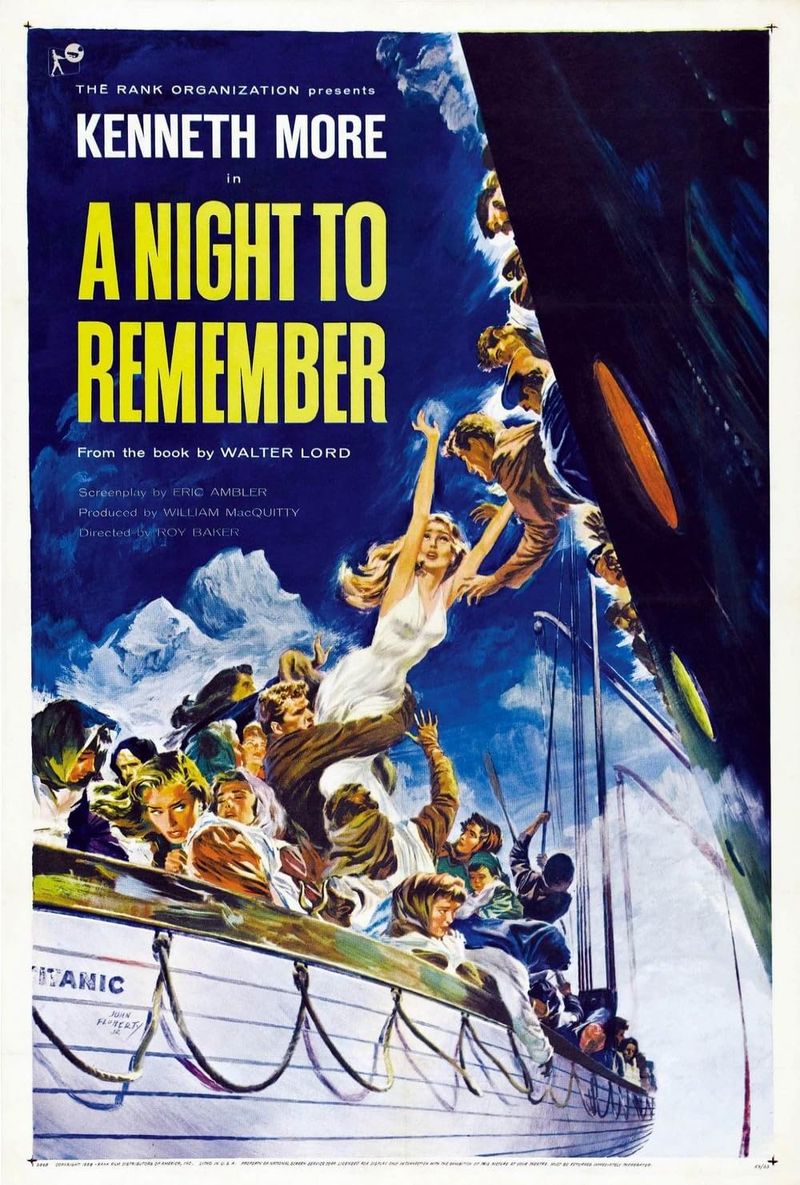
Long before big special effects, this black and white film told the Titanic story with quiet seriousness.
It was based on a well-researched book by Walter Lord, who interviewed many survivors.
Instead of focusing on a made-up love story, the film follows real people, such as Captain Smith and Second Officer Lightoller.
Details like the slow lifeboat loading and the nearby ship that did not respond are shown carefully.
Fun fact: the Titanic’s designer, Thomas Andrews, appears as a main character, and the movie even includes real survivors as advisers.
Because of its calm tone, many experts still call it the most faithful Titanic movie ever made.
4. Tora! Tora! Tora! (1970)
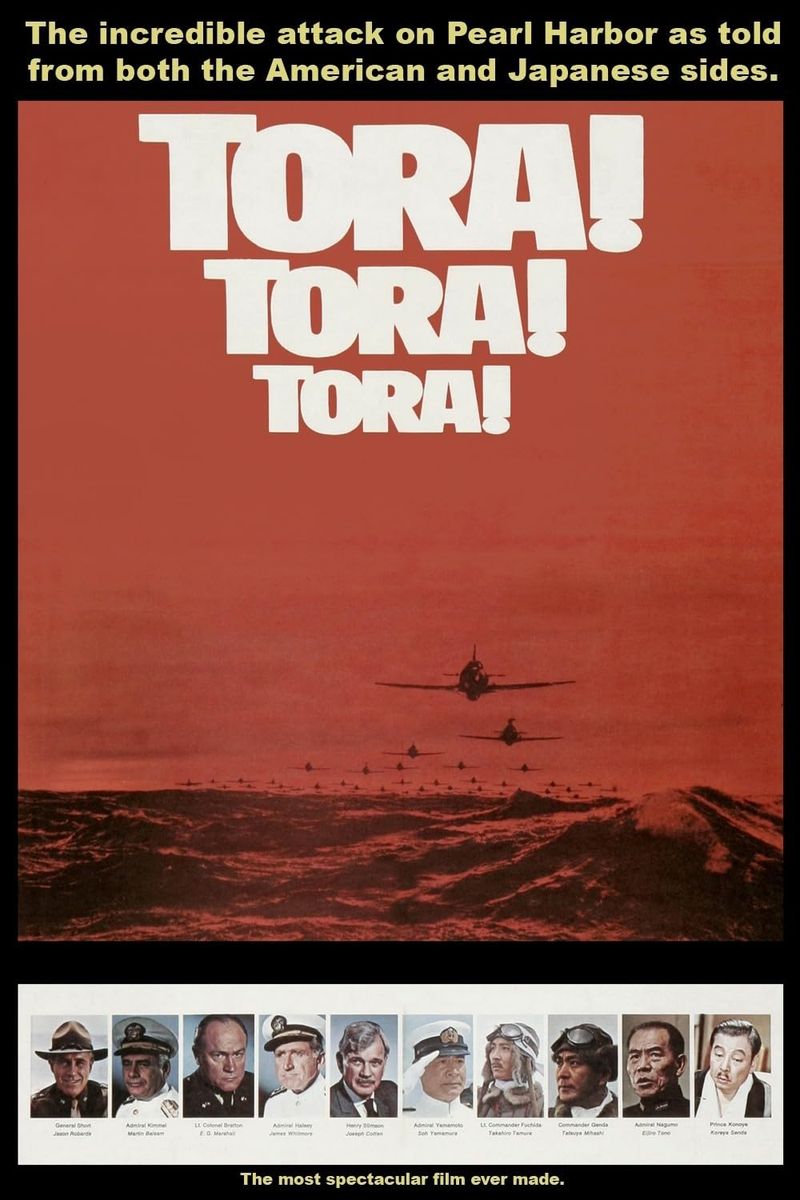
Most war movies pick a side.
This one tells the story of December 7, 1941, from both the American and Japanese points of view, which makes it feel unusually fair.
Two directors worked together, one American team and one Japanese team, so each side could be shown through its own eyes.
The film explains how missed warnings, delayed messages, and simple mistakes helped the attack succeed.
The attack scenes used real vintage aircraft and large-scale sets, and some stunts were so big that they still amaze viewers today.
Instead of heroes and villains, you get a puzzle of human error.
That focus on cause and effect is why history fans trust it.
5. The Longest Day (1962)
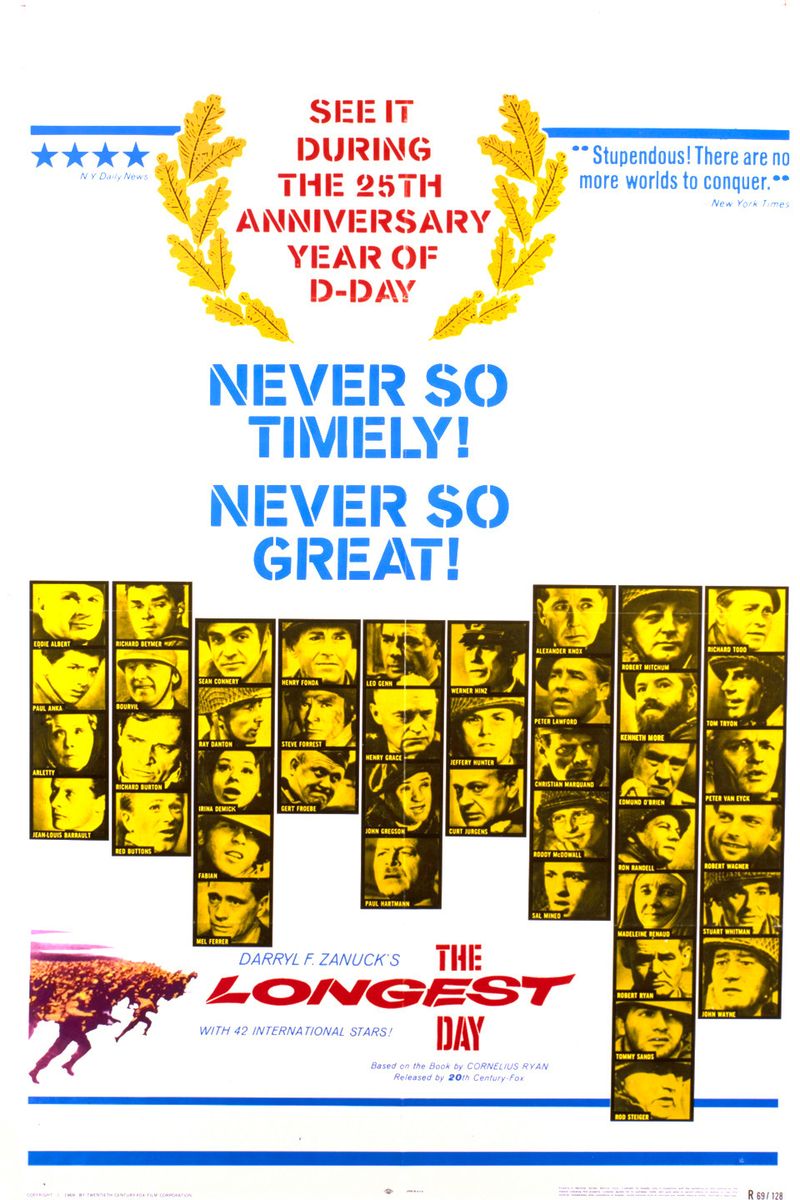
June 6, 1944, was a day that changed the world, and this film tries to capture all of it.
Instead of following one hero, it jumps between paratroopers, generals, French resistance fighters, and German officers.
The script was based on Cornelius Ryan’s book, which used interviews with hundreds of people who were there.
Characters speak in their own languages with subtitles, a bold choice for a 1960s blockbuster.
Some real veterans even advised the crew.
A few conversations were simplified to keep the pace moving, but the order of events, the weather worries, and the confusion on both sides match the record closely.
It feels like a giant jigsaw puzzle coming together.
6. Downfall (2004)
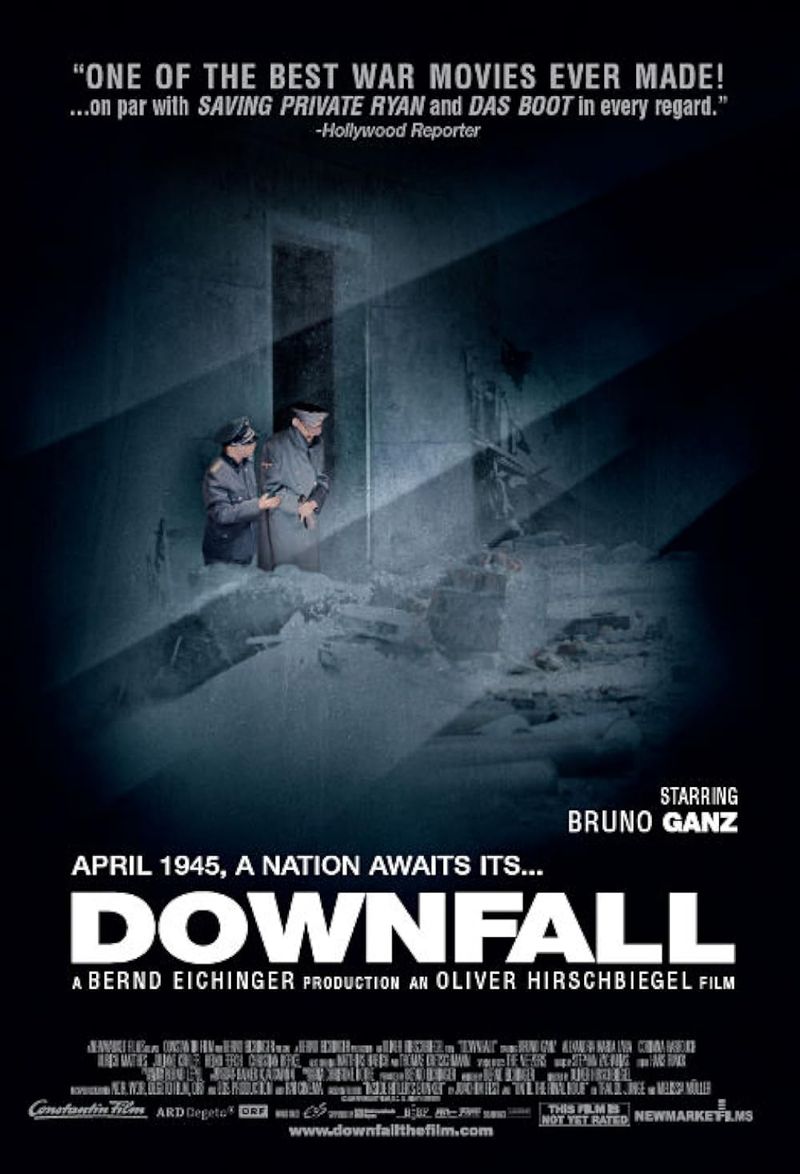
Few films make history feel as claustrophobic as this German drama.
It follows the last days of Adolf Hitler in April 1945, as Berlin crumbles above the bunker.
The story draws on the memoir of Traudl Junge, his secretary, along with eyewitness accounts and historians’ research.
Many of the characters, from Goebbels to Albert Speer, were real people shown as they were documented.
The film does not turn Hitler into a cartoon, which surprised some viewers.
Instead, it shows how fear, loyalty, and denial kept people trapped around him.
Real photographs and interviews at the end remind you that these events truly happened.
7. The Battle of Algiers (1966)
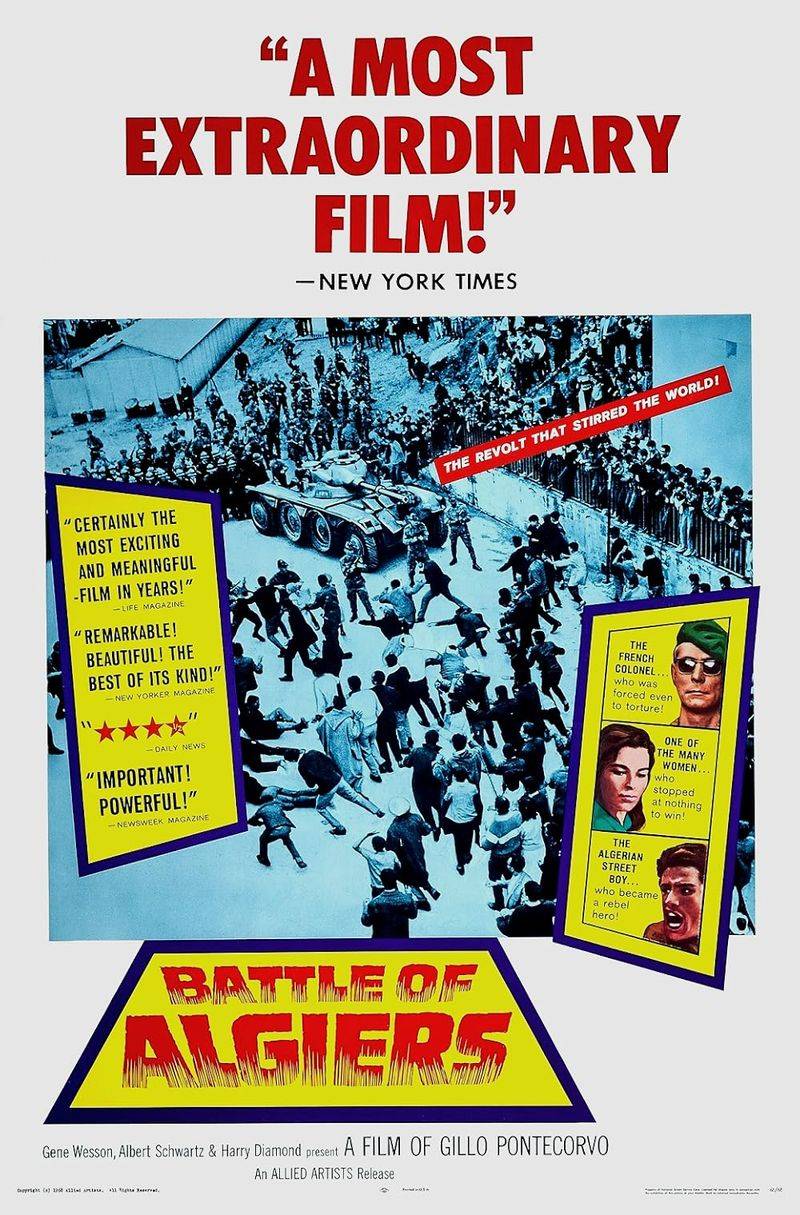
Some viewers have mistaken this film for a documentary, and that is the highest compliment it could get.
Shot in black and white on real streets of Algiers, it looks like old news footage.
The story covers the fight for Algerian independence from France in the 1950s.
Many people in the cast were ordinary Algerians, and a former rebel leader helped shape the story.
It shows violence from both sides, which keeps it from feeling like a simple hero tale.
Even military groups later studied it to understand rebellions.
Characters are partly blended together, but the overall flow of events stays true to history.
8. Gettysburg (1993)
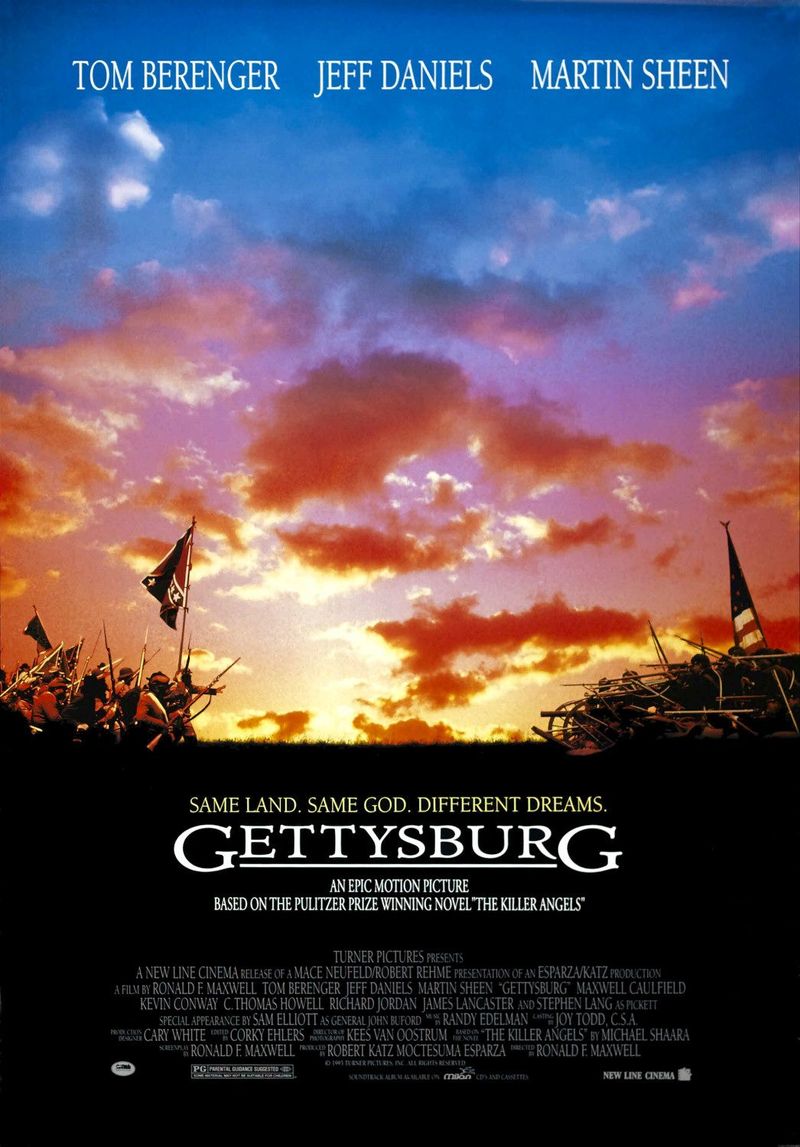
Three days in July 1863 decided the direction of the Civil War, and this long film walks you through every one.
Its script came from the novel The Killer Angels, which was built on letters, diaries, and military reports.
Officers like Robert E.
Lee, James Longstreet, and Joshua Chamberlain talk in ways drawn from their own writings.
The battle of Little Round Top is shown with real map detail.
Thousands of Civil War reenactors played the soldiers, so the marching and formations look realistic.
Some conversations are imagined, of course.
Even so, history teachers often use it to help students picture how the battle unfolded.
9. Black Hawk Down (2001)
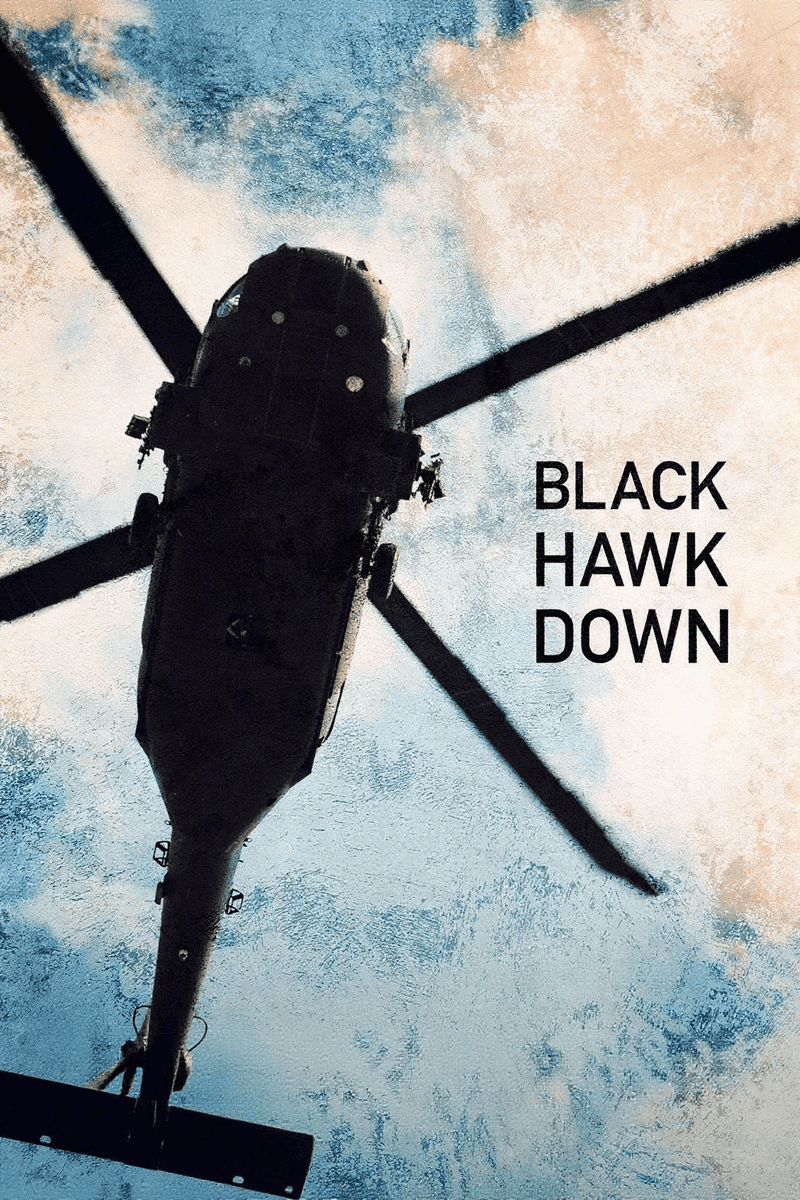
What was supposed to be a quick mission lasted a terrible night and day.
In October 1993, American soldiers went into Mogadishu to capture leaders of a local militia, and two helicopters were shot down.
The film follows the book by Mark Bowden, which used interviews with many soldiers.
The timeline of the fight, the rescue attempts, and the heavy losses are shown clearly.
To keep the story simple, some characters were combined and a few names changed.
Critics also point out that Somali viewpoints get little screen time.
Still, the core of the battle, including its chaos and bravery, stays close to the record.
10. United 93 (2006)
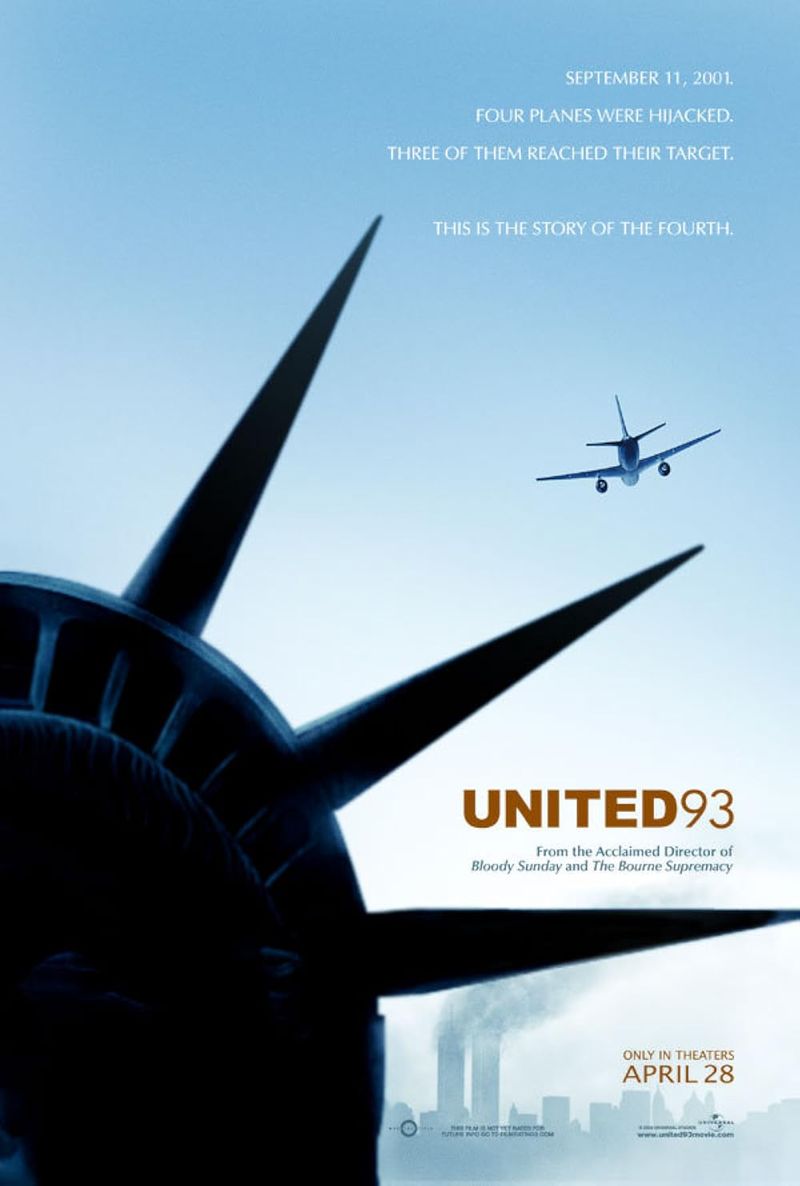
There are no big stars here, and that is on purpose.
The director cast unknown actors and even real airline staff to make the story feel like real life.
The film follows the four hijacked planes of September 11, 2001, but focuses on Flight 93.
Since nobody survived, the filmmakers used phone calls, flight recorders, and air traffic records, and they worked with victims’ families.
The conversations on the plane are partly imagined, because no one knows every word.
Even so, the overall order of events is carefully built from evidence.
The result is quiet, sad, and deeply respectful.
11. The King’s Speech (2010)
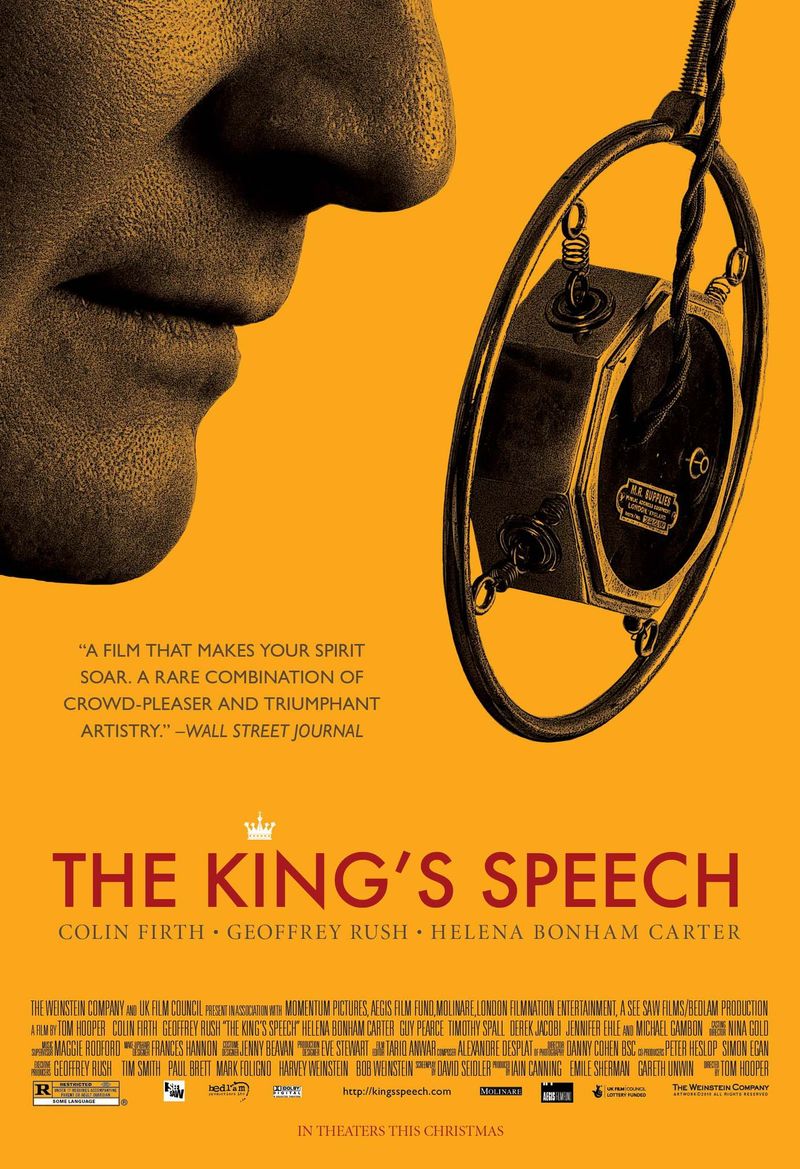
Picture a king who is terrified of talking.
George VI struggled with a stammer, yet he had to give speeches over the radio as Britain entered World War II.
His friendship with Lionel Logue, an Australian speech therapist, really happened, and Logue’s diaries helped shape the script.
Their unusual exercises, like shouting and relaxing the body, are drawn from true methods.
The movie changed some timing and political details, such as making a famous speech fit more neatly into the story.
It also softened certain conflicts.
Even so, the warm bond between the two men is the real heart of this tale.
12. Lincoln (2012)
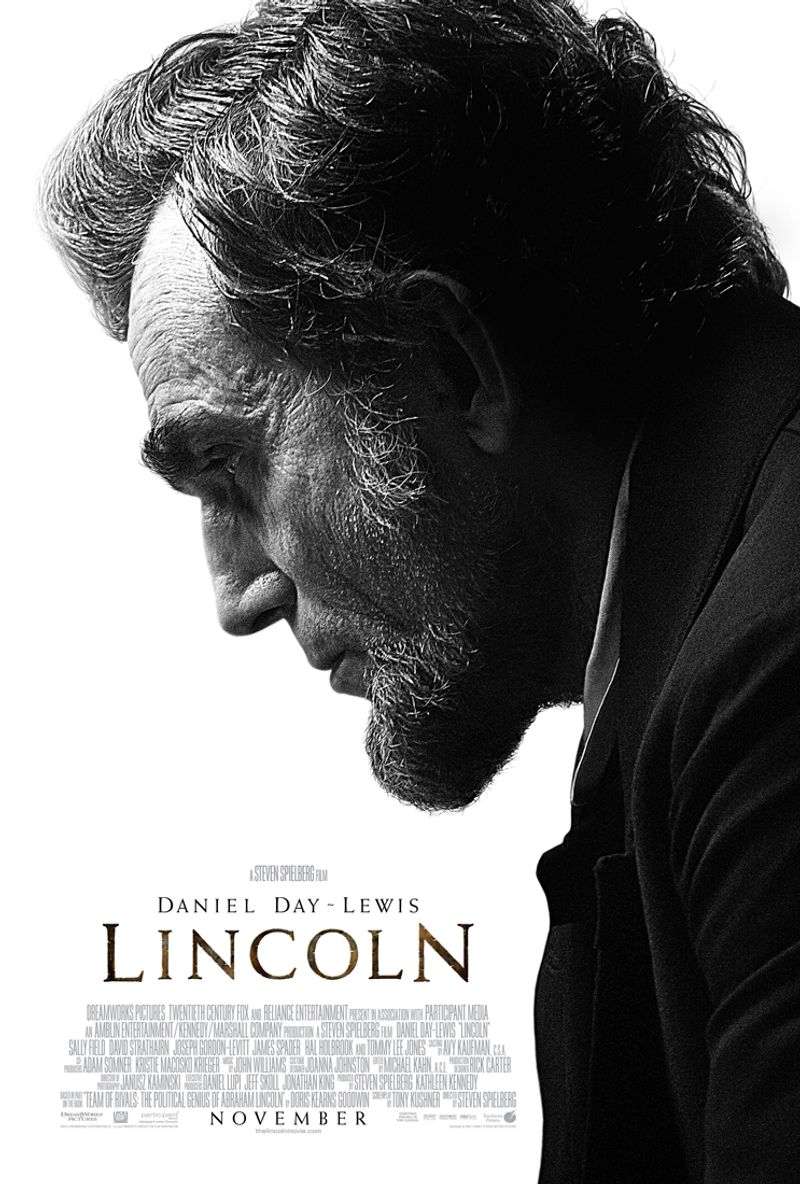
Forget the battlefield.
This film shows a different kind of fight, one waged with votes, deals, and persuasion in the winter of 1865.
Abraham Lincoln wanted the 13th Amendment passed to end slavery for good, and the film focuses on that struggle in the House of Representatives.
Based partly on Doris Kearns Goodwin’s book Team of Rivals, it shows how he and his allies worked to win over reluctant lawmakers.
Some details were adjusted, including how certain representatives voted.
Still, the overall story, from the political bargaining to the final tally in January, is solid.
It reminds you that big changes often happen in quiet rooms.
13. Spotlight (2015)
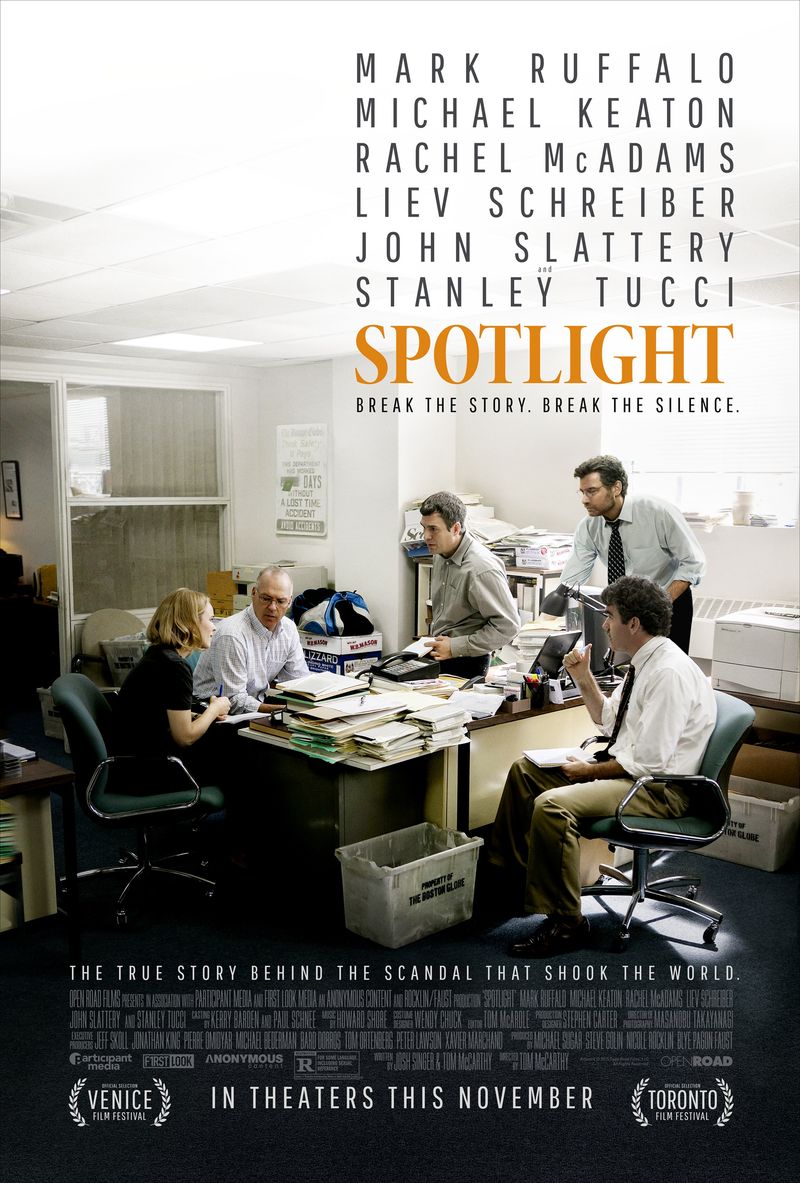
Great reporting can look boring, yet this film makes it thrilling.
It follows the Boston Globe’s Spotlight team as they uncovered how Catholic Church leaders hid abuse by priests.
The reporters are real people, and their steps, from digging through court records to talking with survivors, match the 2002 investigation.
The newspaper’s stories later won a Pulitzer Prize.
A few scenes were compressed and some conversations were rewritten, but the main facts hold up.
Many viewers say it feels like watching real journalism at work.
The movie shows how patience, teamwork, and courage can force the truth into the open.
14. Oppenheimer (2023)
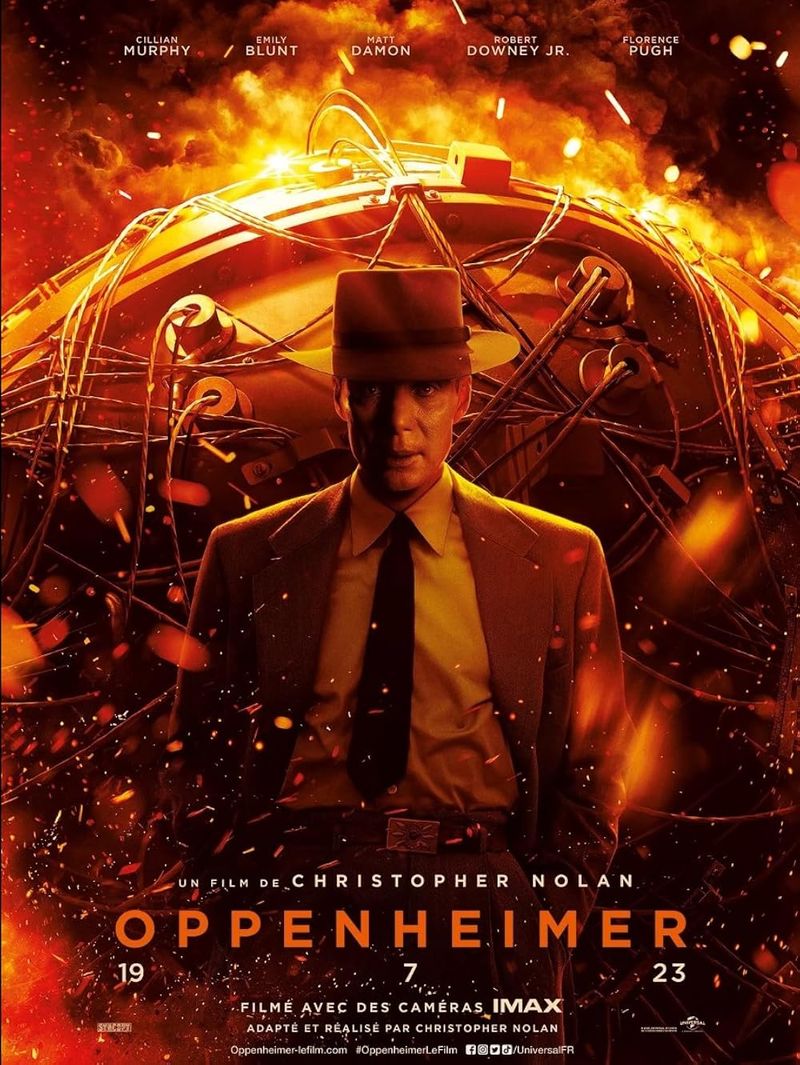
Few scientists have carried a heavier burden.
J. Robert Oppenheimer led the Manhattan Project, the secret effort that created the first atomic bombs during World War II.
The film is based on the biography American Prometheus and follows documented moments, from the Trinity test in 1945 to his tense security hearing in 1954.
Many characters, such as Lewis Strauss and Leslie Groves, were real and played important roles.
Some conversations were invented or squeezed together to keep the story moving, and certain scenes are symbolic.
Even so, the broad outline stays faithful to the record.
It leaves you thinking about science, power, and responsibility.