 MomSkoop
Movies shape how we see the world, and that includes how we see women. Some films are loved, some are criticized, and many are both at the same time.
The fourteen titles here have kept audiences talking for years about power, beauty, freedom, and fairness. Read on, pick a favorite, and decide where you stand.
1. Barbie (2023)
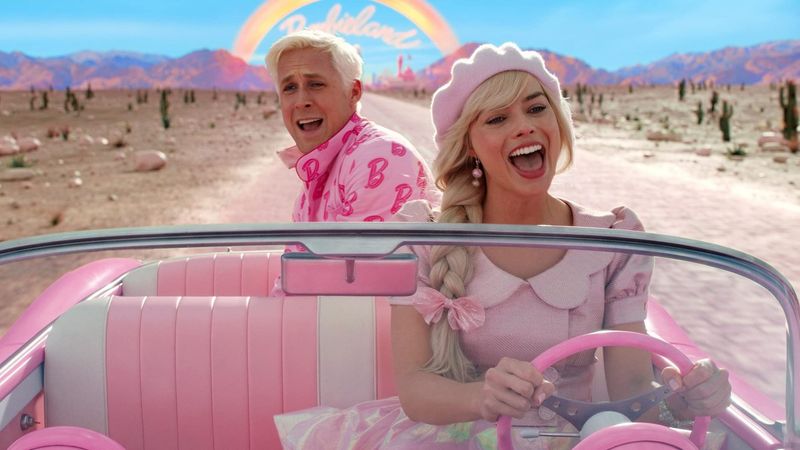
Pink everything, big smiles, and a surprising amount of arguing.
Barbie turns a famous toy into a talking point about what it means to be a woman today.
Some viewers cheer its jokes about patriarchy and unfair beauty rules.
Others feel its message is mixed, since a toy company sells the story and the film leans on glamour while it questions it.
Fans say it opens doors for honest talks about pressure on girls.
Critics ask whether one kind of empowerment is being pushed over another.
Try watching with friends and compare notes afterward.
You may be surprised how differently each person reads the same scenes, especially the big speech about the impossible standards women are expected to meet.
2. Poor Things (2023)
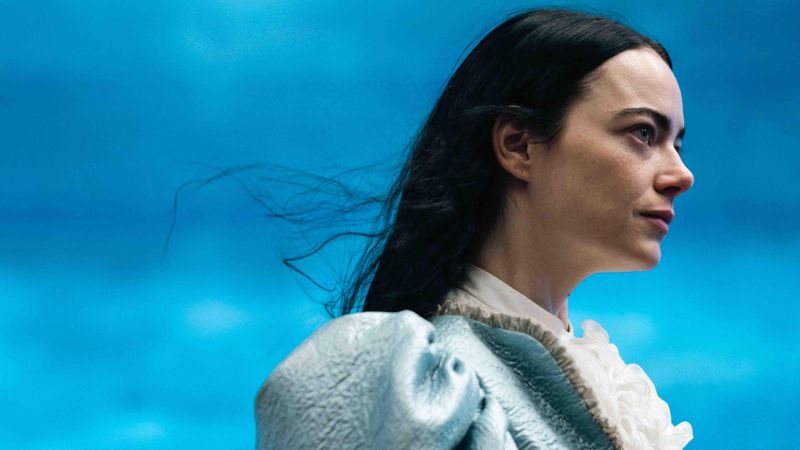
Imagine waking up in a grown-up body with a brand new mind, ready to learn everything.
That odd idea drives Poor Things, a strange and stylish story about a young woman discovering the world.
Supporters say Bella takes charge of her own curiosity, choices, and body.
She refuses to be controlled by the men around her.
Skeptics point out that many scenes are packed with nudity and unsettling moments, and they wonder who the film is really made for.
Is she free, or is she being watched?
The answer depends on the viewer, and that gap is exactly why people keep arguing about it long after the credits roll.
3. Gone Girl (2014)
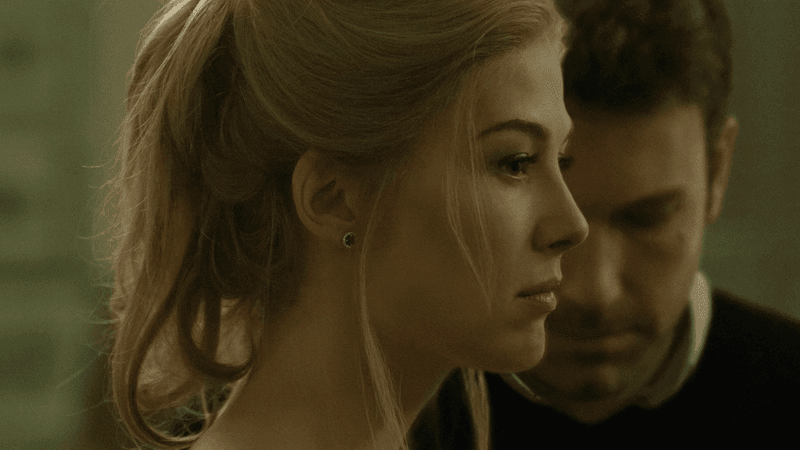
A missing wife, a worried husband, and a twist that made theaters gasp.
Gone Girl is a thriller that dares viewers to question who is telling the truth.
The famous cool girl speech calls out how women are pushed to act laid back and perfect for others.
Fans love that sharp idea.
Critics, however, say the main woman is painted as a scheming liar, which could feed old stereotypes that women lie about being hurt.
Others reply that she is a single, extreme character, not a symbol of all women.
Talk it over with someone, because few movies split a living room as fast as this one does.
4. The Wolf of Wall Street (2013)
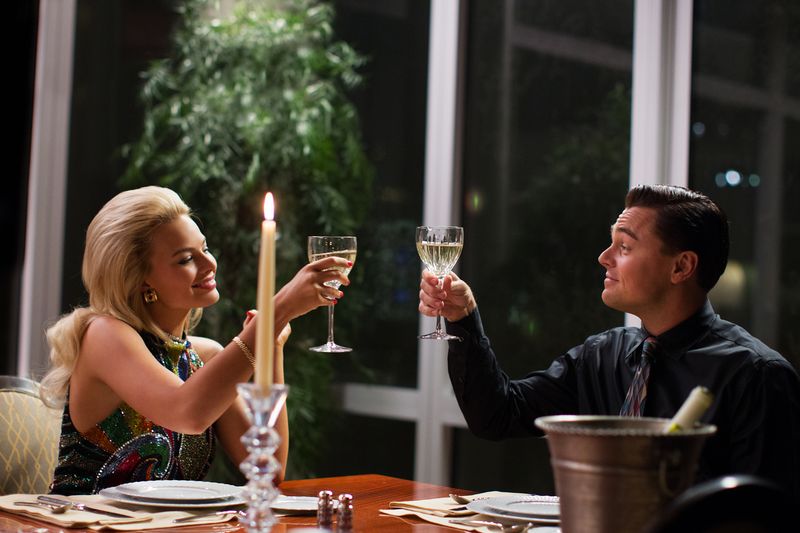
Money, parties, and loud speeches fill nearly every minute of this wild true-story drama.
Women often show up in the background, treated more like props than people.
That choice sparks a big question.
Is the movie showing how awful these men were, or is it making their behavior look like a fun ride?
Defenders say the story is told through a bragging narrator, so the mess is the point.
Critics answer that many women have little to say or do, and the camera enjoys the chaos too much.
A good test is to count how many female characters get real goals of their own, then decide if the film earns its message.
5. Black Swan (2010)
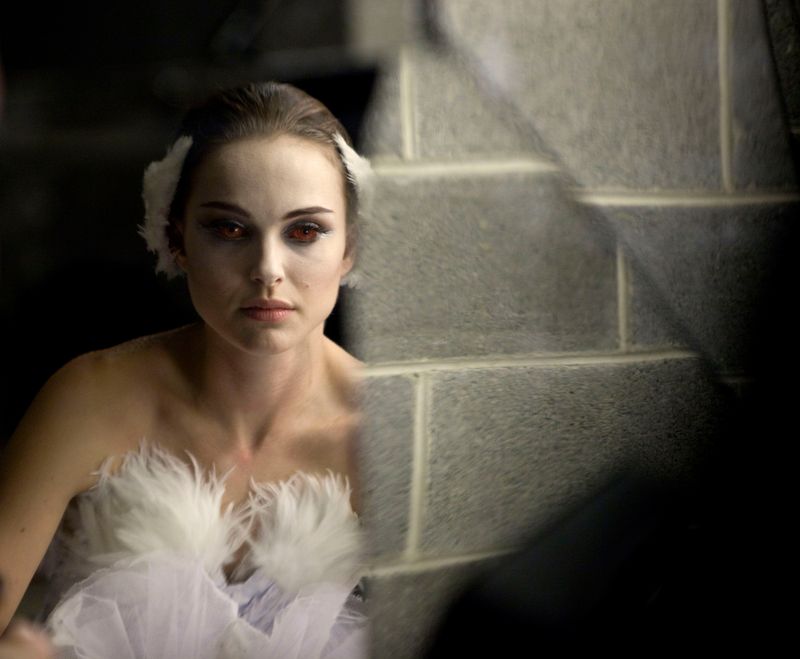
Ballet shoes, bleeding toes, and a mind that starts to crack.
Black Swan follows a dancer who wants to be flawless and pays a heavy price.
Many viewers see a sharp look at how strict standards can crush a person.
The pressure on her body and her image feels frighteningly real.
Others feel the story leans on old ideas, like two women as rivals and a fragile woman who falls apart.
The intense scenes of desire are also debated, since some find them bold and others find them made for the camera.
Either way, the film makes you think about the cost of chasing perfection.
6. The Devil Wears Prada (2006)
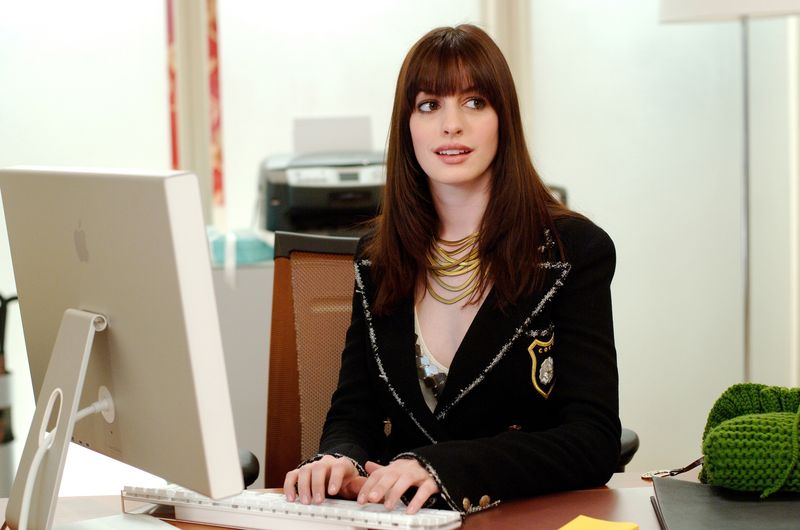
Few bosses in film are as chilly or as unforgettable as Miranda Priestly.
She runs a fashion magazine with a single raised eyebrow.
The movie asks why a powerful woman is often called mean while a powerful man is called driven.
That question still shows up at real workplaces.
Not everyone is happy with the answer, though.
The young assistant is pushed to choose between her job and her private life, and the story suggests ambition has a price.
Some say that is honest, others say it is unfair.
Notice how much attention goes to outfits and looks, and ask whether success is being tied to appearance.
7. Kill Bill: Vol. 1 (2003)
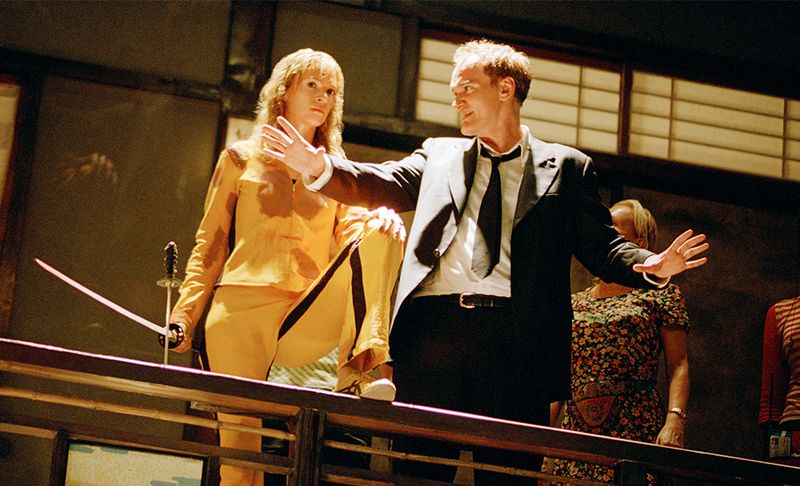
Swords flash, blood sprays, and one woman in a yellow jumpsuit cuts through an army.
The Bride is among the most recognized action heroes ever put on screen.
Fans love that a woman leads the fight and drives the whole plot.
She is skilled, determined, and never waits to be saved.
Yet debate lingers.
The story begins with brutal violence against her, and some say the camera lingers in ways that serve the male gaze.
Others see a playful tribute to old martial arts films.
Ask yourself whether she is a true hero or a stylish image, and why both answers can feel right.
8. Mean Girls (2004)
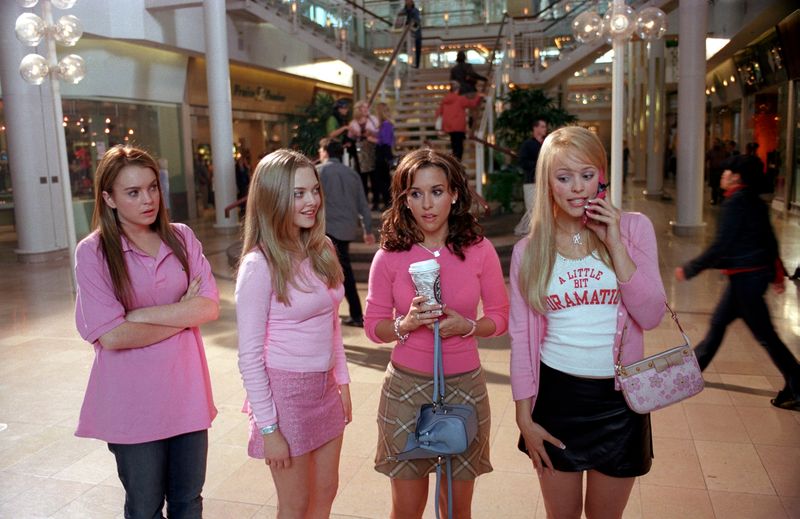
On Wednesdays, they wear pink.
That one rule became a pop culture legend, and it hides a sharp look at high school life.
The film pokes fun at gossip, cliques, and the race to be popular.
Many fans say it captures real pressure about looks and fitting in.
Still, some argue it paints teenage girls as petty and sneaky, which can feel like a tired stereotype.
Others say it also shows girls repairing friendships and standing up for each other by the end.
Think about your own school and decide which parts ring true, and which parts feel like a joke at girls’ expense.
9. Legally Blonde (2001)
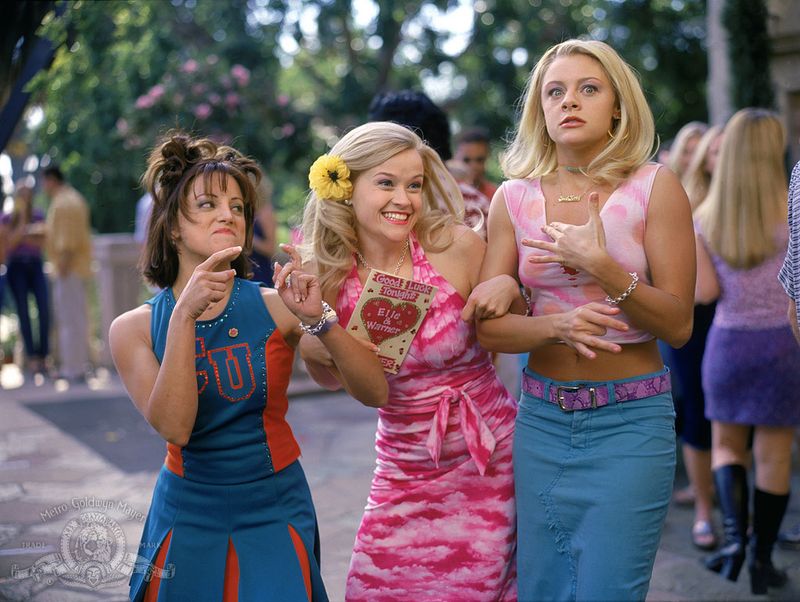
Elle Woods shows up at law school with a pink notebook and a tiny dog, and everyone underestimates her.
That is where the fun begins.
The story says a person can love fashion, care about friends, and still be sharp enough to win in court.
Many viewers cheer that message.
Debate comes from other angles.
Elle first goes to school to win back a boyfriend, and some feel the plot leans on old romance ideas.
Others feel her kindness and brains are the real victory.
Try spotting how often people judge her by her looks, then notice how she proves them wrong.
10. American Beauty (1999)
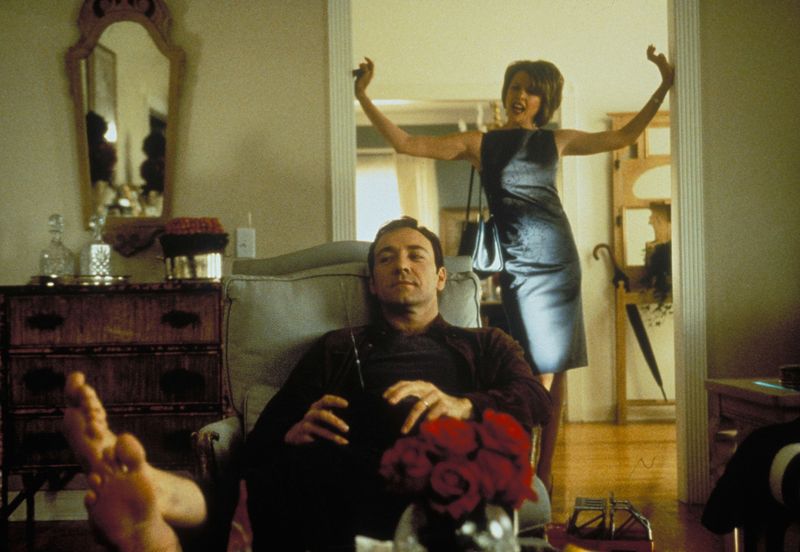
Rose petals drift across the screen in one of the most famous images of the late nineties.
Behind the pretty look is a story about a man falling apart in the suburbs.
The movie won big awards and many people praise its sharp view of middle-class life.
Yet it also stirs strong reactions.
A key storyline has an adult man fantasizing about his daughter’s teenage friend.
Critics say that puts a young girl at the center of a grown man’s daydream, and the story belongs to the men.
Fans argue the film is exposing his flaws, not praising them.
It is worth asking whose point of view we are given and why.
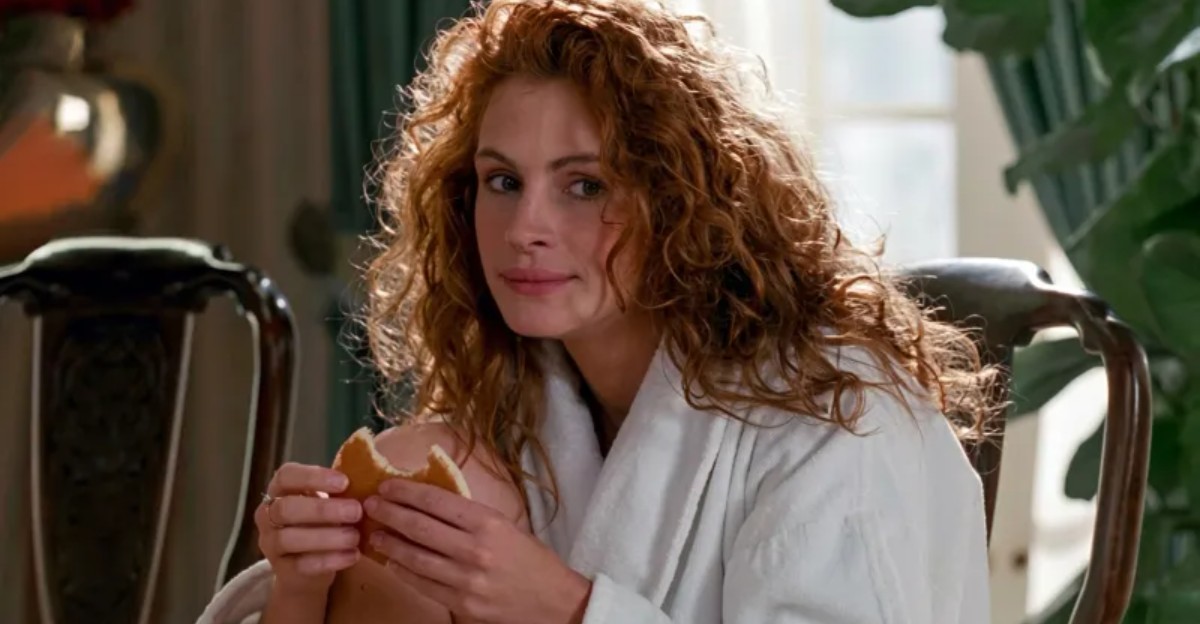
11. Pretty Woman (1990)
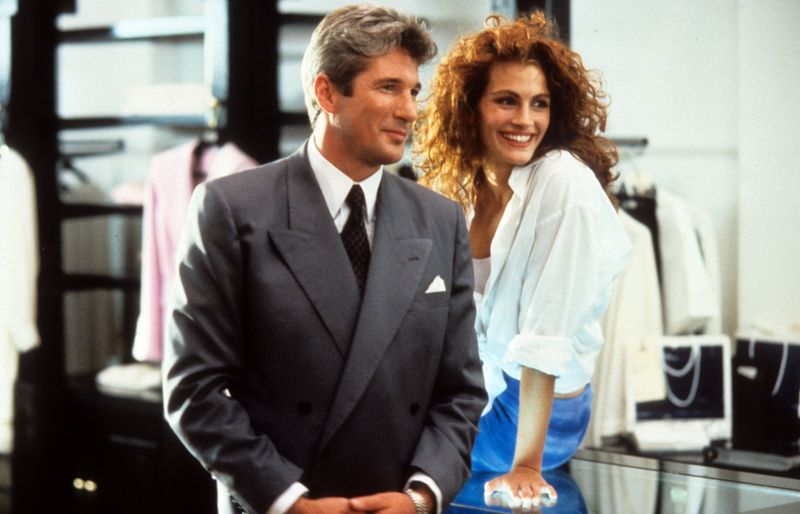
A rich businessman hires a woman for a week, and a fairy tale blooms on Rodeo Drive.
Pretty Woman has charmed audiences for decades.
Fans love the humor and the warm chemistry.
The shopping scenes and the opera night became classics.
Critics say the story softens a hard reality, making a risky job look glamorous and suggesting a wealthy man must rescue her.
Some feel her sharp wit and her demand for respect push back on that idea.
Consider what the ending says about independence, and whether she needed rescuing at all or simply wanted a fair chance.
12. Thelma & Louise (1991)
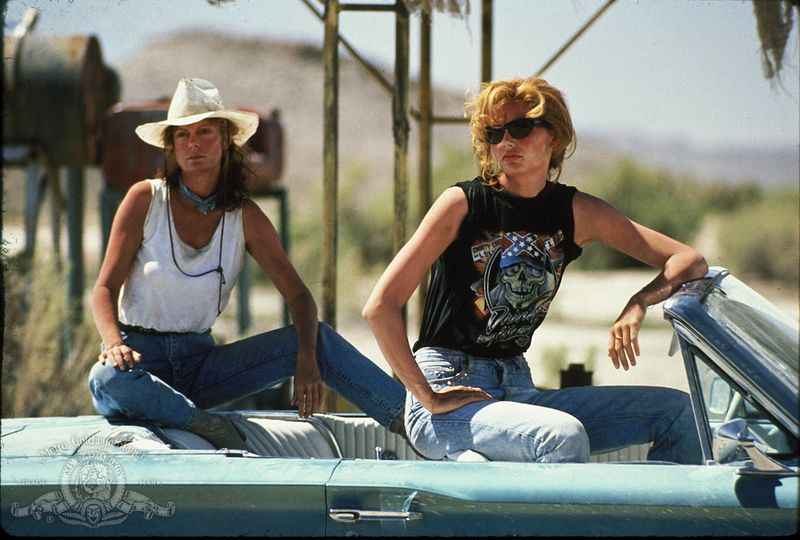
Two friends set off for a weekend trip and end up on the run.
Thelma and Louise turned a simple road movie into a cultural lightning rod.
After a frightening attack, the pair chooses not to trust a system that may not protect them.
Supporters see a story about friendship, courage, and breaking free.
Others felt the film showed women turning to crime and that the men were drawn too harshly.
Then there is that unforgettable ending, which people still argue about: is it defeat or the ultimate act of freedom?
Few movies leave such a clear split in opinion.
13. Fatal Attraction (1987)
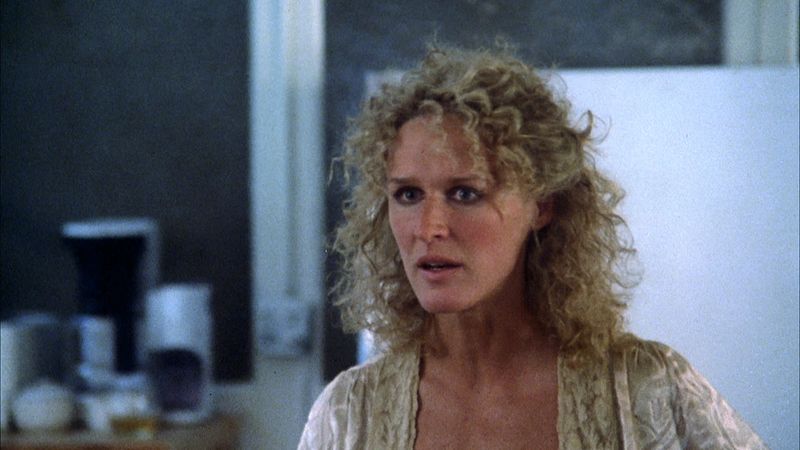
A single weekend fling spirals into a nightmare.
Fatal Attraction made audiences gasp and later made them argue.
The woman at the center is smart, independent, and open about what she wants.
As the story rolls on, she turns obsessive and dangerous.
Many critics say this links an independent woman to madness and warns men to stay away from them.
The married man, who made the first choice, gets sympathy.
Others point out that the film touches on real issues like loneliness and mental health.
Compare how each character is treated, then ask who gets blamed and who gets forgiven.
14. Breakfast at Tiffany’s (1961)
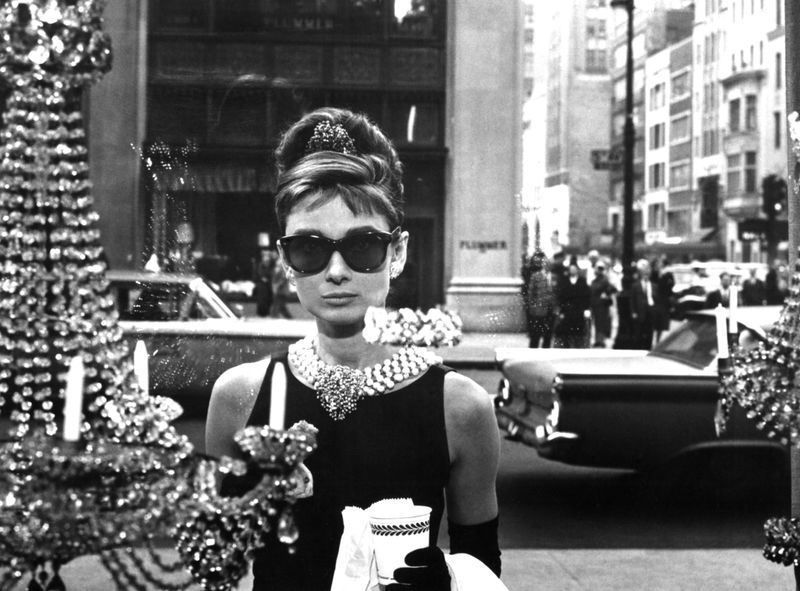
A black gown, a string of pearls, and a pastry outside a jewelry window.
Holly Golightly is still one of film’s most copied style icons.
She lives on her own terms in New York, which looked bold for 1961.
Many viewers admire her spark and her refusal to settle down.
The movie also follows the rules of its time, including a romance that wraps everything up neatly.
Critics note that she seems to need a man to feel safe in the end.
A separate debate surrounds a harmful stereotype in another character.
Watching today, you can enjoy the glamour while spotting what has changed.