 MomSkoop
Long before streaming, families gathered around the TV to watch funny shows that also made them think. Many sitcoms from the 1970s joked about big problems like money, fairness, and family fights.
Surprisingly, those same problems still show up in the news today. Here are fourteen classic shows that were funny then and still feel real now.
1. All in the Family (1971-1979)
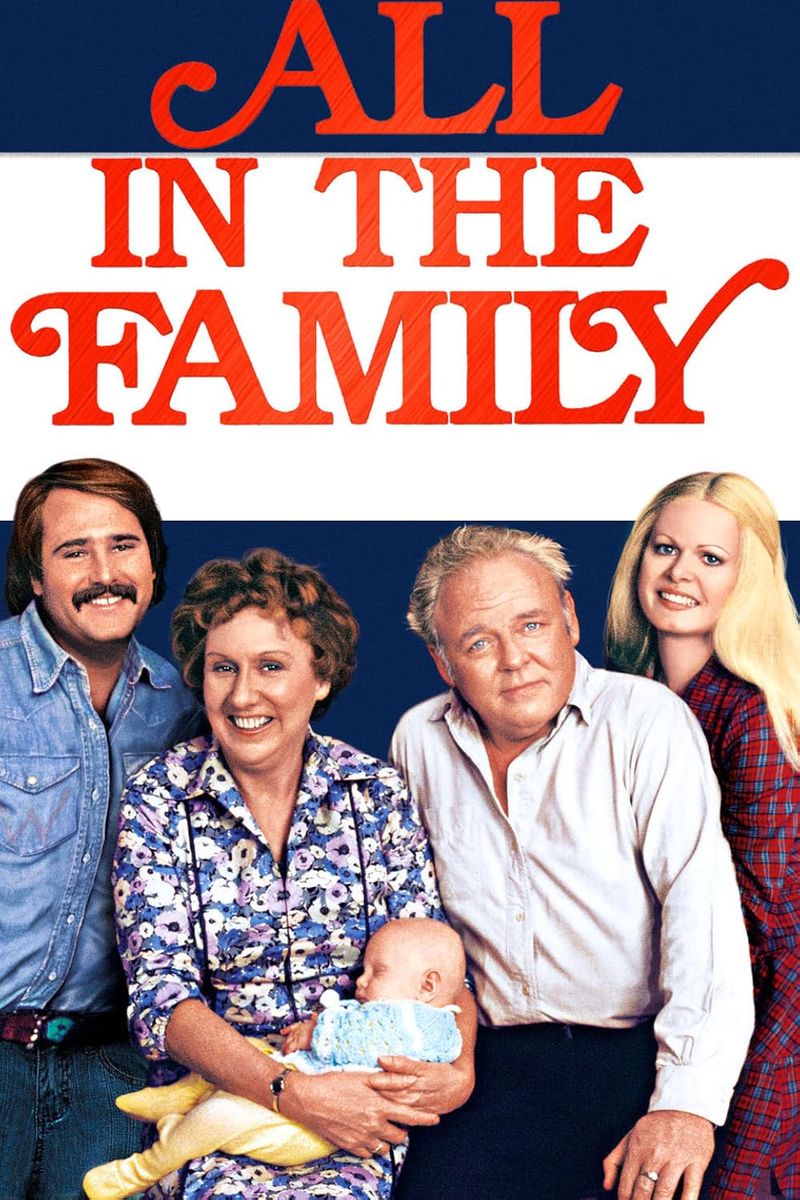
Archie Bunker’s armchair became the most famous seat in television.
From it, he shouted opinions that made viewers laugh, groan, and argue with each other.
The show tackled racism, politics, sexism, and the gap between generations.
Archie clashed with his son-in-law Mike at nearly every dinner, and their fights sounded a lot like modern family debates online and at holiday tables.
Fun fact: the show was so bold that CBS aired a warning before the first episode.
What makes it last is that it showed people disagreeing, yet still sharing one home.
That lesson about listening, even when it is hard, never gets old.
2. The Mary Tyler Moore Show (1970-1977)
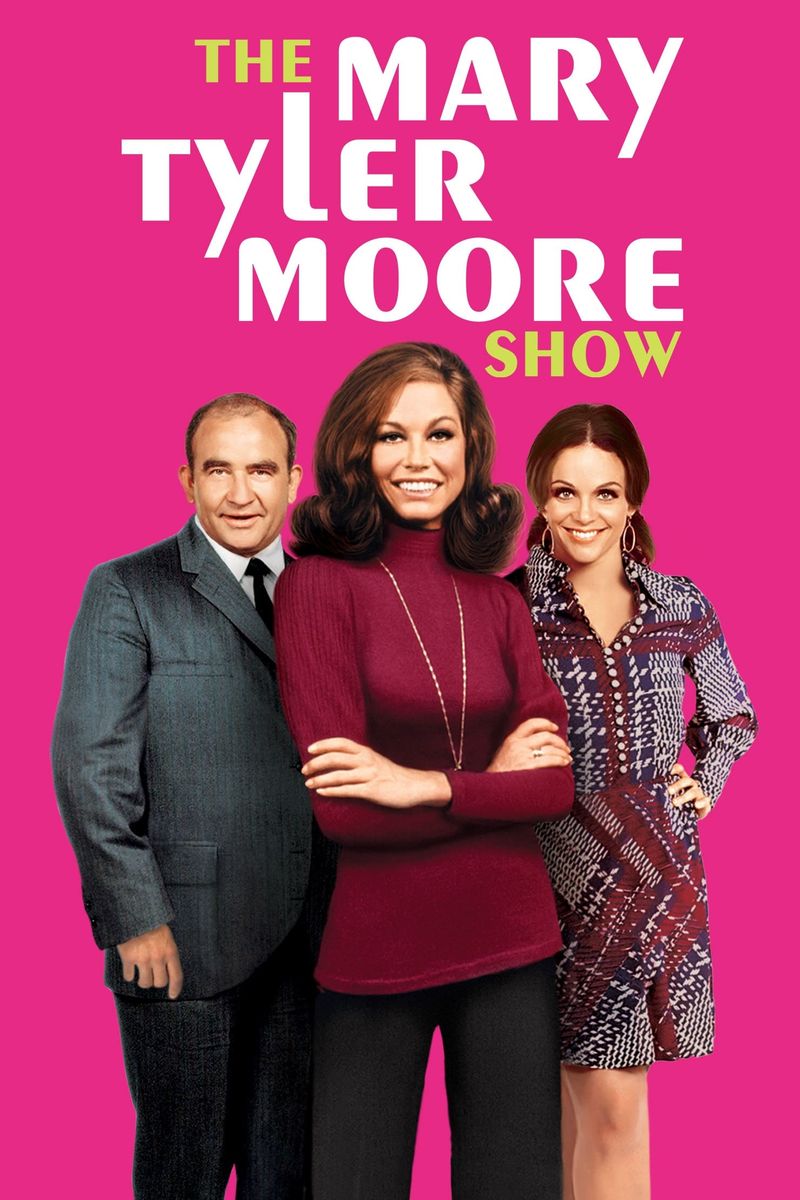
A woman moving to a new city, starting over, and tossing her hat into the air with joy.
That moment captured a whole generation of working women.
Mary Richards was single, smart, and building a career in a TV newsroom.
The show talked about equal pay, ambition, and the pressure to marry, all with warm humor and great friendships.
Many workers today still ask whether they are paid fairly and respected at the office.
Mary faced those questions decades ago.
Her story reminds us that independence can be scary and wonderful at the same time, and that coworkers can become family.
3. M*A*S*H (1972-1983)
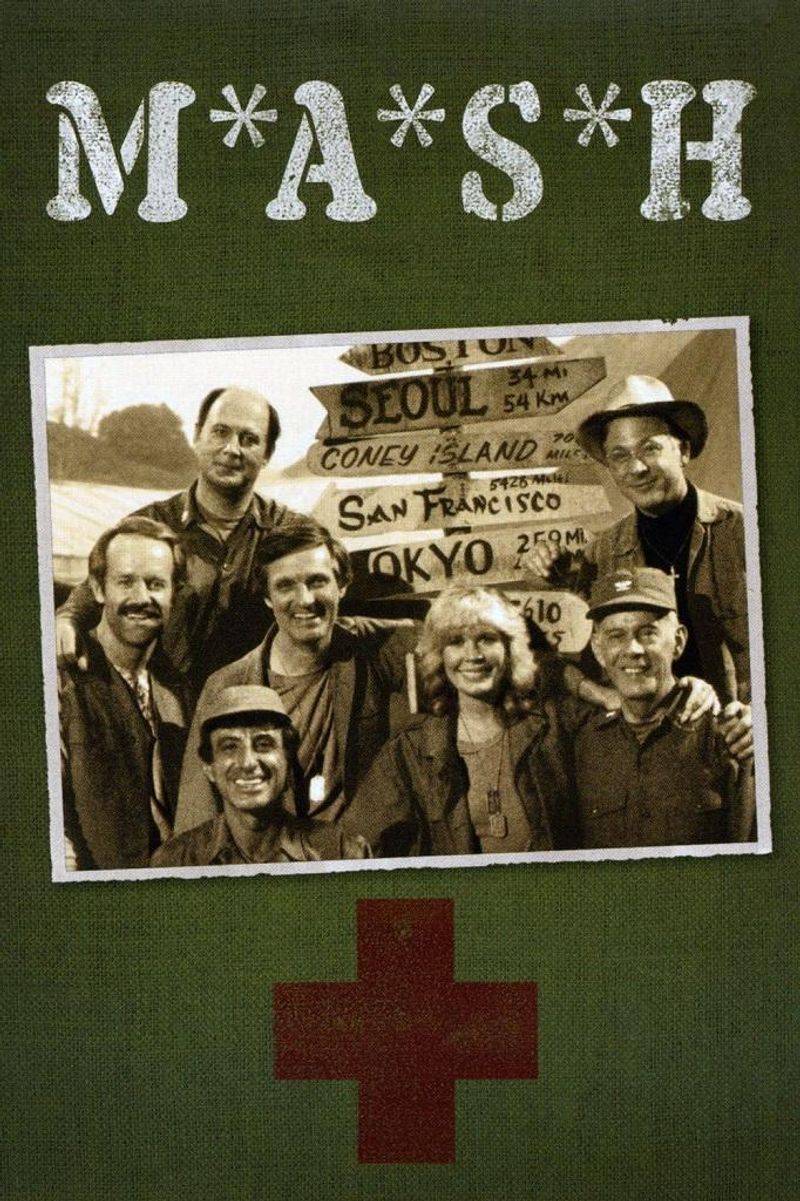
Helicopters thump overhead, and doctors race to save wounded soldiers.
Then someone cracks a joke.
That mix of laughter and sorrow made M*A*S*H special.
Set during the Korean War, the show was really speaking to an America tired of Vietnam.
It explored trauma, stress, medical ethics, and how war changes ordinary people.
Its finale in 1983 drew over 100 million viewers, a record for years.
Today, conversations about mental health and veterans’ care echo what the doctors of the 4077th lived through.
The show proved that humor can help people carry heavy feelings without ignoring them.
4. Good Times (1974-1979)
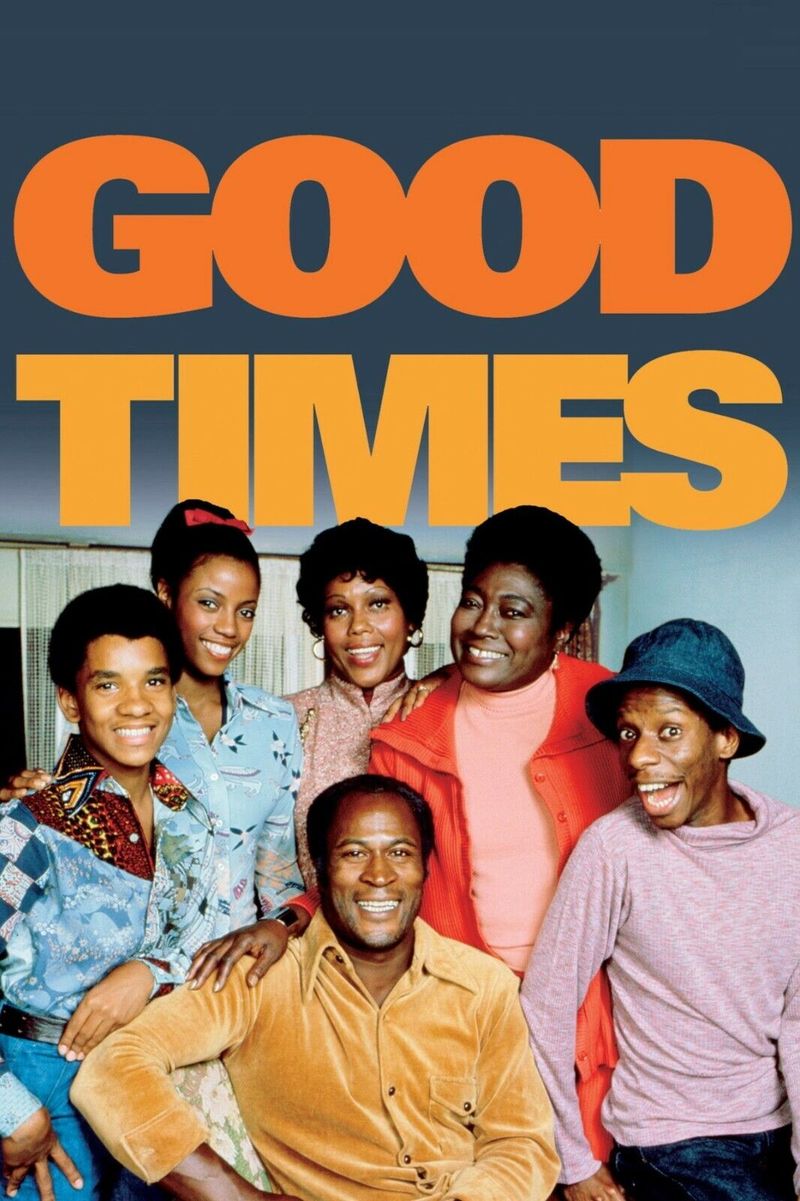
“Keeping your head above water” was more than a phrase for the Evans family.
It was daily life in a Chicago housing project.
Good Times looked closely at poverty, unemployment, rent troubles, and unfair treatment.
James and Florida worked hard to give their kids a better future, and love held the family together when money ran short.
Families today still face rising rent and job worries, so the Evans story feels familiar.
The laughs came from J.J.’s big personality, but the heart came from a family that refused to give up.
That strength is the lesson viewers remember most.
5. The Jeffersons (1975-1985)
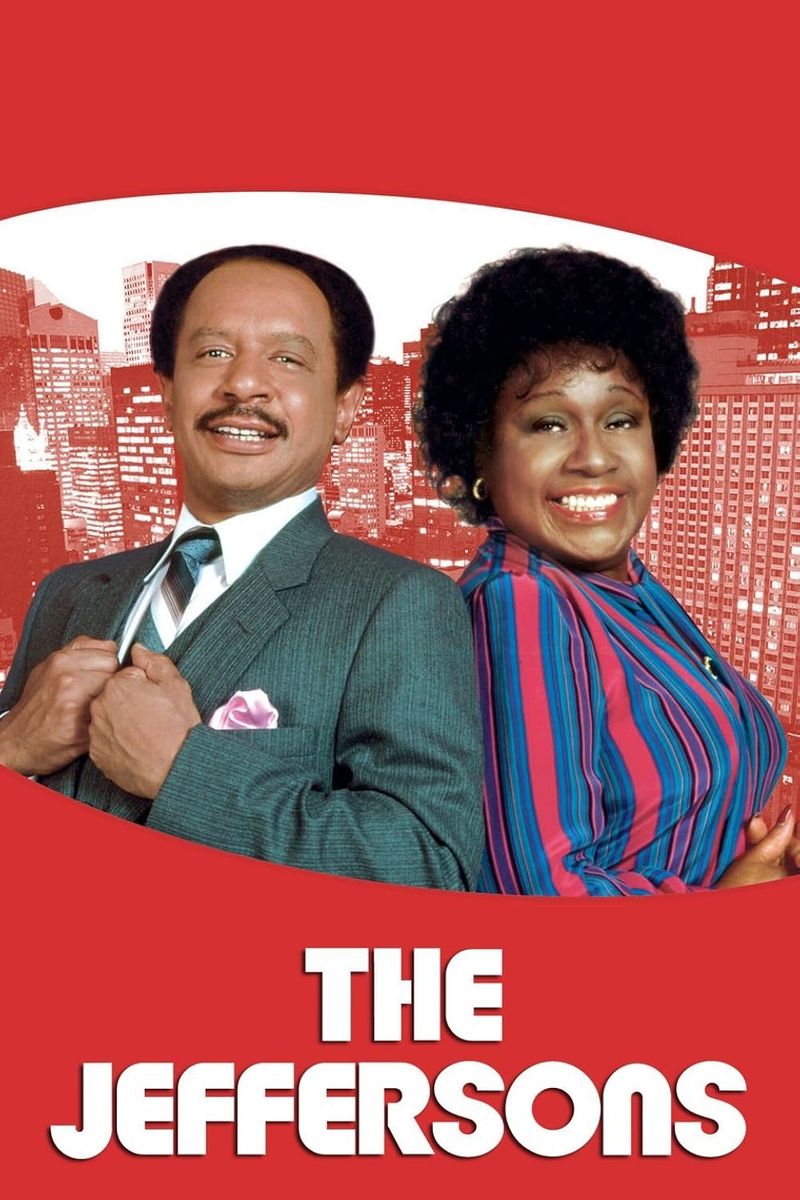
“Movin’ on up” was the theme song, and it told a whole story.
George Jefferson built a business, then moved his family into a fancy high-rise apartment.
Money did not end their struggles, though.
The show joked about racial prejudice, class snobbery, and what success really means.
Its neighbors, an interracial couple, brought a topic to TV that many shows avoided.
Ask anyone today about the cost of getting ahead, and you will hear similar stories.
George was loud and stubborn, but he was also proud and hardworking.
The show ran for eleven seasons, proving audiences loved honest stories about climbing higher.
6. Maude (1972-1978)
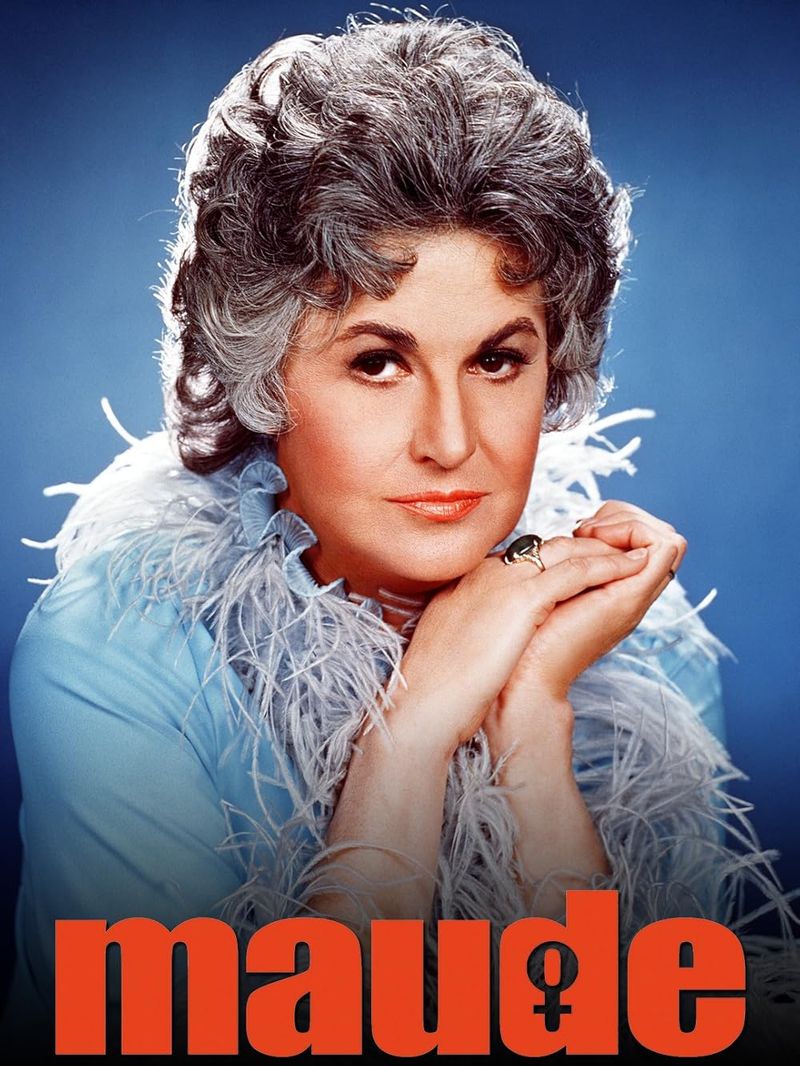
Maude Findlay never whispered when she could announce.
The outspoken heroine said what other TV characters were afraid to say.
Spun off from All in the Family, the series took on feminism, divorce, aging, and reproductive rights.
One famous two-part episode about abortion in 1972 sparked huge debate across the country.
Fifty years later, those same topics still fill headlines and dinner conversations.
Maude showed that a woman could be loud, funny, flawed, and powerful all at once.
Her belief that women should make choices about their own lives is a theme viewers still discuss today.
7. One Day at a Time (1975-1984)
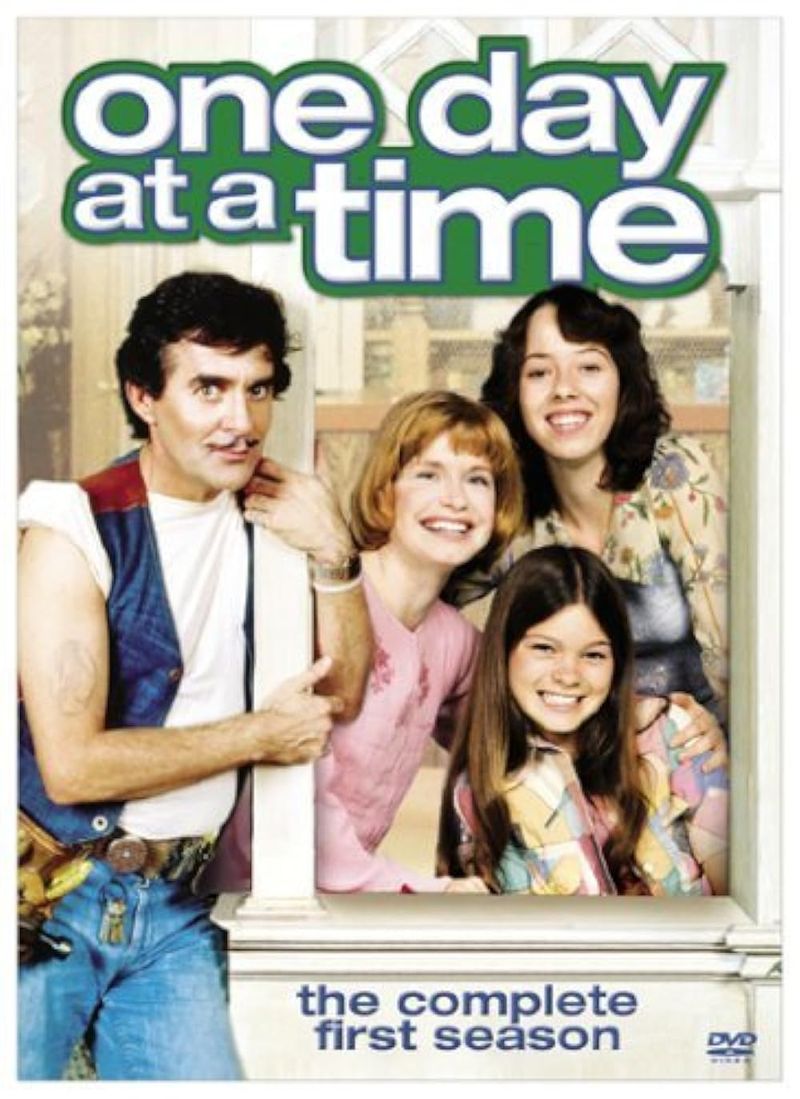
Ann Romano had just left her marriage, and she had two teenage daughters to raise.
Nobody handed her a guidebook.
This sitcom treated single motherhood as normal, not shameful, which was fresh for the time.
It covered money stress, dating, teen mistakes, and the challenge of building a new kind of family.
Many households today look just like the Romanos, with one parent juggling work and kids.
The show was so loved that it was rebooted in 2017.
Its message is simple and kind: families come in many shapes, and love matters more than the shape.
8. Sanford and Son (1972-1977)
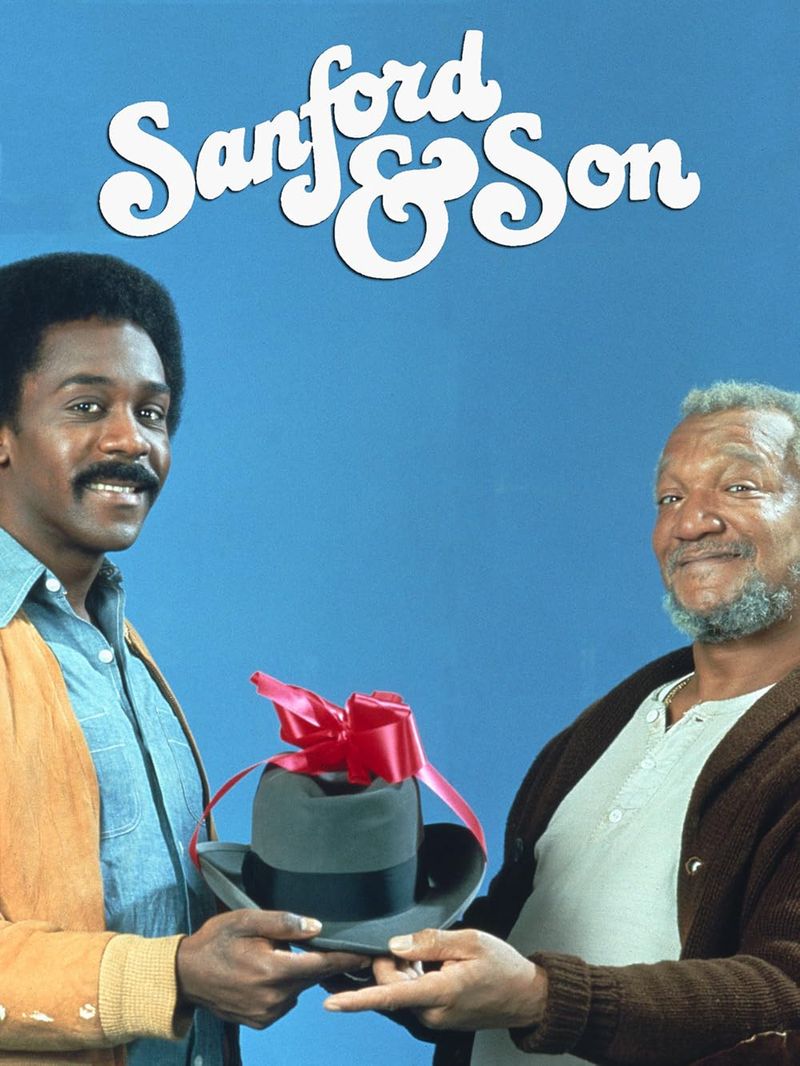
“This is the big one, Elizabeth!” Fred Sanford grabbed his chest and the audience howled.
It was his favorite trick for dodging work.
Behind the jokes, the show showed a father and son running a junk business in Watts.
They faced money troubles, racial stereotypes, and disagreements about the future.
Fred was stubborn, while Lamont wanted more from life, a tug-of-war many families know well.
Caring for an older relative while chasing your own dreams is still a real challenge today.
The show made it funny, yet it never forgot the love under all that junk.
9. Three’s Company (1977-1984)
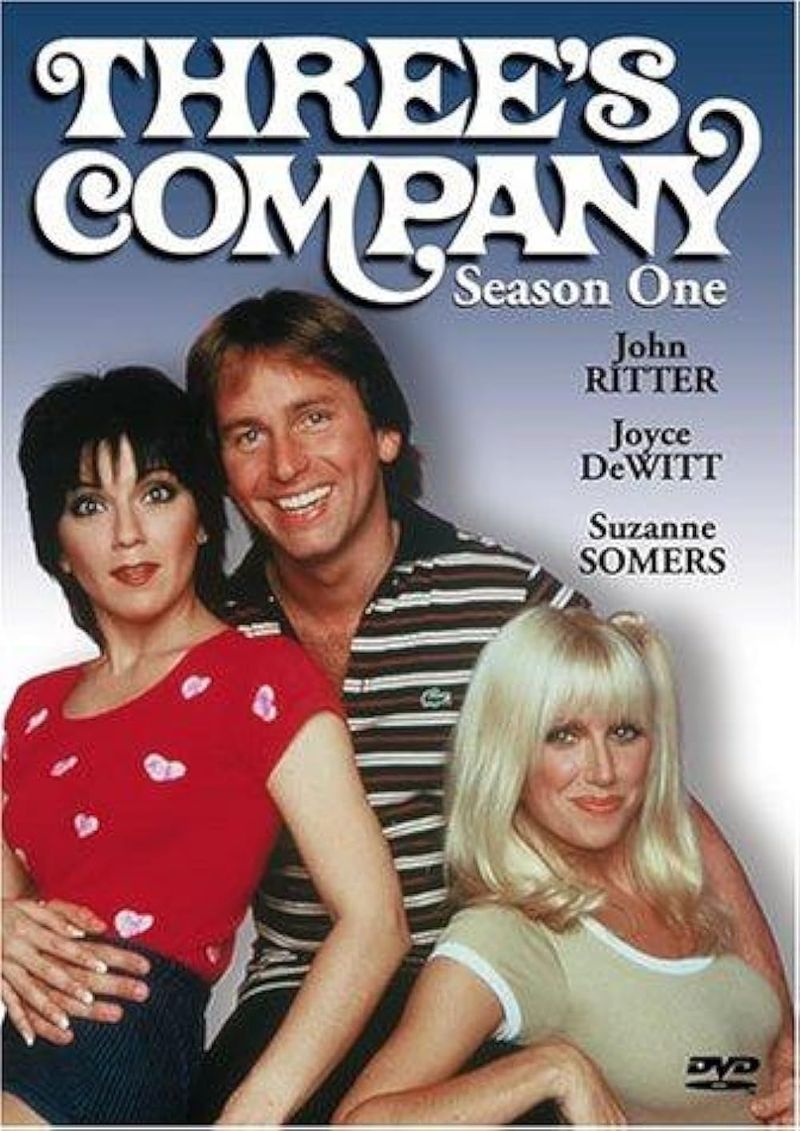
A man pretends to be gay so he can share an apartment with two women.
That silly setup powered one of the biggest comedies of its day.
Jack, Janet, and Chrissy lived through endless misunderstandings, yet the jokes poked at deeper ideas.
Viewers saw how people judge unmarried roommates, sexuality, and gender roles.
Today, many young adults share homes because of high rent, so the idea feels oddly modern.
The slapstick may look goofy now, but the story about friendship across differences still lands.
Sometimes the best comedy comes from people who simply assume the wrong thing.
10. Taxi (1978-1983)
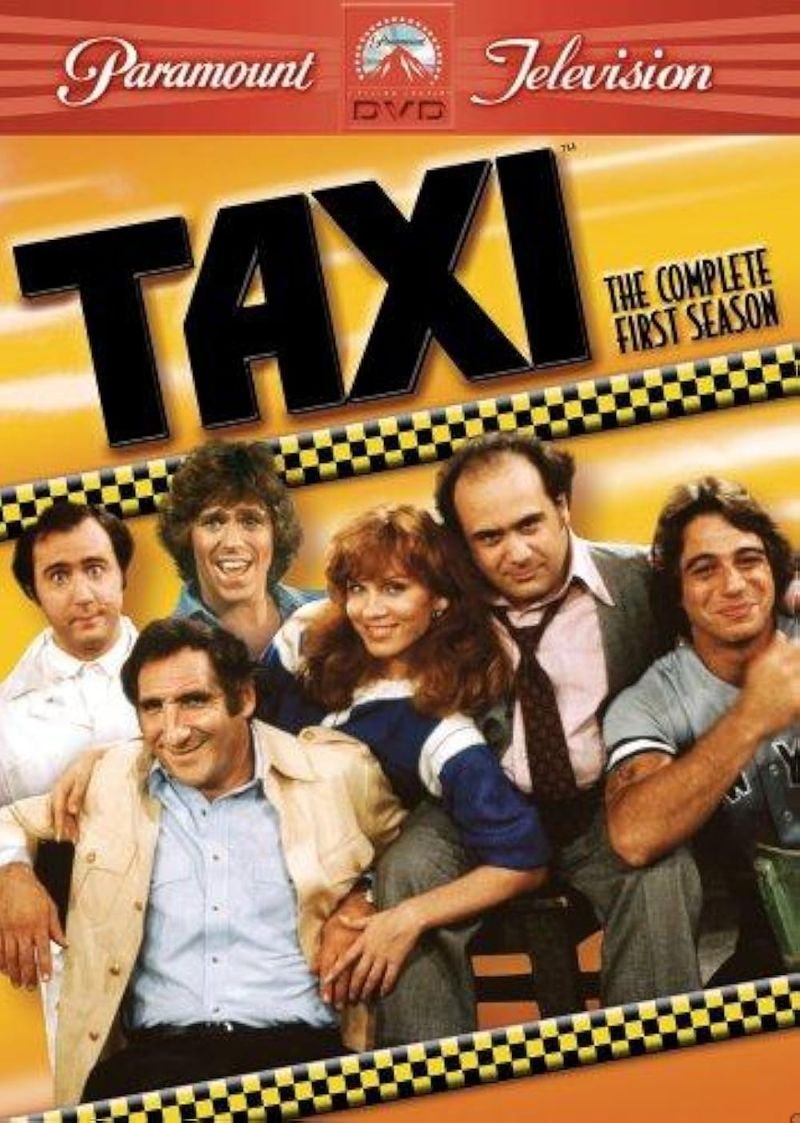
Most workers at the Sunshine Cab Company said the same thing: driving was only a temporary job.
Years later, they were still behind the wheel.
Taxi mixed laughs with honest feelings about unfulfilled dreams, tight budgets, and tiring shifts.
One driver wanted to act, another wanted to box, and one simply wanted to survive.
Many people today work gigs or side jobs while chasing something bigger, including real rideshare drivers.
The garage became a place of friendship where coworkers cheered one another on.
The show won eighteen Emmy Awards, partly because it treated ordinary workers with respect.
11. WKRP in Cincinnati (1978-1982)
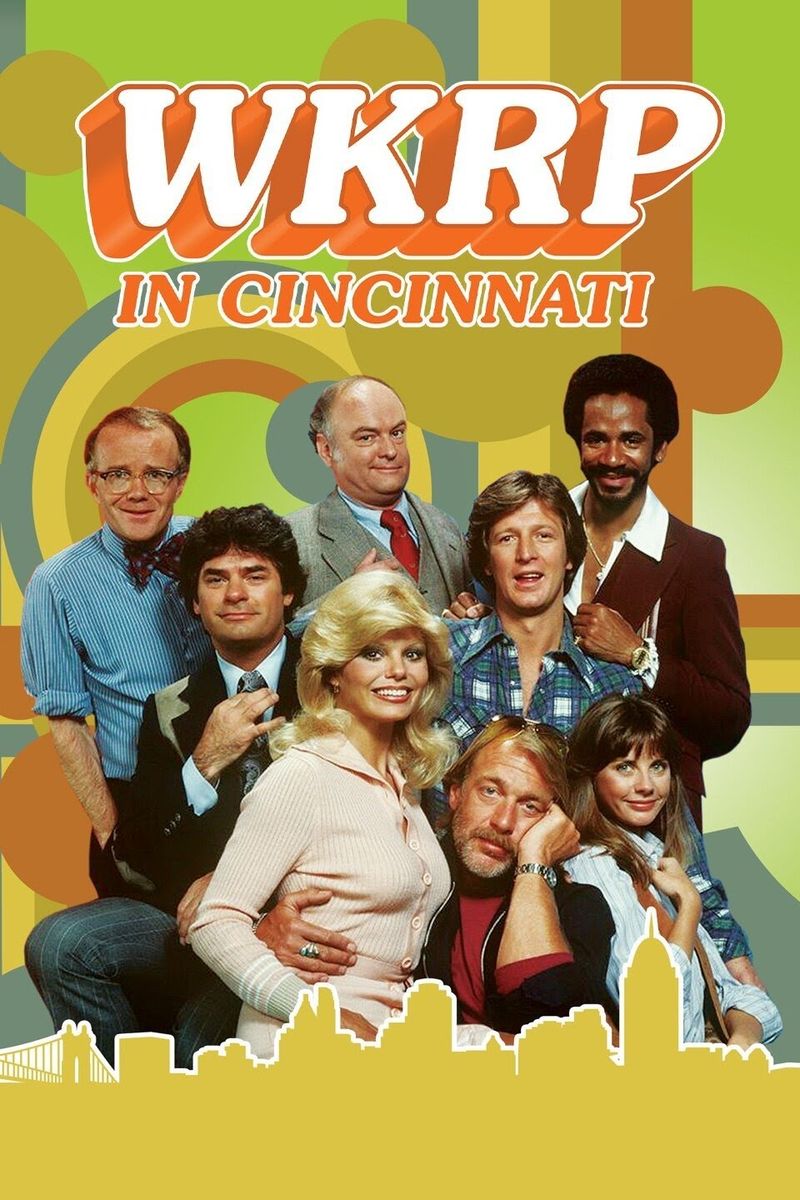
What happens when a failing radio station switches to rock music overnight?
Chaos, plenty of jokes, and a few surprising lessons.
WKRP followed a quirky staff dealing with advertisers, bosses, and rules about what could be said on air.
The writers explored censorship, media responsibility, and social prejudice with a light touch.
One famous episode, the turkey drop, still makes fans laugh.
Yet an episode about a tragic concert crowd showed the serious side.
Today, debates about what media should broadcast and who pays for it are louder than ever, and this show saw them coming.
12. The Bob Newhart Show (1972-1978)
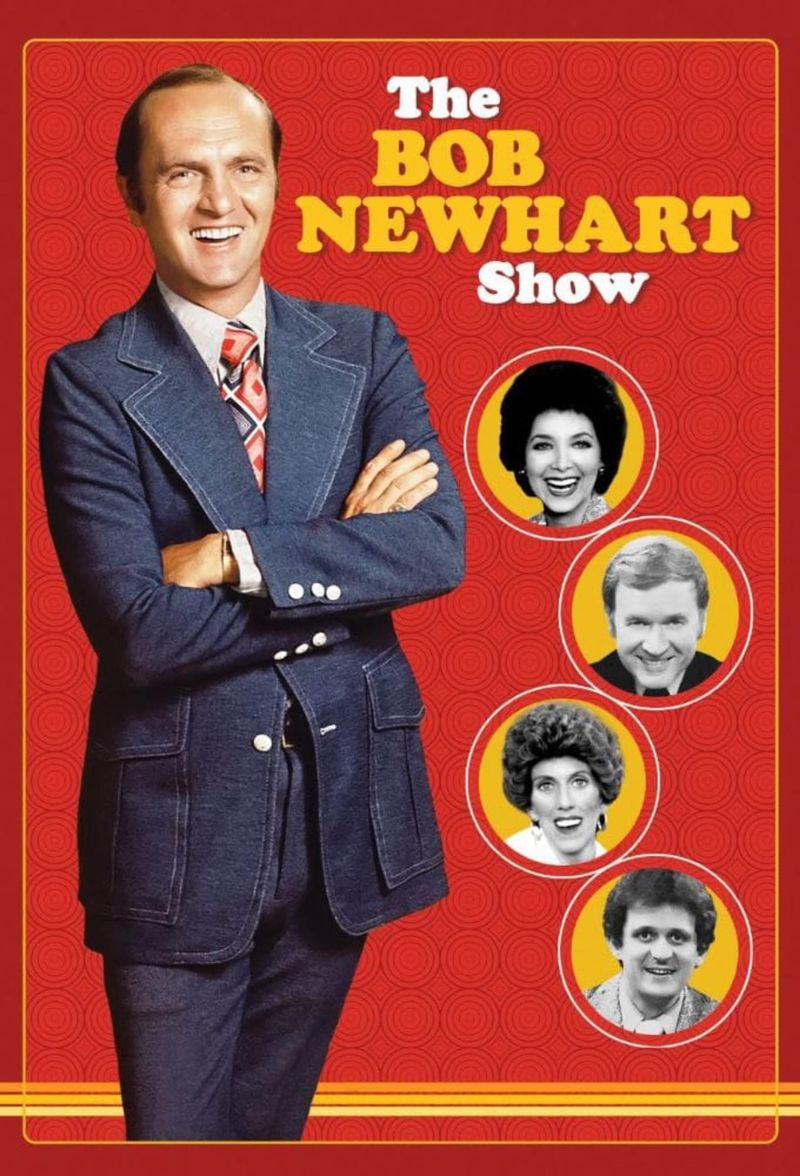
Dr. Bob Hartley listened.
That was his job, and his gentle, stammering reactions to everyone’s problems were pure comedy gold.
As a Chicago psychologist, Bob ran group therapy sessions full of anxious, grumpy, and lonely patients.
The show made talking about feelings seem normal long before it was common on television.
Bob also struggled to balance work with marriage, which many viewers still understand.
Mental health care is discussed openly now, and this sitcom helped pave the way.
Its calm humor suggests that asking for help is nothing to be embarrassed about.
13. What’s Happening!! (1976-1979)
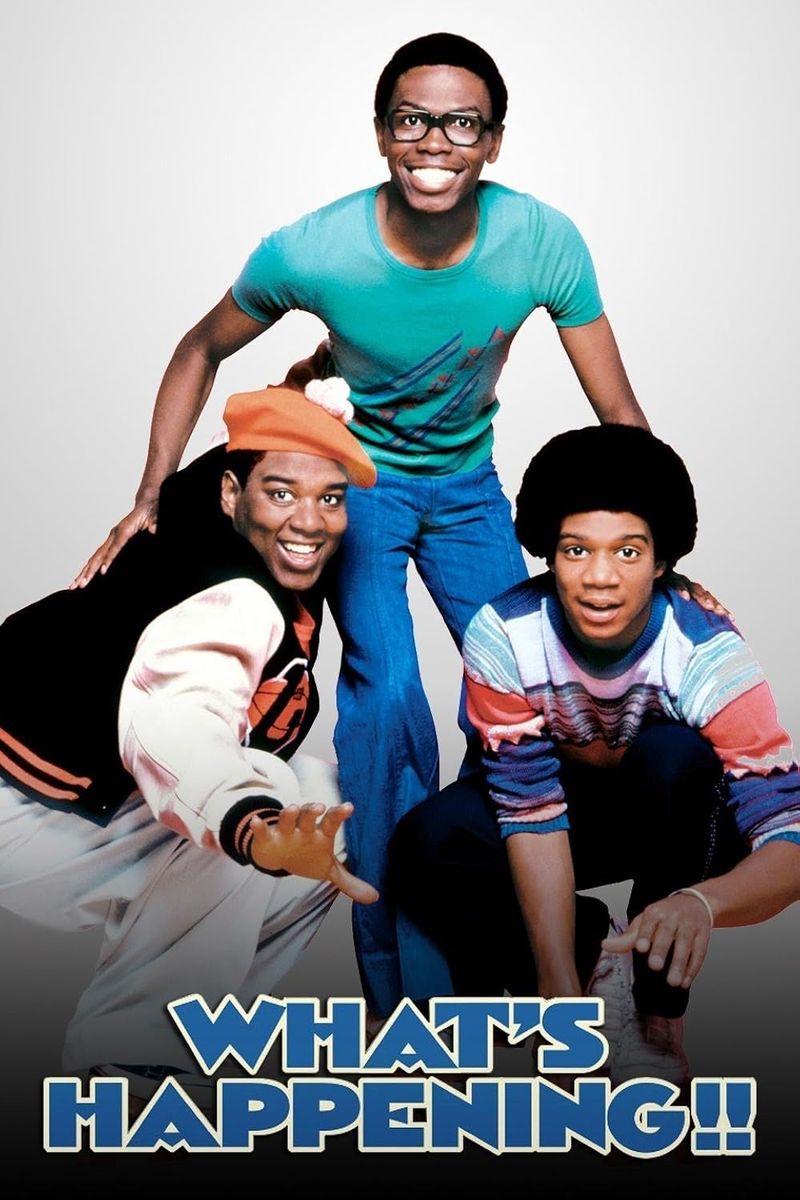
Raj, Dwayne, and Rerun were three teens with big hearts and a knack for trouble.
Their hangout was Rob’s diner in a Los Angeles neighborhood.
The show looked at friendship, peer pressure, schoolwork, and family duties.
Raj lived with his mom and little sister, so he often had to step up and help at home.
Growing up while money is tight is something many students still experience.
Rerun’s dancing made everyone laugh, yet the stories also showed how choices matter.
It reminds us that good friends can help you grow, and that a working-class neighborhood can be full of hope.
14. Diff’rent Strokes (1978-1986)
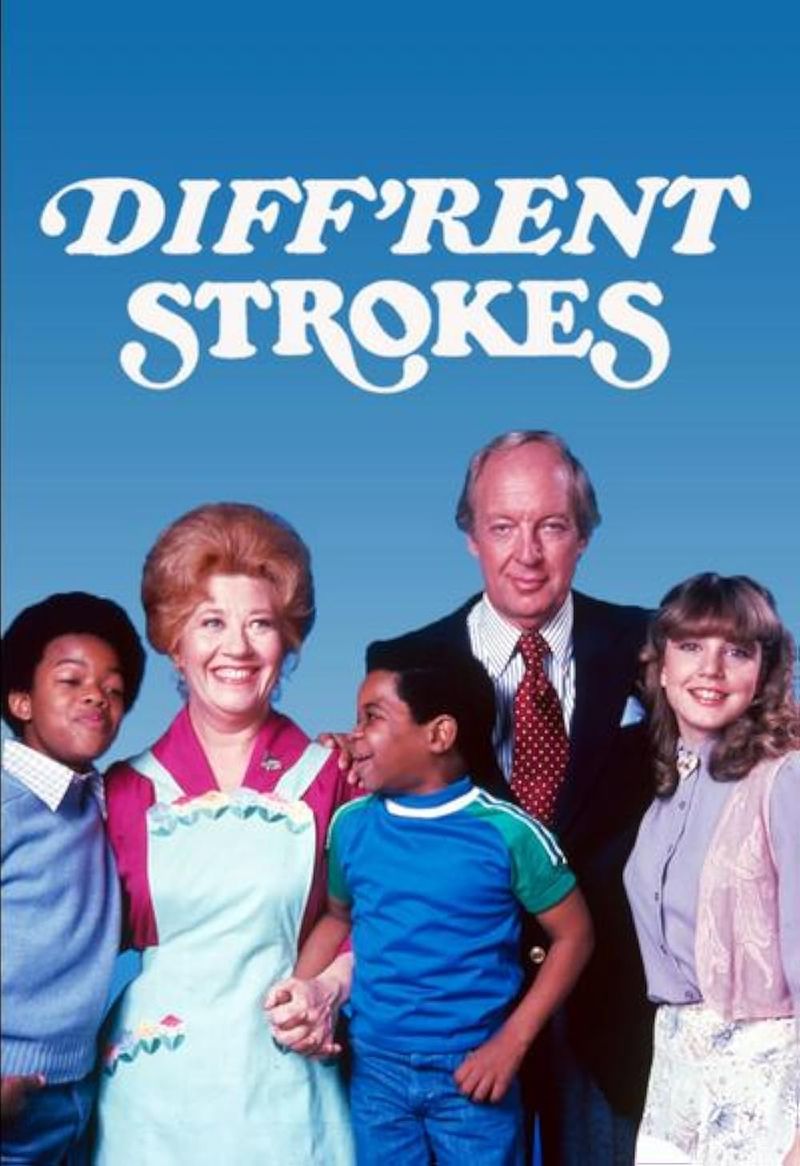
“Whatchu talkin’ ’bout, Willis?” became a catchphrase heard on playgrounds everywhere.
Behind it stood a story about a rich man adopting two boys from Harlem.
Mr. Drummond, Arnold, and Willis showed that family is built on love, not blood.
The show also dealt with race, wealth gaps, bullying, and child safety in special episodes that parents still remember.
Adoption and blended families are common today, and kids still need adults who protect them.
The sitcom did not always get everything perfect, but it started honest talks at home.
At its heart was one question: what truly makes a family?