 MomSkoop
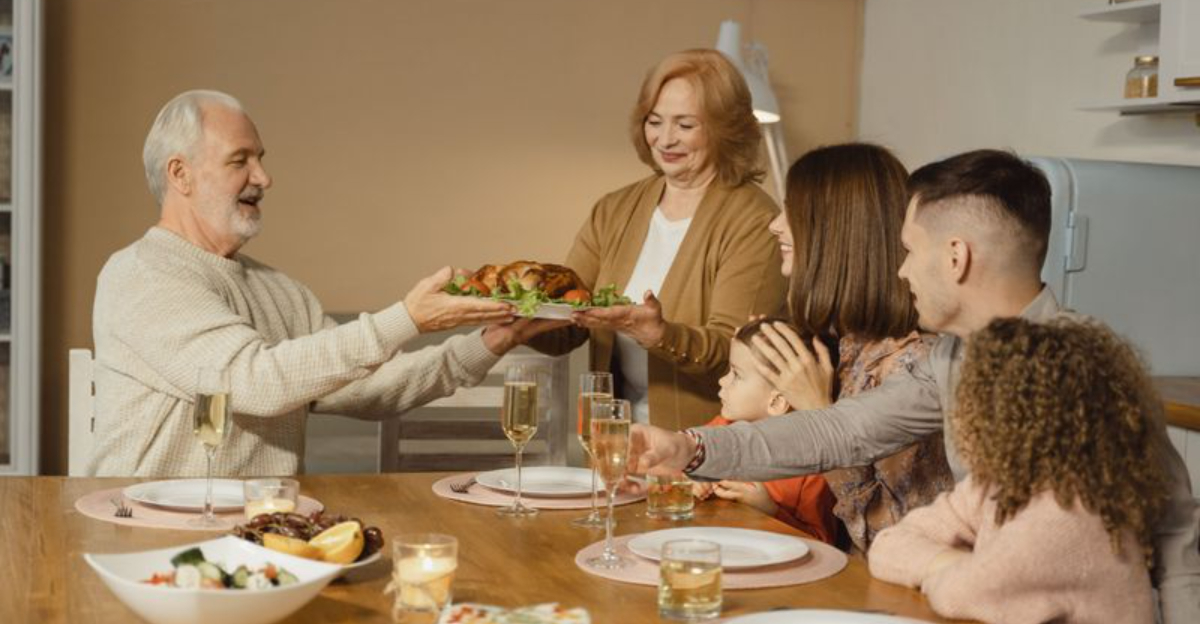
Long before smartphones and fast food, families gathered around the dinner table and followed a set of unspoken rules that kept mealtimes respectful and enjoyable. These habits were passed down from grandparents to parents to children, forming a kind of tradition that shaped how people treated each other.
Good table manners were seen as a sign of respect, not just for the food, but for the people sharing it. Many of these customs have faded over time, but they are worth remembering and even bringing back.
1. Waiting Until Everyone Was Served Before Eating
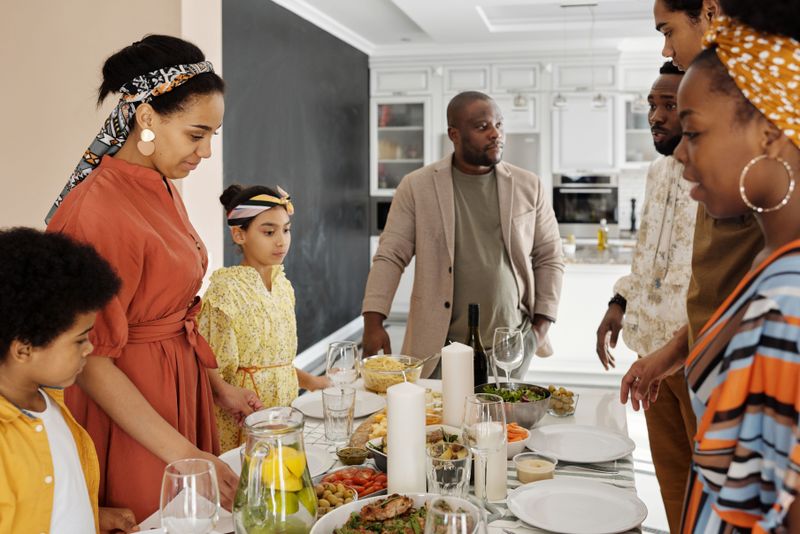
Patience at the dinner table used to be a non-negotiable rule in most households.
Before anyone picked up a fork, the expectation was clear: you waited until every person had food on their plate.
It was a simple act that said, “We eat together, not just near each other.”
This habit encouraged a sense of togetherness and respect for the effort that went into preparing the meal.
Nobody felt rushed or left out.
It also gave everyone a moment to settle in and appreciate the food before them.
Today, this practice can still make a big difference at family dinners.
Starting together creates a moment of connection that eating separately or at different times simply cannot replace.
2. Keeping Elbows Off the Table During the Meal
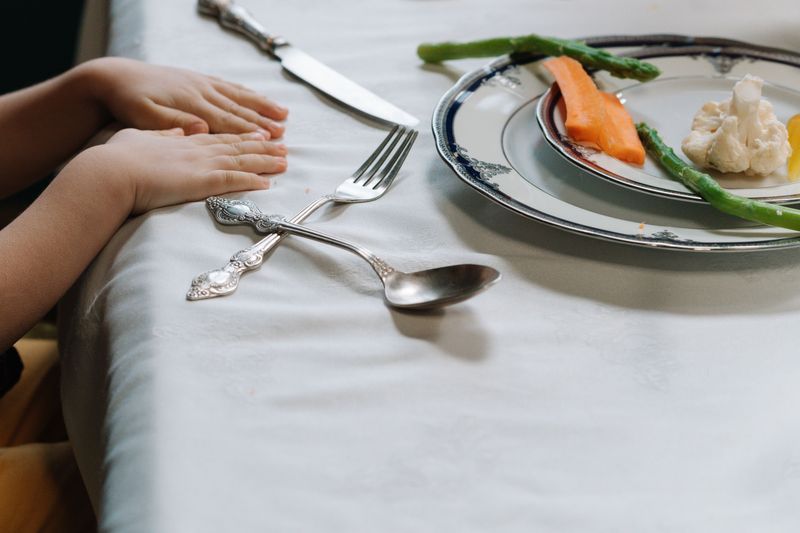
“Elbows off the table!” If you grew up in a traditional household, chances are you heard this phrase more than once.
It sounds like a small thing, but earlier generations took it seriously as a sign of proper posture and attentiveness at the table.
The rule likely started in formal dining settings where space was limited and leaning on the table was seen as lazy or disrespectful to fellow diners.
Keeping your arms at your sides naturally encouraged better posture and more focused eating.
While modern dining is far more relaxed, practicing this habit still has benefits.
Sitting up straight while eating actually supports better digestion and helps you stay present during the meal instead of zoning out.
3. Asking for Food to Be Passed Instead of Reaching Across
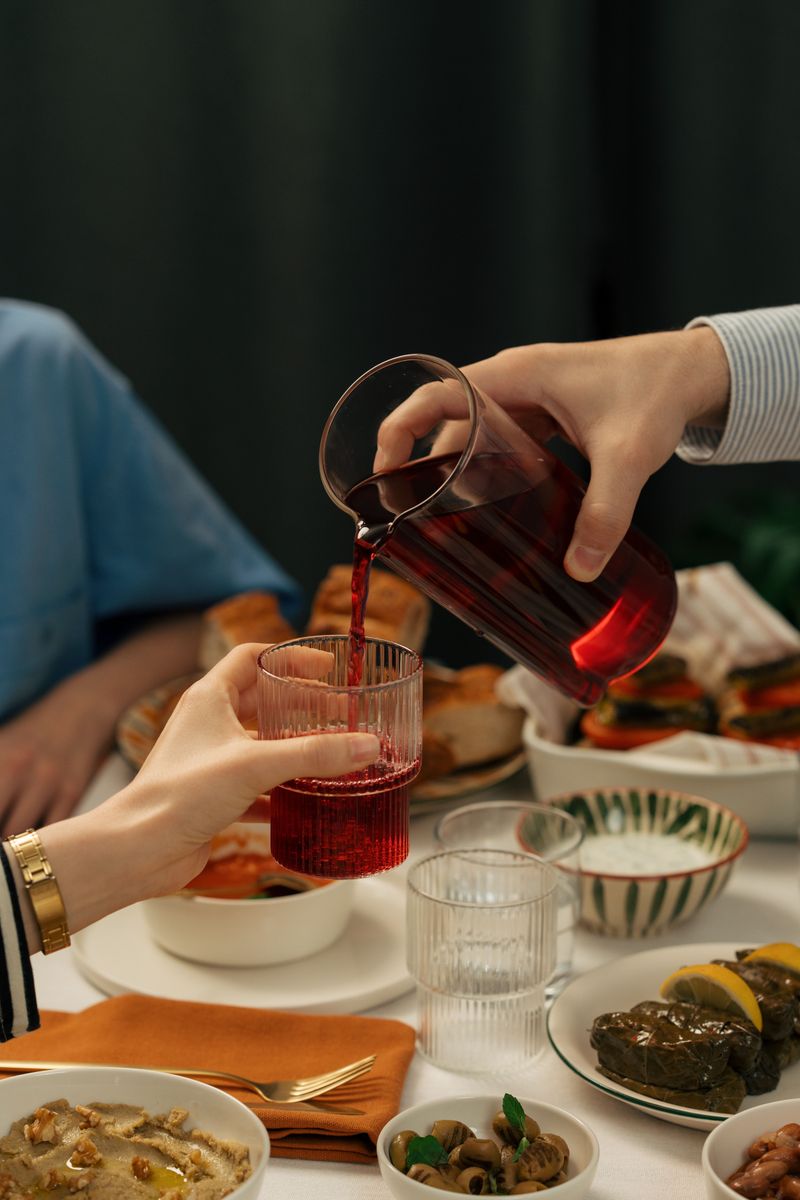
Reaching across someone else to grab the bread basket might seem harmless, but earlier generations would have considered it quite rude.
The proper move was always to ask someone nearby to pass the dish to you.
It showed awareness of the people around you.
This small habit kept the dinner table from feeling chaotic.
When everyone reaches across at once, things get knocked over, personal space gets invaded, and the whole meal feels rushed.
Asking politely kept things orderly and calm.
It also gave people a reason to talk to each other.
Saying “Could you please pass the butter?” opened up a tiny moment of interaction.
Those small exchanges added up to a warmer, more connected dining experience overall.
4. Chewing With Your Mouth Closed

Few things at the dinner table bother people more than watching someone chew with their mouth wide open.
Earlier generations were strict about this rule, and for good reason.
It is both distracting and, honestly, a little unpleasant for everyone else trying to enjoy their food.
Chewing with your mouth closed is one of those habits that shows you are aware of the people around you.
It signals that you care about the shared experience of the meal, not just your own hunger.
Children were taught this rule early and reminded of it often.
The good news is that this manner is still widely taught and appreciated today.
Practicing it consistently, especially in public settings, leaves a lasting impression of thoughtfulness and self-awareness on others.
5. Not Speaking While Chewing Food

There is an old saying: “Do not talk with your mouth full.” Generations of parents drilled this into their children at mealtime, and it was one of the first table manners most kids ever learned.
The reasoning behind it is both practical and polite.
Speaking while chewing can be hard to understand and a little messy.
More importantly, it signals that you are not fully present in the conversation.
Taking a moment to swallow before speaking shows respect for the people listening to you.
Old family dinners were often the main time people caught up with each other.
Talking clearly and at the right moment made those conversations more meaningful.
This habit encouraged mindful communication, something that is just as valuable today as it ever was.
6. Placing the Napkin on Your Lap Before Eating
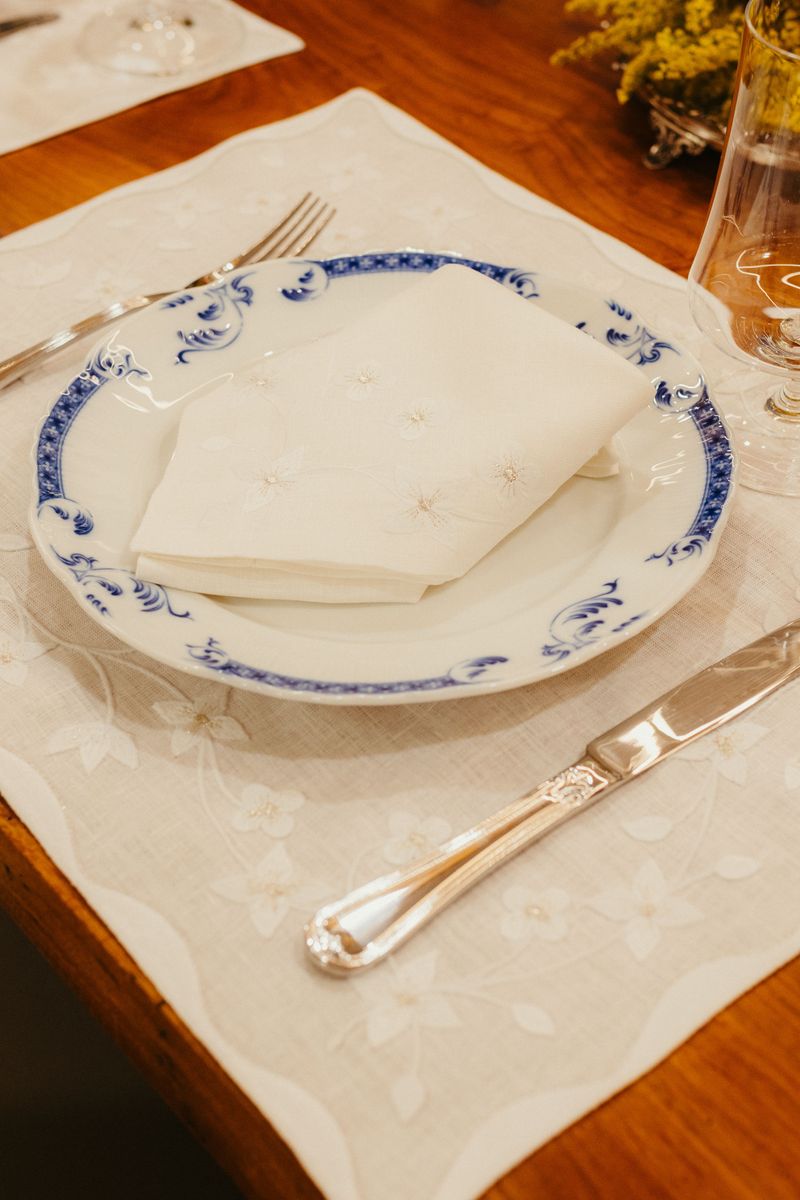
The moment everyone sat down at the table, the napkin went straight onto the lap.
This was one of the first things children were taught in formal dining settings, and it served a very real purpose beyond just looking polished and put-together.
A napkin on your lap is there to catch crumbs, dab your mouth between bites, and keep your clothes clean.
Using it properly meant you were ready to eat in a tidy and considerate way.
Leaving it folded on the table or tucked into your collar was considered improper in most settings.
Even at casual family meals, this habit stuck.
It created a small ritual that signaled the meal was beginning.
That kind of intentionality around food is something many people find comforting and grounding in today’s busy world.
7. Asking Permission Before Leaving the Table
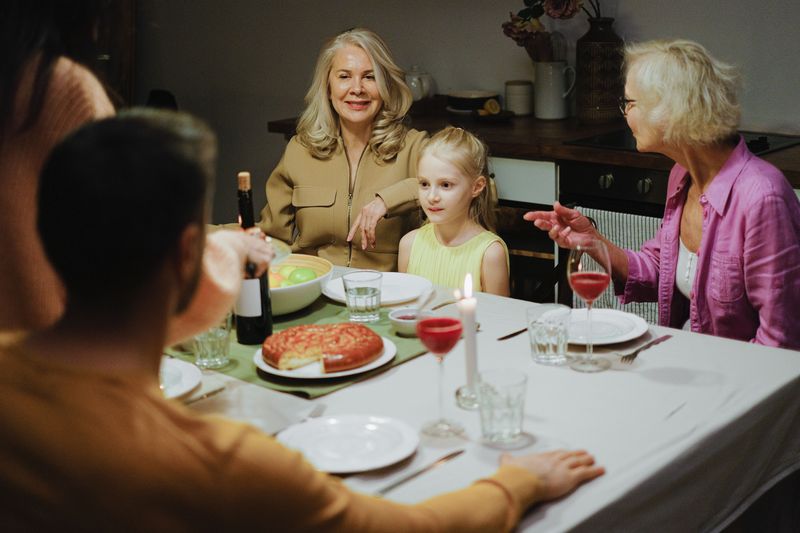
“May I be excused?” Those four words were a staple of family dinners for decades.
Children were expected to ask before getting up from the table, no matter how eager they were to go play or watch television.
It was a rule rooted in respect for the group.
Leaving the table without asking was seen as dismissive of the family time that the meal represented.
Staying until excused showed that everyone valued being together, not just the food.
It also gave parents a chance to wrap up conversations or remind kids of responsibilities.
This tradition taught children that shared time has value.
Even as adults, excusing yourself before leaving a dinner table is still considered polite in many cultures and formal settings around the world today.
8. Sitting Upright Rather Than Slouching

Good posture at the dinner table was something earlier generations took seriously.
Slouching was seen as a sign of laziness or disinterest, and parents were quick to remind their children to sit up straight.
It was about more than appearances, though.
Sitting upright actually helps with digestion and makes it easier to eat neatly.
When you slouch, you are more likely to hunch over your plate, rush through your food, or seem disengaged from the people around you.
Proper posture naturally encouraged a more relaxed and attentive dining experience.
Schools reinforced this habit too, teaching children to sit correctly at desks and during lunch.
The consistent reminders from both home and school helped build a lifelong awareness of how body language affects social interactions during meals and beyond.
9. Using Utensils Rather Than Eating With Your Hands
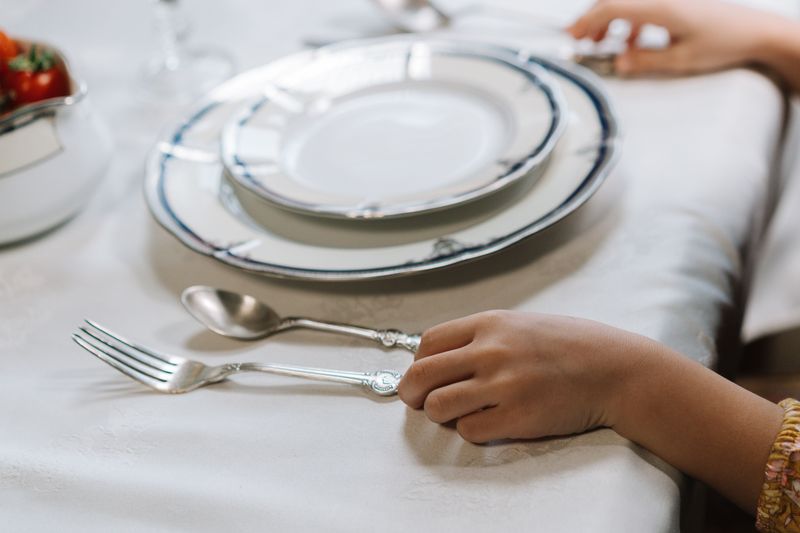
Picking up a fork instead of using your fingers was considered a basic mark of civilized dining in earlier generations.
While some foods were always meant to be eaten by hand, like bread or corn on the cob, most dishes required utensils, and using them correctly was a point of pride.
Learning to handle a knife and fork properly took practice, and parents invested time in teaching their children.
It was not just about eating neatly.
It was about fitting into social situations, from school lunches to formal dinners, with confidence and grace.
Proper utensil use still matters today in many settings.
Knowing which fork to use or how to hold a spoon correctly can make a real difference in how others perceive your social awareness and upbringing during shared meals.
10. Saying Please and Thank You When Requesting Food
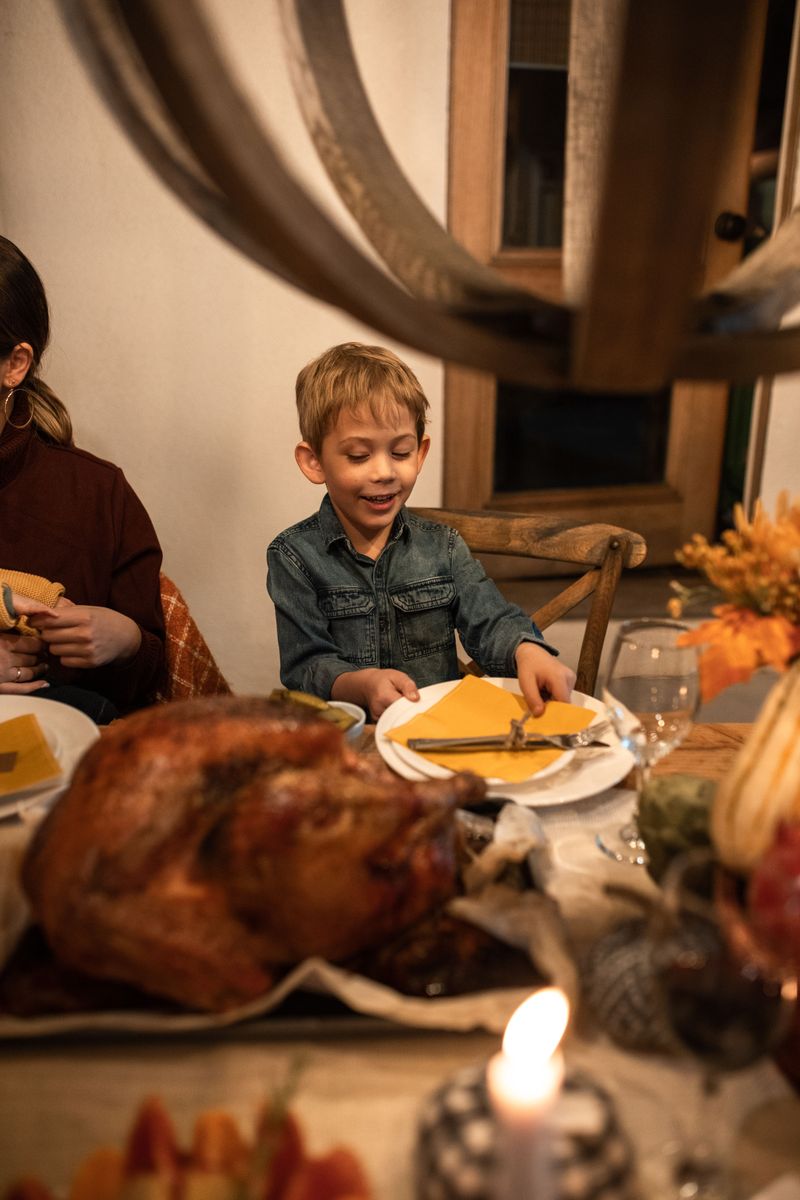
Politeness at the table started with two simple words: please and thank you.
Earlier generations treated these phrases as non-optional at mealtimes.
Asking for the salt without a “please” or accepting a dish without a “thank you” was considered rude, plain and simple.
These small words carry a lot of meaning.
They acknowledge the other person, show appreciation, and keep the tone of the meal warm and respectful.
Children who used them consistently were praised, and those who forgot were gently corrected until the habit became second nature.
The beauty of this manner is how easy it is to practice.
It costs nothing to say “please pass the bread” or “thank you for the soup.” Yet the warmth it creates at the table is something everyone around it can feel.
11. Taking Modest Portions Before Going Back for Seconds
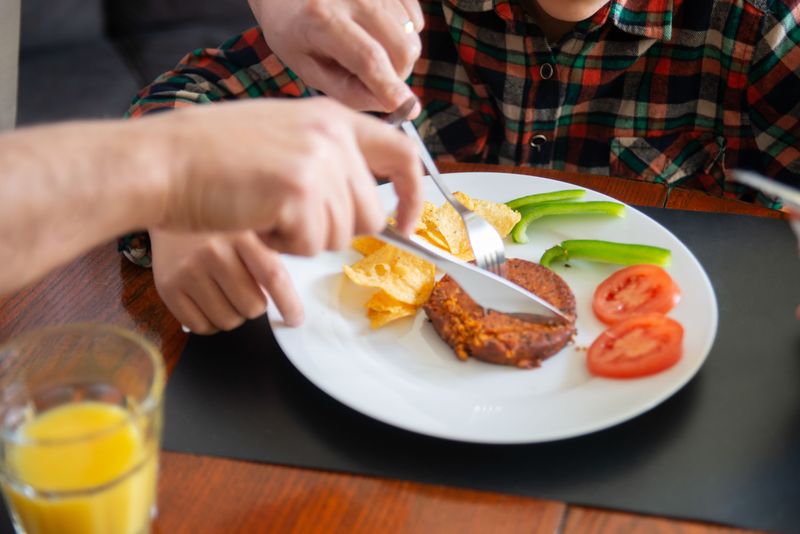
Heaping your plate on the first pass was considered greedy and inconsiderate in earlier households.
The expectation was that you took a reasonable amount, gave everyone else a chance to serve themselves, and then went back for more if there was enough to share.
This habit reflected an awareness of others at the table.
Not everyone eats at the same speed, and taking too much too soon could leave someone without enough food.
Modest first portions showed that you thought about the group, not just your own appetite.
It also tied into gratitude for the meal.
Taking a little at a time meant you savored what you had rather than rushing through a mountain of food.
That mindful approach to eating is something nutritionists and etiquette experts still recommend today.
12. Keeping Phones, Books, and Other Distractions Away From the Table

Long before smartphones existed, families had other distractions to manage at the table, like books, comics, and television.
The rule was the same regardless of the era: mealtime was family time, and outside distractions were not welcome at the table.
Removing distractions forced everyone to be present with each other.
Conversations happened naturally, stories were shared, and kids actually listened to the adults around them.
The dinner table became a daily check-in for the whole family, a ritual that held households together.
Today, the challenge is screens, and the principle has not changed one bit.
Putting your phone face-down or leaving it in another room during meals is one of the simplest ways to rebuild the kind of connection that earlier generations protected so carefully every single evening.
13. Complimenting the Person Who Prepared the Meal
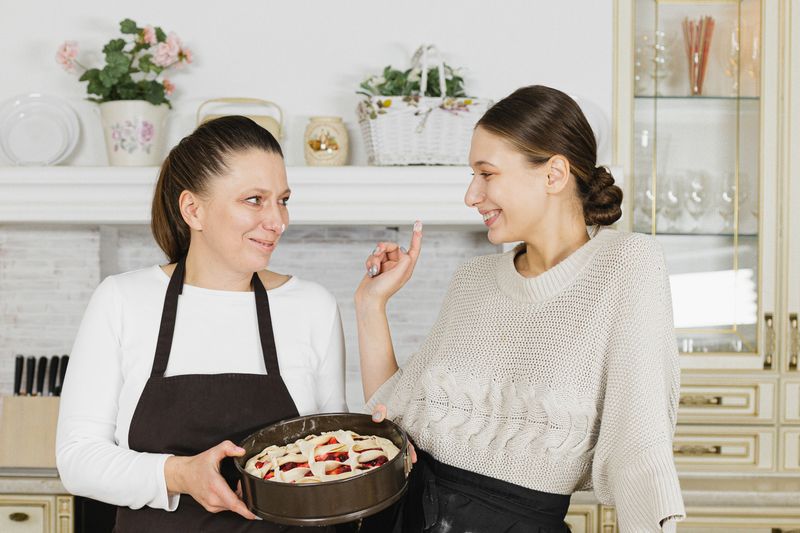
Cooking a meal for a family takes real effort, and earlier generations made sure that effort was recognized.
Complimenting the cook after a meal was expected, not optional.
It was a way of saying, “I see the work you put into this, and I appreciate it.”
This habit fostered a culture of gratitude around food.
When children grew up hearing adults thank the cook, they naturally learned to do the same.
It made the person who cooked feel valued and encouraged, which often made them want to put in that effort again.
A simple “This is delicious” or “Thank you for making dinner” can completely change the atmosphere at the table.
Appreciation like that costs nothing but creates a ripple of warmth that makes the whole meal feel more special and worth sharing.
14. Helping Clear the Table Once the Meal Was Finished
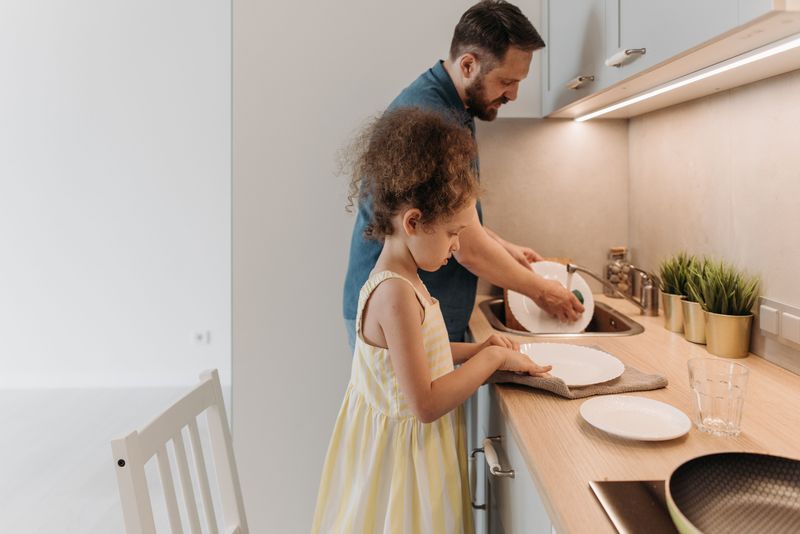
When the last bite was taken, the expectation in most traditional households was that everyone pitched in to clear the table.
No one simply got up and walked away while someone else handled the cleanup.
The meal was a shared experience from start to finish.
Children were assigned tasks based on their age, from stacking plates to carrying glasses to wiping down the table.
These small chores taught responsibility and showed kids that shared spaces require shared effort.
Nobody was too young or too important to help.
This habit built a sense of teamwork that extended well beyond the dinner table.
Kids who grew up clearing dishes learned early that contributing to a household is part of belonging to one.
That lesson has a way of sticking with people for life.