 MomSkoop
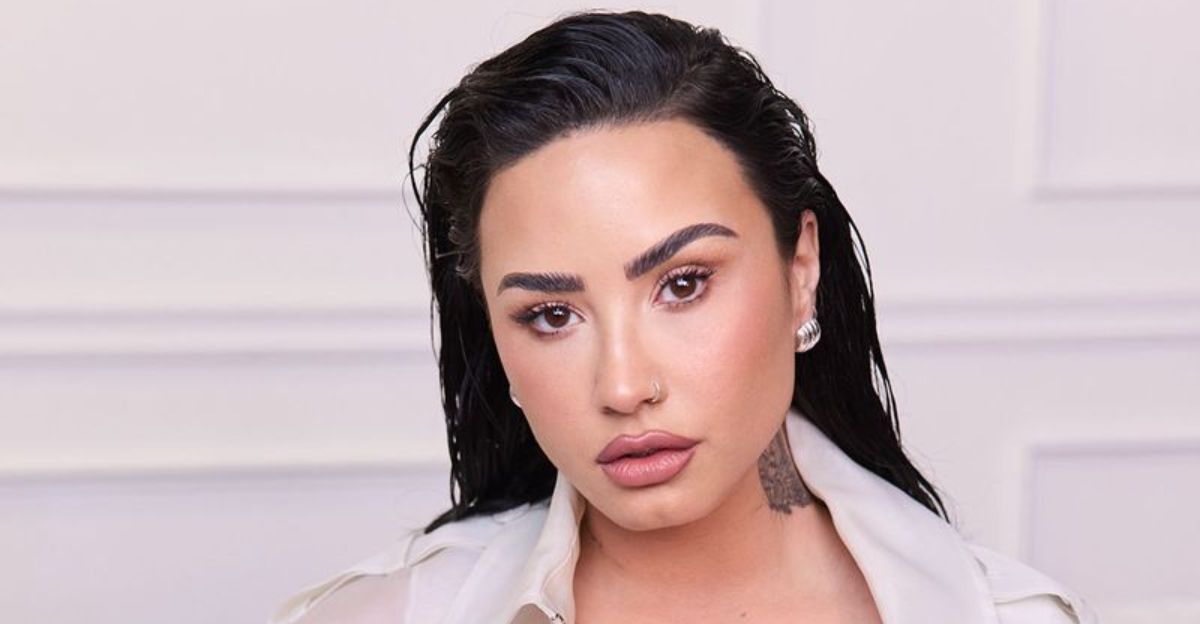
Some of the biggest names in Hollywood have faced battles with addiction that nearly cost them everything.
From Oscar winners to rock legends, these celebrities chose sobriety and say it completely transformed who they are.
Their stories are raw, honest, and surprisingly relatable.
Whether you’re personally touched by addiction or just curious about the human side of fame, these journeys will leave you inspired.
1. Robert Downey Jr.
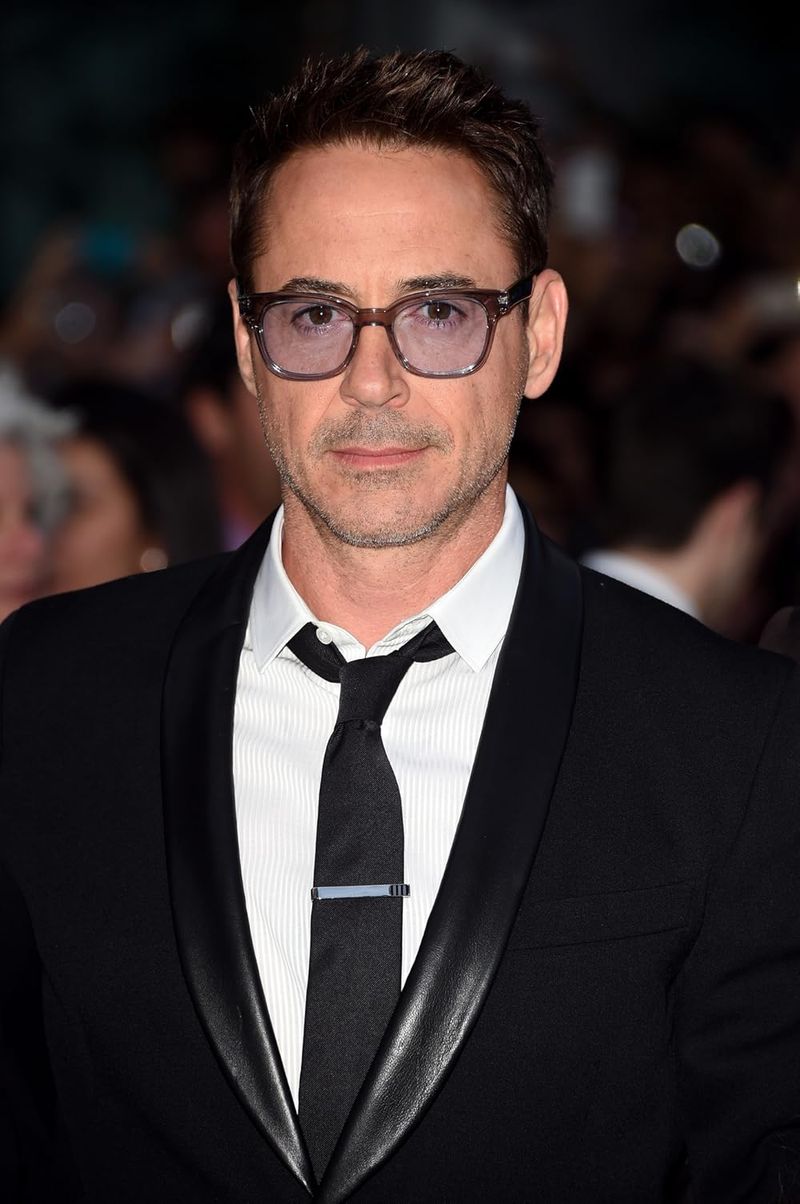
Before he became Iron Man, Robert Downey Jr. was making headlines for all the wrong reasons.
His addiction to drugs and alcohol led to multiple arrests and nearly destroyed one of Hollywood’s most promising careers.
Many people wrote him off entirely.
Then something shifted.
With support from his wife Susan and a serious commitment to sobriety, Downey rebuilt his life from the ground up.
He credits staying clean with giving him the discipline and clarity to reclaim his career.
Today, he’s one of the highest-paid actors in history — proof that recovery really can rewrite your story.
2. Anthony Hopkins
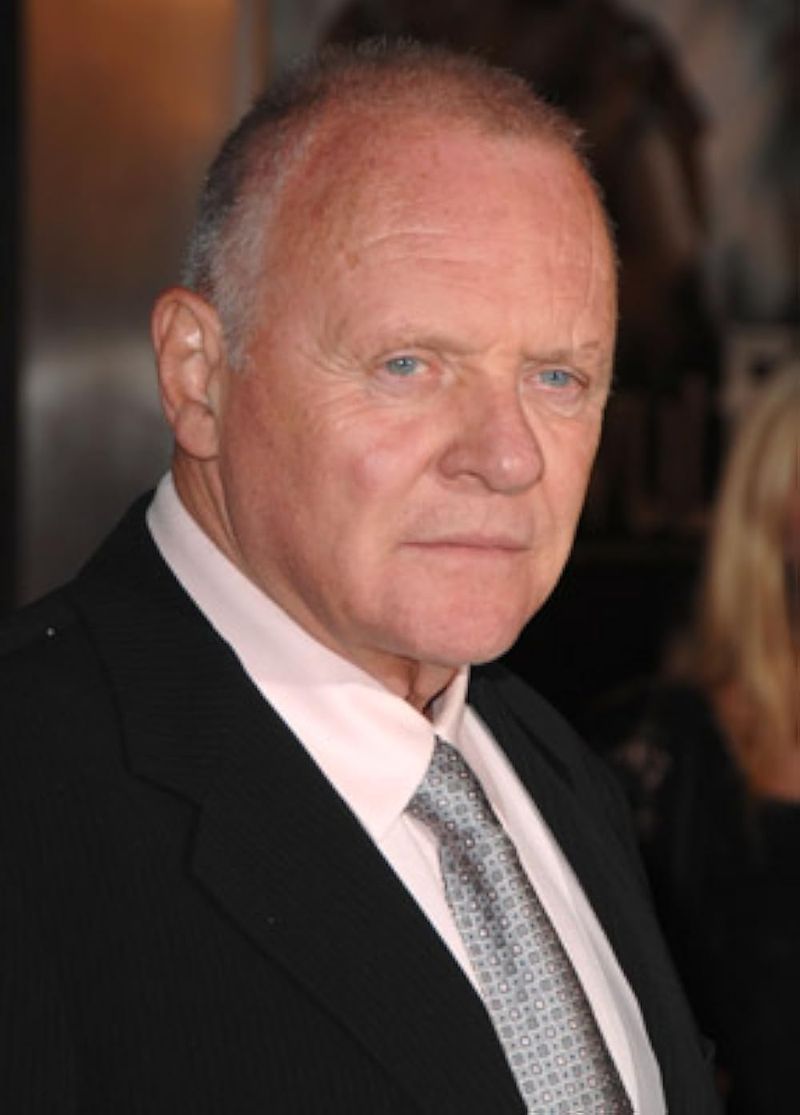
Anthony Hopkins has been sober for over 45 years, and he doesn’t shy away from talking about what alcohol nearly took from him.
He’s described his drinking as completely out of control, a force that threatened his relationships, his health, and his legendary acting career.
One day in 1975, he made a decision to stop — and he never looked back.
Hopkins credits Alcoholics Anonymous and a deep spiritual transformation for keeping him grounded all these decades.
He often says sobriety didn’t just save his career; it saved his life.
That’s a legacy far greater than any Oscar.
3. Bradley Cooper
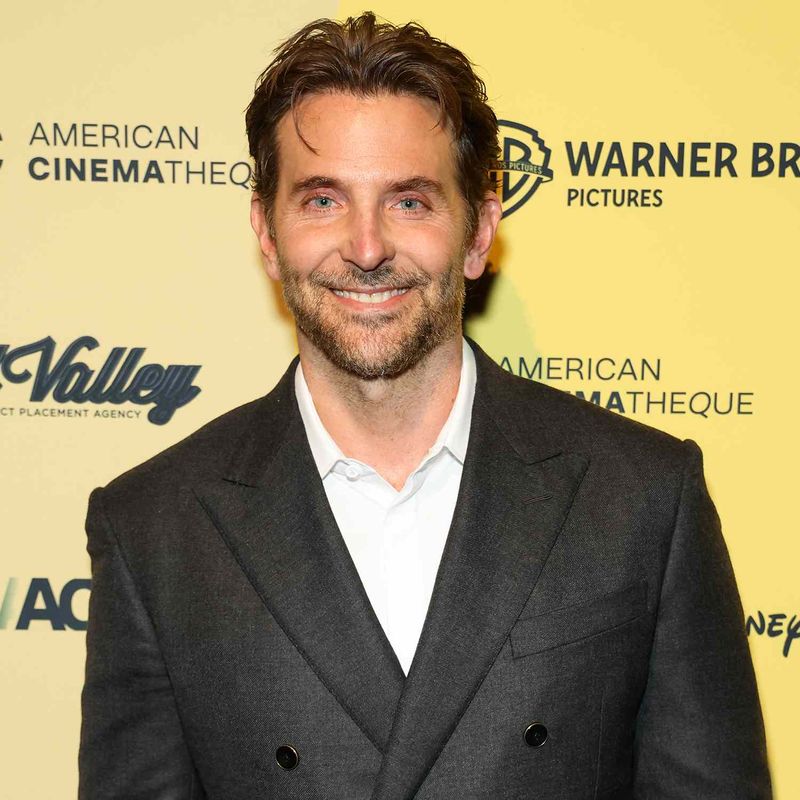
Bradley Cooper was barely out of his twenties when he realized alcohol was pulling him in a dangerous direction.
He quit drinking at 29, long before his A-list status was cemented, and says it was one of the smartest decisions he ever made.
“I was lucky,” he’s said in interviews, acknowledging that getting sober early gave him the mental focus to pour everything into his craft.
His performances in films like Silver Linings Playbook and A Star Is Born carry an emotional depth many fans connect with his lived experience.
Sobriety, for Cooper, became the foundation everything else was built on.
4. Daniel Radcliffe
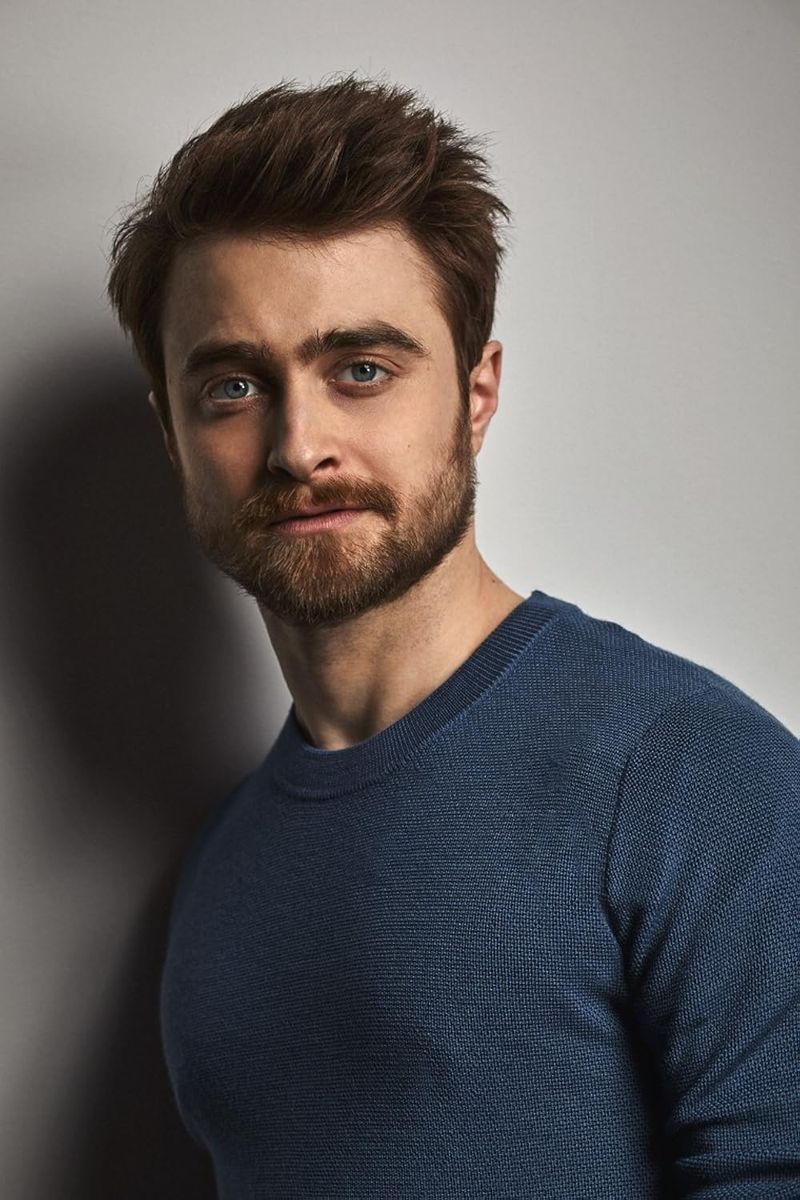
Growing up as Harry Potter meant living under an almost unbearable spotlight.
Daniel Radcliffe turned to alcohol as a way to cope with the pressure of fame at such a young age — and it started affecting his mental health in serious ways.
He’s been refreshingly open about how drinking became a crutch, admitting he would sometimes show up to sets hungover and full of anxiety.
Recognizing the problem early was key to changing course.
Radcliffe stopped drinking in his early twenties and has since spoken candidly about mental wellness and self-awareness.
His honesty has resonated with a whole generation of young fans navigating their own struggles.
5. Demi Lovato
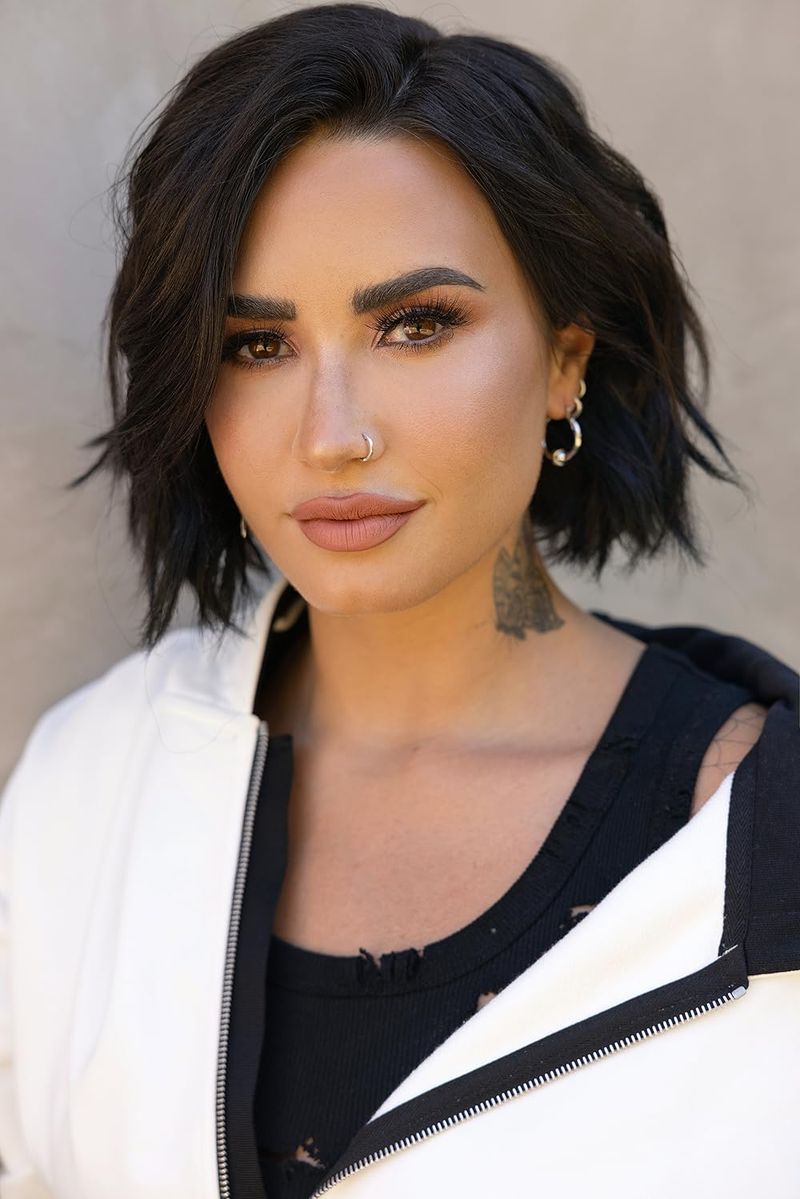
Few recovery journeys in the public eye have been as complex or as closely followed as Demi Lovato’s.
From their near-fatal overdose in 2018 to multiple relapses and public reflections, Lovato has never pretended recovery is a straight line.
That honesty is exactly what makes their story so powerful.
Lovato has used music, interviews, and documentaries to pull back the curtain on addiction in a way that feels deeply human rather than polished or perfect.
They’ve spoken about the ongoing nature of recovery and the importance of mental health support alongside sobriety.
For millions of fans, Lovato’s vulnerability has felt like permission to be imperfect too.
6. Eminem
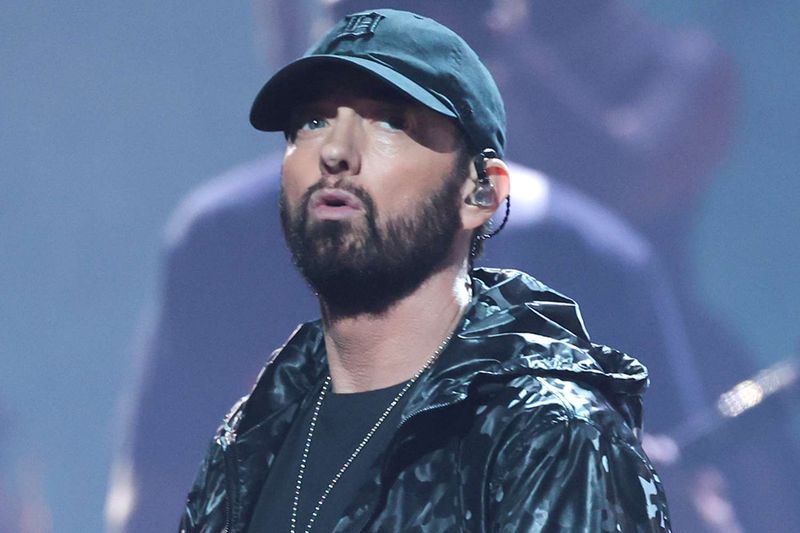
By the mid-2000s, Eminem’s addiction to prescription pills had spiraled so far out of control that he later revealed he was taking the equivalent of what could have been a lethal dose daily.
A near-fatal overdose in 2007 became the turning point he couldn’t ignore.
Recovery wasn’t easy or glamorous.
He replaced his addiction with running — literally logging miles every day to manage the emotional weight of getting clean.
It became a lifeline.
Eminem has been sober for well over a decade and credits his sobriety with reigniting his creative drive.
Albums like Recovery weren’t just titles — they were autobiographies.
7. Russell Brand
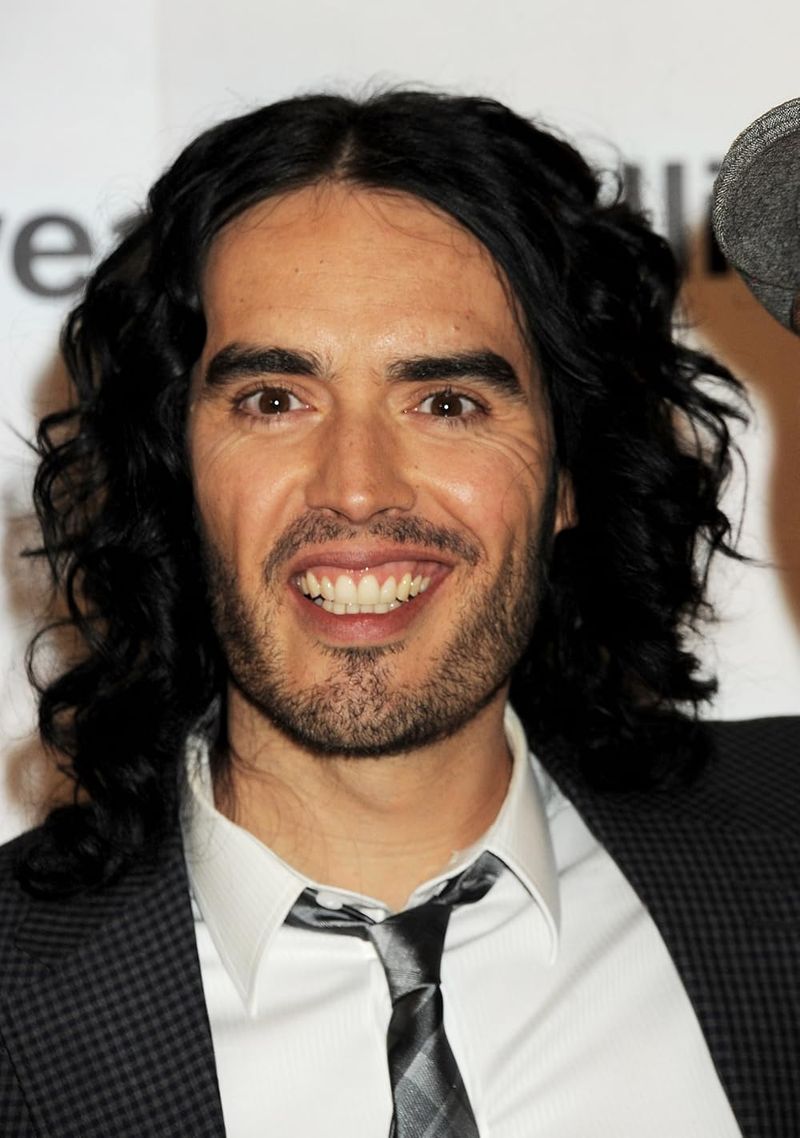
Russell Brand has been sober since 2003, and he’s turned that experience into a full-blown mission.
His book Recovery: Freedom from Our Addictions reimagines the 12-step program in accessible, everyday language — and it’s helped thousands of people feel less alone in their struggles.
Brand has spoken about heroin addiction, alcoholism, and the spiritual emptiness that fed both.
He argues that addiction is rarely about the substance itself, but about the pain underneath it.
Whether or not you agree with all his views, his passion for recovery advocacy is undeniable.
He’s one of the most vocal and consistent celebrity voices in the sobriety conversation.
8. Jamie Lee Curtis
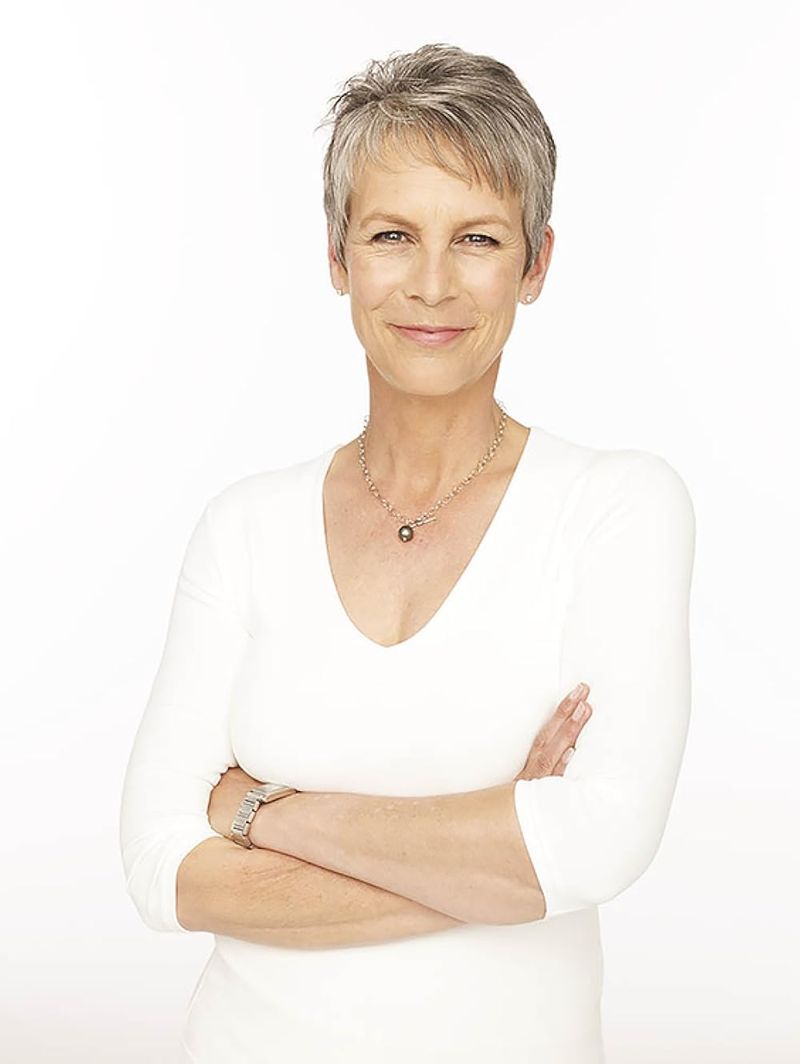
Jamie Lee Curtis kept a significant secret for nearly a decade.
Behind her successful acting career and cheerful public image, she was quietly dependent on opioids — a habit that started after a routine cosmetic procedure in the late 1980s.
She’s described the addiction as sneaky and shame-filled, something she hid even from close family members.
Getting clean required honesty she wasn’t sure she had.
Curtis has been sober for over 25 years and now speaks openly about opioid dependency, helping to reduce the stigma around prescription drug addiction.
Winning her first Oscar in 2023 felt, she said, like a gift sobriety made possible.
9. Ben Affleck
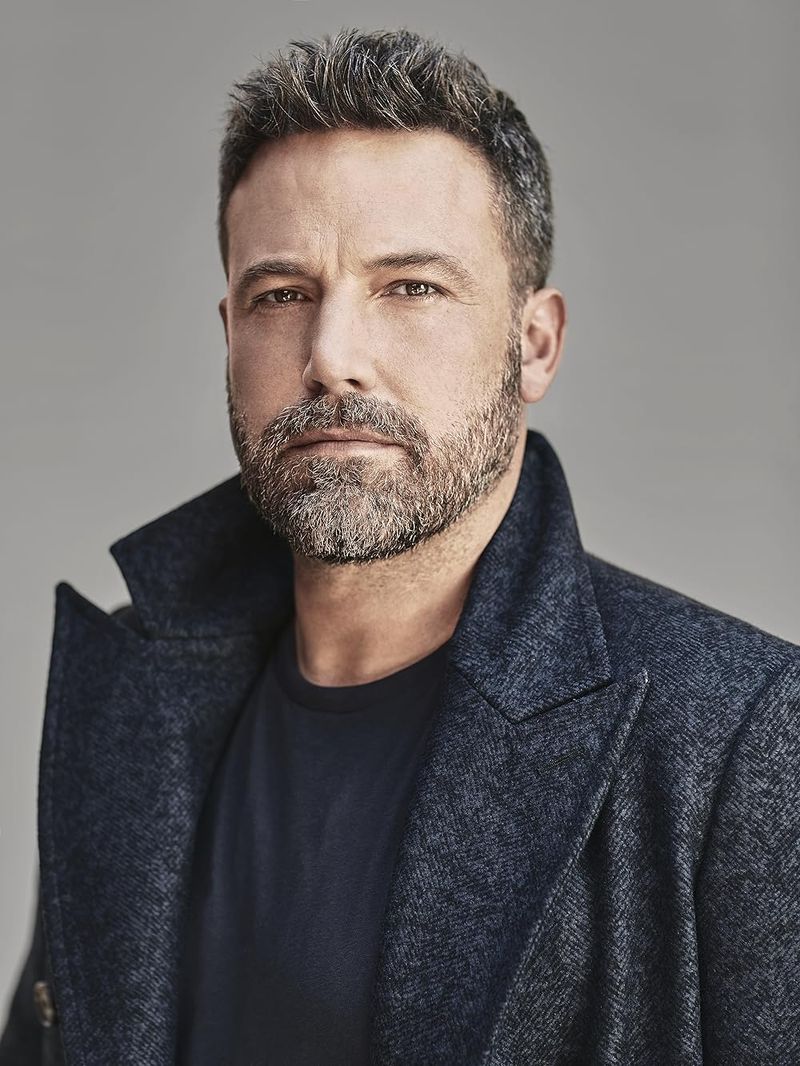
Ben Affleck has never tried to make his recovery look easy.
He’s checked into rehab multiple times, spoken publicly about relapse, and continued to show up anyway.
That persistence, more than anything, defines his sobriety story.
Alcohol became a way to manage anxiety and the enormous pressures of Hollywood life.
He’s talked honestly about how his drinking affected his family, including his children, which became a major motivator for change.
Affleck continues to prioritize his recovery, attending meetings and speaking without shame about the ongoing work involved.
His willingness to be imperfect in public has made him a surprisingly relatable figure in the sobriety world.
10. Lucy Hale
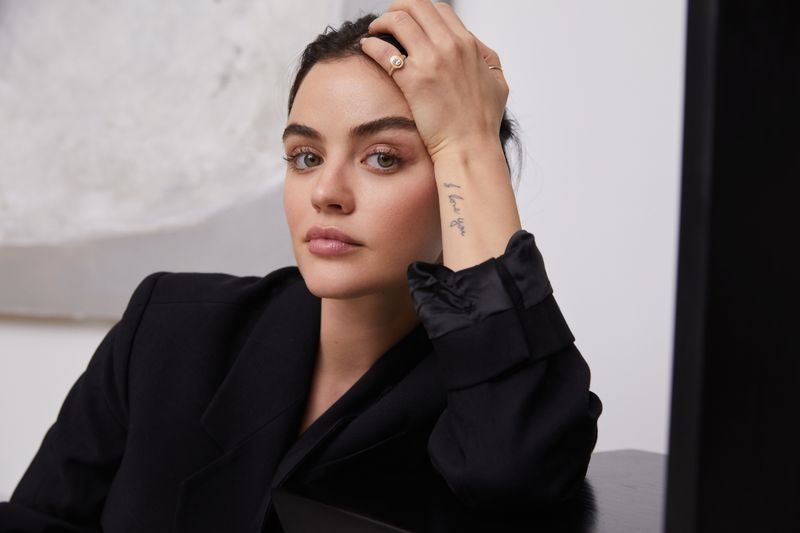
Lucy Hale, best known for her role in Pretty Little Liars, confirmed in 2022 that she had chosen sobriety after years of struggling with her relationship with alcohol.
The decision, she said, wasn’t dramatic — it was quiet and deeply personal.
She’s described a gradual realization that drinking wasn’t making her feel better; it was making everything harder.
Anxiety, low self-worth, and emotional numbness were all tied up in the habit.
Since going sober, Hale says she feels more present, more creative, and more like herself than ever before.
Her openness has sparked meaningful conversations among her younger fanbase about alcohol and mental wellness.
11. Tom Holland
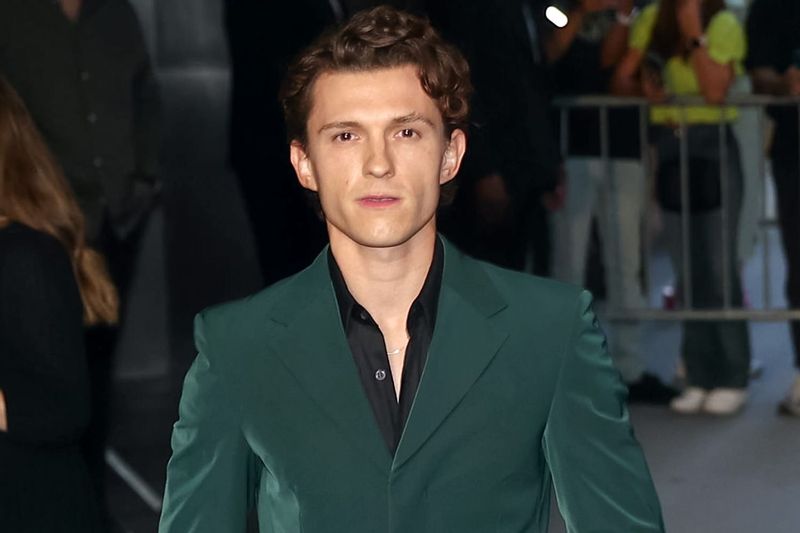
Tom Holland surprised fans in 2022 when he announced he had given up alcohol after completing a dry January challenge and deciding to keep going.
What started as a month-long experiment turned into a lifestyle commitment.
The Spider-Man star said the process made him reassess how much of his social life revolved around drinking, and he didn’t love what he found.
He’s talked about how sobriety improved his sleep, his fitness, and his overall mental clarity.
Holland’s story resonates especially with younger audiences because it shows that sobriety doesn’t have to follow a crisis.
Sometimes, you just decide you want to feel better — and that’s enough.
12. Dax Shepard
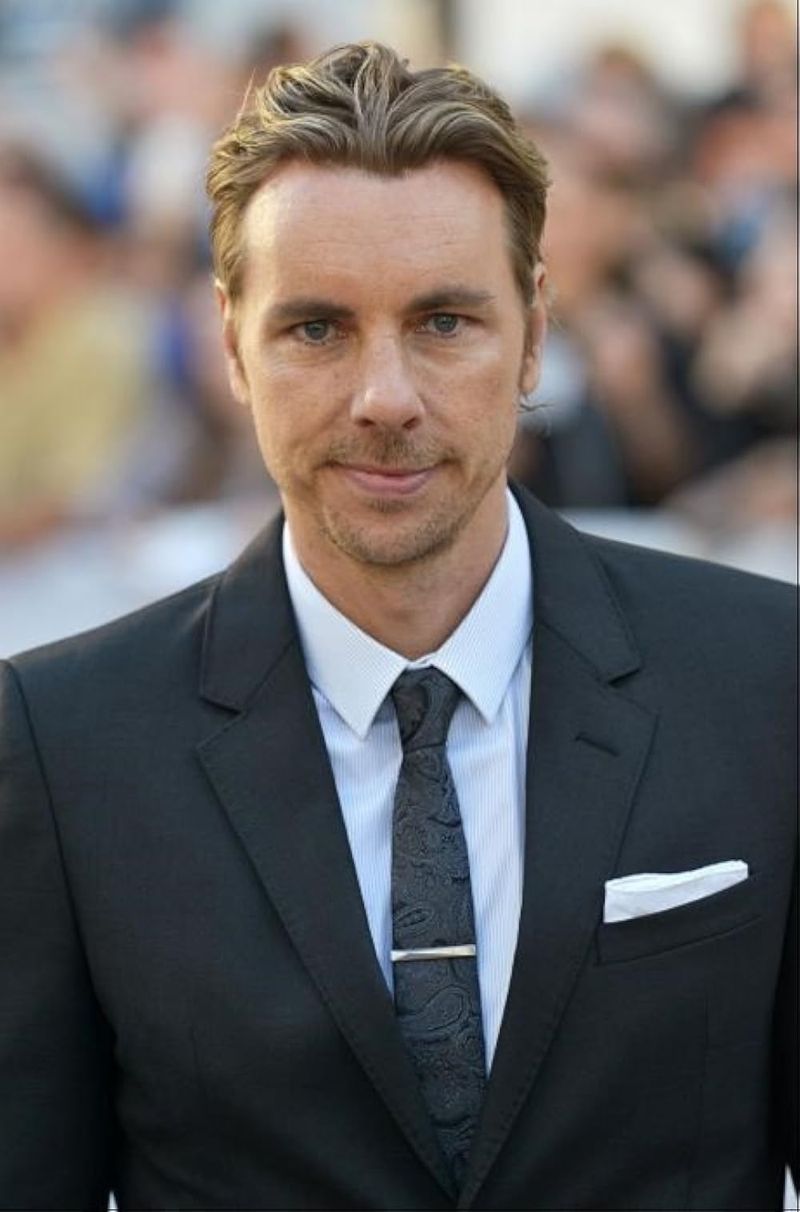
Dax Shepard has built an entire platform around honest conversations about recovery.
On his wildly popular podcast Armchair Expert, he’s discussed addiction, relapse, and the ongoing maintenance that sobriety requires in refreshingly unfiltered terms.
In 2020, he publicly disclosed a relapse after 16 years of sobriety — a moment of radical honesty that many in recovery circles called brave and important.
Rather than hiding it, he talked through it openly with his audience.
Shepard’s approach reminds people that relapse doesn’t erase progress.
His long-term commitment to recovery, complete with all its messy moments, has made him one of the most trusted voices on the subject.
13. Moby
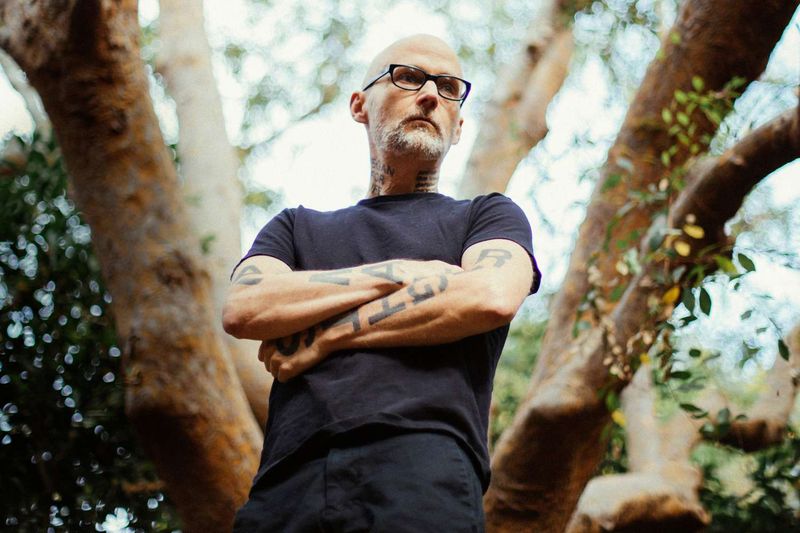
Moby, the electronic music pioneer behind hits like Porcelain and Natural Blues, has been sober since 2008 after years of battling alcoholism.
He’s described his drinking years as chaotic and self-destructive, filled with decisions he deeply regrets.
What changed?
A growing awareness that alcohol was robbing him of creativity, connection, and peace.
He’s also spoken about veganism and spirituality as part of the larger lifestyle shift that supported his recovery.
Moby remains candid about the loneliness that often feeds addiction.
His memoir and public interviews offer an unusually introspective look at what it means to rebuild yourself quietly, away from the spotlight’s noise.
14. Ozzy Osbourne
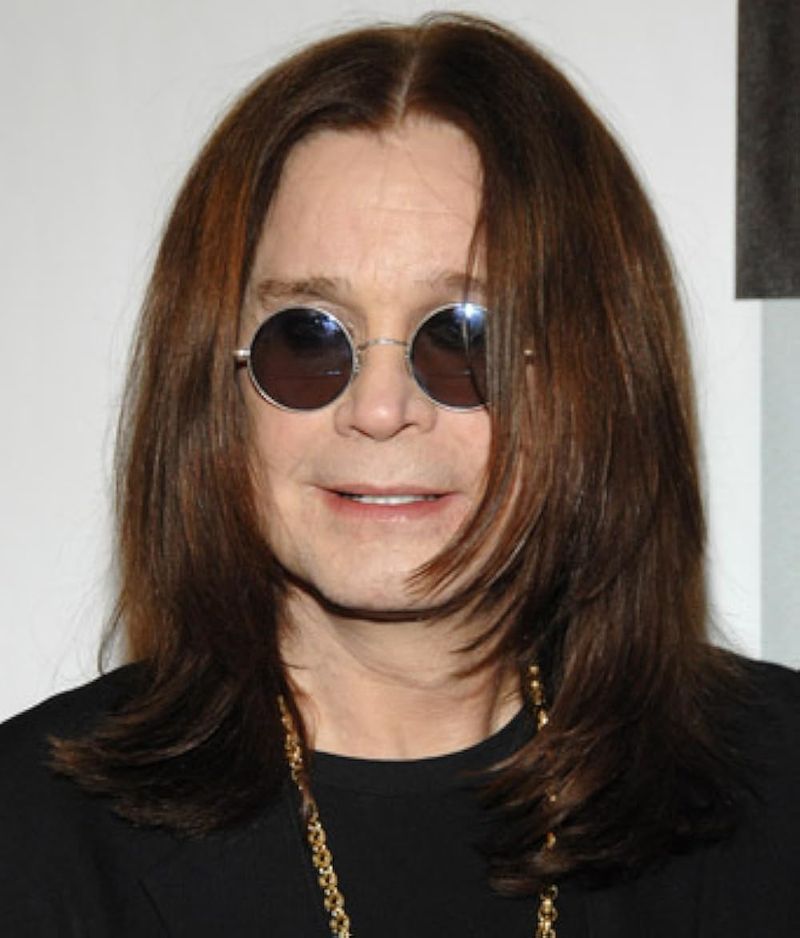
Ozzy Osbourne’s relationship with sobriety has been one of the most public and turbulent in rock history.
Decades of alcohol and drug abuse, multiple relapses, and very public rock-bottom moments have all played out in front of the world.
But Ozzy keeps coming back.
His family, his music, and a stubborn will to survive have pulled him toward sobriety repeatedly, even when the road back was difficult.
His wife Sharon has been a constant force in his recovery journey.
In recent years, facing serious health challenges, Ozzy has renewed his commitment to staying clean.
His story isn’t tidy — but it’s real, and that makes it worth telling.
15. Chrissy Teigen

Chrissy Teigen first opened up about quitting alcohol in 2021, describing how drinking had become a daily habit she no longer wanted.
She was candid about the fact that it wasn’t a dramatic bottom — it was a slow realization that alcohol simply wasn’t serving her anymore.
After a relapse, she recommitted publicly, which took real courage given the scale of her social media following.
Rather than disappearing from the conversation, she leaned into it.
Teigen’s willingness to share both the commitment and the stumbles has made her recovery story feel genuinely human.
She’s shown that sobriety is something you choose again and again, not just once.