 MomSkoop
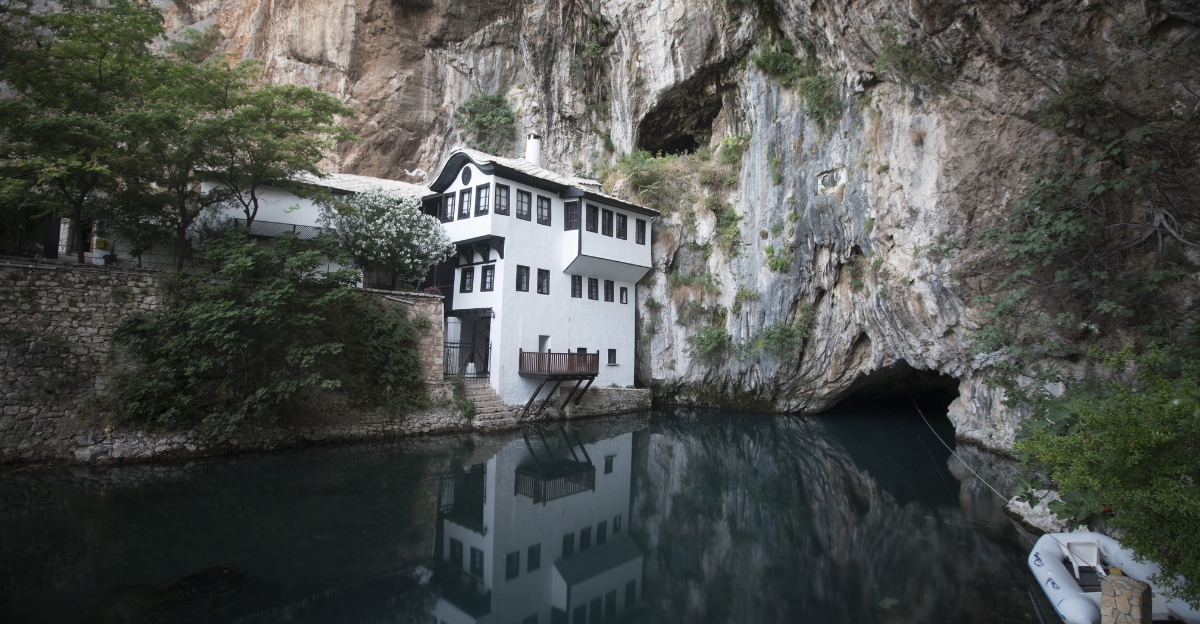
Eastern Europe holds some of the most breathtaking and overlooked destinations on the entire continent.
While tourists flock to famous capitals and crowded beaches, countless hidden gems remain peaceful and unspoiled.
From ancient mountain villages to stunning waterfalls and medieval fortress towns, these secret spots offer authentic experiences without the overwhelming crowds.
1. Mirusha Falls, Kosovo
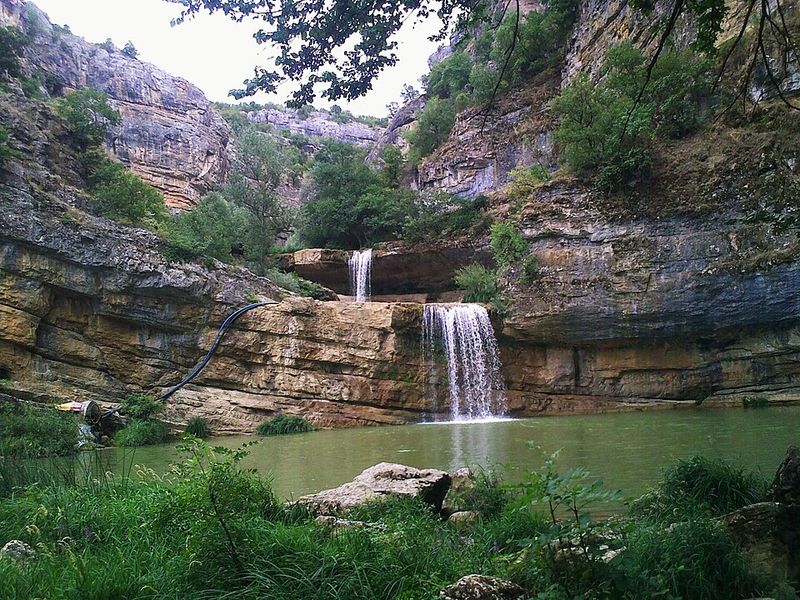
Tucked away in Kosovo’s countryside, Mirusha Falls creates a spectacular series of cascades that tumble through rocky gorges.
The crystal-clear water pools between each waterfall, inviting brave swimmers to take a refreshing dip during warmer months.
Hiking trails wind along the canyon edges, offering amazing viewpoints at every turn.
Local families often picnic near the falls, enjoying the natural beauty without massive tourist crowds.
Adventure seekers can scramble over boulders and explore hidden caves behind some cascades.
Pack sturdy shoes and a swimsuit for the full experience of this magical landscape.
2. Lukomir, Bosnia & Herzegovina
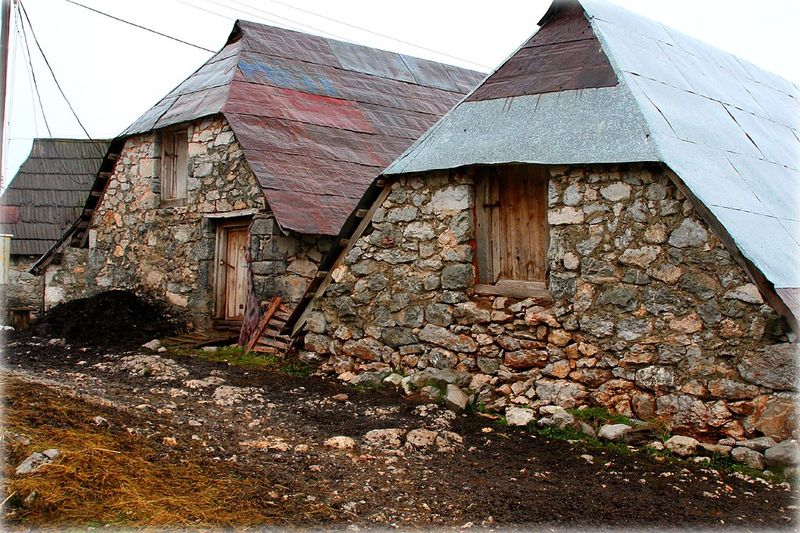
Perched at 1,469 meters above sea level, Lukomir stands as Bosnia’s highest and most isolated village.
Stone cottages with pyramid-shaped roofs dot the landscape, looking almost unchanged for centuries.
Shepherds still tend their flocks using methods passed down through generations.
Visitors can stay with local families who welcome guests into their traditional homes.
Homemade cheese, fresh bread, and strong coffee are standard offerings from incredibly hospitable residents.
Winter snows often cut off road access for months, preserving the village’s timeless character.
Summer brings wildflowers and perfect conditions for exploring nearby Bjelašnica Mountain trails.
3. Blagaj, Bosnia & Herzegovina
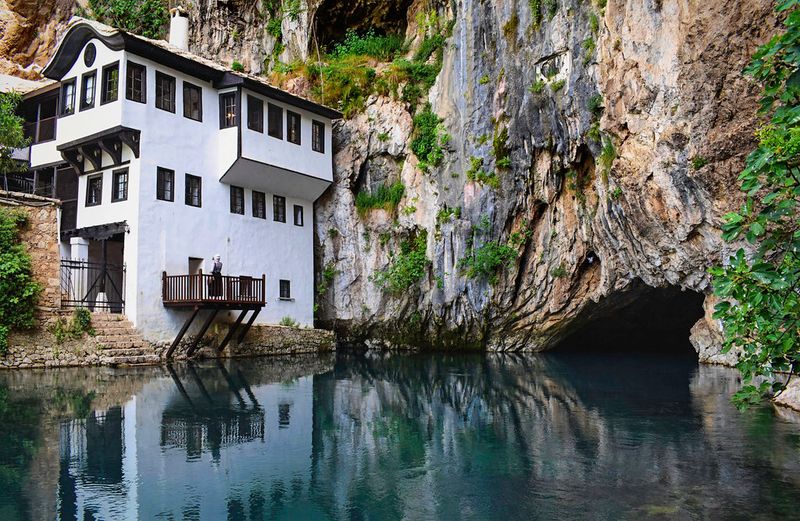
Where the Buna River emerges from a massive cliff cave, you’ll find one of Europe’s most photogenic spots.
A 16th-century Dervish House clings to the rock face, its white walls reflecting in impossibly blue-green waters below.
Monks once meditated in this peaceful sanctuary, seeking spiritual connection with nature.
Small restaurants line the riverbank, serving fresh trout caught just meters away.
Wooden platforms extend over the water, creating perfect spots for lunch with unforgettable views.
Visitors can take boat rides to the cave opening or simply relax by the spring’s edge.
The combination of history, architecture, and natural beauty makes Blagaj genuinely enchanting.
4. Kravica Waterfalls, Bosnia & Herzegovina
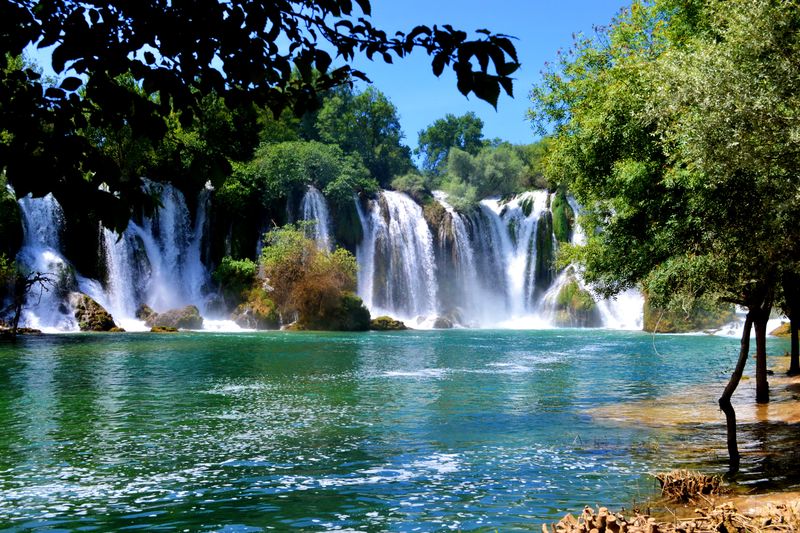
Imagine a 25-meter-high curtain of water stretching over 100 meters wide, creating a natural amphitheater of cascading beauty.
Kravica Falls transforms the Trebižat River into a spectacular show of power and grace.
During spring snowmelt, the falls roar with incredible force.
Summer turns the area into a natural swimming paradise, with locals and visitors cooling off in the large pool beneath the falls.
Small caves hide behind the curtain of water, accessible to those willing to get thoroughly soaked.
Surrounding forests provide shaded picnic areas and walking paths.
Arrive early morning to avoid afternoon crowds and capture the best photographs in soft light.
5. Jajce, Bosnia & Herzegovina
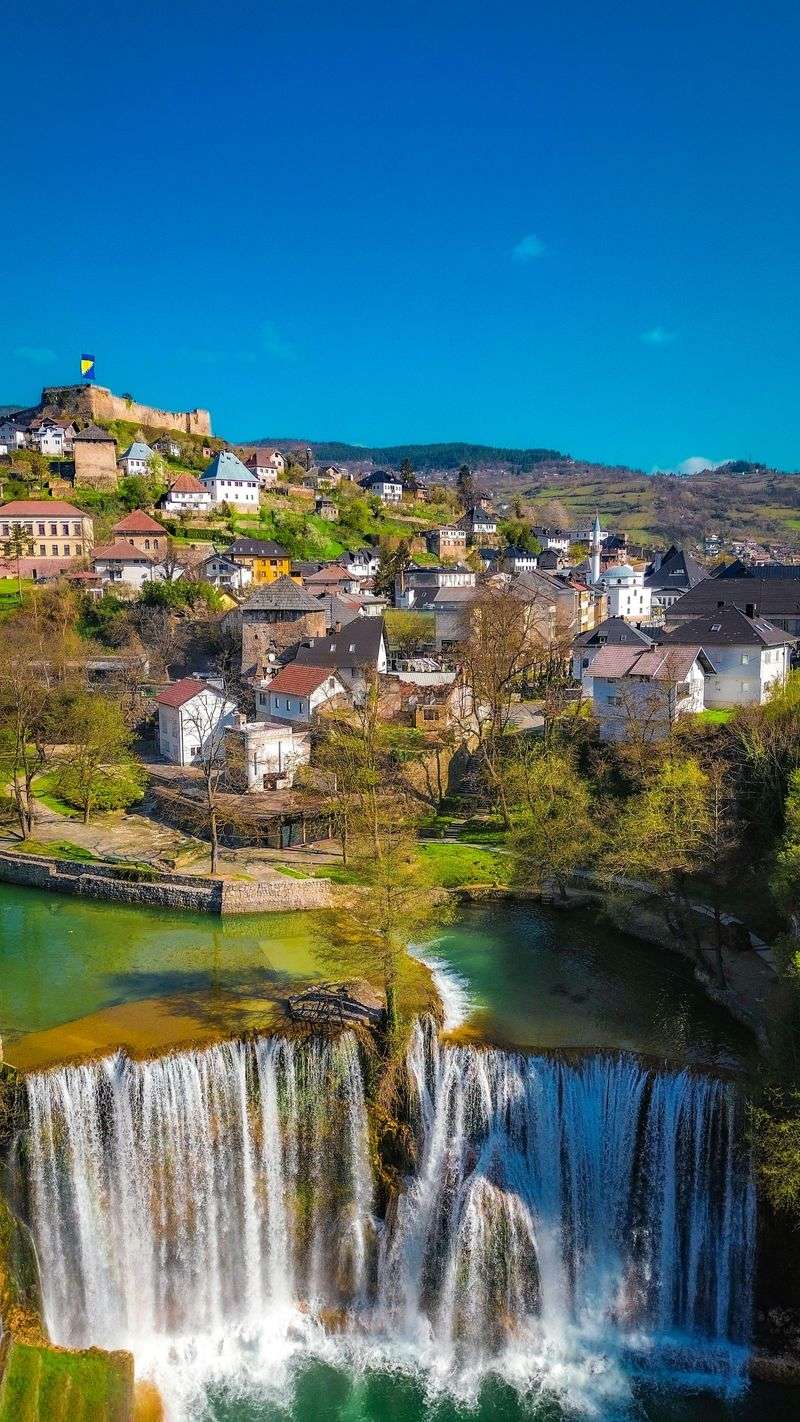
Few towns can claim a 20-meter waterfall crashing right through their center, but Jajce wears this distinction proudly.
Where the Pliva River meets the Vrbas, water thunders down in a spectacular display visible from the medieval fortress above.
Kings once ruled from this strategic hilltop, and their legacy remains in well-preserved stone walls.
Underground catacombs and ancient churches tell stories of centuries past.
The Pliva Lakes nearby offer peaceful boat rides through interconnected watermills that still grind grain using water power.
Autumn colors the surrounding forests in brilliant reds and golds, creating picture-perfect scenery.
History enthusiasts and nature lovers find equal satisfaction here.
6. Berat, Albania
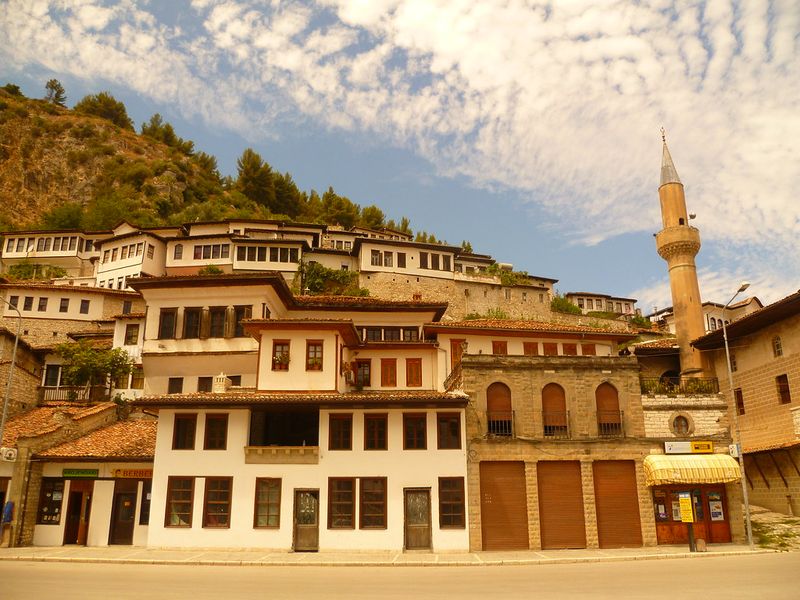
Nicknamed the City of a Thousand Windows, Berat’s white Ottoman houses cascade down steep hillsides like frozen waterfalls of architecture.
Each building features distinctive large windows that sparkle in the sunlight, creating the effect that earned this Albanian treasure its famous nickname.
UNESCO recognized Berat’s exceptional preservation of Ottoman-era urban life.
Narrow cobblestone streets wind between centuries-old homes where families still live and work.
The hilltop castle offers panoramic views across the Osum River valley.
Local restaurants serve traditional Albanian dishes in courtyards surrounded by blooming flowers.
Spring and fall provide ideal weather for exploring this remarkably intact historical gem without summer’s intense heat.
7. High Tatras, Slovakia
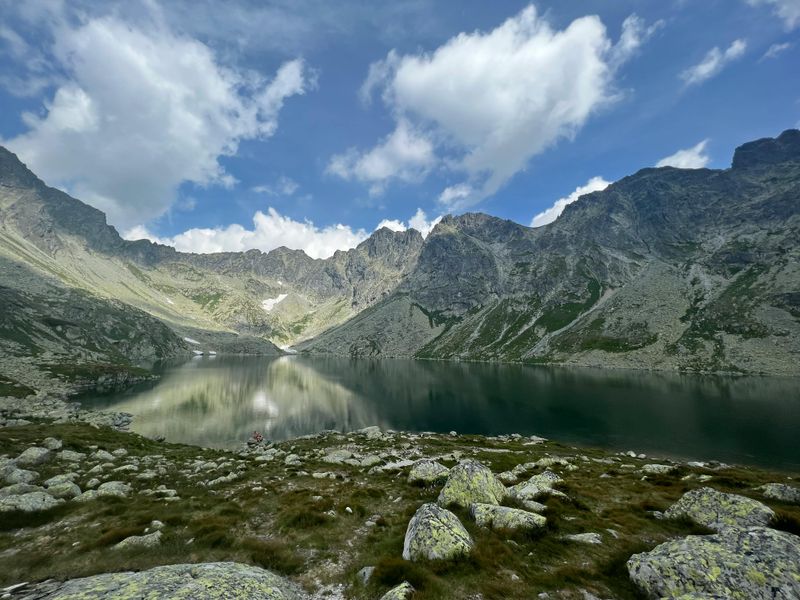
Sharp granite peaks pierce the sky in Europe’s smallest alpine mountain range, yet the High Tatras pack incredible drama into their compact size.
Crystal-clear glacial lakes mirror surrounding summits, creating postcard scenes at every elevation.
Cable cars whisk visitors to high-altitude starting points for adventures ranging from easy walks to challenging climbs.
Brown bears, lynx, and chamois roam forests and rocky slopes, making wildlife spotting genuinely exciting.
Mountain huts offer hearty Slovak meals and overnight stays for multi-day trekkers.
Winter transforms the region into a skiing paradise with fewer crowds than Alps resorts.
Summer wildflowers blanket meadows in colors that seem almost too vibrant to be real.
8. Salina Turda, Romania
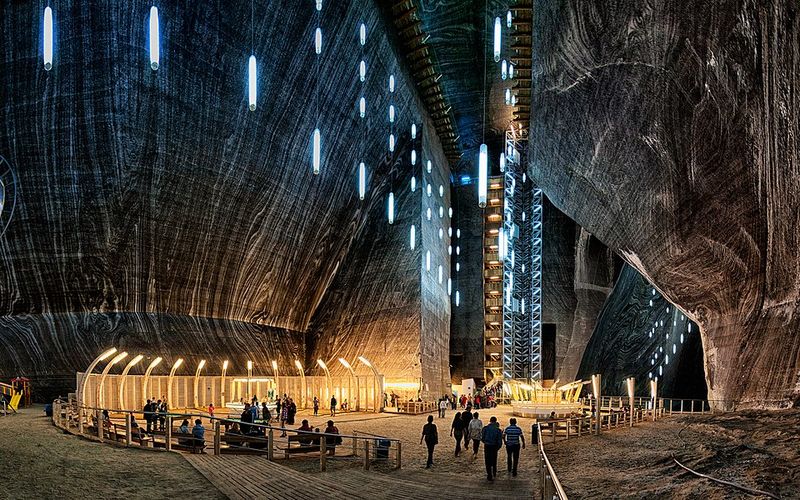
Descending into Salina Turda feels like entering a science fiction movie set, except everything is beautifully real.
This massive salt mine operated for centuries before transforming into Romania’s most unusual attraction.
Now a Ferris wheel spins inside a cavern carved entirely from salt, while boats float on an underground lake 120 meters below the surface.
The constant temperature stays around 10-12 degrees Celsius year-round, creating a refreshing escape from summer heat.
Salt-infused air supposedly offers health benefits, particularly for respiratory conditions.
Amphitheater spaces host concerts with incredible acoustics.
Mini-golf, bowling, and even a spa operate in chambers where miners once labored in darkness.
9. Białowieża Forest, Poland & Belarus
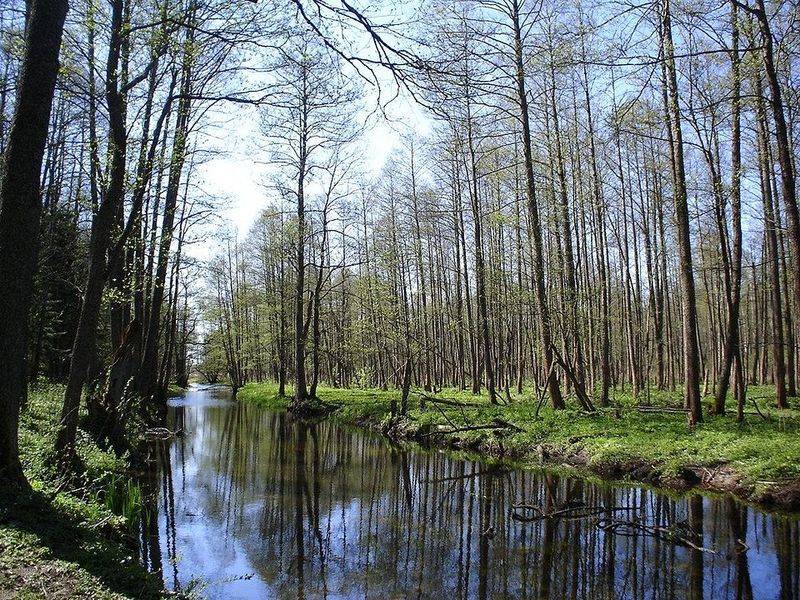
Step into Europe’s last remaining fragment of primeval forest, where trees have grown undisturbed for thousands of years.
Białowieża Forest shelters the continent’s largest population of European bison, massive animals that were nearly extinct a century ago.
Walking beneath 40-meter-tall oaks and spruces feels like traveling back to medieval times.
Strict protection means much of the forest remains completely wild, accessible only with authorized guides.
Wolves, lynx, and over 250 bird species thrive in this biodiversity hotspot.
Wooden observation towers provide views over the canopy.
Visit during early morning or dusk for the best chance of spotting bison grazing in forest clearings.
10. Kovachevitsa & Zheravna, Bulgaria
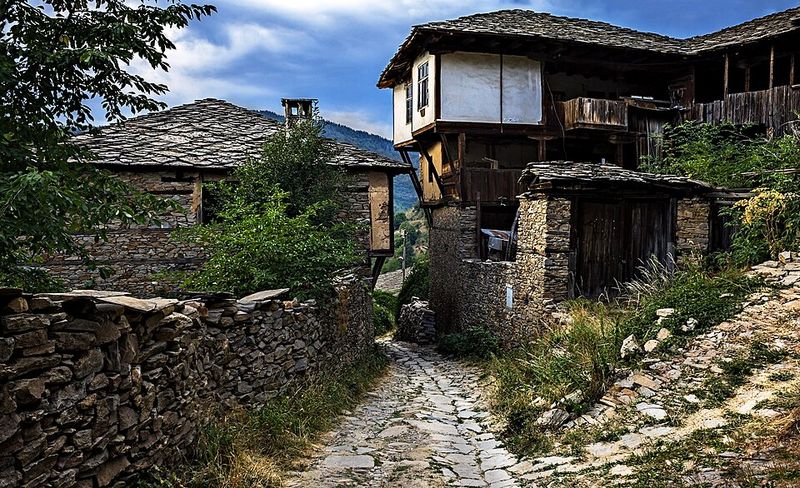
Bulgaria’s mountain villages preserve architectural styles that have vanished elsewhere, with Kovachevitsa and Zheravna standing as the finest examples.
Stone foundations support wooden upper stories with overhanging balconies, creating the distinctive Bulgarian Revival look.
Cobblestone lanes connect houses that seem frozen in the 19th century.
Local artisans still practice traditional crafts like weaving and woodcarving.
Several homes operate as guesthouses, offering authentic village experiences with home-cooked meals.
Surrounding forests provide excellent hiking, while village churches contain beautiful icon paintings.
Film crews frequently use these villages as historical backdrops, though daily life remains genuinely traditional and unhurried throughout the year.
11. Slovak Paradise National Park, Slovakia
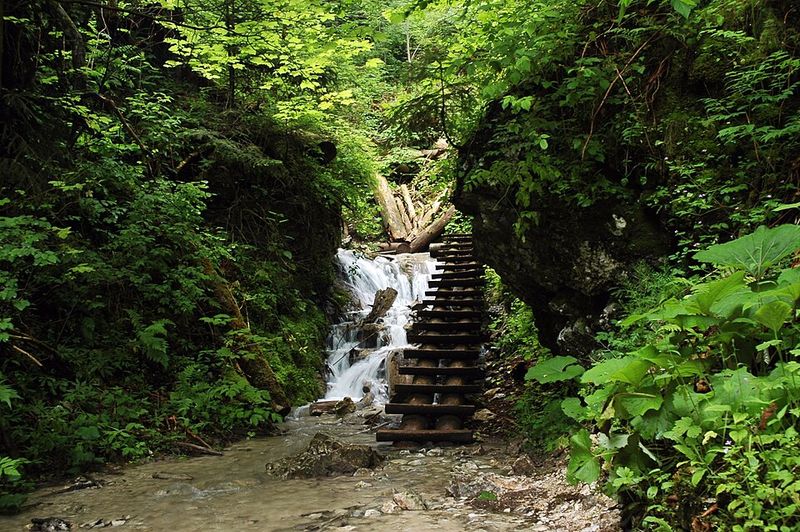
Don’t let the peaceful name fool you—Slovak Paradise delivers serious adventure.
Hikers climb vertical gorges using metal ladders and chains bolted to canyon walls, with waterfalls cascading beside the routes.
The park’s 300 kilometers of marked trails range from family-friendly paths to adrenaline-pumping scrambles.
Sucha Bela Gorge ranks as the most spectacular, featuring 22 waterfalls and countless ladders through impossibly narrow passages.
Spring snowmelt makes waterfalls most impressive, though trails can be slippery.
Limestone caves hide beneath the surface, including the stunning Dobsinska Ice Cave.
Dense forests shelter deer, wild boar, and occasional bears, making this park a true wilderness experience in the heart of Europe.
12. Poznań, Poland
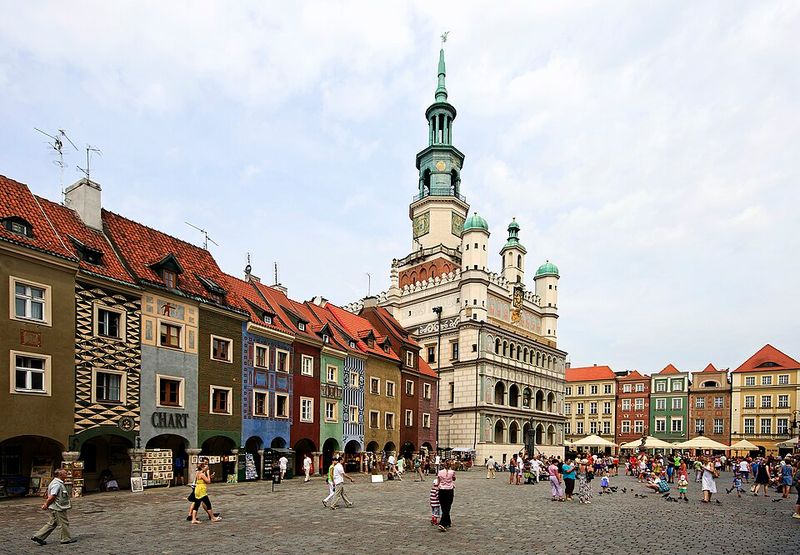
While tourists mob Krakow and Warsaw, Poznań quietly offers equally rich history with fraction of the crowds.
The Old Market Square dazzles with rainbow-colored Renaissance townhouses surrounding an ornate town hall.
At noon daily, mechanical goats emerge from the clock tower to butt heads, commemorating a 16th-century legend.
Student population keeps the city young and vibrant, with excellent restaurants and nightlife.
Cathedral Island showcases Poland’s oldest cathedral, dating to 968 AD.
Communist-era monuments contrast with medieval architecture, creating fascinating urban layers.
Summer brings open-air concerts and festivals, while Christmas markets transform the square into a winter wonderland without overwhelming tourist masses.
13. Chișinău & Old Orhei, Moldova
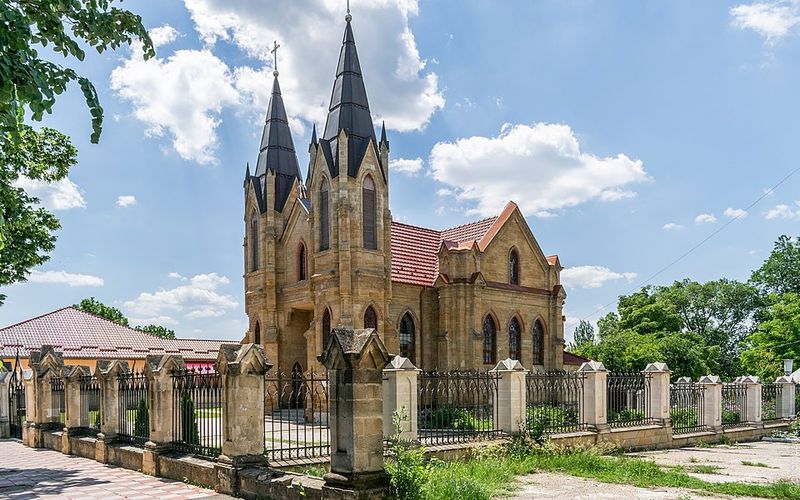
Moldova rarely appears on tourist itineraries, making it perfect for travelers seeking truly undiscovered destinations.
Chișinău’s tree-lined boulevards and Soviet architecture tell complex historical stories, while wine cellars beneath the city stretch for kilometers.
Old Orhei, an hour away, reveals a different world entirely.
Here, limestone cliffs shelter a cave monastery still used by monks today.
Archaeological remains span 2,000 years, from Dacian fortresses to medieval towns.
The Răut River curves around the site, creating dramatic landscapes.
Local families offer homestays with incredible hospitality and traditional meals.
Moldova’s wine culture rivals any in Europe, with vineyard tours offering exceptional value and authentic experiences far from tourist traps.
14. Zlatni Rat, Croatia
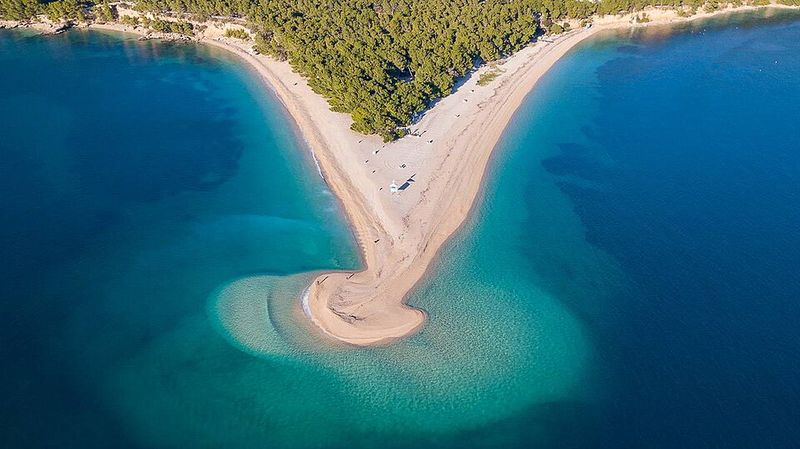
Croatia’s most photographed beach changes shape with winds and currents, its distinctive golden pebble spit shifting constantly into the turquoise Adriatic.
Zlatni Rat on Brač Island becomes a peaceful paradise during shoulder seasons, though summer brings significant crowds.
Pine forests provide shade behind the beach, releasing wonderful scents in the heat.
Windsurfers love the consistent breezes that sculpt the beach’s form.
Crystal-clear water reveals rocky seabeds perfect for snorkeling.
Nearby Bol town offers excellent seafood restaurants and charming stone architecture.
Visit in May, June, or September for warm swimming weather without peak-season crowds, when you can actually appreciate this natural wonder’s unique beauty.
15. Monemvasía, Greece
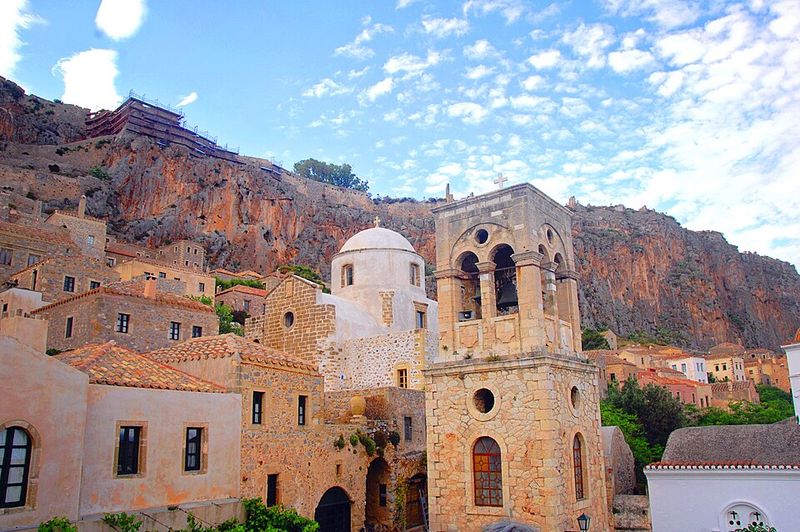
A massive rock island rises from the sea, connected to mainland Greece by a narrow causeway, hiding an entire Byzantine town on its seaward side.
Monemvasía remained invisible to passing ships, creating a perfect medieval refuge.
Stone buildings cascade down cliffsides, connected by winding alleys too narrow for cars.
Churches contain frescoes dating back a thousand years.
Boutique hotels occupy restored mansions, offering romantic accommodations with sea views.
Upper town ruins require steep climbs but reward with panoramic vistas across the Aegean.
Local restaurants serve fresh seafood on terraces overlooking waves.
Though technically Greek, Monemvasía’s position makes it a cultural crossroads often included in broader Eastern European explorations.