 MomSkoop
First impressions matter more than most people realize, and sometimes small habits send the wrong signals without anyone meaning to. Many men unknowingly push others away simply through their body language, expressions, or everyday behaviors.
These habits can make someone look cold, distant, or just plain unapproachable, even when they are actually kind and friendly on the inside. Understanding these patterns is the first step toward becoming someone others feel comfortable talking to.
1. Constantly Wearing a Serious or Angry Facial Expression

Some people call it “resting angry face,” and it is more common than you might think.
When a man constantly looks serious or upset, others automatically assume he is in a bad mood or does not want to be bothered.
Most people would rather avoid someone who looks like they are ready to argue than risk an awkward interaction.
The truth is, many men do not even realize their face is doing this.
It is just their natural expression when they are thinking or zoning out.
A simple fix is practicing relaxing the jaw and brow muscles.
Even a small, subtle softening of the expression can make a huge difference in how approachable someone appears to others around them.
2. Avoiding Eye Contact With Other People

Eye contact is one of the most powerful tools in human communication, and skipping it sends a loud message.
When a man refuses to meet anyone’s gaze, people often read it as disinterest, shyness, or even rudeness.
It creates a wall between him and everyone else in the room without a single word being spoken.
Avoiding eye contact usually comes from anxiety or social discomfort, not actual unfriendliness.
However, the people around him do not know that.
They only see someone who seems unwilling to connect.
Practicing brief, natural eye contact, just a second or two with a slight nod, can completely change how others perceive someone.
It signals openness and tells people that conversation is welcome.
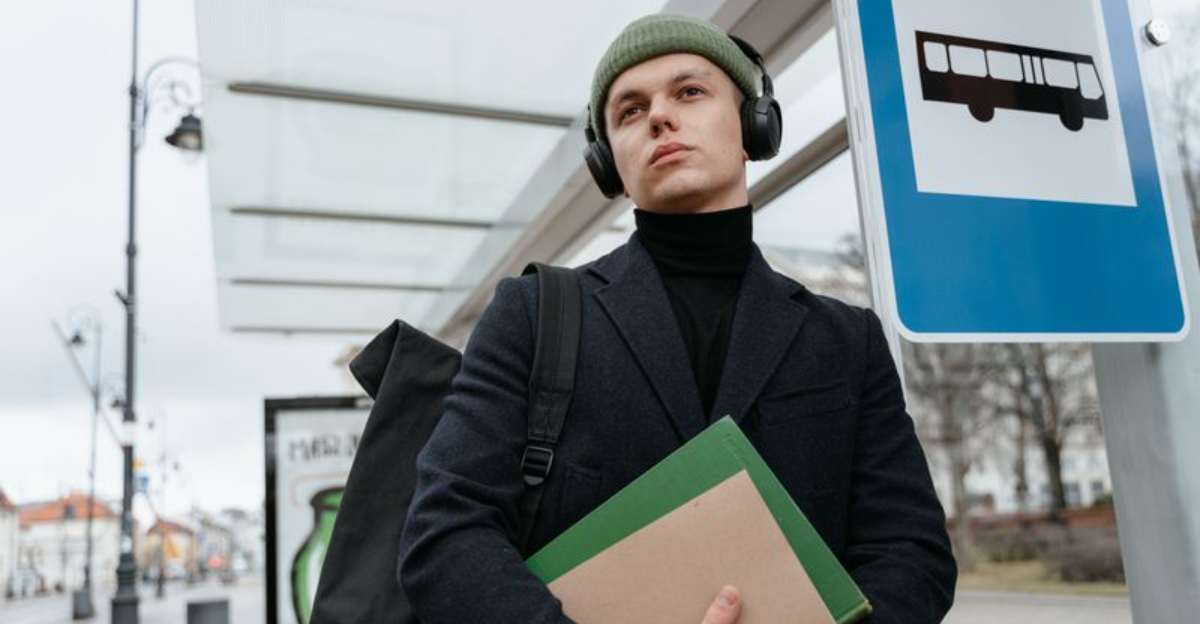
3. Keeping Headphones on in Public

Headphones have become the modern “do not disturb” sign, and wearing them constantly in public is a major barrier to connection.
Whether it is a coffee shop, gym, or bus stop, a man with headphones planted firmly on his ears is basically telling the world he is off limits.
Most people will not even try to start a conversation because they assume they will be interrupting something important.
There is nothing wrong with enjoying music or podcasts, but wearing headphones in every social situation closes off opportunities.
Try keeping one ear free or removing them when someone nearby seems like they want to talk.
Being slightly more available to the world around you can open doors to unexpected and genuinely enjoyable conversations.
4. Crossing Arms or Using Closed-Off Body Language

Body language speaks before words ever do, and crossed arms are practically a universal signal for “stay away.” When a man stands or sits with his arms folded tightly across his chest, it creates a physical barrier that feels emotionally cold to others.
People subconsciously pick up on these cues and decide it is not worth trying to engage.
Crossed arms often come from habit or simply feeling cold, not from any desire to push people away.
But the effect is the same regardless of the reason.
Open body language, like keeping arms relaxed at the sides or resting them comfortably, signals that someone is at ease and receptive.
Small physical adjustments can dramatically shift how welcoming a person appears to those around them.
5. Rarely Smiling in Social Settings

A smile is one of the simplest and most universally understood invitations to connect, and not using it is a missed opportunity every single time.
Men who rarely smile in social settings can come across as cold, bored, or even hostile, even if they are actually enjoying themselves on the inside.
Others tend to mirror the energy they receive, and a blank face gives them nothing to mirror.
Many men grow up being told that smiling too much looks weak or goofy, which is a harmful idea that limits real human connection.
A genuine smile is not about being fake or overly cheerful.
It is simply a signal that says, “I am comfortable and open to talking.” Practicing this one small habit can make an enormous difference in social settings.
6. Giving Very Short or One-Word Responses

Conversation is a two-way street, and one-word answers are like slamming the brakes on that street.
When someone asks a question and gets “yeah,” “fine,” or “sure” in return, they quickly get the message that the other person is not interested in talking.
It feels dismissive, even when that is not the intention at all.
Short responses often come from introversion, distraction, or just not knowing what to say.
But from the outside, they look like disinterest or even arrogance.
A simple upgrade is adding one extra sentence to any answer.
Instead of “yeah,” try “yeah, I actually really liked it because…” That tiny effort shows the other person their words matter and makes future conversations far more likely to happen.
7. Staying Glued to a Phone Instead of Noticing People Around You

Phones are incredible tools, but using one nonstop in social situations is the modern equivalent of putting up a “closed” sign.
When a man is constantly scrolling, texting, or staring at his screen, it signals to everyone nearby that they are less interesting than whatever is on that little screen.
Most people will not bother trying to connect with someone who seems that checked out.
The funny thing is, many people use their phones in social settings precisely because they feel awkward, not because they are actually that busy.
But it becomes a self-fulfilling cycle where the phone use prevents the very connections that might ease the awkwardness.
Putting the phone away, even for ten minutes, is a powerful first step toward being more present and approachable.
8. Acting Overly Busy or Rushed All the Time
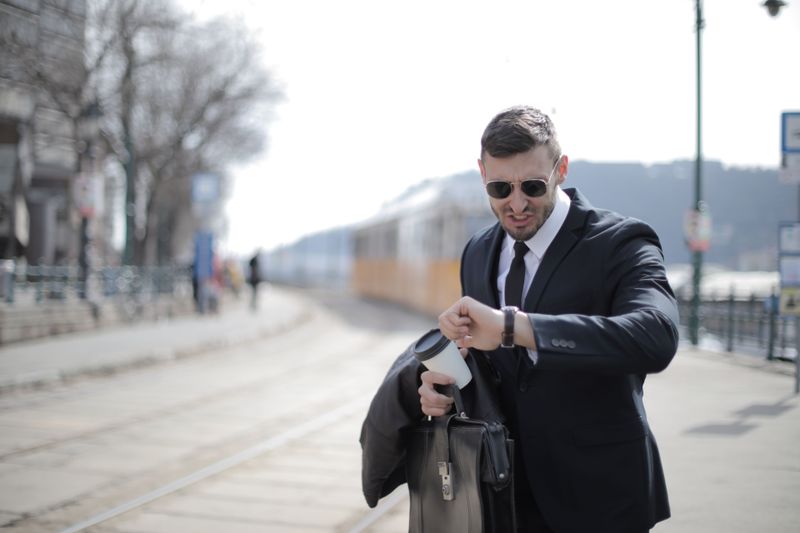
Everyone has busy days, but there is a difference between actually being busy and performing busyness as a personality trait.
When a man always seems rushed, stressed, and on the verge of running somewhere, people around him feel like an inconvenience just for existing near him.
No one wants to start a conversation with someone who looks like they are about to sprint out the door.
Projecting constant urgency often comes from stress or the need to look productive, but it quietly pushes people away.
Even slowing down the walking pace or pausing to acknowledge someone with a nod can signal that you have at least a moment to spare.
Approachability is not about having endless free time.
It is about showing others that people matter more than the next task on your list.
9. Appearing Judgmental or Unapproachable Through Facial Cues
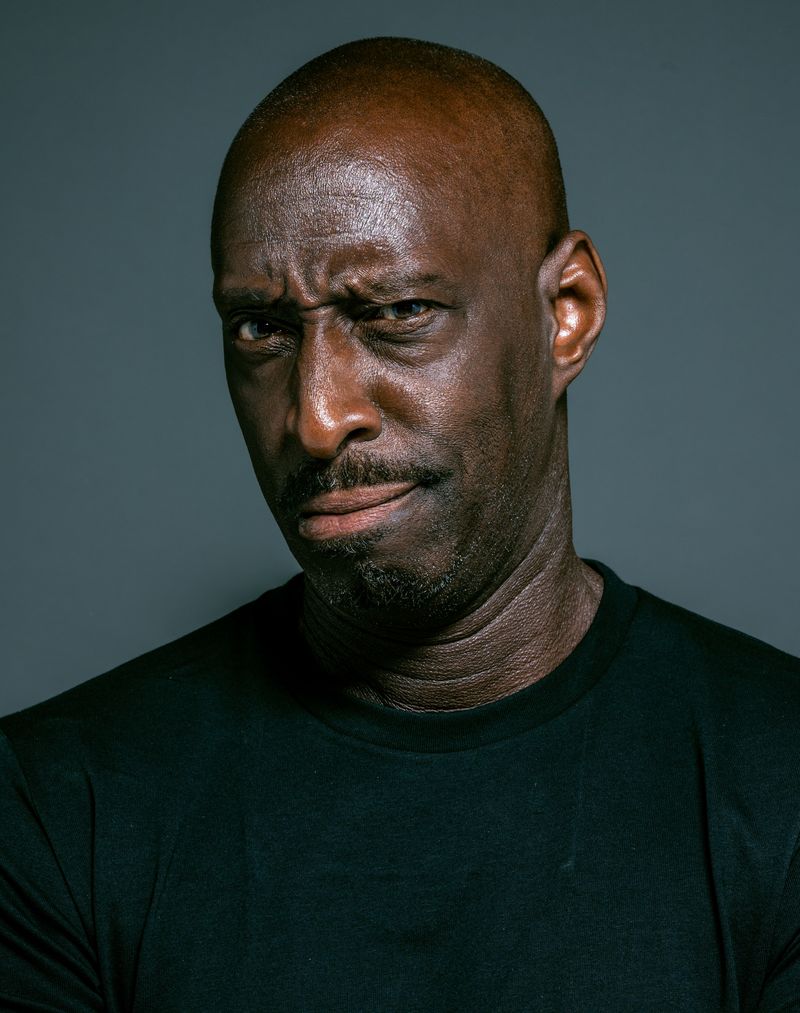
Raised eyebrows, a slight sneer, or a scanning look that lingers too long can all send the message that someone is being silently judged.
Even if a man is just thinking or observing, these tiny facial cues can make others feel uncomfortable and unwilling to start a conversation.
People are remarkably good at reading faces, and they will walk away from someone who makes them feel evaluated.
The tricky part is that most judgmental-looking expressions are completely unintentional.
A man might just be analyzing a situation or feeling unsure himself.
The fix starts with self-awareness, noticing how your face looks in the mirror during neutral moments.
Replacing a critical-looking expression with a more neutral or curious one can instantly make you seem far more welcoming to the people around you.
10. Not Initiating or Reciprocating Small Talk

Small talk gets a bad reputation, but it serves a real purpose.
It is the social glue that helps people feel comfortable enough to move on to deeper conversations.
A man who never initiates or responds to small talk sends the message that he either thinks he is above it or simply does not care about the people around him.
Neither impression is particularly inviting.
Skipping small talk often comes from introversion or social anxiety, not arrogance.
But without that initial layer of connection, deeper relationships rarely get the chance to form.
Trying something as simple as commenting on the weather or asking how someone’s day is going can break the ice quickly.
Small talk is not meaningless.
It is the doorway through which real conversations begin.
11. Standing or Sitting Apart From Others in Social Settings

Physical distance is one of the clearest signals a person can send, and it says, “I would rather be somewhere else.” When a man consistently positions himself at the edges of rooms or far from the group, people naturally assume he wants to be left alone.
Even if he is curious or interested, his location makes him seem completely off limits.
This habit often comes from social anxiety or simply not knowing how to join a group naturally.
But the result is a cycle where isolation leads to fewer interactions, which leads to more isolation.
Gradually moving closer to where people are gathered, even without saying a word at first, can change the dynamic significantly.
Proximity alone signals availability and opens the door for organic, comfortable conversations to begin.
12. Displaying Excessive Confidence or Arrogance

Confidence is genuinely attractive and admirable, but when it tips into arrogance, it becomes a wall that keeps people out.
A man who constantly talks about his achievements, dismisses others’ opinions, or carries himself like he is the most important person in the room quickly makes everyone around him feel small.
And people do not tend to approach those who make them feel that way.
The difference between confidence and arrogance often comes down to how someone treats others.
Confident people lift the room.
Arrogant people dominate it.
Showing genuine curiosity about others, asking questions, and being willing to admit you do not know everything are signs of real strength.
Approachability grows when people feel equal to you, not like they are auditioning for your attention.
13. Being Emotionally Guarded or Distant

There is a certain kind of quiet that feels warm and peaceful, and then there is the kind that feels like a locked door.
Emotional guardedness in men often looks like the second type.
When someone shares something personal and gets zero reaction in return, or when every attempt at connection is met with vague, surface-level responses, people stop trying to get closer.
Emotional walls are usually built for good reasons, often from past hurt or learned behavior.
But they also block the very connections that can help heal those wounds.
Opening up does not require sharing deep secrets right away.
Starting small, like sharing a genuine opinion or reacting honestly to something funny, signals to others that there is a real, accessible person behind the quiet exterior.
14. Showing Little Interest in What Others Say

Imagine sharing something you are excited about and watching the other person’s eyes glaze over.
That is exactly how it feels to talk to someone who shows no interest in what you are saying.
Men who frequently check their watch, look around the room, or give generic responses while others are talking come across as self-absorbed and cold, whether they mean to or not.
Active listening is one of the most underrated social skills a person can develop.
It does not require being endlessly enthusiastic about every topic.
It just means making eye contact, nodding occasionally, and asking a follow-up question now and then.
These small signals tell the other person that their words have value.
When people feel genuinely heard, they are far more likely to seek out that person’s company again.
15. Consistently Avoiding Social Situations or Opportunities to Interact

Skipping every party, ducking out of group lunches, or always finding a reason to leave early sends a clear message over time: this person does not want to be around people.
Even if the avoidance comes from anxiety or exhaustion, the pattern makes a man seem cold or uninterested in the people around him.
Eventually, people stop inviting him altogether.
Social avoidance often feels protective in the moment but becomes limiting over time.
Missing social opportunities means missing chances to build trust, share laughs, and form the kind of bonds that make life richer.
Challenging yourself to stay just a little longer than feels comfortable, or showing up even when you would rather not, slowly rewires the brain to find social situations less threatening and far more rewarding.